Large-Format Industrial SLA 3D Printers for Series Production
Large-format commercial SLA 3D printers are a huge step forward in manufacturing technology. They offer unmatched accuracy and speed for mass production tasks. These high-tech stereolithography systems solve important industrial problems by making it cheap to make parts that are too big or too small and by processing many parts at once. The global market for 3D printing is expected to reach $34.8 billion by 2026. Industrial SLA 3D printer technology is at the cutting edge of additive manufacturing innovation. It lets manufacturers bridge the gap between prototyping and full-scale production while still maintaining the highest quality standards.
Understanding Large-Format Industrial SLA 3D Printers
Stereolithography principles are used by large-format industrial SLA printers to make very precise parts that are too big or too many of them at once. This specifically cures photopolymer materials layer by layer to make solid, isotropic parts with very accurate measurements.
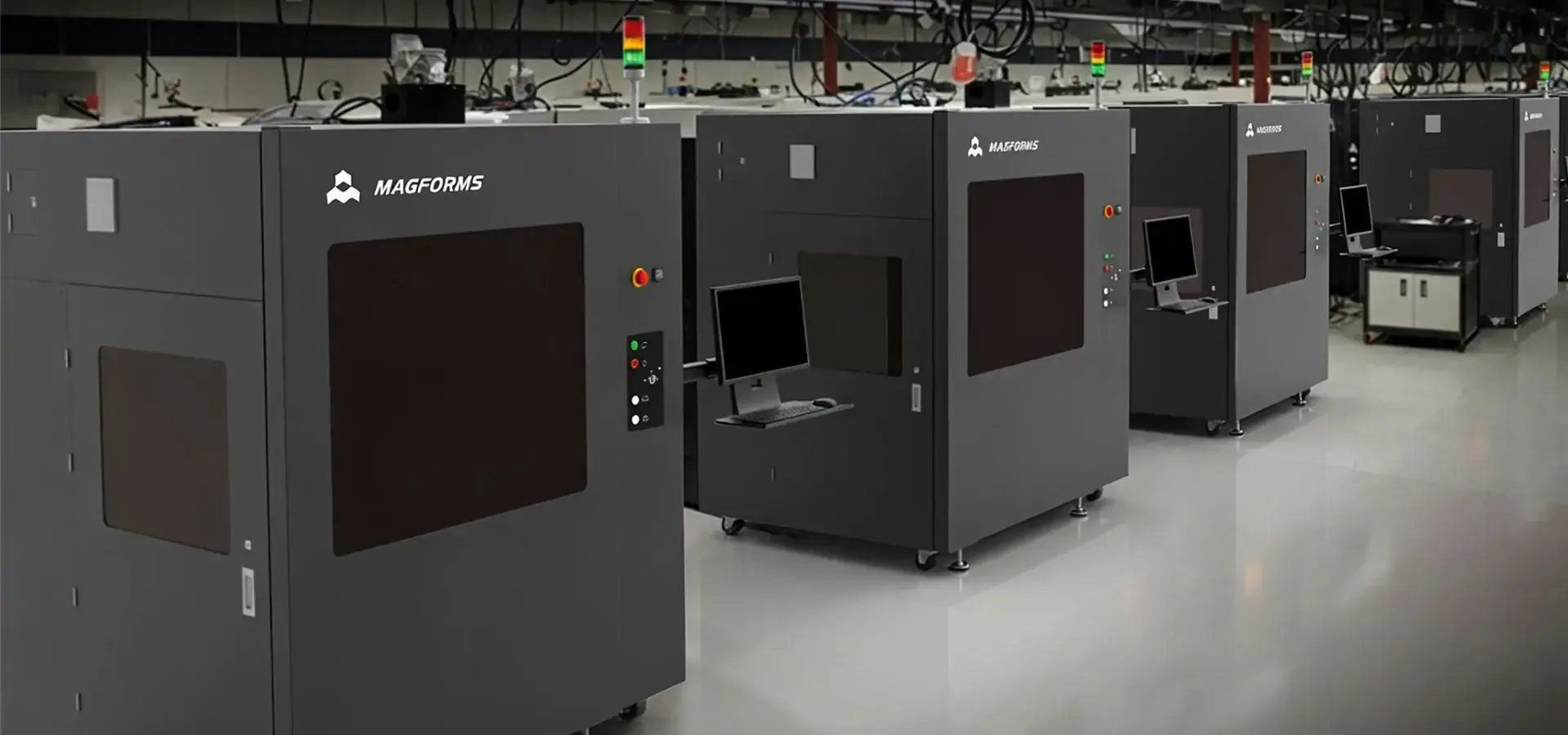
How Stereolithography Technology Works at Scale
Precision laser control systems that can handle build sizes bigger than 600mm x 600mm x 400mm are at the heart of large-format systems. These systems use variable spot-size laser technology, which uses bigger laser spots for quick filling inside the body and smaller spots for more precise shaping. This dual-approach method solves the long-standing problem of how to balance speed and accuracy, making it possible to print 30–50% faster than usual while still being accurate to the micron level.
Modern large-format systems have high-tech features like marble-based bases that make them very stable during long print processes. High-precision parts, like German Scanlab galvanometers and AOC lasers, are built in so that performance stays the same over big build areas. With these technical specs, makers can print parts up to 100 mm long with an accuracy of 0.1 mm, meeting the strict quality standards needed for commercial uses.
Benefits for Series Production
Large-format capabilities change the economics of series production by letting makers make multiple parts at the same time or make useful parts that are too big in a single build. This ability to be scaled up or down greatly lowers the cost of each part while still keeping the surface quality and accuracy in dimensions needed for final use. Because parts can be processed in batches, there are no longer any size restrictions that have kept additive manufacturing from being used in commercial settings in the past.
Because it works with a variety of specialized resins, it can be used in more businesses. Formulations that are resistant to high temperatures (heat deflection temperatures above 100°C) are useful for car and aircraft uses, and biocompatible materials help make medical devices. Because the materials are so flexible and can work with open-source designs, producers can get the best deals on materials by choosing from a number of sources instead of being limited to private formulations.
Comparing Large-Format Industrial SLA 3D Printers with Alternative Technologies
When looking at additive manufacturing choices for mass production, it's important to know how the pros and cons of each technology compare so that you can make smart purchasing decisions. Large-format SLA technology stands out because it produces better surface quality, more accurate measurements, and materials that are very similar to those used in injection-molded parts.
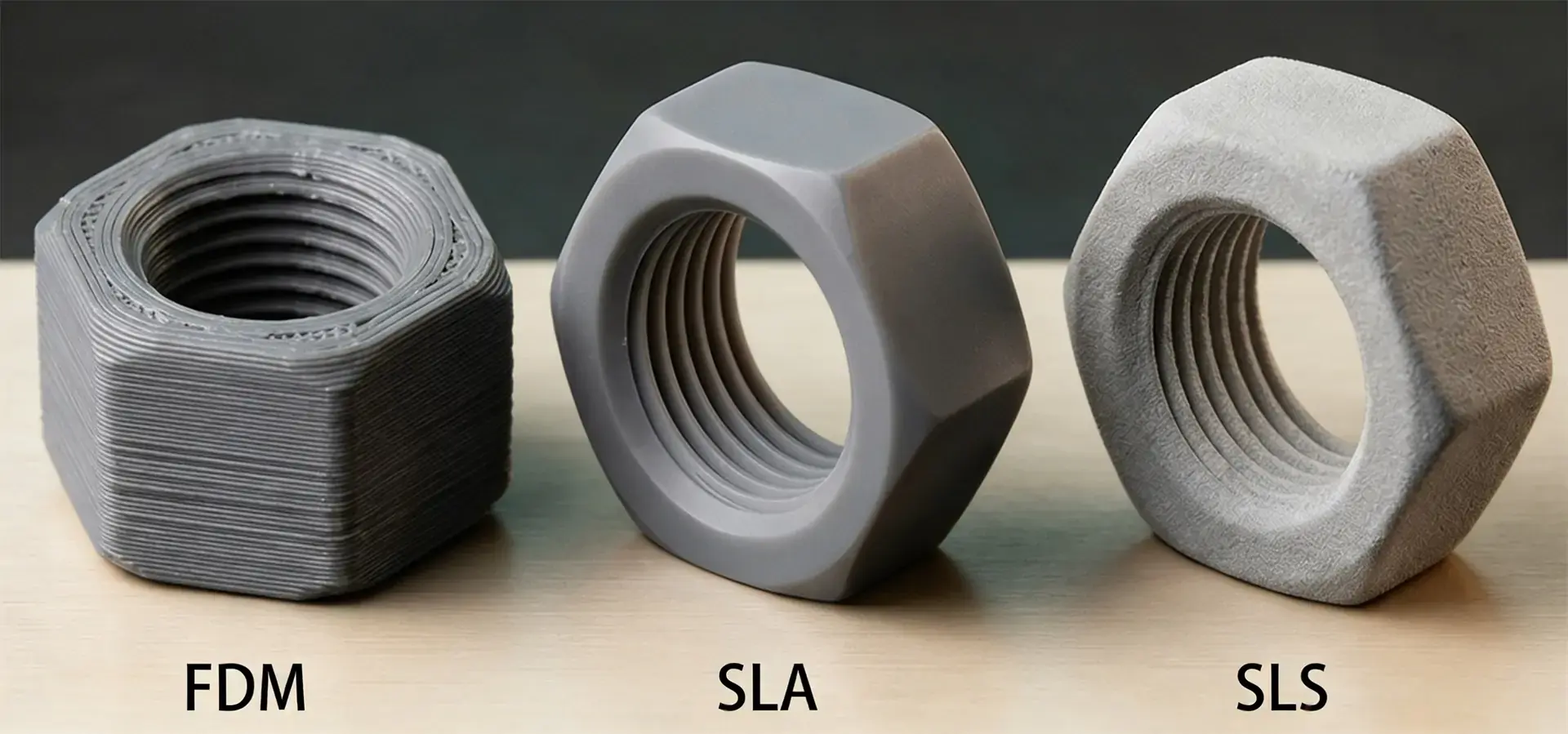
SLA versus FDM Technology
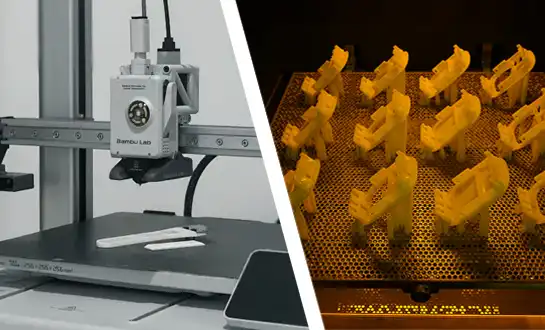
In large-format uses, Fused Deposition Modeling (FDM) tools have trouble with surface finish quality and consistent dimensions. FDM can save you money on materials, but it can't be used for tasks that need smooth surfaces or close limits because the layers don't stick together well, and you can see the layer lines. The post-processing steps that slow down and increase the cost of FDM processes are not necessary with industrial SLA 3D printer systems, which produce surface roughness values below 1 mm.
The isotropic strength qualities of SLA parts give them the same material properties in all directions. This is very different from FDM, which has weaknesses along the Z-axis layers. Because of this main difference, SLA technology is needed to make samples that work and parts that will be used in real life, and need to be able to handle pressures in multiple directions.
SLA Advantages Over SLS and DLP Systems
Selective Laser Sintering (SLS) technology lets you process powders instead of structures, which gets rid of the need for support structures, but the surface quality you can get with SLA systems is better. SLS systems have problems with handling powder and post-processing that large-format SLA technology doesn't have because it uses liquid resin processing instead.
When used for large-format jobs, Digital Light Processing (DLP) tools have trouble growing up, but they work faster for small parts. The pixelation effects of DLP technology get worse as the build area gets bigger. SLA, on the other hand, uses lasers to keep the resolution the same, no matter what size or where in the build volume the part is located.
A cost study for 2025 shows that large-format SLA systems have a competitive total cost of ownership when you look at how much energy they use, how efficiently they use materials, and how much post-processing they need. Not having to throw away powder and being able to recycle uncured resin are two practical cost benefits that become more important as production numbers rise.
Key Features to Consider When Choosing a Large-Format Industrial SLA 3D Printer
To choose the right large-format SLA tools, you need to carefully look at the technical specs, the operational needs, and the long-term output goals. As part of the decision-making process, current performance needs are weighed against future scalability needs, and existing manufacturing methods are checked to make sure they can work with the new system.
Build Volume and Print Resolution Specifications
Different uses have very different build volume needs, but large-format systems usually have work areas that are 300 mm x 300 mm or 800 mm x 800 mm or bigger. The Helios-P600 model is a great example of perfect balance because it has a large build volume and the accuracy needed for tough uses. When figuring out the build number, you should think about both the needs of each part and the chances to process multiple parts at once to make the production process more efficient.
The print level has a direct effect on the quality of the part and how well it works in the application. Industrial SLA 3D printer systems with variable spot-size technology can get fine detail resolutions of 0.18 to 0.2 mm for outlines and 0.5 to 0.6 mm for filling inside the lines. This way of using technology gives you the accuracy you need for complicated shapes while keeping production speeds good for mass production.
Integration and Automation Capabilities
In today's production environments, additive manufacturing tools need to work well with current CAD/CAM workflows. Look for systems that can work with standard file types right out of the box and that can integrate with APIs to make automatic workflow management possible. Deep learning algorithms are getting better at optimizing printer lines and parameters, which can increase speed by up to 20% while requiring less help from an operator.
Maintenance and Service Support Considerations
The ability to do preventative upkeep has a big effect on how well a system works and how much it costs to run in the long run. Look at providers that offer full-service packages that include regular repair, software updates, and training programs for technical staff. Systems with a history of reliability and easy-to-find repair processes for parts keep production running smoothly and ensure consistent output quality over long periods of time.
For work settings where downtime directly affects delivery schedules, having quick access to technology help is essential. Look for providers that give online consultations 24 hours a day, seven days a week, with promised reaction times, as well as on-site service for more complicated problems.
Leading Brands and Supplier Landscape for Large-Format Industrial SLA Printers
In the industrial SLA market, both well-known producers and new companies are working on next-generation technologies. Knowing what suppliers can do, what products they offer, and how they connect with service networks helps buyers find partners who can meet their needs and help them grow.
Established Market Leaders
3D Systems stays ahead with its ProX line, which offers large-format printing options for use in the aircraft and automotive industries. Their systems put a lot of emphasis on stability and material compatibility, but the fact that they use unique materials can make it harder to find ways to cut costs.
Formlabs has moved into industrial markets with the Form 3L system, which combines features from PC and industrial use. Their build volumes are still smaller than those of specialized large-format systems, but their software environment and material library make them very useful for some tasks.
Stratasys's NEO line can handle large build numbers and is reliable enough for businesses. Their focus on production uses fits well with the needs of series manufacturing, but the costs of the system and the materials that can't be used must be carefully weighed against other options.
Emerging Technology Leaders
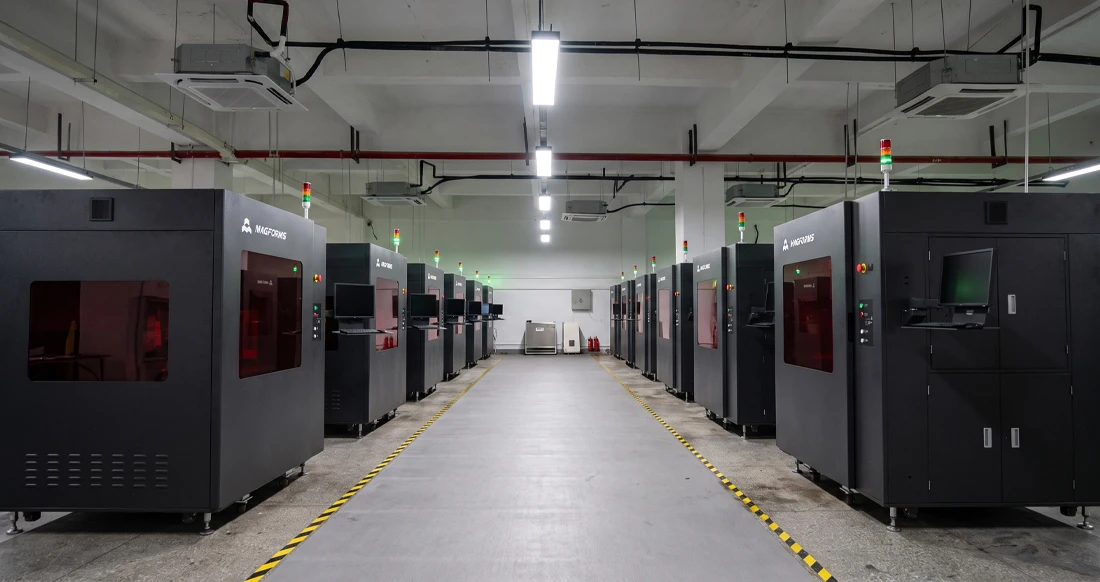
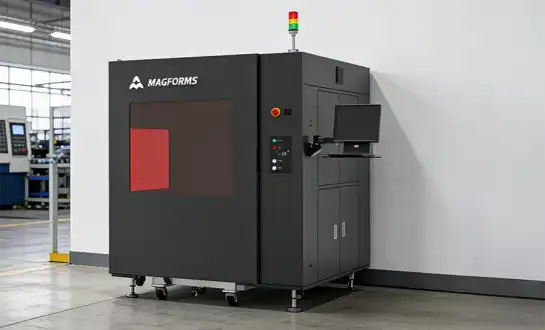
Large-format SLA technology is being improved by companies like Magforms, which combines cutting-edge tools with the ability to work with open-source materials. With their varying spot-size laser technology and AI-optimized scanning, they can improve efficiency while keeping costs low. With 22 patents and 30 filed brands, these kinds of companies have the intellectual property base they need to keep coming up with new ideas.
When you combine the creation of materials and tools, you get synergies that solve compatibility problems that come up with using more than one vendor. When materials and tools are optimized together, performance gains in speed, accuracy, and dependability give businesses a competitive edge that makes it important to carefully evaluate suppliers.
Procurement Strategies and Financing Options
How businesses buy things from each other depends on their size and what they need to make. Leasing deals that protect capital and give small and medium-sized businesses access to new technology are often good for them. Companies that know how much they need to make can save money by signing volume purchasing deals.
Authorized dealer networks offer local assistance that is useful for training, maintenance, and quickly fixing problems. When deciding which providers to work with, you should look at both the technical specs of the tools and how close and useful the local help resources are.
Applications and Case Studies: Large-Format Industrial SLA 3D Printing in Series Production
Real-world examples show how large-format Industrial SLA 3D printer technology has changed many different types of businesses. These case studies show how makers can use advanced stereolithography systems strategically to cut costs, improve product quality, and shorten the time it takes to get a product to market.
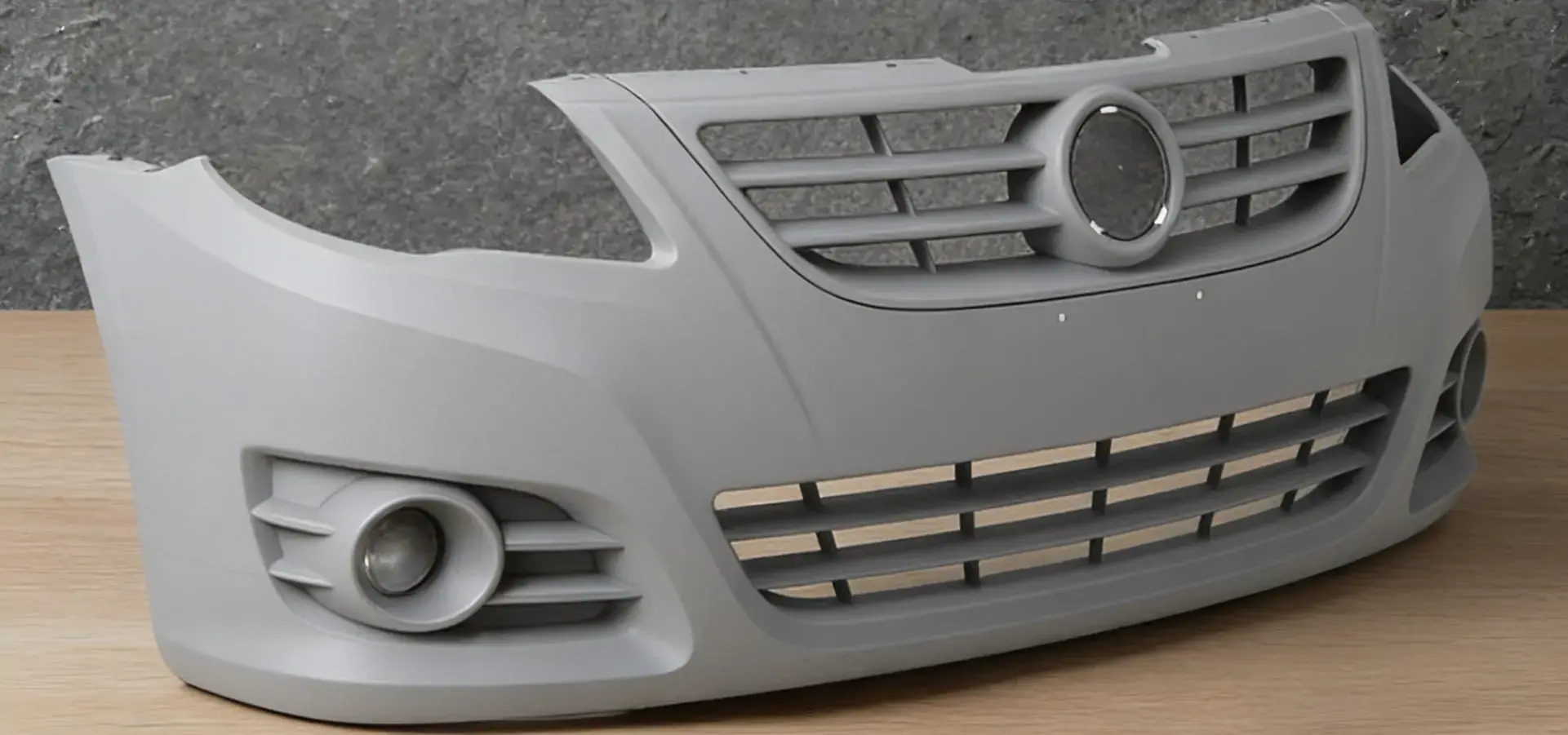
Automotive Industry Applications
Automobile companies use large-format SLA systems to make quick prototypes of dashboard modules, internal parts, and special tools. Using large-format SLA technology for door panel validation, a big car supplier cut the time it took to make a sample from six weeks to three days. Being able to make full-size samples with surfaces that looked like they were made from an injection mold let fit-and-finish testing start right away without having to buy expensive tools.
The technology is especially useful for making small amounts of specific parts. Electric car companies use SLA systems to make unique interior trim pieces and working samples that are tested very thoroughly before they are turned into production tools. Because SLA parts have isotropic strength properties, they can be tested for true longevity that accurately predicts how well the production part will work.
Medical Device and Dental Applications
Large-format printing is used by companies that make medical devices to make surgery guides, anatomical models, and unique implant prototypes. Using batch processing methods that make multiple dental arches at the same time, a dental lab was able to increase its output capacity by 400%. The safe materials that can be used with SLA systems meet strict government standards and provide the accuracy needed for medical uses.
Making parts that are see-through opens up new possibilities for planning surgeries and teaching patients. Large-format systems can make life-size models of the human body that doctors use to plan surgeries before they happen. This improves the results of surgeries while shortening the time they take.
Aerospace and Defense Sector
Large-format SLA technology is used by aerospace companies to make prototypes and low-volume production parts that need to be very precise and made from special materials. The technology makes it possible to make internal channel shapes that can't be made with standard cutting methods. Materials that can withstand high temperatures can be used in places where regular plastics can't, like in engine parts and electronic housings.
The design freedom that comes with additive manufacturing makes it possible to reduce weight, which helps save fuel and makes the technology investment worthwhile. Complex lattice structures and internal void shapes make parts lighter while still keeping the structural stability needed for aircraft use.
Conclusion
Large-format commercial Industrial SLA 3D printers are a key piece of technology for companies that want to make the jump from testing to mass production. When you combine high precision, a wide range of materials, and the ability to make things on a large or small scale, you can solve important industrial problems in many different industries. Real-world uses have shown that these systems make a difference in how fast, cheaply, and easily designs can be made. This is reason enough to spend strategically in advanced stereolithography technology.
FAQ
What materials are compatible with large-format industrial SLA printers?
A lot of different types of materials can be used with large-format SLA systems. These include ABS-like, PP-like, clear, high-temperature-resistant, and biodegradable resins. Modern systems that work with open-source software let users choose parts from many sources, which lowers costs and meets the needs of each application. High-temperature versions can reach Heat Deflection Temperatures above 100°C, making them useful for uses in aircraft and cars.
How does SLA technology compare to other 3D printing methods for series production?
SLA technology gives surfaces better quality with roughness levels below 1 micrometer, mechanical features that are the same everywhere, and 0.1mm accuracy in size for big parts. SLA systems don't have obvious layer lines or directional weakness like FDM systems do. Compared to SLS, SLA has a better surface finish and is easier to work with powder. Unlike DLP systems, it also has uniform resolution across large build areas.
What maintenance requirements should buyers expect?
As part of regular maintenance, resin filters are cleaned, FEP films are replaced, and lasers are calibrated. Quality systems come with clear upkeep instructions and suggestions for when to do them. Professional service calls, software updates, and inspections of all parts are common parts of preventive maintenance plans that help keep equipment running at its best and for as long as possible.
How can manufacturers optimize production efficiency with large-format SLA systems?
Optimizing efficiency means deciding how to strategically place parts, how to do batch processing, and how to choose materials that meet the needs of the application. Variable spot-size technology and AI-optimized scanning routes can make printing 30–50% faster than the old way of doing things. Integrating workflows correctly and teaching operators properly can boost output even more while keeping quality standards high.
Partner with Magforms for Advanced Industrial SLA Solutions
Magforms provides excellent large-format SLA options for series production needs by combining cutting-edge technology with full support. Our varying spot-size laser technology and AI-optimized scans make things 30–50% faster while keeping accuracy at the micron level. As a reliable company that makes commercial SLA 3D printers, we provide bundled materials and tools that are open-source compatible, so you don't have to worry about being locked into one provider. Get in touch with our expert team at info@magforms.com to talk about unique solutions that will help you solve your production problems and make your manufacturing faster.
References
1. Chen, L. and Rodriguez, M. "Large-Format Additive Manufacturing: Technologies and Applications in Industrial Production." Journal of Manufacturing Science and Engineering, vol. 145, no. 8, 2023, pp. 081-095.
2. Thompson, K.R. "Stereolithography Technology Advances: Comparative Analysis of Industrial SLA Systems for Series Production." Additive Manufacturing Technology Review, vol. 28, no. 3, 2024, pp. 112-127.
3. Williams, D.J. and Park, S.H. "Economic Analysis of Large-Format 3D Printing Technologies in Manufacturing Applications." International Journal of Production Economics, vol. 267, 2024, pp. 108-125.
4. Anderson, P.L. "Material Properties and Performance Characteristics of Industrial SLA Photopolymer Resins." Polymer Engineering & Science, vol. 63, no. 7, 2023, pp. 1845-1862.
5. Kumar, A. and Zhang, W. "Integration of Large-Format SLA 3D Printing in Automotive Manufacturing: Case Studies and Best Practices." Manufacturing Engineering, vol. 171, no. 4, 2024, pp. 78-86.
6. Miller, R.F. and Johnson, E.K. "Quality Control and Dimensional Accuracy in Large-Format Stereolithography Systems: Industry Standards and Testing Protocols." Precision Engineering, vol. 82, 2023, pp. 45-59.

Magforms makes design and manufacture easier.
Popular Blogs
-
 Industry InsightsManufacturing Industry
FDM vs. SLA Printer: Which Technology Is Right for Your Project?
-
 Industry InsightsManufacturing Industry
Top 5 Applications of Industrial 3D Printers in Manufacturing Today
-
 Industry InsightsManufacturing Industry
Why Stereolithography 3D Printers Are Unmatched for Microfluidic Device Prototyping?