Large Scale Resin 3D Printer Buying Guide for Professionals
If you want to change the way you make things in the automobile, aircraft, medical, and consumer electronics industries, you should buy a large-scale resin 3D printer. These industrial-grade systems utilize advanced photopolymerization technologies to produce numerous parts with micron-level accuracy and injection-mold surface quality. This guide tells you what you need to think about when choosing equipment that fits your operational needs, budget, and growth plans. It also discusses some of the most common problems that technical directors, R&D managers, and production decision-makers face when they have to buy things in today's competitive manufacturing environment.
Introduction
Industrial additive manufacturing has evolved in recent years. Recently inconceivable things can now be done using resin-based systems. Large-scale resin 3D printer technology is leading this transformation because it lets companies manufacture precise, high-volume items with improved surface qualities. Businesses increasingly use this technology for applications such as quick automobile interior prototypes, small-batch production of aviation connectors, and personalized medical devices.
This comprehensive buying guide helps sourcing workers and decision-makers navigate the complex industrial resin printing system market. If you run a specialized 3D printing service bureau that handles a wide range of client orders, an automotive R&D department that makes next-generation vehicle parts, a dental laboratory that makes custom orthodontic appliances, or manufacturing operations that require precise tools, this roadmap will help you choose the best equipment.
You're experiencing something real and meaningful. Traditional equipment is inaccurate and has a high failure rate during batch manufacturing, wasting materials and causing costly delays. Complex material ecosystems and expensive pricing make some high-end overseas brands difficult for small and micro firms to afford. When machinery doesn't work together, you must buy pricey consumables from one vendor. This makes changing processes and lowering costs tougher. The worst part about sluggish after-sales support is that it can disrupt production schedules when precise equipment requires repair or maintenance.
With these issues in mind, this handbook discusses technical requirements, material appropriateness, total cost of ownership, and provider support mechanisms that determine large-format resin printing system success.
Understanding Large-Scale Resin 3D Printers
Core Technology Principles
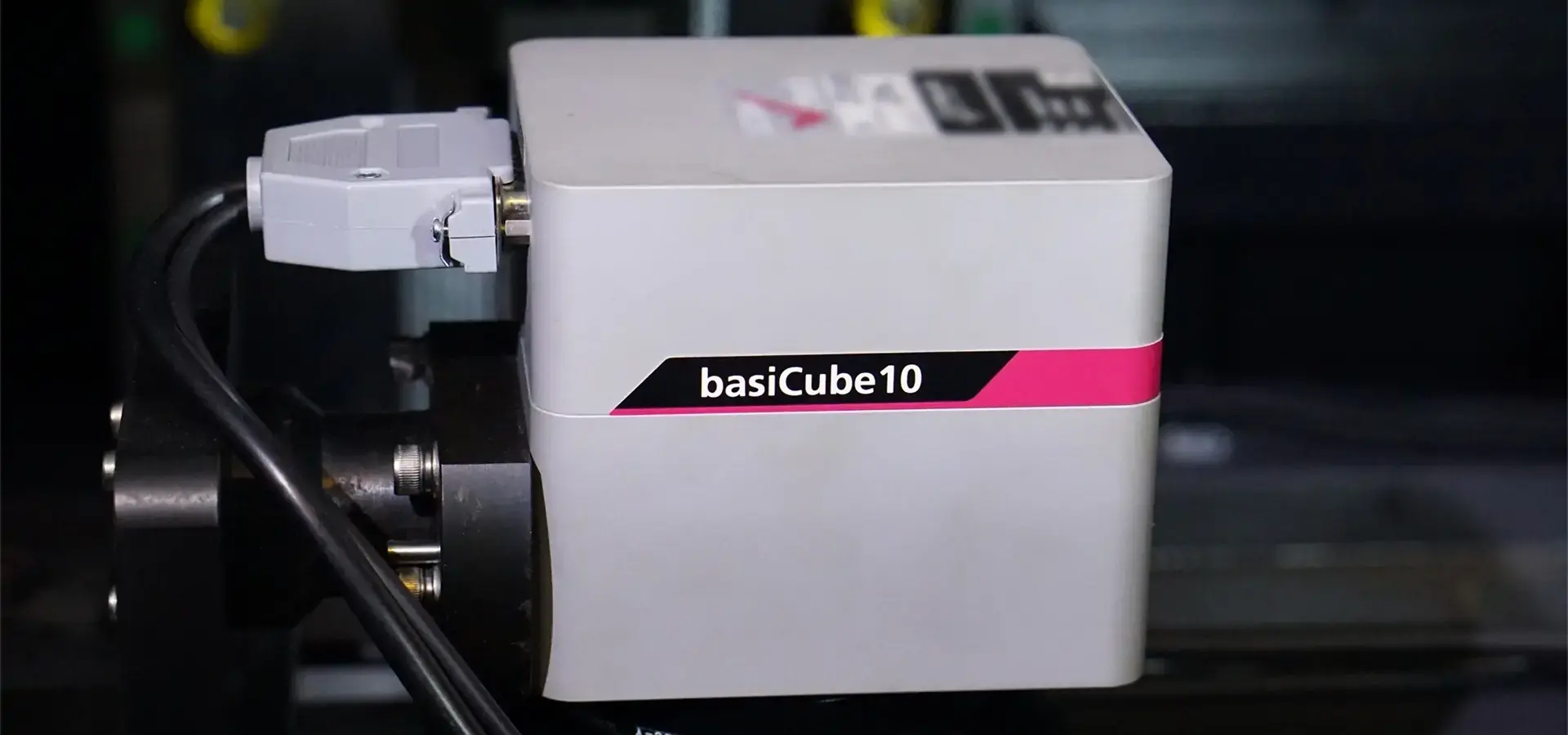
Vat photopolymerization technology, including Stereolithography (SLA), Digital Light Processing (DLP), and Masked Stereolithography (mSLA/LCD), moves toward large-scale resin 3D printing systems. These devices can produce envelopes larger than 300x300x300mm and have capacities up to a cubic meter, unlike desktop ones. Photosensitive liquid resin is cured using high-power UV light. Layer by layer, parts are produced with incredible size accuracy.
The technical architecture differs from fused deposition modeling. Using a moving nozzle, filament-based technologies deposit molten thermoplastic. Resin systems can reproduce finer details either by curing entire layers simultaneously (DLP/LCD) or through rapid laser scanning (SLA). High-end large-format systems may employ 8K or 12K monochrome LCD panels (for mSLA) or laser galvanometer setups (for SLA), achieving 25–85 micron XY resolution for print widths over 600 mm. Collimation lenses and Fresnel arrays assure more than 90% light uniformity from edge to center in advanced optical systems. This prevents large flat shapes from warping, which would compromise part accuracy.
Material Diversity and Application Matching
The resin ecosystem has matured, and industry-specific formulas are available. Standard resins are affordable and can be used for visual prototypes and form studies. Engineering-grade formulations, on the other hand, offer mechanical characteristics similar to injection-molded ABS or polypropylene. They enable functional testing under mechanical stress, with tensile strengths exceeding 50 MPa and defined elongation at break values.
High-temperature resins are beneficial for thermal testing and automotive applications, as they maintain dimensional stability and mechanical strength at temperatures up to 230°C. Soft, elastomeric formulations can make gaskets, seals, and padding with Shore A hardnesses between 30A and 95A. Dental and medical resins are biocompatible for intraoral and skin contact. This enables surgical guides, orthodontic models, and personalized prosthetics. Castable resins burn out cleanly during investment casting for jewelry and precision metal parts.
Addressing Critical Manufacturing Challenges
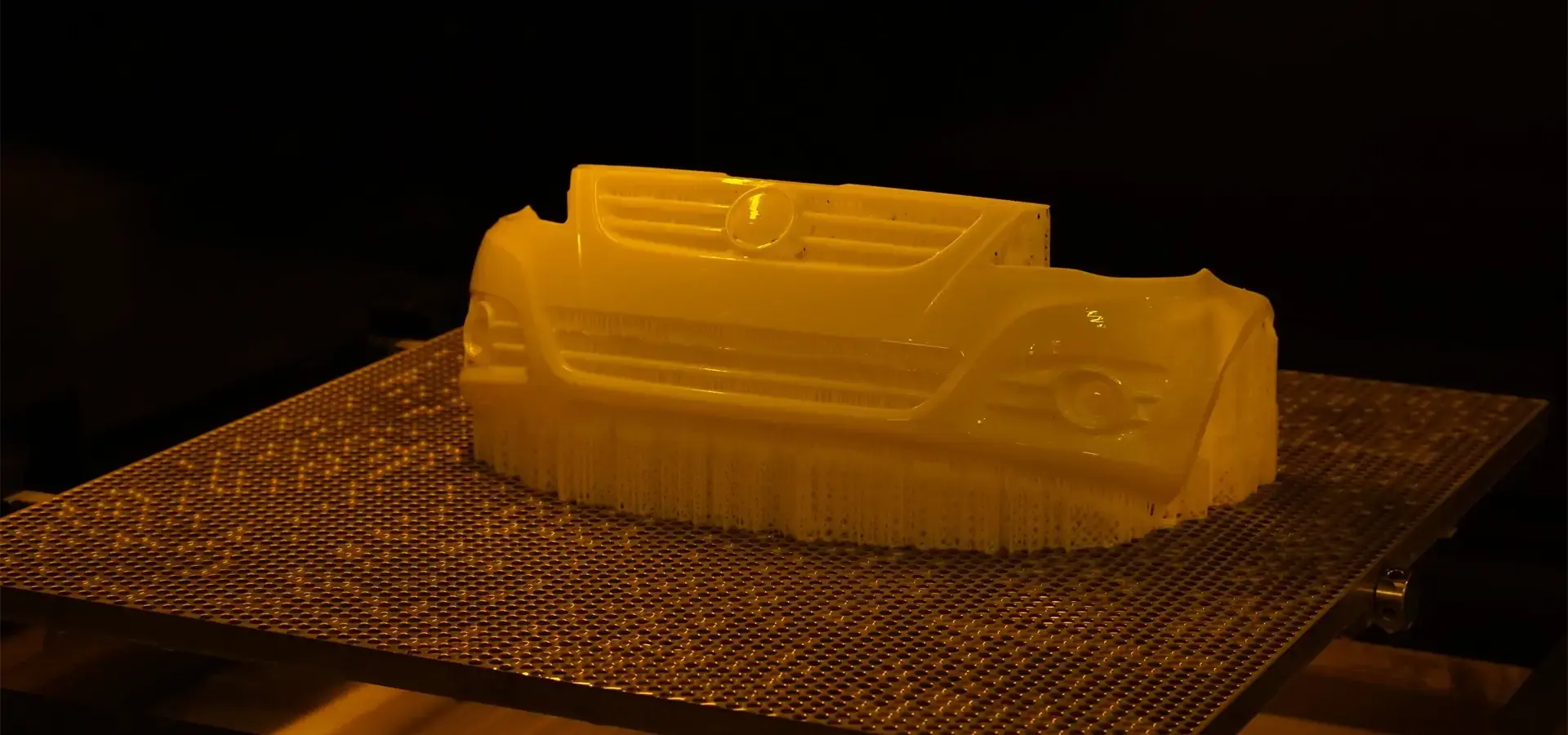
Industry fixes production bottlenecks with big-format resin systems. These solutions remove structural faults, visible seam lines, and time-consuming assembly caused by cutting big prototypes into smaller pieces for printing and bonding. Segmented units cannot preserve structure and isotropic mechanical qualities like a single-piece car bumper or helmet prop prototype.
Batch production with high throughput is another feature. The large build plate allows simultaneous printing of multiple parts such as dental aligner molds, electrical connectors, and jewelry. Print time per layer remains constant regardless of how many parts are nested, making batch production far more efficient than sequential printing. This parallelism transforms the economics of small-batch and specialized manufacturing, enabling production volumes that previously required injection molding equipment.
Key Considerations When Choosing a Large-Scale Resin 3D Printer
Build Volume and Production Scale Requirements
Be honest about your applications' physical sizes before making a decision. Large build envelopes are needed for full-scale anatomical models, aircraft structural parts, and vehicle interior panels. Dental labs creating bulk aligners or consumer electronics businesses designing wearable tech housings may be able to use 300x300x300mm platforms.
Consider your current and future needs for the large-scale resin 3D printer. Too limited capacity forces inefficient multi-part production or early equipment replacement. However, purchasing excessive build volume increases the starting cost, material usage for each print cycle, and post-print effort. Magforms and other industrial system manufacturers offer flexible platform options that help firms adapt their investment to their production needs while maintaining upgrade pathways as they grow.
Resolution, Precision, and Surface Quality Standards
Professional resin systems differ from desktop ones in micron-level precision. The laser spot size or pixel pitch defines XY resolution, which affects surface textures, fine feature reproduction, and measurement accuracy for small elements like thread shapes, connection pins, and complicated lattice structures. The Z-axis layer height determines surface smoothness and layer clarity. Industrial systems can achieve layer thicknesses ranging from 25 to 100 microns depending on the application.
Dimensional accuracy should typically be within ±0.1% of part length or ±0.1 mm (whichever is greater) to meet industrial quality benchmarks, such as those outlined in ISO/ASTM 52900. This accuracy enables you to test prototypes for functionality without considering size. It speeds up design approval and aids inspection duties that don't require post-machining. Finished surfaces close to Ra values of 1 to 3 microns require fewer finishing procedures. Customer-visible parts, optical parts, and medical devices need smooth, safe surfaces.
Material Compatibility and Operational Flexibility
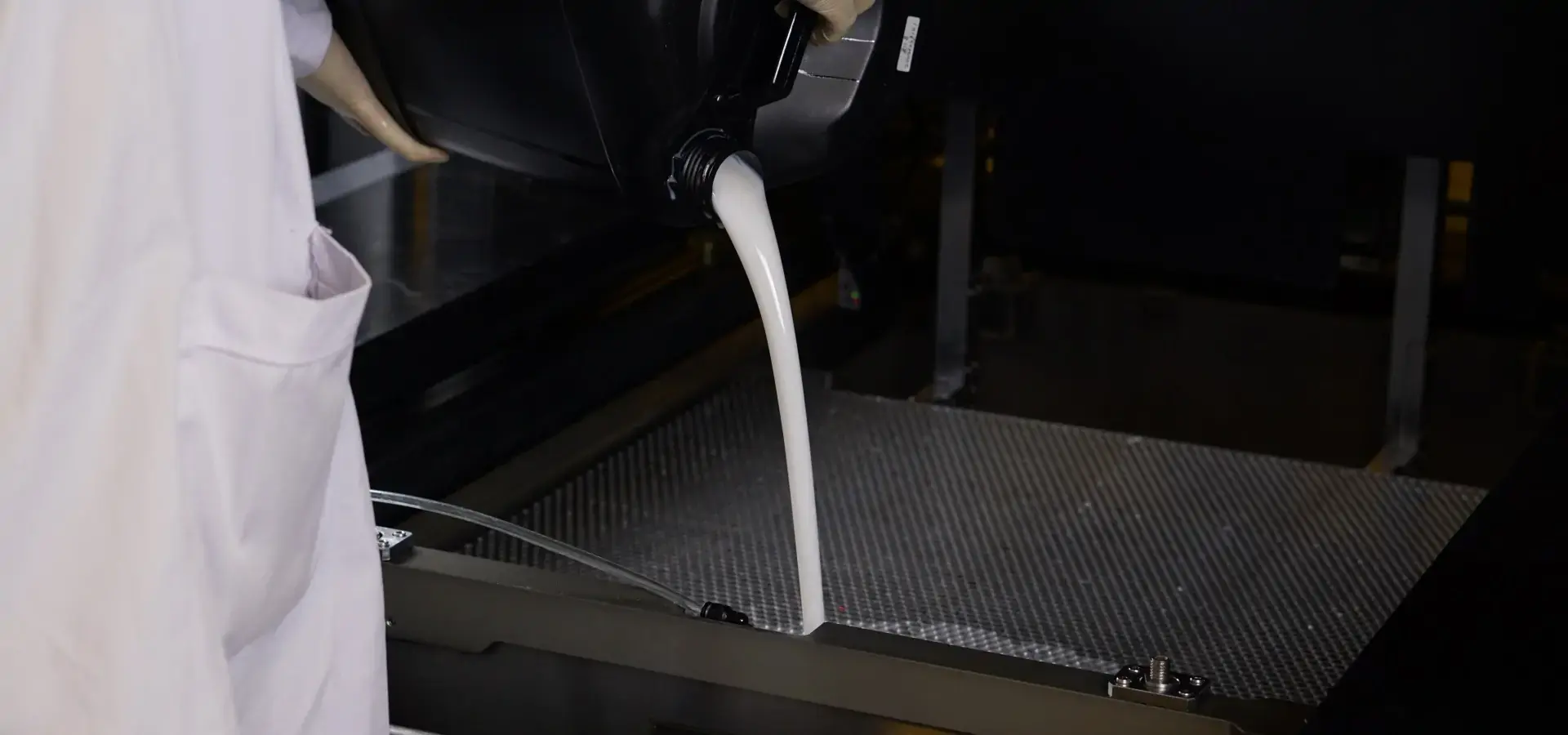
Only using proprietary materials in equipment increases cost risk and operational vulnerability. Open-material or third-party resin approval systems help you choose the best material, regulate prices, and streamline your supply chain. Printer-material optimization affects success rates and mechanical qualities; therefore, compatibility guarantees must be carefully examined.
Leading manufacturers invest heavily in material research initiatives to ensure hardware and resin compatibility. Magforms uses unique materials that match their equipment. Magforms avoids issues with dimensions, print problems, and unexpected downtime caused by generic third-party materials that do not meet hardware specifications by using customized materials designed to fit their equipment. This strategy, which integrates materials and equipment engineering, improves reliability from start to finish.
Speed, Throughput, and Production Economics
More than millimeters per hour, print speed metrics are complicated. The true output depends on layer cure duration, peel force management during layer separation, build plate speed, and resin flow. Variable spot-size laser technology and AI-optimized scanning paths speed up printing by over 30%. This greatly reduces quick prototype and small-batch customization wait times.
Production economics goes beyond tool prices. They also include material utilization, manpower for operations and post-processing, energy use, upkeep expenses, and the business impact of downtime. We have tested systems with much lower failure rates than industry requirements over thousands of hours. These solutions ensure mass production capacity and reduce downtime costs. Comparing investments by purchase price alone is inaccurate; the total cost of ownership throughout the equipment's estimated working lifetime is more accurate.
Maintenance Requirements and Operational Sustainability
Industrial resin systems require coordinated maintenance to last. Vat film or resin tank replacement is costly and continuous. Printed area size and material chemistry determine film longevity. It can have hundreds to thousands of layers. After 1,000–2,000 manufacturing hours, MSLA LCD screens need to be changed. This affects operational costs over time.
Laser systems in SLA platforms have longer service life but require periodic calibration to maintain positional precision. Regular maintenance includes checking the build plate level, cleaning optical parts, lubricating mechanical parts, and employing resin filter systems. Maintaining output requires thorough documentation, accessible replacement part access, and timely professional advice. Structured training, rigorous maintenance, and proactive technical guidance reduce the operating risk and learning curve for industrial additive manufacturing.
Top Large-Scale Resin 3D Printers – Comparison and Insights
Market Landscape and Leading Manufacturers
In 2026, several well-known industrial resin printing companies compete across pricing points and sectors. Medical and professional applications favor the Form 3L platform's 200x335x300 mm build capacity, stable performance, and biocompatible material library. Dentistry labs, medical device prototyping, and engineering teams need stability and ecosystem support. The system's proprietary materials cost more than open-platform parts.
Large resin 3D printers like Anycubic and Elegoo are now affordable for professionals. Anycubic Photon M3 Max, with a 298x164x300mm building envelope, is affordable for small design firms and new service bureaus. Elegoo's Jupiter platform is 277.8x156x300mm and supports 6K. These machines prioritize build volume and surface quality over ultimate dimensional accuracy and material performance.
Peopoly's Phenom series, with a build volume of 276x155x400 mm, offers modular upgrade paths to balance build capacity and precision. Businesses may function more freely and control costs with open-material thinking. It attracts established service offices and manufacturing companies that can test products and serve various clients with specialized formulation needs.
Magforms Industrial Solutions
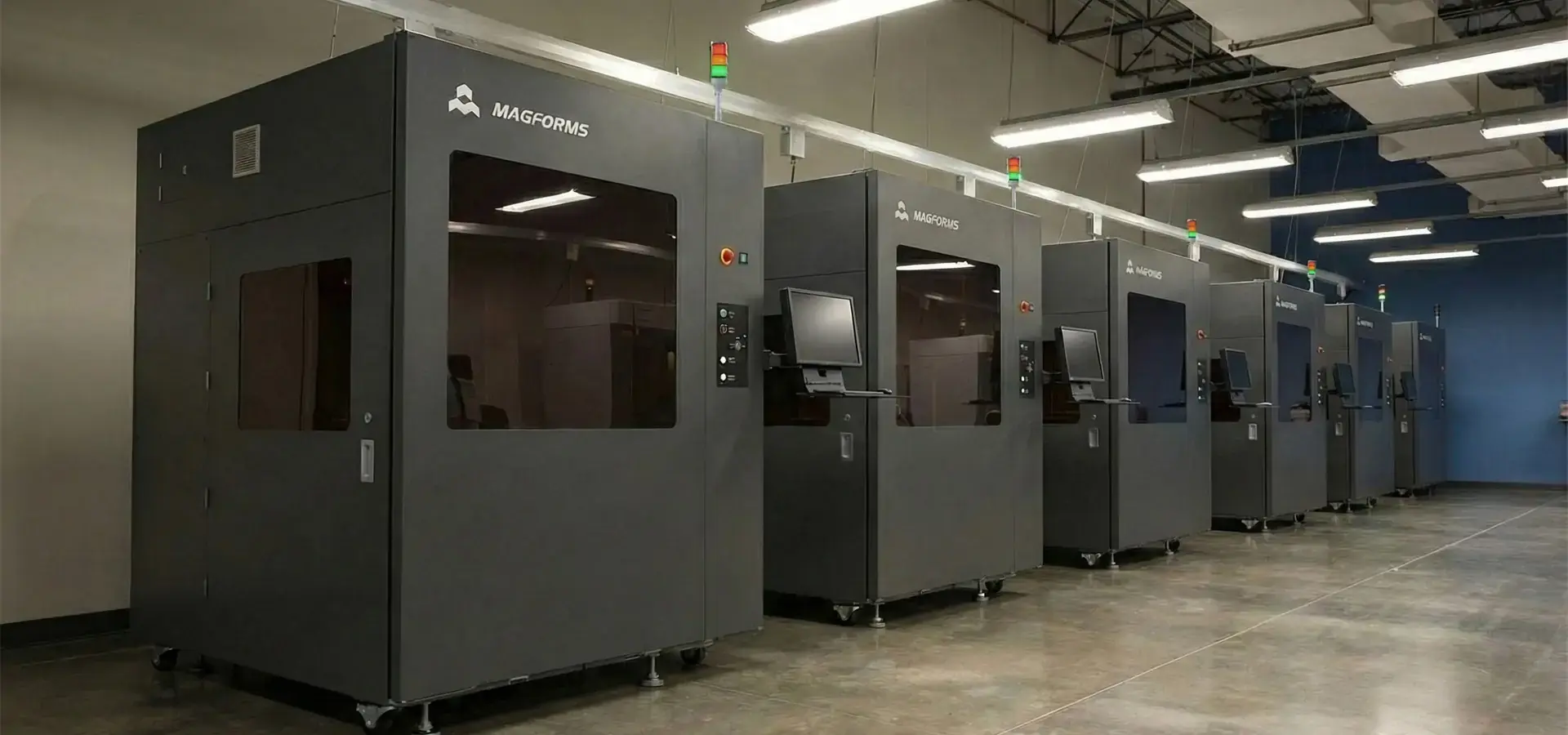
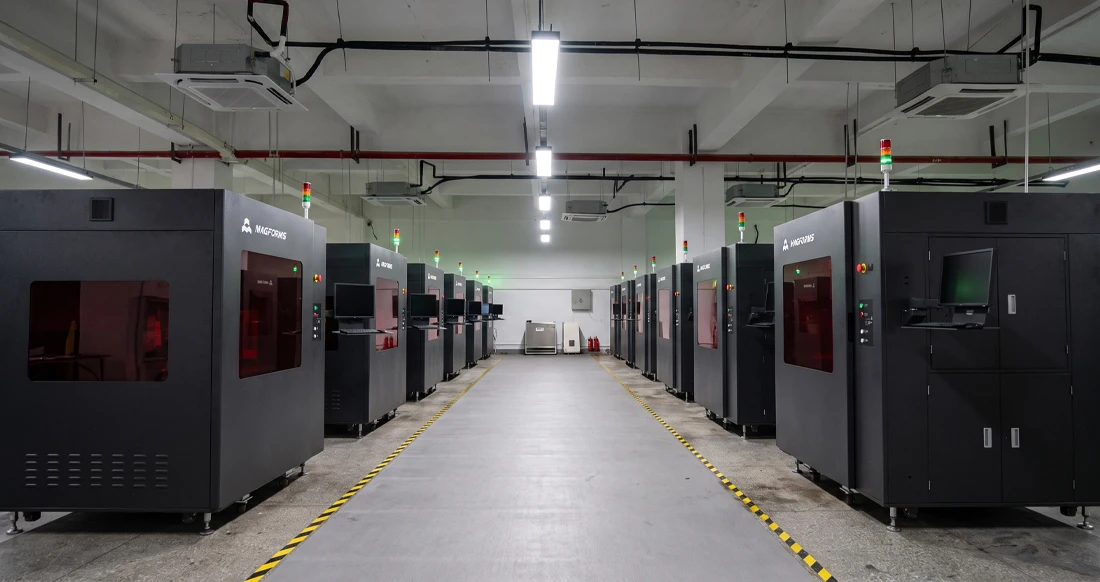
Through integrated material and hardware development, Magforms offers a unique approach with its industrial SLA platforms. The company's product range spans from entry-level industrial machines for small specialized factories and new service bureaus to large-format systems for university research labs, automotive R&D departments, and aerospace component suppliers.
Variable spot-size laser technology and AI-optimized scanning routes allow the in-house equipment to print 30% faster than the industry average. This reduces rapid prototyping cycle times and increases batch manufacturing throughput. Micron-level printing accuracy reproduces tiny textures, complex structures, and tight tolerances in airplanes, medical equipment, and precision manufacturing. Systems undergo thousands of hours of continuous operation testing and market proof, resulting in lower failure rates than the industry average.
The material-equipment integration strategy removes worries about whether common third-party resins will work well with equipment that wasn't made for them. Vertical integration ensures consistent dimensions, low print mistakes, and low unexpected downtime. It also enables factories' robust, repeatable processes for quality-sensitive production.
ROI Considerations and Financing Approaches
You must include more than just tool costs while calculating ROI. The real economic impact depends on materials per liter, how well they are used (including support structure needs and VAT waste), how fast they print, how much operation and post-processing work is required, and how much productivity increases due to shorter design cycles.
B2B customers have more financing options. Manufacturers and distributors provide leasing agreements, installment payment arrangements, and equipment-as-a-service models to reduce capital needs and align payment obligations with revenue. These financing methods allow smaller enterprises to access industrial capabilities that previously required large cash commitments. All sizes of organizations can employ current production technology more easily.
Industrial operator reviews reveal that managing material prices and ensuring equipment operates properly have a greater long-term economic impact than purchase price disparities. Systems that require frequent maintenance, don't measure precisely, or require pricey specific materials have hidden costs that quickly outweigh initial savings. Strong, multi-material platforms with timely expert help offer long-term value through increased utilization rates, cheaper per-part costs, and less operating irritation.
Procurement Process for Large-Scale Resin 3D Printers
Sourcing Channels and Supplier Evaluation
Finding trusted suppliers that guarantee equipment authenticity, warranty validity, and support is essential before buying a large-scale resin 3D printer. Direct manufacturer relationships provide the most detailed specifications, customization possibilities, lead times, and service commitments. Unit expenses may be greater than with distributors. Authorized distributors can aid with application planning, supply goods, and provide service by being nearby. This is crucial for organizations who need immediate expert assistance.
Third-party resellers and used equipment markets may have lower prices, but you must be extra attentive about the equipment's condition, warranty term, part availability, and seller reputation. Safety requires serial number checks, working event logs, and physical inspections. In various markets, there are many counterfeit parts and misrepresented specifications; thus, it's crucial to buy from reputable companies.
Work directly with the manufacturer to secure specific configuration options to ensure the equipment suits your needs. Increased build volume, material handling system improvements, environmental controls, and software customization can improve tool performance in particular production environments and applications. Standard configuration lead times are two to eight weeks, depending on the maker and area operations. However, custom builds might take six months and must be scheduled around production schedules.
Warranty, Support, and Service Structures
Warranty terms greatly impact business risk and overall cost of ownership. Major mechanical parts, optical systems, electronic controls, and software should have a one-year warranty, and critical production tools should have an extended warranty. Clear coverage, response time commitments, and service location criteria prevent technology issues from surprising you.
Post-sale support varies widely among suppliers and is a critical quality indicator. Production runs smoothly, with quick phone, email, and video responses to issues and prompt technology assistance. With proper paperwork, troubleshooting manuals, and maintenance methods, internal expert teams can manage routine issues. Structured training on operation, material handling, software use, and repair speeds team skill development and reduces outside aid.
The availability of spare parts and the time it takes to deliver them determine the downtime when a part requires replacement. Suppliers who stock parts locally and have transparent ordering procedures help operations run smoothly. However, suppliers who export basic commodities globally increase supply chain risk. Proactive maintenance programs from leading manufacturers include regular checks, calibration confirmation, and part replacements to prevent issues and avoid production stoppages.
Negotiation Strategies and Contract Optimization
Sometimes industrial equipment prices can be negotiated, especially when buying many units, bundling material supplies, or signing long-term service contracts. Knowing how much manufacturers charge, how they position themselves in the market, and the typical discount amounts drives realistic bargaining targets. Volume promises, material buy agreements, case study engagement, and referral relationships justify price reductions over listed pricing.
Service level agreements must be carefully considered and may be negotiated beyond standard parameters. Response time commitments, on-site service access, loaner equipment for delayed fixes, and software update rules affect operations continuity. Optimization of the total cost of ownership goes beyond equipment prices. It also covers material expenses, service contract terms, training, and updates. A detailed analysis of these issues helps you make informed decisions that fit your short-term budget and long-term business goals.
Payment terms, delivery dates, installation services, and acceptance tests require clear paperwork. This eliminates uncertainty and ensures accountability. Details on the package's accessories, starting materials, and software features assist everyone in grasping it, reducing post-delivery arguments. Well-written procurement contracts safeguard the organization and establish long-term supplier relationships.
Optimizing Usage and Performance of Large-Scale Resin 3D Printers
Parameter Optimization and Print Settings
Adjusting your large-scale resin 3D printer parameters to match resin composition, part shape, and quality goals will yield the greatest results. You must balance surface finish quality with build time while choosing layer height. Thinner layers create smoother surfaces but result in slower printing. Curing depth and layer binding strength depend on exposure time. Too much exposure reduces fine detail and dimensional expansion. Bottom layer exposure must be prolonged to cling properly to the build plate without curing too deeply, making the part harder to remove.
Lift speed, lift distance, and retract speed during layer separation greatly impact print success. This applies especially to large cross-sectional areas with substantial peel forces. Conservative choices prevent layers from coming apart and the support structure from failing, while ideal parameters reduce print time without impacting reliability. Print success and post-processing depend on support structure density, positioning, and geometry. To minimize surface marking, achieve the optimum balance between mechanical support during printing and ease of removal.
Modern slicing software enables you to adjust layer height and resolution based on geometric features, create hollow pieces with drainage holes to utilize less material, and change support generation. Mastering these abilities distinguishes operators who obtain excellent results from those who make many blunders.
Post-Processing Workflows and Quality Enhancement
Resin printing requires additional stages after the printer is finished. A thorough wash with isopropyl alcohol or other cleaning solutions removes uncured resin from surfaces. Complex parts are cleaned better with ultrasonic agitation. Insufficient washing can leave a sticky film that inhibits final curing and may irritate skin, while overwashing can cause surface degradation or solvent absorption that compromises mechanical properties.
Using a post-cure UV chamber ensures complete polymerization, enhancing strength, flexibility, and dimensional stability. Cure time, light intensity, and post-cure temperature significantly influence final part performance. DIY systems that use UV lights or sunlight produce uneven results, whereas specialized post-cure units provide controlled conditions for this crucial step.
To avoid surface damage, employ the correct equipment and methods to remove a support structure. Support structures should be removed with appropriate tools such as flush cutters, rotary tools, and progressively finer sandpaper to minimize surface damage. To achieve the desired look and function, sanding, polishing, vapor smoothing, and coating are used. Knowing which surface procedures resin formulas can endure prevents breakdown and ensures professional results.
Maintenance Protocols and Troubleshooting
Structured maintenance plans prevent minor issues from halting output. Daily checks of resin level, vat film condition, and build plate cleanliness prevent many print failures and take only minutes. The system runs best when optical components are cleaned, resin filtered or replaced, and mechanical parts checked weekly. Monthly calibration checks maintain measurement accuracy.
Leveling the build plate, correcting surface preparation, or modifying the bottom layer exposure can correct failed bed adhesion. Layer splitting or delamination frequently indicates insufficient exposure, too fast a lift speed, or low photoinitiator in old resin. Incorrect calibration, thermal expansion in unconditioned environments, or an unsuitable resin composition can produce dimensional inaccuracies. Systematic diagnostic approaches that discover root causes enable effective resolution, not merely symptoms.
Quality control ensures job results are reliable and fulfill criteria. Checking dimensions with calipers or coordinate measuring machines (CMM) ensures precision. A visual assessment uncovers surface faults, incomplete features, and support markings that require alteration. Mechanically testing sample parts verifies that material properties remain consistent. Statistical process control on critical data identifies changes in the process before they lead to non-standard parts.
Conclusion
To choose the best large-scale resin 3D printer, you need to carefully consider its technical capabilities, material ecosystems, seller support structures, and overall cost of ownership, all while keeping your practical needs and business goals in mind. Today, the technology has advanced significantly and is now applicable in a diverse array of fields, including automobiles, aircraft, medical devices, and consumer electronics. Success depends on more than just the specs of the tools. It also depends on the whole ecosystem, which includes materials, software, training, and ongoing support that make practical excellence possible. Manufacturers like Magforms offer integrated solutions with materials perfectly matched to machine capabilities, industry-leading performance standards, and full expert support. These manufacturers offer strong value propositions that solve the real-world problems that procurement teams face. Using this guide's framework for careful evaluation will help your organization make smart investment decisions that will improve business efficiency and competitiveness.
FAQ
What distinguishes large-format resin systems from desktop alternatives?
Industrial large-format systems offer much larger build sizes, usually more than 300 mm in multiple dimensions. This makes it possible to make big parts at once or process many smaller parts at once. They feature industrial-grade mechanical components, advanced optical systems that maintain accuracy over large areas, broader material compatibility, and robust construction designed to withstand continuous production environments. For occasional use, desktop units are designed to be affordable and compact. Industrial platforms, on the other hand, aim for long-term production needs with better dependability, accuracy in measurements, and operating support.
How do material compatibility policies impact long-term operational expenses?
Equipment restricted to proprietary materials tends to incur higher long-term costs because manufacturers set prices without competitive pressure. Open-material solutions or approved third-party material support give you more control over costs and make your supply chain more reliable. However, the quality of the material-equipment combination has a big effect on the success rates, the accuracy of the measurements, and the achievement of mechanical properties. Leading makers that put money into developing optimized materials for their hardware platforms get better reliability, which could explain higher prices by reducing waste, increasing success rates, and making results more reliable.
What support infrastructure should buyers expect from equipment suppliers?
Comprehensive supplier support includes many things, such as quick technical help through various lines of contact, clear paperwork and training materials, the ability to get replacement parts with acceptable wait times, and preventative maintenance programs. Structured training that covers operation, maintenance, and fixing problems speeds up the team's ability to do their job. The value of an investment is protected by clear guarantee terms that spell out coverage and service promises. Instead of short-term deals that stop when the equipment is delivered, leading suppliers build long-term ties with their customers that help them succeed.
Partner with Magforms for Advanced Industrial Resin Printing Solutions
Magforms is a reputable company that develops large-scale resin 3D printing systems and provides materials and equipment solutions to modern manufacturing businesses' greatest difficulties. Variable spot-size laser technology and AI-optimized scanning paths allow our systems to print 30% faster than the industry average. We can adapt swiftly to market needs and accelerate product development. Aircraft, medical gadgets, and precision machining require micron-level accuracy to duplicate complex forms.
The combined approach of using our own materials with specially designed hardware reduces problems that come up when trying to use general third-party resins with hardware that isn't made for them. Vertical integration ensures consistent dimensions, low print mistakes, and low unexpected downtime. It also enables factories' robust, repeatable processes for quality-sensitive production. Systems tested for thousands of hours of continuous operation have considerably lower failure rates than the industry average.
Our skilled technical support team helps with equipment selection and operational efficiency. Structured training, thorough maintenance protocols, and fast troubleshooting support boost team competency and equipment utilization. We understand automotive, aerospace, medical, consumer electronics, and creative industry needs, having served over 300 companies in dozens of countries.
Contact our team at info@magforms.com to explore how Magforms solutions can enhance your manufacturing capabilities. We welcome the opportunity to discuss your specific application requirements, arrange product demonstrations, and develop customized quotations aligned with your operational objectives and budget parameters. Discover how the right equipment partner transforms additive manufacturing from experimental technology into reliable production capacity, driving competitive advantage.
References
1. Gibson, I., Rosen, D., Stucker, B., & Khorasani, M. (2021). Additive Manufacturing Technologies, 3rd Edition. Springer International Publishing.
2. Stansbury, J.W., & Idacavage, M.J. (2016). "3D printing with polymers: Challenges among expanding options and opportunities. "Dental Materials," 32(1), 54-64.
3. Quan, H., Zhang, T., Xu, H., Luo, S., Nie, J., & Zhu, X. (2020). "Photo-curing 3D printing technique and its challenges." Bioactive Materials, 5(1), 110-115.
4. Ligon, S.C., Liska, R., Stampfl, J., Gurr, M., & Mülhaupt, R. (2017). "Polymers for 3D Printing and Customized Additive Manufacturing." Chemical Reviews, 117(15), 10212-10290.
5. Bagheri, A., & Jin, J. (2019). "Photopolymerization in 3D Printing." ACS Applied Polymer Materials, 1(4), 593-611.
6. Pagac, M., Hajnys, J., Ma, Q.P., Jancar, L., Jansa, J., Stefek, P., & Mesicek, J. (2021). "A Review of Vat Photopolymerization Technology: Materials, Applications, Challenges, and Future Trends of 3D Printing." Polymers, 13(4), 598.

Magforms makes design and manufacture easier.
Popular Blogs
-
 Industry InsightsManufacturing Industry
FDM vs. SLA Printer: Which Technology Is Right for Your Project?
-
 Industry InsightsManufacturing Industry
Top 5 Applications of Industrial 3D Printers in Manufacturing Today
-
 Industry InsightsManufacturing Industry
Why Stereolithography 3D Printers Are Unmatched for Microfluidic Device Prototyping?