P13 Pro Professional 3D Printer: Designed for High Productivity
When factory leaders consider which tools to buy next, the P13 Pro stands out as a production-focused option designed to eliminate slowdowns in high-volume workflows. This professional-grade resin 3D printer offers a generous 380 mm build height and micron-level accuracy, allowing makers to produce up to 12 shoe lasts per batch while maintaining ±0.05 mm dimensional accuracy on 100 mm models. This system solves the main problems that automotive prototyping centers, dental labs, and 3D printing service bureaus face when they want to get consistent, reliable results without having to deal with material lock-in or downtime penalties that come with older machines. It does so by combining advanced thermal management, optical systems, and strong mechanical parts.
Understanding the Core Advantages of the P13 Pro Professional 3D Printer
Unmatched Build Volume and Speed for Batch Production
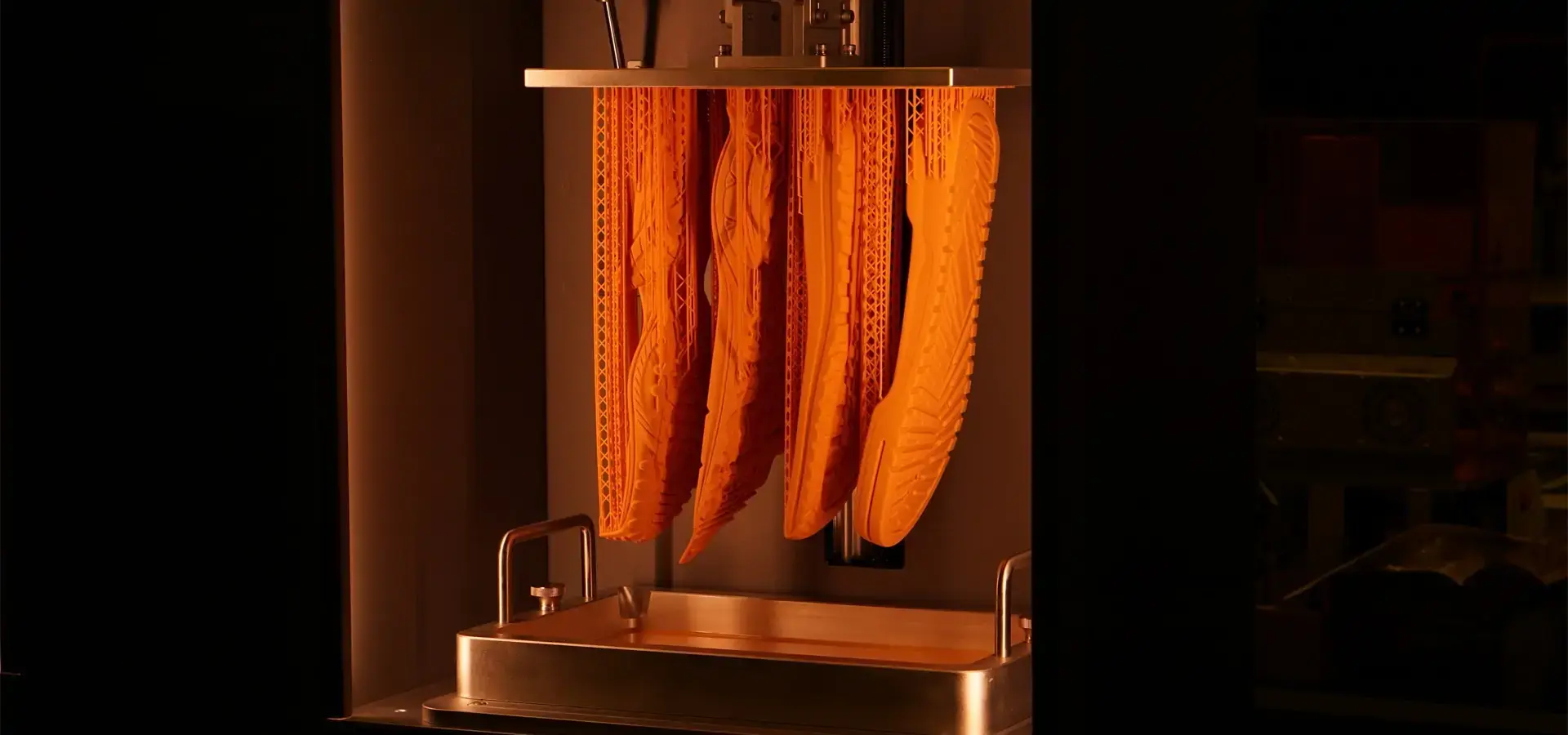
This system is a useful tool for medium-sized production runs thanks to its 302 × 162 × 380 mm build area. While competitors with similar footprints usually only offer up to 300 mm of vertical space at most, the extra 80 mm of headroom gives you a lot of practical freedom. This design choice directly helps shoemakers because twelve full shoe lasts can fit easily in a single print cycle. Each last takes up 98 × 36 × 268 mm of space. With this much capacity, overnight batch runs that used to need two different cycles can now be done in one, which cuts in half the time needed for labor control and machine occupancy.
The speed performance fits the large build room. At 0.2 mm layer precision, a 300 mm-tall part can be finished in about 3 hours and 15 minutes. This throughput rate keeps up with tight development plans in consumer electronics prototyping. The system can handle quick iteration cycles without making speed and surface quality suffer. This helps R&D teams working with tight deadlines to check for comfort features or mechanical fit before investing in tools.
Precision Optics and Dimensional Stability
10 μm XY resolution is possible with advanced image processing and grayscale pixel management. This technology gets rid of the stair-stepping effects that can be seen on many resin printer outputs. When making precision connector housings or bases for orthodontic aligners, where surface finish has a direct effect on how well they work, this level of fine clarity is important. The high-quality light source features 91 high-uniformity LEDs arranged in a matrix to ensure consistent light distribution across the build area. This stops the uneven healing and edge warping that happen with lower-quality optical engines.
Dimensional repeatability is a ±0.05 mm variation on 100 mm reference parts, which meets the tolerance needs of prototyping car interior parts and medical device samples. The UV light source's high collimation properties make sure that energy is focused exactly where it's needed during the photopolymer curing process. This reduces layer lines and keeps sharp feature definition on complex shapes. Magforms offers pre-configured P13 Pro parameter kits for matched resins, which cuts down on setup time and test print waste during material changes. This optical precision works with material compatibility tuning.
Industrial-Grade Mechanical Systems
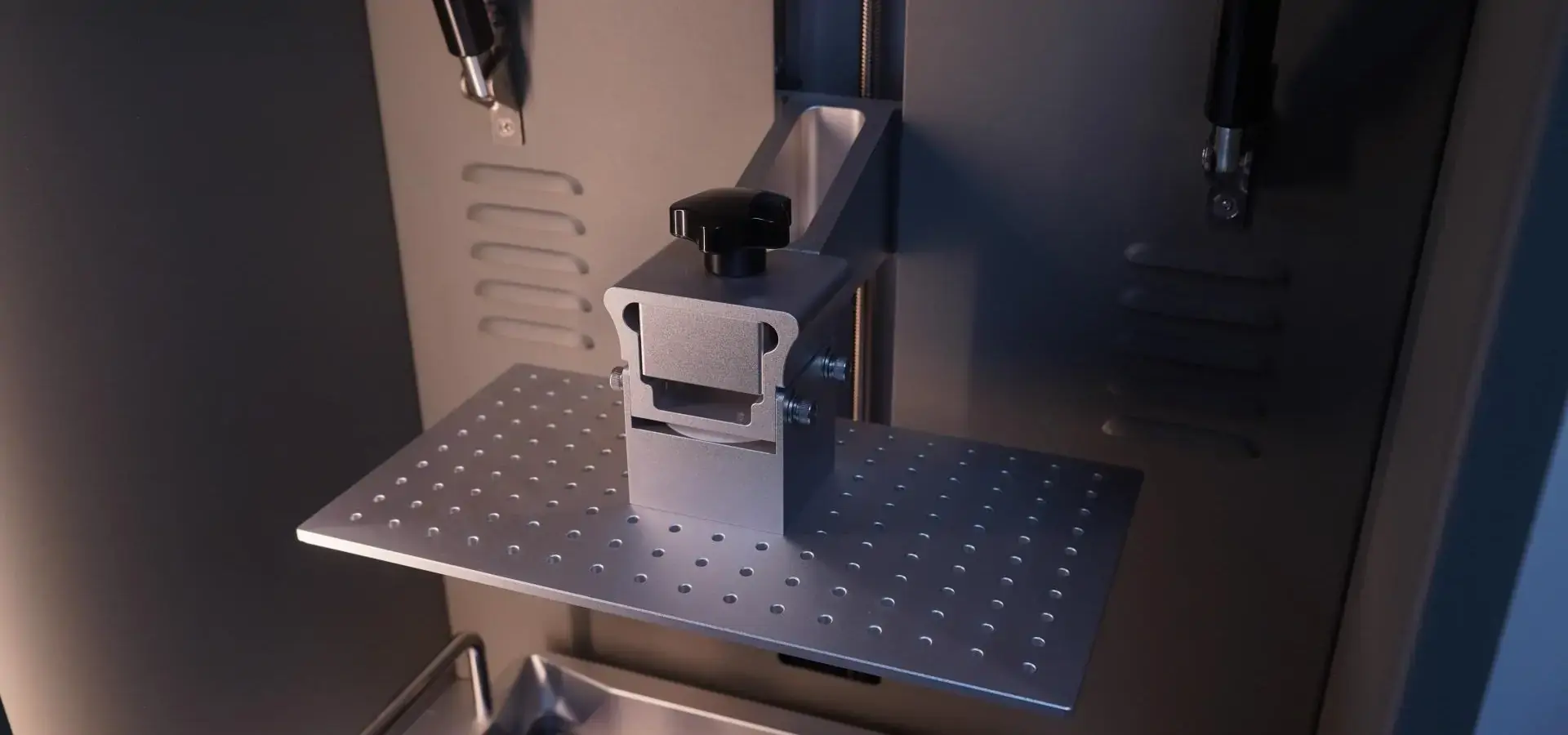
The 58 kg full-metal body provides mass damping that stops surface ripples caused by vibrations, which is a common issue with smaller machines running at higher speeds. The strong design, combined with industrial P-grade dual linear guide rails that ensure 7 μm parallel motion accuracy, keeps the build platform moving straight and steady without any tilting or shaking during long print jobs. The high-precision lead screw that controls the Z-axis travel makes sure that layers are always placed in the same place. This results in smoother surfaces and a lower chance of delamination in tall parts.
Controlling temperature is another important engineering goal. The two heating systems with ports on the sides maintains uniform temperature across the resin vat, ensuring stable resin viscosity and consistent curing performance. This method gets rid of the cold spots that cause changes in viscosity and incomplete cure. This climate-independent operation means that the print quality stays the same whether the machine is in a lab with controlled temperatures or a workshop where temperatures change with the seasons. This takes away one variable from the process of solving quality issues.
Comparing the P13 Pro Professional 3D printer with Market Alternatives
Performance Benchmarks Against Competitor Systems
By comparing it to well-known platforms from Formlabs, Anycubic, and Phrozen, the system has similar layer repair times and more vertical build space at about the same price. When considering machines within the price range of $8,000 to $12,000, this system stands out. Usually, buyers have to choose between build height and optical sharpness. This balanced set of specifications avoids that compromise, so it can be used by service bureaus that have to handle a wide range of client requests without having to keep up with many different machines.
This plan also gets excellent marks for energy economy. The improved light-source cooling system makes LEDs last longer than 20,000 hours while keeping the same output strength. This saves money on replacing parts over the life of the machine. Careful design choices, like the one-button resin vat cleaning function and the straightforward imaging screen replacement that only requires removable tape, keep maintenance needs reasonable. This means that techs can do regular maintenance without the need for special tools or long periods of downtime.
Total Cost of Ownership Analysis
The initial cost of purchase is only one part of figuring out the long-term value. The open material compatibility, which is backed by downloadable parameter profiles, keeps vendors from locking customers into unique resin formulas that cost 40–60% more than generic alternatives. This material freedom saves mid-sized service bureaus $15,000 to $25,000 over three years of operations compared to closed-ecosystem options. This increases their profit margins on high-volume contracts.
Magforms' warranties cover technical help via email at info@magforms.com and access to their world service network, which they've built up over the years by working with more than 300 companies in the aerospace, dental, and automobile industries. This well-established support system lowers the chance of long downtimes while waiting for new parts or expert troubleshooting. This is especially important in work settings where machine downtime directly affects making money and keeping promises to clients.
Optimizing Industrial Production with the P13 Pro 3D Printer
Workflow Integration and Uptime Maximization
Manufacturing plants that already employ lean production methods appreciate features designed for continuous operation. The 2 kg capacity of the resin vat allows for longer print queues without having to be refilled in the middle of a job, and the air filtration system in the build room keeps the working conditions good for workers who are watching over multiple machines at the same time. The 5.0-inch color touchscreen lets techs see at a glance what the state is, and the flexible parameter adjustment lets them fine-tune Z-axis motion speeds or exposure times without having to go back to a networked computer.
Automatic leveling makes setup easier, which is especially helpful in businesses with more than one shift where different workers prepare machines for new jobs. Four screws hold the build plate in place after calibration. This lets you remove it without using any tools for post-processing while keeping the registration correct for future prints. Small changes in procedures result in significant improvements in output. For example, what used to take 45 minutes of user time to set up for each job now only takes 20 minutes, which means that machines are used 8–12% more often every day.
Reducing Failure Rates Through System Integration
Print mistakes can be caused by many things, including materials that don't work well together, unstable temperatures, technical problems, and flaws in the way the print looks. Magforms' engineering team dealt with these failure modes in a planned way instead of treating them as separate problems. Matched resin formulas come with recommended support shapes and cure times that have already been tried. This cuts out the need for trial-and-error, which wastes materials and slows projects. The constant-temperature heating system gets rid of the need for preheating steps that machines without active thermal control require. These steps can cause variations if they are done quickly or incorrectly.
The dual linear guide rail system's mechanical precision keeps the build platform's dimensions the same all the way across. This stops the edge-to-center accuracy shift that happens with lower-specification motion systems. Field data from production environments indicates that failure rates can be reduced to below 3% after proper calibration. This is much lower than the 8–15% failure rates that were common on first-generation resin printers. As a result of less scrap, this increase in dependability has a direct effect on the bottom-line performance of service providers who bill on a per-part basis.
Procurement Guide: How to Purchase and Maintain the P13 Pro Professional 3D printer
Sourcing and Distribution Channels
People who want to buy this Professional 3D printer can do so through Magforms' network of approved dealers or directly from the company. This makes sure that the units are real and come with a full factory guarantee. The company has invested a lot in protecting its intellectual property, as shown by its 22 patents and 30 registered trademarks. This means that replacement parts and expert help will always be available for the equipment as long as it is in use. Their presence at big industry shows in Europe and Asia makes it easier for people to try things out before deciding to buy.
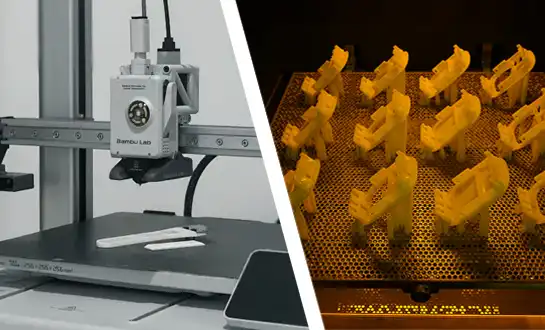
When making purchases, people should think about the possible extras that make operations more flexible. Extra resin vats let you quickly switch between print jobs without having to clean, and backup image screens keep service running smoothly in case the main screen breaks down during a crucial production period. Magforms has training programs that help companies move from FDM technologies to resin-based additive manufacturing. These programs are especially helpful for companies transitioning from FDM 3D printing technologies to resin-based SLA 3D printing.
Lifecycle Management and Ongoing Support
Regular firmware changes keep it compatible with new slicing software and add efficiency improvements found by analyzing data from the field. These changes are based on the company's many years of experience in the field, with input from 3D printing service providers, car R&D labs, and dental manufacturing facilities. This testing cycle in the real world makes sure that updates resolve real operational problems instead of adding features that haven't been tried yet and raise new reliability issues.
Maintenance procedures are still easy to understand. The hidden lighting system with automatic door-activated control makes daily tasks easier, and the resin vat's user-friendly design with built-in handle, pouring spout, and amount marks lowers the risk of spills when changing materials. Operators like how easy the door device is to use—little force is needed to open and close it. This is an ergonomic factor that is important when handling multiple machines for long shifts. Instead of just focusing on technical specs, these design features show that the whole operator experience was taken into account.
Future-Proofing Your Production with the P13 Pro Professional 3D printer
Scalability and Emerging Technology Compatibility
Manufacturing plans need to adapt to changing material trends and changing market needs. The design of the system allows new resin formulations as they become available to the public. Magforms' technical support lines send out changes to the system's parameter profiles. This ability to be expanded is important for companies that work with clients in fields that are changing quickly, like smart electronics or personalized medical devices, where performance needs change as end-use apps get better.
Advanced users will appreciate the parts that allow them to make numerous changes, as they require precise control over cure levels, interlayer adhesion strength, and support structure density. Technical leaders who are in charge of R&D like having this much freedom when they are coming up with the new P13 Pro or making sure that new plastic chemicals work before they are used on a large scale. When you can change settings directly at the machine interface, development cycles go faster than with systems that need to change files and re-upload them for each test run.
Strategic Advantages in Competitive Manufacturing
After recent world problems, supply chain resilience has become a crucial business goal. Distributed production, enabled by effective on-site additive systems, reduces dependence on distant suppliers and tooling vendors that take a long time to deliver. Automakers use this feature to quickly introduce changes to internal trim parts, which speeds up the design approval process from weeks to days. Medical device makers make surgical guides for each patient that are based on their CT scan data. This allows them to provide unique solutions that aren't possible with mass production.
This printer is a key part of flexible manufacturing strategies because it can build large objects accurately and with a wide range of materials. The artistic and cultural industries utilize the system to create precise replicas of objects and personalized decorative elements. Footwear brands use it to test out different sole designs and closing methods before investing in injection mold tooling. Magforms works with more than 300 companies that make precision parts for aircraft, dental aligner bases, and consumer electronics housings. These companies come from a wide range of industries, but all need stable, high-quality additive manufacturing capacity.

Conclusion
The system works well enough for the P13 Pro because it carefully combines mechanical accuracy, optical excellence, and temperature stability. Its built height of 380 mm and batch capacity meet the real-world output needs of service offices and factories. Its accuracy of less than 50 microns meets quality standards in demanding applications. Material flexibility keeps you from being locked into one provider, and the support network you already have in place lowers business risk. When put together, these features create a value proposition that is especially useful for businesses that want to grow their additive manufacturing capabilities without having to choose between volume, quality, and total ownership costs, which is what many competing products do.
FAQ
What industries benefit most from this industrial resin printer?
The build volume and accuracy are good enough for dental labs to make prototypes of surgical guides and aligner bases, automotive R&D teams to make interior parts, 3D printing service providers to work on projects for multiple clients, shoe companies to make prototypes of shoe lasts, and electronics companies to make sure housing designs work. The thermal control device works with industrial resins that are needed for validating aircraft parts as well.
How does material compatibility affect operational costs?
Open resin compatibility with downloadable parameter profiles lets buyers find materials based on their project needs and price, instead of having to pay more for proprietary formulas. This flexibility usually saves $15–25k over three years for sites that work two shifts, which directly increases project earnings on price-sensitive contracts.
What maintenance requirements should facilities plan for?
As part of regular maintenance, the one-button automatic function cleans the resin vat, the image screen is replaced every so often by simply peeling off the tape, and the Z-axis lead screw is oiled every so often. The improved LED cooling system makes the light source last longer than 20,000 hours, which means it needs to be replaced less often than systems that don't actively handle the temperature of optical components.
Partner with a Trusted P13 Pro Supplier for Your Production Needs
Magforms has been using additive manufacturing for decades and has helped over 300 companies around the world in the aircraft, automobile, and medical fields. They have 22 patents to back up their work. Our unified method, which combines matched materials with precise hardware, gets rid of the interface problems and downtime that come with solutions that use more than one provider. The engineering team is ready to talk about how this industrial resin printer can meet your specific production needs, whether you're expanding a service office or bringing fast prototyping in-house. Email our technical experts at info@magforms.com to set up a review of a sample part or to talk about configuration choices that will work best for your P13 Pro. We support distributed manufacturing projects all over the world by giving your team training programs and expert tools to make sure they can use this advanced system to its fullest from the start.
References
1. Gibson, I., Rosen, D., & Stucker, B. (2021). Additive Manufacturing Technologies: 3D Printing, Rapid Prototyping, and Direct Digital Manufacturing (3rd ed.). Springer.
2. Halloran, J. W., & Tomeckova, V. (2020). Ceramic stereolithography and projection microfabrication. Journal of the European Ceramic Society, 40(15), 5475-5486.
3. Stansbury, J. W., & Idacavage, M. J. (2019). 3D printing with polymers: Challenges among expanding options. Dental Materials, 35(1), 33-46.
4. Ligon, S. C., Liska, R., Stampfl, J., Gurr, M., & Mülhaupt, R. (2017). Polymers for 3D printing and customized additive manufacturing. Chemical Reviews, 117(15), 10212-10290.
5. Metamaterials and Manufacturing Research Group. (2022). Industrial Photopolymerization Systems: Performance Benchmarks and Total Cost Analysis. MIT Department of Mechanical Engineering Technical Report Series.
6. International Society for Additive Manufacturing. (2023). Resin-Based 3D Printing: Material Compatibility Standards and Best Practices for Production Environments. ISAM Industry Guidelines Publication.

Magforms makes design and manufacture easier.
Popular Blogs
-
 Industry InsightsManufacturing Industry
FDM vs. SLA Printer: Which Technology Is Right for Your Project?
-
 Industry InsightsManufacturing Industry
Top 5 Applications of Industrial 3D Printers in Manufacturing Today
-
 Industry InsightsManufacturing Industry
Why Stereolithography 3D Printers Are Unmatched for Microfluidic Device Prototyping?