P10 Pro 3D Printer: Bigger Size, Faster Output, Better Detail
When manufacturing teams have to meet tight targets and be very precise, having the right tools is a big plus. The P10 Pro is a big step forward in stereolithography-based 3D printing technology because it has a build space that is 228 × 128 × 250 mm, which is bigger than other 10-inch systems that are similar. Its 250 mm printing height lets you make larger parts or many smaller parts at once, which cuts down on batch processing time in resin 3D printer workflows. With a high-resolution 8K LCD and an XY pixel size of approximately 29.7 μm, this system delivers dimensional accuracy within ±0.05 mm, producing smooth surface quality comparable to high-end resin 3D printers. It can complete 250 mm tall models in approximately under 3 hours under optimized printing conditions. These standards cover basic production issues that come up in areas like making prototypes for cars, medical devices, and aircraft parts.
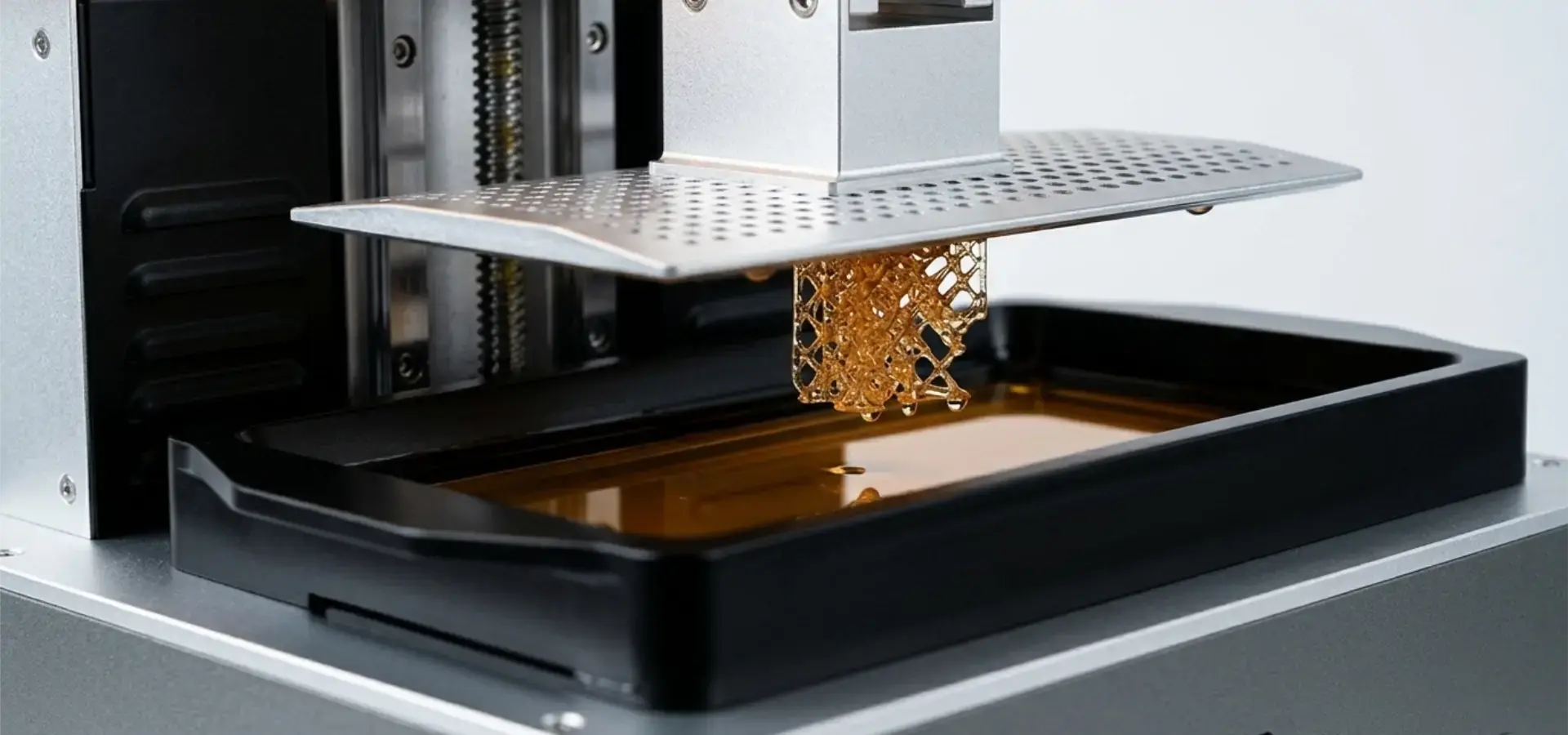
Understanding the P10 Pro 3D Printer's Core Advantages
Equipment used in modern 3D printing industry needs to be able to balance quality and output. When teams have to choose between speed and surface finish, they often hit production problems. These choices cause product launches to be delayed or costs to go up. The engineers who worked on this system fixed these problems by improving both the hardware and the materials used.
Expanded Build Capacity for Complex Projects
The build platform of this 3D printer can hold bigger parts that would need to be broken up on smaller tools. Its 228 × 128 × 250 mm volume is especially useful for making models for shoes or parts for the inside of cars, since keeping the purity of the parts removes the need for post-processing assembly work. By putting multiple aligner bases across the platform, dental labs can get the most out of their plastic while still meeting the needs of each patient. This ability has a direct effect on the economics of production by lowering the cost of each part by making better use of materials and reducing the amount of time machines are idle.
Accelerated Production Cycles Without Quality Trade-offs
In high-speed resin 3D printing environments, speed affects how competitive a business is. When set to 0.2 mm layer thickness, the system finishes full-height builds in less than three hours, which works for same-day testing. Consumer electronics teams working on housings for wearable tech can look at multiple design versions in a single workday, which shortens development times that usually take months. The industrial-grade array light source keeps the cure even across the whole build area, which stops the edge damage that happens with many fast-moving resin printers.
Micron-Level Precision for Demanding Applications
Advanced grayscale control enables fine detail reproduction in this 3D printer, achieving approximately 30 μm XY resolution, delivering high-quality surface finishes suitable for detailed models. The 29.7 μm pixel size enables fine texture reproduction suitable for applications such as jewelry casting patterns, medical guides, miniature models, and character figures, where the quality of the skin is important for the final product. The layer thickness can be changed from 0.01 mm to 0.2 mm, which lets workers find the best mix between speed and surface smoothness for each job. Multiple pressure-release holes in the build platform lower resin suction forces during layer separation. This reduces flaws caused by vibrations and increases the motor's lifespan by lowering mechanical stress.

Technical Specifications and Performance Features of the P10 Pro
Engineering greatness in a professional 3D printer is shown by the choice of parts and the way they are put together in a system. Reliability in equipment comes from design decisions that put ongoing use in industrial settings first.
Industrial-Grade Motion Components
The P-grade high-precision dual linear guides achieve 5 μm path parallelism accuracy, which gets rid of the Z-axis wobble that makes layer lines stand out. This level of accuracy is very important when making flight fittings or medical implants, where dimensional errors have a direct effect on how well they work. The industrial lead screw makes sure that the components move vertically without any problems, which means that layers will stick together evenly on tall builds. These parts work with a strong 25 kg frame structure that reduces movements from the outside, stopping ripples that damage the surface finish.
Thermal Management Systems
A sealed, air-heated build room keeps the temperature and humidity fixed, which means that temperature-sensitive engineering resins can be used with more materials. Many rival systems don't have weather control, so workers have to manually heat the resin in water baths or heating plates, which takes time and changes the consistency. The built-in constant-temperature system gets rid of this workflow roughness and supports the high-temperature resins needed for parts under the hood of cars. Copper-tube forced-air cooling gets rid of heat better than regular metal heat sinks. This keeps the light source and LCD screen from breaking down too quickly due to heat.
Optimized Material-Hardware Synergy
Magforms created this 3D printing platform by integrating material and hardware deeply and pre-tuning the exposure settings for resins that will work well with it. This improvement cuts down on the testing and tweaking that usually takes longer than planned, so teams can start making production-quality prints just hours after the machine is set up. One-click process parameter packages make material changes faster and easier, which helps service bureaus handle different client material requirements. The resin vat is designed to support extended printing sessions, reducing interruptions during overnight production runs. With a known success rate of 99%, the method gives production managers reliable results they can use to plan their capacity.
User Experience Enhancements That Drive Productivity
The planning of daily interactions is also part of operational efficiency, not just the specs. In manufacturing settings, workers need to be able to use equipment without having to go through a lot of training or having it serviced often.
Streamlined Hardware Accessibility
The push-and-pull fixing system on the resin tray gets rid of the need for screws, P10 Pro, which cuts down on the time it takes to switch between types of materials or do upkeep cleaning. The build platform uses a press-lock method for safe mounting that doesn't require any tools. This makes it easy to remove parts quickly when the print is done. With these style decisions, you can save a lot of time on a lot of different daily tasks. When compared to removable light shields, which need to be stored and add extra steps to the print cycle, the vertical slide door is much easier to get to.
Intelligent Process Control
With a 5.0-inch color tablet, operators of this 3D printer can see all parameters clearly and easily make changes to the settings. While a print is still going on, operators can change the Z-axis speed and exposure settings in real time in response to observations of how the material is behaving without having to stop the job. The 4 GB internal storage lets you work without a USB drive when you're not connected to the internet. This means you don't have to worry about contamination when working with resin. Technical teams that want to make the best print plans for specific tasks will like the tools that let them make a lot of changes, while users who want to keep things simple will like the basic profiles.
Environmental and Maintenance Considerations
The built-in air filter system actively gets rid of resin smells, keeping working conditions comfortable in shared spaces with limited air flow. One-click resin vat cleaning simplifies maintenance after printing, so technicians don't have to touch liquid resin as much. To replace a making screen, all you have to do is peel off the sticky tape. This cuts down on downtime while consumables are being changed. These features fix real-world problems that get in the way of daily work and following safety rules at work.
Application Success Across Manufacturing Sectors
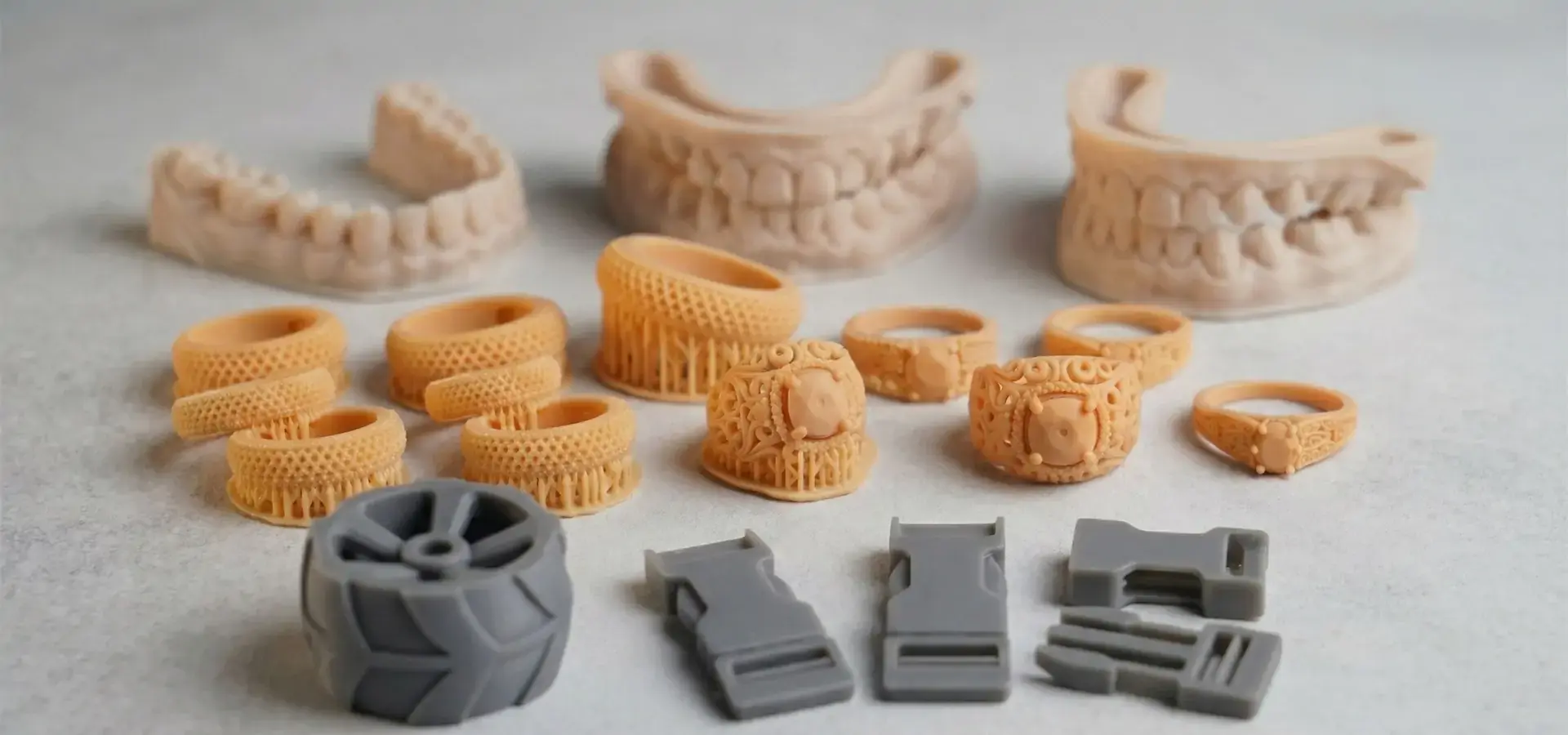
In real-world 3D printing applications, technical standards are backed up by results in the real world. Various businesses have integrated this tool into their production processes, which has led to measurable gains in the speed of growth and quality of output.
The bigger build volume is used by automotive engineering teams to make samples of panel parts so they can check the fit and finish before committing to injection mold tooling. Scaling mistakes that happen with smaller test pieces can't happen when you print full-scale parts. Medical device companies make surgery guide designs that are based on the anatomy of a particular patient. They use the accuracy of ±0.05 mm to make sure that instruments are placed correctly during procedures. Dental labs set up multiple crown and bridge models for each build so they can meet practitioners' promises to deliver the same week. When improving earbud P10 Pro housing shapes or smartwatch case designs, consumer electronics makers like being able to make changes quickly. The 14.85 μm resolution sees small details like charging port holes and microphone grilles that need to line up with electronics inside the phone. Brands of shoes make midsole tooling patterns with complicated lattice structures because they trust the printer to accurately copy the strut thicknesses that decide how well the cushioning works. Cultural product studios make copies of museum items that look like the real thing. They use the system's high density to catch details like worn patinas and inscriptions.
Procurement Considerations for Decision-Makers
To justify an investment, you need to know the total cost of ownership, which is more than just the purchase price. The design decisions made for the platform affect its long-term costs and ability to produce.
Reliability Impacts Production Economics
The proven 99% success rate directly leads to less material waste and more consistent output. Competing systems that fail more often have hidden costs like wasted resin, expert time spent looking into failures, and supplies that are late. The protected temperature management system helps keep the quality of the materials the same, which is something that many open-frame printers can't do, especially in places that don't have climate control. This dependability is especially helpful for service bureaus that are trying to make money, and each failed print cuts into their profits.
Material Flexibility Controls Operating Costs
Unlike proprietary resin 3D printers, this platform allows materials from multiple sources that only let users use resins provided by the maker, this platform lets users use materials from a variety of sources. Teams can test engineering resins from other companies or make their own formulas for specific uses without voiding warranties. The pre-optimized parameter packages for Magforms materials give you a good place to start while still letting you try new things. Because it is open, this doesn't lead to seller lock-in, where the cost of consumables goes up after the equipment is bought.
Support Infrastructure Influences Uptime
Quick technical support decides whether small problems turn into ones that stop work. Magforms offers full support after the sale, including advice on how to keep machines, software updates, and application tech help. Compatibility and consistent performance are ensured by the fact that replacement parts are available through authorized outlets. Local service networks shorten the time it takes for global companies to get help when they need it most.
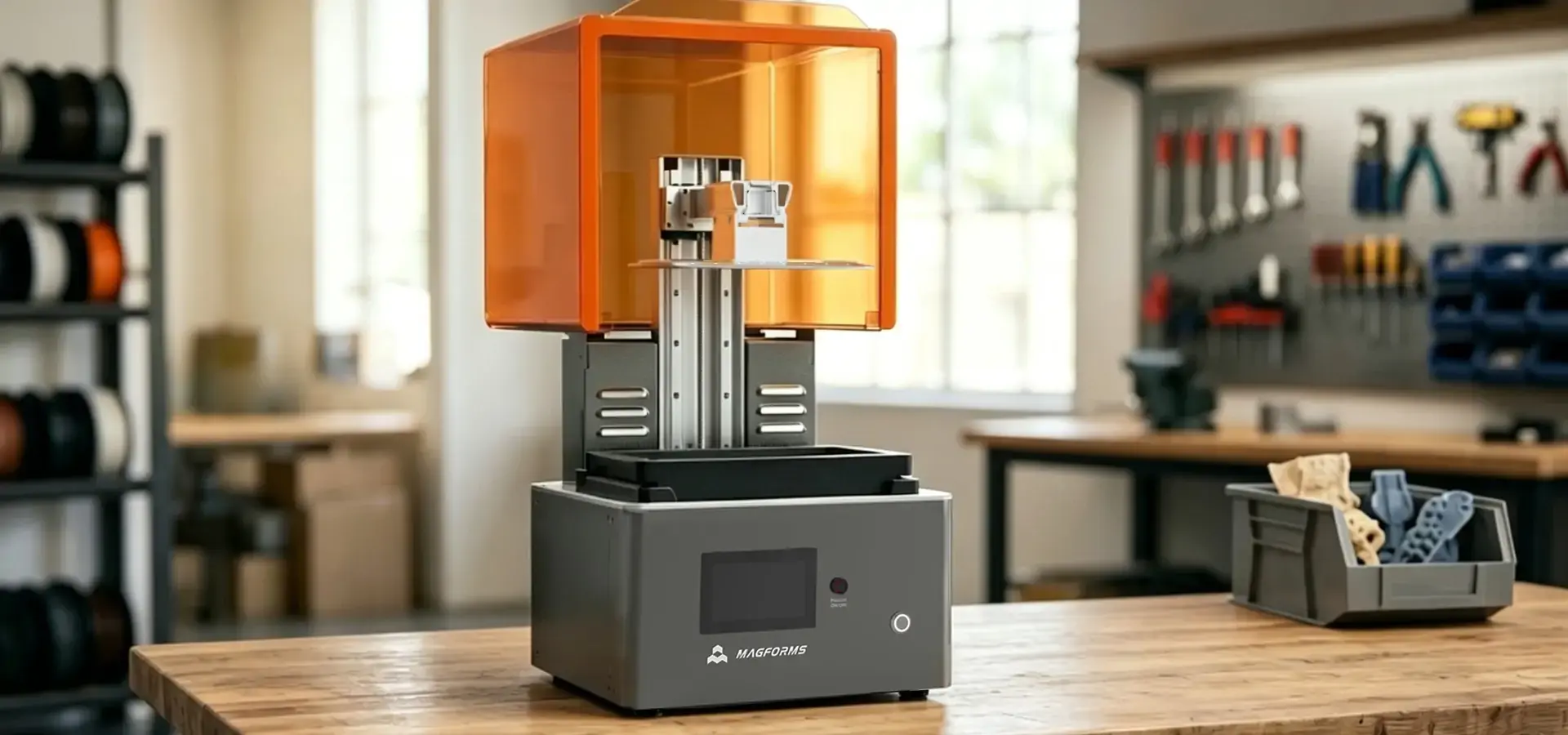
Conclusion
The method gives teams that need regular output quality and operating flexibility real benefits that can be measured. Its larger build volume and micron-level precision, and 99% success rate solve basic manufacturing problems in both development and small-batch production. The industrial-grade parts can handle ongoing operational needs, and improvements to the user experience cut down on training needs and daily operation problems. For people in charge of buying things who are looking at resin printing platforms, this equipment is a good investment because it has a good mix of throughput capacity, stability, and material versatility, which gives the company a competitive edge.
FAQ
1. What build volume does this system provide compared to standard 10-inch printers?
The platform has a build volume of 228 × 128 × 250 mm and a height of 250 mm, which is about 30–40% more vertical space than a standard 10-inch printer. This bigger size lets taller single parts fit or makes it possible to make more small parts at once.
2. How does print speed compare to similar resolution systems?
At a 0.2 mm layer thickness, a full 250 mm height model takes about 2 hours and 52 minutes to finish. The speed of this timeline is just right for the 14.85 μm XY resolution and ±0.05 mm accuracy, so the surface quality is about the same as with slower DLP processes.
3. What maintenance frequency does reliable operation require?
As part of regular upkeep, the glue vat is cleaned after each change of material, and the build platform is leveled every so often. The one-click cleaning feature and easy access to parts without tools cut down on upkeep time. Compared to consumer-grade options, the copper-tube cooling system and industrial-grade motion components make repair times longer.
Partner with Magforms for Advanced Resin Printing Solutions
Magforms has more than ten years of experience with additive manufacturing and has developed materials and tools together. This lets them make systems that work well together without any connection issues. Our P10 Pro supplier network covers both North America and Europe, so we can offer installation, training, and ongoing expert help in the areas where they are needed. We know how to meet the needs of production workflows in the automobile, medical, aerospace, and consumer product industries because we have 22 patents protecting our own innovations and have tested our products in more than 300 business installations. Contact our technical team at info@magforms.com to talk about application-specific needs, set up tests of sample parts, or get detailed ROI figures that compare the P10 Pro manufacturer's specs to what your present equipment can do.
References
1. Gibson, I., Rosen, D., & Stucker, B. (2021). Additive Manufacturing Technologies: 3D Printing, Rapid Prototyping, and Direct Digital Manufacturing (3rd ed.). Springer International Publishing.
2. Stansbury, J. W., & Idacavage, M. J. (2016). "3D printing with polymers: Challenges among expanding options and opportunities." Dental Materials, 32(1), 54-64.
3. Huang, J., Chen, Q., Jiang, H., Zou, B., Li, L., Liu, J., & Yu, H. (2020). "A survey of design methods for material extrusion polymer 3D printing." Virtual and Physical Prototyping, 15(2), 148-162.
4. Ligon, S. C., Liska, R., Stampfl, J., Gurr, M., & Mülhaupt, R. (2017). "Polymers for 3D Printing and Customized Additive Manufacturing." Chemical Reviews, 117(15), 10212-10290.
5. Dizon, J. R. C., Espera, A. H., Chen, Q., & Advincula, R. C. (2018). "Mechanical characterization of 3D-printed polymers." Additive Manufacturing, 20, 44-67.
6. Zhai, Y., Lados, D. A., & LaGoy, J. L. (2014). "Additive Manufacturing: Making Imagination the Major Limitation." JOM, 66(5), 808-816.

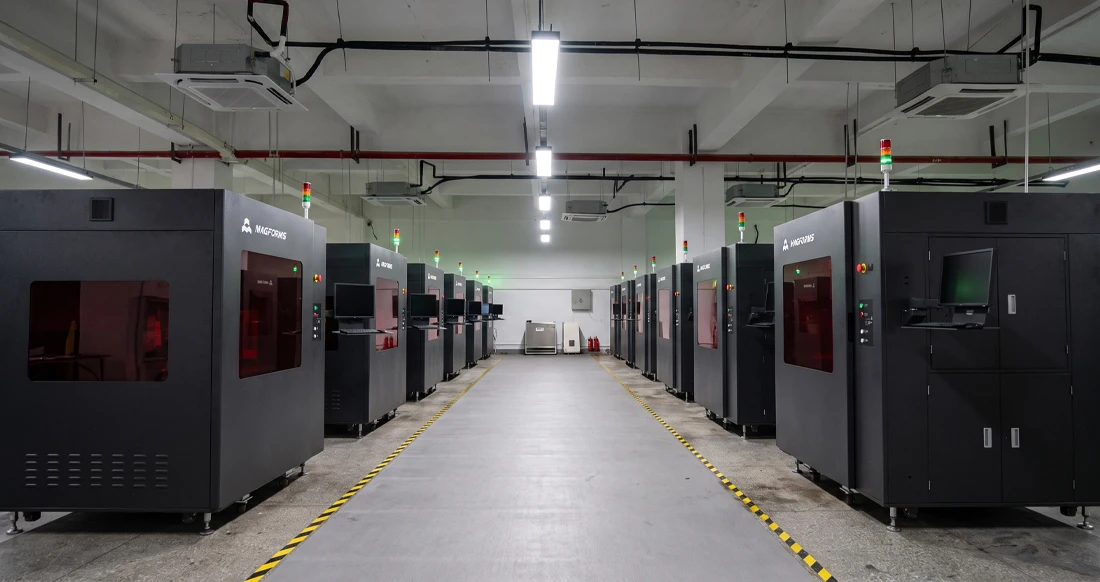
Magforms makes design and manufacture easier.
Popular Blogs
-
 Industry InsightsManufacturing Industry
FDM vs. SLA Printer: Which Technology Is Right for Your Project?
-
 Industry InsightsManufacturing Industry
Top 5 Applications of Industrial 3D Printers in Manufacturing Today
-
 Industry InsightsManufacturing Industry
Why Stereolithography 3D Printers Are Unmatched for Microfluidic Device Prototyping?