P10 Pro Industrial Light Source: Better Uniformity, Better Prints
Uneven curing or obvious layer lines that ruin a sample batch can cause production delays. Often, the problem can be traced back to one important part: the light source. The P10 Pro resin 3D printer integrates an industrial-grade uniform array light source designed to directly address this issue. This resin 3D printer consistently produces accurate, high-quality prototypes for car use, dental models, jewelry molds, and the development of consumer electronics. It can print accurately within ±0.05 mm and has a build volume of 228 × 128 × 250 mm. This makes it perfect for service offices, R&D departments, and specialized manufacturing facilities that need dependability but don't want to pay the high prices of proprietary systems.
Challenges in Traditional Resin 3D Printer Light Sources
Many production sites using traditional resin 3D printers face challenges that claim accuracy but are hard to use. When UV light distribution is uneven, localized under-curing and over-curing occur, leading to inconsistent polymerization across the build platform. When a dentist lab loses a whole lot of aligner bases overnight or when a car supplier throws away samples of interior trim because the surfaces aren't smooth, it's usually because the lighting isn't even. There are some problems that traditional methods keep having. Parts across the build platform exhibit inconsistent mechanical properties due to variations in curing energy density.
When prints fail in the middle of a job, more materials are wasted, and it costs a lot of money for workers to fix broken light sources or recalibrate systems over and over again. Over time, UV LED panels break down unevenly, causing hot spots and dim zones that make it harder to measure accurately. This leads to higher maintenance costs. Global B2B procurement teams now put an emphasis on buying tools that lower business risk. Low-quality light sources can't work in places where accuracy is needed, because they bring variation. Aerospace producers need parts that are accurate to within a very small amount, like a square millimeter. For legal compliance, medical gadget makers need consistency from batch to batch. The market wants methods that get rid of these factors so that every print, from the first layer to the last, meets production standards.
Introducing the P10 Pro Industrial Light Source: Core Features and Advantages
With the P10 Pro, Magforms built a brand-new industrial-grade array light source that solves the problem of uneven lighting. This design minimizes light divergence and ensures uniform irradiance distribution across the entire build area. This makes the curing process more reliable, which directly leads to better surface quality and fewer bad prints.
Exceptional Build Capacity and Speed
The physical features of this printer make it stand out among 10-inch printers. Even though competitors offer similar measurement sizes, the 250 mm build height gives service providers who handle a wide range of client requests real benefits. One print job can make several smaller parts or one big part, which makes the best use of plastic and machine time. The speed advantage is clear when you look at how long it takes to finish a full-height model at 0.2 mm layer height: 2 hours and 52 minutes. This speed is important when a client needs twenty housing samples by the end of the week or when a medical client needs to validate the P10 Pro as an urgent surgical guide.
Micron-Level Precision and Surface Quality
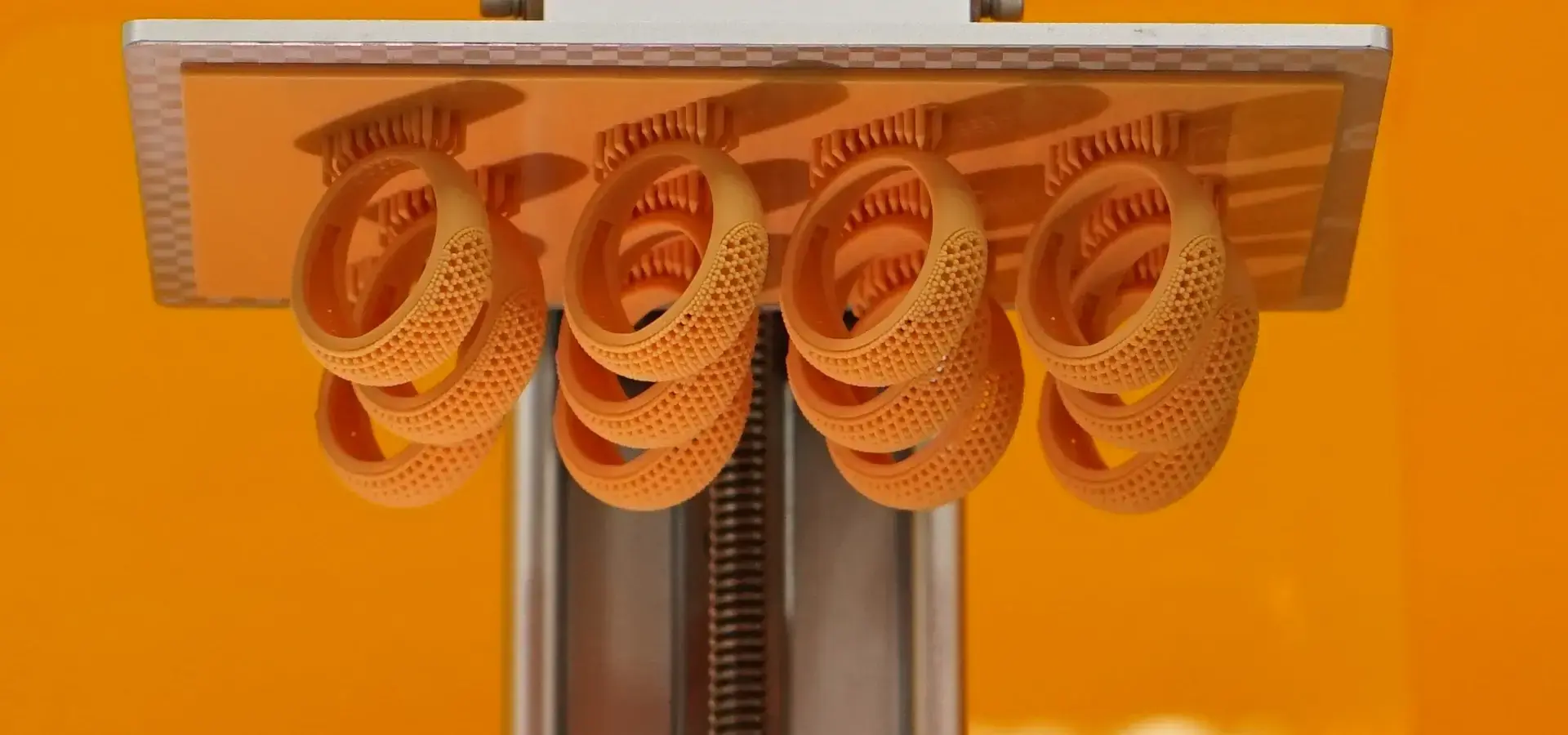
A native XY pixel size of 29.7 μm, combined with grayscale exposure control, enables an effective precision of up to 14.85 μm under optimized conditions. This technical ability gets rid of pixel lines that can be seen, which is a typical problem with cheaper systems. Printing precision stays within ±0.05 mm across the whole build platform, giving results that are as good as DLP without the higher cost. The reduced light dispersion enables highly controlled curing, improving surface smoothness and reducing visible layer artifacts. Think about what this means in real life for certain uses. Jewelers can make copies of jewel sets that have clear facets and fine filigree details. Designers of shoes can try snap-fit assemblies and texture designs that look just like injection-molded parts.
Electronics experts can check that the shell fits correctly and that the button mechanisms and connecting ports work as they should. The 29.7 μm pixel size can pick up small details like character skin textures or small words on control screens, making it possible for apps that need accurate images. The layer width can be changed from 0.01 to 0.2 mm, which lets users choose between quality and speed. When show models need surfaces that look like glass, lower layer heights can make that happen. If function testing is more important than looks, adding thicker layers speeds up the building process without affecting the accuracy of the dimensions.
Industry-Leading Stability and Success Rates
Achieving a 99% print success rate requires coordinated control of optical, thermal, and mechanical systems. The air-heated, enclosed build room keeps the temperature and humidity fixed during long jobs, stopping the changes in temperature that cause delamination or warping. This function is very important when printing with resins that melt at high temperatures or when working in places that don't have climate control. The strong 25 kg frame that stops vibrations gives the structure support. In contrast to lighter machines that let motor movements pass through the build platform, this rigid design stops the ripples that damage the surface finish.
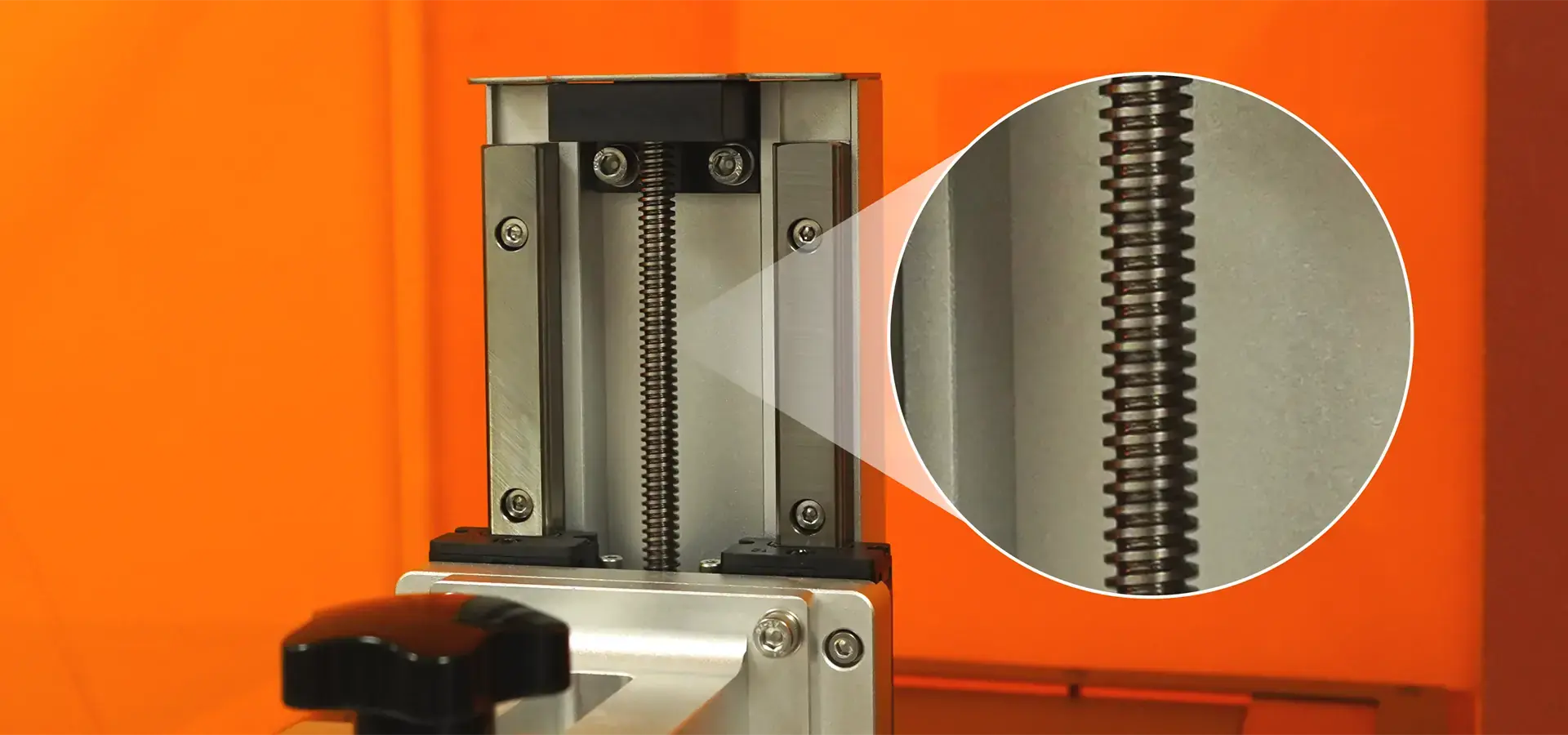
The industrial P-grade dual linear guides achieve up to 5 μm motion parallelism accuracy along the Z-axis, which ensures that the Z-axis moves smoothly and accurately. Along with these guides, an industrial-grade lead screw ensures stable and precise Z-axis motion, which means finer surface details and a lower chance of failure. There are several pressure-release holes in the build platform, which is an important technical detail that matters for every print. When the platform pulls off the resin vat, these holes lower the pulling forces. This makes the print smoother while also lowering the motor load. This choice in design makes the motor last longer and stops the platform-adhesion problems that happen with high-suction shapes like big flat surfaces. A copper-tube forced-air cooling device helps with thermal control, which makes parts last longer. This method gets rid of heat better than regular metal heat sinks, which keeps the light source and LCD screen from breaking down due to heat.
The total cost of ownership goes down when parts last longer because they don't need to be replaced as often, and service gaps get longer. The flatness of the platform's surface is within ±0.02 mm, which has a direct effect on the bonding of the first layer. When that important first layer sticks together evenly, the print will go smoothly. When there are areas of unevenness, glue can't stick properly, which can cause jobs to fail and separate. This focus on precise engineering can be seen all over the system.
User-Centered Design Elements
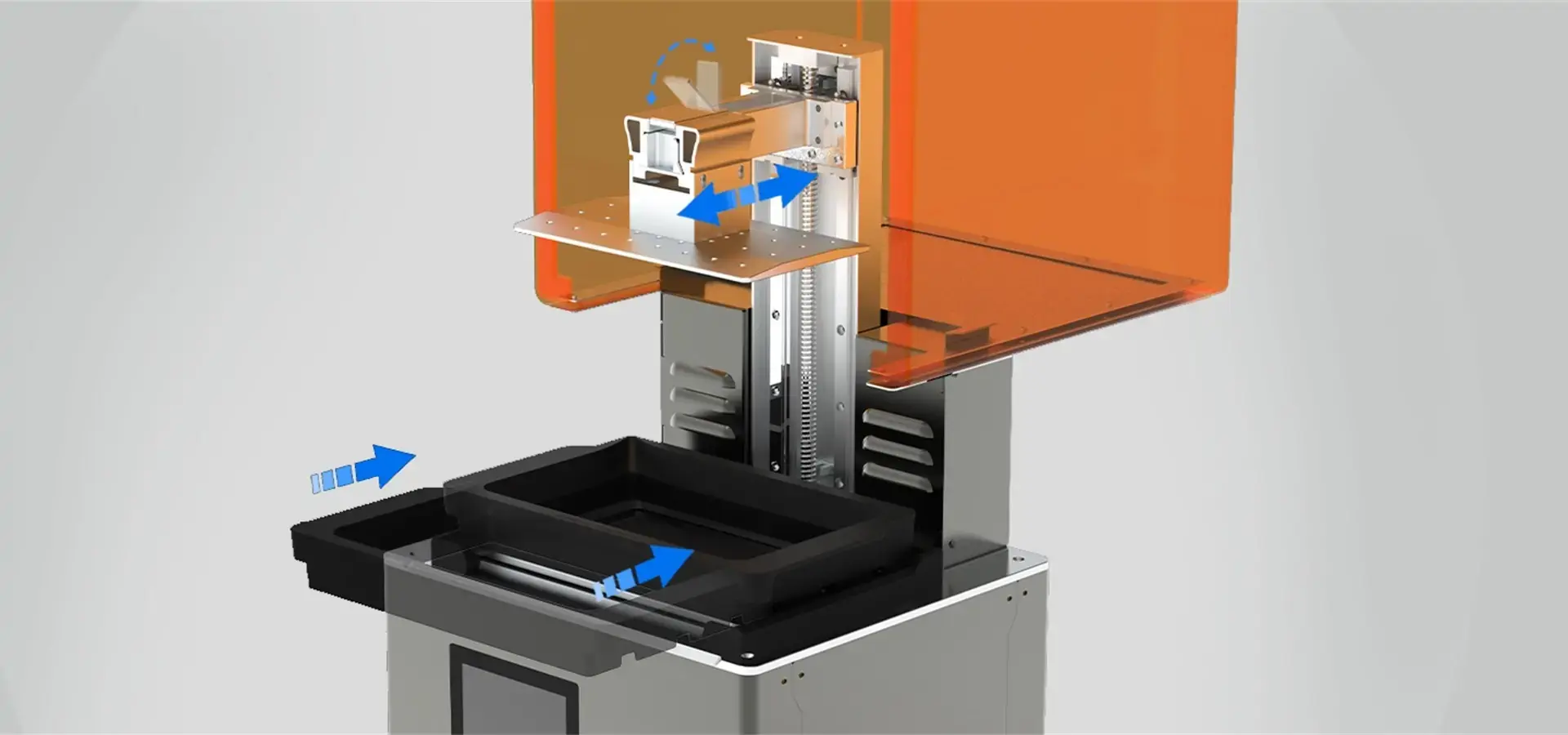
Design choices that save time during daily P10 Pro use are important for operational efficiency. The resin vat has a push-and-pull installation method that gets rid of the need for tools and makes it easy to switch materials in seconds. The press-lock fixing system on the build platform saves time in the same way. These design features keep the flow of work going when a service office needs to switch from regular plastic to dental-grade material between jobs. No external equipment is required to preheat the resin, as the system includes an integrated temperature control module, because the heating system is built in and keeps the temperature constant. In competitive systems, workers have to use water baths or heating pots to warm the resin, which takes time and takes up room.
This built-in heating ensures stable resin viscosity during the initial curing stages from the first layer, which is especially important for specialty materials with a high viscosity. By absorbing and removing resin smells, the air filtration device solves a common problem in the workplace. This makes the area more comfortable, especially in shared offices or labs with little airflow. The vertical slide door design makes it easy to get in and out without having to deal with the mess of storing light screens that can be taken off during printing. A 5.0-inch color tablet makes it easy to see the parameters and move around. From the interface, operators can change the print settings and the speed of the Z-axis. You can even fine-tune the exposure settings while the print is still going on, which lets experienced users get the best results based on how the material behaves or the conditions around them. Each suitable material comes with its own process parameter package that can be imported with just one click.
This makes it easier for operators who work with different types of plastic to switch between materials. The 4 GB internal storage lets you print when you're not linked to the internet, so you don't need to keep a USB drive plugged in. Multiple files can be put in a queue, which lets them be worked on while you're away overnight or on the weekend. The 1.1 kg capacity of the deep resin tray is enough for tall prints without having to stop and refill in the middle of the job, which could cause mistakes. When put together, these parts make a system that respects the time of the user and cuts down on the places where things get stuck and slow down production. When advanced technology is combined with well-thought-out ergonomics, output simply rises.
Why P10 Pro Stands Out in the Industrial Light Source Market
By comparing the printer's specs, you can see where it has an edge over other models. Part accuracy is directly affected by how regular the light is, which is an area where many systems in the same price range fail. The following numbers are important to a buying manager when comparing options: up to 99% print success rate under validated conditions, exceeding typical performance levels observed in many mid-range resin 3D printer systems; ±0.05 mm accuracy compared to ±0.1 mm tolerances common in mid-range equipment; and 14.85 μm precision compared to 35–50 μm in standard SLA systems. There are more costs to think about than just the buying price.
Magforms' method of integrating materials and equipment gets rid of the compatibility problems that come up when third-party resins are mixed with proprietary gear. Dimensional errors and print flaws caused by a bad fit between the plastic and the machine don't happen anymore. This combination adds value by cutting down on wasted materials and the number of failed prints that need to be reprinted. Long-term happiness depends on things like warranty coverage and technical help. Magforms backs this printer with full service access, which includes advice on how to maintain the machine, software changes, and technical training. When production plans depend on equipment being up and running, quick help stops small problems from turning into costly delays.
The company has been in this business for a long time, so its support staff knows how to deal with problems that are unique to each application, like making sure dentist models are accurate or making sure the surface finish on car parts is just right. When you figure out the total cost of ownership over three years of use, the value offer becomes clear. Fewer failures mean less wasted material and less time for operators to do repeats. Better thermal control makes parts last longer, which lowers the cost of new parts. Print speeds that are efficient make machines more useful, which lets more jobs get done each week. When compared to systems with lower initial costs but higher ongoing costs, these factors add up to big cost benefits.
How to Optimize Your Procurement with P10 Pro Industrial Light Source
To choose the right setup, you must first know what the output needs are. Service bureaus that have to deal with a wide range of client requests can benefit from the full range of build heights and materials. In-house prototype shops that help engineering teams may put speed and ease of use at the top of their list of priorities. Medical sites need materials that are safe and help with governmental paperwork. Procurement teams should carefully look at what materials are needed. The system's best settings for engineering resins that are clear, high-temperature, and flexible should work for most uses.
However, special needs like castable resins or ceramic-filled materials should be checked out during the evaluation process. Logistics planning changes when things can be sent out. Magforms' distribution network makes it easy to get products to sites in North America, and their technical support lines help with setup so that commissioning time is kept to a minimum. Training is available to make sure that operators know how to optimize parameters and do normal repairs from the start. Paying attention to software compatibility and file preparation standards is important for integrating into current P10 Pro processes.
The printer works with common slicing tools and standard STL file types, which makes it easy to use without stopping work in progress. If remote monitoring or file sharing are important, IT teams should check the standards for network connections. Planning maintenance helps tools last longer. Setting up regular cleaning plans for resin vats, keeping an eye on the state of the FEP film, and keeping track of how well the light source is working will ensure consistent results over many years of use. Magforms helps places set up these best practices by giving them paperwork and training materials.
Future Outlook and Strategic Benefits of Adopting P10 Pro Light Source
Industrial printing technology keeps getting better at accuracy and using a wider range of materials. Adopters can use next-generation resins designed for specific mechanical qualities or environmental performance in systems that offer better light uniformity. The architecture of the P10 Pro makes it possible for firmware changes to improve its usefulness as Magforms adds new features. Sustainability factors are becoming more and more important in purchasing decisions. High success rates cut down on material waste, and efficient sealing lowers the amount of energy used per part. As supply chains are pushed to show how they affect the environment, these organizational traits offer measurable benefits. In service bureaus, keeping quality high is important for keeping clients happy. When every part meets the standards for size and finish, customers will naturally buy from you again. This system's dependability helps build a good image in markets that are competitive and where customer trust is based on quality differentiation.
Scalability is important for businesses that want to grow. A factory might begin with one unit to help with the development of a prototype and then add more units as the need for production rises. The operational information learned with the first system can be directly applied to other units, which speeds up the learning curve for teams that are growing. Competing in the market depends more and more on being able to act quickly. Companies that can go from an idea for a design to testing it in real life in days instead of weeks have a strategic edge. This printer's speed and dependability help with that flexibility, whether you're making new product lines or customizing ones for customers.
Conclusion
The difference between high-quality results in resin 3D printer applications is the level of light consistency. The P10 Pro has great performance because it has designed methods that deal with the main problems that make traditional systems' print quality worse. With accurate optics, a strong mechanical design, and features that put the user first, it makes a platform that can handle demanding tasks in the medical, automotive, aircraft, and consumer product industries. This system meets the needs of procurement teams looking for equipment that lowers organizational risk and improves output quality without charging more than the best competitive choices. Magforms' method of integrating materials and hardware, along with a full support system, makes this printer a strategic tool for facilities that put reliability and accuracy first.
FAQ
1. What materials are compatible with this industrial resin 3D printer?
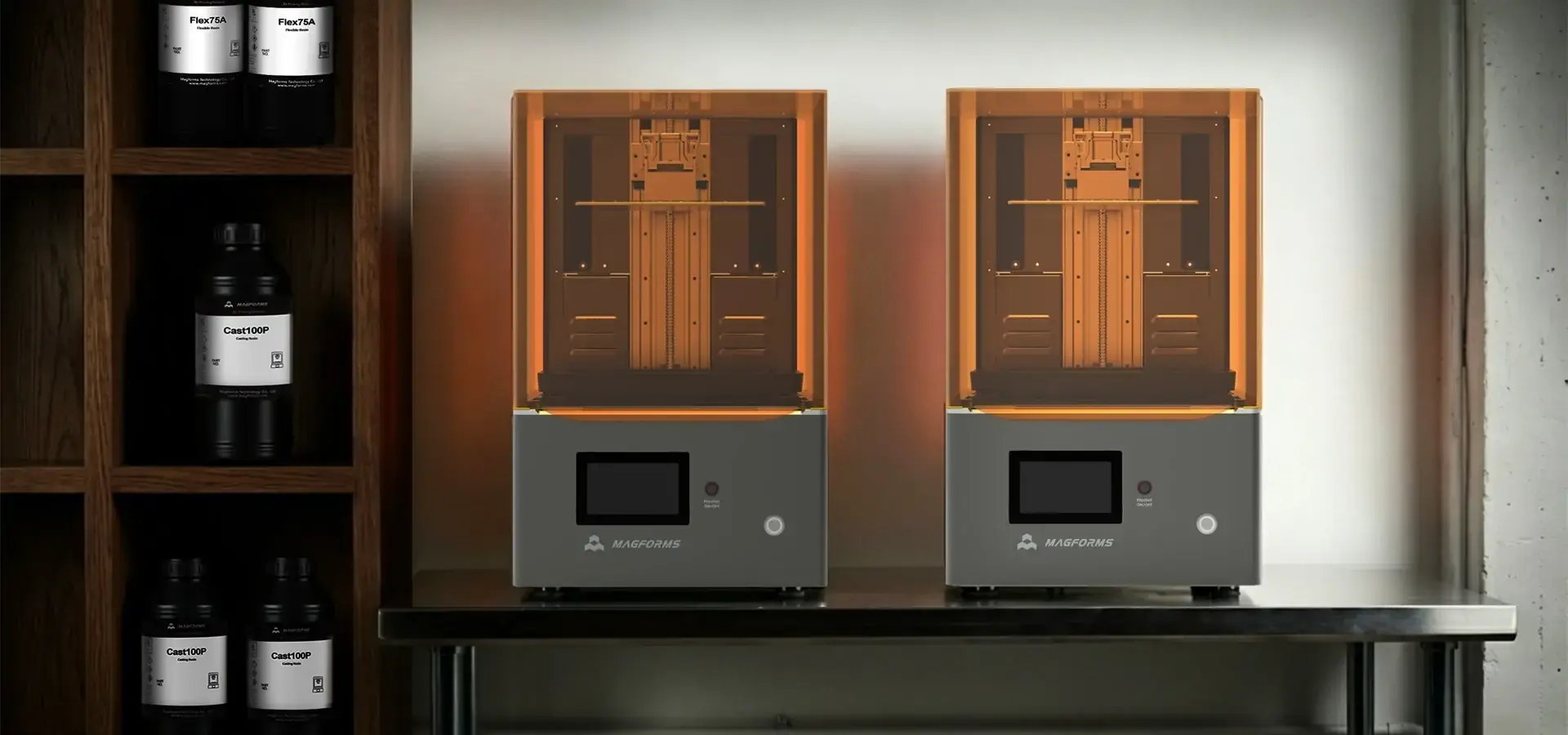
Engineering resins are used for functional tests, clear materials are used for visual validation, high-temperature resins are used for heat-resistant tasks, and flexible materials are used for elastomeric parts. Each type of material comes with parameter packages that are already tuned and can be imported straight into the control interface. Magforms develops compatible materials by optimizing both resin formulations and curing parameters, and the curing settings. This way, you don't have to go through the trial-and-error process that usually comes with mixing third-party materials with unique hardware.
2. How does light uniformity improve print success rates?
Even spread of light makes sure that the healing energy stays the same across the whole build platform. This gets rid of weak spots where not enough contact makes layer bonding bad and stops over-cured spots that lead to errors in the dimensions. The industrial-grade array light source cuts down on deviation angles, putting energy exactly where it's needed and reducing the amount of exposure that goes to waste and can break down uncured resin in the vat. This technical method directly helps the 99% success rate by getting rid of the factors that can lead to mistakes that are hard to predict.
3. What warranty and support options are available for commercial operations?
Magforms offers a full warranty that is backed by an approved repair network. Technical support includes advice on how to maintain machines, help with updating software and hardware, and training materials that are unique to each application. When problems happen, priority support routes help keep business operations running smoothly. The company's support staff has years of experience in the field, which helps them quickly figure out what's wrong and fix it, often by helping remotely, which cuts down on service visit delays. For procurement teams, this support system lowers the risk of delays and keeps production plans safe.
Contact Magforms for Professional SLA Printer Solutions
Magforms uses 22 patents and 30 years of experience with 3D printing to make industrial resin 3D printing systems that solve real problems in production. We know what service offices, R&D facilities, and production operations need in terms of technical requirements and operational pressures because we are a P10 Pro provider to over 300 businesses around the world. Our method of integrating materials and equipment gets rid of problems with compatibility, and our technical support team is there to help from the time of original setup through years of trouble-free use. Whether you're looking for your first commercial resin 3D printer solutions or want to increase the volume of one you already have, we can help you find a system that fits your needs. You can email our team at info@magforms.com to talk about how this platform can help your production, or you can ask for full specs and reviews of sample parts that show the quality benefits that better light uniformity provides.
References
1. Gibson, I., Rosen, D., & Stucker, B. (2021). Additive Manufacturing Technologies: 3D Printing, Rapid Prototyping, and Direct Digital Manufacturing. Springer International Publishing.
2. Jacobs, P. F. (2020). Fundamentals of Stereolithography: Optical Physics and Chemistry in Industrial Resin 3D Printing. Society of Manufacturing Engineers.
3. Ligon, S. C., Liska, R., Stampfl, J., Gurr, M., & Mülhaupt, R. (2017). "Polymers for 3D Printing and Customized Additive Manufacturing." Chemical Reviews, 117(15), 10212-10290.
4. Quan, H., Bird, T., Xu, H., Luo, S., Nie, J., & Zhu, X. (2020). "Photo-curing 3D Printing Technique and Its Challenges." Bioactive Materials, 5(1), 110-115.
5. Stansbury, J. W., & Idacavage, M. J. (2016). "3D Printing with Polymers: Challenges among Expanding Options and Opportunities." Dental Materials, 32(1), 54-64.
6. Wohlers, T., Campbell, I., Diegel, O., Huff, R., & Kowen, J. (2022). Wohlers Report 2022: 3D Printing and Additive Manufacturing Global State of the Industry. Wohlers Associates, Inc.

Magforms makes design and manufacture easier.
Popular Blogs
-
 Industry InsightsManufacturing Industry
FDM vs. SLA Printer: Which Technology Is Right for Your Project?
-
 Industry InsightsManufacturing Industry
Top 5 Applications of Industrial 3D Printers in Manufacturing Today
-
 Industry InsightsManufacturing Industry
Why Stereolithography 3D Printers Are Unmatched for Microfluidic Device Prototyping?