P10 Pro Stereolithography 3D Printer for High-Performance Workflows
A new version of stereolithography 3D printer technology called the P10 Pro is changing how companies do fast development and specialized production. Using advanced LCD-based stereolithography technology, this machine cures liquid photopolymer resin layer by layer through high-resolution masked UV light exposure, producing highly accurate components with exceptional surface quality. This makes parts with excellent surface quality comparable to injection-molded prototypes in many applications. With its industrial double guide rail system and smart temperature control, the P10 Pro solves the problems of print quality, wasted materials, and production delays that have been bothering operations managers and technical directors in the automotive, dental, aerospace, and consumer electronics industries for a long time.
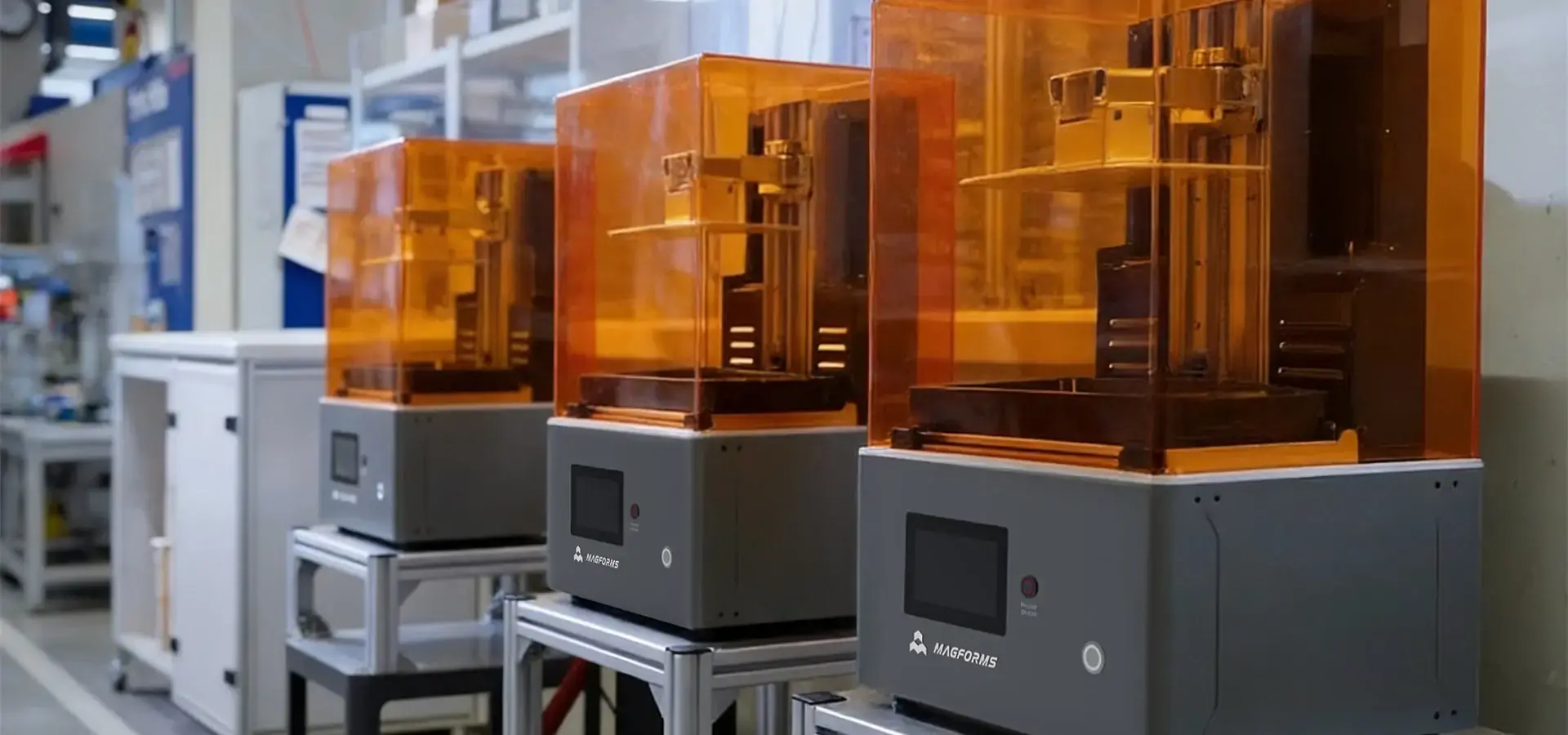
Understanding the P10 Pro Stereolithography 3D Printer Technology
The core advantage of this resin-based additive manufacturing system lies in its photopolymerization process. During printing, a high-intensity UV LED light source projects light through a precision LCD masking system, selectively curing resin according to the digital design. Compared with filament-based additive manufacturing processes, resin printing typically delivers finer feature resolution and smoother surface finishes. The P10 Pro, on the other hand, supports dimensional accuracy of up to ±0.01 mm under optimized printing conditions. This performance is achieved through high-resolution LCD imaging, optimized exposure control algorithms, and intelligent layer processing strategies that improve productivity while maintaining exceptional dimensional accuracy.
Seamless Material-Hardware Integration
Magforms made this system so that the unique resins and hardware parts work perfectly with each other. This gets rid of the compatibility issues that lead to unexpected print failures during batch production runs. The machine can help achieve print success rates of up to 99% under validated process conditions. This cuts down on material waste and time pressure, two problems that procurement directors say are big problems in their work. This material portfolio includes engineering-grade resins, dental-grade biocompatible resins, high-temperature-resistant materials, and flexible elastomer-like resins. This means that one machine can handle the work of multiple departments.
Industrial-Grade Structural Design
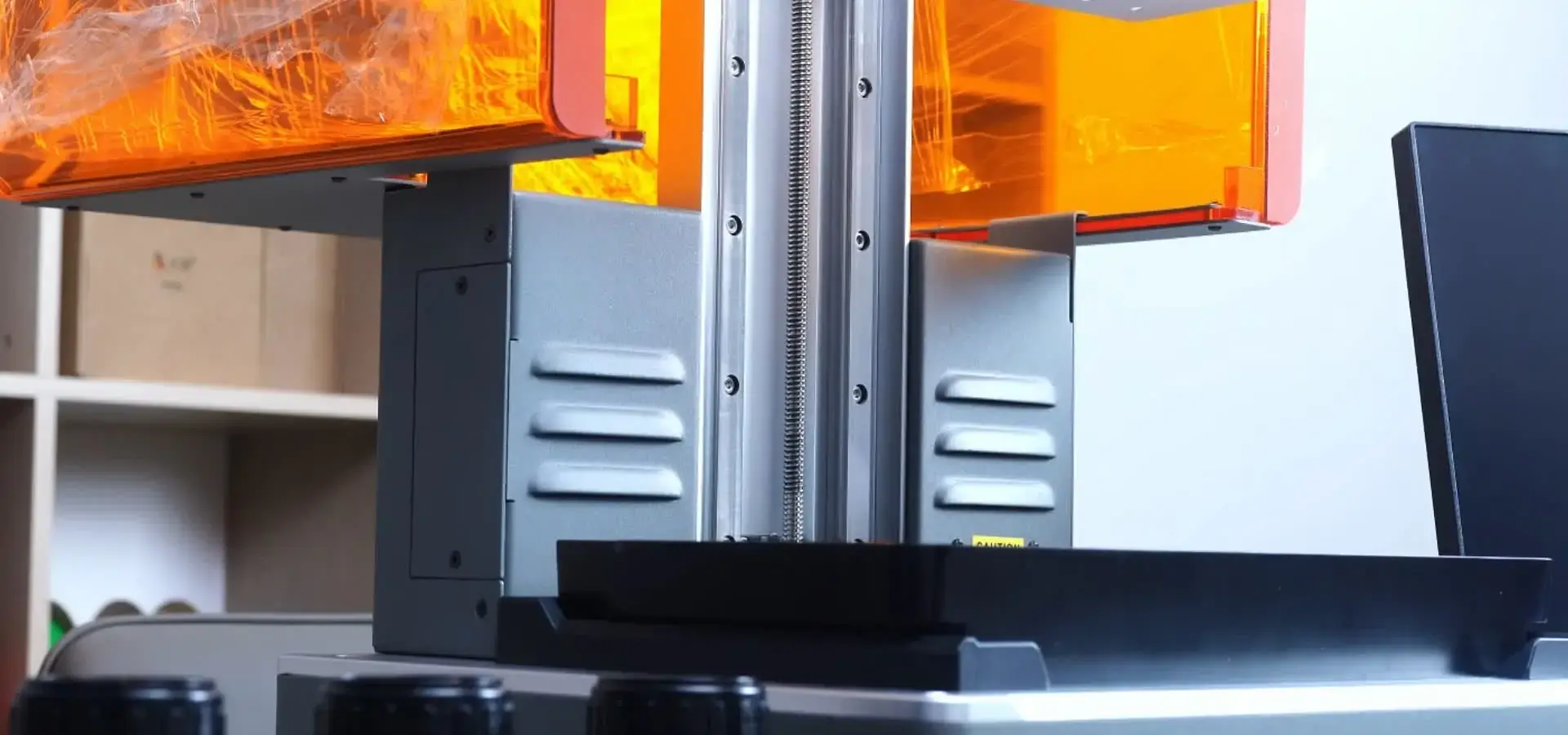
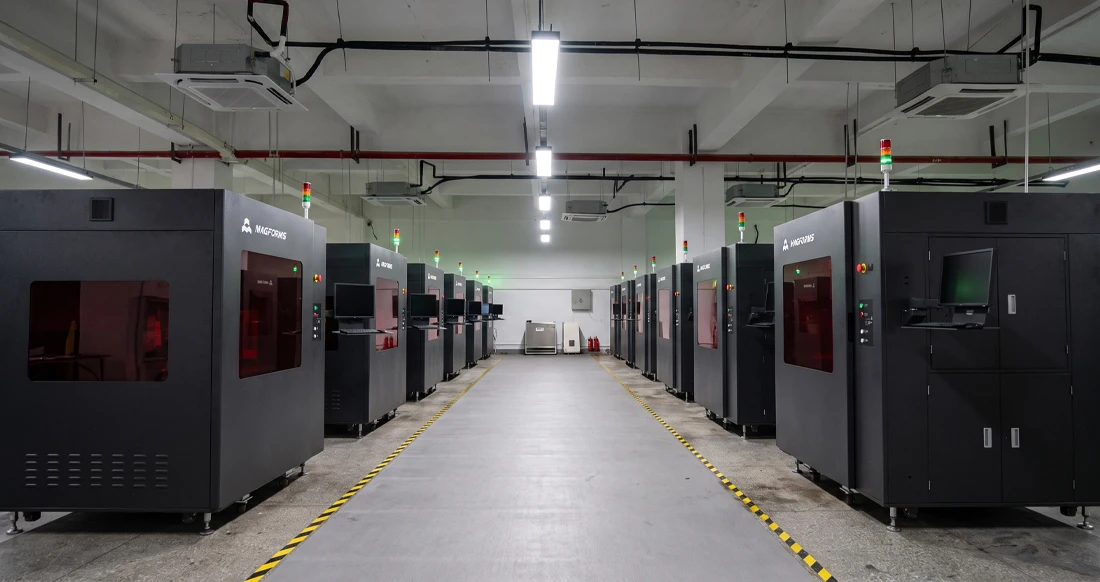
The steel shell and industrial-grade Z-axis module of the P10 Pro give it the mechanical stability it needs to work continuously in high-volume production settings. Adding pressure-release holes to the build platform helps reduce suction forces generated during layer separation, improving print stability and reducing the likelihood of print failures. The built-in framed nFEP film gets rid of the need for tedious cutting and installation steps. It also provides a durable, low-adhesion release surface that helps extend consumable life and reduce replacement frequency. The flexible design lets parts be swapped out quickly, so repair teams can change important parts without needing special expert training or long periods of machine shutdown. This design philosophy directly answers the worries that operations managers have had about slow seller response times with competing equipment after the sale.
Comparing P10 Pro with Other Stereolithography and 3D Printing Solutions
People who have to make decisions have to look at the total cost of ownership, precision, flow speed, and quality of the surface finish when they compare stereolithography 3D printer technologies. Fused Deposition Modeling (FDM) systems generally offer lower initial investment costs, but they often produce visible layer lines, lower surface quality, and anisotropic mechanical properties that may require additional post-processing. Traditional SLA equipment does a great job of reproducing details, but it often forces users into environments of proprietary materials with high prices that cut into practical profits.
Resolution and Surface Quality Advantages
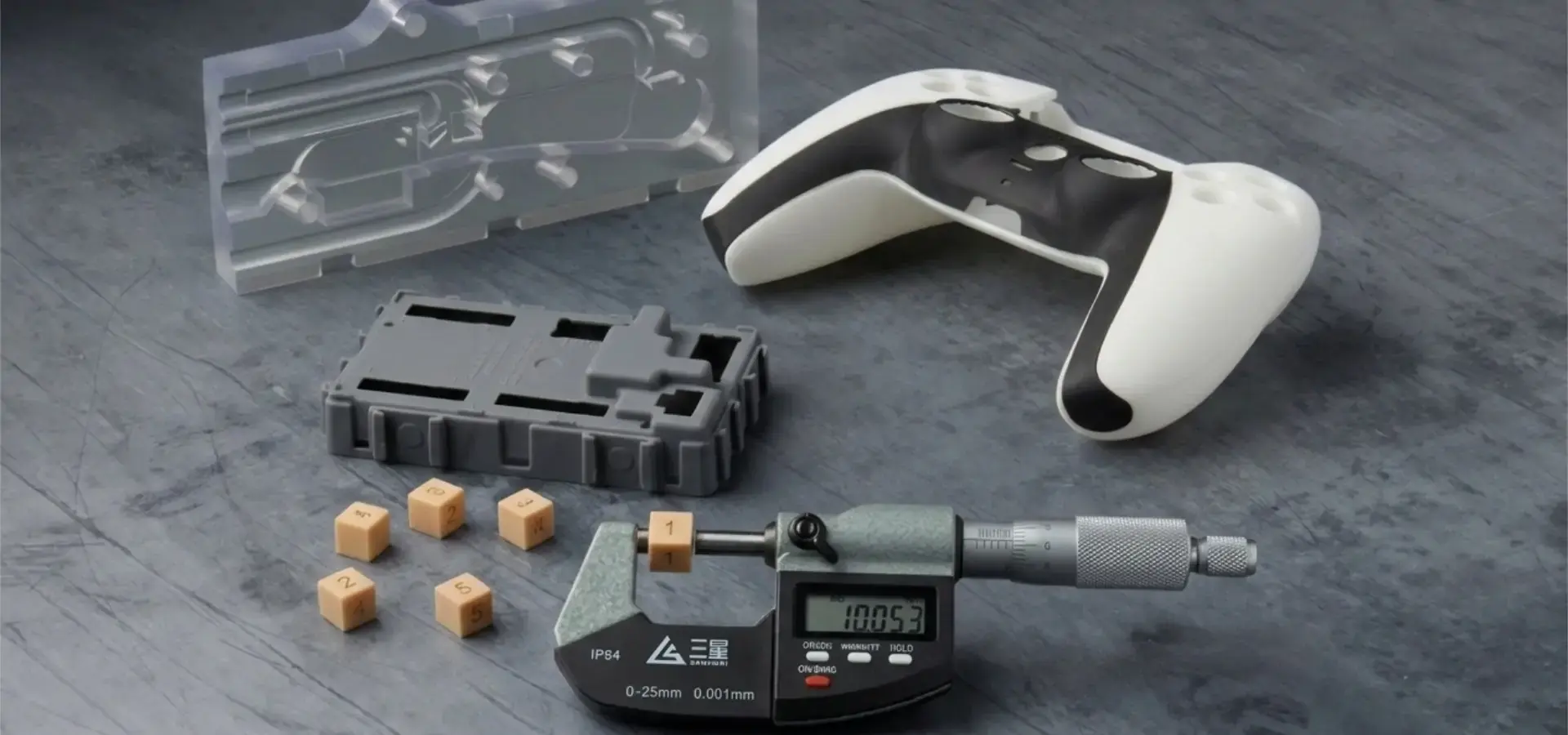
The P10 Pro can produce exceptionally smooth surface finishes directly from the build platform, significantly reducing post-processing requirements for many applications, so there's no need for extra finishing steps that take time and cause delivery delays. The high-precision double guide rail system keeps the parts in the right place during long print sessions, making sure that the hundredth part fits the first part's measurements. This level of uniformity is very important for dental labs that make orthodontic devices and automakers that test snap-fit parts before investing in new tools.
Total Cost of Ownership Considerations
In addition to the price of the technology itself, procurement managers and operations decision-makers look at how much it will cost to maintain, how much it will cost to replace parts, and how flexible the business can be in how it runs. Because the P10 Pro is open to different types of materials, buyers can source compatible resins from multiple suppliers. This keeps buyers from being locked into one vendor, which can make it harder to control costs. Routine cleaning and tuning checks can still be done by technical staff without the need for factory-certified techs, so maintenance processes stay simple. This system is competitive among 10-inch format devices because it has a large build space of 228x128x250mm. This lets users make bigger parts or nest many small parts together in a single build cycle. This numerical capacity lowers the cost per part for contract makers who work with small-batch customization orders and boosts throughput for service companies that handle a wide range of clients.
Key Applications of the P10 Pro in High-Performance Workflows
Because resin photopolymerization technology is so flexible, this equipment can be used in a wide range of challenging situations and industries. Automotive design companies use the system to quickly make changes to custom panel elements and interior trim pieces. This cuts down on development times from weeks to days. Precision capabilities are used by companies that make aerospace parts to make proof samples of complicated shapes that need to be checked for tight tolerances before expensive cutting operations are carried out.
Dental and Medical Device Production
Dental labs are one of the areas where precision resin printing technology is being used most quickly. The P10 Pro can produce dental models, aligner molds, and surgical guide prototypes when used with appropriately validated biocompatible dental resins that comply with relevant regulatory requirements. The ability to print many patient-specific devices and models in one batch meets the needs of personalized production in modern dentistry, where mass customization has replaced one-size-fits-all solutions. Medical device developers use the system to create functional prototypes, anatomical models, and validation samples for surgical instruments and orthopedic product development. They do this by using safe resin that look and feel like the materials that will be used in production. By finding design flaws early on in the idea stage, this fast prototyping feature lowers the financial risk that comes with investing in tools.
Consumer Electronics and Footwear Applications
The system helps product makers in consumer electronics make complex shell shapes and internal structure parts for consumer electronics, wearable devices, and smart hardware products. The short iteration cycles work perfectly with the tight product development schedules that are typical in this business. With update cycles every three months, developers need to be very flexible. Manufacturers of shoes use the tools to make shoe moulds and prototypes of accessories. They turn idea sketches into real models that marketing teams can look at and make changes to before committing to production tools. Culturally creative businesses copy handmade items and make unique decorative models that would be too expensive to make the old-fashioned way.
Maintaining and Troubleshooting the P10 Pro for Optimal Performance
Sustained productivity with any stereolithography 3D printer precision manufacturing equipment depends on disciplined maintenance protocols and effective troubleshooting capabilities. The P10 Pro's user-friendly design simplifies routine care procedures, allowing technical staff to maintain peak performance without disrupting production schedules.
Routine Maintenance Best Practices
Regular resin handling procedures include filtering used material to remove cured particles and monitoring viscosity changes that indicate material degradation. The intelligent constant-temperature control system maintains optimal resin flow properties throughout extended print sessions, preventing the temperature fluctuations that cause dimensional variations in finished parts. Calibration checks verify Z-axis positioning accuracy, exposure consistency, and LCD imaging performance, with straightforward adjustment procedures that technical supervisors can complete during shift transitions.
Troubleshooting Common Print Defects
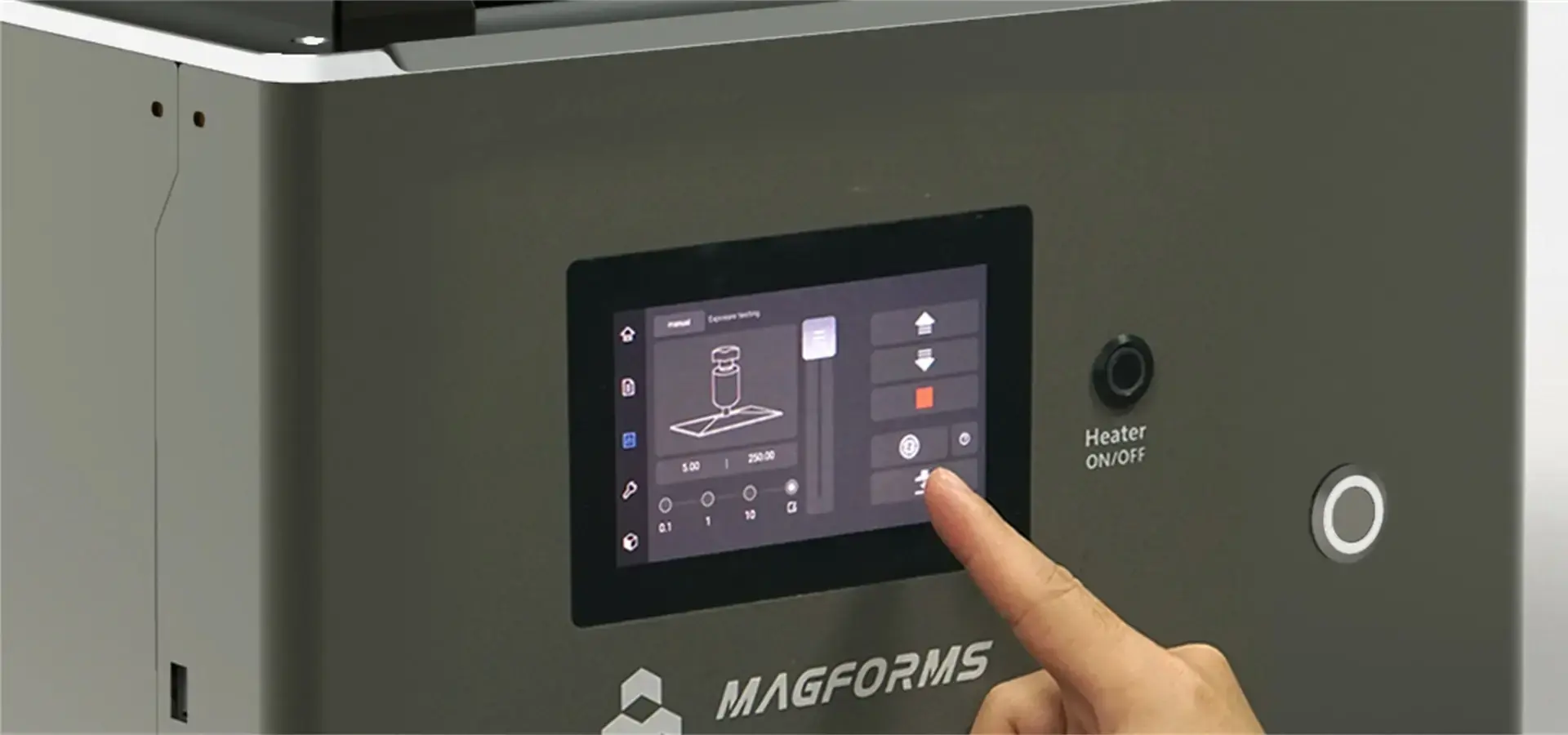
When print failures occur, systematic diagnosis identifies root causes quickly. Surface imperfections often trace to contaminated resin or worn FEP film, both addressable through standard consumable replacement procedures. Dimensional inaccuracies may indicate calibration drift or improper support structures, with software-guided correction tools that streamline resolution processes. The upgraded smart user interaction interface provides real-time monitoring of print parameters, alerting operators to anomalies before they escalate into catastrophic failures.
Magforms supports this equipment with comprehensive technical assistance programs, including remote diagnostics, on-site training workshops, and rapid spare parts availability. This commitment to customer success distinguishes the company's approach from competitors who treat after-sales support as an afterthought rather than a core value proposition.
How to Select and Procure the P10 Pro Stereolithography 3D Printer
Strategic procurement decisions balance technical capabilities against financial constraints and operational requirements. Technical directors evaluate resolution specifications, build volume capacities, material compatibility ranges, and production speed metrics to ensure equipment alignment with departmental workflows. Company management assesses total investment costs, projected return on investment timelines, and vendor support capabilities to validate business case assumptions.
Key Decision Criteria for B2B Buyers
Resolution capabilities determine which applications the equipment can address effectively. The P10 Pro's 0.01mm precision control satisfies the demanding requirements of dental model production and precision connector validation while providing margin for less critical applications. Build volume considerations affect throughput capacity and part size limitations, with the system's 228×128×250mm envelope accommodating substantial components and efficient batch nesting configurations. Material compatibility for the stereolithography 3D printer influences operational flexibility and long-term cost management. The P10 Pro's open material architecture prevents vendor lock-in situations, allowing procurement teams to negotiate favourable pricing with multiple resin suppliers. Production speed metrics directly impact delivery lead times and capacity planning, with the system's optimized exposure strategies help improve production efficiency compared with conventional resin printing workflows.
Financing and Logistics Considerations
Magforms offers flexible financing arrangements tailored to diverse business models, including leasing options for startups managing cash flow constraints and bulk purchase programs for established manufacturers expanding production capacity. Shipping logistics accommodate international deliveries, with experienced freight partners managing customs clearance and white-glove installation services that minimize commissioning delays. The company's global presence, with products exported to dozens of countries and service networks supporting over 300 enterprises, provides reassurance regarding long-term parts availability and technical support access. Client testimonials from automotive manufacturers, dental laboratories, and aerospace component suppliers validate the equipment's performance claims and highlight the responsive customer service that distinguishes Magforms from competitors prioritizing sales volume over relationship development.
Conclusion
The P10 Pro stereolithography 3D printer addresses the critical operational challenges that manufacturing decision-makers face when implementing advanced additive technologies. Its combination of precision engineering, material flexibility, and user-friendly operation delivers the reliability required for production environments while maintaining the affordability that makes adoption feasible for organizations across the scale spectrum. The equipment represents a strategic investment in manufacturing capability that compounds returns through improved product quality, accelerated development cycles, and expanded service offerings.
FAQ
What distinguishes the P10 Pro among Stereolithography 3D printer solutions?
The P10 Pro differentiates through its integrated material-hardware optimization, validated resin profiles, and industrial-grade motion control systems, achieving 99% print success rates that dramatically reduce material waste and production delays. The industrial-grade structural components and intelligent temperature control systems deliver consistency across extended production runs, addressing the reliability concerns that plague conventional equipment.
How do different resin formulations impact final part properties?
Resin selection determines mechanical characteristics, thermal resistance, and biocompatibility properties. Engineering-grade formulations provide strength and chemical resistance for functional prototypes, while flexible resins enable snap-fit assemblies. Dental-grade biocompatible materials meet regulatory requirements for patient contact applications, demonstrating the material versatility that allows single equipment investments to serve multiple departmental needs.
What maintenance practices ensure long-term performance reliability?
Routine maintenance includes resin filtering, periodic calibration verification, and FEP film inspection. The modular design simplifies component replacement, with quick-release mechanisms that minimize downtime. Magforms provides detailed maintenance schedules and remote diagnostic support, helping technical teams prevent issues before they impact production schedules.
Unlock Industrial-Grade Precision with Magforms
Magforms invites technical directors and procurement professionals to explore how our stereolithography 3D printer technology can transform your production workflows. As an additive manufacturing technology provider with extensive experience in resin 3D printing systems and materials development, we deliver integrated material-equipment solutions backed by comprehensive technical support and flexible financing options. Our team provides personalized consultations, sample validations, and customized quotes that address your specific application requirements. Contact us at info@magforms.com to discuss bulk purchase programs and discover why over 300 enterprises worldwide trust Magforms for their additive manufacturing needs.
References
1. Gibson, I., Rosen, D., Stucker, B., & Khorasani, M. (2021). Additive Manufacturing Technologies (3rd ed.). Springer International Publishing.
2. Quan, H., Zhang, T., Xu, H., Luo, S., Nie, J., & Zhu, X. (2020). Photo-curing 3D printing technique and its challenges. Bioactive Materials, 5(1), 110-115.
3. Stansbury, J. W., & Idacavage, M. J. (2016). 3D printing with polymers: Challenges among expanding options and opportunities. Dental Materials, 32(1), 54-64.
4. Ligon, S. C., Liska, R., Stampfl, J., Gurr, M., & Mülhaupt, R. (2017). Polymers for 3D Printing and Customized Additive Manufacturing. Chemical Reviews, 117(15), 10212-10290.
5. Pagac, M., Hajnys, J., Ma, Q., Jancar, L., Jansa, J., Stefek, P., & Mesicek, J. (2021). A Review of Vat Photopolymerization Technology: Materials, Applications, Challenges, and Future Trends of 3D Printing. Polymers, 13(4), 598.
6. Bagheri, A., & Jin, J. (2019). Photopolymerization in 3D Printing. ACS Applied Polymer Materials, 1(4), 593-611.

Magforms makes design and manufacture easier.
Popular Blogs
-
 Industry InsightsManufacturing Industry
FDM vs. SLA Printer: Which Technology Is Right for Your Project?
-
 Industry InsightsManufacturing Industry
Top 5 Applications of Industrial 3D Printers in Manufacturing Today
-
 Industry InsightsManufacturing Industry
Why Stereolithography 3D Printers Are Unmatched for Microfluidic Device Prototyping?