P13 Pro 3D Printing Machine for Detailed and Durable Parts
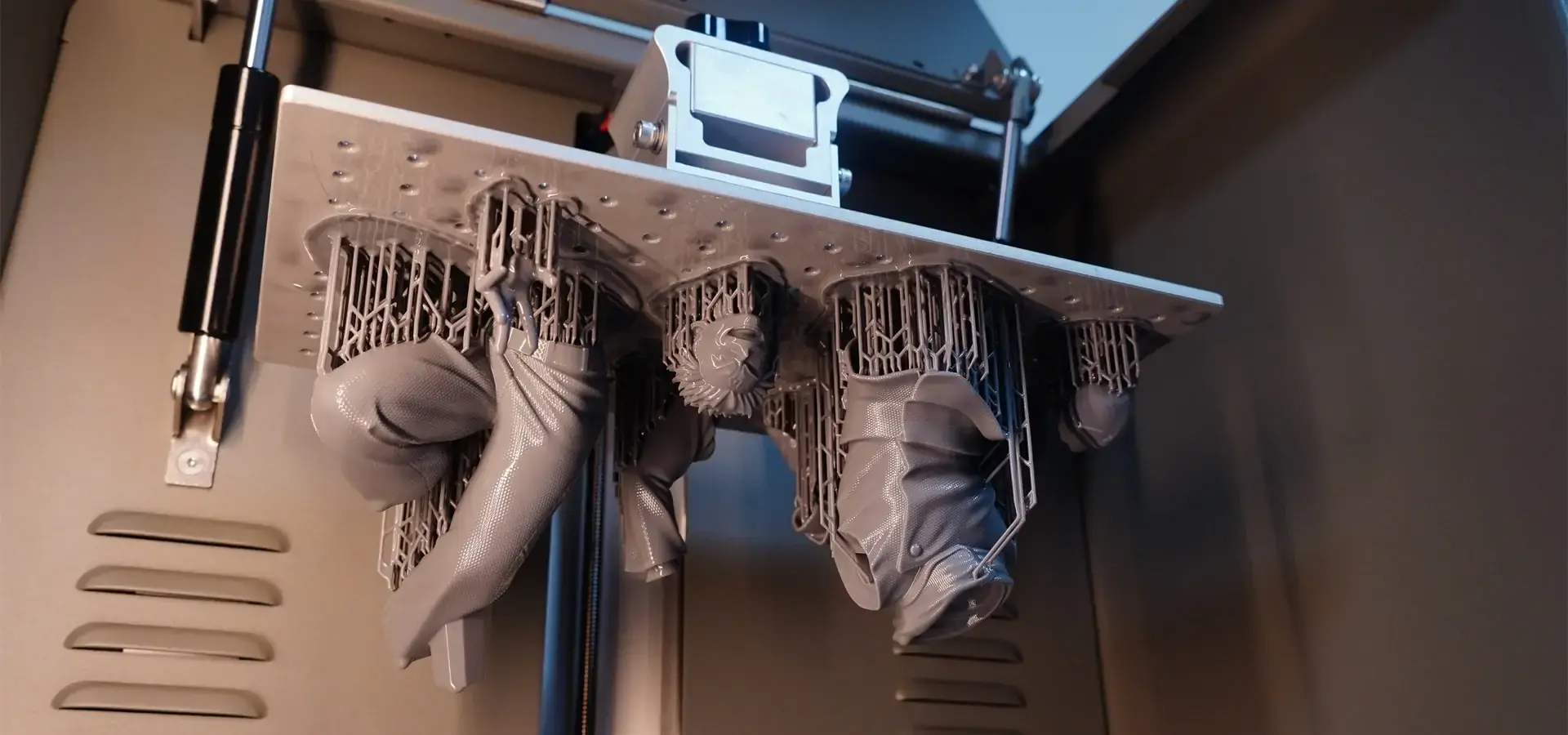
The P13 Pro 3D printing machine is a big step forward in industrial additive manufacturing. It was made for companies that need exceptionally detailed and durable parts. This complete system pairs an extremely large build volume of 302.4×161.98×380mm with high-resolution LCD-based printing accuracy, allowing production-level output in a wide range of fields, from making prototypes for cars to medical devices. The P13 Pro fixes the main problems that buying teams have with traditional equipment: inaccurate measurements, high failure rates, and limited material compatibility. It does this by using a dual heating system that keeps the temperature constant and smart offline printing.
Understanding the P13 Pro 3D Printing Machine: Core Features and Benefits
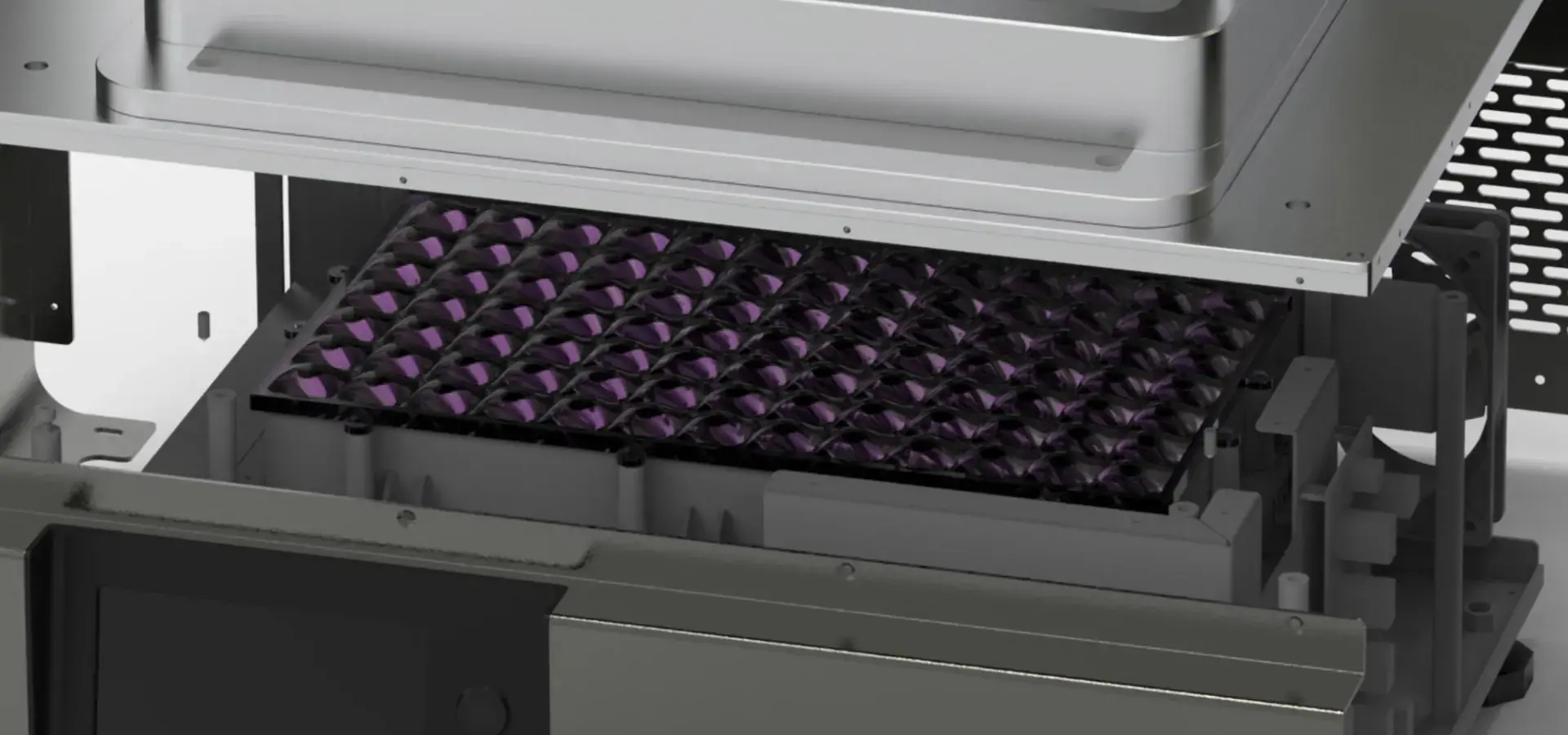
The P13 Pro utilizes advanced LCD-based photopolymer 3D printing technology (mSLA), combining high-resolution masked UV light exposure with industrial-grade process stability for professional manufacturing environments. Its printing process uses a high-resolution monochrome LCD screen to selectively mask UV light, curing liquid photopolymer resin layer by layer with precise control. This method makes it possible to copy fine textures, complicated shapes, and close tolerances that are needed in industries like aircraft and precision tools.
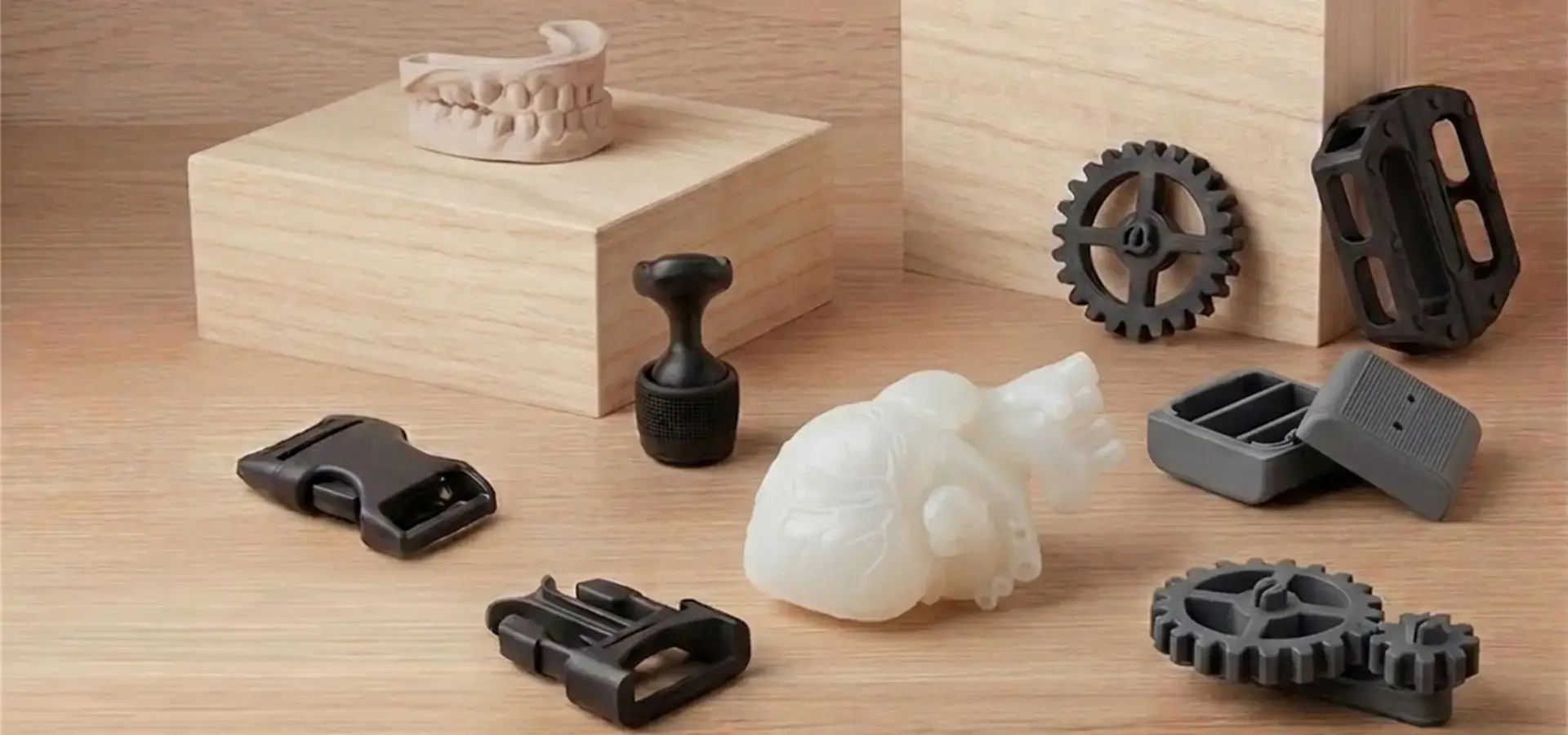
The production-oriented design of this system sets it apart from PC options. The build space can hold three normal shoe moulds at the same time, or single parts up to 380 mm tall, meeting the large-scale needs of testing shoes and making big assembly fixtures. This platform works with many industrial-grade resins, including engineering-grade resins, transparent materials, high-temperature formulations, and flexible compounds. Other platforms only work with unique supplies. This compatibility gives buying teams freedom to control costs and run their businesses as they see fit.
Superior Resolution and Build Capacity
The platform can get layer resolutions good enough for uses that need smooth surface finishes with little post-processing. In standard FDM processes, parts have to be finished by hand, which takes time and costs money. With this method, parts can achieve smooth surface finishes with significantly reduced visible layer lines. This level of quality allows for the direct production of working samples and parts that will be used in customer-facing apps.
Material Versatility for Diverse Applications
Engineering departments working across multiple projects value the system's broad material compatibility. A medical device manufacturer can produce prototype surgical guides using biocompatible-certified materials where local regulatory requirements permit. This versatility consolidates capital expenditure and simplifies operator training compared to maintaining separate machines for different material families.
Operational Efficiency and Cost Reduction
The dual heating constant-temperature system maintains uniform thermal conditions throughout the build chamber, which proves critical in facilities lacking climate control. This design ensures consistent curing and high success rates even in environments experiencing temperature fluctuations, reducing material waste from failed prints that plague temperature-sensitive processes. Combined with offline printing capability via built-in storage, production can continue uninterrupted without continuous computer connectivity, improving workflow reliability in busy manufacturing environments.
How the P13 Pro Works: From Technology to Application
Technical teams can get the most out of the P13 Pro 3D printing machine by understanding how it works and setting realistic goals for output quality. The system uses LCD-based resin 3D printing technology (mSLA), a mature photopolymer additive manufacturing process widely adopted for high-detail industrial applications. A UV light source projects each layer through a high-resolution monochrome LCD mask, selectively curing the required cross-sectional geometry in the resin vat. This is the main part of the process. Polymerization occurs only in the exposed regions of the resin, transforming liquid material into precisely defined solid layers. When a layer is finished, the build platform moves down by the width of the layer, which is usually 25 to 100 microns. This allows fresh resin to flow over the previously cured layer before the next exposure cycle begins.
This layer-by-layer method gives you physical freedom that you can't get with traditional manufacturing. It is now possible to make solid forms with internal grid structures that reduce weight, organic topology-optimized frames, and complex cooling pathways. The technology solves a problem that has been a problem in traditional manufacturing: internal complexity means putting together many parts, which can lead to weak spots at the joints.
Software Integration and Workflow
The P13 Pro works with the most popular CAD systems and slicing software used in engineering areas. When you send design files from SolidWorks, Fusion 360, or other similar programs, they easily change into forms that can be printed. The system's interface lets you change parameters directly on the device, so you don't have to stay connected to your computer once files are saved on internal storage. This function helps with processes on the production floor, where one tech computer prepares files for multiple machines that are working separately.
The print settings need to be adjusted based on the type of resin, the shape of the part, and the mechanical qualities that are wanted. Print time and surface finish are both affected by the thickness of the layers. Thicker layers speed up production, but they may show layering effects that are more noticeable. Curing depth and layer bonding are influenced by exposure parameters, light intensity, resin characteristics, and layer thickness, which in turn affects longevity. Technical managers like that the system can save unique settings for materials that are used a lot, which makes sure that the quality of the output is the same across all production runs.
Quality Control and Post-Processing
After parts are taken off the build platform, they need to be post-processed to meet final specs. If there is still uncured resin on the surface, it needs to be cleaned with alcohol, usually in a rubbing alcohol bath that is stirred. This step keeps surfaces from sticking and makes sure the measurements are correct. After being washed, UV post-curing in a dedicated curing chamber completes polymerization and helps achieve the material's intended mechanical properties. This improves mechanical qualities like tensile strength and heat deflection temperature.
Some quality control steps are measuring with callipers or a CMM to make sure the dimensions are within key ranges, looking at the part visually to see if there are any flaws or signs of incomplete drying, and mechanically trying parts that will be used to carry weight. Anisotropy is common in FDM processes, where Z-axis strength is usually 20–50% lower than XY-axis strength. The P13 Pro's high-precision photopolymer curing process helps provide more consistent mechanical properties compared with many entry-level extrusion-based systems. This more even strength level is helpful for parts that are under stress in more than one way.
Evaluating the P13 Pro Against Market Alternatives
Procurement decisions benefit from structured evaluation frameworks that move beyond feature lists to assess practical impact on production workflows and total cost of ownership. We've developed criteria based on factors technical directors and financial decision-makers consistently prioritize during capital equipment acquisition.
Precision and Resolution Comparison
The P13 Pro delivers high-resolution XY detail suitable for applications requiring fine surface quality and intricate feature reproduction, which is good for tasks that need to show small details. When you compare this to FDM systems that use filament extrusion, you can see the difference right away in the surface finish and accuracy of the features. Most FDM tools have a width of between 0.25 mm and 0.6 mm, which limits the amount of detail that can be made. The LCD-based imaging system enables highly detailed feature reproduction based on the printer's XY pixel resolution and optical uniformity, which makes edges sharper, text thinner, and 3D recreation more accurate.
The P13 Pro stands out from other industrial LCD resin 3D printing systems in its class because it has two heating systems and a large build space. Some makers offer similar resolutions, but their build spaces are smaller, which limits the size of the parts or the speed of the batch. Others offer big capacities but skimp on heat management, which leads to a higher failure rate when temperatures change in the environment.
Material Compatibility and Operating Costs
Equipment limited to proprietary resins creates long-term cost exposure that procurement teams increasingly reject. A manufacturer producing 200 parts monthly faces substantially different economics when resin costs $150 per liter versus $80 for open-system compatible alternatives. Over a three-year equipment lifespan, this difference compounds to tens of thousands in consumable costs.
The P13 Pro's open system architecture accepts third-party resins meeting standard viscosity and curing specifications, while Magforms also provides optimized proprietary formulations for users prioritizing manufacturer-validated material performance. This flexibility gives procurement teams negotiating leverage with material suppliers and protects against supply chain disruptions.
Reliability and Production Uptime
Equipment failure rates directly impact production schedules and customer commitments. The P13 Pro is designed for long-duration production environments, with its dual-heating architecture and industrial-grade mechanical system supporting stable operation during extended print cycles. The dual heating outlets distribute thermal load evenly, reducing stress on individual components and extending system longevity. This engineering approach contrasts with single-heater designs prone to hotspots and accelerated component degradation.
In production environments, improvements in temperature control and process stability can help reduce build interruptions compared with older-generation resin printing systems, eliminating the material waste and schedule delays that had required maintaining buffer inventory and extended lead times. Improved print consistency can help reduce material waste, rework requirements, and production delays.
Real-World Application Validation
Dental laboratories can produce customized aligner models and related components within short production cycles after receiving digital scan data, guides, and aligner-related components with short turnaround times. The lab now produces customized bases within 24 hours of receiving patient scans, improving patient satisfaction and capturing revenue previously outsourced. The system's print quality can meet the dimensional accuracy requirements of many dental modeling applications without additional finishing steps, reducing labor costs compared to their previous FDM workflow that required extensive sanding and polishing.
An aerospace components manufacturer utilized the build volume to produce jigs and fixtures for assembly line use. The ability to print three fixtures simultaneously reduced per-unit costs to economically competitive levels compared to machined aluminum alternatives, while the geometric freedom enabled optimized ergonomic designs that reduced operator fatigue. The fixtures' lightweight construction proved beneficial for suspended applications where weight impacts handling and mounting hardware requirements.
Procurement Guidance: How to Buy and Maintain the P13 Pro 3D Printing Machine
Acquiring industrial capital equipment involves multiple stakeholders and extends beyond initial purchase price to encompass financing, installation, training, and ongoing operational costs. Procurement teams benefit from understanding the complete acquisition process and total cost of ownership.
Purchasing Channels and Financial Considerations
The P13 Pro is available through direct manufacturer purchase, authorized distributors, and qualified resellers. Direct purchase from Magforms provides access to technical consultation during specification development and customization options for specialized production requirements. Authorized distributors offer local support and may provide demonstration equipment for on-site evaluation before commitment.
Financing options accommodate different organizational budget structures. Capital equipment leases spread costs across multiple fiscal years while preserving credit lines for operational expenses. Volume purchase agreements benefit service bureaus or manufacturers deploying multiple units, with tiered pricing reflecting economies of scale. Procurement directors should inquire about trade-in programs if replacing existing equipment, as manufacturer buyback or credit programs can offset upgrade costs.
Installation and Operational Setup
Site preparation requirements include stable flat surfaces capable of supporting the equipment weight, electrical service matching specifications, and adequate ventilation for resin vapor management. The high-efficiency air filtration system captures particulates and reduces odor, but facilities should still maintain general ventilation meeting occupational health standards.
Installation services typically include equipment positioning, initial calibration, and verification prints confirming performance specifications. Technical training for operators covers file preparation, print parameter selection, material handling procedures, and routine maintenance tasks. We recommend designating primary and backup operators to ensure production continuity during absences and establishing documented procedures for consistent output quality.
Maintenance Best Practices
Routine maintenance extends equipment lifespan and maintains print quality. Daily tasks include resin level verification, build platform inspection for residual cured material, and resin vat examination for clarity and contamination. Weekly maintenance involves cleaning optical components following manufacturer procedures, checking motion system integrity for loose fasteners or belt tension, and verifying heating system operation through temperature monitoring.
The system's design facilitates user-serviceable maintenance for consumable components like filters and seals. Magforms provides comprehensive maintenance documentation with illustrated procedures and troubleshooting flowcharts.
Consumables and Accessories
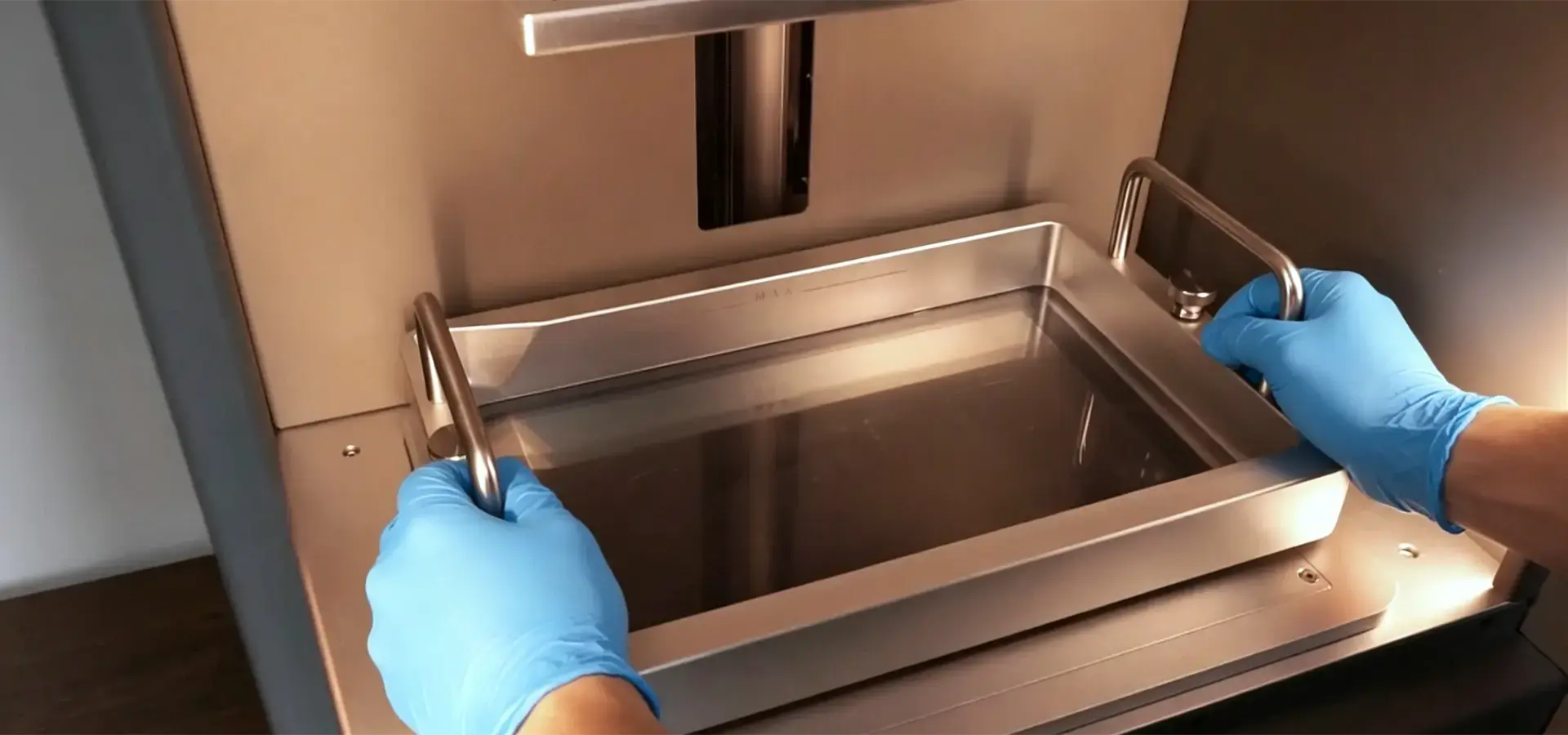
Beyond resin consumables, facilities should budget for replacement vat films, which degrade through repeated UV exposure and mechanical stress from layer separation forces. Build platform coatings may require periodic renewal depending on part removal methods. Filtration system cartridges require replacement based on usage intensity and air quality monitoring.
Accessory investments that enhance productivity include automated washing and curing stations, which standardize post-processing and reduce handling time, and resin temperature control systems for facilities experiencing significant ambient temperature variation. Material storage solutions protecting resins from light exposure and contamination preserve shelf life and prevent waste from degraded consumables.
Ensuring Safe and Efficient Operation of the P13 Pro
Industrial additive manufacturing involves chemical handling, UV exposure, and mechanical systems requiring appropriate safety protocols. Facilities bear responsibility for operator training and workplace controls meeting regulatory requirements and industry best practices.
Material Handling and Storage
Photopolymer resins present dermal sensitization risks through skin contact and respiratory irritation through vapor inhalation. Operators must wear nitrile gloves when handling resins or uncured parts and utilize protective eyewear during tank filling, part removal, and cleaning operations. The system's auto-sensing lighting enables clear visibility in dimly lit environments without requiring operators to rely on external lighting that might compromise safety through glare or shadow.
Resin storage for the 3D printing machine requires dark, temperature-controlled conditions to prevent premature curing and viscosity changes that affect print quality. Containers should remain sealed when not in use, and facilities must maintain spill response materials including absorbent pads and appropriate disposal containers. Material Safety Data Sheets for all resins should be readily accessible to operators and emergency response personnel.
Environmental Controls and Ventilation
While the integrated air filtration system reduces airborne particulates and odors, facilities should maintain general ventilation meeting occupational exposure limits for organic compounds. Resin manufacturers provide exposure limit data enabling safety officers to calculate required air exchange rates based on facility volume and equipment operation hours.
Temperature stability affects both print success rates and material properties. The dual heating constant-temperature system maintains optimal conditions within the build chamber, but ambient temperature extremes can still impact resin viscosity in storage containers. Facilities in regions experiencing temperature variation benefit from climate-controlled storage areas for consumable materials.
Equipment Safety Features and Operator Training
The build chamber's enclosure prevents UV exposure during operation while enabling observation through transparent panels. Comprehensive operator training reduces accident risk and optimizes equipment utilization. Magforms provides training resources including operation manuals, video tutorials, and on-site instruction options. Training curriculum covers safe operating procedures, routine maintenance tasks, troubleshooting common issues, and emergency response protocols. We recommend facilities maintain training records documenting operator certification and periodic refresher sessions to reinforce safety practices.
Common Operational Pitfalls
Material degradation represents a frequent quality issue when operators reuse resin excessively without filtration. Particulates from support removal or dust contamination create defects in subsequent prints. Implementing filtration protocols when returning unused resin to storage containers prevents contamination accumulation.
Inadequate platform leveling causes first-layer adhesion failures and dimensional inaccuracy. The system provides leveling assistance, but operators must verify calibration periodically, particularly after platform removal for cleaning or when changing resin types with different adhesion characteristics. Build failures waste material and machine time, but proper training and adherence to calibration schedules minimize these occurrences.
Conclusion
The P13 Pro 3D printing machine addresses critical industrial requirements through its combination of large build volume, precision output quality, and operational reliability. Its dual heating system ensures consistent performance across varied environmental conditions, while the open material compatibility provides procurement teams with cost control flexibility. The technology proves particularly valuable for businesses requiring rapid prototyping, bridge manufacturing, and custom component production where traditional manufacturing methods impose prohibitive costs or timelines. Comprehensive support resources and designed-in safety features reduce operational risks while maximizing productivity. Organizations evaluating additive manufacturing solutions will find the P13 Pro offers a compelling balance of capability, reliability, and total cost of ownership suitable for demanding industrial applications.
FAQ
What materials work best with the P13 Pro for durable part production?
The system supports engineering-grade photopolymer resins formulated for mechanical strength, including ABS-like materials for impact resistance, high-temperature resins designed for elevated-temperature applications, with actual performance depending on the specific material formulation, and flexible formulations for gaskets or damping components. Material selection depends on application requirements, with manufacturer data sheets providing tensile strength, elongation, and heat deflection specifications for informed selection.
How does the P13 Pro compare to traditional manufacturing for cost and speed?
For production volumes under 1,000 units, the P13 Pro eliminates tooling costs and reduces lead times from weeks to days. Complex geometries requiring multiple machining setups become single-step prints, consolidating labor and reducing coordination overhead. Traditional manufacturing remains cost-effective for higher volumes where tooling amortizes across thousands of units, but additive technology excels in prototyping and customized production.
What maintenance does the P13 Pro require for sustained performance?
Daily resin level checks and tank inspection take approximately 10 minutes. Weekly optical cleaning and motion system verification require 30-45 minutes. Consumable replacement, including vat films, occurs every 50-100 print hours depending on part geometry and support density. Following the manufacturer maintenance schedule maintains print quality and helps maintain print quality and supports long-term equipment reliability.
Partner with Magforms for Industrial-Grade Additive Manufacturing Solutions
Magforms stands as a trusted 3D printing machine supplier combining two decades of industry expertise with comprehensive material and equipment integration. Our engineering team has supported over 300 enterprises worldwide across aerospace, automotive, medical, and manufacturing sectors with solutions backed by 22 patents and validated through thousands of production hours. The P13 Pro exemplifies our commitment to delivering precision, reliability, and operational flexibility without vendor lock-in through proprietary consumables.
Technical teams evaluating the P13 Pro can request sample parts demonstrating print quality relevant to specific applications. Procurement departments receive detailed quotations including equipment, recommended accessories, and consumable cost projections supporting accurate ROI calculations. Contact our specialists at info@magforms.com to discuss your production requirements and arrange demonstrations. Whether you're establishing new additive capabilities or upgrading existing equipment, Magforms provides the technical consultation and ongoing support that transforms capital investments into sustained competitive advantages. We manufacture solutions that empower your innovation.
References
1. Gibson, I., Rosen, D., & Stucker, B. (2021). Additive Manufacturing Technologies: 3D Printing, Rapid Prototyping, and Direct Digital Manufacturing (3rd ed.). Springer International Publishing.
2. Gebhardt, A. (2019). Understanding Additive Manufacturing: Rapid Prototyping, Rapid Tooling, Rapid Manufacturing. Carl Hanser Verlag GmbH & Co. KG.
3. Bourell, D. L., Leu, M. C., & Rosen, D. W. (2020). "Roadmap for Additive Manufacturing: Identifying the Future of Freeform Processing." Journal of Manufacturing Science and Engineering, 142(11), Article 110801.
4. Ngo, T. D., Kashani, A., Imbalzano, G., Nguyen, K. T., & Hui, D. (2018). "Additive Manufacturing (3D Printing): A Review of Materials, Methods, Applications and Challenges." Composites Part B: Engineering, 143, 172-196.
5. ISO/ASTM International. (2021). ISO/ASTM 52900:2021 - Additive Manufacturing — General Principles — Fundamentals and Vocabulary. International Organization for Standardization.
6. Wohlers, T., Campbell, I., Diegel, O., Huff, R., & Kowen, J. (2022). Wohlers Report 2022: 3D Printing and Additive Manufacturing Global State of the Industry. Wohlers Associates, Inc.

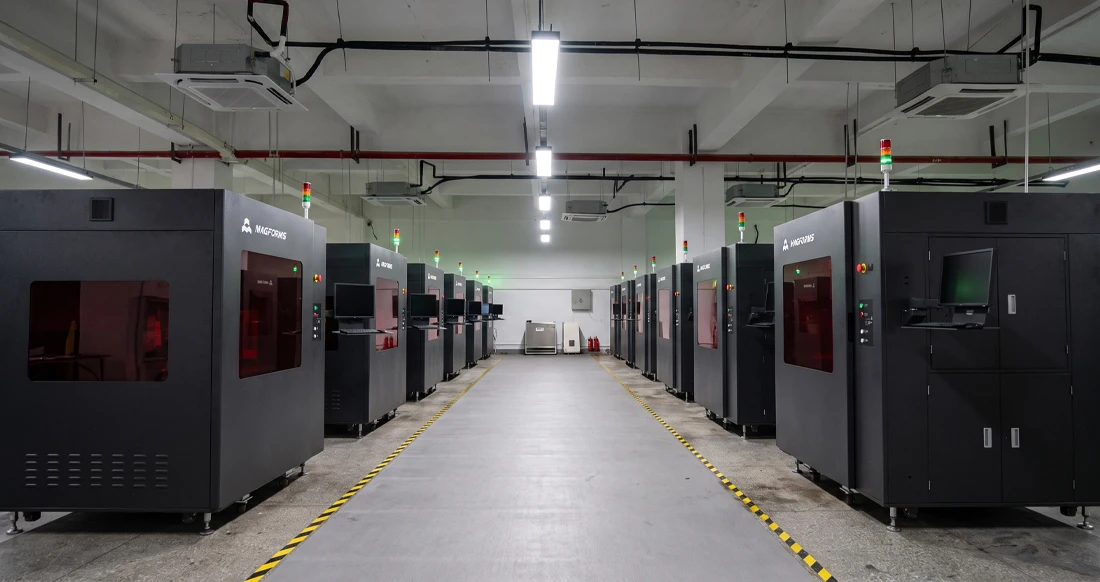
Magforms makes design and manufacture easier.
Popular Blogs
-
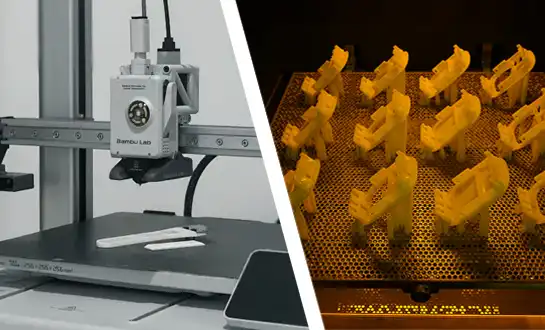 Industry InsightsManufacturing Industry
FDM vs. SLA Printer: Which Technology Is Right for Your Project?
-
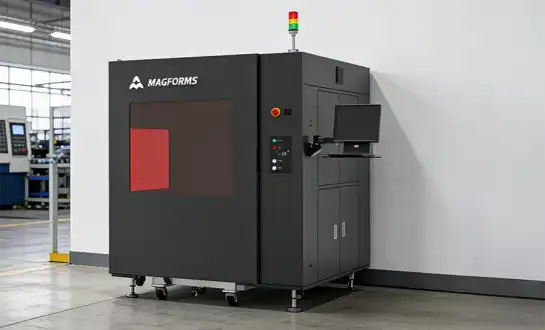 Industry InsightsManufacturing Industry
Top 5 Applications of Industrial 3D Printers in Manufacturing Today
-
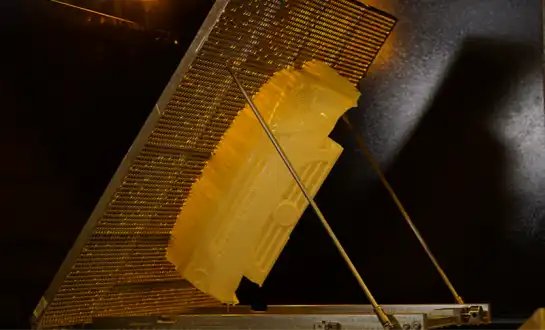 Industry InsightsManufacturing Industry
Why Stereolithography 3D Printers Are Unmatched for Microfluidic Device Prototyping?