P10 Pro Stereolithography 3D Printer for Precision Product Development
The P10 Pro is a big step forward in resin-based additive manufacturing. It was designed for companies that need industrial-grade output without the hassle of maintaining older systems. As a stereolithography 3D printer made for precise product development, it solves the problems that procurement teams keep running into, like uneven accuracy in measurements, materials that don't work well together, and failure rates that are hard to predict during group production. The P10 Pro bridges the gap between testing quickly and production dependability in the automobile, medical, aerospace, and consumer electronics industries. It has a proven 99% print success rate and micron-level precise control.
Understanding Stereolithography 3D Printing Technology
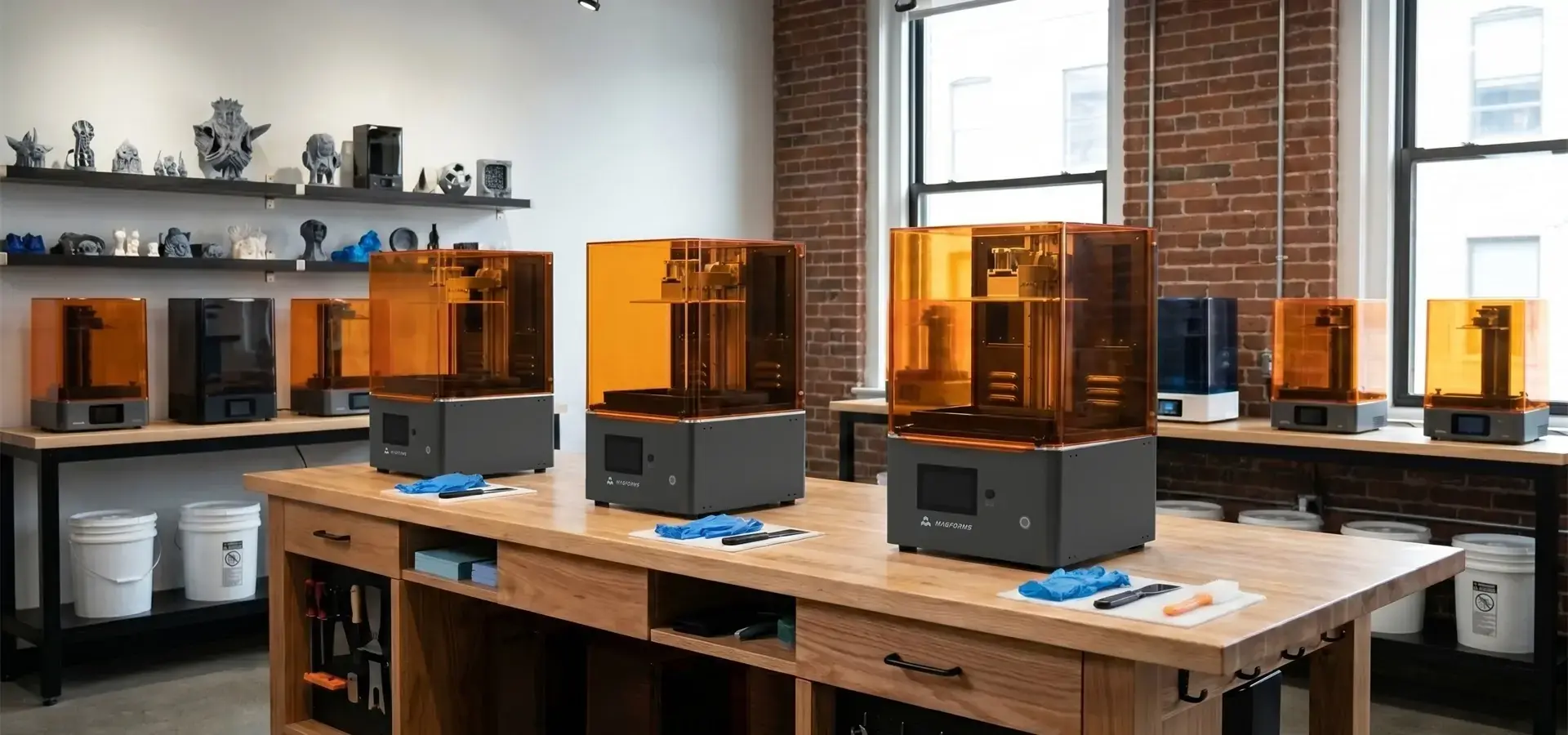
How SLA Technology Delivers Superior Part Quality
Controlled photopolymerization is how stereolithography-based resin printing works. In the P10 Pro, a high-resolution monochrome LCD screen selectively masks UV light, curing liquid photopolymer resin layer by layer with precise exposure control. This vat photopolymerization process avoids the mechanical stress and thermal distortion inherent in filament-based or material extrusion systems, resulting in isotropic mechanical properties and smooth surfaces similar to injection-molded parts. This gives parts isotropic mechanical qualities, which means they are strong in all directions, and surface finishes that are similar to those of injection-molded parts without the need for extra cutting. A high-uniformity UV light engine and high-precision dual guide rails form the core of the P10 Pro stereolithography 3D printer. This setup keeps the location precision within 0.01mm even during long print runs, which stops the accumulation drift that breaks down dimensional limits in cheaper equipment. The smart constant-temperature control system keeps the thickness of the glue even more stable. This keeps the layers from sticking together and lowers the print flaws that come from changes in the room temperature.
SLA vs. FDM and DLP: Technical Differentiation
When comparing additive manufacturing technologies, it's easier to see which ones are best for what when you know the main differences between them. FDM printers push out thermoplastic material, which makes layer lines that can be seen and mechanical qualities that aren't the same everywhere. This makes useful modelling harder. DLP systems use a projector to flash whole layers, which speeds up small-batch production but causes voxelization artefacts on curved surfaces because the light is projected pixel by pixel. LCD stereolithography 3D printers use a masked exposure process in which a monochrome LCD screen selectively transmits UV light to cure an entire layer simultaneously. This approach combines high accuracy with efficient layer production. This difference is very important when making parts with smooth edges, small details, or sealed shapes for fluid use. The P10 Pro utilizes a high-uniformity UV light source combined with a high-resolution monochrome LCD masking system to achieve both fine feature reproduction and efficient printing speeds. Compared with traditional point-scanning laser SLA systems, LCD-based exposure can significantly improve production efficiency while maintaining the surface quality and dimensional accuracy required for demanding engineering applications.
Core Components Ensuring Accuracy and Reliability
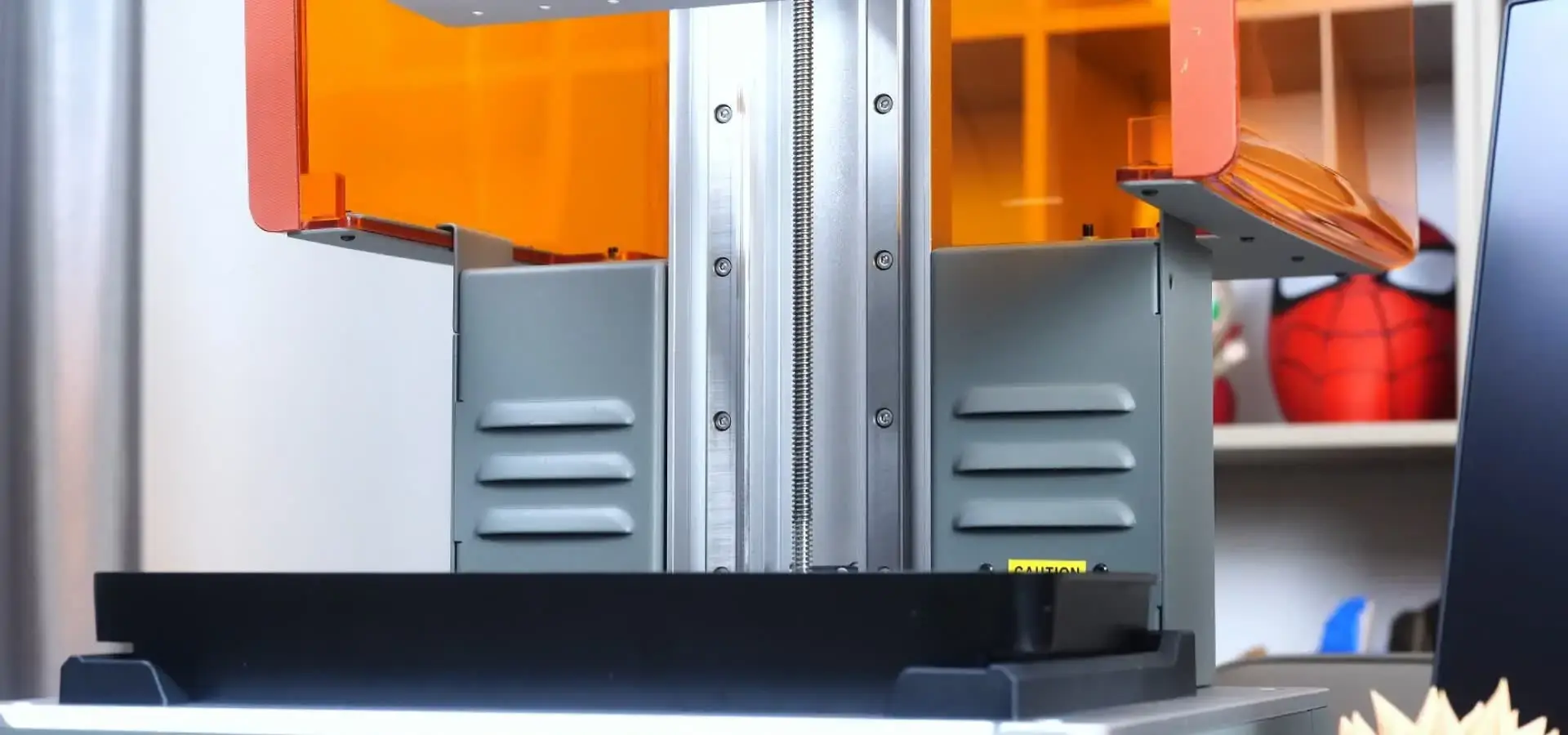
Several technical improvements have been made to the P10 Pro that have a direct effect on production results. There are pressure release holes in the building platform that lower the pulling forces during layer separation. This keeps the part from deforming and stops resin from spilling out. This seemingly small detail greatly improves the chances of successful printing when making large cross-sectional areas or fragile structures that are likely to come apart. Traditional FEP installs involve cutting and tensioning the film by hand, which takes a lot of time. The combined framed nFEP film does all of that automatically. By keeping the tension constant, this quick-release dual-module design cuts down on the time it takes to switch between print jobs and makes consumables last longer. The nFEP material can't be broken, and its surface doesn't stick. This means that it doesn't wear down as quickly, which would otherwise cloud tank bottoms and lower print quality.
Why Choose the P10 Pro for Precision Product Development?
User-Friendly Design Elevating Operational Efficiency
Simplifying complicated workflows has a direct effect on how much you produce and how you use your resources. This is taken care of by the P10 Pro's resin setting libraries that are already set up, so there is no need for a trial-and-error tuning step. The system instantly changes exposure times, lift speeds, and wait times when moving between engineering resins, clear formulas, and flexible materials. This is because it uses Magforms' extensive material characterisation data. Using hardware and products together solves a problem that has been bothering the industry for a long time: using third-party resins with equipment that was set up for unique materials leads to errors in measurements and failed prints. Magforms offers matched material-equipment solutions that ensure consistent results across production runs. Material profiles are validated against the P10 Pro's LCD exposure characteristics, helping maintain dimensional consistency and reducing parameter optimization time. This cuts down on material waste and schedule delays that hurt the costs of small-batch manufacturing.
The improved smart user contact includes easy-to-use tablet settings and tracking of print progress, glue levels, and system data in real time. The modular design lets maintenance workers get to important parts without taking apart the whole frame. This cuts down on the average time it takes to fix something and the amount of time that production is stopped when preventative maintenance needs to be done.
High-Volume Capacity Meeting Industrial Demands
The P10 Pro's 228x128x250mm build space makes it one of the best 10-inch stereolithography 3D printers on the market. It lets you make multiple parts or one big assembly at the same time. This feature is especially useful for dental labs that make many aligner bases at once, car parts makers that make prototypes of whole interior trim panels, and consumer electronics companies that try different housing options for wearable tech. The industrial-grade Z-axis module and steel shell construction give the printer the mechanical strength it needs to stay accurate at the higher print heights this volume allows. When desktop resin printers get bigger than their small boxes, they often lose stability, which causes layers to shift or parts to lose their shape. The P10 Pro's strengthened frame design stops these deflections, so the printer is always accurate, whether it's printing at 50mm or 200mm heights.
Material Versatility Across Industry Applications
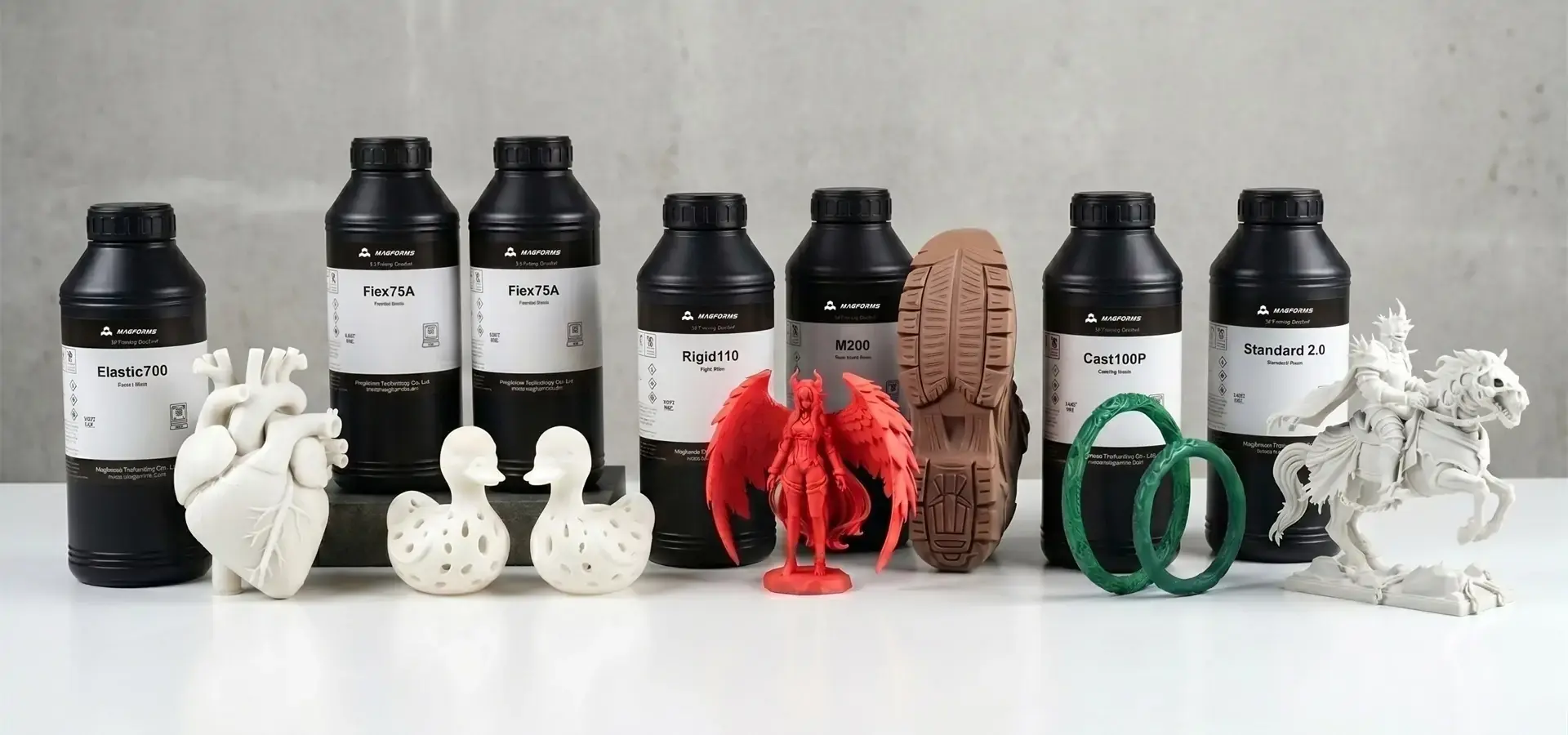
Material compatibility tells you if a stereolithography 3D printer can help you with your product plan after the prototype stage. The P10 Pro can handle engineering resins for testing functionality, high-temperature formulations for making tools and clamps, clear materials for checking through visual means, and flexible resins for making snap-fit parts and sample gaskets. This range answers the purchase worry of buying tools that will become useless as product needs change. Magforms has developed proprietary resin formulations optimized for the P10 Pro's UV light output, exposure characteristics, and curing profiles, ensuring predictable mechanical performance and dimensional accuracy. This vertical merging gives us the mechanical precision needed for governmental approval in the development of medical devices and the repeatability in dimensions needed by aircraft quality systems. The company has years of experience in the field, which helps them keep coming up with new materials. For example, they are always putting out new safe formulas and sustainable bio-based plastics to meet new needs.
Comparing the P10 Pro with Alternative Stereolithography and Resin 3D Printers
Benchmarking Against Market Leaders
To make choices about purchases, you need to be able to compare results objectively within price groups. Entry-level desktop resin printers from companies like Anycubic and Elegoo have resolutions good enough for home use, but they usually don't have the mechanical strength and material approval needed for controlled industries. Their consumer-grade parts break down more often when they are used continuously, so they are not cost-effective when you add up all of their costs, like downtime and repeats. Formlabs' mid-range systems have strong software environments and material libraries, but they require the use of proprietary resins because they have chip-locked cylinders, which makes the cost of each part much higher. The P10 Pro stereolithography 3D printer offers industrial-grade dimensional consistency, a large build volume, and broad resin compatibility while maintaining the high-resolution output expected from modern monochrome LCD resin printing systems. It also supports open-platform materials, which makes it easier to use different types of materials and lowers running costs by 40 to 60 percent in high-volume production situations.
Premium industrial SLA systems from well-known brands work very well, but they need special places to be installed with weather controls, workers who know what they're doing, and expenses that are more than $100,000. The P10 Pro is in the middle of the strategic range. It offers industrial-grade output, micron-level accuracy, and production dependability in a small package that small and medium-sized businesses can afford. This location is especially helpful for 3D printing service providers who have to meet the needs of a wide range of clients without having to maintain a fleet of specialised machines.
Industry-Specific Performance Validation
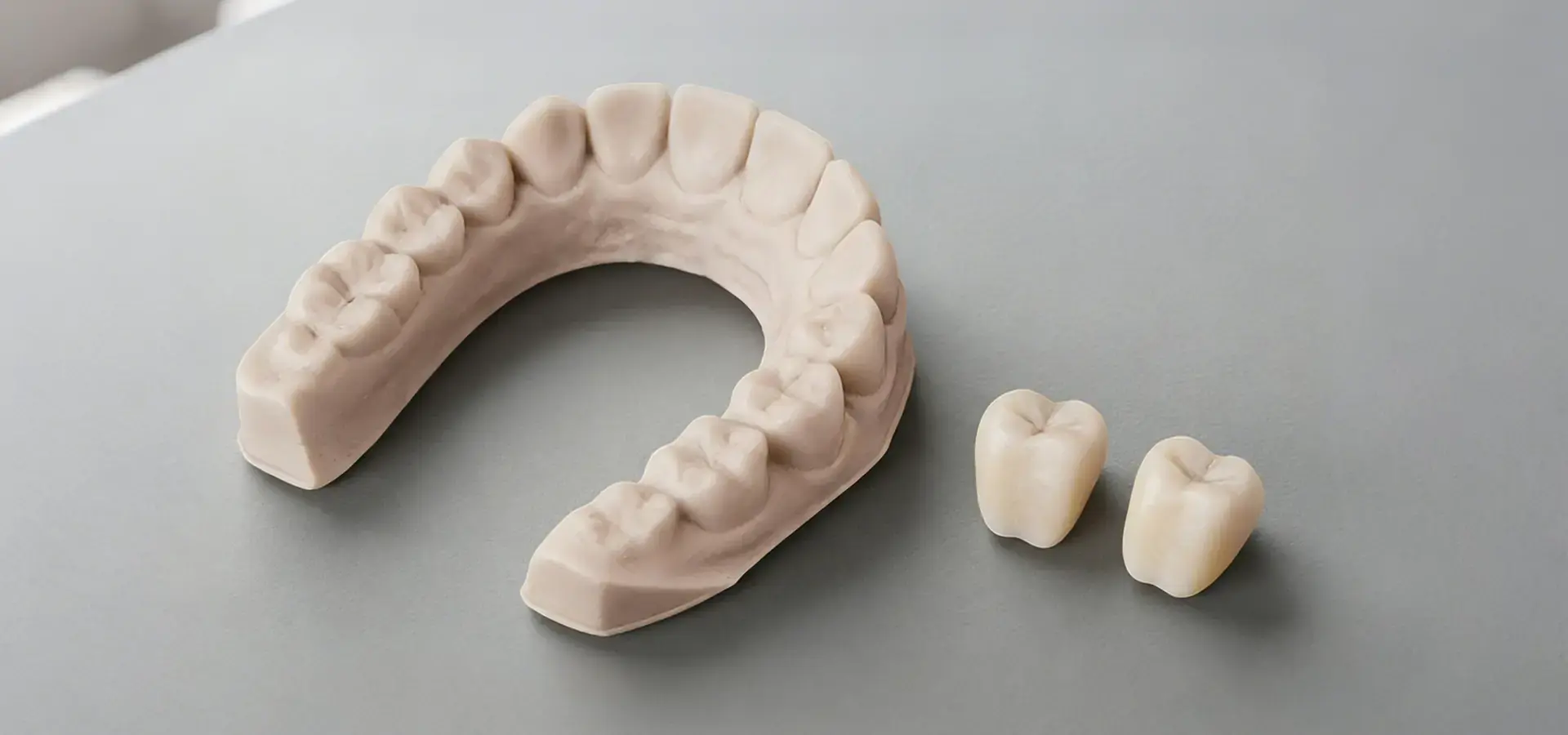
Case studies from the real world show how the P10 Pro meets the needs of different industries. A medium-sized dental lab that works with orthodontic offices cut the time it took to make aligner bases by 35% after switching from a DLP system to a P10 Pro system. They said that the P10 Pro's bigger build volume and higher batch capacity were the reasons for the improvement. The printer's high positioning accuracy and process stability helped maintain consistent dimensional results across batches, reducing the need for costly remakes caused by dimensional variation. When using Magforms' engineering plastic with pre-set settings, an aircraft parts seller that was making samples of complex connectors said that there were no print failures in 200 builds in a row. The suppliers were able to cut the time it took to make changes to the design from weeks to days because the parts met the strict measurement tolerances needed for assembly validation testing. When they qualified the tools under their ISO 9001 quality control system, this uniformity in performance was very important.
An electronics company that was developing housings for wearable devices liked that the P10 Pro worked with clear resins to check optical paths and could test snap-fit mechanisms with its bendable resins. Their design team was able to test multiple assembly ideas in just one sprint because they could switch materials without having to wait for recalibration. This cut down on the time it took to get products to market in time for the holiday season.
Procurement Strategy and Purchasing Guide for the P10 Pro SLA Printer
Navigating Acquisition Channels and Investment Considerations
Acquiring stereolithography 3D printers through authorized distributors ensures access to validated configurations, genuine consumables, and enforceable warranty terms. Magforms maintains a global support network spanning Europe, Asia, and North America, providing localized technical assistance and expedited parts fulfillment. This infrastructure matters significantly for enterprises where equipment downtime directly impacts customer commitments and revenue recognition. Pricing structures for the P10 Pro reflect its positioning between consumer desktop units and legacy industrial systems. The total cost of ownership calculation should incorporate not only capital expenditure but also consumable expenses, maintenance requirements, and operator training. The system's 99% print success rate substantially reduces the hidden costs of failed builds—wasted resin, lost machine time, and delayed deliverables—that erode the apparent savings of cheaper alternatives.
Flexible financing options tailored for B2B procurement include equipment leasing arrangements, phased payment schedules aligned with production milestones, and volume purchasing discounts for organizations deploying multiple units across facilities. These structures help manufacturing enterprises preserve working capital while scaling additive manufacturing capabilities to meet growing demand.
Maximizing Uptime Through Maintenance Best Practices
Preventative maintenance extends equipment lifespan and preserves output quality. The P10 Pro's modular design simplifies routine servicing: the integrated framed nFEP film installs without tools, the dual guide rails require quarterly lubrication, and the high-efficiency air filtration system uses accessible replaceable cartridges. Magforms provides detailed maintenance schedules and video documentation, reducing dependence on third-party service contracts. Essential accessories include resin handling equipment, post-processing wash stations, UV curing chambers, and material storage systems. These peripherals protect material integrity and ensure post-cure mechanical properties meet datasheet specifications. The company offers comprehensive starter packages bundling these components at preferential rates, simplifying procurement for organizations establishing new additive manufacturing capabilities.
Building Confidence Through Manufacturer Credentials
Magforms' 22 patents and 30 registered trademarks demonstrate sustained innovation and intellectual property protection. The company's exports to over 300 enterprises across dozens of countries provide the market validation procurement committees require when evaluating supplier stability. Active participation in industry exhibitions throughout Europe and Asia reflects commitment to market engagement and technology transfer. The technical support team's years of industry expertise enable rapid troubleshooting and application engineering assistance. Customer testimonials consistently highlight responsive after-sales service, with average query resolution times measured in hours rather than days. This support quality proves essential during production scaling phases when process optimization and material selection questions require expert guidance beyond standard documentation.
Conclusion
The P10 Pro stereolithography 3D printer delivers the precision, reliability, and operational efficiency required for industrial product development without imposing the complexity and cost barriers associated with legacy SLA systems. Its 99% print success rate, 0.01mm accuracy control, and 228×128×250mm build volume address the core procurement concerns of manufacturing enterprises: output consistency, dimensional confidence, and production scalability. Combined with Magforms' integrated material-equipment solutions and global support infrastructure, the P10 Pro provides a strategic platform for organizations seeking to internalize high-precision prototyping and transition proven designs into short-run production.
FAQ
What post-processing requirements apply to P10 Pro printed parts?
Most stereolithography 3D printer outputs require two post-processing stages: washing in isopropyl alcohol or an approved cleaning solution to remove uncured resin, followed by UV post-curing to achieve the specified mechanical properties. The P10 Pro's pre-configured resin parameters provide recommended durations and wavelengths, ensuring consistent part performance across batches.
How does the P10 Pro's build volume compare with competitive systems?
The 228×128×250mm envelope exceeds most 10-inch class resin printers by 15-20% in vertical build height, enabling production of taller assemblies or increased batch quantities. This capacity advantage directly impacts per-part economics when producing dental aligners, jewelry casting patterns, or consumer electronics prototypes where maximizing platform utilization reduces amortized machine time costs.
Can the P10 Pro support outdoor application requirements?
Standard photopolymer resins degrade under prolonged UV exposure, limiting outdoor durability. The P10 Pro accommodates UV-stable engineering resin formulations specifically developed for outdoor signage, architectural models, and testing fixtures exposed to sunlight. Magforms' material portfolio includes these specialty formulations with documented weathering performance, expanding the system's application range beyond indoor prototyping environments.
Contact Magforms for Your Stereolithography 3D Printer Requirements
Procurement managers seeking to validate the P10 Pro's fit for specific production workflows can request detailed datasheets, sample parts, or on-site demonstrations tailored to their industry requirements. Magforms' technical consultation services help enterprises evaluate material compatibility, optimize print parameters for proprietary geometries, and develop scalable production workflows. As a leading stereolithography 3D printer manufacturer, the company offers custom quotes reflecting volume commitments, comprehensive warranty packages, and flexible financing aligned with your capital equipment budgeting cycles. Reach out to info@magforms.com to discuss how the P10 Pro's integrated materials-equipment solution can elevate your precision product development capabilities while reducing the operational uncertainties that constrain additive manufacturing adoption.
References
1. Hull, C. W. (1986). "Apparatus for Production of Three-Dimensional Objects by Stereolithography." United States Patent and Trademark Office Patent Documentation.
2. Gibson, I., Rosen, D., Stucker, B., & Khorasani, M. (2021). Additive Manufacturing Technologies, 3rd Edition. Springer International Publishing.
3. Jacobs, P. F. (1992). Rapid Prototyping & Manufacturing: Fundamentals of Stereolithography. Society of Manufacturing Engineers.
4. ASTM International (2021). "F2792-12a: Standard Terminology for Additive Manufacturing Technologies." ASTM International Standards Worldwide.
5. Melchels, F. P., Feijen, J., & Grijpma, D. W. (2010). "A Review on Stereolithography and its Applications in Biomedical Engineering." Biomaterials Journal, Volume 31, Issue 24.
6. Ligon, S. C., Liska, R., Stampfl, J., Gurr, M., & Mülhaupt, R. (2017). "Polymers for 3D Printing and Customized Additive Manufacturing." Chemical Reviews, Volume 117, Issue 15.

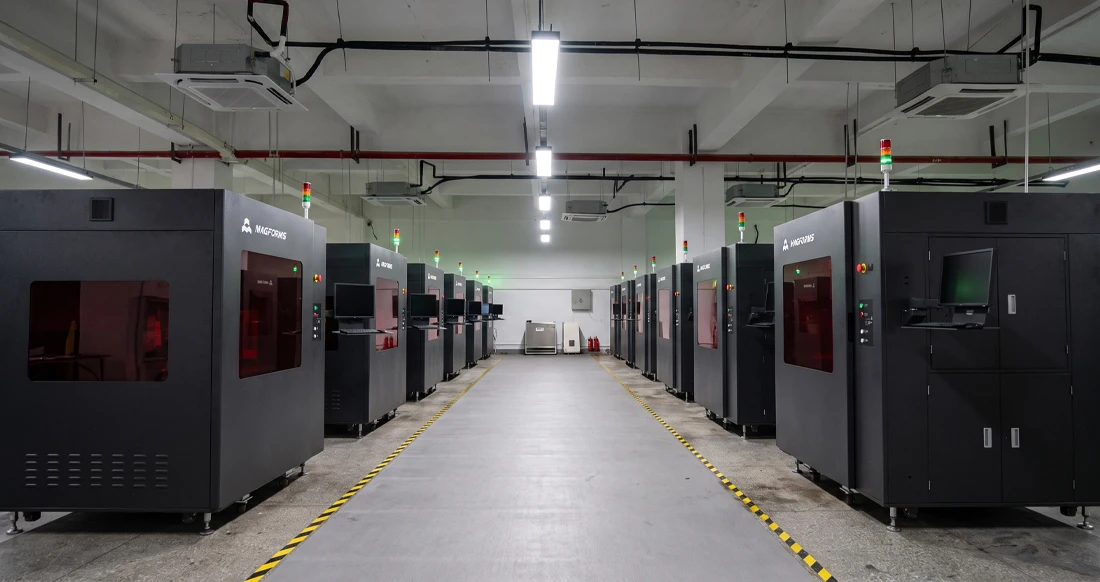
Magforms makes design and manufacture easier.
Popular Blogs
-
 Industry InsightsManufacturing Industry
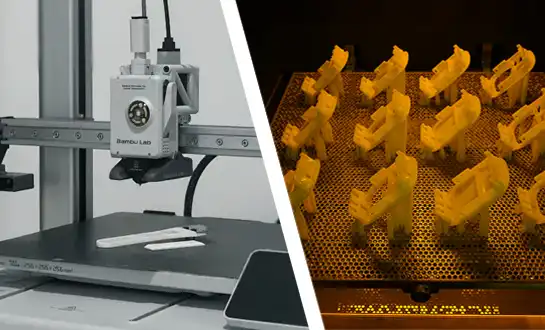
FDM vs. SLA Printer: Which Technology Is Right for Your Project?
-
 Industry InsightsManufacturing Industry
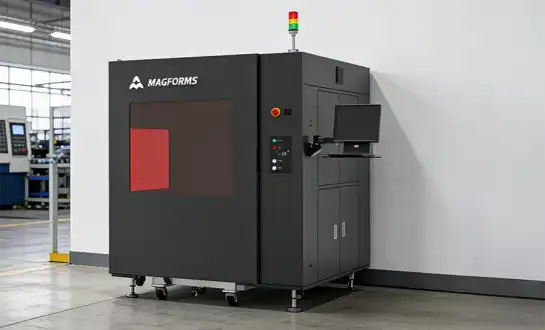
Top 5 Applications of Industrial 3D Printers in Manufacturing Today
-
 Industry InsightsManufacturing Industry
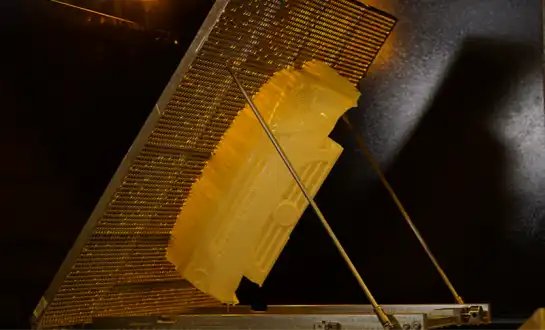
Why Stereolithography 3D Printers Are Unmatched for Microfluidic Device Prototyping?