Why Are Top Manufacturers Switching to Fast resin 3D printers?
Leading companies are moving to fast resin 3D printers because these high-tech machines can build things vertically at speeds of more than 150 mm per hour, which is three times faster than traditional laser-based SLA systems and early-generation mSLA resin printers and keeps the accuracy at the micron level. This innovation solves important problems in industries with a lot at stake: dentist labs can make aligners the same day, car teams can check snap-fit tolerances in a single shift, and jewelry makers can run continuous micro-factories 24 hours a day, seven days a week. By combining high-transmittance monochrome LCD (mSLA) screens, optimized release films, and rapid-curing photopolymers, prototyping delays are eliminated. This cuts product development processes from days to minutes without affecting the accuracy of the surface finish or dimensions.
Understanding Fast Resin 3D Printing Technology
Speeding up production times has become a key competitive edge in all manufacturing fields. Fast resin 3D printing represents a significant evolution in LCD-based vat photopolymerization additive manufacturing. It completely changes how photopolymerization technology offers speed and accuracy. Traditional systems such as laser SLA prioritize accuracy, while earlier mSLA systems often prioritize cost or speed, but not both simultaneously. These systems, on the other hand, use advanced engineering to make both measures work together.
How Photopolymerization Achieves Unprecedented Speed
Advanced vat photopolymerization methods are at the heart of the fast production process. Fast resin 3D printers use high-transmittance monochrome LCD screens with resolutions of 12K or 14K, combined with COB UV light sources that ensure light uniformity across the build platform exceeds 95%. Because the optics are so precise, exposure times can be reduced to 0.5 to 1.5 seconds per layer, whereas earlier mSLA systems or lower-intensity SLA workflows typically require 6 to 10 seconds. The chemical makeup of special photopolymers is also very important. These resins are made with low viscosity (under 200 mPa·s) and high photo-initiator sensitivity, which lets the polymerization happen right away, and the material flows back and forth quickly between layers. When optical intensity and resin chemistry work together, the peel force (the resistance you face when trying to separate finished layers from the release film) can be reduced by up to 60% in optimized mSLA peel-release systems. This lets lift speeds hit 300 mm per second without any layer delamination.
Release Film Technology and Mechanical Stability
The reliability of output is directly affected by the mechanical design. Advanced Composite Film (ACF) and nFEP or similar low-adhesion release films reduce adhesion strain during the build cycle. This keeps prints from failing during fast separate movements. Z-axis wobble can be controlled within 0.01 mm in industrial-grade LCD systems equipped with dual linear rails and precision ball screws under optimized calibration conditions. This keeps the dimensions consistent even during fast acceleration phases. Closed-loop motor control systems keep an eye on positioning feedback in real time and make small adjustments right away to keep accuracy high across hundreds of layers.
Material Versatility for Industry-Specific Demands
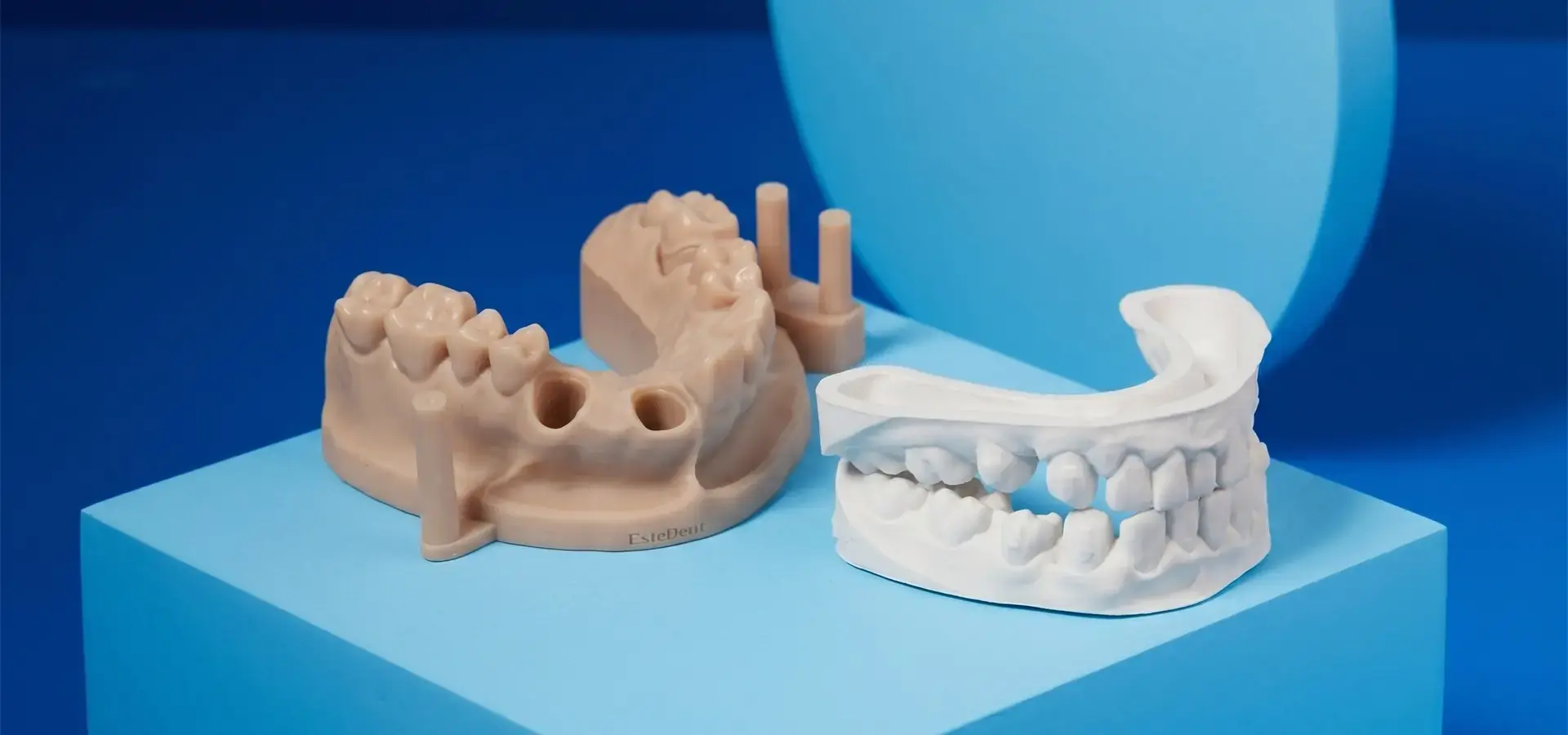
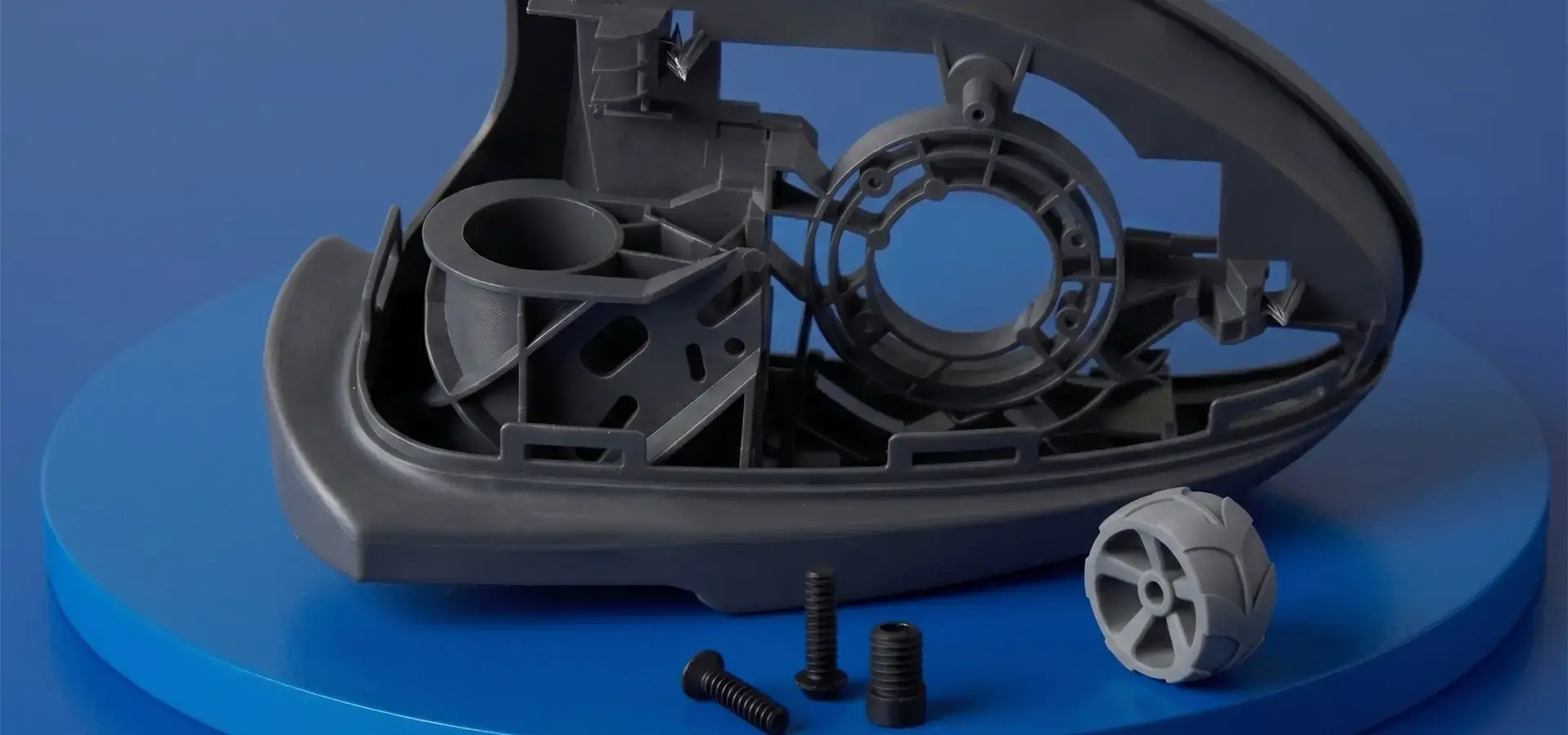
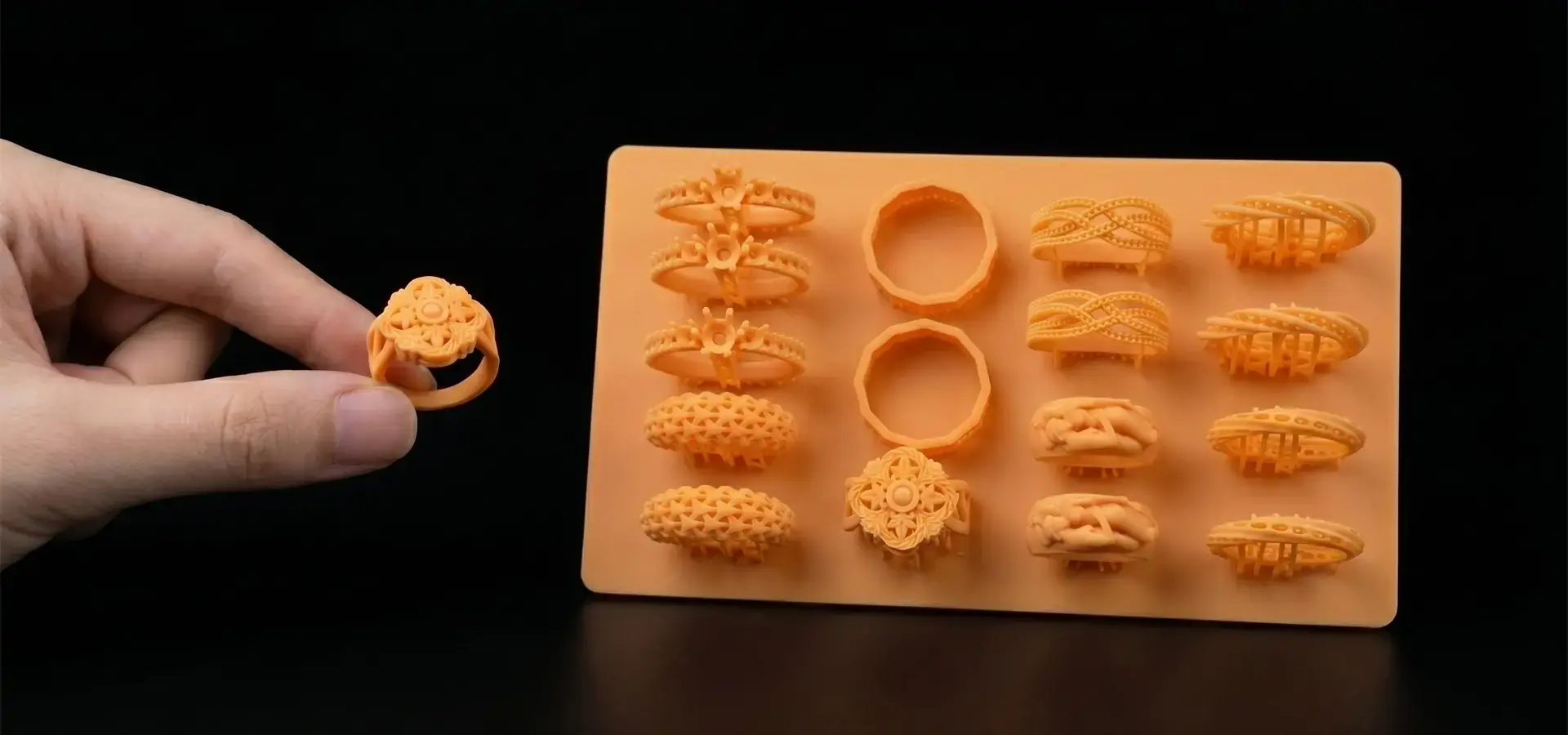
The range of materials that are compatible has grown a lot beyond general-purpose plastics. Engineering-grade tough resins can survive the same amount of mechanical stress testing as ABS thermoplastics. This means they can be used to make snap-fit assemblies and functional car parts. Biocompatible dental resins meet ISO 10993 and FDA Class II guidelines, which means they can be used for orthodontics in the chair. High-temperature formulations don't bend when loaded up to 238°C, which helps with validation tests in aircraft. Castable wax analogs burn cleanly for investing in jewelry, and flexible versions have Shore A hardnesses between 40 and 95, which makes them good for making samples of wearable tech and gaskets.
Comparing Fast Resin 3D Printers with Other Technologies
For procurement choices to be made, success must be objectively evaluated across a number of dimensions. A smart way to spend cash is to know how different additive technologies fit in with the needs of the business.
Speed and Resolution Trade-offs
Fast resin LCD 3D printers can reach vertical build speeds of approximately 100 to 170 mm per hour under optimized settings and compatible materials and keep an X/Y resolution of 35 to 50 microns, which is fine enough to see small features like gear teeth and microfluidic channels. At comparable production throughput, FDM printers typically show lower fine-feature resolution due to filament extrusion width limitations (200–400 micron layer height ranges). Laser-based SLA systems typically maintain high accuracy but generally deliver lower throughput compared to LCD-based systems, often resulting in significantly longer batch production cycles.
Material Compatibility and Costs of Doing Business
When compared to closed environments, open-platform resin printers use 40–60% less usable materials because they can use materials from other companies. This gives makers the freedom to get engineering-grade formulations, clear optical resins, and high-temperature versions from a number of different providers. This lets them find the best cost-performance ratios for each application. FDM materials are still cheaper per kilogram in most cases, but require significantly more post-processing and support material removal compared to LCD resin systems. When figuring out the total cost of ownership, you have to take into account things like how much the equipment depreciates, how many hours of work are needed for post-processing, and how much material is wasted. In these areas, fast resin 3D printer systems show better five-year value arguments.
Industry-Specific Equipment Selection
Biocompatibility approval, a build volume big enough for full-arch models (at least 200 mm Z-height), and easy integration with intraoral scanner processes are all things that dental offices look for. Jewelry makers typically require high-resolution mSLA systems (4K and above, preferably 8K–12K) to capture fine filigree details, tools that can nest multiple pieces at once to get the most out of the platform, and support with castable resins. Auto R&D teams need large-format printing (600–800 mm build frames), engineering resin compatibility, and reliable group processing overnight. For developing consumer electronics, small footprint units with fast iteration speeds and clear resin choices for light-guide confirmation are helpful.
Procurement Considerations for Fast Resin 3D Printers
Strategic purchase is more than just technical specs; it also includes things like source trustworthiness, support infrastructure, and the whole ownership experience. To reduce organizational risks, vendors' skills and service promises need to be carefully examined.
Supplier Qualification Criteria
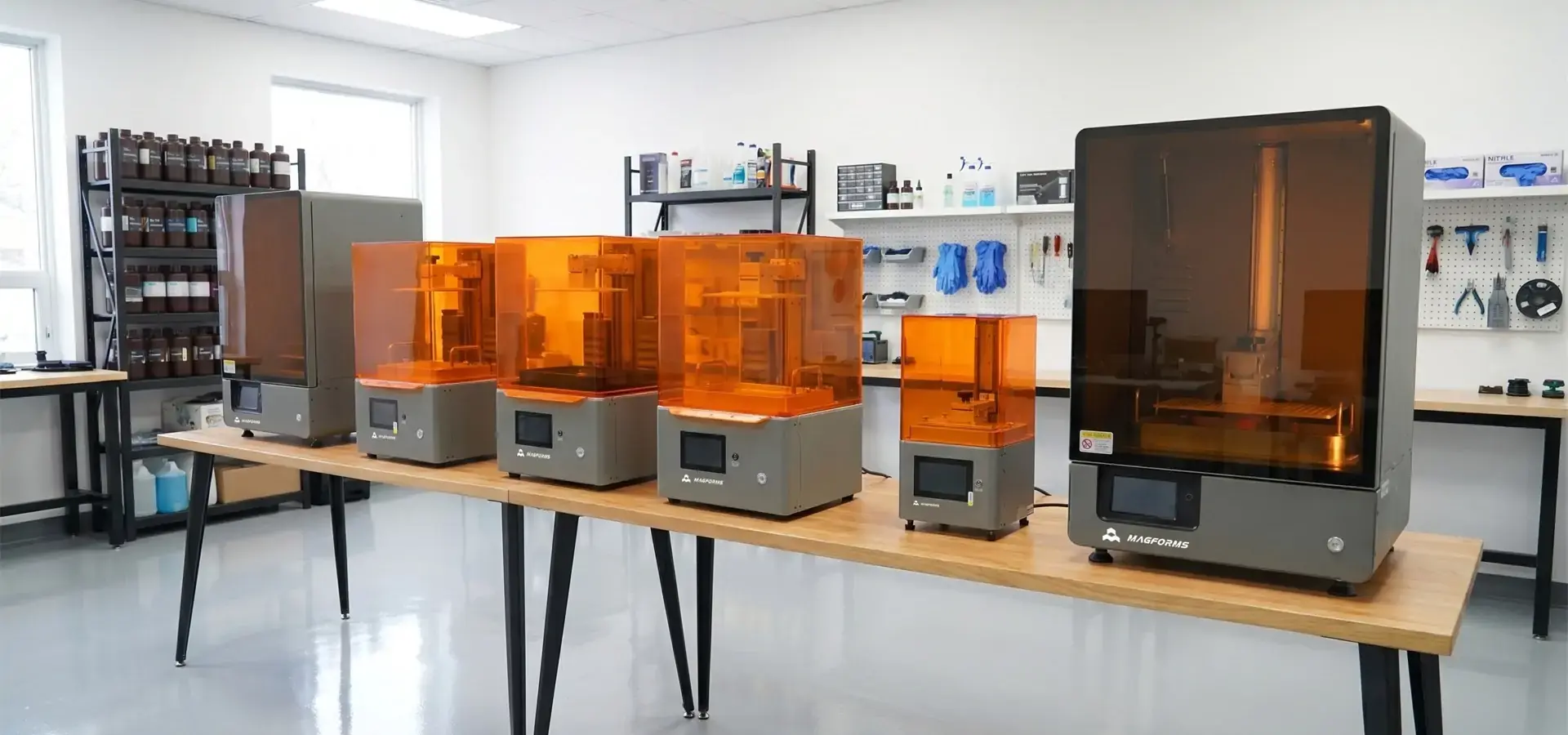
Patent portfolios, certification compliance (CE, UL, FCC), and recorded installation bases are all ways that well-known makers show that their products will last. Magforms has a portfolio of 22 patents and more than 30 filed trademarks, and it works with over 300 businesses around the world. This shows that it can keep coming up with new ideas and that the market accepts them. Taking part in foreign trade shows in Asian and European markets shows a dedication to involving customers and being open about technology. Partnerships with the Belt and Road Initiative and technical training programs show that efforts in knowledge transfer make long-term customer ties stronger.
After-Sales Support and Uptime Assurance
High-precision photopolymerization systems such as LCD printers require responsive technical support to maintain consistent uptime. Coverage under the warranty should include mechanical parts, optical systems, and technology for at least 12 months, with choices for longer terms. Maintenance schedules are directly affected by the supply of spare parts, especially products like release films, LCD screens, and build platforms. Response times are sped up by local service networks, and problems are correctly diagnosed by authorized techs trained in specific equipment designs, which cuts down on costly downtime. As resin chemistry improves, software update rules make sure that it works with new cutter algorithms and material profiles.
Financial Structuring and Volume Incentives
Prices for equipment range from $5,000 for small PC units to $80,000 for large-format industrial systems. Bulk purchasing offers savings of 15 to 25 percent on sales of multiple units, which makes them appealing to service bureaus that want to increase their capacity. Leasing choices help you keep your operating capital while spreading costs out over 36 to 60 months, so your spending is in line with your income. Integrated material-equipment packages from single sources like Magforms get rid of the guesswork about compatibility. Factory-optimized resin formulas that are matched to hardware specs make sure of uniform results and speed up the buying process.
Maintenance and Troubleshooting for Optimal Fast Resin 3D Printing Performance
Systematic repair plans and quick problem solutions are needed to keep production quality high in fast resin 3D printers. Knowing the most common types of failure and how to stop them saves capital investments and gets the most use out of tools.
Routine Care Procedures
Every day, the resin tank is checked for waste that hasn't fully dried yet, the build platform is cleaned with isopropyl alcohol, and the resin level is checked to make sure the print doesn't run out in the middle of it. As part of weekly chores, release film must be checked for scratches or clouding that stop light from transferring, LCD screens must be cleaned with lint-free materials, and contaminants must be removed through resin filtering. As part of the monthly maintenance, the mechanical system is oiled, the firmware is updated with the latest stable patches, and the calibration is checked using precise test models that measure the accuracy of the dimensions across the whole build volume.
Common Issues and Corrective Actions
Most of the time, layer adhesion problems are caused by not enough support density. This can be fixed by changing the cutter settings to add more contact points and width. Print warping is a sign of heat stress or uneven drying, which can be fixed by keeping the environment's temperature stable and adjusting the exposure time. The viscosity of resin grows with age and UV exposure. To keep materials fresh, store them in dark cases away from light. Print surface problems are usually caused by dirty resin or worn release films. To keep quality standards high, parts need to be replaced on time and filtered in an organized way.
Extending Equipment Lifespan
Cascading failures can be avoided by replacing consumables at the times suggested by the maker. After 2,000 to 3,000 hours of UV exposure, LCD screens start to break down. Replacing them before they completely fail saves time and money in the long run. Service times for release films rely on the number of prints, but are usually between 500 and 1,000 hours. Replacing them early keeps the build platform from getting dirty. Keeping thorough repair logs allows for predictive analytics, which finds trends that can predict when parts will break down before they affect production schedules.
Conclusion
More and more, speed without sacrificing accuracy is rewarded in the business world. Fast LCD-based mSLA resin 3D printers reduce the traditional trade-off between speed and quality by producing at speeds that change the economics of development while maintaining accuracy at the micron level. These systems are used by many industries, from the auto industry to the aircraft industry, to shorten development times, test complex assemblies in a single shift, and run continuous small-batch production processes. Slow output, limited materials, and uneven quality have been problems in additive manufacturing for a long time. Using advanced photopolymerization optics, improved release technologies, and specialized resin formulations solves these problems. Purchasing plans that focus on dependable suppliers, a full support network, and the use of materials and tools that work well together get the best return on investment while lowering operating risks.
FAQ
1. How do fast resin 3D printers achieve higher speeds than standard SLA equipment?
Three new technologies work together to speed things up: advanced release films lower peel forces by 60%, allowing 300mm per second lift speeds without layer separation; special low-viscosity resins with high photo-initiator concentrations cure quickly and reflow instantly between layers; and monochrome LCD screens that let more light through allow exposure times of 0.5 to 1.5 seconds instead of 6 to 10 seconds in older systems. These improvements make it possible to build 100 to 170 mm vertically per hour, which is three times faster than regular equipment without lowering the X/Y sharpness or the accuracy of the dimensions. Fast resin 3D printers deliver these results through sophisticated engineering synergy.
2. What factors influence resin material costs and selection?
Prices for resin range from $45 per liter for general-use formulas to $180 per liter for technical grades or biodegradable materials. Cost is affected by things like the chemistry of the raw materials (standard acrylics vs. advanced urethanes), certification needs (FDA Class II, ISO 10993 biocompatibility), mechanical qualities (tensile strength, elongation at break, and heat deflection temperature), and the supplier's ability to save money by buying in bulk. When compared to private ecosystems, open-platform systems that accept materials from third parties lower costs by 40 to 60 percent while increasing process freedom for application-specific optimization.
3. Can these systems maintain precision during high-speed operation?
The design of the motor and control systems ensures that precision is maintained during fast printing. Even with fast acceleration profiles, the Z-axis can't wobble more than 0.01 mm thanks to the dual linear rail systems and ball screws that strengthen them. When high-speed moves happen, closed-loop stepper motors with real-time positioning input make small adjustments right away to account for inertial effects. COB UV light sources that maintain over 95% light uniformity across the build platform ensure even curing across the whole build platform. This stops the physical drift that happens with lower-quality systems that work at the same speeds.
Partner with Magforms for Advanced Fast Resin 3D Printer Solutions
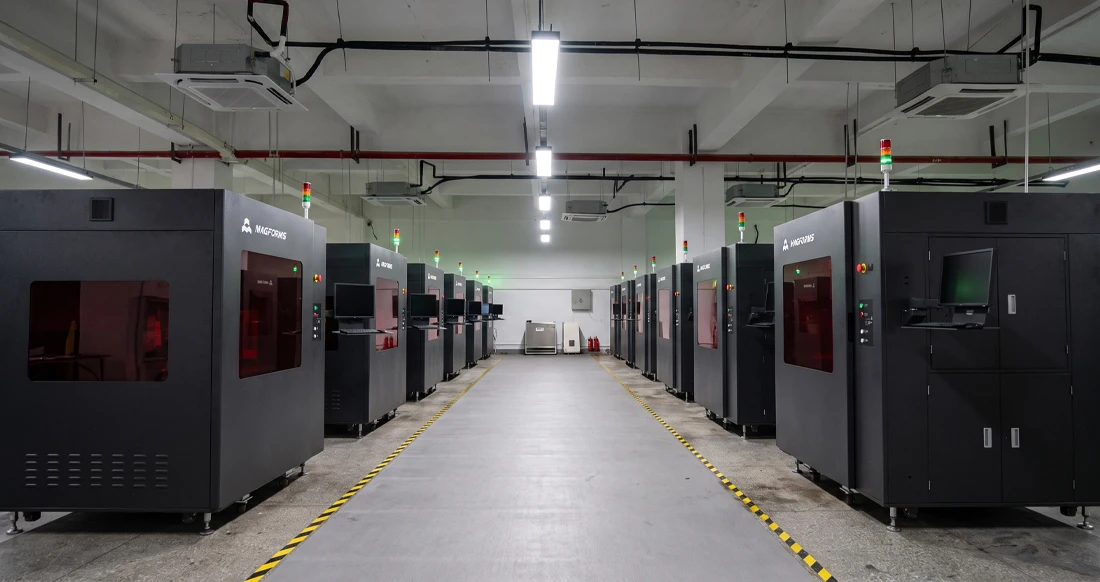
Magforms is a reliable company that makes fast resin 3D printers and offers material-equipment options that are designed to work in tough production settings. Our unique systems use high-precision LCD exposure control and AI-optimized slicing algorithms to achieve speeds 30% faster than the industry average while maintaining micron-level accuracy that has been proven by thousands of hours of continuous operation. Our self-developed resins and hardware work perfectly together, so there are no more dimension errors or unplanned downtime that can happen with setups that use more than one provider. This means that processes will be reliable from the start of production through years of use. Our expert support team helps with everything from installation to ongoing improvement. They have 22 patents to back up their constant innovation and work with over 300 businesses around the world. Get in touch with info@magforms.com to talk about your unique application needs, ask for sample proof testing, or look into ways to buy in bulk. Find out how our fast resin 3D printer for sale can turn the time it takes to make prototypes into a competitive edge.
References
1. Gibson, I., Rosen, D., & Stucker, B. (2021). Additive Manufacturing Technologies: 3D Printing, Rapid Prototyping, and Direct Digital Manufacturing (3rd ed.). Springer International Publishing.
2. Jacobs, P. F. (2020). Rapid Prototyping & Manufacturing: Fundamentals of Stereolithography. Society of Manufacturing Engineers Press.
3. Ligon, S. C., Liska, R., Stampfl, J., Gurr, M., & Mülhaupt, R. (2017). Polymers for 3D Printing and Customized Additive Manufacturing. Chemical Reviews, 117(15), 10212-10290.
4. Stansbury, J. W., & Idacavage, M. J. (2016). 3D printing with polymers: Challenges among expanding options and opportunities. Dental Materials, 32(1), 54-64.
5. Quan, H., Zhang, T., Xu, H., Luo, S., Nie, J., & Zhu, X. (2020). Photo-curing 3D printing technique and its challenges. Bioactive Materials, 5(1), 110-115.
6. Bagheri, A., & Jin, J. (2019). Photopolymerization in 3D Printing. ACS Applied Polymer Materials, 1(4), 593-611.

Magforms makes design and manufacture easier.
Popular Blogs
-
 Industry InsightsManufacturing Industry
FDM vs. SLA Printer: Which Technology Is Right for Your Project?
-
 Industry InsightsManufacturing Industry
Top 5 Applications of Industrial 3D Printers in Manufacturing Today
-
 Industry InsightsManufacturing Industry
Why Stereolithography 3D Printers Are Unmatched for Microfluidic Device Prototyping?