Shoe 3D Printer Maintenance: Tips for Long-Term Use
Proper maintenance will keep your shoe 3D printer from breaking down, protect your investment, and increase its production time. To keep micron-level accuracy and material compatibility over thousands of print cycles, industrial stereolithography (SLA) systems designed for shoe parts require specialized care. When you do regular maintenance, you can avoid problems such as calibration drift, resin contamination, and mechanical wear that can slow down your production plan and raise your costs. When you take care of your tools in a way that is specific to elastomeric materials and lattice structures, it makes custom insoles, midsoles, and complicated shoe samples with the same high level of quality. This guide shows you practical maintenance steps that will keep your printing systems going easily, cut down on unplanned downtime, and make your technology for making shoes last longer.
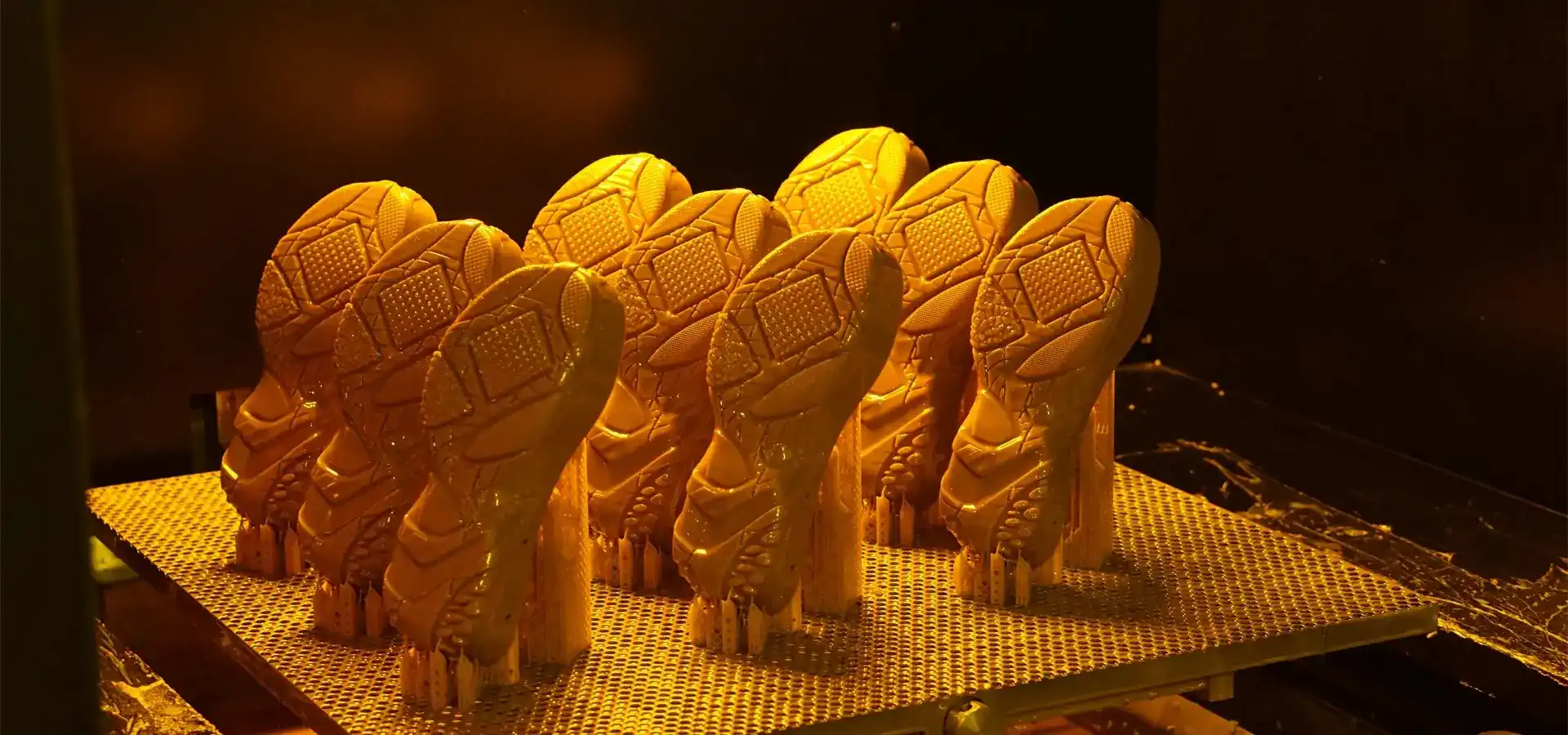
Understanding Common Maintenance Challenges for Shoe 3D Printers
Mechanical Wear from Continuous Production Cycles
Industrial printing methods for shoe production experience significant mechanical stress when used for extended periods. Linear tracks, lead screws, and build platform systems have to deal with repeated motion that makes them less accurate over time. When you're making hundreds of custom insoles or lattice midsoles every week, these parts wear out faster than when you're just developing them once in a while. Long production cycles and repeated peel movements can gradually affect mechanical alignment and optical stability, potentially leading to layer inconsistencies and dimensional deviation.
Material-Related Maintenance Issues
Elastomeric photopolymer resins, engineered to simulate some flexibility characteristics of thermoplastic polyurethane (TPU)-like footwear materials, are challenging to maintain. Uncured resin residue can accumulate on vat walls, optical windows, and build platforms, reducing layer adhesion and increasing the risk of print failure. Photopolymer residues that are left in delivery systems can partly cure and block fluid paths, which can stop the flow of material during important print jobs. When the temperature changes, the viscosity of the material changes, too. This means that testing needs to be done more often to keep the layer thickness and mechanical properties of finished shoe 3D printer parts constant.
Calibration Drift and Precision Degradation
Even small changes in the tuning have a big effect on the level of accuracy needed for footwear use. Leveling mistakes on the build platform as small as 0.05 mm can ruin whole print batches because they prevent the first layer from sticking. Alignment drift in the laser optics or LCD exposure system makes it harder to obtain the XY precision that is needed to show fine lattice structures and surface textures. Environmental factors, such as changes in temperature and parts wearing out over time, cause a slow drift that builds up over time to measurable quality problems that lead to more scrap and waste of expensive, specialized materials.
Cost Implications of Inadequate Maintenance
Not getting regular maintenance done leads to a chain of expensive problems that go beyond the initial repair costs. Unexpected problems with equipment stop production plans, which can lead to late deliveries to customers and even breaking service contracts. The amount of material wasted on failed prints directly affects profit margins when working with high-end flexible resins. Irregular part quality leads to more quality control checks and duplicates, which require more time and money and delay project deadlines. Over time, bad repair habits shorten the life of your equipment, which means you'll have to spend more money on it more often and get less return on your investment.
Step-by-Step Shoe 3D Printer Maintenance Process
Daily Operational Checks and Cleaning
A systematic check at the start of every workday can prevent problems from worsening. We suggest that you examine the resin levels and filter the resin to remove partially cured particles or debris that could get into new prints and make them dirty. Wiping down the build platforms eliminates any leftover debris that could hinder bonding, while checking the optical windows ensures that light can still pass through them. Making sure that all of the safety interlocks work correctly keeps both the workers and the equipment safe during automated print runs.
Weekly Deep Cleaning and Component Inspection
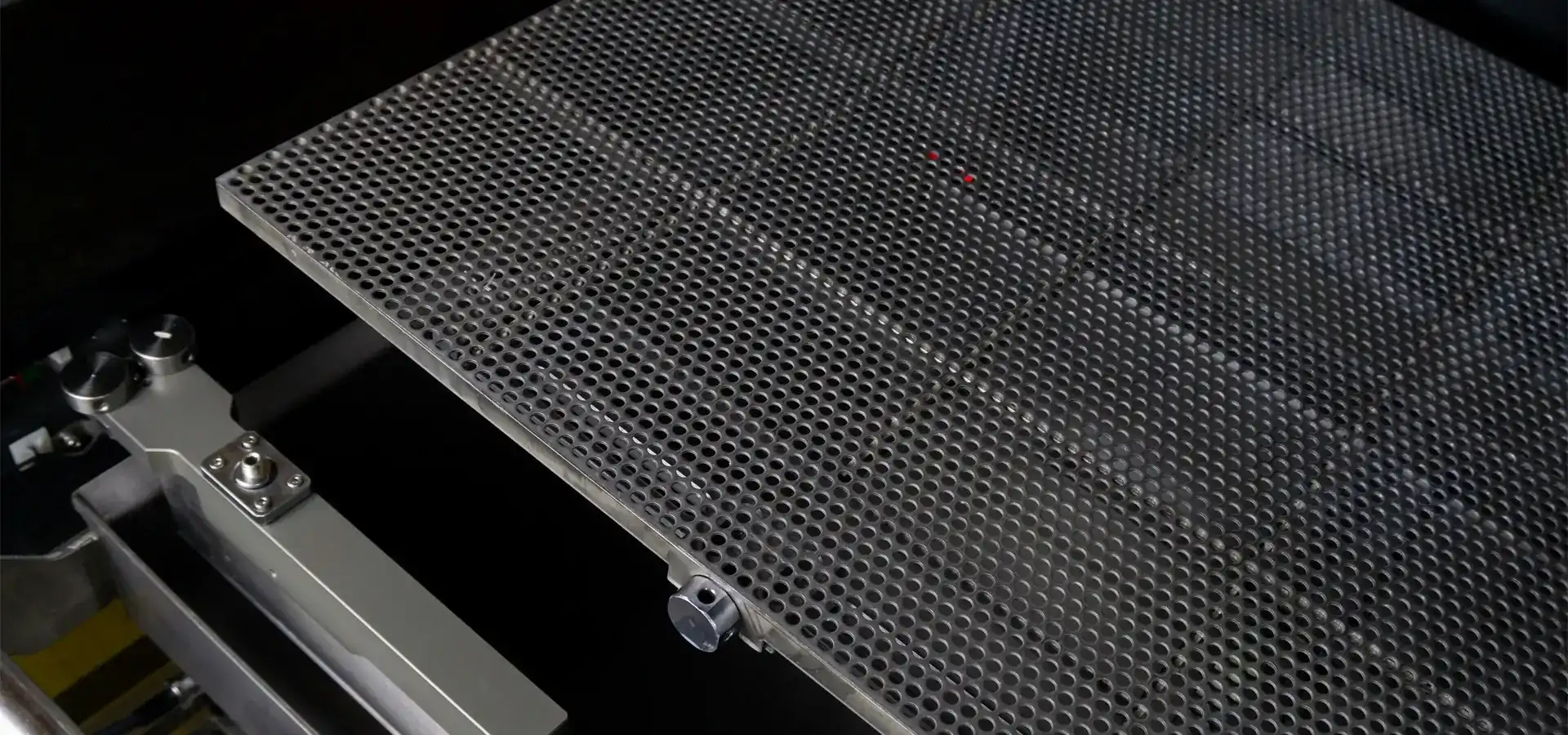
Allocating time each week for a thorough cleaning ensures optimal system performance. Take out the resin vats and clean them fully. For resin-based printers, inspect the optical window on SLA systems or the release film on LCD-based resin printers for scratches, clouding, or peel-related wear that could affect curing accuracy. To keep the light strength and pattern sharpness, clean optical parts with the right liquids and lint-free materials. To keep bearings from breaking down too soon, lubricate linear motion systems according to the manufacturer's instructions and with grades that are compatible with the area where you'll be using them.
Monthly Calibration and Precision Verification
Regular monthly calibration sessions will keep your tools at the level of accuracy needed for footwear uses. Completely level the build platform by using accurate measuring tools instead of guessing. Test prints of calibration models should be used to compare dimensional accuracy, surface finish, and detail reproduction against known calibration standards. To maintain consistent cure levels across the build area, regularly inspect for natural wear and tear and adjust laser output consistency or, for LCD/DLP systems, verify UV light intensity and exposure uniformity as needed. Keep track of performance trends over time by writing down all measures and changes.
These regular maintenance tasks establish a foundation for consistent production output. Setting clear rules and roles for everyone makes sure that nothing is missed during busy production times. Spending time on preventive care will pay off in the form of fewer emergency fixes, better quality parts, and longer machine life.
Quarterly System Audits and Component Replacement
Once every three months, do full system checks that include more than just cleaning. Please check all mechanical parts for the correct amount of torque and replace any that show signs of rust or wear. To stop breakdowns from happening sometimes, verify the electrical connections, wire routing, and grounding systems. Use legitimate manufacturer parts that meet the original specs to replace components that wear out quickly, like filters, seals, and gaskets. Review the maintenance logs and print quality data to identify trends that may indicate the onset of problems requiring resolution.
Annual Professional Service and Certification
Even with a well-managed in-house maintenance program, having a factory-trained expert check it out once a year is a good way to be sure. As part of a professional service, important tolerances are precisely measured using calibrated equipment, firmware changes are made to improve performance and add new features, and the whole system is tested in real-world circumstances. Authorized service calls usually meet the requirements of the guarantee and give you a chance to discuss problems with the operation and find ways to make the process better. This once-a-year checkpoint confirms that your repair program is working and finds ways to improve it that you may have missed.
Best Practices to Extend the Lifespan of Your Shoe 3D Printer
Environmental Control and Workspace Optimization
Conditions of use have a big effect on how long equipment lasts and how consistently it prints. For a shoe 3D printer, maintaining temperatures between 20°C and 25°C helps stabilize resin viscosity, curing consistency, and dimensional accuracy in printed parts. Keeping the humidity below 50% stops sensitive electrical parts from corroding and stops hygroscopic materials from absorbing water. By adding enough ventilation, you can get rid of possibly dangerous fumes and keep the air around printing systems stable. The right lighting makes it easier for operators to check things without causing temperature changes from high-intensity sources.
Keeping tools free of particulate matter increases the time between service calls and stops print errors. Dust and other particles stay away from optical parts and motion systems when you use filtered air systems or enclosures. Setting up clean zones with the right floors around printing equipment lowers the amount of dirt that gets tracked in. These investments in the environment pay off because they require less upkeep and make production more reliable.
Material Selection and Handling Protocols
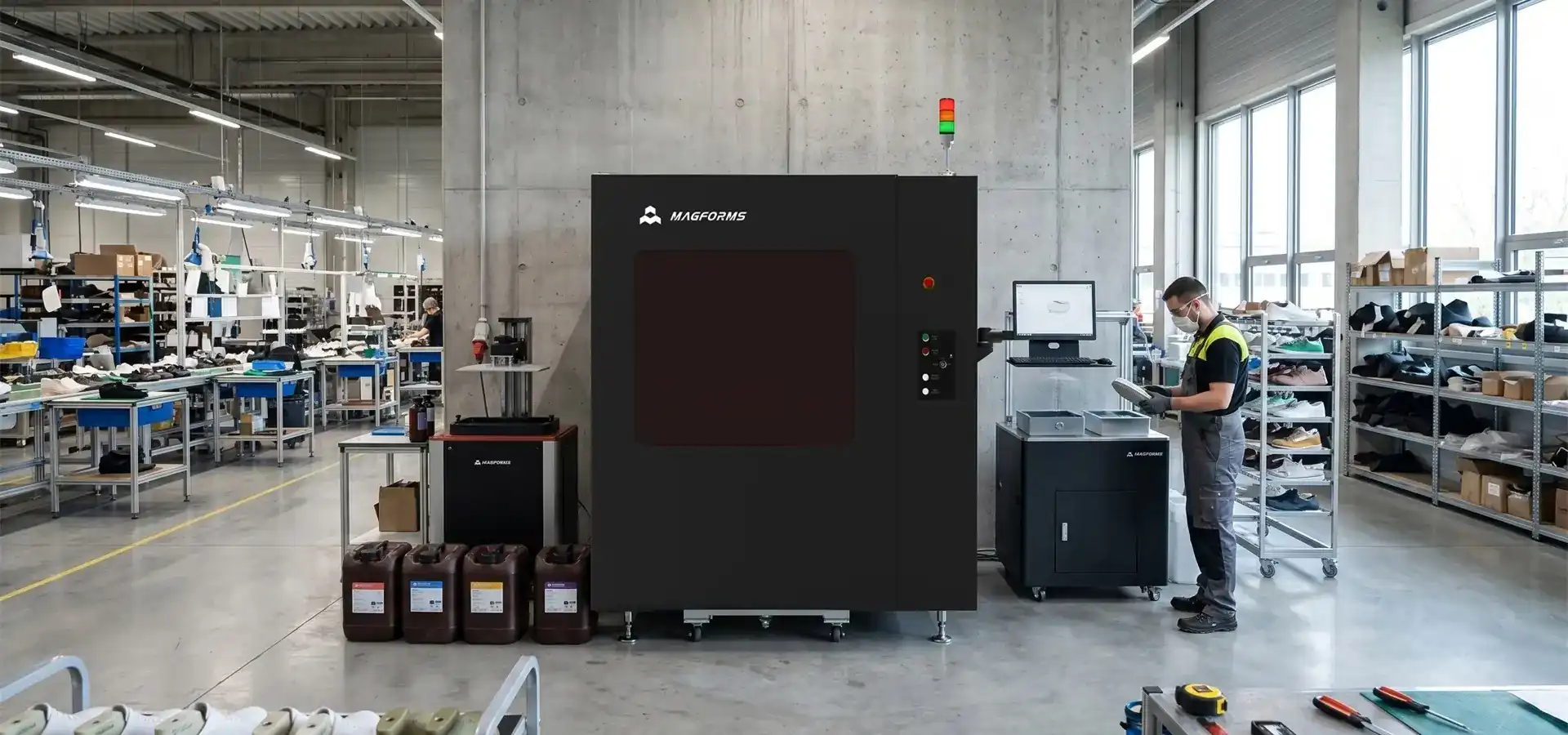
Using high-quality materials made especially for footwear has a direct effect on both the success rate of printing and the amount of upkeep that needs to be done. There are fewer flaws in high-quality elastomeric photopolymer resins that could clog transport systems or make vats dirty. When formulated specifically for stereolithography (SLA) or similar vat photopolymerization technologies, materials work regularly within certain process windows. This eliminates the need for constant parameter changes. Material costs vary, but the reduced waste and maintenance often justify the investment in proven formulations.
Keeping things in the right way maintains their performance qualities and stops them from breaking down too quickly. When you're not printing, keep photopolymer resins covered and away from light sources. Photopolymer resins should be stored in sealed, light-protected, sealed, low-humidity, climate-controlled conditions. Implementing a first-in, first-out store rotation will prevent you from using old materials that have lost their quality. Clearly mark all packages with the times they were delivered and the batch numbers so that problems with quality can be tracked.
Operator Training and Standard Operating Procedures
The success of equipment rests a lot on how well the operator knows how to use it and follows the set processes. Team members go through thorough training programs that make sure they understand not only how to do their jobs but also why certain repair tasks need to be done. When workers notice early warning signs of problems, they can fix small problems before they get so bad that they stop production. Training that includes real care tasks boosts trust and skill, lowering the need for outside service providers for everyday tasks.
By writing down standard working methods, shifts, and team members can all follow them with the same level of accuracy. Written instructions with pictures and pictures of things remove any doubt about the right way to clean, fix, and follow safety rules. Digital maintenance logs that can be accessed from multiple devices make it easy to record actions, notes, and measures in real time. This paperwork is very helpful for troubleshooting issues or improving processes because it gives past information that helps people make better decisions.
Software and Firmware Management
By keeping control software and machine code up to date, you can get bug changes and better performance. Based on feedback from users, manufacturers regularly release updates that optimize print parameters, material compatibility, and system stability, make materials work better together, and make user interfaces better. Scheduling updates for planned downtime keeps the system safe against new flaws and avoids interruptions. When you keep backup setups, you can quickly get back to normal if updates cause problems that you didn't expect, which keeps production breaks to a minimum.
Comparing Maintenance Needs: Shoe 3D Printers vs. Traditional Manufacturing Equipment
Simplified Maintenance Compared to Injection Molding
Injection molding tools and other traditional equipment used to make shoes need a lot of mechanical upkeep. Hydraulic systems need to have their fluids, seals, and pressures checked and adjusted on a frequent basis. It's necessary to clean and recalibrate mold temperature controls. A lot of moving parts can get worn out in ejector systems and core pulls. On the other hand, industrial SLA shoe printing systems generally require less mechanical tooling maintenance than injection molding equipment and don't need any tools that need to be stored, maintained, or fixed up every so often.
Compared to mechanical alignment methods, digital correction makes fine changes easier. Instead of measuring with indicators and shimming by hand, software-guided leveling steps are used. With automated exposure testing, the best settings are found without having to waste time and money on trial and error. These digital methods lower the level of specialized mechanical knowledge needed for upkeep. This makes training easier and increases the number of trained techs you can hire.
Predictive Maintenance Advantages
More and more, modern printing systems have sensors and tracking features that allow repair plans to be planned ahead of time. Temperature monitors keep an eye on the build chamber's temperature stability. Advanced industrial SLA systems may include optical or sensor-based monitoring functions for resin level detection and contamination tracking. Motion controls keep track of positioning data that shows mechanical problems before they break down. By looking at this telemetry data, the best time to intervene can be found. This means that random calendar-based plans can be replaced with condition-based maintenance, which cuts down on service activities that aren't needed and stops breakdowns that were not expected.
Total Cost of Ownership Considerations
To figure out how much upkeep costs, you have to look at more than just the original purchase price. Even though more modern printing systems cost a lot to buy, they are easier to maintain, which means that you don't have to spend as much on supplies and work. Getting rid of the costs of maintaining, storing, and replacing tools that are used in standard manufacturing saves a lot of money over the life of the equipment. Digital processes cut down on the time needed to set up for each job, which increases productivity. When looking at different pieces of tools, figuring out the total cost of ownership over a reasonable number of years shows how much each method of production is really worth.
Leveraging Professional Services and Support for Shoe 3D Printer Maintenance
Selecting Manufacturers with Comprehensive Support Programs
When buying equipment, you should think about both the basic specs and the after-sales support that the company offers. When problems do happen, manufacturers with established service networks can fix them more quickly, which keeps production running as smoothly as possible. Look for companies that offer tiers of help packages that fit your business needs and level of comfort with risk. Basic plans usually come with software assistance and online debugging. Premium plans, on the other hand, offer on-site service, preventative maintenance visits, and faster access to parts.
By looking at the manufacturer's knowledge of footwear uses, you can be sure that they understand the problems you're facing. Suppliers who work with many different businesses might not know much about how to handle elastomeric materials or how to make the best use of grid structures. Ask potential sellers for references from shoe 3D printer manufacturers and ask for case studies that show how successful long-term installations have been. This checks to see if the company can really help your business or is just selling you tools.
Warranty Coverage and Service Contracts
If you know what the guarantee covers, you won't be surprised when problems happen. Basic guarantees usually cover flaws in the way the product was made for one year, but they don't cover wearable parts or damage caused by wrong use. Longer warranty terms are offered by extended warranty plans, which may cover wear items like build platforms and optical components. Service contracts, which are different from warranties, offer scheduled maintenance visits, cheaper repair work, and promised response times that help you plan your budget and keep your business running smoothly.
Carefully read through the warranty's exclusions and upkeep requirements that could make the guarantee useless. Some makers demand that upkeep be done at certain times by approved technicians, while others are fine with documented processes done in-house. Using unauthorized or non-certified replacement parts can often cancel guarantees, even if the parts look like they should work the same. Knowing about these conditions before you buy lets you make a good budget and set up legal repair plans right away.
Building Strategic Partnerships for Long-Term Success
Your relationship with your equipment provider should go beyond just buying equipment. It should also include a planned partnership that helps you reach your manufacturing goals. Suppliers who care about your success offer ongoing advice on how to improve processes, choose materials, and create new applications. They give you advice from other customers who have had similar problems and let you know about changes in the business that affect you. This way of working together speeds up the learning process and helps you get the most out of your investment.
Talking to seller technical teams on a regular basis keeps you up to date on product roadmaps, new features, and possible problems with parts going out of date that could affect your ability to get parts in the future. Joining user groups or customer review boards is a great way to meet other people in the same situation and give direct feedback on what products should be developed next. These connections often lead to useful answers to business problems that regular help routes can't handle.
Conclusion
How well you take care of your additive manufacturing investment will directly affect whether it gives you the returns you expect or becomes a constant source of stress. The organized methods described here, ranging from daily cleaning to professional service once a year, make operations reliable enough that production plans can be met. Controlling the environment, moving things correctly, and teaching operators are all important parts of mechanical repair that help with everything that affects how well the equipment works. When you compare the upkeep needs of additive approaches to standard manufacturing methods, you can see that industrial SLA workflows can offer advantages in tooling flexibility, digital customization, and reduced dependency on traditional mold manufacturing. These benefits make the business case for additive approaches in footwear production stronger. In the end, working with makers that offer full support programs and a real desire for customer success will help you get the most out of your equipment's life, keep the quality high, and be able to adapt as your production needs change.
FAQ
How often should I perform deep cleaning on my shoe 3D printer?
How often deep cleaning is done varies on how much is being made and what kind of materials are being used, but most industrial processes benefit from once a week deep cleaning. Facilities with a lot of traffic and ongoing shifts may need to be checked on more often, while facilities with less traffic may be able to go a little longer between checks. Keep an eye on signs of print quality like surface finish and measurement accuracy. If performance drops between cleanings, it means you need to do them more often. Cleaning needs are also affected by the type of material used. For example, vat and optical components need to be cleaned more often with heavily colored or filled resins than with clear formulas.
What are the most common maintenance mistakes that reduce equipment lifespan?
Skipping calibration checks is one of the worst things that can happen because it lets accuracy slowly drop, which leads to major quality problems. If you use the wrong cleaning chemicals or methods, you could damage optical components and seals, leading to costly repairs. If you don't take care of your surroundings, temperature changes and high or low humidity can damage tools quickly and produce inconsistent results. Using contaminated materials or old resins again jams delivery systems and makes pictures that can't be relied on. If you don't change wear parts like build platform coatings or vat films at the suggested times, they will damage more expensive systems later on.
Can I use third-party materials without voiding my warranty?
Warranty terms change a lot from one manufacturer to the next, so it's important to read your deal carefully. Some makers make it clear that they don't accept third-party materials and will only cover your guarantee if you use their approved formulations. Others let you use different materials, but they don't cover problems that happen because the materials don't work together. When formally allowed, using materials that aren't up to par often leads to performance problems and upkeep issues that are worse than the cost savings. Engineered materials made just for your tools give you more consistent results with fewer problems. In the end, this lowers your total running costs, even though the unit prices are higher.
Partner with Magforms for Reliable Shoe 3D Printer Solutions
Consistent equipment performance and readily available assistance are essential for successful manufacturing. For more than twenty years, Magforms has been using additive manufacturing to make shoes. They know how important accuracy, material flexibility, and reliable output are for your business. Our integrated method combines the best printing hardware with carefully made materials. This approach gets rid of the compatibility problems that come up when parts from different shoe 3D printer providers are mixed. This combination enables high-throughput production while maintaining industrial-grade dimensional accuracy and repeatability across long production cycles.
We not only sell equipment but also provide comprehensive support plans tailored for industrial environments. Global service networks enable manufacturer-trained technicians to respond quickly, reducing downtime during problem occurrences. Structured training programs make sure that your team knows how to do both operation and upkeep tasks. This builds internal skills that make your team less reliant on outside help. Magforms offers solutions that you can build your production strategy around with confidence. They have 30 registered brands that stand for quality assurance and 22 patents that protect new technologies.
Our team helps you choose the best setups for your uses and production rates, whether you're starting to make shoes or upgrading systems that are already in place. Get in touch with our experts at info@magforms.com to talk about how our tried-and-true shoe 3D printer platforms and full support programs can help you stay competitive in the ever-changing shoe market.
References
1. Gibson, I., Rosen, D., Stucker, B., & Khorasani, M. (2021). Additive Manufacturing Technologies (3rd ed.). Springer International Publishing.
2. Ligon, S. C., Liska, R., Stampfl, J., Gurr, M., & Mülhaupt, R. (2017). Polymers for 3D Printing and Customized Additive Manufacturing. Chemical Reviews, 117(15), 10212-10290.
3. Attaran, M. (2017). The rise of 3D printing: The advantages of additive manufacturing over traditional manufacturing. Business Horizons, 60(5), 677-688.
4. Hopkinson, N., Hague, R., & Dickens, P. (2006). Rapid Manufacturing: An Industrial Revolution for the Digital Age. John Wiley & Sons.
5. Wohlers, T. (2020). Wohlers Report 2020: 3D Printing and Additive Manufacturing State of the Industry. Wohlers Associates.
6. Quan, Z., Wu, A., Keefe, M., Qin, X., Yu, J., Suhr, J., Byun, J. H., Kim, B. S., & Chou, T. W. (2015). Additive manufacturing of multi-directional preforms for composites: opportunities and challenges. Materials Today, 18(9), 503-512.

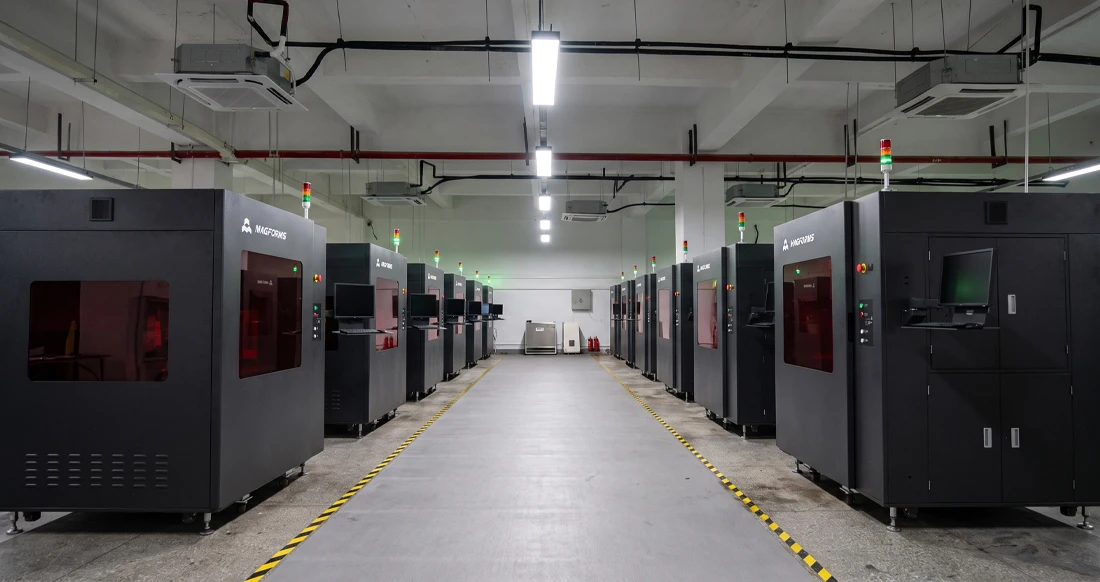
Magforms makes design and manufacture easier.
Popular Blogs
-
 Industry InsightsManufacturing Industry
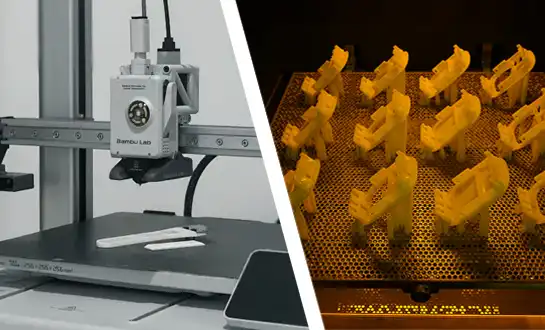
FDM vs. SLA Printer: Which Technology Is Right for Your Project?
-
 Industry InsightsManufacturing Industry
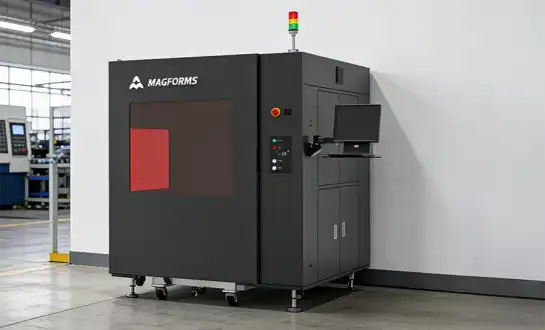
Top 5 Applications of Industrial 3D Printers in Manufacturing Today
-
 Industry InsightsManufacturing Industry
Why Stereolithography 3D Printers Are Unmatched for Microfluidic Device Prototyping?