What Resin Types Are Best for SLA Printer Success?
Choosing the right type of resin for your purpose and tools is very important for the success of stereolithography printing. Standard photopolymer resins are great for testing and making visual models, but engineering-grade materials have the right mechanical qualities for parts that work. Medical applications use special safe resins, and jewelry making uses castable versions of these resins. When the resin's hardening properties, viscosity, and mechanical properties match your production needs and post-processing skills, the SLA printer works at its best.
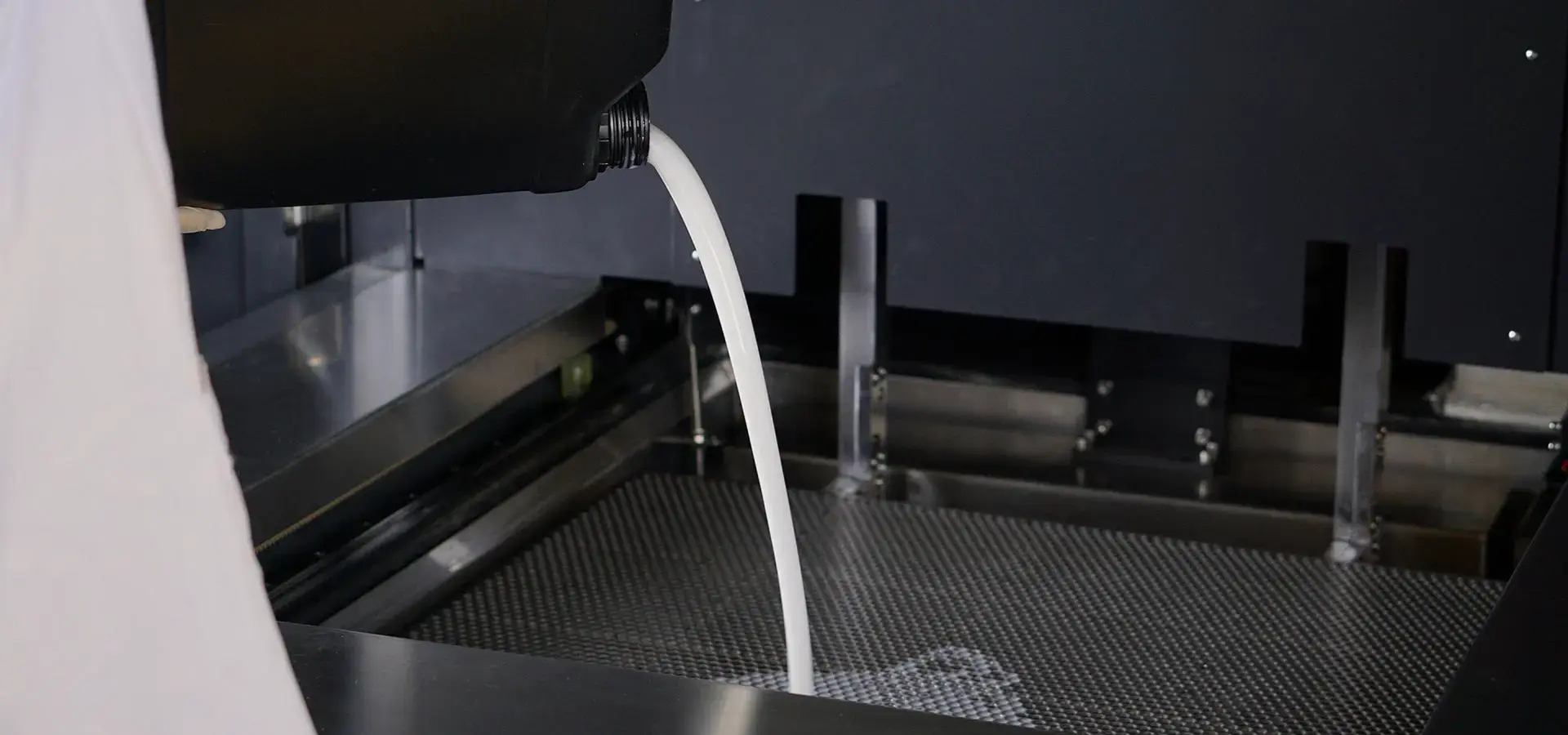
Understanding Resin Types for SLA Printing Success
The resin you choose is very important for SLA printing because it affects the quality of the print, its mechanical features, and its usefulness for different uses. Photopolymerization technology uses controlled UV light to turn liquid photopolymer resins into solid parts. Choosing the right material is important for getting the results you want.
Fundamental Categories of SLA Resins
Standard photopolymer resins are the most popular type of material used in stereolithography. The surface finish on these materials is very good, and current tools can resolve layers as fine as 25 microns. Standard resins usually cure in 8 to 12 seconds per layer, which makes them good for fast modeling processes where accuracy in appearance is more important than performance in the real world. Engineering resins have special chemicals and additions that make their mechanical qualities better than those of regular materials. High-temperature versions keep their shape at temperatures above 200°C, and impact-resistant versions have tensile strengths that are about the same as injection-molded ABS plastic. To get the best mechanical properties from these materials, exposure settings often need to be changed, and post-curing processes need to be lengthened.
Critical Resin Properties Affecting Print Quality
Viscosity readings have a big effect on how well prints turn out and how good the surfaces are. Low-viscosity plastics (below 500 cP) run easily during the printing process. This lowers the chance of missing layers and makes it easier to see the details. But materials that are too fluid may have features that bleed into each other, which can make it harder to get accurate measurements in small geometric details. The amount of shrinkage has a direct effect on the accuracy of measurements and the tendency of parts to bend. During the hardening process, standard materials can shrink up to 6%, but premium industrial resins usually shrink only 2% to 4%. By knowing these traits, operators can make up for changes in dimensions by moving things up or down and improving the support system.
Curing speed compatibility with certain frequency outputs makes sure that layers stick together well and stops problems caused by under-curing. Modern industrial systems use LED arrays or laser sources, so they need materials that are specially made to absorb these bands well. When spectral features don't match, polymerization can't finish, and mechanical properties can get worse.
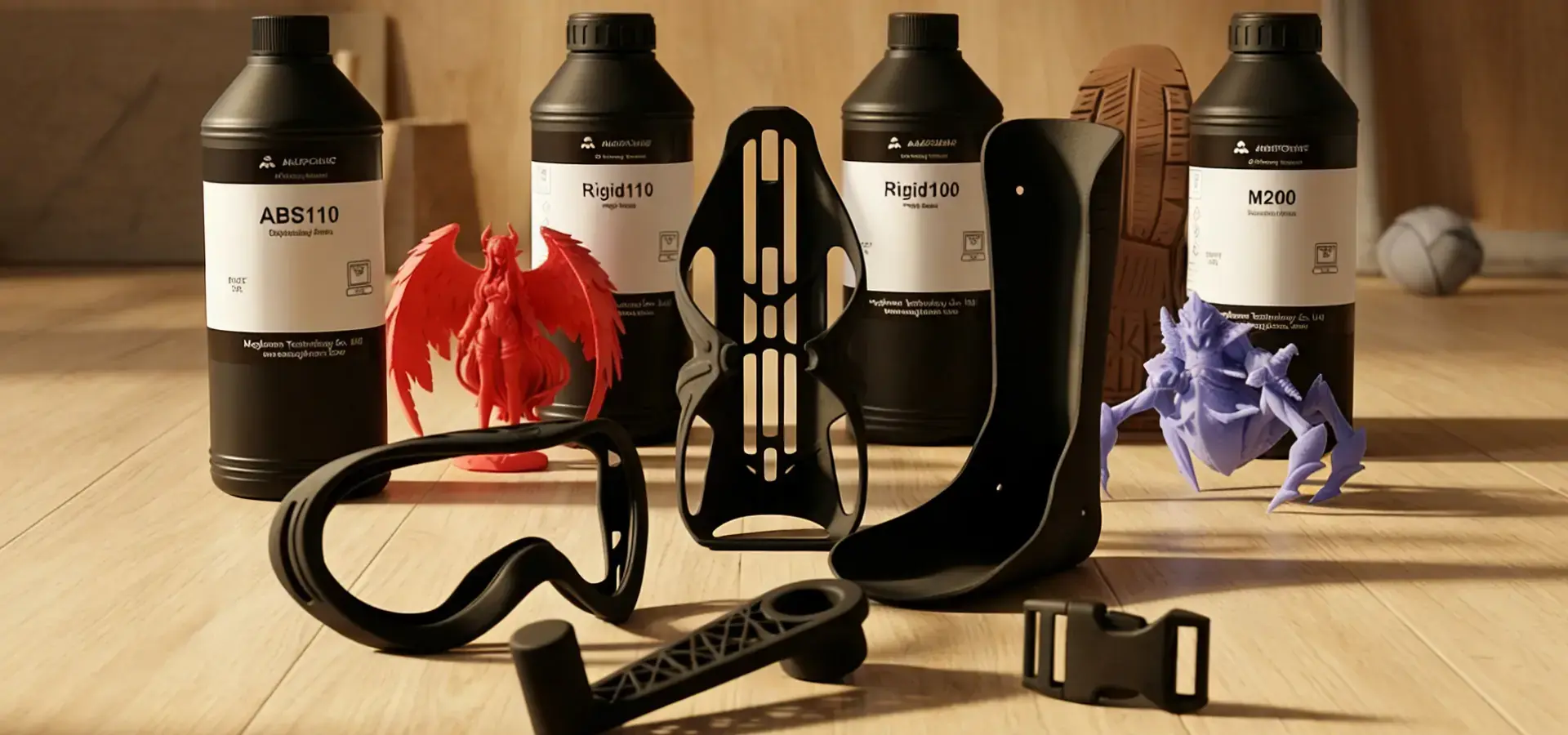
Evaluating Resin Types Based on Application Needs
Choosing the right type of resin relies on what it will be used for and how well it needs to work. Different businesses need different kinds of materials that meet specific practical needs and government regulations.
Standard Resins for Prototyping Applications
Standard photopolymer materials work great for fast development, where showing what the product looks like and making sure it's the right size are more important than how well it works mechanically. It is reliable for these resins to fix in a range of environmental conditions, and they work well with both basic and advanced tools. Standard materials often don't need a lot of post-processing because they give the surface a smooth finish. This cuts down on production time and labor costs. Standard materials are often used by automotive design teams for samples of interior parts and models that show how the final product will look. The materials correctly recreate fine surface textures and complicated geometries, which lets design teams check the shape and fit before spending a lot of money on expensive tools. Standard plastics are a good choice for iterative design processes that need to make many prototypes because they are cost-effective.
Engineering Resins for Functional Applications
Materials that are engineering-grade have the right mechanical properties for practical tests and end-use applications. High-impact formulations can handle multiple loading processes and outdoor stress testing, which makes them useful for testing the durability of consumer goods and car parts. Varieties that are resistant to heat keep their shape even when temperatures are high, which makes them useful in aircraft and car underhood environments. Tough resin mixtures are flexible and don't break easily when they hit something, similar to how thermoplastic materials like polypropylene behave. Because of these features, engineering resins can be used in snap-fit systems, live hinges, and other situations where the material needs to stretch without breaking. Because working samples can be made, there is no need for multiple material changes during the product development cycle.
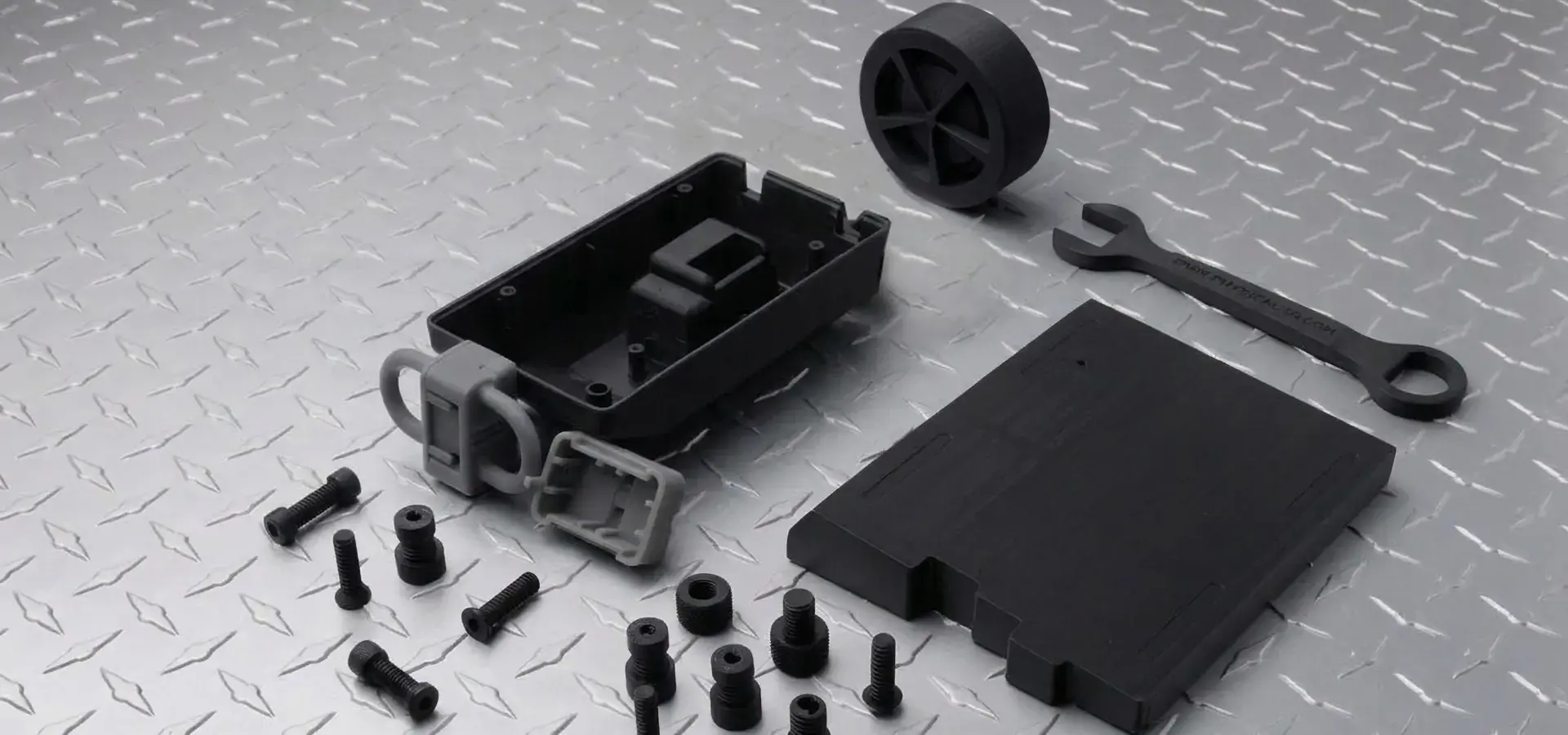
Specialized Resins for Niche Markets
Biocompatible materials that meet FDA Class II medical device standards are needed for dental uses in an SLA printer. Specialized dental plastics go through a lot of tests to make sure they are safe for the mouth and won't hurt the cells that are in contact with them. Antimicrobial additives are often used in these materials to stop germs from growing and help keep your teeth healthy. Castable plastics can be used to make jewelry and for investment casting because they burn out cleanly during the casting process. These materials leave behind very little ash, which keeps valuable metal casts from having flaws and ensures that high-quality finished goods are made. Castable plastics are useful for making jewelry with complicated patterns that would be hard or impossible to make using traditional methods because they can copy small details.
Resin Selection Criteria: How to Choose the Right Resin for Your SLA Printer
When choosing plastics, B2B clients need to think about both their production goals and how the parts will work. Strategically choosing the right materials has an effect on both the short-term success of printing and the long-term efficiency of operations.
Performance Metrics and Technical Specifications
The standards for print quality have a direct effect on the choices of materials. Low-viscosity resins that run easily into tiny surface features are useful for jobs that need fine surface details and clear edges. Parts that need to stay the same size, on the other hand, might work better with thicker mixtures that don't shift during the printing process. Checking a material's mechanical sturdiness means checking its tensile strength, elongation at break, and impact resistance. Tensile forces of more than 40 MPa are common in engineering uses, and elongation values of more than 20% may be needed for flexibility needs. When procurement teams understand these specs, they can choose materials that meet useful needs without choosing too many expensive high-performance choices.
Post-processing complexity changes a lot between types of resin and impacts the general efficiency of production. Most standard materials only need to be washed and cured by UV light. On the other hand, industrial resins may need longer post-cure processes and special handling techniques. Complex post-processing needs can cancel out lower material costs by requiring more work and using more tools.
Economic Considerations and Procurement Strategies
Material prices make up a big part of working costs in places where a lot of printing is done. Standard resins are often 30–50% less expensive than specialized engineering formulas. This makes them appealing for uses where better mechanical qualities aren't very useful. But the failure rates, reworking costs, and post-processing labor needs must be factored into the total cost of ownership estimate. Strategies for buying in bulk can lower the cost of materials per unit while keeping the supply chain reliable. Many plastic makers offer savings for large orders made three or four times a year. This is especially good for businesses that have been making things for a while and know how much material they will need. But when you buy in bulk, you need to think carefully about how long the materials will last and how they will be stored so that you don't lose money on old stock.
Diversifying the supply chain lowers the risk of buying things and gives you more power when bargaining with material sellers. Having qualification relationships with different resin makers lets you quickly switch materials when supply problems happen or prices change. Validation testing is needed for this approach to make sure that the quality of the parts is the same from different sources of material.
Optimizing SLA Printer Success with the Right Resin Use
To get the best prints and the longest material life, it's important to know how to handle resin correctly and set up your printer correctly. Using best practices cuts down on waste and makes sure that the quality of the work is always the same.
Storage and Handling Best Practices
Controlling the temperature has a big effect on how stable the plastic is and how well the printing works. Most photopolymer materials need to be stored between 18 and 25°C to keep their viscosity at the right level and stop polymerization from happening too soon. Extreme changes in temperature can break down resin, which can lead to bad mechanical qualities and lower print success rates. Avoiding light contact keeps leftover glue from curing in a way that isn't wanted. Amber-colored storage bins stop UV rays that are harmful while still letting you see how much stuff is inside. Even short periods of time in the sun or fluorescent lights can start polymerization processes that damage materials and make printing systems dirty.
Protocols for preventing pollution keep materials pure and stop different types of glue from getting mixed up. Chemical conflict problems can't happen because there are separate measuring tools, mixing containers, and transfer tools for each type of material. Cleaning the resin tanks and optical parts on a regular basis keeps the light flowing smoothly and stops curing problems.
Printer Compatibility and Parameter Optimization
Calibration of the exposure time makes sure that all of the layers cure without over-exposure, which can cause the dimensions to swell. Different types of glue need different exposure times, which are usually between 6 and 15 seconds per layer and depend on the material and layer thickness. Under-exposure makes it hard for layers to stick together and breaks down mechanical properties. Over-exposure, on the other hand, makes it lose fine details and accuracy in measurements. Platform adhesion improvement stops print failures and cuts down on the need for support structures. First-layer bonding is effective when the base is properly prepared, which includes cleaning and using adhesion promoters as needed. Accurate platform leveling has a direct effect on layer consistency and stops selective binding failures that can ruin whole print jobs.
Managing peel force in an SLA printer makes printed parts less stressed during the layer separation process. Changing the lift speed and distance choices based on the shape of the part and the properties of the resin lowers the chance of layer delamination and support structure failure. Modern systems have bendable film tanks that automatically lower the peel forces, which makes it easier to work with complex shapes.
Trusted Resin Suppliers and Procurement Tips for B2B Clients
Choosing trusted resin suppliers guarantees consistent product quality and dependable help after the sale. Strategic connections with suppliers give businesses an edge over their competitors by making it easier to get materials and expert help.
Supplier Evaluation and Quality Assurance
Certification compliance shows that a provider is committed to meeting quality standards and legal requirements. ISO 9001 recognition means that quality control systems have been in place for a while, while industry-specific certifications like FDA registration mean that the product is safe for medical use. With these certificates, you can be sure that the materials are consistent and can be tracked all the way through the supply chain.
Different providers offer very different levels of technical help, which can affect how efficiently operations run. Leading providers offer application engineering support, help with fixing problems, and advice on how to get the most out of materials. Having access to technology experts is very helpful when making new apps or fixing problems in production that affect measures for quality or efficiency.
Quality paperwork, such as material safety data sheets, technical data sheets, and batch testing certificates, makes sure that regulations are followed and helps people make smart choices about how to handle materials. Documentation that is complete helps quality assurance programs and gives the technical details needed for validating and improving processes.
Procurement Channel Optimization
When compared to distributor platforms, direct seller ties often offer better pricing, technical help, and supply chain stability. Working directly with makers gives you access to new products, unique formulations, and the first choice when supplies are low. Direct relationships, on the other hand, might need bigger minimum orders and longer wait times.
For smaller items, buying from an online marketplace is convenient and offers low prices. Platforms that focus on 3D printing materials bring together materials from many sources and let you easily compare prices. But there may not be as much control over the authenticity of the materials, how they are stored, or technical help as there is with direct source relationships.
Regional distribution networks can offer faster shipping times, technical help close to home, and prices that are still affordable. Distributors who have been around for a while usually keep extra goods on hand so they can quickly meet urgent material needs. When doing business across borders, where language hurdles and different time zones make it hard to talk to suppliers directly, having local help becomes even more important.
Conclusion
When choosing the best resin type for your SLA printer, you need to carefully think about the needs of the application, the printer's mechanical qualities, and its working limits. For prototyping, standard photopolymer resins work well, but engineering-grade materials have the performance properties needed for useful uses. Niche markets, such as the dental, medical, and jewelry-making industries, are met by specialized formulas. Matching the properties of the material to the printer's skills, following the right handling steps, and building trusting relationships with suppliers are all important for success. Knowing these things helps you choose the right materials for the job, which improves print quality, lowers costs, and helps you reach your long-term production goals.
FAQ
What resin types work best with industrial SLA printers?
Engineering-grade resins with better mechanical qualities and heat stability work best with industrial SLA systems. Formulations that work well at high temperatures, tough materials that don't break easily, and special dentistry or castable resins give demanding uses the performance they need. The key is to make sure that the viscosity and curing properties of the glue work with the visual and exposure features of your equipment.
How do I figure out what thickness of glue I need for my job?
The choice of resin viscosity relies on how complicated the part's shape is and what kind of surface finish you want. Low-viscosity materials (300–800 cP) are easy to work with in small details, but they might need more time to settle between layers. Formulations with a higher viscosity (1000–3000 cP) are better at keeping the shape of big parts stable, but they may have trouble with surfaces with complex features. When choosing thickness ranges, think about the shapes of your usual parts and the quality standards you need to meet.
Can different resin types be used interchangeably on the same printer?
With the right setting changes, most current SLA systems can work with more than one type of resin. But making sure the tank is thoroughly cleaned between material changes stops cross-contamination and ensures optimal print quality. There are different exposure times, lift speeds, and post-processing steps that need to be followed for each material. When moving between very different types of paper, you should always look at the technical data sheets and make test prints.
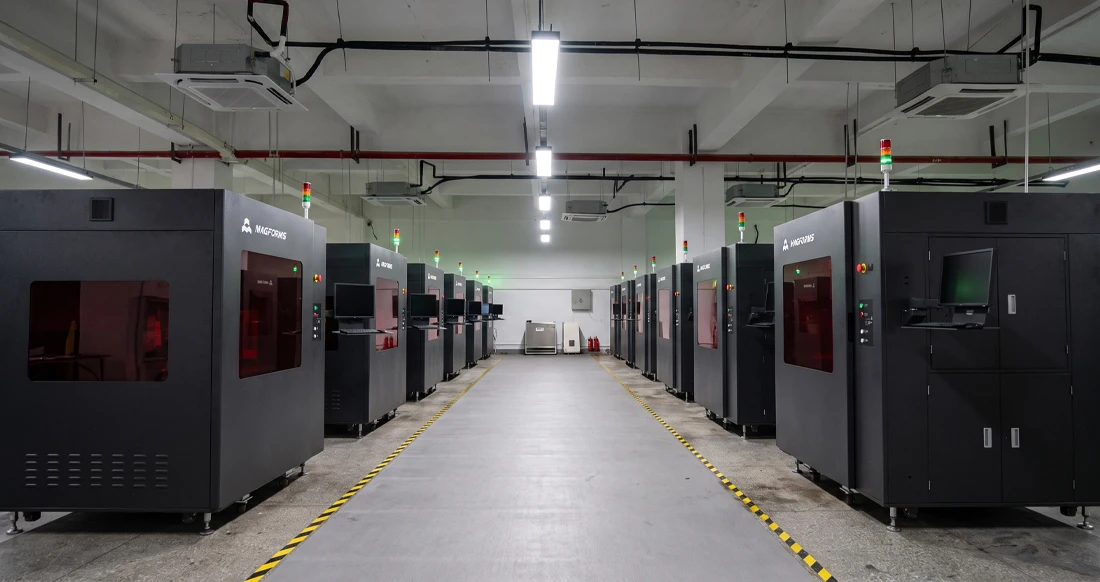
Partner with Magforms for Your Industrial SLA Printer and Resin Solutions
Magforms offers stereolithography options that include both high-performance industrial tools and materials that work well together. Our advanced variable spot-size laser technology speeds up printing by 30 to 50 percent while keeping accuracy at the micron level with German Scanlab galvanometers and AOC laser systems. The open-source design theory gets rid of restrictions on private materials, which lets you choose any resin you want and find ways to save money. Magforms has 22 patents and has been trusted by more than 300 businesses around the world. They can give your company the technical help and knowledge it needs. Get in touch with our engineering team at info@magforms.com to talk about your unique application needs and find out how our SLA printer manufacturer options can help you make more.
References
1. Gibson, Ian, et al. "Additive Manufacturing Technologies: 3D Printing, Rapid Prototyping, and Direct Digital Manufacturing." Springer, 2021.
2. Stansbury, Jeffrey W., and Mike J. Idacavage. "3D printing with polymers: Challenges among expanding options and opportunities." Dental Materials, vol. 32, no. 1, 2016, pp. 54-64.
3. Ligon, S. Christian, et al. "Polymers for 3D Printing and Customized Additive Manufacturing." Chemical Reviews, vol. 117, no. 15, 2017, pp. 10212-10290.
4. Melchels, Ferry P.W., et al. "A review on stereolithography and its applications in biomedical engineering." Biomaterials, vol. 31, no. 24, 2010, pp. 6121-6130.
5. MacDonald, Eric, and Ryan Wicker. "Multiprocess 3D printing for increasing component functionality." Science, vol. 353, no. 6307, 2016.
6. Quan, Huan, et al. "Photo-curing 3D printing technique and its challenges." Bioactive Materials, vol. 5, no. 1, 2020, pp. 110-115.

Magforms makes design and manufacture easier.
Popular Blogs
-
 Industry InsightsManufacturing Industry
FDM vs. SLA Printer: Which Technology Is Right for Your Project?
-
 Industry InsightsManufacturing Industry
Top 5 Applications of Industrial 3D Printers in Manufacturing Today
-
 Industry InsightsManufacturing Industry
Why Stereolithography 3D Printers Are Unmatched for Microfluidic Device Prototyping?