The Evolution of Stereolithography 3D Printers: From Labs to Factories
The Stereolithography 3D printer has undergone a remarkable transformation since its inception in the 1980s, evolving from a laboratory curiosity into a cornerstone of modern manufacturing. This revolutionary technology, which uses ultraviolet light to cure photopolymer resins layer by layer, has redefined how we approach prototyping, production, and innovation across countless industries. Today's industrial-grade systems deliver unprecedented precision and reliability, making them indispensable tools for businesses seeking competitive advantages in an increasingly demanding marketplace.
Understanding Stereolithography 3D Printing Technology
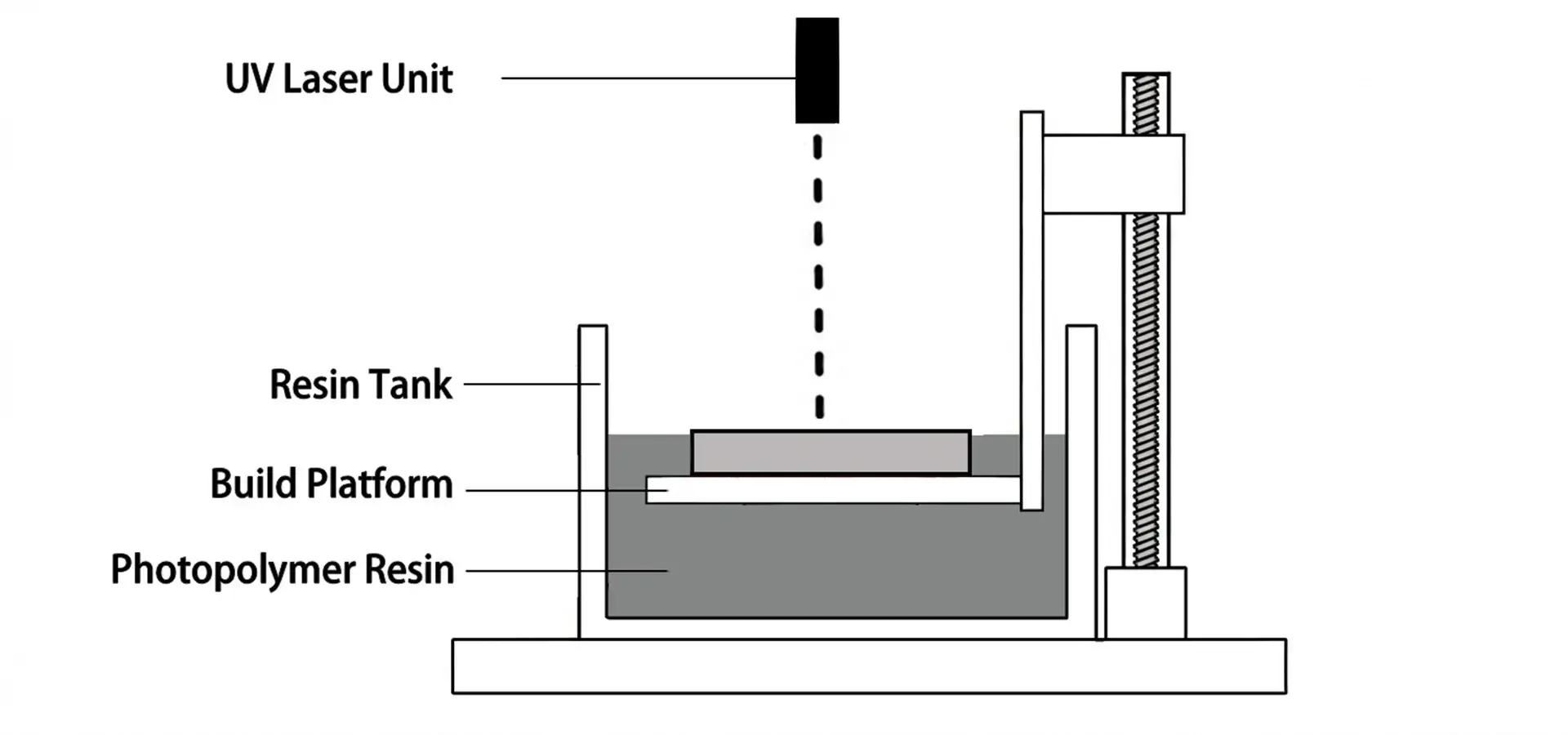
Modern stereolithography represents one of the most sophisticated additive manufacturing processes available today. The technology operates on a fundamental principle where precisely controlled ultraviolet laser beams selectively cure liquid photopolymer resins, building three-dimensional objects layer by layer with exceptional accuracy.
Core Components and Processing Mechanisms
The heart of any proficient SLA framework lies in its exactness components. High-end galvanometer frameworks, such as the German Scanlab units found in advanced mechanical printers, control laser positioning with micron-level precision. These modern filtering frameworks work in conjunction with effective laser sources, including AOC lasers, which give reliable vitality yield essential for uniform curing over huge construct platforms.
The printing process starts with an advanced sheet being cut into thousands of ultra-thin cross-sections. Each layer, regularly extending from 25 to 100 microns thick, gets an exact laser presentation that changes fluid tar into a strong polymer. Progressed frameworks presently join variable spot-size laser innovation, utilizing bigger spots for quick inner filling and fine spots for point by point forms, accomplishing the culminate adjust between speed and precision.

Material Properties and Industrial Applications
Contemporary photopolymer tars offer a noteworthy extent of mechanical properties custom-fitted to particular mechanical requirements. Engineering-grade tars presently coordinate the execution characteristics of conventional fabricating materials, highlighting improved strength, temperature resistance, and chemical stability. Adaptable gums empower applications requiring elastomeric properties, whereas straightforward materials serve optical and tasteful applications.
The post-processing workflow remains basic to accomplishing the ideal. Parts experience washing in isopropyl alcohol to expel uncured gum, followed by UV post-curing to accomplish most extreme mechanical properties. Bolster structure evacuation and surface wrapping up the preparation, conveying parts with smooth surfaces and tight tolerances that regularly kill the requirement for auxiliary machining operations.
The Evolution of Stereolithography: From Lab Prototypes to Industrial Use
Early Stereolithography 3D printers faced significant limitations that restricted their adoption beyond research environments. Print speeds were painfully slow, material options were severely limited, and the technology carried prohibitive costs that made it accessible only to well-funded research institutions and large corporations.
Technological Breakthroughs Driving Adoption
The change of SLA innovation quickened significantly through a few key advancements. Preparing speeds expanded exponentially as producers created more effective laser frameworks and optimized checking calculations. Profound learning integration presently empowers shrewd way planning that can make strides in printing speeds by up to 20% whereas keeping up quality standards.
Material science progresses extended the range of accessible materials from fundamental prototyping materials to high-performance designing polymers. Cutting-edge frameworks back handfuls of specialized materials, including biocompatible tars for therapeutic applications, high-temperature polymers for car testing, and specialized details for aviation components that require remarkable exactness and reliability.

Comparative Advantages Over Alternative Technologies
When compared to molded statement modeling and computerized light handling frameworks, stereolithography keeps up particular points of interest in surface wrap-up quality and dimensional exactness. SLA innovation reliably accomplishes layer attachment qualities that approach those of injection-molded parts, whereas conveying surface wraps up that frequently dispose of post-processing requirements.
The technology's capability to deliver complex inner geometries and perplexing points of interest makes it especially important for businesses requiring utilitarian models and end-use parts. Car producers use SLA for making intricate internal components and useful testing parts, whereas aviation companies depend on the innovation for creating complex geometric structures that would be inconceivable to fabricate utilizing conventional methods.
Choosing the Right Stereolithography 3D Printer for Your Business
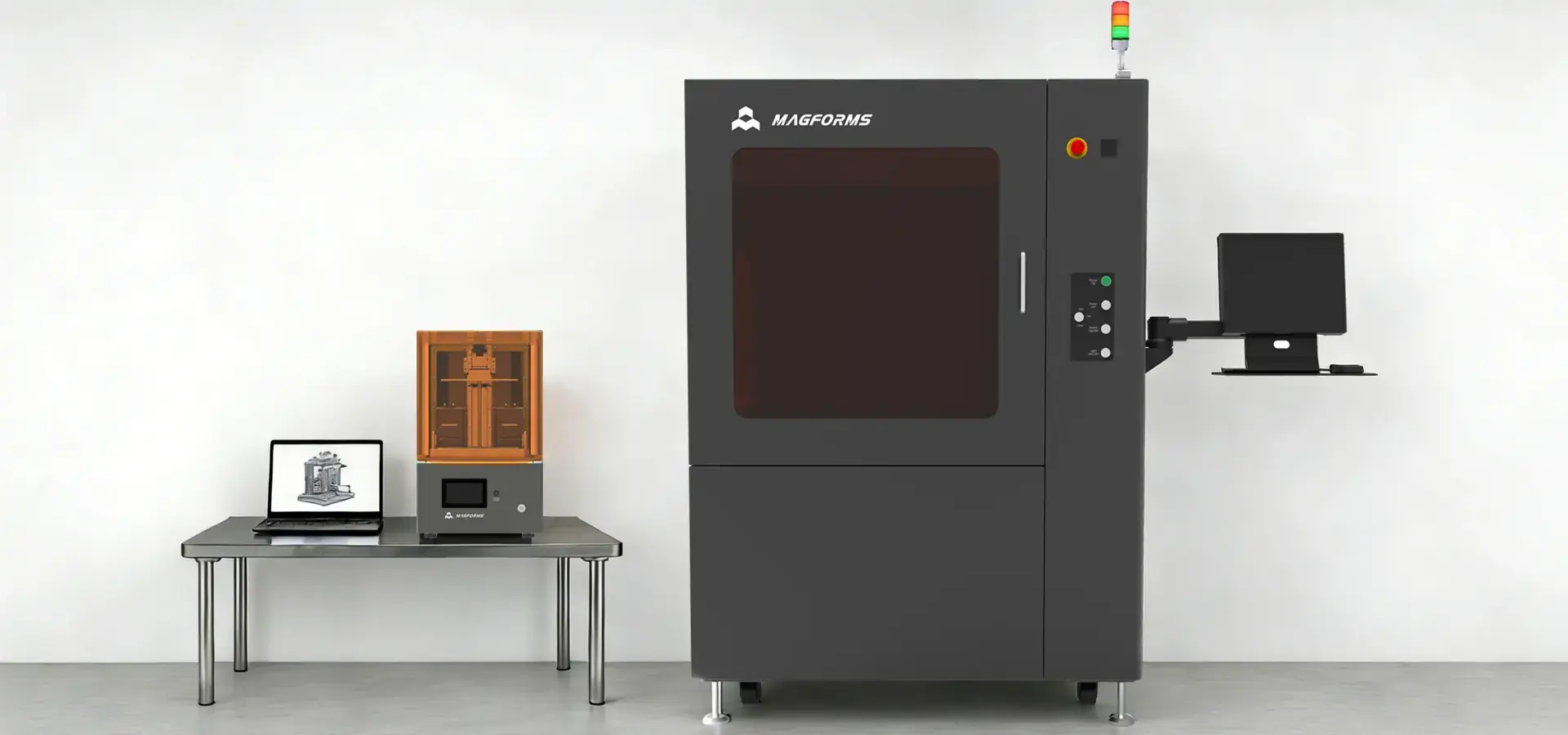
Selecting an appropriate SLA Stereolithography 3D printer careful evaluation of multiple technical and business factors. Production volume requirements directly influence the choice between desktop-class systems and large-format industrial platforms capable of batch production or oversized component manufacturing.
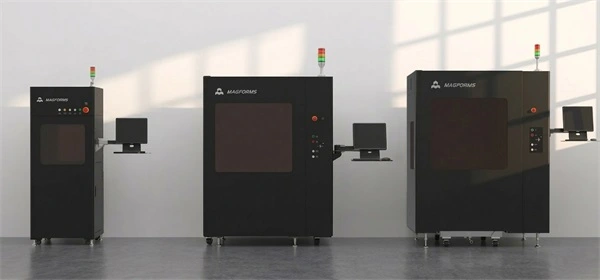 |
Buying Guide How to Choose the Right Industrial SLA 3D Printer for Your Factory Compare build volume, precision, material compatibility, and total cost of ownership before investing in SLA equipment. |
Critical Performance Specifications
Resolution capabilities serve as an essential differentiator among accessible frameworks. Industrial-grade printers presently accomplish printing accuracies of ±0.1 mm for components measuring 100 mm or less, with a few specialized frameworks conveying indeed more tightly resiliencies for exactness applications. Construct volume contemplations must adjust portion measure necessities against throughput needs and office constraints.
Material compatibility speaks to another pivotal choice model. Open-source printer structures permit clients to select from different tar providers, giving fetched control adaptability and lessening reliance on exclusive fabric environments. This approach empowers businesses to optimize fabric costs while keeping up with specialized details as necessities evolve.
Investment Considerations and Total Cost of Ownership
Beyond beginning gear costs, effective SLA usage requires assessment of progressing operational costs counting fabric utilization, upkeep necessities, and specialized back accessibility. Driving producers presently offer comprehensive benefit bundles that incorporate preventive support, program upgrades, and fast specialized reaction to minimize production disruptions.
The most progressed frameworks consolidate highlights like marble bases for improved steadiness and exactness servo engine frameworks that guarantee reliable execution over expanded generation runs. These premium components legitimize higher beginning ventures through decreased disappointment rates and moved forward portion quality consistency that interprets straightforwardly to manufacturing effectiveness gains.
Enhancing Manufacturing Efficiency with Stereolithography 3D Printers
Modern manufacturing environments demand consistent output quality and minimal downtime to maintain competitive production schedules. SLA technology addresses these requirements through several efficiency-enhancing features and operational strategies.
Performance Optimization Strategies
Variable spot-size laser innovation speaks to a noteworthy progression in adjusting speed and quality destinations. This development permits frameworks to accomplish 30-50% speedier printing speeds compared to customary single-spot approaches, while keeping up the fine detail determination required for accuracy applications. The clever exchange between huge and little laser spots optimizes each layer's introduction design for the most extreme efficiency.
Predictive support conventions offer assistance to producers maintain a distance from impromptu downtime that can disturb generation plans. Progressed frameworks screen key execution pointers counting laser control yield, tar utilization designs, and mechanical component wear, to anticipate support needs some time recently disappointments occur.
Integration with Production Workflows
Successful SLA execution requires cautious integration with existing fabrication forms and quality control frameworks. The innovation exceeds expectations in quick prototyping applications where plans must be completed rapidly to keep up with advancement plans. Numerous producers report 50% diminishments in model improvement cycles when joining high-speed SLA frameworks into their workflows.
Safety conventions stay foremost when working with mechanical SLA gear. Legitimate ventilation frameworks, individual protective gear, and prepared administrators guarantee compliance with work environment security controls while keeping up beneficial operations. Normal security preparation and hardware assessments secure both staff and productive equipment.
Magforms: Empowering B2B Manufacturing with Advanced SLA Solutions
Magforms has established itself as a technology leader in the Stereolithography 3D printer market through continuous innovation and unwavering commitment to customer success. Our comprehensive product portfolio addresses the diverse needs of modern manufacturing environments, from compact desktop systems for design studios to large-format industrial platforms capable of producing oversized functional components.
Integrated Technology Excellence
Our approach to SLA technology centers on the integration of materials and equipment optimization. Unlike manufacturers who focus solely on hardware or materials, Magforms develops both components in tandem to ensure perfect compatibility and maximum performance. This integrated strategy eliminates common issues such as dimensional variations, print defects, and unexpected downtime that plague systems using third-party material combinations.
The technological foundation supporting our products includes 22 patents and 30 registered trademarks, providing robust intellectual property protection that enables continued innovation and product development. Our research and development efforts focus on addressing real-world manufacturing challenges through practical engineering solutions that deliver measurable performance improvements.
Global Market Presence and Technical Support
With products exported to dozens of countries and over 300 enterprise customers worldwide, Magforms maintains a global perspective on manufacturing requirements and industry trends. Our participation in major industry exhibitions across Europe, Asia, and other regions ensures we remain connected to evolving customer needs and emerging technological opportunities.
Our technical support infrastructure provides 24/7 remote consultation capabilities with guaranteed response times of one hour and resolution within four hours for most issues. Complex problems receive immediate attention from experienced engineers who can be dispatched on-site when necessary. This comprehensive support structure minimizes production disruptions and ensures customers can maintain consistent output quality.
Conclusion
The evolution of the Stereolithography 3D printer from laboratory instruments to essential manufacturing tools reflects the technology's maturation and proven value across diverse industries. Modern SLA systems deliver the precision, reliability, and efficiency required for demanding production environments while offering flexibility to adapt to changing requirements. As manufacturers continue seeking competitive advantages through advanced manufacturing technologies, stereolithography stands ready to support innovation and operational excellence across global supply chains.
FAQ
What distinguishes SLA from FDM printing technologies?
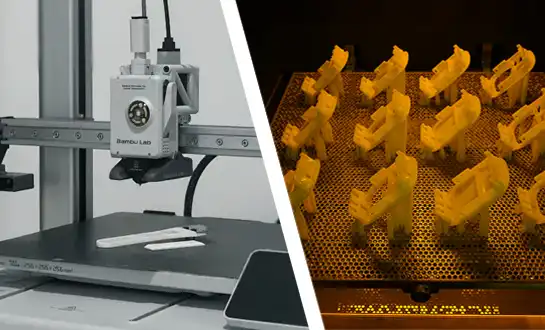
Stereolithography uses liquid photopolymer resins cured by laser light, while FDM systems extrude melted thermoplastic filaments. SLA delivers superior surface finish quality and dimensional accuracy, making it ideal for applications requiring smooth surfaces and tight tolerances. FDM technology excels in rapid prototyping with lower material costs, but cannot match SLA's precision capabilities.
How do I select appropriate resin types for specific applications?
Material selection depends on your application's mechanical requirements, environmental conditions, and performance specifications. Engineering resins provide enhanced strength and temperature resistance for functional parts, while standard resins suit general prototyping needs. Biocompatible materials serve medical applications, and specialized formulations address unique industry requirements like aerospace or automotive testing.
What maintenance practices extend SLA printer longevity?
Regular cleaning of the build platform and resin tank prevents contamination that can affect print quality. Laser calibration checks ensure consistent power output, while mechanical component inspections identify wear before failures occur. Following manufacturer-recommended maintenance schedules and using genuine replacement parts maximizes equipment lifespan and maintains performance standards.
Contact Magforms for Your Stereolithography 3D Printer Requirements
Discover how Magforms' advanced stereolithography 3D printer solutions can transform your manufacturing capabilities and accelerate your innovation cycles. Our experienced team specializes in matching technology solutions to specific business requirements, ensuring optimal return on investment and seamless integration with existing operations. Whether you need high-precision prototyping capabilities or scaled production capacity, our comprehensive product range and expert technical support deliver the performance and reliability your business demands. Connect with our specialists today at info@magforms.com to explore customized solutions, request product demonstrations, and learn about our competitive pricing for stereolithography 3D printer manufacturers seeking reliable industrial-grade equipment.
References
1. Gibson, I., Rosen, D., & Stucker, B. (2021). Additive Manufacturing Technologies: 3D Printing, Rapid Prototyping, and Direct Digital Manufacturing, Third Edition. Springer International Publishing.
2. Kruth, J.P., Leu, M.C., & Nakagawa, T. (2020). Progress in Additive Manufacturing and Rapid Prototyping. CIRP Annals - Manufacturing Technology, 47(2), 525-540.
3. Melchels, F.P., Feijen, J., & Grijpma, D.W. (2019). A Review on Stereolithography and Its Applications in Biomedical Engineering. Biomaterials, 31(24), 6121-6130.
4. Stansbury, J.W., & Idacavage, M.J. (2018). 3D Printing with Polymers: Challenges among Expanding Options and Opportunities. Dental Materials, 32(1), 54-64.
5. Zhang, J., Jung, Y.G., & Kang, S. (2022). Advances in Stereolithography 3D Printing: Materials, Methods, and Applications in Manufacturing. Journal of Manufacturing Processes, 78, 237-250.
6. Hull, C.W. (2020). The Birth of 3D Printing: A Personal Perspective on the Early Days of Stereolithography. Rapid Prototyping Journal, 26(8), 1371-1378.

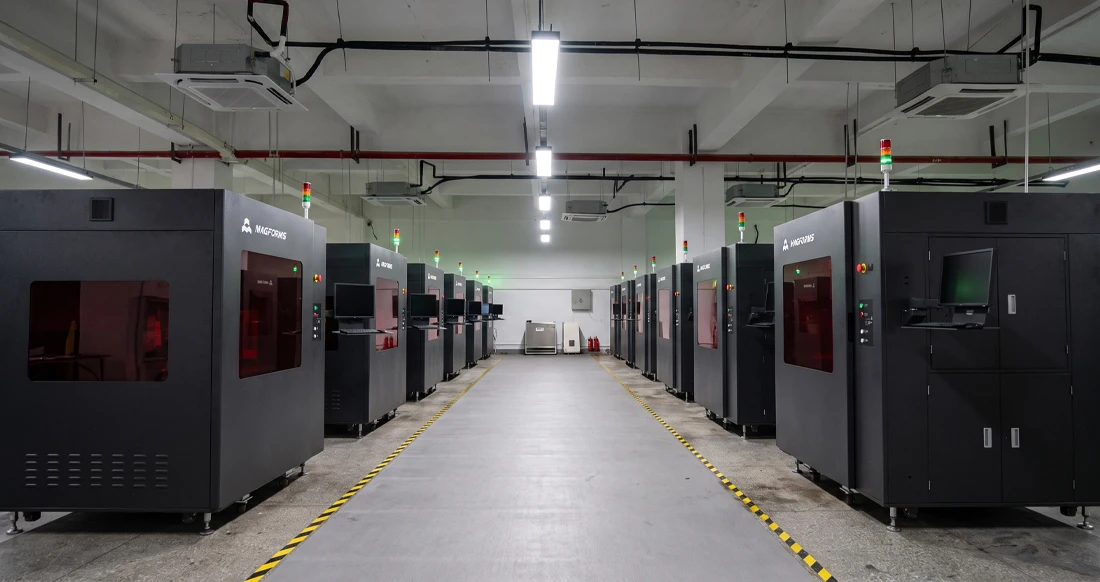
Magforms makes design and manufacture easier.
Popular Blogs
-
 Industry InsightsManufacturing Industry
FDM vs. SLA Printer: Which Technology Is Right for Your Project?
-
 Industry InsightsManufacturing Industry
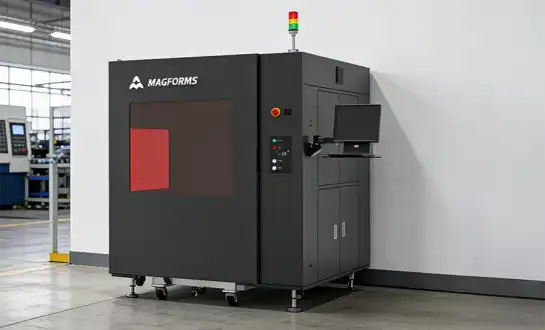
Top 5 Applications of Industrial 3D Printers in Manufacturing Today
-
 Industry InsightsManufacturing Industry
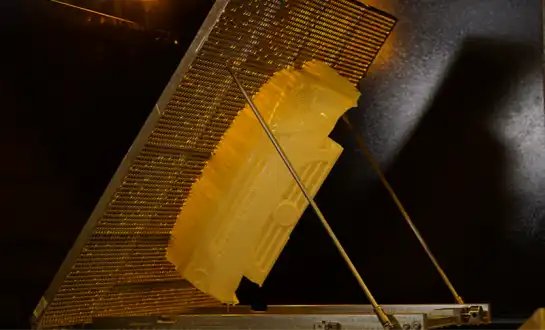
Why Stereolithography 3D Printers Are Unmatched for Microfluidic Device Prototyping?