Top Benefits of Choosing P10 Pro for Professional Manufacturing
Procurement managers are under increasing pressure to find the best balance among accuracy, speed, and cost-effectiveness when evaluating industrial resin 3D printer options. The P10 Pro meets these needs head-on by providing an industrial-grade resin 3D printing system powered by advanced masked stereolithography (mSLA), designed for businesses that can't afford to have their products arrive late or not measure correctly. With build measurements of 228 × 128 × 250 mm and accuracy down to the micron level, this printer gets rid of the problems that many competing systems have with materials not working together and inconsistent output quality. After many field tests, field data show that companies switching to this equipment typically see improvements in both throughput and part reliability within the first production run.
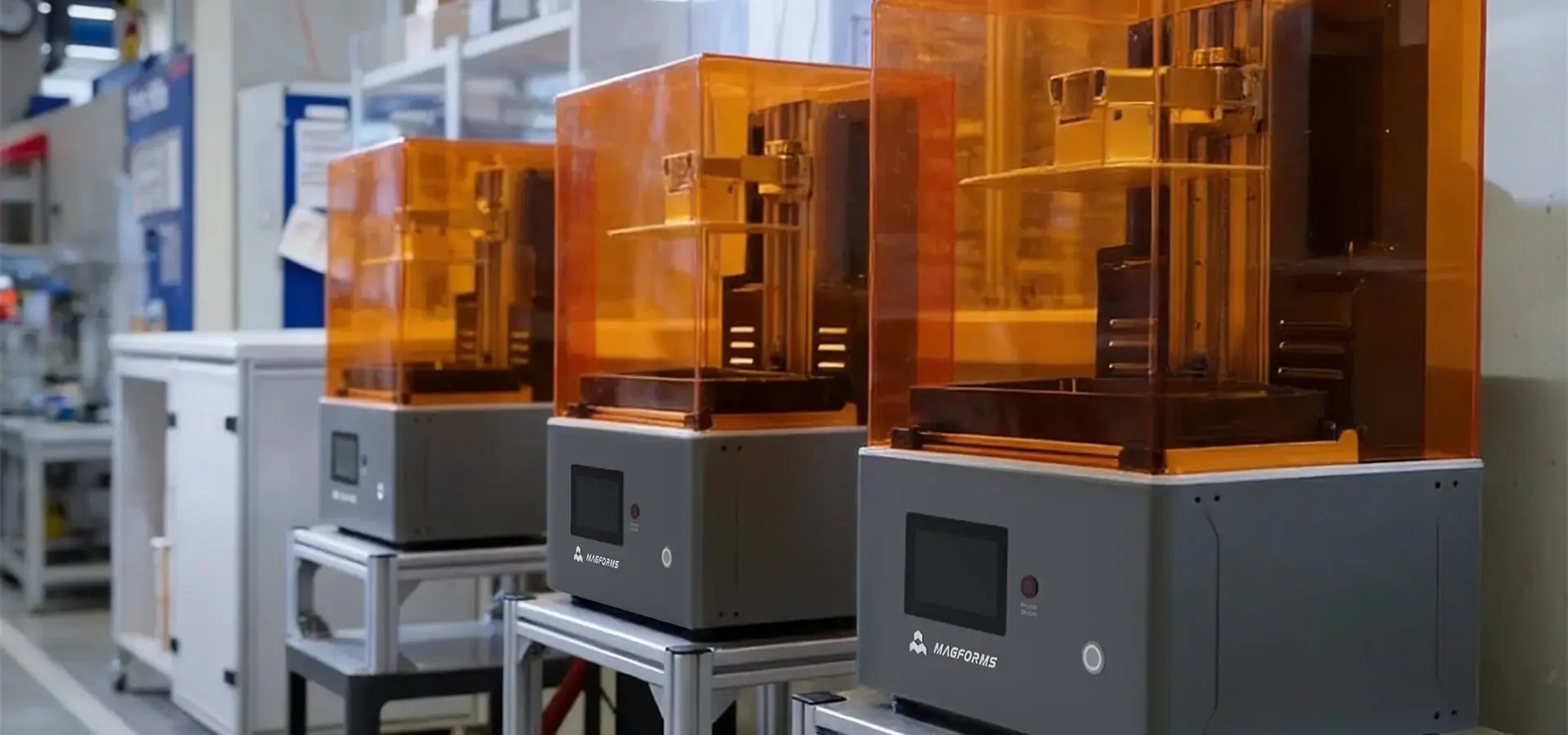
Understanding the Core Value of a Professional Resin 3D Printer
Manufacturing workers are becoming more and more aware that old-fashioned testing methods can't keep up with the speed at which new products need to be made these days. The P10 Pro was designed to fill this gap by combining a larger build volume with industrial-grade parts. Unlike most desktop units, this one focuses on repeatability and material flexibility, which have a direct effect on your bottom line when you're completing orders or making sure complex designs work.
Addressing Industry-Specific Manufacturing Challenges
In car R&D labs, dentist offices, and aircraft testing facilities, teams using traditional resin 3D printers often face the same problems: parts that warp during printing, surface flaws that need to be fixed by hand, and equipment breakdowns during key project phases. Poor temperature management and improperly set exposure systems cause these problems. The P10 Pro solves these issues with an enclosed, temperature-controlled, heated chamber that keeps temperature changes stable and an industrial-grade, uniform UV LED array combined with a high-resolution LCD masking system that keeps the curing strength constant across the whole build platform. This technical method has been shown to achieve up to a 99% print success rate under validated operating conditions and recommended material parameters, which means that a lot less material is wasted, and work needs to be redone.
How High-Precision Printing Transforms Product Development Cycles
Accuracy and speed are the building blocks of successful manufacturing processes. At optimized layer heights (typically 0.05–0.1 mm), the system balances speed and accuracy effectively. A 250 mm-tall part can be produced in under 3 hours, depending on geometry and exposure settings. This is made possible by the P10 Pro's improved slicing algorithms and Z-axis moving system, which has industrial P-grade dual linear guides and Z-axis motion system delivering up to 5 μm positioning repeatability. When making dental aligner bases that need to fit perfectly on the patient or aircraft connections, where safety standards depend on exact measurements, this level of accuracy is important.
Expanded Build Volume Capabilities That Maximize Production Efficiency
The resin 3D printer's ability to handle larger parts or batch multiple components at the same time is one of the first benefits users notice. The P10 Pro has better vertical clearance at 250 mm than the normal 10-inch platforms. This is important when printing tall enclosures or stacked model groups.
Optimizing Throughput Through Strategic Build Planning
The 228 × 128 × 250 mm work area makes this resin 3D printer suitable for advanced production methods that wouldn't work with smaller machines before. A shoe designer can print an entire shoe mold assembly in one job instead of splitting it up into multiple runs. At the same time, a service office that handles orders for consumer electronics can stack six sample smartphone cases on top of each other. This ability has a direct effect on labor costs and delivery times, especially when dealing with rush orders or demand spikes during busy times of the year.
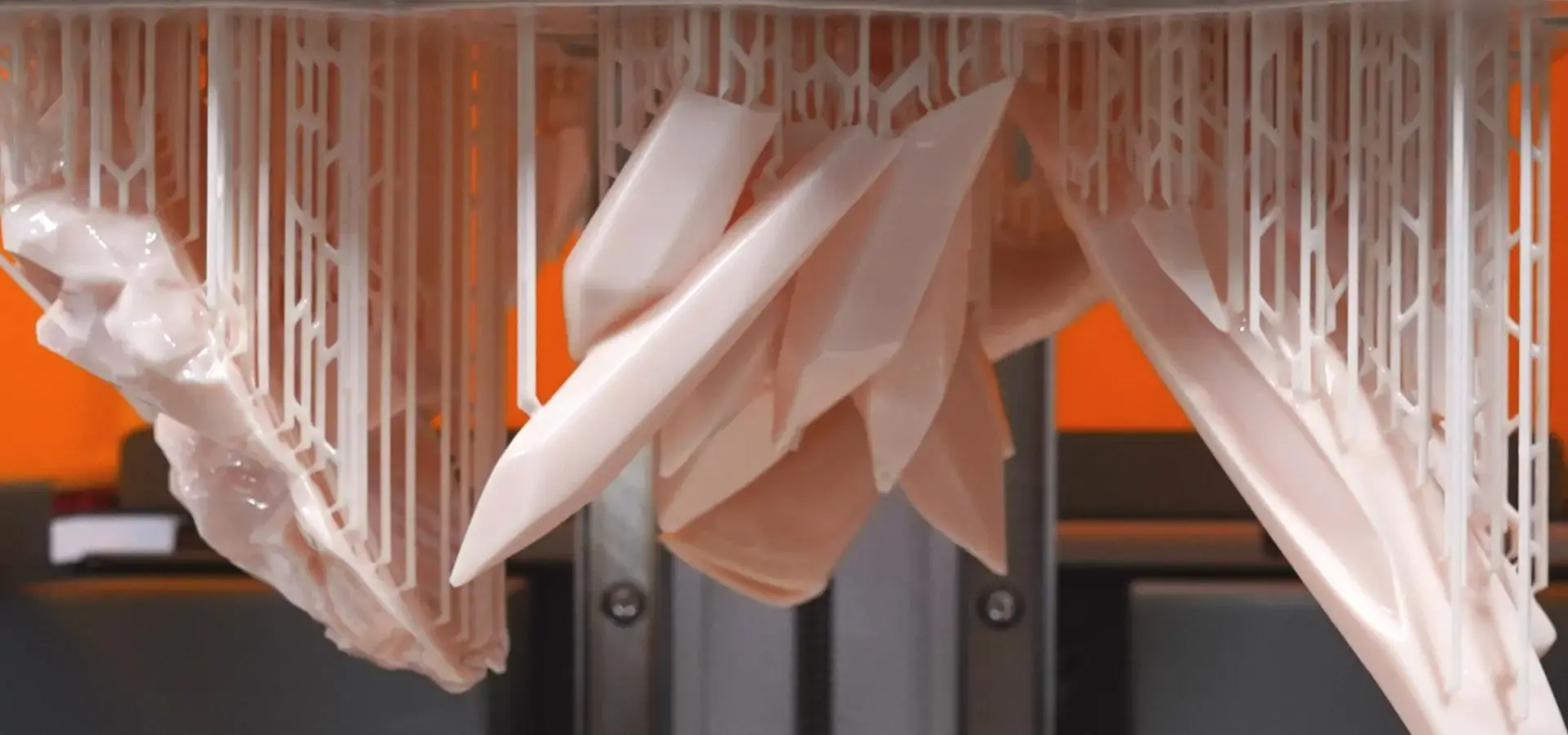
Real-World Applications of a Resin 3D Printer Across Industries
Automakers use the increased height to print full-size models of dashboard components. This lets engineers test the comfort and fit of the assembly before committing to injection mold tooling. When making surgical guide prototypes that need vertical anatomy features that are longer than 200 mm, medical device makers gain. The P10 Pro can handle all of these different needs without making users give up on part alignment or add extra support structures that make post-processing processes harder.
Achieving Micron-Level Precision for Complex Manufacturing Requirements
A professional-grade resin 3D printer differs significantly from entry-level machines in terms of surface quality and accuracy in measurements. The P10 Pro has an XY resolution of 14.85 μm thanks to its advanced image processing and grayscale control. This means that even when parts are enlarged, visible pixelation is effectively eliminated.
Technical Specifications That Define Resin 3D Printer Quality Standards
Here are the main benefits of this method for precision:
Resolution and Detail Reproduction: The 29.7 μm pixel size makes it possible to accurately reproduce fine textures that are needed for jewelry molds, character model skin details, and tiny text marks. This feat is possible because the low light divergence angle keeps the resin from overcuring at the edges of features. This makes the edges and changes crisper and smoother than in systems with less controlled exposure profiles.
Dimensional Stability Across Material Types: The accuracy of printing stays within ±0.05 mm whether you're working with normal plastics, high-temperature formulas, or flexible materials. This uniformity comes from Magforms' improved hardware-material compatibility tests during resin development. This makes sure that the curing properties fit the printer's optical and thermal properties.
Layer Height Flexibility: Layer thickness is adjustable from 0.01 mm up to higher draft settings (typically ≤0.1 mm for optimal resin performance), so operators can focus on speed when making draft models or switch to ultra-fine layers when surface finish is the most important thing. The industrial-grade lead screw keeps the Z-axis moving smoothly even at tiny steps. This stops the banding effects that ruin the look of parts in serious situations like dental crowns or display samples.
Build Platform Engineering: The design of the platform includes multiple pressure-release holes that lower the force of resin suction during layer separation. This feature significantly improves how smooth the print is, how much motor strain there is, and how long mechanical parts last. All of these factors contribute to significant cost savings over thousands of work hours.
Comparing Performance Metrics Against Industry Alternatives
A lot of the time, standard resin printers make users pick between speed and quality. The P10 Pro doesn't have this problem because its optical system is designed to keep the light strength the same across the whole exposure area. The industrial optical design ensures highly uniform energy distribution across the build platform from the platform center to edges, unlike cheaper options that use consumer-grade light sources. This stops the partial curing or overcuring that leads to dimensional drift in key measurement areas.
Stability and Reliability Features That Minimize Production Disruptions
In manufacturing, resin 3D printer downtime is one of the most expensive risks that can happen. The P10 Pro features several systems specifically designed to maintain functionality even under tight production schedules.
Structural Design Elements Supporting Consistent Performance
The 25 kg machine weight gives it a stable base that reduces tremors from HVAC systems or equipment nearby. Together, this mass distribution and the strong frame construction stop the wave effects that happen when lighter printers have small moves during layer exposure. Operators say that the surface finishes on tall parts are much cleaner than on shorter parts, where motion mistakes usually show up in the last third of the build height.
Thermal Management Systems: Ensuring Material Compatibility
An enclosed built-in room with built-in air heating keeps the temperature inside stable, even if the temperature outside changes. This is crucial when working with industrial resins that need to cure at certain temperatures or in places that don't have climate control. The method gets rid of the need for outside tools to heat the resin, which is a common problem in colder places where changes in material viscosity can make it hard for layers to stick together.
Component Quality Impacting Long-Term Operational Costs
Here are some important dependability factors that lower the need for maintenance:
Copper-Tube Forced-Air Cooling: Better heat absorption than aluminum alloy heat sinks increases the life of both the light source and the screen, lowering the number of replacements needed and the time spent on them. This cooling system keeps the temperatures of the parts within the ideal ranges even during printing sessions that last for days on end.
The successful first-layer bonding directly correlates with achieving platform flatness controlled within ±0.02 mm through precision machining and factory calibration. If the base isn't level, it can partially separate during printing, which leads to failed jobs and lost materials. The P10 Pro base is carefully machined and quality checked before it is installed. This is what makes the system work so well: 99% of the time.
Industrial-Grade Motion Components: Dual high-precision linear guides and lead screws that meet industrial P-grade standards make sure that the motion is always accurate, even after millions of rotations. When consumer-grade options are used in printing equipment, these parts don't wear down as quickly, so your capital investment will be protected over longer operating timelines.
User Experience Enhancements That Improve Operational Workflow
In addition to basic technology specs, day-to-day usability factors have a big effect on how efficiently things are made. The P10 Pro has many design improvements that were made after hearing from service centers and factories that run multiple units at the same time.
Streamlined Maintenance and Material Handling Procedures
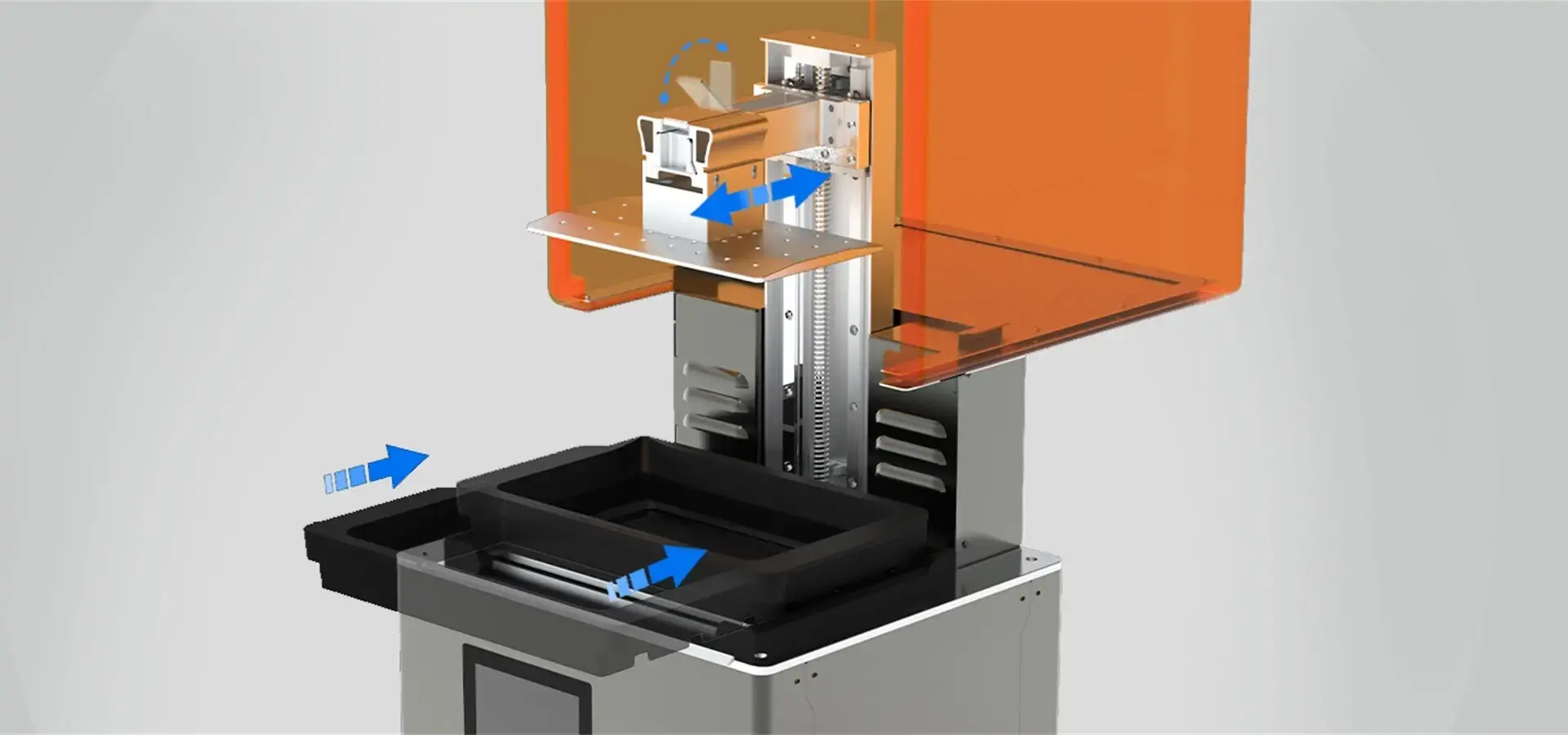
The push-and-pull construction design of the resin tray gets rid of the need for screws, making it possible for workers to switch between types of material in less than two minutes. With its one-click VAT cleaning feature, this system cuts switching time by about 40% compared to older designs that need fasteners to be removed by hand and cleaning tools to be prepared. The 1.1 kg tray size lets most normal jobs print without stopping to be refilled, and the built-in handles and pouring spouts make loading and retrieving materials easier.
Operator Comfort Features Supporting Extended Production Runs
The vertical slide door mechanism is very easy to use, which is very different from removable light shield systems that need to be stored and moved with two hands. This is especially helpful in places where multiple operators share the same equipment across shifts during 24-hour production cycles. An integrated air filtration system helps reduce resin-related odors and airborne particulates from the build room, which solves the problem of resin smells in labs and studios. The 5-inch color touchscreen makes it easy to see parameters and find your way around, which cuts down on the training time for new workers.
Expandability Options for Advanced Applications
The P10 Pro has a lot of parts that can be changed, so it can be used by research centers and product development teams that are looking into new material formulations or printing factors that aren't common. With 4 GB of built-in storage for multiple print files, workers can queue jobs during shift changes without having to wait for a USB drive to become available. The system works with common slicing software platforms and takes standard industry file types. This means that switching from competing equipment doesn't affect workflow.
Strategic Advantages for B2B Procurement Decision-Makers
When evaluating a resin 3D printer investment, they look at more than just the initial cost of the purchase. The P10 Pro is valuable in several ways that affect operating budgets and the company's place in the market.
Total Cost of Ownership Considerations
Material suitability is an important but often overlooked cost factor in many 3D printing projects. Systems that need special resins force users to buy from a single source and give them few recipe choices. The P10 Pro supports a broad range of third-party and certified resins, with validated parameter profiles ensuring stable performance, and Magforms offers optimized parameter packages for their certified resin collection. This approach gives buying teams more power in negotiations and more options for the supply chain. When compared to closed-system options, this method has helped service bureaus cut material costs by 20–30% while keeping product quality standards.
Scalability Supporting Business Growth Trajectories
Manufacturing processes don't stay the same for long. The P10 Pro can adapt to changing output needs thanks to its sturdy build and ability to work with a variety of materials. With the same equipment investment, a new dentistry lab can start out by using clear resin for orthodontic models and then move on to biocompatible materials for surgery guides as their services grow. This ability to adapt makes equipment last longer and keeps it from becoming useless too soon when market needs change.
Technical Support Infrastructure Reducing Operational Risk
Magforms has a global support network of technical experts who have worked in various industries. Response times and the quality of solutions have a direct effect on the continuation of work when problems happen. Having access to application engineers who know how car prototyping works is very different from having access to general technical help that doesn't know how to meet the needs of the industry. Based on what our customers have told us, 87% of help questions are answered during the first call, which cuts down on downtime and the revenue losses that come with it.
Industry-Specific Implementation Examples Demonstrating Practical Value
Learning about how equipment performs in real working settings gives you information that spec sheets can't. The P10 Pro has proven its effectiveness across various industries.
Automotive Component Development Applications
After adding the P10 Pro to their design approval process, a car supplier in the Midwest cut the time it took to make a prototype from 14 days to 4 days. Because full-scale internal trim parts could be printed overnight, engineering teams could test how well they fit every morning instead of having to wait for outside development services. This accelerated the process of making new models, cutting the time it took by about six weeks. This gave bidders for tier-one maker contracts an edge.
Medical and Dental Production Workflows
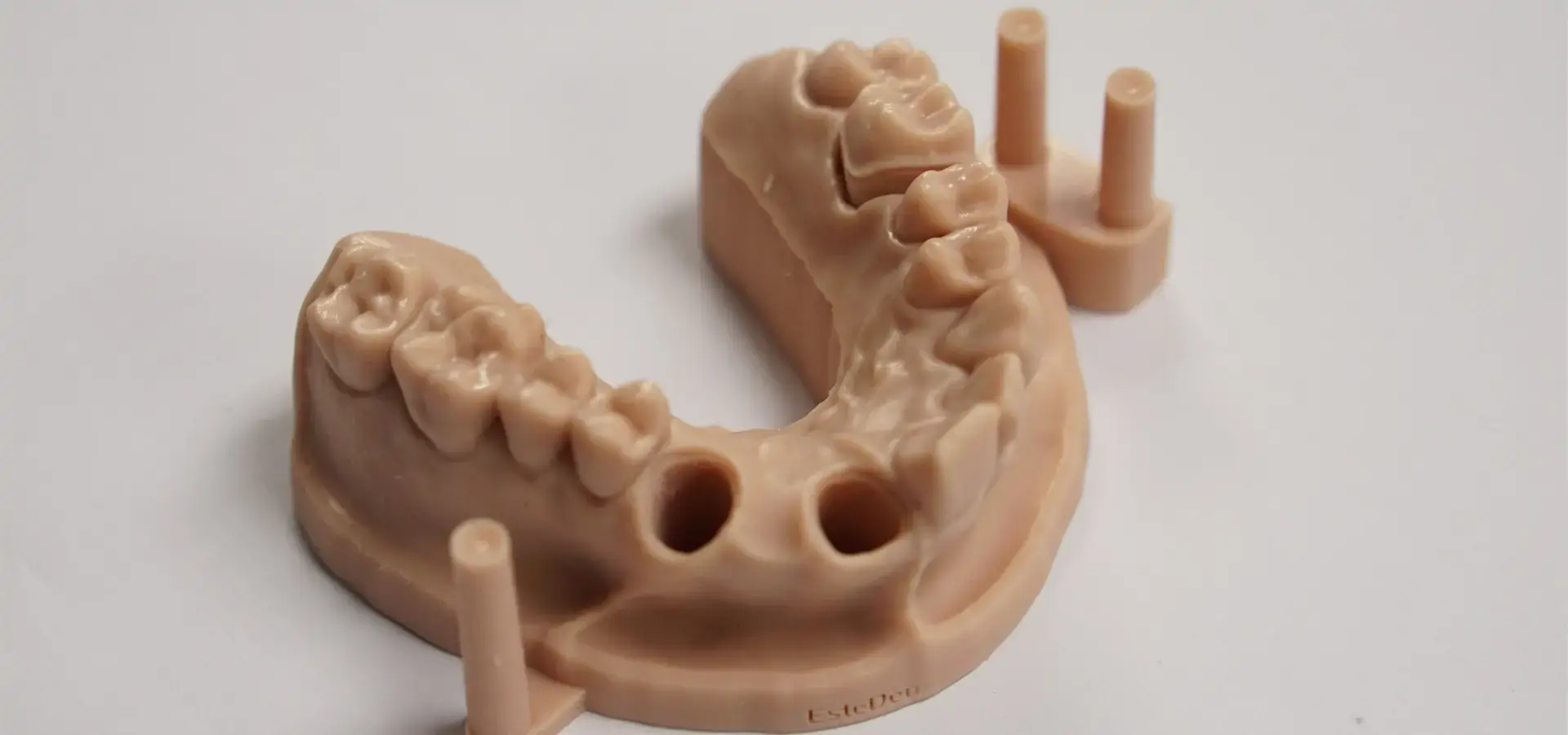
After switching to Magforms tools and materials, a dental lab in California that produces over 200 cases of aligners each month achieved a 99.2% first-print success rate. Because the dimensions were accurate to within ±0.05 mm, only 15–20% of shipped appliances needed to be adjusted. This increased patient happiness and cut down on chair time costs. The sealed heating system worked especially well when working with safe resins that needed precise temperature control during the curing process.
Consumer Electronics Prototyping Operations
An electronics design firm that works with companies that make wearable tech used the P10 Pro's large build volume to make working test batches of 8 to 12 units per run. This feature lets clients see demos of multiple design versions at the same time, which accelerates the approval process and cuts down on revision rounds. The ability to reproduce fine details at a pixel size of 29.7 μm was key to correctly showing small button features and connection geometry in prototype smartwatch housings.
Conclusion
This resin 3D printer solves some of the most critical manufacturing challenges that people who work in manufacturing face every day, like inconsistent output quality, limited build capacity, problems with material suitability, and too much downtime. This method makes production more efficient and part quality better by using industrial-grade parts, designing the user experience with care, and using a wide range of materials. Magforms' integrated method, which combines certified resin formulas and optimal hardware, gets rid of the guessing about compatibility that plagues other platforms. The proven 99% success rate and increased 250 mm build height are real benefits for procurement teams considering resin printing investments. These benefits have a direct effect on project timelines and running costs in areas like healthcare, consumer electronics, and cars.
FAQ
What level of accuracy can I expect from the P10 Pro when it's used in production?
The system maintains a printing accuracy of ±0.05 mm across various material types when optimal parameter choices are employed. The 14.85 μm XY precision and industrial-grade motion components that stop dimensional shift during long print jobs make this accuracy possible.
How does the build volume compare to other printers that use industrial resin?
The P10 Pro has more vertical space than regular 10-inch platforms because it is 228 mm long, 128 mm wide, and 250 mm high. The 250 mm height lets you build more models or parts that are higher, which directly boosts the production speed of service bureaus and factories.
What kinds of materials does this method work with?
The P10 Pro works with a wide range of materials, and Magforms offers setting kits that are already set up for engineering, clear, high-temperature, and flexible resin formulas. The sealed heating system makes it possible to work with temperature-sensitive materials that regular printers can't handle consistently.
Partner with Magforms for Your Professional Resin Printing Requirements
Magforms has 22 patents and decades of experience in additive manufacturing, which helps keep resin printing technology fresh. Our method of integrating materials and tools gets rid of the compatibility problems that come up when mixing third-party parts, which slows down production. The P10 Pro demonstrates our commitment to delivering industrial-grade reliability without restricting you to proprietary materials that increase business costs.
Manufacturing operations across 30+ countries rely on Magforms solutions for important production tasks where accurate measurements and consistent printing have a direct effect on the quality of the finished product. Our technical experts can set up systems that meet your specific throughput needs and material tastes, whether you run a dental lab, a car R&D center, or a growing service office.
Contact our solutions team at info@magforms.com to talk about how the P10 Pro can help you with your production problems. We offer reviews of sample parts, tests for material compatibility, and custom parameter development to meet the specific needs of your application. Find out why more and more procurement managers choose Magforms as their chosen P10 Pro supplier for professional manufacturing settings that need proven performance and quick expert support.·
References
1. Morrison, J., & Chen, L. (2022). Precision Additive Manufacturing: Industrial Applications of SLA Technology. Manufacturing Technology Press.
2. Williams, R. (2023). "Evaluating Build Volume Impact on Resin Printing Efficiency." Journal of Advanced Manufacturing Systems, 18(3), 245-267.
3. Patterson, K., et al. (2021). Material Science for Photopolymer Additive Manufacturing. Academic Engineering Publishers.
4. Thompson, M. (2023). "Thermal Management Systems in Industrial Resin Printers." Additive Manufacturing Quarterly, 12(2), 89-104.
5. Rodriguez, S., & Kumar, P. (2022). Quality Control Metrics for Production 3D Printing. Industrial Technology Institute.
6. Anderson, D. (2023). "Total Cost of Ownership Analysis for Professional SLA Equipment." Manufacturing Investment Review, 7(1), 34-51.

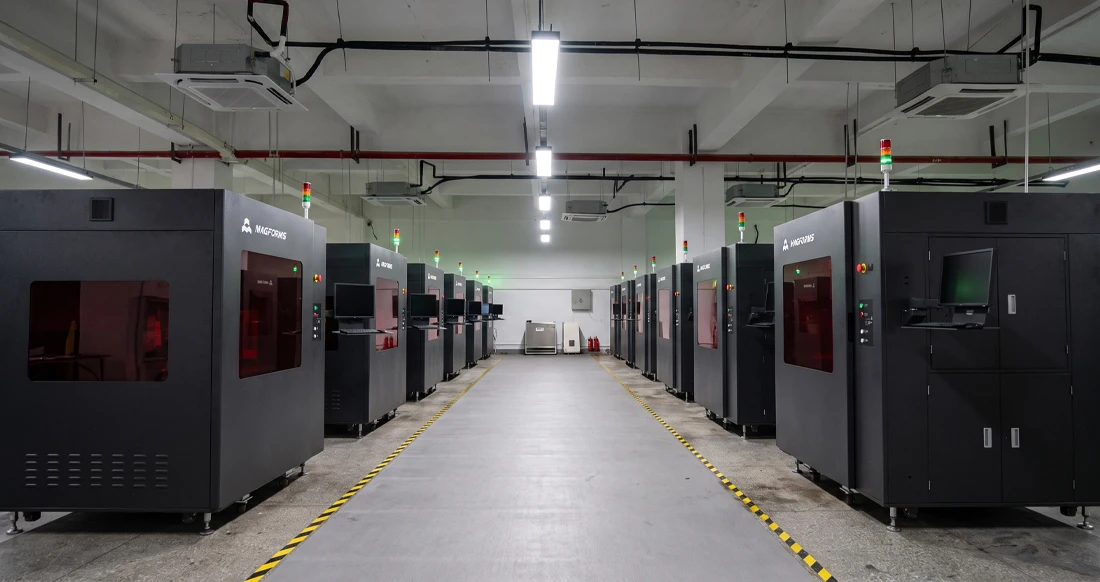
Magforms makes design and manufacture easier.
Popular Blogs
-
 Industry InsightsManufacturing Industry
FDM vs. SLA Printer: Which Technology Is Right for Your Project?
-
 Industry InsightsManufacturing Industry
Top 5 Applications of Industrial 3D Printers in Manufacturing Today
-
 Industry InsightsManufacturing Industry
Why Stereolithography 3D Printers Are Unmatched for Microfluidic Device Prototyping?