How to Choose the Right Stereolithography 3D Printer?
Choosing the right stereolithography 3D printer requires balancing precision, material compatibility, build volume, and total cost of ownership against your specific production demands. A stereolithography 3D printer uses laser-based photopolymerization to deliver micron-level accuracy and smooth surface finishes, making it indispensable for industries demanding tight tolerances—from dental prosthetics to aerospace prototyping. The selection process involves evaluating technical specifications like XY resolution and layer thickness, assessing resin ecosystem flexibility, and confirming that after-sales support matches your operational scale and uptime requirements.
Understanding Stereolithography 3D Printing Technology
What Is Stereolithography and How Does It Work?
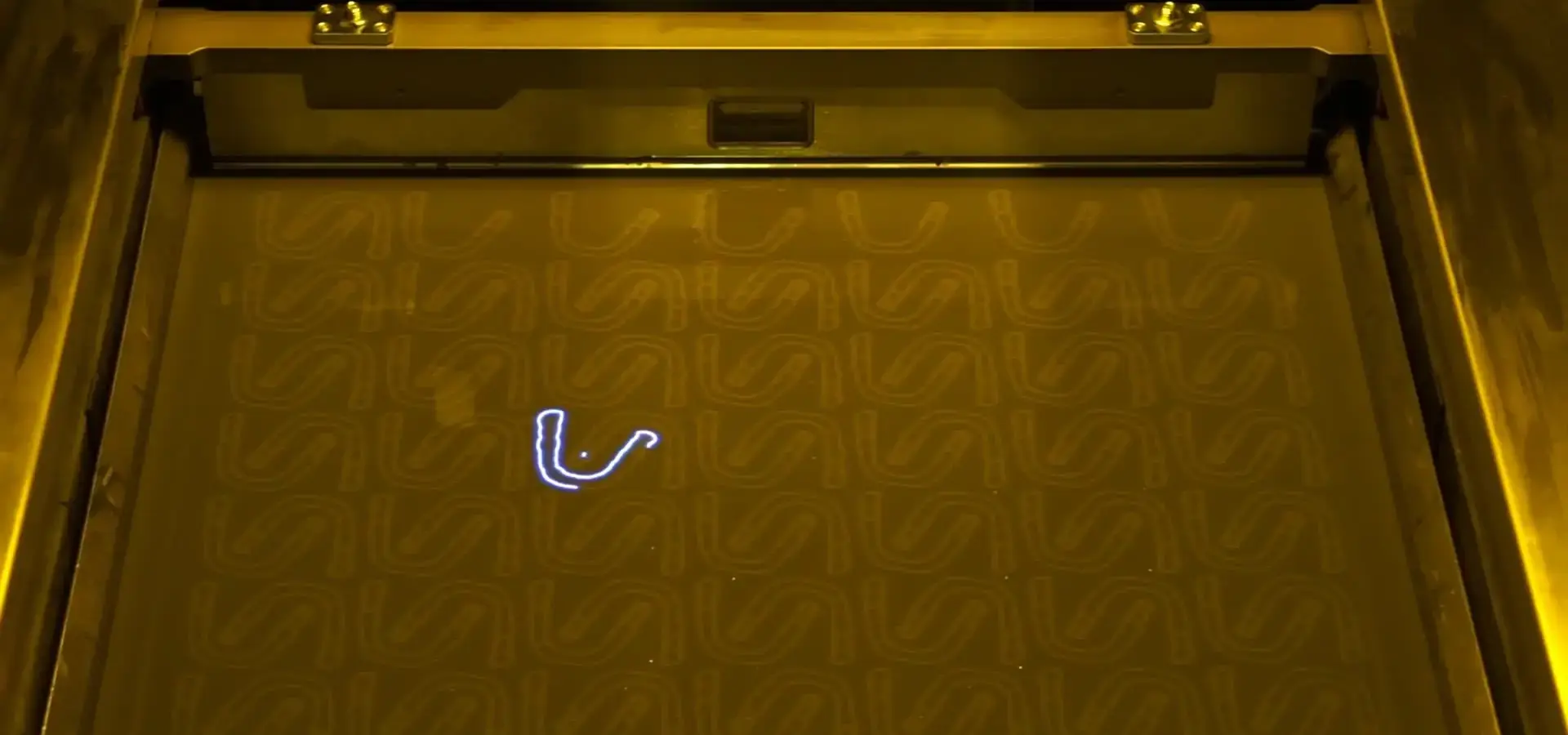
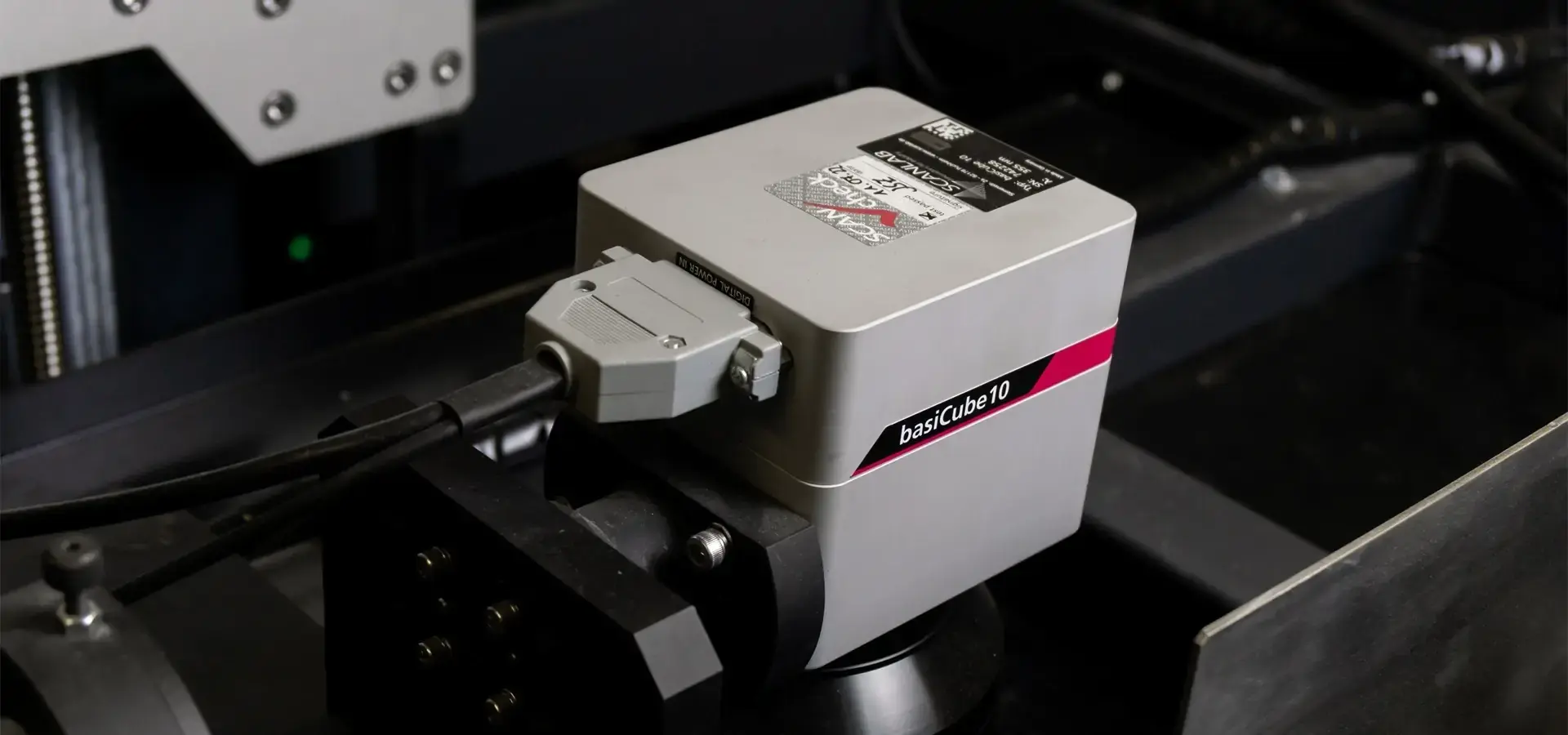
In the 1980s, Chuck Hull created stereolithography, which was the first type of additive manufacturing. The method used is called vat photopolymerization. It works by scanning a liquid photopolymer resin surface with a focused UV laser based on sliced digital model data. As soon as the laser hits the photopolymer, chemical cross-linking starts to happen. This makes the material harden layer by layer. The build platform moves down by a set amount, usually 25 to 100 microns, when a layer is dry. For the next pass, a new layer of resin covers the surface. The main parts are a precise laser system, galvanometer mirrors for quick beam positioning, a resin tank with a clear bottom, and a Z-axis actuator. Parts made with stereolithography have a surface quality like that of those made with injection molding, and their mechanical properties are more isotropic compared to FDM. Fused Deposition Modeling (FDM), on the other hand, uses thermoplastic filament that is pushed out and has layer lines and uneven strength.
Advantages Over Other Additive Technologies
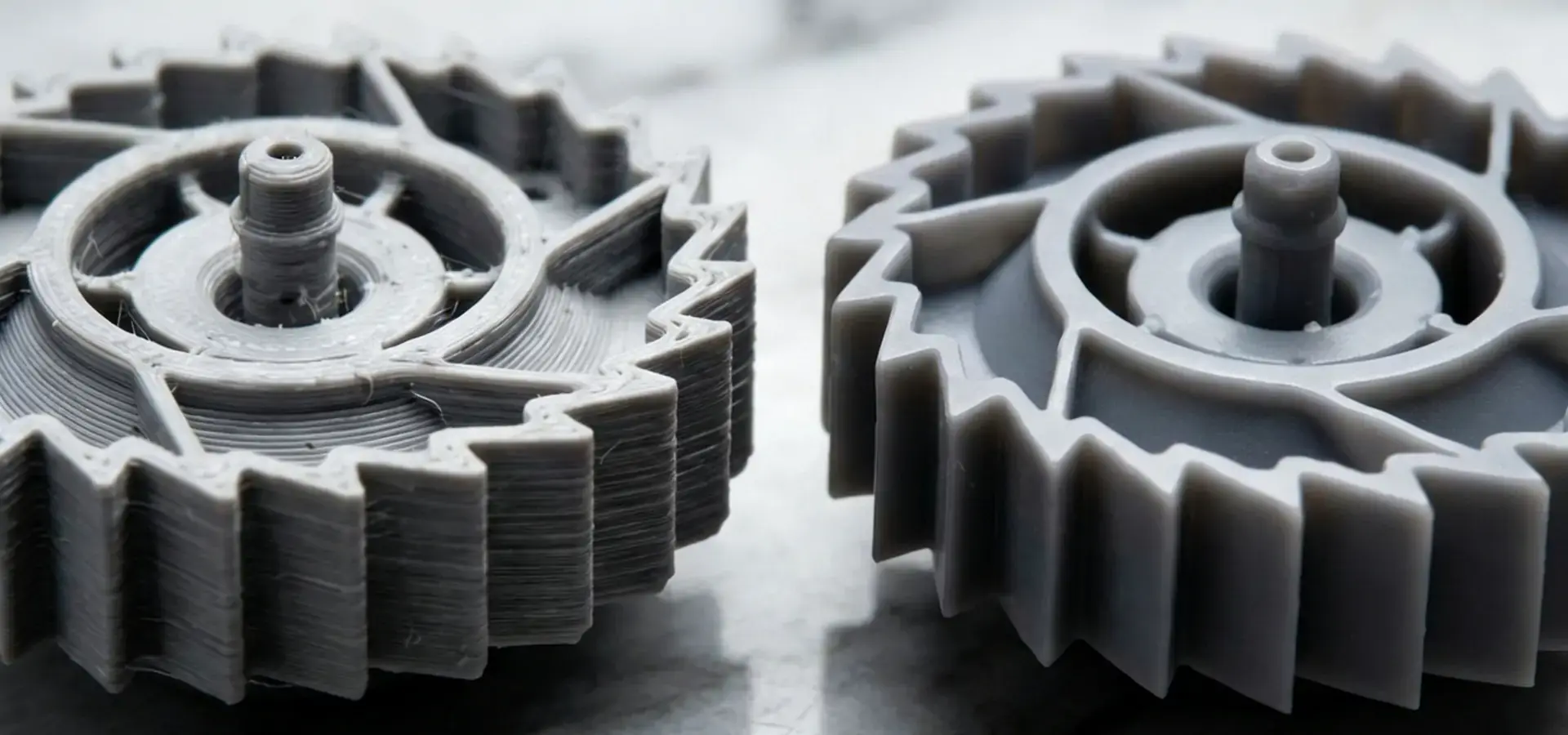
Stereolithography is better than other options, like Digital Light Processing (DLP) or Selective Laser Sintering (SLS). The resolution of a DLP system is limited by the number of pixels on the projector screen. A stereolithography 3D printer, on the other hand, can achieve very high XY resolution, primarily limited by laser spot size, optical system precision, and resin curing characteristics. Powder-based materials work best with SLS, and it can make prototypes that work. However, it typically produces parts with lower surface smoothness and transparency compared to resin-based methods, though it excels in functional strength and complex geometries. One of the best things about it is the surface finish. Parts that have been taken off of a stereolithography system typically require rinsing (e.g., IPA cleaning), post-curing under controlled UV exposure, and in some cases support removal and surface finishing depending on application requirements. Snap-fits, living hinges, and threaded inserts work reliably because the strength is the same everywhere. This means that you don't have to worry about delamination as you do with filament printing.
Common Applications Across Industries
Dental labs use printing that is based on resin to make models for aligners, surgical guides, and crown patterns. Getting the dimensions right has a direct effect on how well the patients do. Inside trim and custom jigs are made as prototypes by automotive R&D teams. This shortens the time it takes to confirm a design from weeks to days. Before sending complicated brackets and fluidic manifolds to be expensively CNC machined or cast, aerospace companies test them to make sure they work. To keep up with how quickly new products come out, companies that make consumer electronics use rapid prototyping to make changes to the designs of earphone shells and wearable cases. Copy shops make copies of famous sculptures and jewelry pieces, and shoe designers print midsoles and last models to make sure shoes are comfortable to wear before they are made.
Key Factors to Consider When Choosing an SLA 3D Printer
Resolution and Dimensional Accuracy
The two parts that make up resolution are XY (the horizontal plane) and Z (the vertical plane). The XY resolution is based on the diameter of the laser spot. For low-end machines, it's 85 microns, and for high-end ones, it's 25 microns. With a smaller spot size, you can see finer details, which is important for micro-scale features like lattice structures or microfluidic channels. Z-axis resolution, which is set by the layer thickness, affects both how smooth the surface is and how fast it can be built. Finishes that look like glass are made with thinner layers (25–50 microns), but they take longer to print. On the other hand, thicker layers (100–300 microns) are better for larger functional prototypes where speed is more important than looks. Most of the time, measurements are accurate to within 0.05 mm or 0.15% of the nominal size, whichever is larger. For most engineering tasks, this tolerance is fine. But for medical implants or aerospace parts, you might need tighter control. Check to see if the stereolithography 3D printer you're interested in has been checked by a third party and will stay accurate during long production runs.
Print Speed and Throughput
The print speed is based on how fast the laser scans, how long you let each layer dry, and how hard you peel each layer apart. Today's systems have technology that can change the size of the spot. This makes the beam wider for filling large areas and narrower for fine details. This adaptive scanning method can improve throughput significantly compared to competitors who use fixed spots. What makes a difference in how much work gets done is the size of the build platform. It takes less time to build because a 600 mm x 600 mm bed can hold many small parts or one big assembly. To make sure the printer can do the job, find out the average batch size and part size. When you over-specify the build volume, the initial cost and resin use go up. When you under-specify, you have to switch jobs, which throws off your schedule.
Resin Compatibility and Material Ecosystem
What kinds of materials a stereolithography 3D printer can work with determines how well it can do different jobs in your lab. For visual prototypes, standard resins can hold a lot of detail, and tough resins, which are like ABS, can handle being hit during functional testing. Since the Shore A hardness of flexible resins is between 40 and 95, you can use them to make gaskets and seal prototypes. Formulations for high temperatures can achieve heat deflection temperatures above 200°C for specialized engineering resins under specific post-curing conditions. This makes them good for parts inside car hoods or injection mold inserts. It is important to use castable wax resins for investment casting, which is used to make jewelry and dental crowns. The rules of ISO 10993 and ISO 13485 say that biocompatible and sterilizable resins can be used to make prototypes of medical devices. Open-material platforms let you use resin from a different company. This lowers the price per liter and keeps you from having to buy from just one company. It's easier to keep an eye on quality in closed ecosystems, but they can be less flexible and cost more to run.
Maintenance Requirements and Operational Ease
For regular maintenance, you should change the resin tank, clean the optical windows, and set the laser's parameters. This is based on the shape of the part and the peel forces. Tanks can hold 50 to 150 liters of material. Low-force stereolithography (LFS) printers have tanks that last longer because they lower the mechanical stress that builds up during layer separation. Automatic support generation, orientation optimization, and slicing can be done faster with software that is easy to use. This makes it easier for operators to learn how to use the software. You can keep an eye on jobs and update firmware from afar with cloud-based platforms, which cuts down on downtime. Look for touchscreens that are simple to use, automated or semi-automated resin handling systems, and self-leveling build platforms that make the setup process faster and less likely to go wrong.
Cost Factors and Total Investment
Stereolithography systems that are used for prototyping start at about $3,500 for small studios and startups. Units in the middle range cost between $15,000 and $50,000 and can help service bureaus make more things and move things along faster. Elite platforms are more than $100,000 and have two lasers and post-processing built in for making a lot of things. Think about more than just the price when you buy something. Resin can cost anywhere from $50 to $800 per liter, and there are also maintenance contracts that cover parts, labor, and software updates every year. energy consumption is generally lower than high-power powder-bed fusion systems, though actual usage depends on machine size and operating conditions. Capital costs can be spread out over time with leasing and financing. This helps businesses keep their working capital for things like stock and staffing.
Comparing Top Stereolithography 3D Printers
SLA vs. DLP vs. MJP: Technical Distinctions
A point-based laser is used in stereolithography. It has better XY resolution and is only limited by the beam diameter and the galvanometer's accuracy. To project a whole layer at once, DLP systems use a pixel matrix. This speeds up production of small amounts, but the resolution is limited to the screen's native pixel density. The photopolymer droplets used in Material Jetting Printing (MJP) are sprayed out like inkjets. This lets you enables multi-material printing and high-resolution detail, with some systems supporting color, though at significantly higher cost. It takes a little longer to print with SLA because it works best for jobs with complicated shapes and smooth surfaces. When you need to make simple shapes quickly, DLP is better. But when you need to make realistic anatomical models or put together multiple parts in one build, MJP is better.
Leading Brands and Model Overview
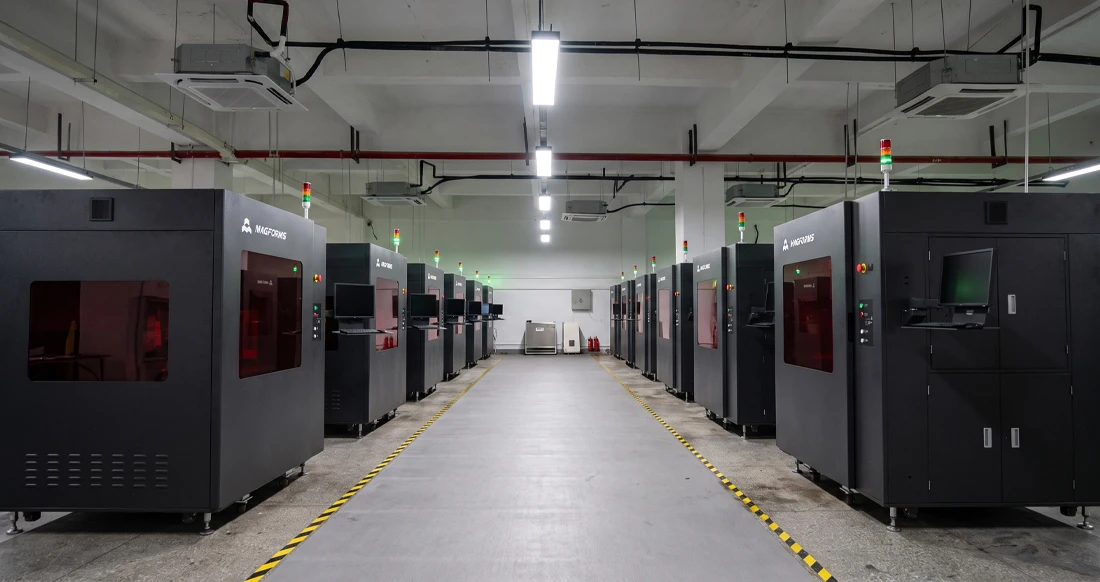
The Form series from Formlabs has a good name because it is reliable and simple to use in both the jewelry and dental markets. Desk models from Anycubic are affordable, which makes them a good choice for small design studios. Magforms stereolithography 3D printers stand out by integrating proprietary resin systems with hardware optimization, ensuring consistent curing behavior, higher print reliability, and reduced parameter tuning. This creates a synergy between the materials and the equipment. 3D Systems and Stratasys are two companies that focus on high-volume production settings. They do this by automating the handling of materials and combining post-processing. Hardware specs aren't the only thing that can make you happy in the long run. Tools for making resin, service networks, and resin libraries are also very important. Check out how fast customer service responds, how easy it is to get spare parts, and how strong the user community is before making a choice.
Printers for High-Precision Applications
For medical and dental uses, micron-level repeatability and certification that the material is biocompatible are needed. The Magforms Lab300 stereolithography 3D printer can print with spots that are less than 50 microns across and layers that are as thin as 25 microns across. Orthodontic aligners can fit perfectly, and surgical guides can line up perfectly with the body of the patient. When checking aerodynamic profiles and mechanical interfaces in aerospace and automotive engineering, it's important to be accurate with measurements. Stereolithography 3D printers that are very accurate are carefully calibrated and are often certified to meet ISO/ASTM 52900 (general terminology) and ISO/ASTM 52902 (test artifacts for accuracy validation). They also have systems that control heat so that the viscosity of the resin stays the same during long builds.
Budget-Friendly Options for Startups
Cheap stereolithography systems can be used by startups and small prototyping labs to get professional results without having to spend a lot of money. These machines, which cost less than $5,000, can make things that are about 150 mm x 150 mm x 200 mm. That's big enough for jewelry, small models, and mechanical parts. You give up speed and material choice with these units, but it's easier to try out SLA technology and see if it works for your method. Even less money is spent on running an operation when you use open-source platforms and resins from outside sources, but you have to troubleshoot and profile materials by hand more often. Whether you're making parts for outside clients or for the government, you should compare the cost of vendor support and certified material performance to the money you save up front.
Procurement and Commercial Considerations for B2B Buyers
Sourcing from Authorized Distributors
The hardware you buy will be real, and your warranty will cover it if you buy it through the official channels. You can also get help from the company that made it. You might get a deal from an unauthorized reseller, but you might get fake parts, old firmware, or service agreements that don't work anymore. To find out more about the distributor's background, visit the manufacturers' websites or ask for proof of partnership. With most distributors, you can get technical help in your own language, get spare parts faster, and be trained in your own language. International buyers should find out if there is a global service network that supports installations in different places. This would make the equipment more consistent and reduce the need to retrain operators.
Warranty, Support, and After-Sales Service
Most warranties cover parts and labor for between 12 and 24 months. However, some can go up to five years if they include yearly visits for preventative maintenance. Make it clear what normal wear is (for example, use-by dates for resin tanks and wiper blades) and ask how long it will take to fix big problems. While repairs are being made, promises of on-site service the next business day or loaner units while repairs are being done are very helpful. For tech support, you should be able to call, email, or live chat during business hours and in the language you need. Operators can find information, video guides, and community forums online, along with direct help, to help them fix small issues on their own.
Bulk Purchasing and Logistics
When you buy more than one stereolithography 3D printer at the same time, you can save money, get training on all of them at once, and make sure that the installation times work well with each other. Talk about agreements that lock in the price of resin for several years. This will keep you safe from damage in the supply chain and rising prices. Shipping logistics for big industrial printers include moving freight, clearing customs, and setting up special equipment. If you want to avoid delays and damage, work with partners who have done this before. Spare parts should include new tanks, build platforms, and optical parts so that there aren't too long wait times when maintenance needs to be done without notice. Some businesses let you subscribe to consumables and have them restocked automatically. This way, the costs are spread out over four quarters of the year.
Making the Final Decision: Matching SLA 3D Printers to Your Business Needs

Defining Project Requirements
Make a list of the parts you want to make, including how big they are, how they should fit together, what the material is like, and how many you want to make. A dental lab that makes 50 models of aligners every week needs different skills than an aerospace supplier that checks five complicated brackets every month. Writing down the desired surface finish, the post-processing workflows, and the regulatory compliance needs will help you make a detailed specification. To avoid running out of money, it's important to think about how much it will cost to own for over three to five years. This includes normal wear and tear on machines, the use of resin, labor, changes to the building, and maintenance contracts. Find the points at which you can no longer afford to produce something in-house versus hiring a service bureau to do it for you. Remember to protect intellectual property and keep an eye on lead times.
Evaluation Metrics for Printer Performance
The ISO/ASTM 52902 standard should be used as a guide for setting resolution and accuracy standards for testing dimensional tolerance. To see how good the output really is, ask for samples or set up visits to installations that are already up and running. How fast something is said to print depends on how the layers are set up and the shape of the part. Use the software that came with the printer to run your own CAD files and get a good idea of how long it will take. The lists of materials that work with your application portfolio must match them. Make sure that the stereolithography 3D printer can handle all of the resins you might need. It should be able to handle biocompatible, flexible, and castable resins without having to make any hardware changes or slow down. To make sure the materials are good for end-use testing, look at their datasheets and see what their tensile strength, elongation at break, and heat deflection temperature are.
Personalized Recommendations by Procurement Segment
When OEMs use high-throughput systems with automated post-processing, they can save money on labor costs per part and make more of the same parts. Prototyping labs that work with a variety of clients need stereolithography 3D printers that can work with a variety of materials and build platforms that can be changed quickly. When distributors sell used equipment, they should focus on brands with strong support networks in their regions and good channel margins. Universities and research institutions value open-material platforms and software that can be expanded because it lets them make their own resins and use design tools from other companies. Medical device makers have to follow ISO 13485 quality systems. When picking a supplier, it's very important to look for one with validated workflows and audit trails.
Testing Through Demos and Consultations
Hands-on demos show operational details that specs can't, like how easy the software is to use, how loud it is, and how comfortable it is to work with resin. Bring examples of your most difficult CAD files and watch the whole process, from getting the files ready to curing them afterward. Find out from the operators how to fix problems that happen a lot, and use the session to test how responsive the vendor is. Sales teams that are more consultative should come up with custom solutions instead of pushing flagship models. The technical experts at Magforms look at your production data to figure out what you need, suggest the best configurations, and give you an idea of your ROI. You can try something out for a longer time before you buy it through pilot programs or rental agreements. This lowers your risk and boosts your confidence.
Conclusion
When looking for the best stereolithography 3D printer, it's important to think about how your business goals will fit with the technical specs, material ecosystems, and customer service. Still, accuracy, speed, and adaptability are very important. But for long-term success, total cost of ownership, supplier dependability, and the ability to expand are more important. Magforms' integrated approach, which combines their own resins with hardware that they designed themselves, gives companies in many different fields the stability and performance they need. Demos, test samples, and a careful look at the return on investment (ROI) will help you find a solution that meets the strict needs of your industry, speeds up innovation, and reduces downtime.
FAQ
What Distinguishes SLA from Other Resin-Based Technologies?
A galvanometer controls a point-based laser that is used in stereolithography. This makes the XY resolution almost limitless; the only thing that stops it is the spot size. DLP systems use projectors with fixed pixels, but the resolution is low and pixels show up on curved surfaces. MSLA (Masked SLA) uses an LCD mask with UV backlight to cure entire layers simultaneously, offering high throughput for small parts, though resolution is limited by pixel size.
How Can I Minimize Downtime Through Effective Maintenance?
Set up times to clean the optical windows once a week, change the tank every 50 to 150 liters, and calibrate the laser every three months. Instead of doing things by hand, use automated resin management systems to keep things clean and free of spills. Have extra supplies and a direct line to tech support on hand in case something goes wrong. When you use remote diagnostics and thorough training programs, Magforms gives your operators more power.
Are Third-Party Resins Compatible with Closed Systems?
Printers in a closed ecosystem use cartridges with RFID tags or special formulas that keep outside materials out. You can use any resin on an open platform, but the exposure times, peel speeds, and support parameters need to be set by hand to get the best results. Before you decide to use third-party sources, you should compare the money you might save on materials to the problems that could happen with quality and your warranty.
Partner with Magforms for Your Stereolithography 3D Printer Needs
Magforms stands as a trusted stereolithography 3D printer supplier, combining 22 patents and 30 trademarks with proven global reach across 300-plus enterprises. Our unified material-equipment solutions get rid of problems with compatibility, which lets you print 30% faster, with accuracy down to the micron level and the highest uptime in the business. Our skilled staff makes sure that the setups work well with your budget and workflow, no matter if you run a dental lab, an aerospace R&D center, or a cultural design studio. Email us right away at info@magforms.com to set up a meeting, get sample parts, or see our newest systems in person. Because we have a stable supply chain, we can offer full warranties, financing options, and quick access to spare parts. You can trust us to help you quickly and accurately make prototypes of your design ideas.
References
1. Hull, C. W. (1986). Apparatus for Production of Three-Dimensional Objects by Stereolithography. United States Patent and Trademark Office.
2. Gibson, I., Rosen, D., & Stucker, B. (2015). Additive Manufacturing Technologies: 3D Printing, Rapid Prototyping, and Direct Digital Manufacturing (2nd ed.). Springer.
3. ISO/ASTM 52900:2021. Additive Manufacturing — General Principles — Fundamentals and Vocabulary. International Organization for Standardization.
4. Jacobs, P. F. (1992). Rapid Prototyping & Manufacturing: Fundamentals of Stereolithography. Society of Manufacturing Engineers.
5. Melchels, F. P., Feijen, J., & Grijpma, D. W. (2010). A review of stereolithography and its applications in biomedical engineering. Biomaterials, 31(24), 6121-6130.
6. Chartrain, N. A., Williams, C. B., & Whittington, A. R. (2018). A review on fabricating tissue scaffolds using vat photopolymerization. Acta Biomaterialia, 74, 90-111.

Magforms makes design and manufacture easier.
Popular Blogs
-
 Industry InsightsManufacturing Industry
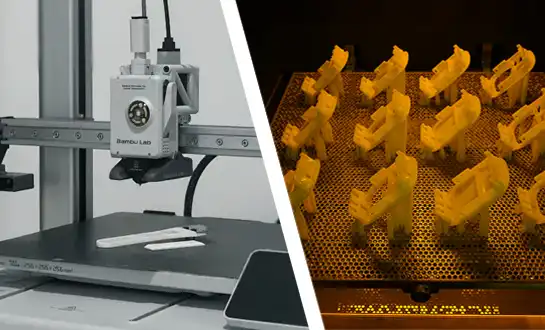
FDM vs. SLA Printer: Which Technology Is Right for Your Project?
-
 Industry InsightsManufacturing Industry
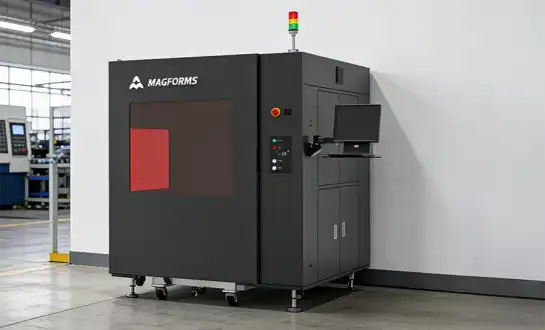
Top 5 Applications of Industrial 3D Printers in Manufacturing Today
-
 Industry InsightsManufacturing Industry
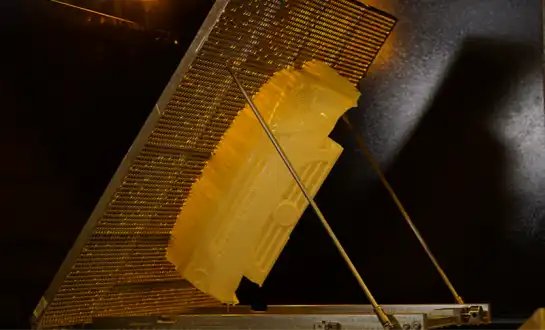
Why Stereolithography 3D Printers Are Unmatched for Microfluidic Device Prototyping?