What Makes P13 Pro Stand Out in Large-Scale 3D Printing?
Manufacturing teams ask what makes outstanding industrial 3D printers and large-format resin 3D printer systems different from other tools. The answer is performance that can be measured, reliability that can be counted on, and the ability to change to real-world situations. Magforms' P13 Pro directly handles these issues by combining industrial-grade masked stereolithography (mSLA) 3D printer technology with careful engineering made for environments with a lot of output. This machine has a build volume of 302 × 162 × 380 mm, which is a huge vertical space that can fit full-size prototypes, batch production of useful parts, and specialized tasks like making shoes. This industrial 3D printer is a reliable choice for many fields, from cars and aircraft to medical devices and consumer electronics, thanks to its micron-level accuracy validated through controlled testing conditions, strong thermal management, and user-friendly interface.
Assessing Current Challenges in Large-Scale 3D Printing Workflows
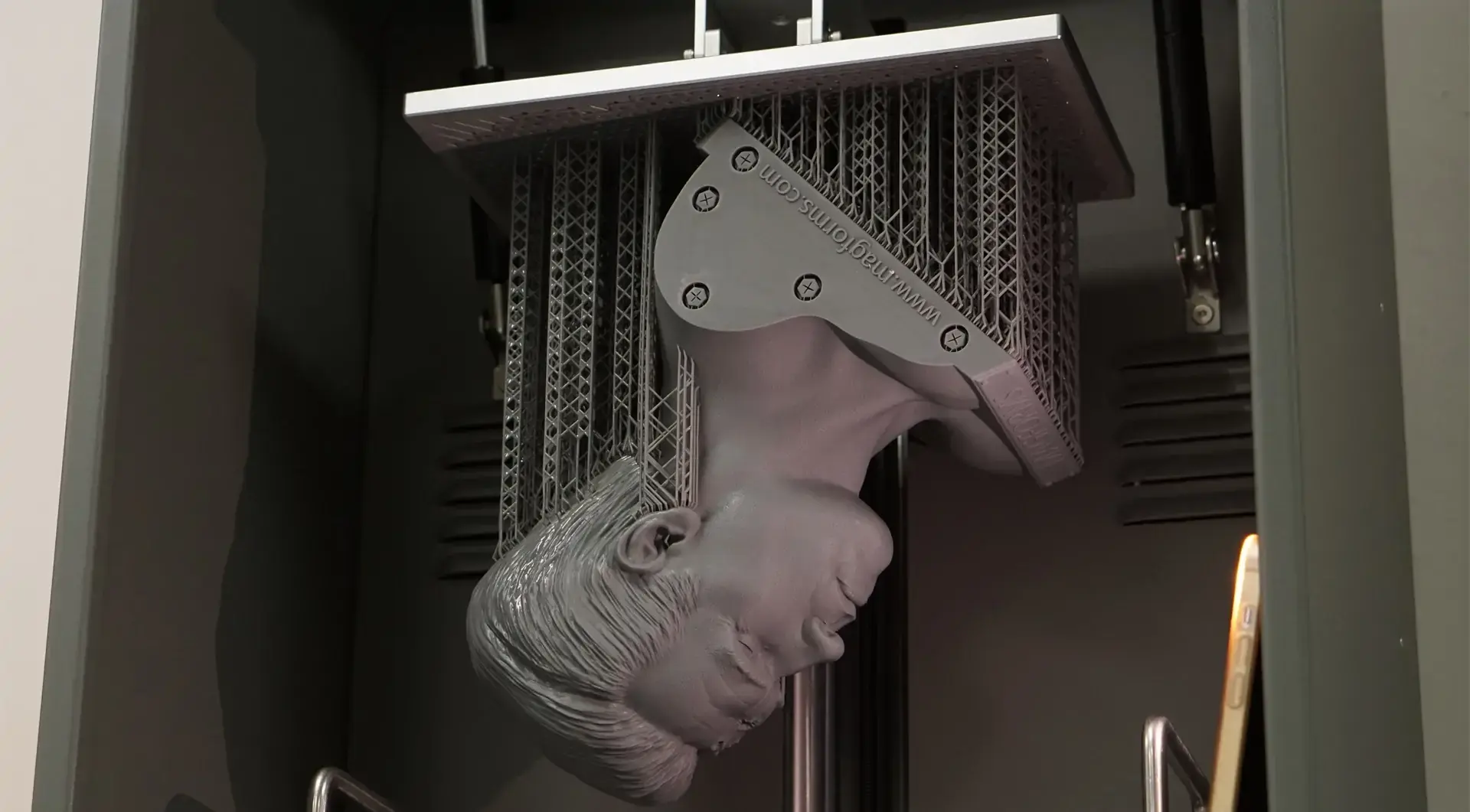
Managing large-scale additive manufacturing with industrial 3D printer systems, large-scale additive manufacturing workflows come with their own set of challenges that have an impact on both output and profits. A lot of production teams have trouble with machines that can't keep the dimensions correct over long print jobs, which wastes expensive materials and causes projects to be late. Temperature changes during long print processes cause bending and layer irregularities, especially when the weather changes throughout the day or from season to season.
Traditional resin-based 3D printer systems (including SLA and mSLA) often require significant manual intervention, like heating resin tanks when they're cold, recalibration often when materials change, and fixing problems that happen when moving between types of resin. When production plans call for quick turnaround on client products or fast prototyping changes, these wastes get worse. Technical leaders and workshop managers need tools that keep quality standards high and don't depend too much on the operators. On the other hand, procurement managers have to weigh the initial capital investment against the long-term running costs, such as the frequency of upkeep, the limits on material compatibility, and the possibility of downtime during busy production times.
Build volume limits are another problem that keeps coming up. Many mid-range industrial printers require makers to cut bigger parts into multiple pieces, which adds work after the fact and increases the chance of alignment mistakes during assembly. This is a big problem in fields like shoemaking, where printing whole sets of shoe lasts at once is much more efficient than printing them one at a time.
Core Advantages That Define the P13 Pro Experience
When you look at how this P13 Pro industrial 3D printer system addresses the problems we talked about above, you can see the tech choices that went into Magforms' design theory. The development team didn't just make small changes to current solutions; instead, they worked on major improvements in three key areas: build capacity, precision engineering, and operational reliability.
Exceptional Build Volume and Vertical Capacity
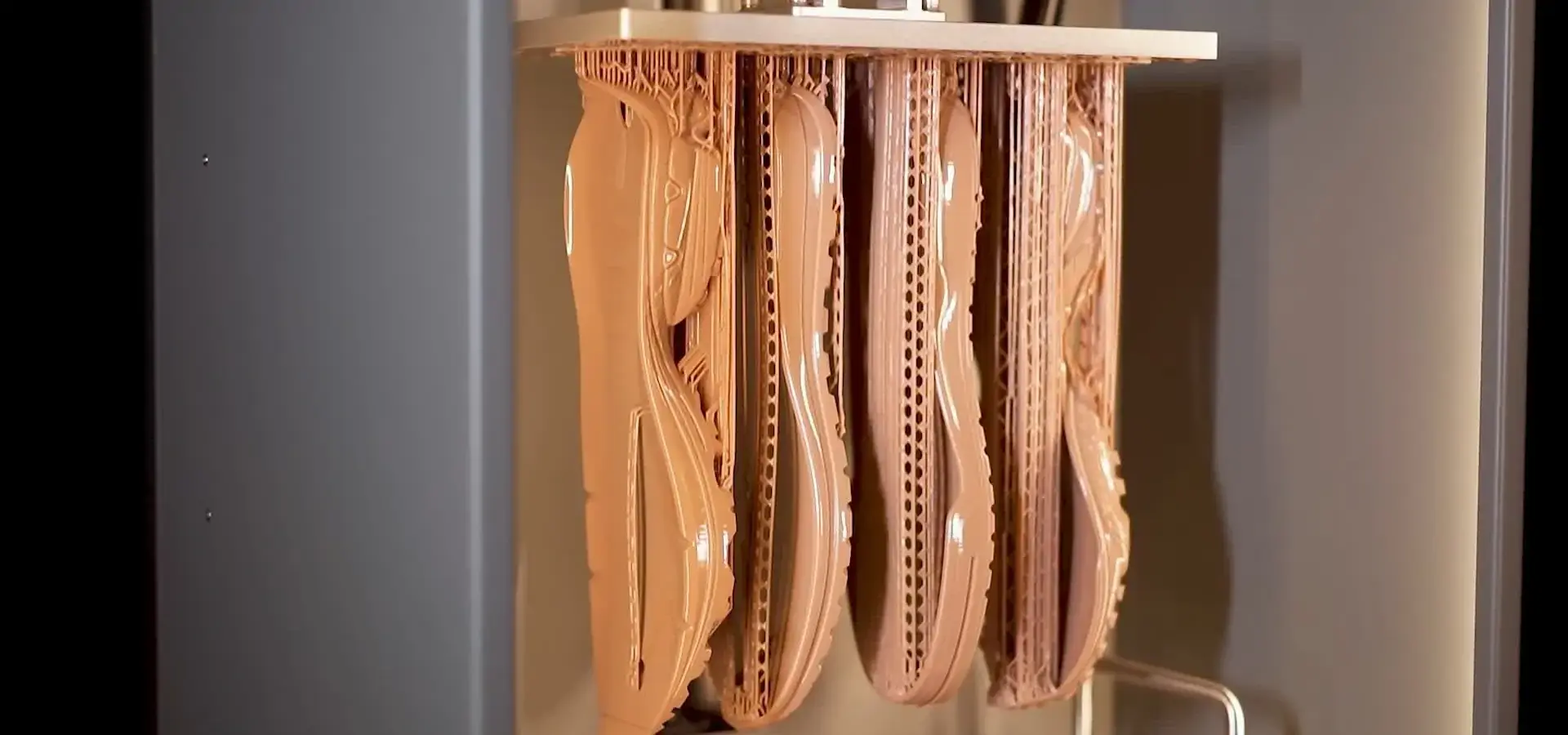
This printer's build height of 380 mm is higher than most of its competitors in the same size class, which can be useful in some situations. The whole build area is 302 × 162 × 380 mm, which lets production teams get the most out of each print run. This feature is especially useful for developing shoes, since the system can make 12 full shoe lasts at the same time, each one measuring 98 × 36 × 268 mm. This batch feature works for all normal shoe sizes up to 380 mm tall, so you don't have to do multiple print runs to make full product lines.
Speed and ability work well together in important ways. When printed at 0.2 mm layer thickness, a 300 mm tall model can be finished in about 3 hours and 15 minutes. This means that makers can go from digital design to real validation in the same work shift. This quick turnaround supports iterative design workflows commonly used in engineering validation cycles where engineers need to fit in many rewrite rounds into short development cycles.
Precision Engineering and Surface Quality
The accuracy of this printer's measurements comes from its advanced image-processing technology. The system achieves up to 10 μm pixel resolution in the XY plane through grayscale exposure control in its LCD-based mSLA 3D printer architecture. This significantly reduces pixelation artifacts commonly seen in lower-resolution LCD 3D printers that lower the quality of the surface finish on rival equipment. This level of detail reproduction is necessary when making parts for consumer goods, medical devices, or any other use where how something looks and feels affects how the end user sees it.
On 100 mm models, the accuracy of the dimensions is ±0.05 mm, which aligns with typical tolerance requirements in aerospace and automotive prototyping workflows. Several parts of the design work together to make this uniformity. The industrial-grade collimated LED light engine ensures uniform UV exposure across the build area that ensure the photopolymer resin cures precisely with little light scatter. Surface striations—those obvious layer lines that often need a lot of post-processing work on parts from less advanced systems—are cut down by this controlled hardening process.
Material flexibility makes this precise advantage work with a wider range of resin formulas. When you print with standard resins, engineering-grade materials, or special formulations for high-temperature or flexible uses, the optimized optical system and matching process settings give you a smooth surface. Because of this, factories can serve a wide range of businesses without having to keep separate sets of tools for each type of material.

Stability Features That Ensure Consistent Performance
Professional-grade equipment is different from consumer-grade equipment because it is more mechanically stable. The 58 kg frame is made of metal and has a lot of mass, which reduces vibrations during the printing process. This choice in design directly addresses the surface ripple effects, also known as water-wave patterns, that happen on lighter machines, especially during tall vertical builds where combined motion can cause flaws.
The industrial P-grade dual linear guide rails make motion control very precise, allowing for parallel motion accuracy of 7 μm. With an industrial-grade high-precision lead screw driving the Z-axis movement, the system keeps the placement of layers uniform over long print jobs. This mechanical accuracy means that the surface features are smoother and there is a lower chance that the print will fail when making complex shapes or structures with thin walls.
Managing thermal stability is another critical factor in print consistency. The dual heating system has heating ports on both sides of the resin pot. This makes the temperature even and stable, no matter what the outside conditions are. This gets rid of the usual issue of performance changes with the seasons, where printers that don't have active heating have to go through time-consuming preheating steps in the winter. Stable temperature control also makes more materials compatible, since many photopolymer resins used in industrial 3D printing perform best in a small range of temperatures.
The light source unit integrates 91 high-density industrial LEDs, which is higher than typical LED array densities in comparable industrial mSLA 3D printer systems. This density makes sure that the light is spread out evenly across the whole build platform. This stops the uneven curing patterns that lead to differences in size or early print failures. A better cooling system keeps LED working temperatures fixed, which extends the life of the parts and makes sure that the equipment always gives off the same amount of light.
User Experience Enhancements That Streamline Daily Operations
You can only get part of the picture from technical specs. Whether a machine is a valuable tool or a constant source of frustration depends on how well it works during routine operation, which includes the hundreds of small tasks that make up a standard work week.
The constant-temperature heating device that is built in gets rid of a typical problem: preheating the resin. When it's cold outside, facilities that don't have this feature have to use water baths or special heating equipment, which takes extra time and makes it more likely that an operator will make a mistake. With built-in temperature control, operators only need to load the build platform and initiate the print job, which cuts down on setup time and improves the accuracy of work.
An air filter in the building helps keep the workplace safe and comfortable. The built-in system takes in and screens out resin smells, keeping the workplace nice even during long production runs. This function is especially useful in shared buildings where 3D printing equipment is used with other manufacturing tools.
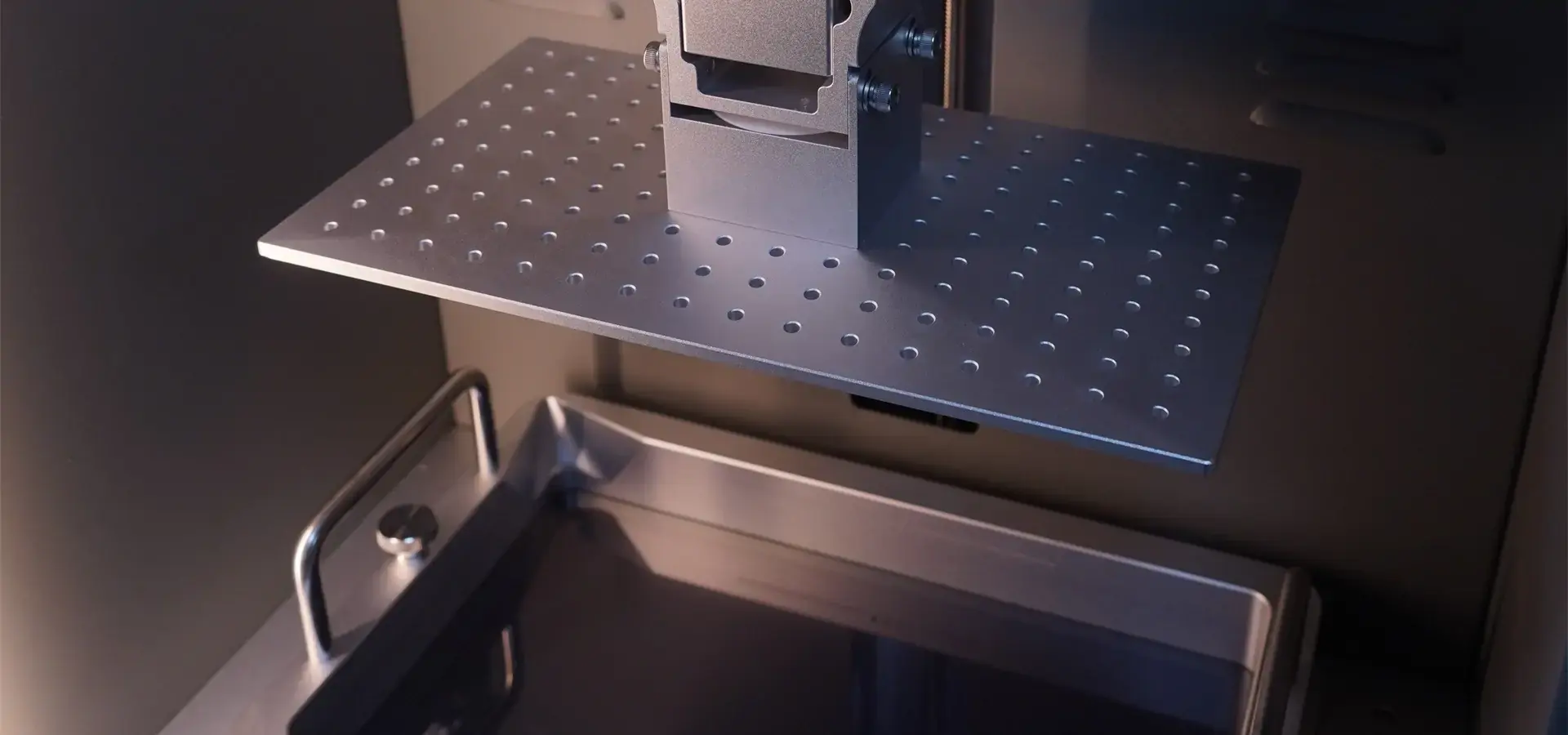
The up-and-down push-pull door system is an example of well-thought-out mechanical design. Unlike split-cover designs that need to move and store big parts of the case, this method makes it easy to use with just one hand. The hidden lighting system turns on automatically when the chamber is opened and off automatically when it is closed. This makes it easy to see while inspecting parts without having to use light switches.
The plastic vat design includes useful features like a handle built in, a pouring spout, marks for the capacity, and four positioning pins for accurate installation. This 2 kg volume lets you print for longer periods of time without having to refill in the middle of the job, and the one-button resin tank cleaning function simplifies routine maintenance procedures between material changes. When the imaging screen needs to be replaced, which is a regular repair job for any SLA system, users just take off the tape that holds the screen in place instead of going through complicated removal steps.
Automated leveling makes setting easier and makes sure the first layer sticks well. Once the leveling cycle is over, only four screws are used to attach the build platform. The 5.0-inch color tablet makes it easy to see and change parameters, and direct parameter adjustment lets experienced users fine-tune settings without having to connect extra software.
When moving between resin types, pre-configured material patterns make the process go more quickly. Each suitable material comes with a process parameter package that can be imported with just one click. This gets rid of the need to try things out and see what works, which wastes materials and time when working with new formulas.
How Magforms' Integrated Approach Delivers Competitive Advantages?
The bigger picture of Magforms' business plan makes these machines even more useful. Magforms works together with researchers to create both printing systems and suitable resins. This is different from companies that only make tools or materials. This unified method gets rid of the compatibility questions that come up in mixed-vendor workflows, where materials and tools come from different sources and there is no way to optimize them together.
Materials and tools that are matched go through joint development cycles. This makes sure that the chemistry of the resin mixture works perfectly with the printer's optical properties, heating profiles, and mechanical motion parameters. When compared to situations where third-party materials add unknown factors, this synergy lowers the number of print failures and dimensional differences. Predictable, repeated results help with quality control and cut down on material waste in production sites.
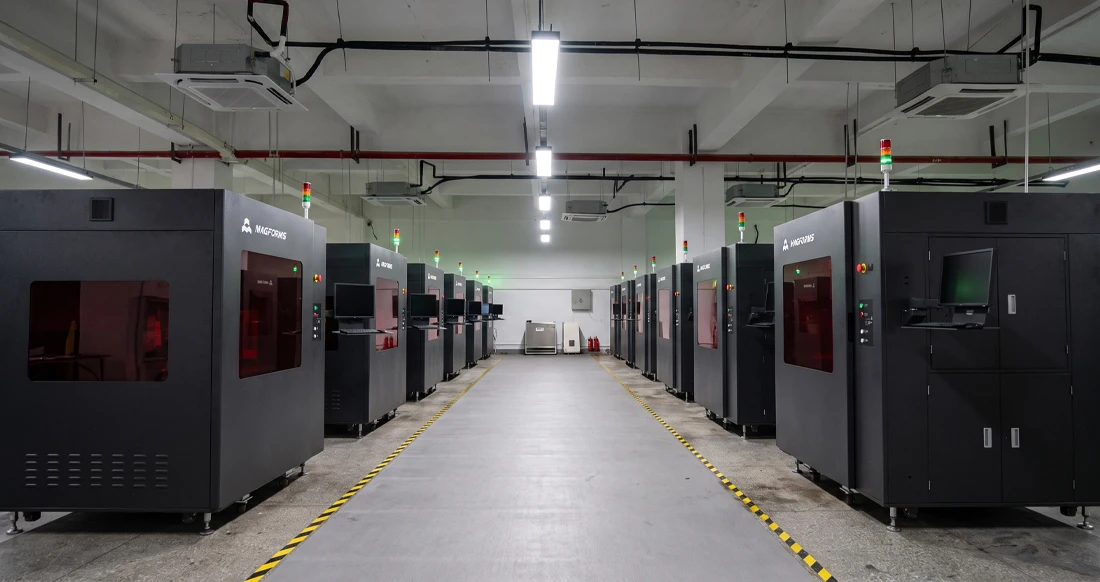
Magforms works with over 300 businesses in a wide range of industries in dozens of countries around the world. This large group of deployments gives useful real-world feedback that helps the product keep getting better. The company keeps investing in its own technologies that make its products stand out from generic ones. The company's commitment is shown by the fact that it has 22 patents and P13 Pro filed trademarks. Active involvement in industry events in Europe and Asia shows a dedication to learning about the needs of local markets and connecting with professional groups.
This environment for tools and materials is supported by a technical support infrastructure. Magforms has specialized teams with experience in a wide range of application areas. These teams can help with more than just simple fixing. They can also help with process optimization, material selection, and developing parameters that are specific to an application. This knowledge is especially useful for companies that want to make new types of products or look into using modern materials in tough situations.
Practical Applications Across Diverse Manufacturing Sectors
The capabilities of this industrial resin 3D printer have real-world applications in several different fields, each with its own set of standards and evaluation factors.
Development and Production of Footwear: Being able to print 12 shoe lasts at once changes how footwear brands do testing. Designers can test full-size runs in a single print cycle, which speeds up fit approval and cuts down on the time it takes to get new styles on the market. Dimensional accuracy makes sure that molds exactly match digital specs, and surface quality cuts down on the work that needs to be done after the molds are made before they can be used for production.
Automotive Prototyping: The development of interior parts is helped by the mix of build size, material compatibility, and surface finish quality. Engineers can use engineering-grade resins to make full-size panel parts, trim pieces, or special fittings that can stand up to functional testing. The quick turnaround allows for iterative design improvement within the tight development schedules that are common in car projects.
Applications in medicine and dentistry: Accurate measurements are very important when making surgical guides, bases for orthodontic aligners, or models of the body for planning surgery before it happens. The accuracy of ±0.05 mm supports applications that require high dimensional accuracy, subject to material certification and regulatory compliance, and the availability of biocompatible and certified photopolymer resins supports regulated applications. Having batch capacity lets dentistry labs work on more than one patient's case at the same time, which increases output without lowering quality.
Aerospace Component Validation: Making small amounts of complicated structural parts requires accuracy and good material performance. The steady temperature and high-resolution curing make it possible to print complex shapes like thin-walled cages or internal lattice structures. Because it works with high-temperature materials, functional testing can be done in situations that are similar to those that will be used in real life.
Consumer Electronics Prototyping: The electronics industry needs tools that can keep up with the design changes because products are changed quickly. Agile development methods are supported by the fact that a real prototype can be made within hours of a CAD change. A good surface quality for user testing cuts down on post-processing work, and a range of materials meets the needs of both structural and aesthetic proof.
Strategic Considerations for Procurement Teams
Choosing the right equipment means weighing a lot of different factors that go beyond the main specs. When purchasing managers look at industrial 3D printing systems, they should think about the total cost of ownership over the whole lifecycle of the equipment. This includes how much consumables cost, how much upkeep is needed, and how easy it is to get expert help.
Magforms' integrated materials-and-equipment plan makes costs clear in a way that mixed-vendor methods can't. Matched resin formulas get rid of the costs of tests for compatibility and the waste that comes from failed prints during material approval. When new materials are added to production routines, engineers usually need to spend a lot of time setting up new process factors.
The strong mechanical design means that it should need less long-term upkeep than lighter-duty tools. Industrial-grade parts like the precision lead screw and dual linear guide rails show that engineers chose to make things that will last longer rather than ones that will cost less at first. The better light-source cooling system makes LEDs last longer, which lowers the number of times that one of the most important and possibly expensive parts of the system needs to be replaced.
Infrastructure for after-sales help is another thing to think about when buying something. Magforms offers technical training programs that help production teams get the most out of their tools. This makes it easier to add new technology to current processes because the teams don't have to learn it all at once. Software updates keep it compatible with new file types and slicing software, so your investment in tools doesn't go out of style too soon.
Conclusion
The P13 Pro stands out because it has a number of useful features that make it better at solving real business problems, rather than just adding small changes to specs. The high build height, precise engineering, and steadiness of this product directly address problems that production teams face when using large-scale 3D printing programs. Thoughtful improvements to the user experience make daily tasks easier for operators and make the process more efficient. Magforms' unified approach to developing materials and tools provides a level of dependability that mixed-vendor solutions find hard to match. This system has the features that serious production settings need, whether it's for fast testing in car design studios, batch production in shoe development, or precise work in medical device manufacturing.
FAQ
What industries benefit most from the P13 Pro's capabilities?
The most value is seen in manufacturing areas that need a mix of build volume, precision, and material flexibility. Companies that make shoes use the batch capacity to make shoe lasts. Engineers who work on cars use the method to make full-size prototypes of interior parts. Medical and dental centers like how accurate the measurements are for surgery guides and braces. The safety of complex structure parts is important to aerospace teams. During product development stages, fast iteration is helpful for people who work on consumer electronics.
How does the dual heating system improve print reliability?
Even spread of temperature gets rid of hot and cold spots in the resin vat, making sure that the material's texture is the same all over the build platform. This steadiness is especially important during long print jobs, when changes in the room temperature could cause warping or problems with layer bonding. The method also gets rid of the need for hand preheating, which cuts down on setup time and operator variation between print runs.
What maintenance requirements should facilities plan for?
For regular upkeep, the resin vat needs to be cleaned between material changes (the one-button cleaning function makes the task easy), and the imaging screen needs to be checked for resin contamination every so often. Industrial-grade parts need to be serviced less often than parts for private machines. Because the cooling system is better, LEDs last a lot longer. Magforms gives sites thorough maintenance schedules and technical support to help them set up preventive maintenance plans that work with their production needs.
Partner with Magforms for Your Large-Scale 3D Printing Needs
Magforms' precision-engineered solutions give manufacturing teams the tools they need to get rid of production problems and get constant, high-quality results. When we use matched tools and products in an integrated way, we get stability that can't be achieved with separate supply lines. Our expert teams have worked with over 300 businesses in a wide range of industries around the world, so they know the problems your building is facing. Whether you're a new 3D printing service looking for a reliable P13 Pro supplier or an established maker wanting to add more additive capabilities, we can help you with everything, from choosing the right tools to making sure your production is always running at its best. Email our experts at info@magforms.com to talk about how our technology can change the way you do business and put you ahead of the competition.
References
1. Anderson, M. (2022). Industrial Stereolithography: Precision Engineering for Manufacturing Applications. Advanced Manufacturing Press.
2. Chen, L., & Martinez, R. (2023). Material-Equipment Integration in Additive Manufacturing Systems. Journal of Production Technology, 45(3), 287-304.
3. Harrison, K. (2021). Thermal Management Strategies in Large-Format SLA Printing. Additive Manufacturing Quarterly, 12(2), 156-173.
4. Peterson, J., Smith, A., & Wong, D. (2023). Dimensional Accuracy and Surface Finish in Commercial Stereolithography Equipment. International Journal of Advanced Manufacturing, 78(4), 512-529.
5. Reynolds, T. (2022). Batch Production Optimization in Footwear Prototyping Using Large-Format 3D Printing. Footwear Technology Review, 19(1), 44-61.
6. Williams, S., & Thompson, G. (2023). Total Cost of Ownership Analysis for Industrial 3D Printing Systems. Manufacturing Economics Journal, 34(2), 201-218.

Magforms makes design and manufacture easier.
Popular Blogs
-
 Industry InsightsManufacturing Industry
FDM vs. SLA Printer: Which Technology Is Right for Your Project?
-
 Industry InsightsManufacturing Industry
Top 5 Applications of Industrial 3D Printers in Manufacturing Today
-
 Industry InsightsManufacturing Industry
Why Stereolithography 3D Printers Are Unmatched for Microfluidic Device Prototyping?