Top Features to Look for in a Large Scale Resin 3D Printer
When evaluating a large-scale resin 3D printer, the most critical features include build volume exceeding 300 mm across multiple axes, industrial-grade dimensional accuracy maintained across the entire print platform, advanced peel force management systems to prevent layer delamination, material compatibility with engineering-grade resins, and integrated thermal management for consistent curing. These capabilities collectively enable manufacturers to produce uni-body functional prototypes and high-throughput batch production without compromising structural integrity or surface quality, addressing the core limitations of segmented assembly and low-volume desktop alternatives.
Introduction
Large-format resin 3D printing, particularly industrial SLA and LCD-based photopolymer systems, has transformed industrial manufacturing workflows. Professionals in the automotive, aerospace, medical, and consumer electronics industries can now make precise, complicated parts in large quantities that were not possible before. It takes a lot more than just checking prices to choose the right tools. Getting the right large-scale resin 3D printer will have a direct effect on your ability to produce, your prices, and the quality you can regularly reach.
Working with makers for years has taught me that choices about purchases carry a lot of weight in this area. You're not just getting a machine; you're investing in a way to make things that will make you more competitive for years to come. To make the choice, technical specs, material environments, support infrastructure, and the total cost of ownership must all be carefully looked at. This guide shows you the important differences between good tools and great solutions, which will help you make sure that your investment fits with your business goals and growth plans.
Understanding Large-Scale Resin 3D Printing Technology
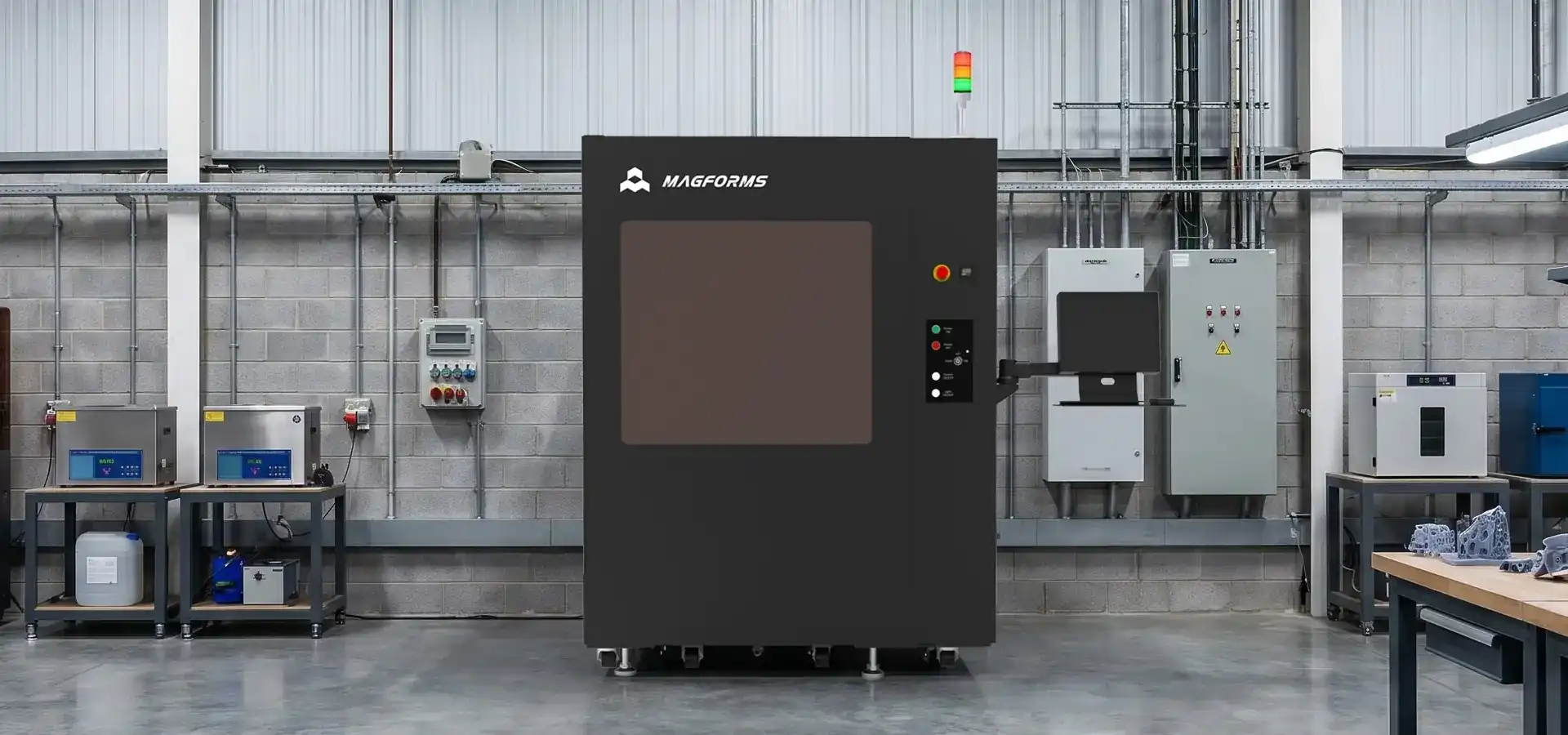
Large resin printing systems use complex photopolymerization techniques to turn liquid resins into solid parts with a lot of fine detail. Stereolithography (SLA), Digital Light Processing (DLP), and LCD-based masked stereolithography (mSLA) are the three primary technologies used in large-scale resin 3D printing systems. Each method uses ultraviolet light to cure resin layer by layer, but they are not the same in how the light is supplied or managed.
How Photopolymerization Creates Industrial-Grade Parts
SLA systems use UV laser beams to precisely trace each layer, delivering high dimensional accuracy and smooth surface quality across large build areas. Digital micromirror arrays are used in DLP technology to project whole layers at once. This speeds up production, especially for parts with complex horizontal cross-sections. LCD systems have become popular because monochrome LCD panels enable faster exposure times and cost-effective scaling, while pixel density contributes to fine feature resolution.
Resin technologies have very different mechanical qualities compared to filament-based FDM options. Compared with filament-based FDM printing, photopolymerization technologies generally produce parts with more uniform mechanical properties and reduced layer anisotropy. This reduces the layer adhesion weaknesses commonly associated with thermoplastic extrusion processes such as FDM. Surface finishes come out of the pot looking like they were made with an injection mold, and they usually don't need much post-processing. When making parts for the inside of cars, links for spacecraft, or surgery guides for medicine, where precise measurements and a smooth surface are necessary, these benefits become even more important.
Material Selection Matches Application Requirements
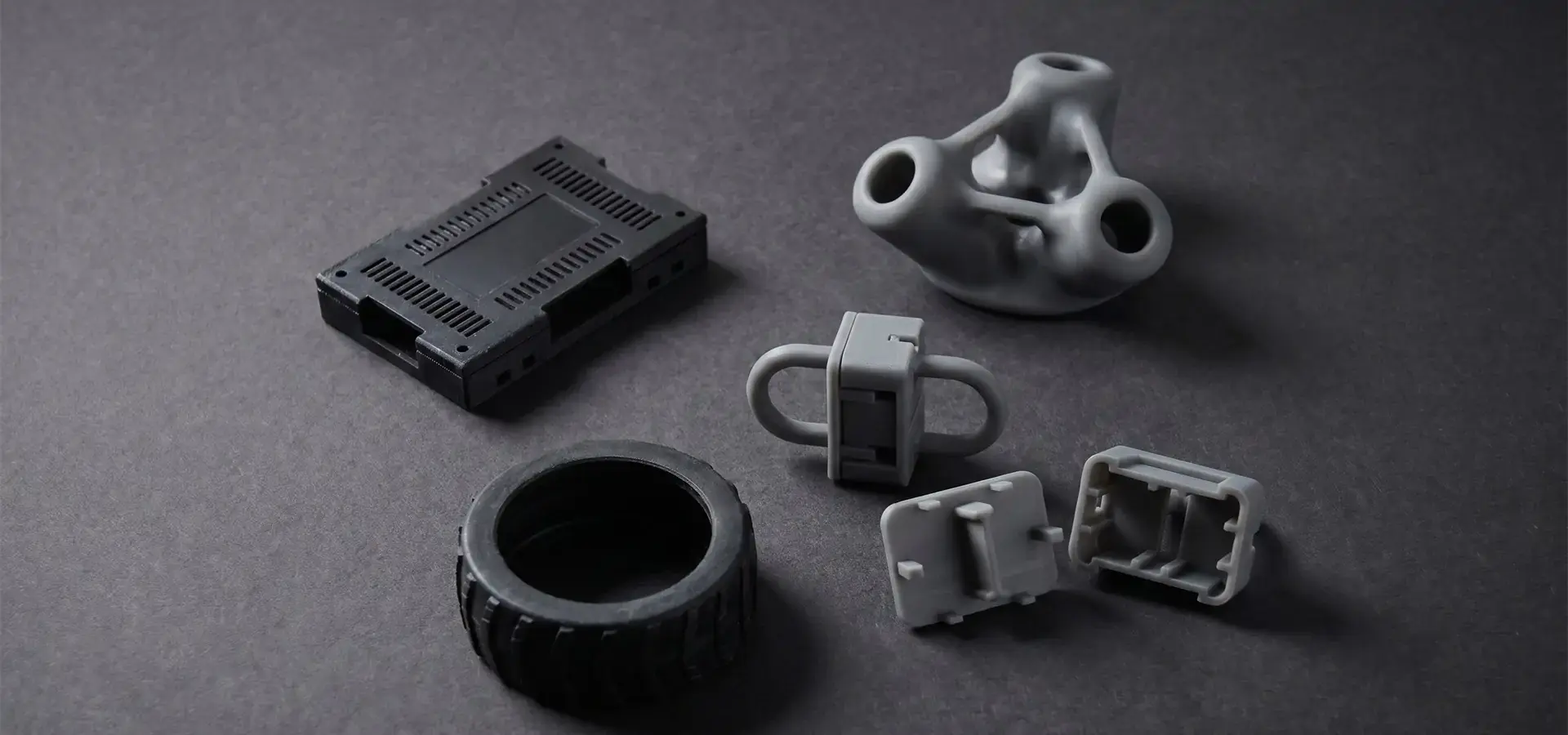
The ecology of resins has grown a lot beyond simple experimental formulas. Standard photopolymer resins provide a cost-effective solution for visual models and form verification. Some examples of engineering-grade materials are tough resins that act like ABS, high-temperature resins with heat deflection temperatures suitable for demanding industrial environments, and flexible elastomers that act like rubber. For jewelry and dentistry uses, castable resins allow direct investment casting, and ceramic-infused composites meet specific temperature or wear needs.
Knowing this material scene helps you choose tools that meet your current needs while still being adaptable to uses in the future. A large-scale resin 3D printer that can only use specific materials limits how you can run your business and could make your ongoing costs go up a lot.
Essential Performance Features for Large-Scale Resin 3D Printers
Performance traits show if a system can regularly and cost-effectively meet your output needs. The operational envelope of your production skills is made up of how build volume, accuracy, speed, and dependability work together.
Build Volume Determines Production Capacity
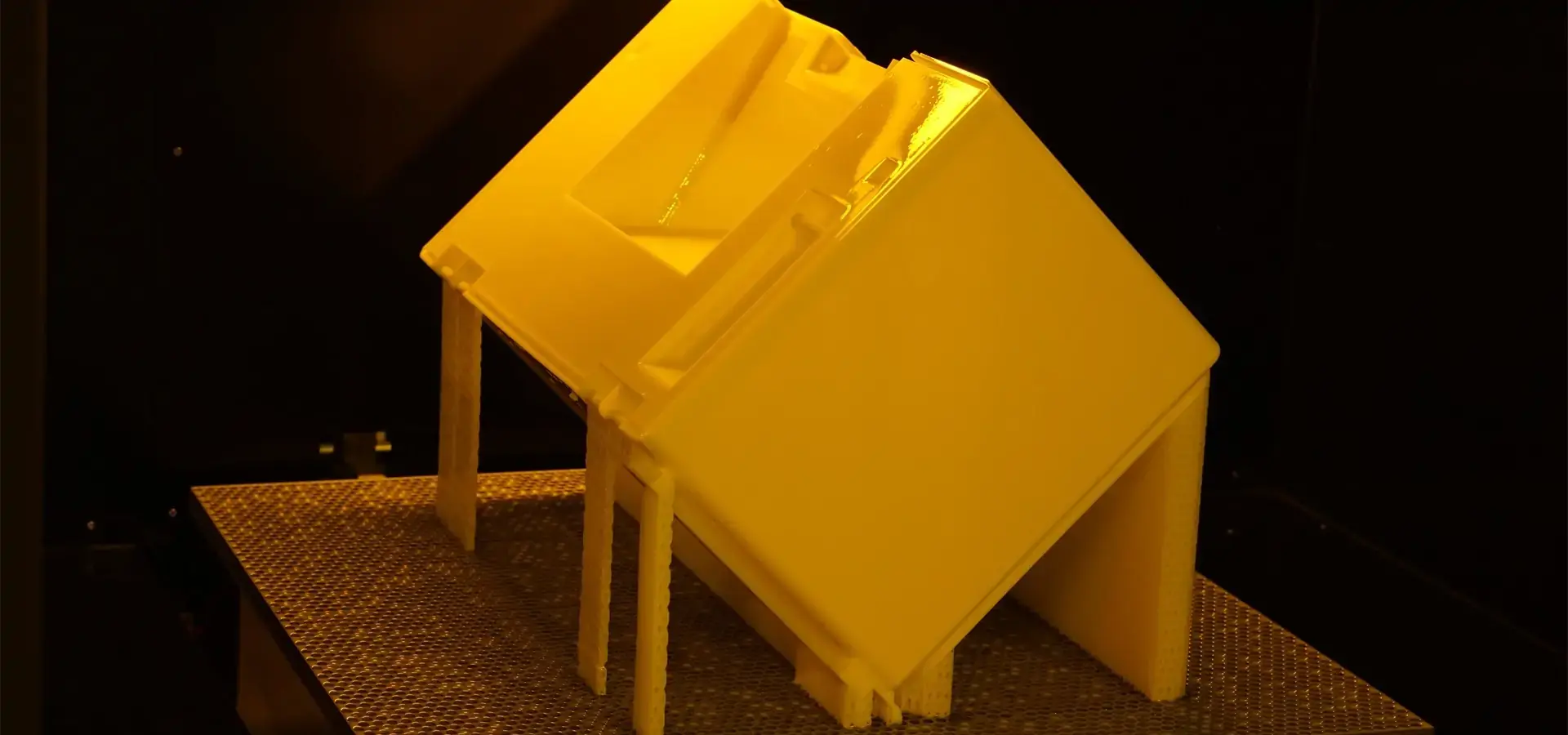
Build volume is the three-dimensional space that can be used to make a part. Industrial large-scale resin 3D printers commonly offer build volumes ranging from approximately 300 mm to over 800 mm in at least one axis, depending on system architecture. This bigger volume answers two different problems in production. Large uni-body parts, like bumpers for cars, full-scale building models, or designs for whole helmets, can be made without segmenting and then putting them together. You can also arrange dozens of smaller parts across the platform, which can turn a single print job into a high-volume batch production run for things like shoe parts, dental braces, or electronic housings.
The effect on the economy goes beyond simple estimates of output. Getting rid of building steps protects the structure, lowers labor costs, and gets rid of the weak spots that adhesives or mechanical fixings can cause. Batch printing splits the time it takes for each layer to cure among several parts, which greatly lowers the cost per unit in small-series production.
Optical Precision and Uniformity Across the Platform
Details about exact specs only tell part of the story. A large-scale resin 3D printer claiming 50-micron XY precision must keep that level of accuracy from the center of the base to the edges. This problem gets worse as building places get bigger. High-quality SLA and DLP systems use calibrated optical paths and light uniformity correction to ensure consistent UV exposure across the resin surface. When light strength changes by more than 10% between the middle and the edges of an area, it causes distortions and warping, especially in large flat shapes.
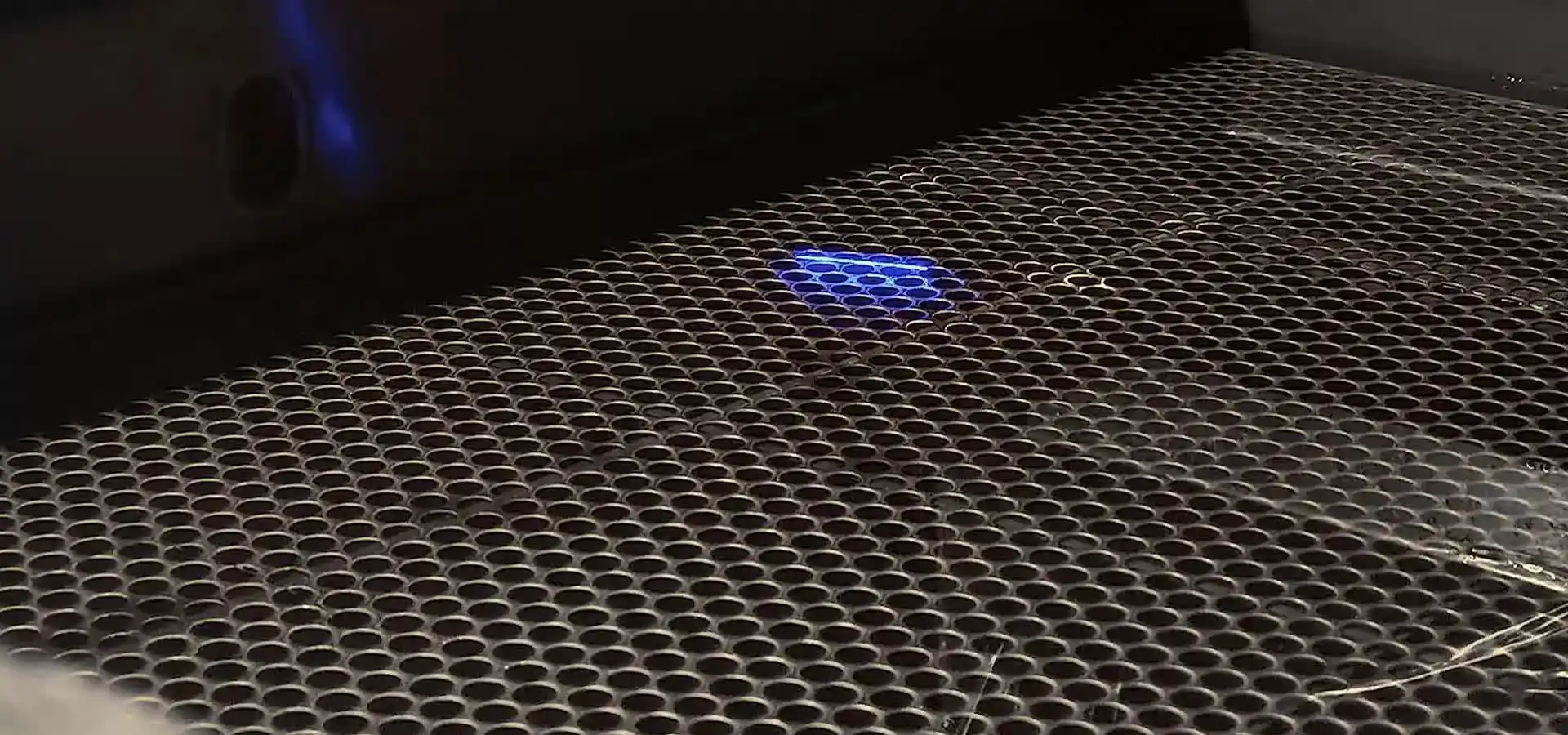
Modern laser scanning systems use AI-optimized pathing and varying spot sizes to find the best mix between speed and detail. Laser setups increase throughput even more without lowering sharpness. These optical engineering decisions directly influence dimensional consistency and repeatability across large-format printed components., which is what aerospace and medical uses need to meet ISO/ASTM 52900 standards.
Speed, Stability, and Operational Continuity
Printing speed affects how long it takes to finish a job and how much equipment is used. In large-format resin printing, exposure efficiency depends on system architecture, including laser scanning optimization in SLA platforms and high-intensity monochrome LCD exposure systems in mSLA machines. Changeable lift speeds and peel force improvement technologies, such as Advanced Composite Film (ACF) or oxygen-permeable barriers, make layer separation much less stressful on the machine.
Reliably operational reliability depend on being mechanically rigid. Heavy-duty build plates, two linear rail systems, and precision ball screws are used to handle the large forces that are created when big solid cross-sections are lifted from the vat. Temperature-controlled chambers help maintain stable resin viscosity and curing consistency during long print cycles. When continuous operation testing shows that thousands of hours have passed without any major problems, it means that engineering is mature and ready for production.
Your effective uptime and the regularity of your output quality depend on these technological factors working together. Frequent equipment breakdowns or recalibrations lead to unpredictable delays that disrupt production plans and customer commitments.
Comparing Large-Scale Resin 3D Printers: Making an Informed Decision
When choosing tools, you need to carefully look at them from many different angles. The best choice strikes a balance between technical skills and financial facts, making sure that it fits with your business processes and plans for growth.
Critical Evaluation Metrics for Industrial Applications
Resolution specs should be looked at more closely than just marketing claims. Check out the XY resolution, which is based on pixel size or laser spot width, as well as the Z-axis layer height options. The requirements depend on the application. For example, consumer electronics samples may need 25-micron layers, while building models work fine with 100 microns. Material compatibility is more than just the number of resins that can be used. It also includes viscosity ranges, curing wavelengths, and whether the system can handle third-party formulas or only maker materials.
To figure out the total cost of ownership, you have to include costs for consumables beyond resin materials. For LCD systems, consumable vat release films such as FEP or ACF require periodic replacement, while industrial SLA systems typically focus maintenance on optical calibration and resin tank management. Some systems use expensive refills that are only available in that system, while others can use normal bottles. Operating costs are affected by how much energy UV sources and environmental controls use, especially when a lot of products are being made at once. Your working continuity and risk exposure are affected by the terms of the warranty, the hours of help that are included, and the availability of local service techs.
Brand Reputation and Support Infrastructure
The track record of a manufacturer shows how reliable and committed they will be in the long run. Companies that have been around for a long time and have a lot of installations show that their products are mature and will last. Customer reviews from people in your industry show how well the product works in real life in similar situations. When production dates are coming up, quick technical help is very important. Check out reaction time promises, remote diagnostic tools, and the availability of parts.
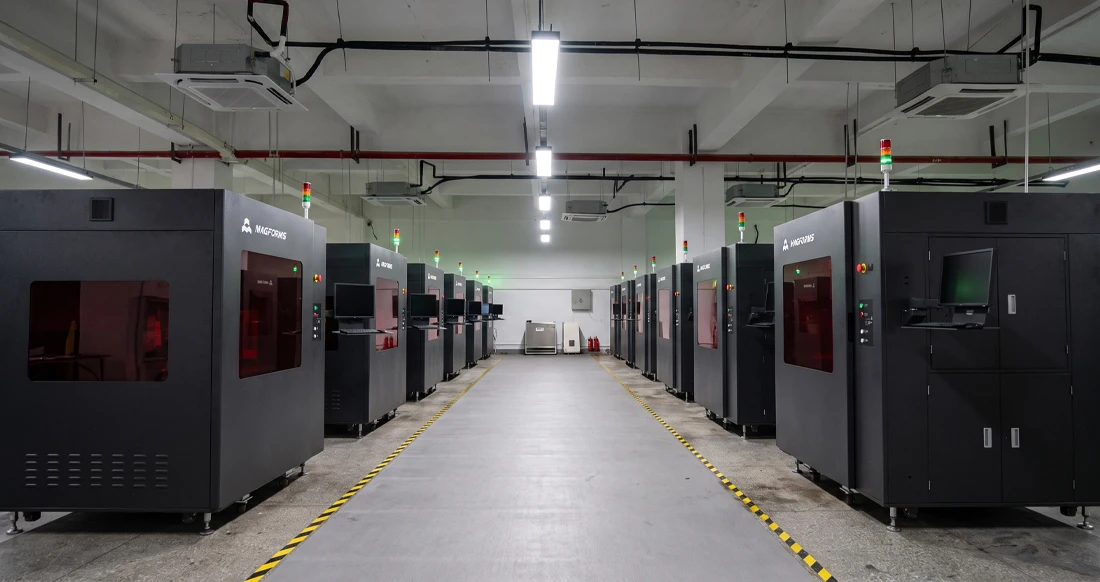
Magforms was one of the first companies to combine materials and tools, which gives them a strategic edge. When a company makes both the printing tools and the resin recipes, the system is optimized to a level that can't be reached with mixes from outside companies. This unified method gets rid of the size differences, print flaws, and unexpected downtime that come from not having the right compatibility settings. This makes sure that processes run smoothly from beginning to end.
Evaluating Current Market Leaders
The world of 2026 has a number of interesting systems that target different types of customers. Industrial units that cost between $15,000 and $25,000 are good for design studios and new service offices because they have 400mm build cubes with 50-micron XY resolution. Mid-range platforms priced between $40,000 and $80,000 can grow to build volumes of 600 mm or more and have faster speeds thanks to laser configurations or advanced LCD technology. These platforms are aimed at established makers with modest production needs.
Premium industrial systems priced above $100,000 may provide build volumes approaching or exceeding one cubic meter, along with automated resin handling and advanced process monitoring. These tools are used in high-volume production settings where accuracy, throughput, and traceability are very important, like in the car, aircraft, and medical device industries. Being able to see where your needs are in this range helps you focus your review efforts well.
Procurement and Cost Considerations for Large-Scale Resin 3D Printers
When buying large amounts of tools, you need to plan your finances for a lot more than just the purchase price. Comprehensive cost analysis shows the real amount of money that needs to be spent and helps find ways to make things better.
Investment Structures and Financing Approaches
Buying capital tools can be hard on funds, especially for small and medium-sized businesses. Leasing spreads costs over longer stretches of time while keeping working cash for things like labor and supplies. Operating rentals offer lower monthly payments and the chance to return the equipment, which is good when worries about how quickly technology changes mean that shorter commitment periods are needed. Capital leases with opportunities to buy strike a mix between payments that are flexible and the chance to own the property in the future.
Volume purchase programs offer big savings when you set up several production rooms or coordinate buying across different parts of a company. Some companies offer special deals on packages that include supplies, training, and longer guarantees. These organized programs lower your actual purchase costs and make sure that everything you need is ready for operation.
Supply Chain Reliability and After-Sales Support
Dependable equipment doesn't mean much without quick support systems. All important systems, like vision, motion control, and software, should be covered by the warranty for at least 12 months, with choices for longer terms. Your business will stay up and running as long as you have maintenance agreements that spell out response times, preventative maintenance plans, and replacement processes for consumables.
Technical training makes sure that your team can get the most out of the tools. Comprehensive programs that cover operation, maintenance, troubleshooting, and advanced methods make you less reliant on outside help while also making the quality of your work better. With remote diagnostics and software changes sent over networks, you can keep your system up to date with the latest improvements and minimize downtime.
Planning ahead is needed for logistics for big industrial machines. You should include secret costs like shipping costs, customs procedures for foreign purchases, and installation needs like utilities, ventilation, and floor loading capacity in your total investment estimates. Manufacturers that offer "turnkey" installation services make this process easier and make sure that the large-scale resin 3D printers are properly set up.
Future-Proofing Your Investment: Trend Insights and Innovation
Since technology is always getting better, forward compatibility is an important thing to think about. Knowing about new trends helps you choose tools that will still work as capabilities change and application needs grow.
Material Innovation Expands Application Possibilities
The growth of resin chemistry moves in a number of different directions. Bio-based products are better for the earth and still work well mechanically. Composite resins reinforced with ceramic particles, glass fillers, or carbon-based additives can improve stiffness, thermal stability, and wear resistance for advanced engineering applications. Multi-material printing systems that let you slowly switch between different resins inside a single part open up new design options for better functional integration.
If you choose a large-scale resin 3D printer with a software design that supports future material profiles, your investment will not become obsolete too soon. Active development roadmaps and regular software changes show that the maker is committed to delivering long-term value.
Industry 4.0 Integration and Smart Manufacturing
Connectivity features turn printing equipment from separate tools into industrial nodes that work together. IoT sensor networks let you keep an eye on important things like temperature, resin levels, and print progress in real time. With cloud-based systems, production data is collected, which allows for predictive maintenance that plans repairs before they happen, which greatly reduces unplanned downtime.
From design to production, processes are made easier by connecting to systems that handle the whole lifecycle of a product. Automated job queuing, tracking of materials, and quality paperwork all support lean production ideas and meet the need for traceability in regulated industries like aircraft and medical devices. As manufacturing operations get better, these skills will give them big benefits over their competitors.
Sustainability Considerations and Operational Efficiency
Environmental awareness is becoming more and more important in purchasing choices. LED UV sources are much more energy-efficient than older lamp technologies and cure materials better while using much less power. Some industrial workflows incorporate resin filtration and material handling systems to reduce waste and improve consumable efficiency. Closed-loop material handling with sealed cylinders reduces the amount of volatile organic compound emissions and exposure to the user.
Sustainability-designed equipment fits in with business responsibility efforts and lowers running costs at the same time. Environmental concerns are both morally right and financially smart because of these two benefits. This makes your business case for adopting technology stronger.
Conclusion
Choosing the right large-scale resin 3D printer will affect how much you can produce and how competitive you will be in the years to come. This guide talks about the features of equipment that can meet the needs of industrial manufacturing. These include build volume that matches the size of your application, optical precision that stays the same across the entire platform, material compatibility that covers engineering-grade formulations, mechanical stability that ensures continuous operation, and support infrastructure that protects your investment. A good procurement process combines technical requirements with total costs, making sure that the provider is reliable and can work with new technologies in the future. Your company can take advantage of the game-changing possibilities of advanced photopolymerization manufacturing by systematically evaluating and ranking combined solutions.
FAQ
What resin types work best with large-scale industrial printers?
Engineering-grade resins, such as tough ABS-like mixtures, high-temperature resins designed for elevated thermal environments, and flexible elastomers, are used in most industrial settings. The best options depend on your needs. For example, impact-resistant formulations work best for car prototyping, while biocompatible, approved materials are needed for dental uses. Investment casting processes are made possible by castable resins. A lot of companies now make eco-friendly, bio-based options that are similar in how they work mechanically. Make sure that the large-scale resin 3D printer you choose works with materials from other companies so that you don't get stuck in expensive private environments.
How can I minimize downtime and maintenance requirements?
Set up preventative maintenance plans that take care of important wear parts like FEP or release films, which require replacement intervals depending on print volume, resin type, and operating conditions. To keep the fixing uniform, clean the optical surfaces often. Handling mistakes is less likely to happen with automated resin management systems. With predictive analytics and remote tracking, possible failures are found before they stop output. Full training for operators makes sure they know how to handle and fix problems correctly. Buying tools from companies that offer quick technical help and easy access to replacement parts greatly lowers the effects of downtime when problems happen.
What criteria matter most when comparing different large-scale systems?
The most important technical requirement is that the dimensions are correct across the whole build volume, as shown by user validation in similar cases. Material compatibility and the ability to use resins from other companies have a big impact on your business freedom and long-term costs. Continuous operation testing that shows mechanical dependability means that the product is ready for production. The real spending needs can be seen by figuring out the total cost of ownership, which includes things like energy, repairs, and replacement parts. The manufacturer's support system, which includes training, professional help, and the availability of parts, keeps your operations running smoothly and makes the best use of your equipment.
Achieve Manufacturing Excellence with Magforms' Large-Scale Resin 3D Printers
Because it combines materials science and precise engineering so well, Magforms has become a reliable company that makes large-scale resin 3D printers. Our SLA and large-scale resin 3D printing systems are optimized for advanced photopolymer materials and precision-engineered hardware configurations. This gives us the material compatibility and accurate measurements that get rid of the production problems that come with using standard equipment. With advanced laser scanning optimization and intelligent path planning technologies, printing efficiency is significantly improved compared with conventional industrial workflows, helping reduce prototyping and production lead times. This helps shorten turnaround times for rapid prototyping and customized low-volume production.
Our products are reliable because they've been through a lot of continuous-operation testing and market validation in a wide range of industries, including automobile, aircraft, medical, and consumer electronics. Our professional support team has years of experience with additive manufacturing and can help you improve processes, fix problems, and add new features as your needs change. Magforms keeps up with the rate of innovation that keeps your production skills at the cutting edge of industry standards. They have 22 patents and 30 registered trademarks.
Our integrated solutions give your business the speed, stability, and support system it needs, whether you're starting up your 3D printing business or expanding a current one. Please email our team at info@magforms.com to talk about your particular needs, set up equipment demonstrations, or ask for full technical specs. Choose a large-scale resin 3D printer source that will help you be successful in making over the long term by giving you proven technology and full support.
References
1. Gibson, I., Rosen, D., Stucker, B., & Khorasani, M. (2021). Additive Manufacturing Technologies (3rd ed.). Springer International Publishing.
2. Ligon, S. C., Liska, R., Stampfl, J., Gurr, M., & Mülhaupt, R. (2017). Polymers for 3D Printing and Customized Additive Manufacturing. Chemical Reviews, 117(15), 10212-10290.
3. Quan, Z., Wu, A., Keefe, M., Qin, X., Yu, J., Suhr, J., Byun, J.-H., Kim, B.-S., & Chou, T.-W. (2015). Additive Manufacturing of Multi-Directional Preforms for Composites: Opportunities and Challenges. Materials Today, 18(9), 503-512.
4. Stansbury, J. W., & Idacavage, M. J. (2016). 3D Printing with Polymers: Challenges among Expanding Options and Opportunities. Dental Materials, 32(1), 54-64.
5. Bourell, D., Kruth, J. P., Leu, M., Levy, G., Rosen, D., Beese, A. M., & Clare, A. (2017). Materials for Additive Manufacturing. CIRP Annals - Manufacturing Technology, 66(2), 659-681.
6. Tofail, S. A. M., Koumoulos, E. P., Bandyopadhyay, A., Bose, S., O'Donoghue, L., & Charitidis, C. (2018). Additive Manufacturing: Scientific and Technological Challenges, Market Uptake, and Opportunities. Materials Today, 21(1), 22-37.

Magforms makes design and manufacture easier.
Popular Blogs
-
 Industry InsightsManufacturing Industry
FDM vs. SLA Printer: Which Technology Is Right for Your Project?
-
 Industry InsightsManufacturing Industry
Top 5 Applications of Industrial 3D Printers in Manufacturing Today
-
 Industry InsightsManufacturing Industry
Why Stereolithography 3D Printers Are Unmatched for Microfluidic Device Prototyping?