Top-Rated Budget-Friendly 3D Printer for Makers and Hobbyists
To find the best budget-friendly 3D printer option, you have to weigh your performance needs against your budget. To make fast prototyping more accessible without sacrificing basic measurement accuracy, a budget-friendly 3D printer is a desktop-grade additive manufacturing device that costs less than $500 USD. These machines commonly use Fused Deposition Modeling (FDM) or LCD-based Masked Stereolithography (mSLA) technologies optimized for cost-effective desktop prototyping, with LCD resin systems increasingly preferred for high-detail applications. This significantly reduces entry costs while enabling high-detail prototyping capabilities. LCD-based resin printers can achieve fine XY resolution suitable for dental models, jewelry patterns, and precision concept validation.
Understanding Budget-Friendly 3D Printers: What, How, and Why?
In the last few years, there have been giant changes in the world of budget-friendly 3D printer technology. These days, affordable additive manufacturing options are useful for many groups, from individual makers and schools to small businesses that want to shorten the time it takes to do research and development without spending a lot of money.
Core Characteristics and Technical Architecture
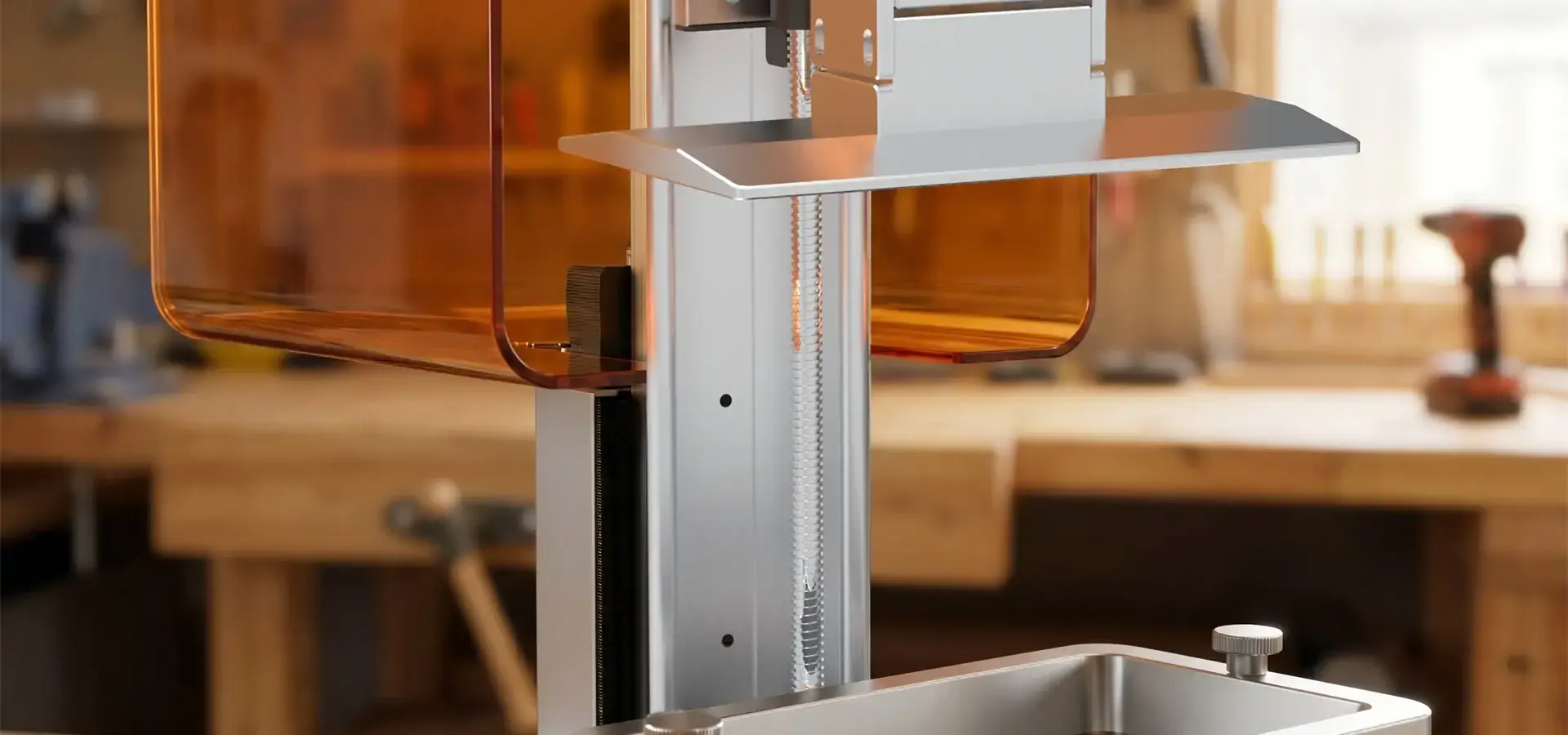
Modern affordable FDM printers commonly use aluminum extrusion frames with V-slot motion systems, while entry-level LCD resin printers typically rely on dual linear rails or stabilized Z-axis assemblies for improved layer consistency. Entry-level FDM printers commonly offer build volumes around 220 × 220 × 250 mm, while compact LCD resin printers typically prioritize precision over large build capacity, which is big enough for most modeling tasks while still having a small footprint that's suitable for the office or workshop. In budget FDM systems, PTFE-lined hotends typically support temperatures up to approximately 240–260°C, depending on the thermal design and firmware safeguards. This range works with popular thermoplastics like PLA, PETG, and TPU.
FDM layer heights commonly range from 0.1 mm to 0.3 mm, while LCD resin systems typically operate between 0.03 mm and 0.05 mm for finer surface quality. Dimensional accuracy within approximately ±0.1 mm may be achievable under optimized calibration and material conditions, which meets the size needs of working prototypes and tooling uses.
Who Benefits Most from Affordable Printing Technology
Small product design companies use these tools to test ideas over and over again, turning digital CAD models into real-world prototypes in hours instead of days. Startup budget-friendly 3D printer service providers use groups of units to increase production capacity while keeping operating freedom and lowering the risks that come with expensive gear having a single point of failure.
Schools use large groups of easy-to-reach printers so that students can get hands-on experience with digital creation. They commonly use beginner-friendly materials such as PLA, which is widely known for its lower warping characteristics and plant-based origins. Designers of automotive parts use these tools to make quick prototypes of customized interior parts and samples for special vehicle models. This cuts down on the time it takes to make new products by a large amount.
Material Compatibility and Application Versatility
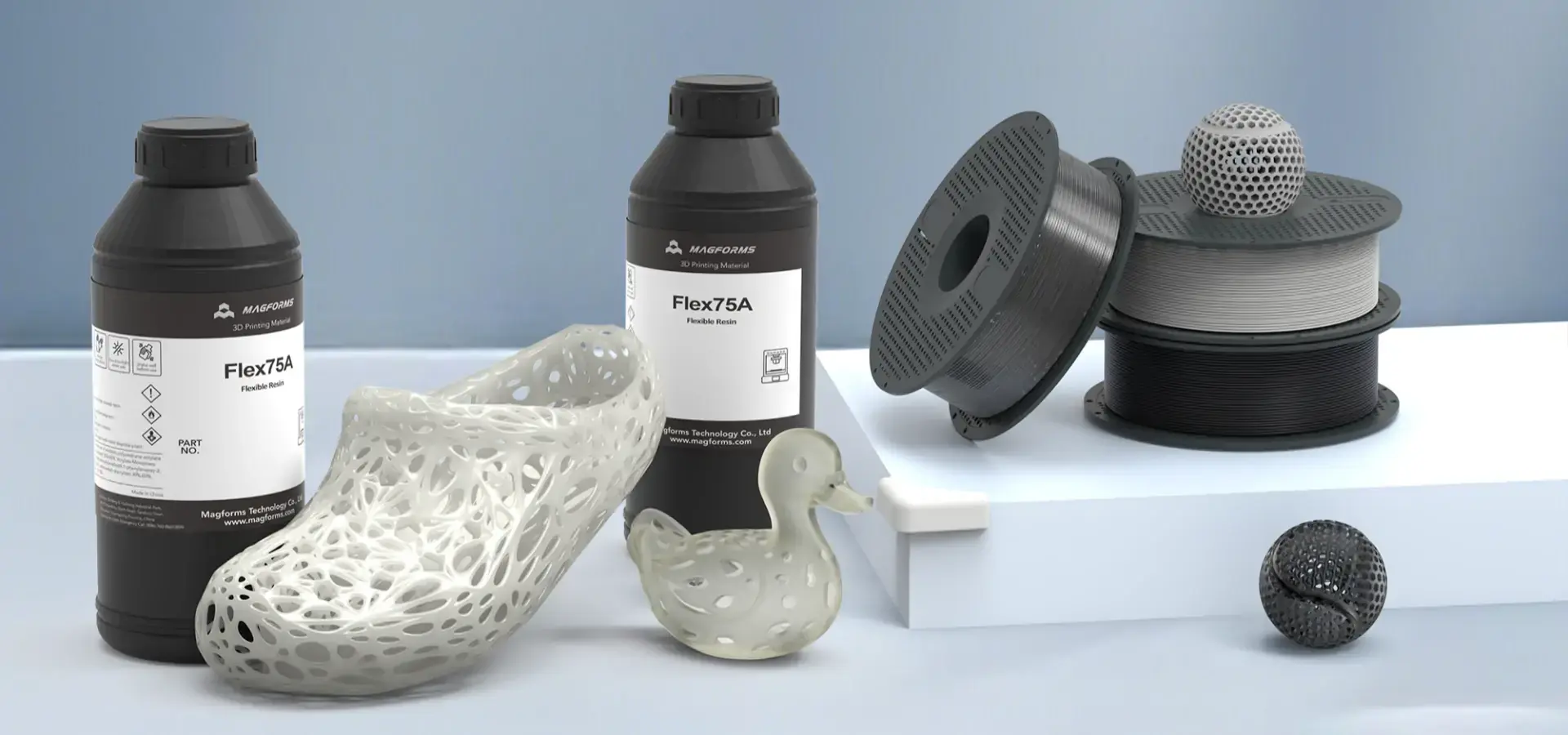
The chemical qualities of common thermoplastics indicate their potential applications. PLA is excellent for making idea models and decorating items because it stays the same size and shape over time. For practical samples, PETG gives them better mechanical strength and chemical resistance. TPU makes it possible to make bendable parts like gaskets, seals, and parts of smart tech. To get good thermal control for engineering-grade materials like nylon and polycarbonate, you usually need to update the tools to include all-metal hotends and heated enclosures.
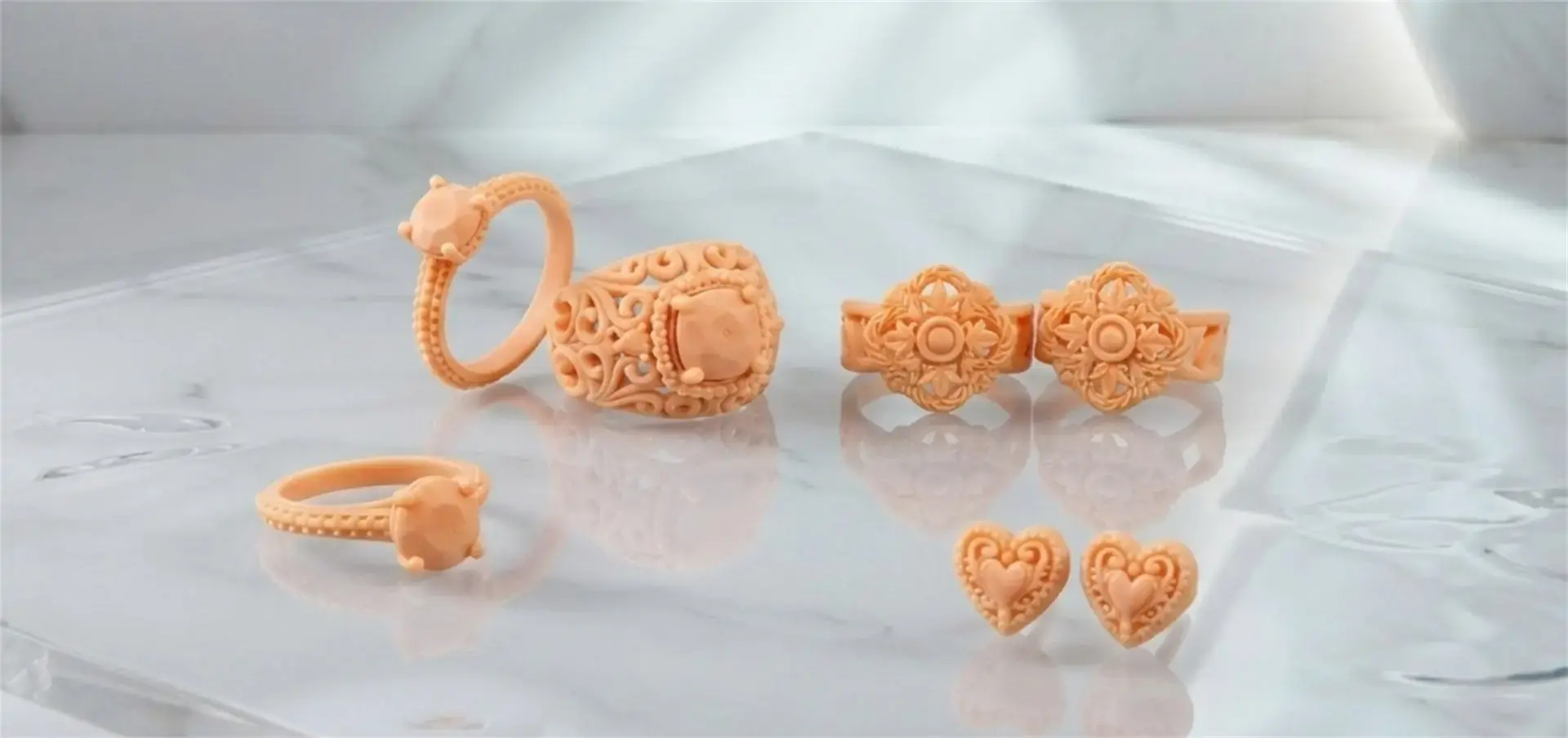
Most consumer LCD resin printers use 405 nm UV LED light sources combined with monochrome LCD masking screens for layer exposure.Modern monochrome LCD screens generally offer service lifespans ranging from 1,500 to 3,000 printing hours and typical exposure times of approximately 1.5 to 3 seconds per layer when using standard fast-curing resins. With layer heights between 0.03 mm and 0.05 mm, these setups provide a smooth surface and good detail clarity, making them ideal for dental models, jewelry casting patterns, and small, detailed models. Consumer LCD resin printers are typically compatible with standard, ABS-like, and water-washable photopolymer resins, depending on curing profiles and manufacturer recommendations.
Types and Performance of Budget-Friendly 3D Printers: Choosing the Right Model
To choose the right additive manufacturing technology, you need to know the main differences between the different processes and how well they work. Selecting the appropriate budget-friendly 3D printer requires understanding performance benchmarks and material limitations.
FDM/FFF Technology for Accessible Manufacturing
Due to its simple physics and straightforward access to materials, Fused Deposition Modeling (FDM) is still the most popular low-cost technology. These machines push hot thermoplastic filament through a heated nozzle, adding material layer by layer to make three-dimensional shapes. The process is great at making strong prototypes that work well and have good mechanical qualities. These prototypes can be used as jigs, clamps, and end-use parts in non-critical situations.
Modern FDM machines have automatic bed leveling (ABL) systems that are rid of the need for human calibration. This makes setting a lot easier and the first layer's adhesion more consistent. User-friendly fixes, modular gantry designs, and part replacements enhance equipment longevity. It is possible to make many changes to open-source firmware ecosystems, which lets expert users find the best performance settings for different types of materials or applications.
Entry-Level LCD Resin Printing Systems for Precision Applications
When compared to filament-based methods, LCD-based Masked Stereolithography (mSLA) technology generally delivers finer surface finish quality and sharper feature reproduction than entry-level FDM systems. Low-cost resin printers use high-resolution LCD screUV LED arrays to cure entire resin layers simultaneously through the LCD masking screen. This parallel processing method makes it possible for the build platform as a whole to reproduce details consistently. Typical consumer LCD resin printers achieve XY pixel resolutions between 35 and 50 microns, which is suitable for detailed concept models used in dental, medical, and consumer product development workflows.
These compact desktop systems typically require significantly less workspace than large-format industrial equipment. High light uniformity across the exposure area ensure that the polymerization is consistent, which minimizes differences in size and lowers the number of failed prints. One or two linear rails on the Z-axis steering system stop wobble flaws that make the vertical surface less smooth.
Performance Benchmarks and Comparative Analysis
When compared to high-end tools and used options, budget-friendly 3D printer machines offer strong value. New, affordable printers have new technologies that older, more expensive ones don't have, like 32-bit control boards, quiet stepper drivers, and better heat management systems. Warranty coverage and help from the maker lower the risk that comes with buying used equipment.
Premium industrial systems are worth the extra money because they can handle more materials, build more things at once, and have more uptime requirements that are important in production settings. The cost-per-part estimate changes a lot depending on how often the part is used and how complicated the application is. Small businesses that make fewer than 100 units a month often discover that inexpensive equipment gives them a better return on their investment than industrial gear that isn't being used.
Print speed tests indicate that modern, cheaper models often meet or beat the standards of more expensive equipment. This is possible with better software and mechanical design. In FDM methods, the strength of layer bonding is mostly determined by the material used and how well the heat is managed, not by how much the equipment costs. Metrics for comparing resin systems focus on how regular the light source is, how many resins can be used with it, and how efficiently the post-processing method works.
Top-Rated Budget-Friendly 3D Printers in 2026: Reviews and Comparisons
A study of the market indicates that there are a few clear leaders in the available additive manufacturing area. Each budget-friendly 3D printer has its benefits for different types of applications.
High-Resolution Models for Detail-Critical Work
For tasks that need a smooth surface and clear details, resin-based methods are the best choice. Modern LCD resin printers equipped with 6K, 8K, or higher-resolution monochrome screens commonly achieve XY pixel sizes between 18 and 35 microns depending on build volume, which lets them copy fine textures and complicated shapes that are required for making jewelry patterns, tooth aligner models, and tiny figurines. Build sizes between 6 and 10 inches horizontally can meet most prototyping needs while still leaving enough room for equipment.
Customer feedback always stresses how important it is to have a regular light source to stop flaws caused by incomplete curing. COB (Chip-on-Board) UV lighting systems combined with collimating lenses generally provide more uniform light distribution than early discrete LED array designs. Sanding-blasted build plates improve the binding of the first layer, which lowers the number of print failures during the important foundation phase.
Speed-Optimized Systems for Rapid Iteration
Some modern high-speed FDM systems can exceed print speeds of 250 mm/s under optimized motion settings and material conditions. These features are useful for design companies that do several development cycles every day, cutting the time it takes from idea to prototype from days to hours. Direct drive extruders enhance output and expand the range of materials suitable for specific tasks by utilizing bendable filaments.
Verified user reviews stress that automatic bed leveling systems and filament runout monitors make things more reliable. These features reduce the number of unattended print fails, which makes better use of materials and lowers the need for human involvement. Thermal runaway prevention and power recovery features make sure that everyone is safe and that production can keep going even when the power goes out.
Recommendations by User Segment
Schools put a high value on safety measures, ease of use, and low operating complexity. Enclosed FDM systems with HEPA filters help with indoor air quality issues and keep students from touching hot parts. Cloud-based print queue management makes settings with multiple users easier to handle and lets teaching staff keep an eye on things from afar.
Small factories need to be able to consistently get the right measurements and use a variety of materials. Enclosed and temperature-controlled FDM systems improve success rates when printing engineering-grade thermoplastics prone to warping. Open-material flexibility keeps buyers from being locked into one seller, so they can find the best prices on consumables by shopping around.
Home users and independent makers like machines that are quiet, take up little space, and are easy to maintain. Long-term control is possible with modular systems that use easily replaceable parts. Active user groups offer technical help and change instructions, which make tools more useful than what the manufacturer originally intended.
Procurement and Purchasing Guide for Budget-Friendly 3D Printers
Strategic purchase planning makes sure that companies get the most value for their money while reducing the risks that come with adopting new budget-friendly 3D printer technologies.
Reliable Purchasing Channels and Vendor Evaluation
Having direct ties with manufacturers is the best way to get the best prices and technical help. This is especially true for large purchases that support school deployments or service bureau operations. Authorized wholesalers offer regional product availability and easier ways to file warranty claims, which cuts down on the time that equipment is down when a part fails. Established delivery networks in North America and Europe make sure that parts are available quickly, which is very important in production settings where machine breakdowns directly affect income.
When you buy more than five units, volume discount structures become appealing, with tiered price schedules giving 10–25% discounts compared to buying a single unit. Payment terms that last between 30 and 60 days make it easier for big buyers who are limited by the fiscal year to match their spending cycles. Leasing programs for equipment offer different ways to buy things that keep cash reserves safe while still letting people use technology.
Warranty Terms and Service Level Agreements
A full warranty that lasts from 12 to 24 months guards against production flaws and part failures during the important burn-in time. Companies that don't have their own additive manufacturing experts can benefit from extended service plans that offer fast repair parts and priority technical support. Return policies that allow 30-day evaluation periods let you try something out before you commit to buying it, which lowers the risk of making a bad purchase.
Total cost of ownership is greatly affected by how quickly and effectively after-sales help is provided. Manufacturers that offer technical support by email, phone, and live chat across various time zones cut down on the time it takes to fix problems. In addition to direct help lines, there are video tutorials, knowledge base literature, and user community sites that give operators the tools they need to solve common problems on their own.
Total Cost of Ownership Considerations
The initial cost of buying tools is only one part of the total cost of ownership. The cost of consumable materials varies a lot depending on the amount and application needs. Prices for filament vary from $15 to $50 per kilogram, based on the type of material and any unique formulations that need to be used. The price of resin ranges from $30 to $80 per liter, with engineering-grade photopolymers being the most expensive.
Budgets for new parts should include regular costs for replacing the nozzle, build area, and screen. FDM systems need to have their hotends rebuilt and their belt tensioning changed every so often. For resin printers, monochrome LCD exposure screens may require replacement after approximately 1,500 to 3,000 operating hours, and the FEP film needs to be changed every so often. The prices of maintenance materials like isopropyl alcohol for cleaning plastic parts and lubricants for linear motion systems make the overall costs go up.
Energy consumption remains modest; most systems use 100 to 300 watts when they are printing. For normal use, annual power costs rarely go over $50 to $100. But extra equipment like wash and dry stations for resin printing, ventilation systems, and storage that controls humidity raises the cost of doing business.
Maintenance Tips and Software Recommendations for Sustainable Use
Proactive repair plans and improved digital processes lead to consistent performance and longer budget-friendly 3D printer lifecycles.
Routine Maintenance Guidelines
Checking the tightness of the belts once a week is good for FDM systems because it makes sure that all the motion systems are mechanically registered correctly. Lubricating linear bearings and lead screws every three months keeps them from wearing out too quickly and keeps the shaft moving smoothly. Cleaning the nozzles once a month with cold pulls or special cleaning filaments stops partial clogs that lower the quality of the prints. Cleaning the build area with isopropyl alcohol on a regular basis keeps the first layer bonding stable.
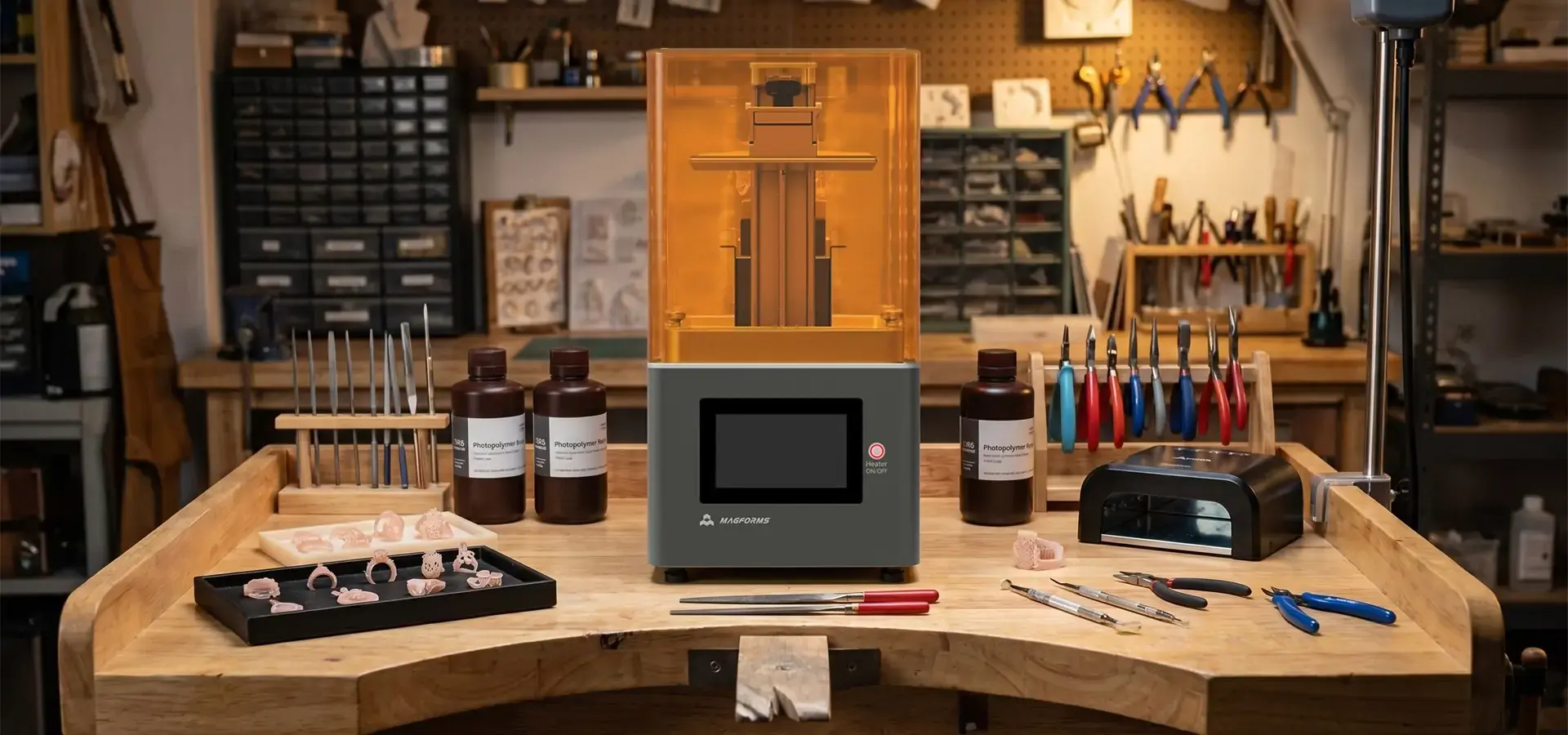
A big part of maintaining a resin printer is checking the resin vat for finished debris that could hurt LCD screens. Resin should be gently shaken or stirred before use if pigment separation occurs during storage. Cleaning the FEP or release film regularly helps maintain proper light transmission and reduces print failure risks. Post-processing tools like ultrasonic cleaners and UV fixing stations need to have their solutions and bulbs changed every so often.
Slicing Software and Firmware Optimization
Open-source slicing programs like PrusaSlicer, Cura, and Slic3r let you change a lot of parameters without having to pay for licenses. Profile libraries that are designed for certain printer models and combos of materials get rid of the need for trial-and-error calibration, which speeds up production. Variable layer heights and other advanced features save time by only using fine resolution on curved surfaces that need to keep details.
When you update the firmware on your device, it fixes bugs and makes it run better for longer. Many times, community-developed software versions have extra features that aren't in official releases. For example, linear advance can help corners look better, and junction deviation methods can make motion smoother. When unique settings are backed up regularly, data loss during firmware changes is avoided.
Maximizing Return on Investment
Effective cost-per-part measures are directly linked to how much equipment is being used. Organizations that get the most out of their printers by using them in batches and leaving them to run overnight get much lower unit costs than those that only use them sometimes. Print farm management software lets jobs be queued up on multiple machines, which makes the best use of resources and cuts down on equipment that isn't being used.
As needs change, strategic component changes make tools more useful. All-metal hotend systems make it possible for materials to work together at high temperatures. Linear rail changes make motion more accurate for uses that need tight tolerances. Adding enclosures makes printing engineering-grade materials easier. With these small changes, replacing equipment can be put off while still keeping technical skills competitive.
Conclusion
Budget-friendly 3D printer technology has matured into a viable production tool that can be used for many things, including schooling, testing, and small-batch production. Modern equipment has great performance thanks to better material fit, more advanced software features, and better mechanical designs. By choosing the right vendor, following thorough upkeep procedures, and improving digital processes, these systems will continue to provide value for a long time. When companies have to choose between performance and cost, they find that today's machines can meet the needs of difficult applications that used to require investments in industrial-grade equipment.
FAQ
Can affordable printers handle professional prototyping requirements?
Modern, budget-friendly 3D printer methods offer accurate measurements and materials that can be used for useful prototyping in many fields. FDM machines make parts that are strong enough to be used for low-stress end-uses, fitting checks, and tool manufacturing. LCD resin printers are widely used for dental models, jewelry casting patterns, and appearance prototypes requiring smooth surfaces and fine feature detail. For professionals, choosing the right materials and figuring out how to best optimize process parameters are more important than how much the equipment costs.
How do I evaluate supplier reliability for bulk procurement?
Verified maker qualifications, such as patent files, brand registrations, and involvement in foreign trade shows that the company has been in the industry for a while. Export records that include hundreds of businesses from across multiple countries show that the business is large and the supply chain is stable. How responsive you are during pre-sales technical advice shows how good your post-sales help will be. Sample printer apps let you try them out before you decide to buy them.
What material compatibility should I expect?
Standard thermoplastics like PLA, PETG, and TPU can be used in entry-level FDM systems without any changes. For engineering-grade materials, you need to update your tools, like making the hotends and heated chambers out of metal. Standard photopolymers, engineering resins that are like ABS, and water-washable formulas can all be used in resin printers. When compared to proprietary material systems, open-material ecosystems greatly lower running costs by preventing vendor lock-in and allowing competitive buying of consumables.
Partner with Magforms for Reliable Budget-Friendly 3D Printer Solutions
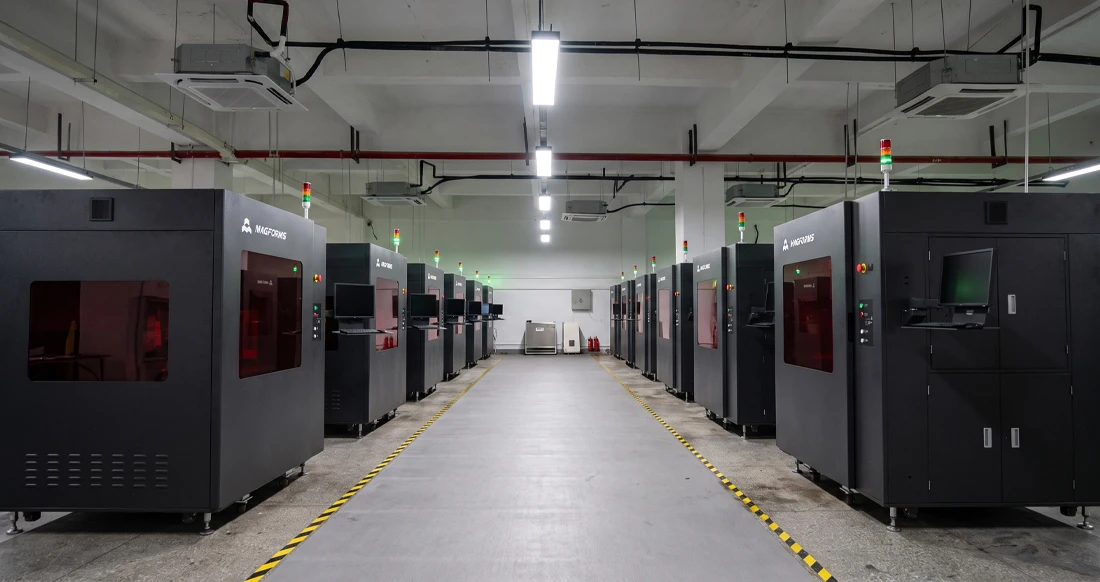
Magforms is ready to help you on your journey into additive manufacturing by providing professional-grade, budget-friendly 3D printer material and technology options that work together. Our all-encompassing method mixes perfectly matched printing materials with the best hardware, helping reduce compatibility and workflow issues often encountered in mixed-hardware printing environments. High-uniformity LCD exposure systems and optimized light distribution technologies make it possible to improve printing efficiency while maintaining the fine detail resolution required for professional prototyping applications. We offer bulk discounts, flexible payment terms, and expert technical advice as a reputable manufacturer with 22 patents, 30 registered trademarks, and a history of serving over 300 businesses worldwide. Email our team at info@magforms.com to talk about buying in bulk, get trial prints, or set up a personalized meeting that is tailored to your specific production needs.
References
1. Gibson, I., Rosen, D., & Stucker, B. (2021). Additive Manufacturing Technologies: 3D Printing, Rapid Prototyping, and Direct Digital Manufacturing. Springer International Publishing.
2. Redwood, B., Schöffer, F., & Garret, B. (2017). The 3D Printing Handbook: Technologies, Design, and Applications. 3D Hubs B.V.
3. Lipson, H., & Kurman, M. (2013). Fabricated: The New World of 3D Printing. John Wiley & Sons.
4. Sculpteo. (2023). The State of 3D Printing 2023: Industry Trends and Market Analysis. Sculpteo Industry Report.
5. Wohlers Associates. (2023). Wohlers Report 2023: 3D Printing and Additive Manufacturing: Global State of the Industry. Wohlers Associates Inc.
6. ASTM International. (2021). Standard Terminology for Additive Manufacturing Technologies (ASTM F2792-12a). ASTM International Committee F42 on Additive Manufacturing Technologies.

Magforms makes design and manufacture easier.
Popular Blogs
-
 Industry InsightsManufacturing Industry
FDM vs. SLA Printer: Which Technology Is Right for Your Project?
-
 Industry InsightsManufacturing Industry
Top 5 Applications of Industrial 3D Printers in Manufacturing Today
-
 Industry InsightsManufacturing Industry
Why Stereolithography 3D Printers Are Unmatched for Microfluidic Device Prototyping?