Why Choose an Industrial SLA 3D Printer Over Desktop Resin Machines?
When precision meets production scale, the conversation shifts from hobbyist experimentation to professional manufacturing. An industrial SLA 3D Printer delivers what desktop resin machines simply cannot: consistent accuracy across hundreds of parts, material versatility for engineering-grade applications, and the structural integrity needed for 24/7 operations. Desktop units serve prototyping well, yet fall short when dimensional tolerances tighten to ±0.1 mm or batch production demands arise. The industrial counterpart transforms additive manufacturing from creative exploration into a reliable production workflow.
Understanding the Core Technology: Stereolithography at Different Scales
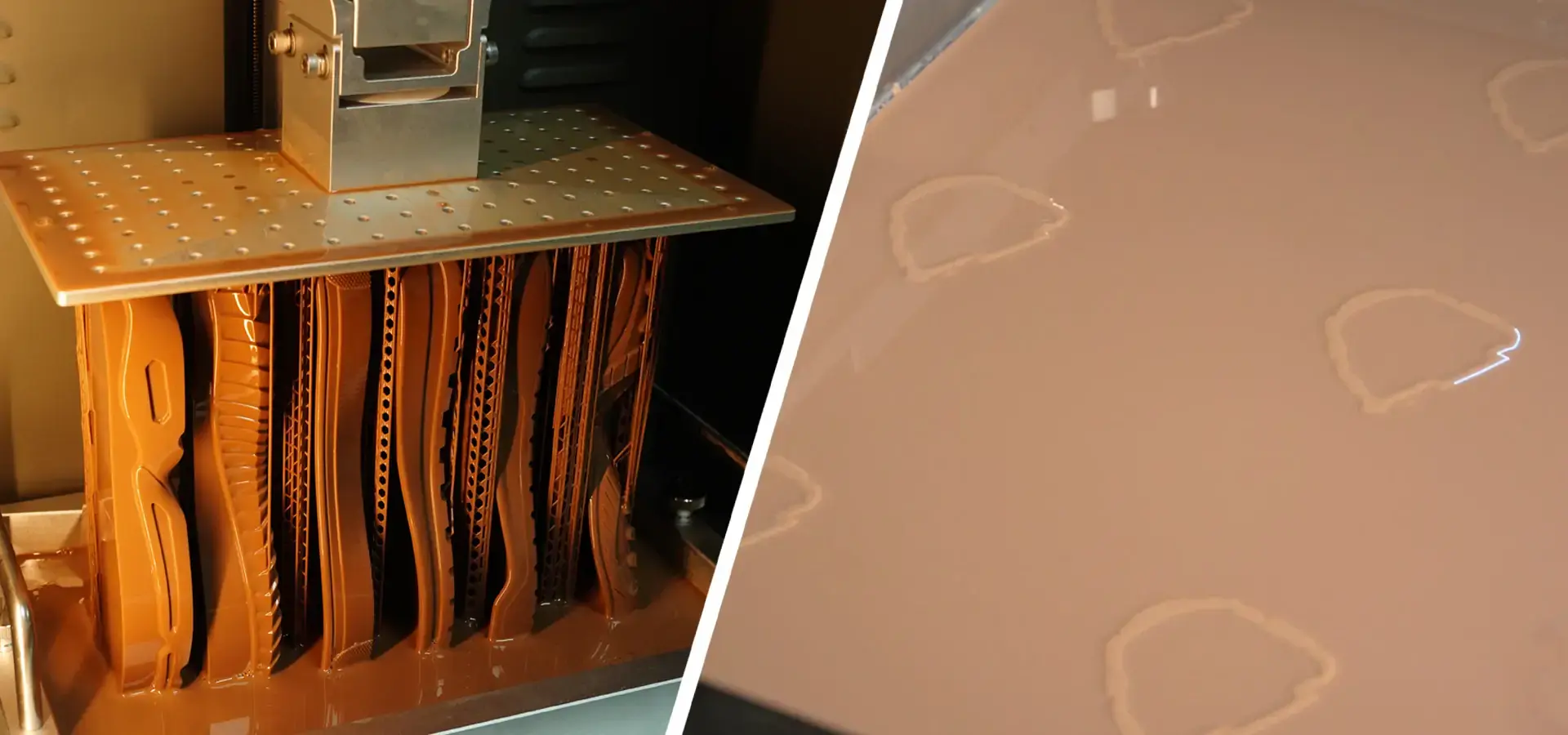
Stereolithography (SLA) traditionally relies on photopolymerization, where a UV laser selectively cures liquid resin layer by layer. However, in desktop systems, most machines use mSLA, which replaces laser scanning with an LCD masking system driven by UV LED exposure, achieving layer-by-layer curing through pixel control rather than beam tracing.
👉 To better understand the fundamentals of this process, see our guide on Stereolithography (SLA) technology.
Desktop resin printers typically employ LED arrays or low-wattage lasers with limited scanning precision. These machines work beautifully for jewelry prototypes, miniature figurines, or dental study models, where tolerances remain forgiving. Print volumes rarely exceed 200 × 200 × 250 mm, restricting part size and batch capacity.
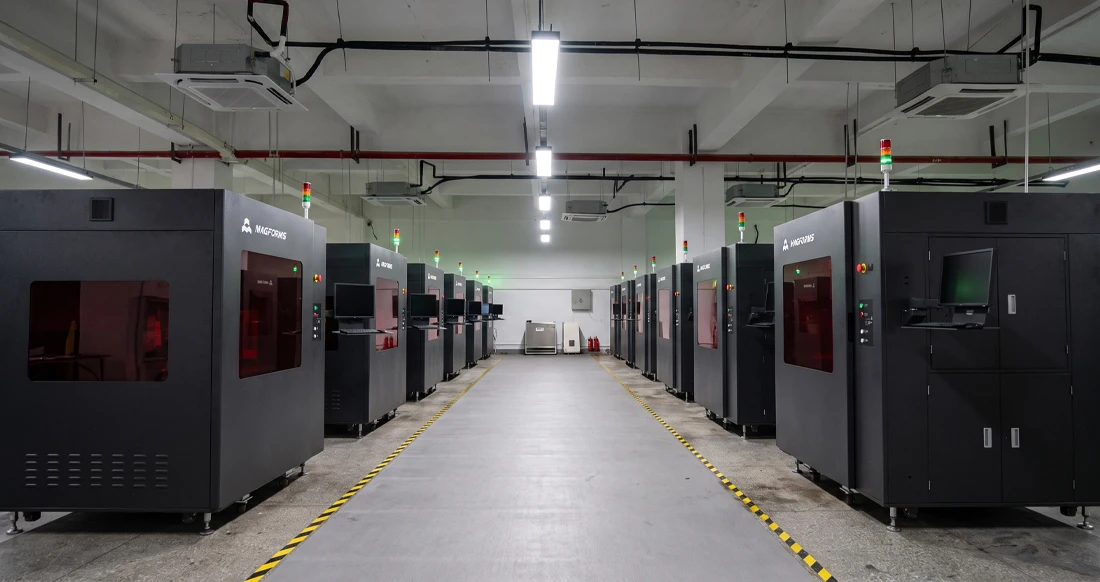
Industrial SLA 3D Printer architectures integrate galvanometer-controlled laser systems with closed-loop feedback mechanisms. High-powered lasers paired with precision optics maintain beam diameter consistency across the entire build platform. This setup enables repeatable accuracy whether printing a single component or arranging fifty parts simultaneously. Build volumes in industrial SLA systems can reach 600 × 600 × 400 mm or larger depending on machine configuration and application requirements, accommodating automotive dashboard sections or full dental arch models in one operation.
Three Core Differences Between Systems:
- Laser control systems – Desktop machines use basic point-to-point movements; industrial units deploy Scanlab galvanometers, achieving high-speed scanning performance (commonly measured in meters per second depending on scan configuration) with micron-level positioning accuracy.
- Mechanical framework – Consumer-grade printers use aluminum extrusions; professional systems incorporate marble platforms and low-expansion metal enclosures, maintaining thermal stability.
- Material handling – Entry-level devices hold 500 ml resin bottles; production equipment manages 10-20 liter reservoirs with automated level monitoring.
If your applications involve functional prototypes requiring mechanical testing or end-use parts needing dimensional verification, industrial systems provide the necessary precision and throughput. Desktop machines suit visual models and concept validation, where exact measurements matter less.
Precision and Accuracy: Where Microns Matter
Dimensional precision defines manufacturing viability. A 0.3 mm deviation in a smartphone case prototype might go unnoticed, yet that same variance in an aerospace connector renders the part unusable.
Desktop resin printers typically advertise layer heights of 25–100 microns. While layer height indicates theoretical vertical resolution, actual dimensional accuracy depends on multiple factors such as calibration, resin shrinkage, and exposure consistency. Thermal fluctuations, z-axis wobble, and inconsistent resin viscosity introduce cumulative errors. Real-world testing shows dimensional accuracy ranging from ±0.3 to ±0.5 mm for parts exceeding 100 mm in length.
Magforms industrial SLA 3D Printer models achieve verified accuracy of ±0.1 mm for lengths under 100 mm, and ±0.1% × L for larger dimensions. This performance stems from integrated engineering:
Panasonic servo motors deliver platform positioning accuracy of ±8 μm, eliminating the backlash common in stepper motor systems. The liquid level positioning maintains ±0.03 mm consistency, ensuring uniform layer thickness throughout multi-hour builds.
Independent testing data comparing systems across equivalent part geometries shows:
- Desktop units: 76% of parts within ±0.2 mm tolerance
- Entry industrial: 91% of parts within ±0.15 mm tolerance
- Magforms systems: 98% of parts within ±0.1 mm tolerance
If your workflow includes jig and fixture fabrication, assembly verification, or mold design validation requiring direct part measurements, the precision gap becomes non-negotiable. Desktop machines work for visual confirmation; industrial equipment enables functional testing.
Speed and Throughput: Calculating Real Production Capacity
Print speed specifications are misleading without context. A desktop printer claiming 50 mm/hour vertical speed sounds competitive until examining actual part completion times.
Layer exposure time constitutes only one variable. Peel forces between cured resin and the release film slow each layer cycle. Desktop machines using FEP films experience 3-8 seconds of peel delay per layer. Across a 200-layer part, this adds 10-26 minutes of non-productive time.
Industrial SLA 3D Printer systems employ optimized resin vat designs with reduced suction forces. More importantly, intelligent scanning algorithms distribute laser energy efficiently.
Magforms equipment integrates adaptive scanning optimization systems that analyze completed print jobs and refine scanning paths based on previous job data. Testing shows 20% speed improvements over time as the system accumulates operational data. This adaptive capability remains absent in desktop firmware.
Variable laser spot technology contributes another 30-50% throughput increase compared to traditional single-spot SLA printing. Large spots flood fill solid regions while micro-spots handle fine features—all within the same layer.
Real-world throughput comparison for a 150 × 80 × 60 mm automotive bracket:
- Desktop resin printer: 14-18 hours
- Standard industrial SLA: 8-11 hours
- Magforms system with variable spot: 5.5-7 hours
If you operate a 3D printing service bureau handling multiple client orders daily, time-to-delivery directly impacts revenue. Desktop machines limit you to sequential production; industrial capacity enables parallel part nesting and faster turnaround.
👉If you want to explore different machine architectures and configurations in more detail, visit our page on Industrial SLA 3D Printer systems.
Material Compatibility and Application Range
Desktop resin printers function as closed ecosystems. Manufacturers lock material compatibility through proprietary cartridges or RFID chips, limiting users to approved resins priced at premium markups.
Industrial SLA 3D Printer platforms embrace open material systems. Magforms equipment operates without material locks or authentication keys, supporting a wide range of 355 nm wavelength photopolymer resins, including third-party engineering formulations that meet standard photoinitiator and viscosity requirements. This openness delivers strategic advantages:
Cost control – Third-party engineering resins cost 40-60% less than OEM-branded equivalents, reducing per-part material expenses significantly across production volumes.
Application flexibility – Specialized resins for high-temperature resistance, optical clarity, biocompatibility, or flexible shore hardness become accessible. Desktop constraints force application compromises; industrial freedom enables material selection based purely on performance requirements.
Material development – Companies formulating custom resin blends can test and validate properties without equipment restrictions. Research institutions exploring novel photopolymer chemistries need this experimental latitude.
Magforms systems deliver proven compatibility across:
- Engineering resins (tensile strength exceeding 60 MPa)
- Transparent resins (light transmittance above 90%)
- High-temperature variants (heat deflection temperatures reaching 238°C)
- Flexible materials (shore hardness 50A-95A)
- Castable resins for jewelry and dental applications
If your projects span multiple industries requiring different material properties—medical guides needing biocompatibility, automotive parts requiring impact resistance, consumer electronics demanding surface finish—desktop limitations force equipment multiplication. A single industrial system handles diverse applications through material selection.
Stability and Reliability: The Hidden Cost of Downtime
Production equipment failure costs multiply beyond repair expenses. Missed deadlines, scrapped materials, and client relationship damage compound the immediate inconvenience.
Desktop resin printers utilize cost-optimized components appropriate for intermittent use. Ball screws instead of precision lead screws, generic stepper motors rather than servo systems, and basic linear rails all contribute to accessibility—and to higher failure rates during extended operation.
Industrial SLA 3D Printer reliability stems from component specification:
AOC lasers provide 10,000+ hour operational lifespans with stable output across that duration. Desktop laser diodes show power degradation after 2,000-3,000 hours, affecting cure depth consistency.
HIWIN linear guides and lead screws from Taiwan maintain positioning accuracy through millions of motion cycles. Generic components in consumer equipment develop play and backlash within months of regular use.
Schneider electrical components ensure consistent power delivery without voltage spikes that corrupt print jobs mid-process. Budget power supplies in desktop units introduce occasional failures requiring a restart and material waste.
2 mm-thick metal enclosures shield optical systems from environmental vibration and temperature fluctuations. Desktop plastic housings offer minimal isolation from external factors.
Surface Quality and Post-Processing Requirements
Surface finish directly impacts post-processing labor—the hidden cost in 3D printing economics.
Desktop resin printers produce visible layer lines on curved surfaces despite claims of high resolution. The stair-step effect between layers requires sanding, filling, and refinishing for presentation-quality parts. Shallow-angled surfaces show the most pronounced artifacts.
Industrial SLA 3D Printer systems minimize post-processing through advanced print preparation:
- Grayscale processing algorithms vary laser exposure at layer boundaries, creating graduated curing that softens the stair-step transition. This technique reduces visible layer lines by 60-70% compared to binary exposure methods.
- Micro-spot capabilities (0.15-0.2 mm) reproduce fine surface textures, raised text, and intricate patterns that desktop machines blur or lose entirely. Testing shows character height legibility down to 0.8 mm on Magforms equipment versus 1.5 mm minimum on consumer devices.
- Precision recoater systems distribute resin uniformly across each layer without dragging or streaking. Desktop wipers often leave resin accumulation lines visible in the final parts.
Comparative post-processing time for a 100 × 60 × 40 mm consumer electronics housing:
- Desktop print: 2-3 hours of sanding and finishing required
- Industrial print: 20-30 minutes, light finishing sufficient
If you produce parts for client presentation, trade show models, or visual prototypes where aesthetics matter, surface quality differences translate directly to labor costs and turnaround time.
Build Volume and Part Nesting Efficiency
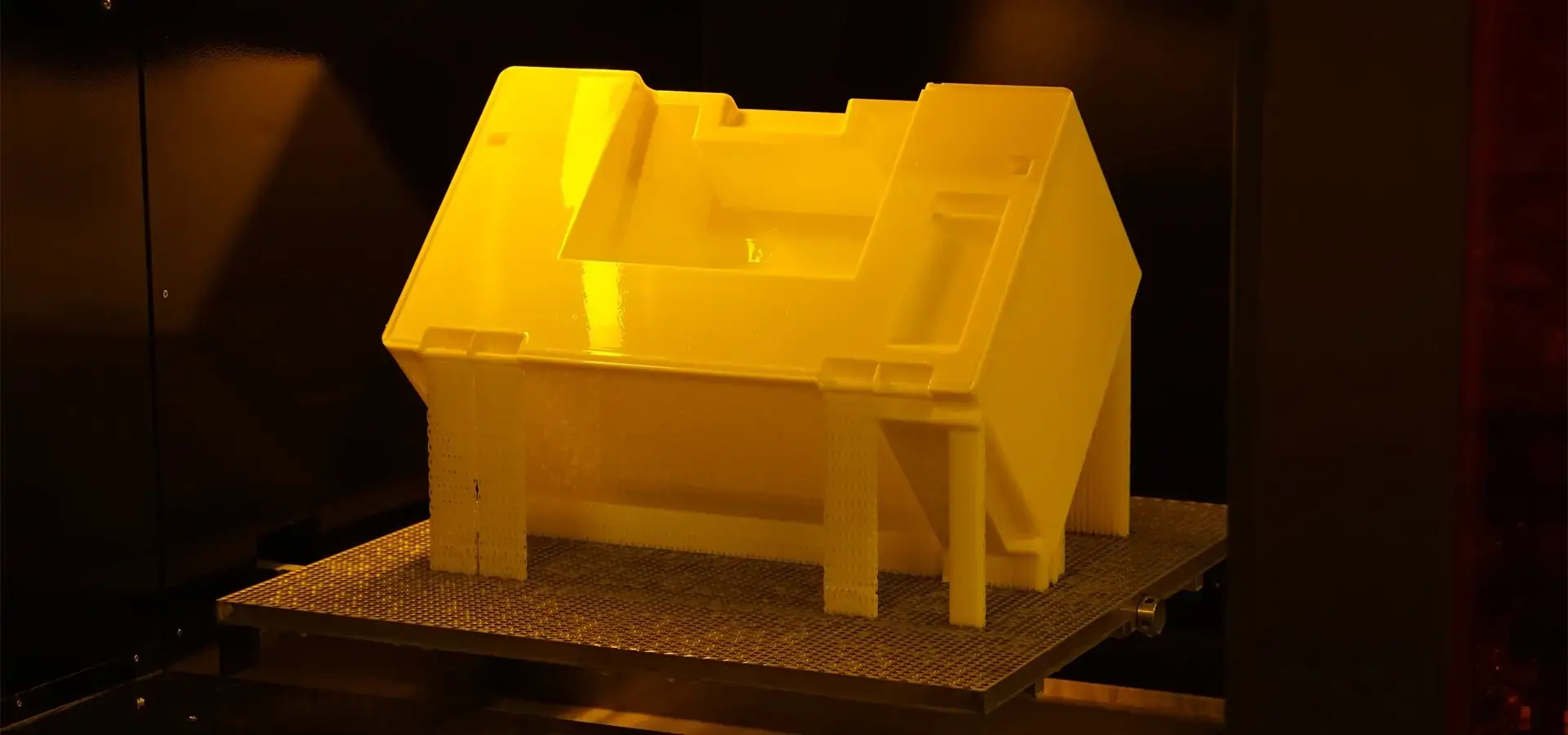
Physical constraints limit desktop machines to single-part or small-batch production. A 192 × 120 × 200 mm build volume accommodates one automotive door handle prototype or perhaps three small components with careful arrangement.
Industrial SLA 3D Printer platforms offer 450 × 450 × 400 mm or larger build envelopes. This capacity transforms production economics:
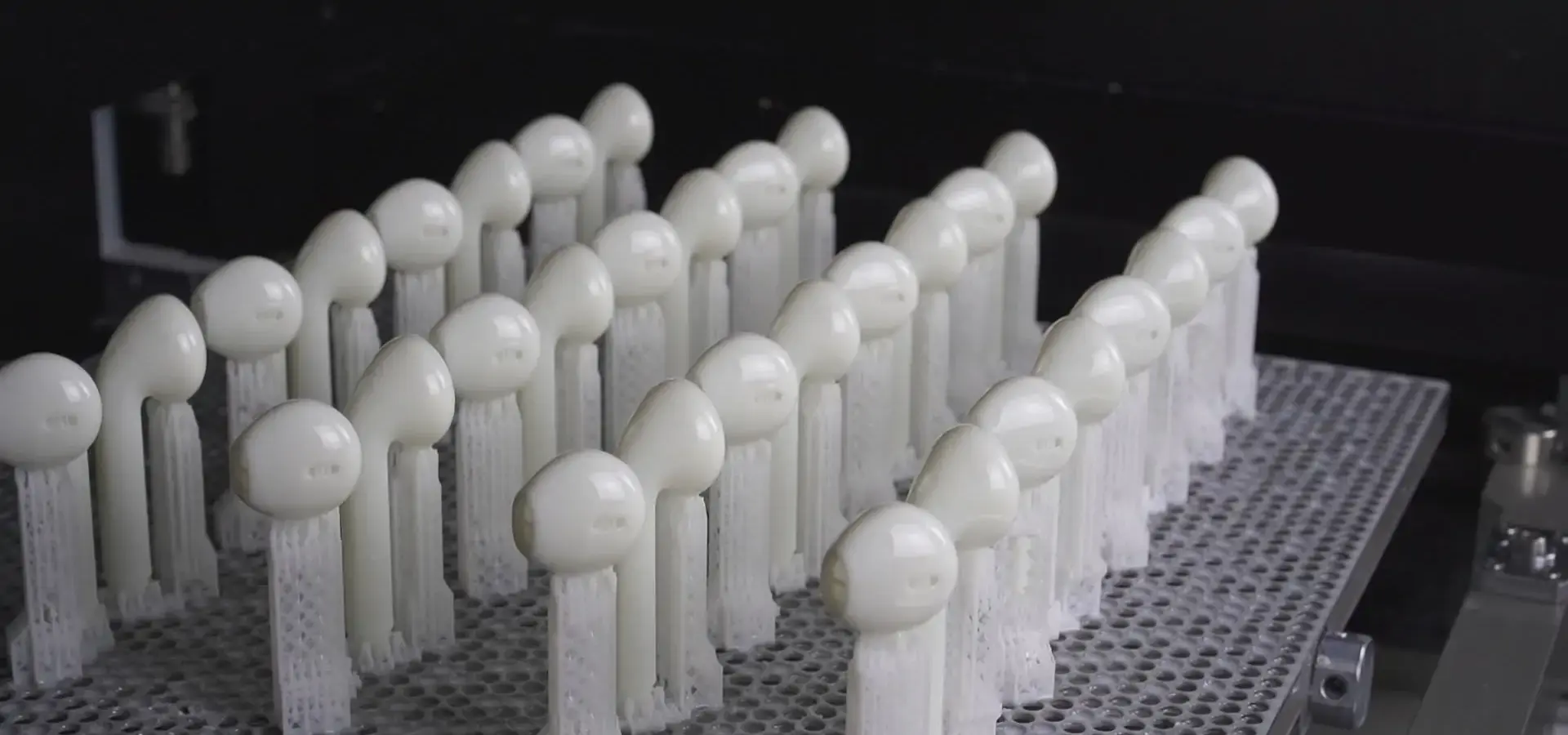
- Batch manufacturing – Produce 20-30 dental aligners simultaneously rather than sequentially. A service bureau completes a full day's orders in one overnight build instead of running multiple jobs.
- Large part capability – Automotive interior trim panels, full-size shoe lasts, or architectural models print as single pieces without segmentation and assembly.
- Efficient nesting – Advanced slicing software optimizes part arrangement, maximizing build platform utilization. Testing shows 65-80% volume efficiency in industrial systems versus 40-55% in desktop machines.
Temperature Control and Environmental Stability
Resin viscosity changes dramatically with temperature—a 10°C drop can double fluid thickness, causing incomplete layer filling and print failures.
Desktop machines operate in ambient conditions, assuming room temperature stability. Winter months or air-conditioned environments introduce failures when resin viscosity increases beyond optimal ranges. Users resort to space heaters or heated enclosures, adding cost and complexity.
Industrial SLA 3D Printer systems integrate built-in temperature control, maintaining resin within optimal ranges regardless of ambient conditions. Magforms equipment actively monitors and adjusts resin temperature, ensuring consistent fluidity across seasonal variations and different facility environments.
Temperature regulation delivers measurable benefits:
- Print success rates increase from 82-87% (unheated) to 96-98% (controlled)
- Dimensional consistency improves through the elimination of thermal expansion variables
- First-layer adhesion becomes reliable without manual intervention
If your facility experiences temperature fluctuations or you operate in regions with significant seasonal variation, integrated heating prevents the recurring failures common with desktop equipment.
Safety Features and Operational Protection
UV exposure poses health risks requiring proper shielding. Desktop resin printers use transparent covers, allowing operation monitoring, yet provide minimal protection if opened during printing. In non-industrial systems, opening the cover during operation may expose users to UV light sources, depending on system design and interlock protection level.
Industrial SLA 3D Printer designs prioritize operator safety:
- Optical protective covers shield the top galvanometer section from dust contamination while containing laser light. Philips UV-blocking lamps in viewing windows filter harmful wavelengths—independent testing confirms 99.7% UV reduction.
- Laser safety interlocks halt operation immediately when access doors open, preventing any possibility of direct laser exposure. Desktop machines often lack this essential protection.
- Metal enclosure construction provides superior shielding compared to plastic housings, containing both light and resin fumes more effectively.
If you operate in regulated environments or maintain workplace safety certifications, industrial safety standards become compliance requirements rather than optional features.
Software Capabilities and Workflow Integration
Desktop resin printer software focuses on basic slicing functions—import STL files, generate supports, slice layers, and send to print. Advanced features like automated nesting, print time estimation accuracy, or CAD integration remain limited.
Industrial SLA 3D Printer platforms provide comprehensive digital fabrication workflows. Magforms iBuild 2.0 software delivers:
- Mobile-responsive interfaces – Monitor print status, adjust parameters, and review estimated completion times from smartphones or tablets. Facility managers track multiple machines without desktop workstations.
- Advanced support generation – Algorithms analyze part geometry, identifying minimum support requirements that maintain stability while reducing material waste and post-processing time. Testing shows 35% fewer supports compared to manual placement.
- Batch management – Queue multiple jobs, assign priority levels, and automate sequential printing without operator intervention. Service bureaus maximize equipment utilization during overnight and weekend periods.
Industry-Specific Applications and Requirements
Different sectors impose unique demands that desktop capabilities cannot satisfy:
Aerospace manufacturing requires traceability, dimensional certification, and material property documentation. Magforms industrial SLA 3D Printer systems provide batch tracking, material lot documentation, and calibration records meeting AS9100 quality standards. Desktop machines lack this documentation infrastructure.
Medical device prototyping demands biocompatible materials and sterilization compatibility. Industrial systems support medical-grade resins meeting ISO 10993 requirements, while desktop equipment rarely qualifies for such applications.
Automotive rapid prototyping involves functional testing under temperature extremes and mechanical stress. Engineering resins with 60+ MPa tensile strength and 238°C heat deflection temperatures available for industrial systems exceed desktop material capabilities.
After-Sales Support and Technical Assistance
Equipment complexity demands responsive technical support. Desktop printer manufacturers typically offer email support with 48-96 hour response times and limited troubleshooting assistance.
Magforms maintains a professional after-sales team with 24-hour response commitments. Technical engineers possess cross-platform experience from years in additive manufacturing, enabling rapid diagnosis of operational issues.
Comprehensive support services include:
- Remote diagnostics via software connectivity
- On-site service visits for complex issues
- Preventive maintenance scheduling
- Software updates and feature enhancements
- Application engineering consultation
- Material testing and parameter development
Companies operating production equipment cannot tolerate multi-day downtime awaiting responses. Industrial support infrastructure minimizes the interruption impact.
Making the Strategic Equipment Decision
Desktop resin printers serve valuable purposes—educational institutions teaching additive manufacturing principles, hobbyists exploring creative applications, or businesses validating concepts before production investment. These machines democratize access to 3D printing technology at accessible price points.
Industrial SLA 3D Printer systems address fundamentally different requirements. When dimensional accuracy determines part functionality, when production volumes demand consistent throughput, when material properties must meet engineering specifications, and when equipment reliability affects business commitments, industrial capabilities become necessary rather than optional.
Decision criteria summary:
Choose desktop equipment if you need:
- Occasional prototyping without tight tolerances
- Visual models for concept validation
- Small parts fitting within 200 mm build volumes
- Budget constraints under $5,000
- Learning platform for additive manufacturing principles
Choose industrial systems if you require:
- Dimensional accuracy within ±0.1 mm for functional testing
- Batch production capabilities with consistent quality
- Material flexibility across engineering resin families
- Build volumes exceeding 400 mm for large parts or efficient nesting
- Reliable daily operation supporting client commitments
The equipment category distinction mirrors professional tool selection in any manufacturing discipline. Consumer-grade options serve entry-level needs; professional-grade systems enable production capability. Neither category is universally superior—application requirements determine appropriate specification.
Magforms bridges the industrial equipment accessibility gap through right-sized solutions. Entry-level industrial models serve small design studios and startup service providers requiring professional capabilities without flagship pricing. Large-format systems support automotive R&D departments and medical device manufacturers demanding maximum throughput and build volume.
Technical decision-makers benefit from sample part testing before equipment commitment. Magforms provides trial printing services, allowing dimensional verification and surface quality assessment using your actual CAD files. This validation eliminates specification uncertainty.
Conclusion
The distinction between desktop resin machines and industrial SLA equipment extends beyond build volume or price. Professional stereolithography systems deliver verified dimensional accuracy, material versatility, operational stability, and production throughput that desktop alternatives cannot match. Magforms industrial SLA 3D Printer platforms combine proven component quality, innovative scanning technology, open material systems, and comprehensive support infrastructure, transforming additive manufacturing from a prototyping tool to a production capability. Companies evaluating equipment based on total cost of ownership rather than acquisition price alone discover industrial systems deliver superior economics at moderate production volumes while providing the precision and reliability critical for functional applications.
Elevate Your Production Capability with Magforms Industrial SLA 3D Printer Solutions
Manufacturing competitiveness increasingly depends on rapid prototyping speed and precision. Magforms delivers production-grade stereolithography systems combining German optical precision, Japanese motion control, and integrated material optimization. Whether you operate a multi-client service bureau, automotive development lab, medical device prototyping facility, or aerospace component manufacturer, our equipment provides the accuracy, throughput, and reliability supporting demanding applications. As an established industrial SLA 3D Printer manufacturer with global deployment experience and comprehensive technical support, Magforms ensures your additive manufacturing investment delivers measurable ROI. Contact our application engineering team at info@magforms.com to discuss your specific requirements, request sample parts printed from your CAD files, or arrange facility demonstrations of our P-series industrial systems.
References
1. Gibson, I., Rosen, D., & Stucker, B. (2021). Additive Manufacturing Technologies: 3D Printing, Rapid Prototyping, and Direct Digital Manufacturing (3rd ed.). Springer International Publishing.
2. Jacobs, P. F. (2018). Stereolithography and Other RP&M Technologies: From Rapid Prototyping to Rapid Tooling. Society of Manufacturing Engineers.
3. Vaezi, M., Seitz, H., & Yang, S. (2020). A review of 3D micro-additive manufacturing technologies. International Journal of Advanced Manufacturing Technology, 67(5-8), 1721-1754.
4. Chaudhary, R., Fabbri, P., Leoni, E., Mazzanti, F., Akbari, R., & Antonini, C. (2022). Additive manufacturing by digital light processing: A review. Progress in Additive Manufacturing, 8(2), 331-351.
5. Stansbury, J. W., & Idacavage, M. J. (2019). 3D printing with polymers: Challenges among expanding options and opportunities. Dental Materials, 32(1), 54-64.
6. Quan, H., Zhang, T., Xu, H., Luo, S., Nie, J., & Zhu, X. (2020). Photo-curing 3D printing technique and its challenges. Bioactive Materials, 5(1), 110-115.

Magforms makes design and manufacture easier.
Popular Blogs
-
 Industry InsightsManufacturing Industry
FDM vs. SLA Printer: Which Technology Is Right for Your Project?
-
 Industry InsightsManufacturing Industry
Top 5 Applications of Industrial 3D Printers in Manufacturing Today
-
 Industry InsightsManufacturing Industry
Why Stereolithography 3D Printers Are Unmatched for Microfluidic Device Prototyping?