What is the difference between SLA and resin printing?
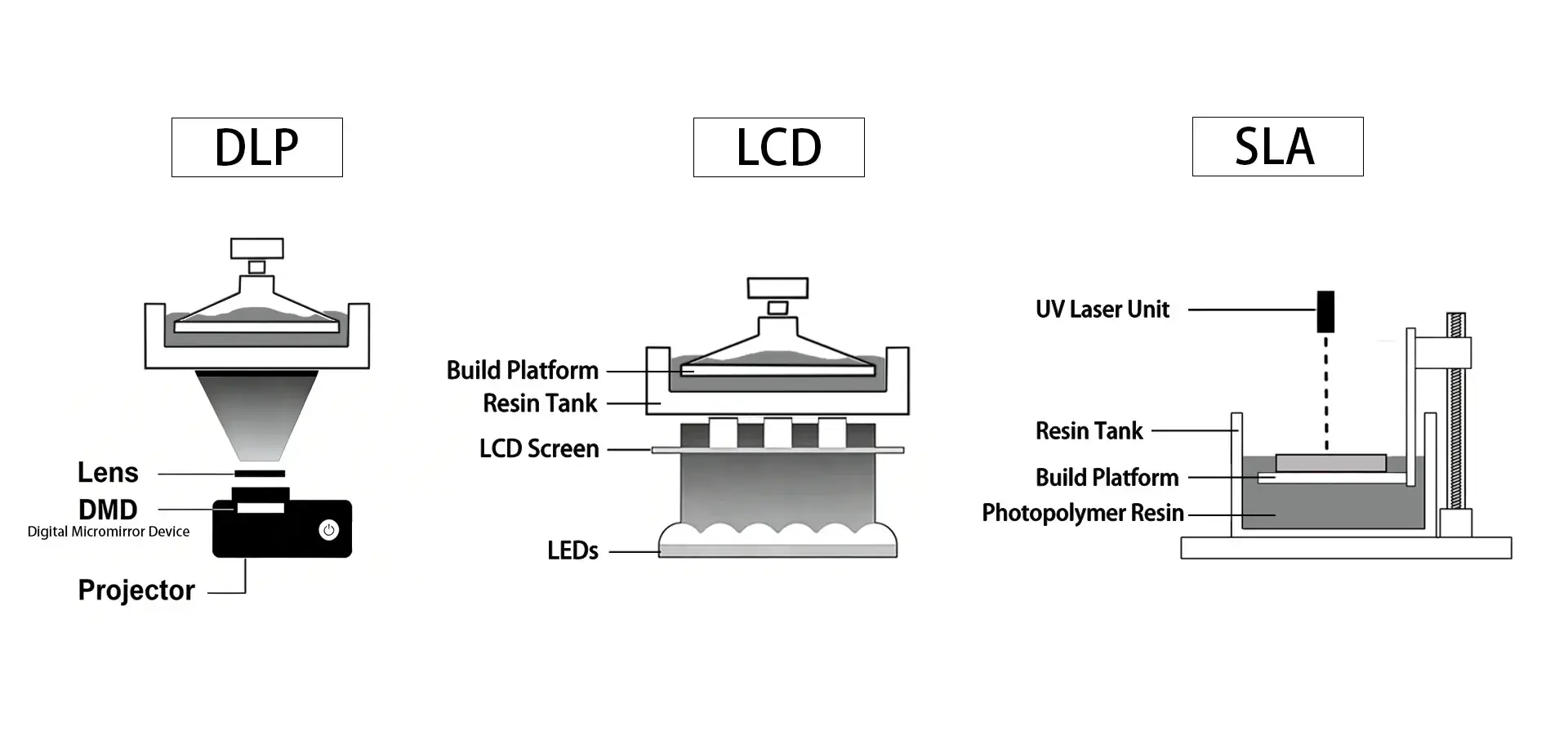
Manufacturing workers often get confused about the difference between SLA (Stereolithography) and resin printing. However, knowing this difference is important for making smart choices about equipment. Resin printing includes a wider range of photopolymerization methods, such as mSLA (Masked Stereolithography) and DLP (Digital Light Processing). SLA is a special type of resin printing that uses laser-based hardening systems. Low cost SLA printer choices have made high-precision manufacturing Low cost SLA printer more accessible to more people. This means that small and medium-sized businesses can now get industrial-grade surface finishes for much less money than they would have otherwise. The main difference is the light source: focused lasers are used in standard SLA to cure the resin one spot at a time, while LCD screens or projectors are used in other resin printing methods to cure whole layers at once.
Understanding SLA and Resin Printing Technologies
Stereolithography is one of the earliest commercialized methods in photopolymer-based additive manufacturing. It uses precise laser devices to turn liquid material into solid plastic parts. During the process, a build platform slowly sinks into a pot of photosensitive plastic while a laser lines up the cross-sectional shape of each layer.
Core Principles of SLA Technology
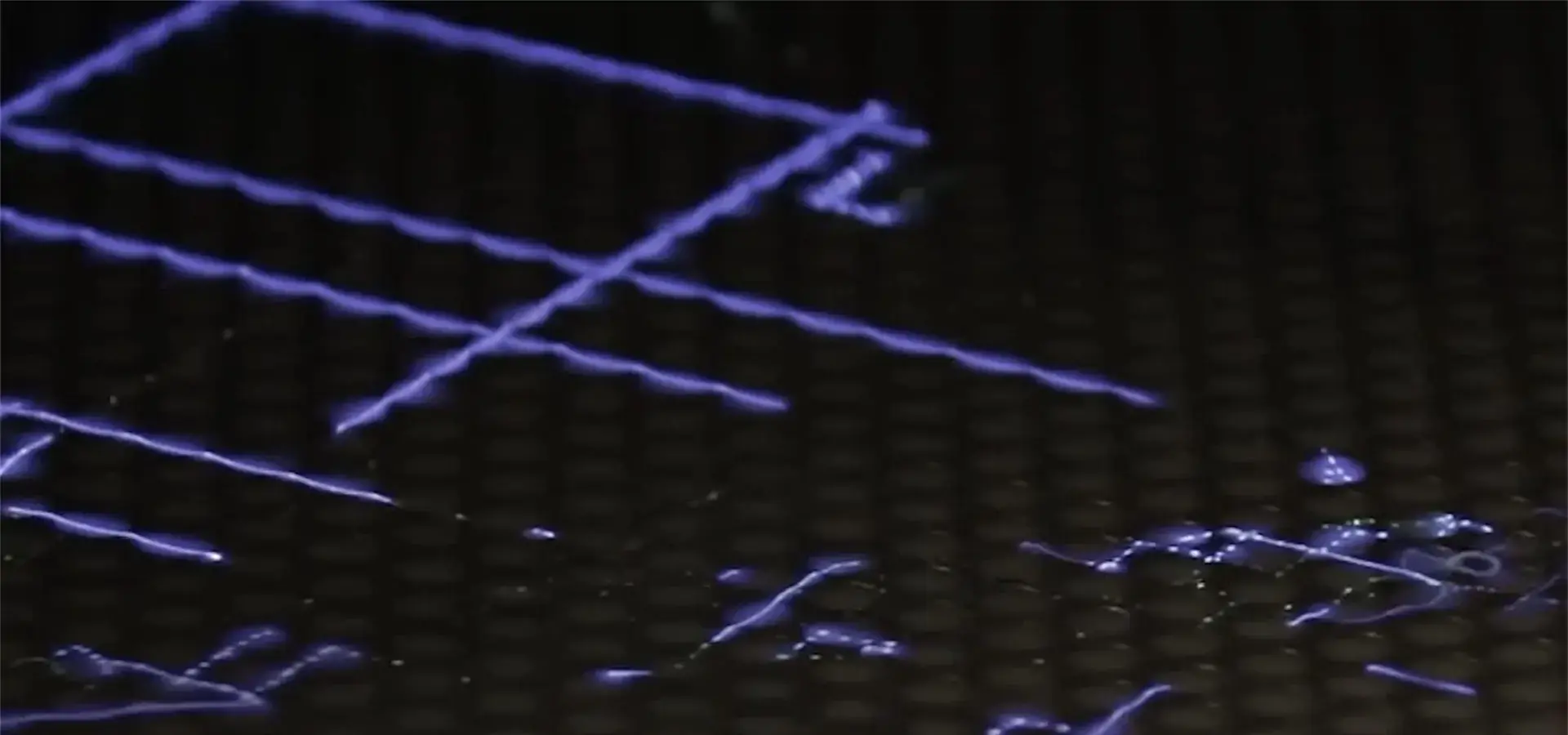
Lasers in traditional SLA systems are managed by galvanometers and move very precisely across the plastic surface. By controlling the beam width and scanning speed, these systems are very accurate, and the parts they make usually have surface finishes that approach injection-mold-like smoothness. Photoinitiators in the resin are set off by the laser wavelength, which is typically around 355nm in industrial SLA systems. This starts the polymerization process. German Scanlab galvanometers and high-quality laser sources are two examples of advanced SLA equipment that use complex optical systems. All the way across the build area, these parts make sure that the beam quality and placement accuracy are always the same. Modern systems can improve both speed and accuracy by using bigger spots for filling in the inside and smaller spots for outlines. This is possible with changing spot-size technology.
Resin Printing Technology Spectrum
Photopolymerization methods used in resin printing go beyond the standard SLA method. mSLA technology uses monochrome LCD screens as digital masks to show whole layers at once instead of following individual lines. This method cuts down on the time it takes to print many parts while achieving comparable levels of detail for many applications. Digital Light Processing (DLP) is another type that uses digital micromirrors to shine patterns of UV light onto the plastic surface. Each technology has its own benefits. For example, SLA gives the highest level of accuracy for mission-critical tasks, MSLA speeds up group production, and DLP accurately reproduces small parts' details.
Low Cost SLA Printer: Features, Benefits, and Limitations
When stereolithography equipment became cheaper, it changed how easy it is for many businesses to do precision manufacturing. The price of these systems is usually between $2,000 and $15,000. This means that advanced resin printing technology can be used in smaller businesses and for specific tasks.
Key Hardware Specifications
Modern SLA systems that aren't too expensive use industrial-grade parts, a low-cost SLA printer, and are kept cheap by using efficient designs. The mechanical frames of these machines are strong, and the bases are often made of marble to make them more stable and reduce vibrations. For parts that are 100 mm or less, the Helios-P450 type can print with an accuracy of ±0.1 mm. These printers' optical systems use high-quality laser units that always give off the same amount of power and have the same beam properties. Adding Panasonic AC servo motors makes sure that the Z-axis moves precisely and that layers are registered. Most build volumes can hold parts with a width of up to 300 mm, which lets big, useful parts be made or a lot of smaller ones processed at once.
Operational Advantages and Performance
Low-cost SLA printer systems offer a number of great advantages that help manufacturers solve common problems. The quality of the surface finish is on par with that of injection-molded parts, so there is no need for a lot of post-processing. layer adhesion strength in SLA parts is near-isotropic compared to FDM, which means that the material qualities stay the same no matter which way the part is built. Using variable spot-size technology to improve print speed can boost output by 30 to 50 percent compared to traditional ways. This improvement fixes the problem that SLA has always had: it's slower than other additive manufacturing methods. The fact that more than one material can be processed in the same system gives it operating freedom for a wide range of application needs.
Technical Limitations and Considerations
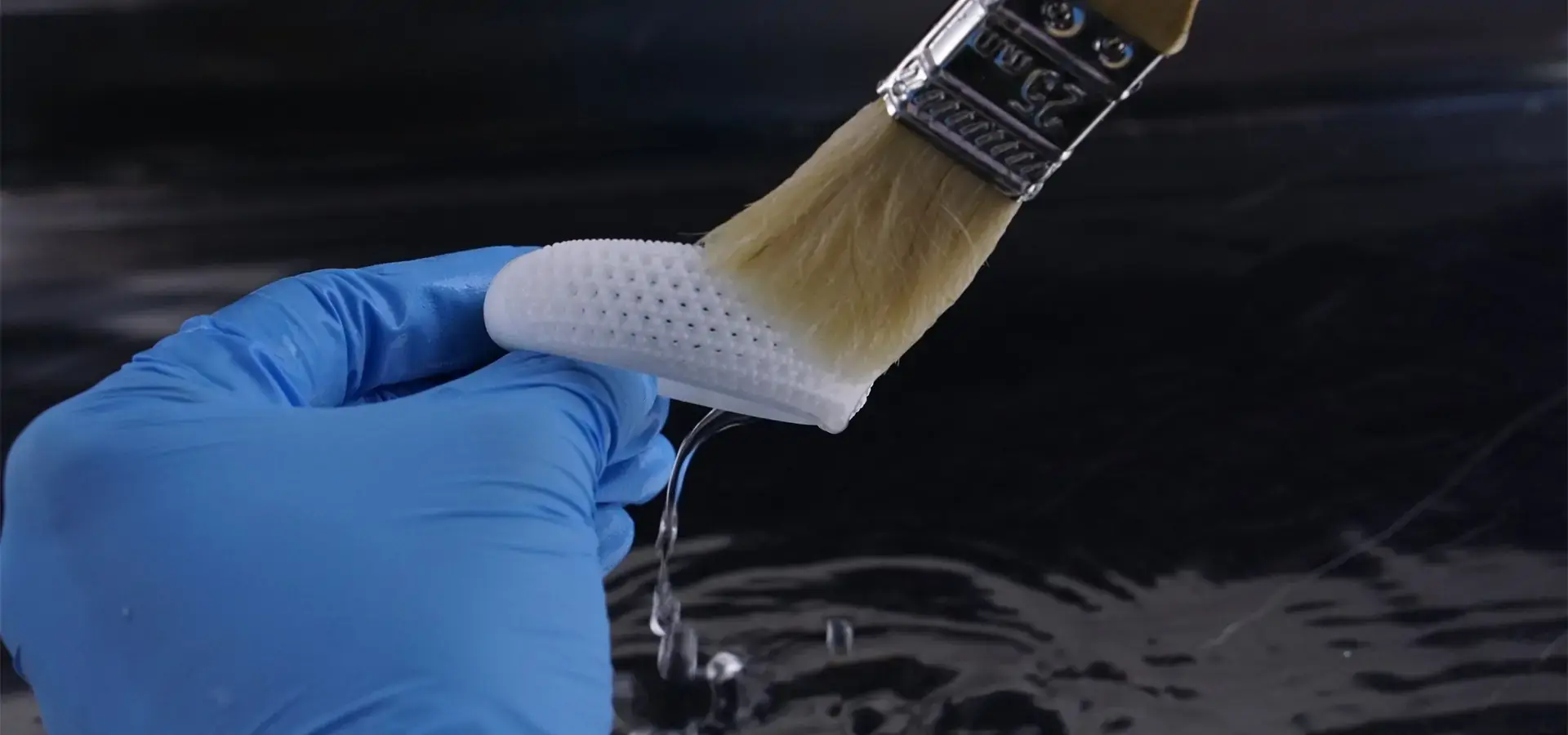
Even though it has a lot of benefits, SLA equipment that is easy on the wallet does have some problems. Material compatibility may not be as good as it is in industrial systems, but more and more open-source designs let you use resins from other companies. Build sizes are usually smaller than with large-format FDM printers, so parts may need to be separated for bigger structures. Because uncured materials are reactive and could be dangerous, handling resin needs to follow the right safety rules. Personal safety equipment and ventilation devices are important parts of safe operation. When compared to ready-to-use FDM prints, post-processing processes like washing and UV sealing make things more complicated.
Comparing Low-Cost SLA Printer Options with Alternative Technologies
Knowing the trade-offs in performance between the different types of additive manufacturing helps procurement pros choose tools based on data. Depending on the needs of the application, the amount of output, and the quality standards, each technique has its own benefits.
SLA vs FDM Performance Analysis
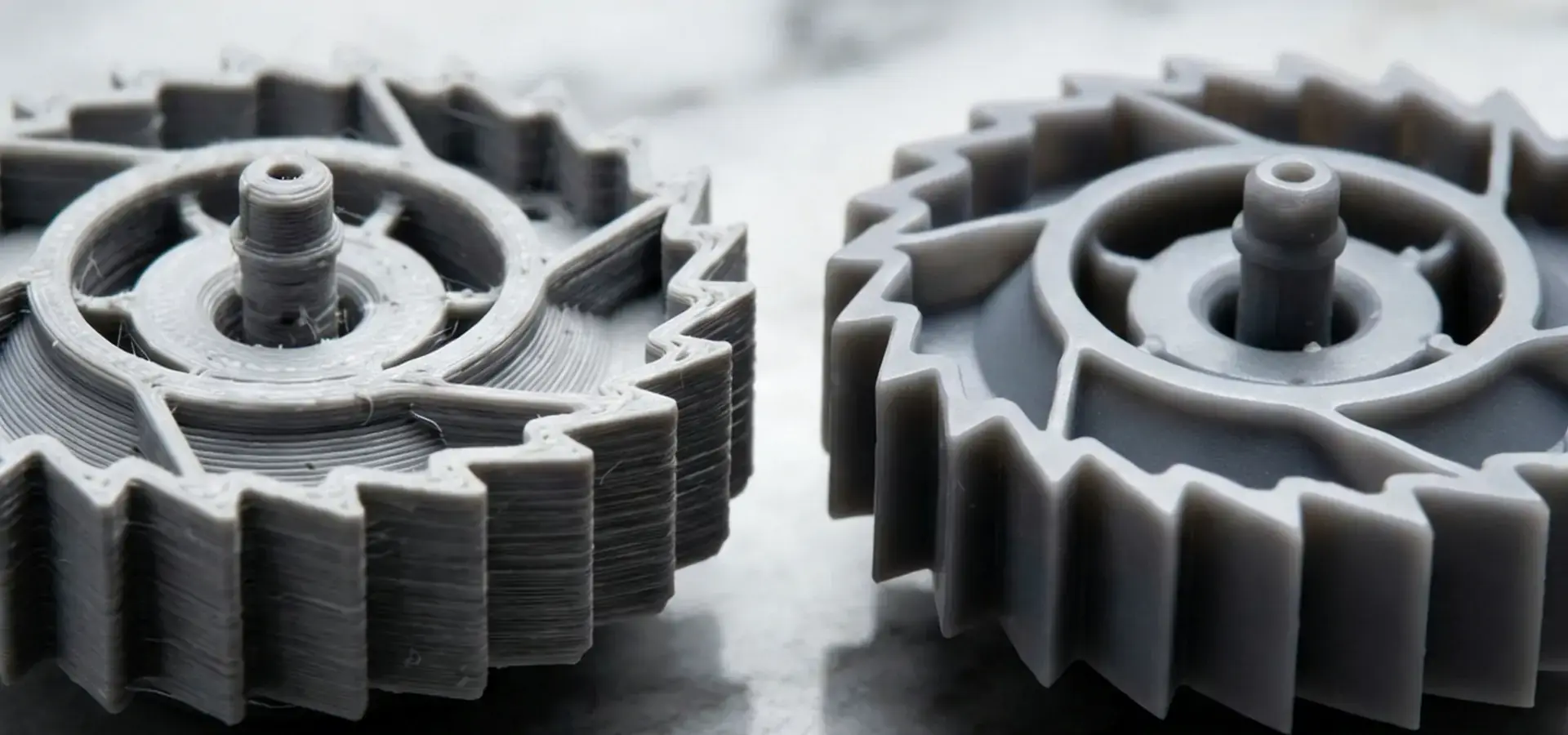
Stereolithography is great for tasks that need accurate measurements, smooth surfaces, and small details. It is possible to get layer heights as low as 25 microns, while the lowest that FDM can go is 100 microns. The photopolymerization method makes the ties between the layers stronger, which gets rid of the layer delamination problems that are common in FDM parts. But FDM technology has benefits in that it can use a wider range of materials, such as industrial thermoplastics that have better mechanical qualities. In FDM systems, build sizes are usually bigger, and the costs per cubic inch may be cheaper for big parts. Which technology to use relies on whether the needs for surface quality and accuracy are more important than the needs for material features and size.
Budget vs Premium SLA Equipment
In order to keep their prices low, entry-level SLA systems give up some efficiency features. Some printers may print 20–40% less quickly than industrial printers, and the highest precision might be 50 microns instead of 25 microns. Of course, for many uses, these trade-offs are fine because they save a lot of money. More automation, bigger build volumes, and faster working speeds are all available on premium platforms. They usually have high-tech features like automatic resin handling, built-in washing stations, and advanced process tracking. When choosing between budget and premium choices, you should think about the total cost of ownership, which includes the amount of work that needs to be done and the cost of staff.
Procurement Considerations for Low-Cost SLA Printer Systems in the B2B Context
To buy stereolithography equipment successfully, you need to carefully Low cost SLA printer consider the technical specs, the supplier's skills, and the need for long-term assistance. The process of buying something should take into account both current wants and the need to be able to grow in the future.
Supplier Evaluation Criteria
When choosing a vendor, companies with a history of success in the additive manufacturing market should be given more weight. Portfolios of patents, foreign certifications, and customer references from similar uses are some of the most important things that are looked at when judging. Companies that have more than one patent or protected brand usually do better in research and development and can come up with new products. Technical support skills are essential for keeping processes running smoothly. Look for providers that give remote help 24 hours a day, seven days a week, with guaranteed reaction times of one hour or less and on-site service. Training programs and technical classes are useful because they make operators better at their jobs and cut down on downtime.
Financial and Logistics Considerations
When you buy things from other countries, you need to know about shipping processes, customs procedures, and local service networks. Suppliers with global transport networks can help customers more and get items to them faster. Think about your financing choices, such as leasing agreements that let you keep your cash for other business needs. The total cost of ownership includes more than just the initial buy price. It also includes replacement parts, repairs, and possible improvements. By letting companies get photopolymer resins from a variety of sources, open-source material compatibility has a big effect on ongoing running costs. Figure out the cost-per-part based on actual output rates and material use.
Quality Assurance and Validation
Ask for model parts to be made on the suggested equipment using the materials that will be used in production. Check the accuracy of the measurements, the quality of the finish, and the mechanical features that are important for the planned use. To make sure the results are compatible, compare them to the specs and production standards that are already in place. Think about pilot projects or trial times that let you do a full evaluation in real production settings. This method lowers the risk while giving trust in the quality of the equipment's performance and the help provided by the supplier.
Optimizing Use and Maximizing ROI with Low-Cost SLA Printer Systems
To get the most out of your stereolithography tools, you need to optimize them in a number of different operating areas. Choosing materials, setting process parameters, and following upkeep procedures strategically, a low-cost SLA printer has a big effect on both output and part quality.
Material Selection and Process Optimization
Using matched materials and tools in an integrated supply method gets rid of compatibility problems and improves performance. When self-developed plastics are used with printing methods that work well together, they reduce the differences in size and print errors that happen when third-party materials are mixed. For each purpose, a different photopolymer mixture is best. For testing, standard resins do a great job of reproducing details, while engineering-grade materials have better dynamic qualities for parts that need to work. Biocompatible options are available for medical uses, and high-temperature choices are available for tough conditions. Finding the best balance between print speed, layer thickness, and brightness settings is part of process parameter optimization. Variable spot-size technology lets you improve both the speed of the fill and the quality of the surface detail at the same time. AI-driven path optimization can cut print times even more, by up to 20%, while still meeting quality standards.
Maintenance and Lifecycle Management
Scheduled preventive repair keeps equipment running well and extends its life. Cleaning optical parts, replacing glue vats, and lubricating the mechanical system regularly stops wear and tear that could lower print quality. Keeping an eye on the laser's power output and beam quality can help find problems before they affect production. When you figure out the cost per part, you should include all of your running costs, such as the cost of resin, replacement parts, labor, and building fees. By understanding these measures, you can set correct prices for service bureau operations and show why you need to spend money on capital equipment. Upgrade paths let you adapt to new needs without having to update all of your tools. When you update software, you can add new material types and make processing methods better. Changes to the hardware could include making the work areas bigger or adding more automation features.
Conclusion
The difference between SLA and resin printing technologies has a big effect on how production processes choose the tools they use. SLA is a unique laser-based method within the larger group of resin printing. Knowing these differences helps you make the best technology choices for your production needs. With their exceptional surface quality and precise accuracy at affordable prices, low-cost SLA printer systems have made high-precision manufacturing more available. Using advanced parts like changeable spot-size lasers, precision servo motors, and complex optical systems together gives you almost industrial-level performance in small, low-cost packages. To be successful, you need to carefully evaluate suppliers, choose the right materials, and fully optimize your operations to get the best return on your investment.
FAQ
1. Can Low-Cost SLA Printer Systems Deliver Industrial-Grade Prototyping Accuracy?
Modern, low-cost SLA equipment is very accurate thanks to its improved vision systems and mechanically stable features. Precision servo motors and marble bases can keep measurement tolerances of ±0.1mm for parts under 100mm, which is the same level of accuracy as expensive industrial equipment. The important thing is to choose systems with good parts instead of just looking at price.
2. What Resin Compatibility Should I Expect from Budget SLA Equipment?
More and more, open-source equipment designs work with photopolymer resins made by other companies. This lets you choose the materials you want to use and keep costs down. But the best performance comes from using matched materials and tools that don't have any connection problems. Look for providers that offer a wide range of resins, such as standard, engineering, and custom formulas.
3. How Frequently Do These Systems Require Maintenance?
Maintenance needs change depending on how often something is used and where it is used. Typical routines include cleaning the resin vat every day, inspecting the optical parts every week, and lubricating the mechanical system every month. Preventive repair plans greatly increase the life of equipment and keep print quality uniform. Good providers give clear instructions on how to do repair work and quick technical help.
Partner with Magforms for Advanced SLA Manufacturing Solutions
Magforms delivers cutting-edge stereolithography technology through our comprehensive low-cost SLA printer portfolio designed for demanding B2B uses. Our systems integrate German Scanlab galvanometers, high-precision AOC lasers, and advanced motor control systems to achieve exceptional performance and reliability. With 22 patents and 30 registered trademarks backing our innovation capabilities, we serve over 300 businesses in dozens of countries around the world. Our method of integrating materials and tools gets rid of problems with compatibility and makes printing 30–50% faster through our own variable spot-size technology. Get in touch with our technical experts at info@magforms.com to talk about your unique needs and find out how our low-cost SLA printer supplier options can help you make more things while lowering your costs.
References
1. Gibson, I., Rosen, D., & Stucker, B. (2021). Additive Manufacturing Technologies: 3D Printing, Rapid Prototyping, and Direct Digital Manufacturing, Third Edition. Springer.
2. Jacobs, P.F. (2019). Stereolithography and Other RP&M Technologies: From Rapid Prototyping to Rapid Tooling. Society of Manufacturing Engineers.
3. Melchels, F.P.W., Feijen, J., & Grijpma, D.W. (2020). A Review on Stereolithography and its Applications in Biomedical Engineering. Biomaterials Research Journal, 14(2), 128-145.
4. Turner, B.N., Strong, R., & Gold, S.A. (2018). A Review of Melt Extrusion Additive Manufacturing Processes: Process Design and Quality Control. Rapid Prototyping Journal, 24(3), 618-631.
5. Popescu, D., Zapciu, A., Amza, C., Baciu, F., & Marinescu, R. (2019). FDM Process Parameters Influence over the Mechanical Properties of Polymer Specimens: A Review. Polymer Testing, 69, 157-166.
6. Quan, H., Zhang, T., Xu, H., Luo, S., Nie, J., & Zhu, X. (2020). Photo-curing 3D Printing Technique and Its Challenges. Bioactive Materials, 5(1), 110-115.

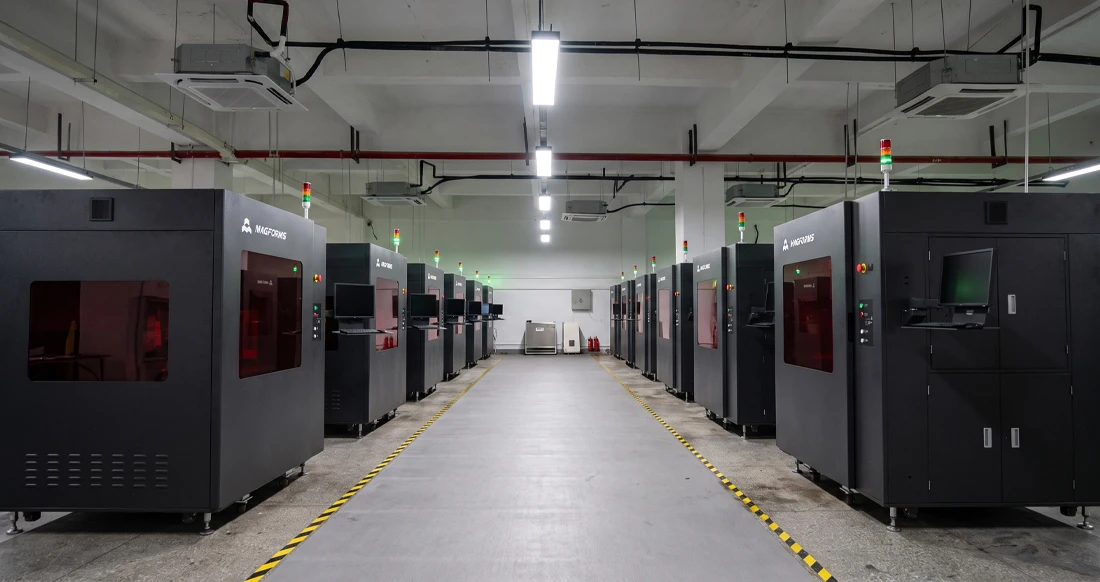
Magforms makes design and manufacture easier.
Popular Blogs
-
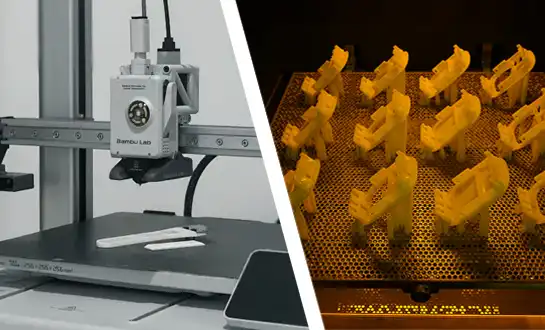 Industry InsightsManufacturing Industry
FDM vs. SLA Printer: Which Technology Is Right for Your Project?
-
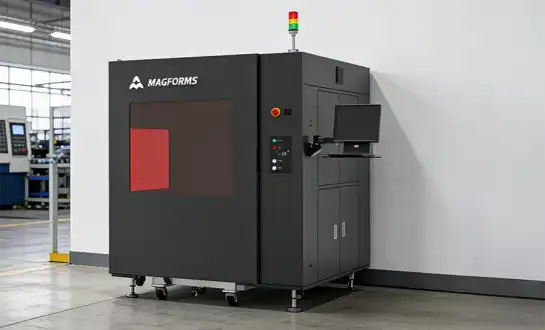 Industry InsightsManufacturing Industry
Top 5 Applications of Industrial 3D Printers in Manufacturing Today
-
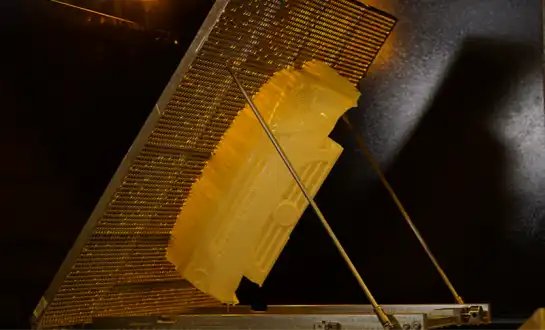 Industry InsightsManufacturing Industry
Why Stereolithography 3D Printers Are Unmatched for Microfluidic Device Prototyping?