Why the P10 Pro Resin 3D Printer Ensures Higher Print Success Rates in Production?
Every bad print costs you time, money, and materials when your production line counts on getting the same results every time. The Magforms P10 Pro resin 3D printer is specifically engineered for high-reliability production environments, addressing this critical challenge with verified success rates of up to 99%, enabled by industrial-grade components, controlled thermal systems, and precision-engineered motion architecture. This level of performance comes from carefully combining hardware stability, advanced vision systems, and user-centered design that gets rid of common failure points that plague regular resin printers in tough production settings.

Understanding the Challenges in Achieving High Print Success Rates
When you run a 3D printing business, whether you're making prototypes for cars, dental models, or consumer goods, you have to deal with reliability problems that have a direct effect on your bottom line. We've had clients come to us angry because their old equipment had failure rates of more than 20%, which caused them to waste a lot of materials and raise their yearly running costs by thousands of dollars. Most of the time, the root reasons can be put into expected groups.
Hardware limits are what cause performance to be inconsistent: not enough structure stiffness causes vibrations that show up as layer flaws, and unsteady Z-axis movement causes errors in dimensions that make precision parts useless. During long print jobs, changes in temperature cause changes in the thickness of the resin, which changes how it cures during the print, which can lead to delamination or incomplete polymerization. Material suitability is another problem that keeps coming up. A lot of industrial users find that their equipment only works consistently with proprietary resins that are much more expensive than market options. This forces them to make tough decisions about how to balance quality, consistency, and cost control.
This lock-in with one seller makes it harder for businesses to be flexible when they need to quickly meet client needs for specific material qualities like biocompatibility or resistance to high temperatures. Hardware limitations are often compounded by slicing software inefficiencies and suboptimal process parameter control. Outdated slicing methods create inefficient support structures that make it more likely that the peeling process will fail, and users have to cancel expensive print jobs to make small changes because they can't change parameters in real time. These technology problems have a domino effect: one failed print causes delivery dates to be pushed back, which costs more in extra wages and could hurt relationships with clients that took years to build.
These problems are made worse in manufacturing settings. A dental lab that makes 30 aligner models every day can't have even a 5% failure rate, because that means 1-2 wasted prints that need to be reprinted quickly, which throws off the schedule for the rest of the work. Service offices that run multiple machines at the same time have to meet higher standards of dependability. If one unit isn't working right, it affects the whole operation's ability to predict its throughput.
How the P10 Pro Overcomes Traditional Printing Limitations
Magforms designed this resin 3D printer to systematically address these challenges, making sure that stability is built into every part instead of being an accident. The method is based on three main ideas: stable structure, stable temperature, and smart process control.
Industrial-Grade Structural Foundation
The 25 kg weight of the machine isn't a mistake; this large mass reduces vibrations P10 Pro in a way that smaller machines made for consumers can't. When each newly cured layer breaks from the FEP film during the peel operation, cheaper printers show tiny vibrations that make ripples that can be seen on the final surfaces. When we tested it, these "water wave" flaws were totally gone thanks to the rigid frame construction and accurate linear motion parts. When we talk about motion systems, the P10 Pro uses two industrial P-grade linear guides that achieve 5 μm of movement parallelism accuracy. For prints that take several hours, this standard is very important because placement mistakes would add up to dimensional drift otherwise. The industrial-grade lead screw makes sure that the Z-axis moves smoothly, without the locking or backlash that is common in cheaper parts. This means that fine surface details are produced consistently across the entire 250 mm build height.
Advanced Thermal Management System
The enclosed, air-heated build room keeps the temperature fixed during printing, which fixes one of the most problematic issues with resin printing. Even small temperature changes can have a big effect on the viscosity of standard resins. A 10°C temperature fluctuation can significantly increase resin viscosity, directly affecting recoating behavior and layer formation consistency during the vat photopolymerization process. Many shops use water baths, heat guns, and homemade enclosures as fixes, but this combined heating system gets rid of all of them. These solutions aren't reliable. The setting with a steady temperature makes it possible to get consistent results with engineering resins, high-temperature materials, and special formulations that need exact thermal conditions to have the best mechanical qualities. The copper-tube forced-air cooling system is better at getting rid of heat than the aluminum alloy heat sinks that are popular in rival products. This better temperature management makes both the industrial-grade light source and the LCD screen last longer. Parts that break down too soon cost a lot in downtime and repair costs.

Optical Excellence Through Engineering
The newly created industrial-grade array light source gives surfaces the regularity they need. Differences in light strength across the build platform cause differences in curing depth, which leads to parts with different mechanical traits that fail quality checks. The low light dispersion angle enables highly precise photopolymer curing with minimal light bleed with little light bleeding along the sides. This leads to better accuracy and fewer layer lines that can be seen on vertical surfaces. The resolution tells you something about the quality: The system achieves an XY pixel resolution of 29.7 μm, enhanced through optical calibration and image processing to deliver high-detail surface quality with reduced visible pixelation. This fine rendering approaches the performance of high-end DLP systems while maintaining the scalability and cost-efficiency advantages of LCD-based resin 3D printing technology, but it keeps the benefits of LCD technology's large build volume.
Key Features of the P10 Pro That Drive Higher Print Success Rates
Along with basic stability issues, this professional resin 3D printing system has specific features that directly contribute to the proven 99% success rate our clients experience in production settings.
Build Volume Optimized for Productivity
The 228 × 128 × 250 mm build envelope gives the 10-inch printer group important volume benefits. The 250 mm vertical diameter makes this piece of equipment stand out among others of the same size. It makes it possible to make full-height anatomical models, tall mechanical assemblies, or efficient batch setups of smaller parts. A full-height 250 mm model can be completed in optimized conditions depending on layer height and exposure settings, typically within production-efficient timeframes for industrial resin 3D printing workflows, which shows that the speed is good enough to meet tight production plans. This ability means that operations can be changed quickly. When dental labs nest multiple model bases in one job, the cost of each part and the amount of machine time used go down. Prototyping shops can make bigger parts without the problems and difficulties that come with using multiple pieces. The effect on the economy grows quickly: each extra part made during a print cycle increases the return on investment (ROI) of the tools and the use of resources.
Precision That Meets Production Standards
Achieving ±0.05 mm dimensional accuracy steadiness means that parts P10 Pro always meet technical requirements without having to be sorted and reworked, which happens a lot when less capable equipment is used. This accuracy comes from the combined system design, which means that the tools and materials are matched and work together without any problems. The requirement for the build platform to be flat within ±0.02 mm directly affects the success of the first layer bonding. Uneven platforms create holes or too much pressure in certain areas, which can lead to failed bonding or damage to the FEP film. Multiple pressure-release holes in the platform lower pulling forces during the peel operation. This makes it more reliable, lowers the load on the motor, and increases the life of mechanical parts. The process is flexible enough to meet the needs of any application because the layer height can be adjusted from 0.01 mm to typical production settings. Cosmetic parts that need to be very smooth should use thinner layers, while functional parts that need to be fast should use larger sets. The optimized, resin-specific parameter packages for suitable materials get rid of the need to try different formulas and see what works and what doesn't.
User Experience Features That Prevent Operator Errors
Not only does the gear have to work well, but mistakes made by the operators must also be avoided if production is to be reliable. The resin vat can be installed without using any tools because it has a push-and-pull design that stops cross-threading and bad fitting, which could lead to leaks or uneven resin distribution. In the same way, the press-lock device on the build platform makes sure that everything is mounted correctly, without the alignment problems that often happen with screw-based connection systems. The form of the vertical slide door is worth mentioning. Some rival products have detachable light shields that need to be handled during every print cycle. This makes the area more likely to get dirty, damaged, or cluttered. The built-in sliding door works smoothly for people with less physical strength, and the longer handles make it easier on the body when opening and closing dozens of doors every day in busy production areas. The 5.0-inch color tablet makes it easy to change parameters without having to add any other devices. Changing the exposure parameters in real time while the print is still going on lets experienced workers make small changes when tracking shows minor process drift, which can save prints that would have failed otherwise. The 4 GB internal storage lets you print multiple files while you're not connected to the internet, so you don't have to rely on a USB drive or worry about how reliable the link is. A deep resin box that can hold up to 1.1 kg lets you print tall or material-heavy models without having to stop and refill the resin tray, which is a common way for printers to fail when the resin level drops below critical levels. The one-click vat cleaning feature and user-friendly design with handles, pouring spout, and capacity marks make regular maintenance easier to do while making sure that procedures that affect print quality are done correctly.
Environmental Quality and Operator Comfort
The built-in air filter system gets rid of the smell of glue that makes printing areas that aren't well-ventilated unpleasant and could be dangerous for workers. This built-in answer gets rid of the need for extra extraction systems or space limitations that make it hard to use tools in certain places. Keeping the printing area clean makes operators more comfortable during long production runs and makes people less hesitant to put machines in places where customers will see them, like store labs.

Comparing P10 Pro to Market Alternatives for Printing-Centric Procurement
When people are looking at resin printing tools for production uses, they have a lot of choices, ranging in price from cheap consumer machines to expensive industrial systems that cost six figures. Figuring out where this answer fits in that bigger picture helps make its value offer clearer for different levels of operations.
Performance Advantages Over Entry-Level Equipment
When it comes to dependability, entry-level consumer resin 3D printers don't offer the structural support, component quality, or thermal control that are needed. Users who are drawn in by the low cost of purchase quickly learn that ongoing costs like failed prints, frequent component replacement, and limited material compatibility often outweigh the initial savings within the first year of operation. Unreliable technology is frustrating and hurts both team mood and client trust. These are real costs that are hard to measure. The P10 Pro offers performance levels suitable for industrial use at a price range suitable for serious businesses that don't have huge funds. Precision linear guides, strong structure design, and tried-and-true optical systems give businesses faith that printed parts will always meet customer requirements, so they can meet client deadlines without the stress that comes with unreliable equipment.
Cost Efficiency Compared to Premium Systems
While high-end resin printing systems from well-known industrial brands, such as P10 Pro, have a lot of great features, they also come with high prices that make it hard for small businesses or those that are just starting to grow to justify them. Some high-end brands have to deal with ongoing costs that are hard on budgets because they need proprietary materials. This is especially true when looking into custom formulas for niche uses. This option is in the middle of the strategic range. It meets the needs for reliability and accuracy in production while keeping costs low enough to allow for profitable operation at low numbers. The ability to work with engineering resins, high-temperature formulas, flexible materials, and clear choices means that you don't have to stick with one provider. For normal uses, businesses can find materials that are cheap, and when clients need specific formulations, they can get them at higher prices.
Service and Support Infrastructure
Dependability of equipment is very important, but service needs will always require a quick support infrastructure. Magforms supports this resin 3D printer with proven engineering expertise and real-world deployment experience across multiple industrial sectors and helping over 300 companies around the world in the automobile, military, medical, and consumer electronics fields. Because they have so much experience, support staff know how users work with applications and can give them advice that goes beyond basic fixing. The company's patent collection and ongoing investments in research and development (R&D) show that it wants to keep getting better instead of just making the same products. Updates to the firmware and setting improvement based on increasing material compatibility make sure that the equipment's capabilities grow over time and don't become useless as industry needs change.
Maximizing Your P10 Pro Success Rate: Practical Insights
To get the most out of any fine equipment's stability, you need to know the best ways to use it in a way that works with its hardware. We've learned from successful launches in several different businesses to help new users avoid common problems.
Material Selection and Handling
This resin printer can print on a variety of materials, but it works best when the qualities of the resin are matched to the needs of the application. For engineering resins with better toughness, the process windows are usually smaller, so you have to be more exact with your parameter control. Starting with standard resins to get used to the process and then moving on to more specialized formulations as experience grows produces a learning curve that keeps costly mistakes to a minimum during the capability development phase. The right way to store resin increases its useful life and makes sure that the printed properties stay the same. When temperature-sensitive products are exposed to heat or UV light for a long time, they break down. They lose their stiffness or polymerize too soon, which makes them less reliable. Issues can be prevented by storing liquid photopolymer resin under manufacturer-recommended conditions by the maker and limiting its exposure to light while being handled.
Preventive Maintenance Routines
The design of easily available parts makes upkeep easier and helps keep performance high over many years of use. Print failures caused by tears or clouding that happen over time can be avoided by checking the FEP film often and replacing it when it needs to be. Because replacing the screen is as easy as taking off the tape and changing out the part, this wear item can be quickly fixed by workers who haven't had any special training. Cleaning optical surfaces makes sure that light passes through them evenly and that the curing process remains consistent. The simple cleaning steps explained in the operating instructions only take a few minutes, but they stop performance from slowly dropping, which users might first think is caused by something else. Releveling the build platform after big hits or when the first layer doesn't stick as well keeps the tight flatness limits that help achieve high success rates.
Process Optimization Strategies
Real-time parameter adjustment lets experienced users make up for changes in the environment or in the batch of materials being used. Changes of 5 to 10 percent in exposure time can account for changes in viscosity caused by temperature or resin age, keeping the accuracy of the dimensions and quality of the surface even with these changes. If you learn to spot the first signs of process drift, like small changes in surface roughness or dimensional shifts, you can stop them before they become complete failures. The form of the support structure has a big effect on the peel forces and failure risk. When preparing the file, it's important to find the right mix between enough support to keep the part from sagging or coming loose and not enough support to make removal easier and prevent surface marks. Spending time learning how to use slicing software well pays off with higher success rates and less work to do after the fact.

Conclusion
To get consistent, reliable printing results, you need equipment that was built with dependability in mind from the start. This is what the P10 Pro does with industrial-grade parts, smart heat management, precise optical systems, and a user-centered design that gets rid of common failure modes. The reported 99% success rate is based on real-life performance in production settings such as dentist labs, service centers, prototyping shops, and factories. This dependability has direct effects on business outcomes, such as less wasteful material use, more accurate delivery schedules, lower labor costs, and the confidence to meet client targets without planning for equipment breakdowns. This resin 3D printer platform provides the performance foundation required to build scalable and profitable additive manufacturing operations, whether you're starting a new service, replacing old, unreliable equipment, or increasing the capacity of what you already have.
FAQ
1. How does the P10 Pro achieve such high print success rates?
The very high stability comes from an integrated system design that combines industrial-grade structural parts, precise motion control, advanced heat management, and the best possible fit of materials. The 25 kg rigid frame keeps shocks to a minimum, and the heated room inside keeps the resin's viscosity constant during prints that last for hours. Industrial P-grade linear guides and precision lead screws make sure that the whole 250 mm build height is positioned correctly and consistently.
2. What makes this printer suitable for production environments versus hobby use?
Reliable tools for hobbies can't meet the needs of production. This resin system has parts that are made to work continuously: strong motors, better heat dissipation to make light sources last longer, and easy-to-reach parts that make maintenance quick. It works with a variety of materials, can print without an internet connection, and lets you change parameters in real time, which helps production operations run more smoothly and efficiently.
3. Can the P10 Pro handle specialized materials for aerospace or medical applications?
The improved suitability of the materials supports industrial resins, high-temperature formulas, and specialized materials that need to meet strict application needs. The precise optical system and stable heating conditions make it possible to handle materials with small cure windows. We suggest that you talk to our expert team about your unique material needs to make sure they are compatible. They can also provide parameter packages for formulations that have been tested and proven to work.
Partner with Magforms for Reliable 3D Printing Solutions
Magforms has the precise tools and materials that work well with each other, and the technical know-how that your business needs to get consistent results in tough production settings. Our P10 Pro resin printer is the result of years of technical work that focused on the reliability problems that real-world users in the medical, aerospace, automobile, and consumer electronics fields face.
We understand the practical pressures you're under because we've been making P10 Pro units for a long time, have 22 patents, and work with businesses in dozens of countries around the world. Get in touch with our technical team at info@magforms.com to talk about how this industrial resin system can help you with your unique application, material needs, and expected production rate. We'll help with sample evaluations, give advice on process parameters, and provide the responsive service support that makes buying decision-makers feel good about the tools they buy.
References
1. Gibson, I., Rosen, D., & Stucker, B. (2021). Additive Manufacturing Technologies: 3D Printing, Rapid Prototyping, and Direct Digital Manufacturing. Springer International Publishing.
2. Zakeri, S., Vippola, M., & Levänen, E. (2020). A comprehensive review of the photopolymerization of ceramic resins used in stereolithography. Additive Manufacturing, 35, 101177.
3. Ligon, S. C., Liska, R., Stampfl, J., Gurr, M., & Mülhaupt, R. (2017). Polymers for 3D printing and customized additive manufacturing. Chemical Reviews, 117(15), 10212-10290.
4. Stansbury, J. W., & Idacavage, M. J. (2016). 3D printing with polymers: Challenges among expanding options and opportunities. Dental Materials, 32(1), 54-64.
5. Huang, J., Qin, Q., & Wang, J. (2020). A review of stereolithography: Processes and systems. Processes, 8(9), 1138.
6. Bagheri, A., & Jin, J. (2019). Photopolymerization in 3D printing. ACS Applied Polymer Materials, 1(4), 593-611.

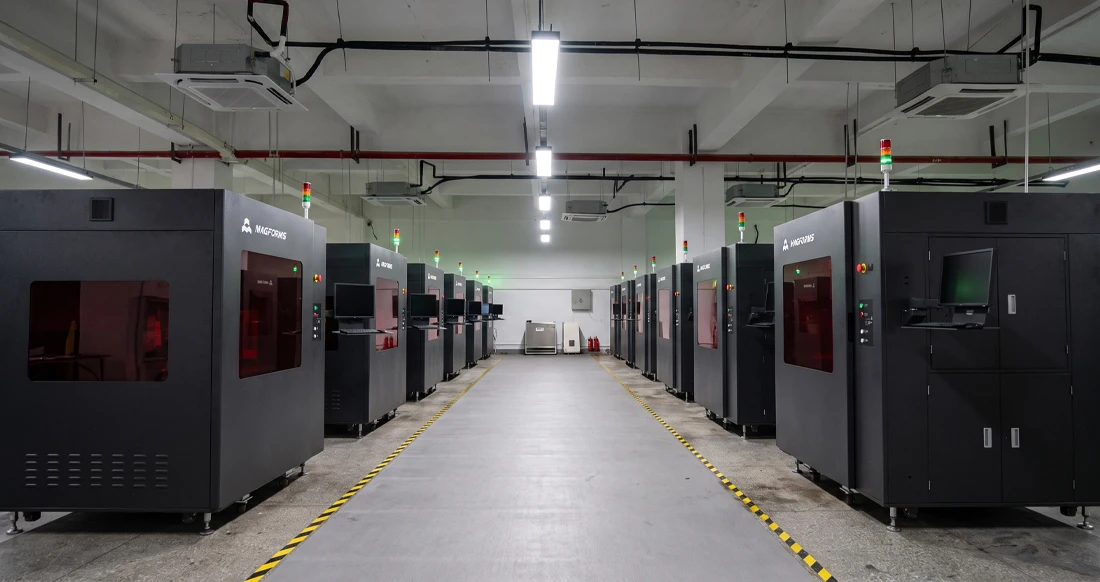
Magforms makes design and manufacture easier.
Popular Blogs
-
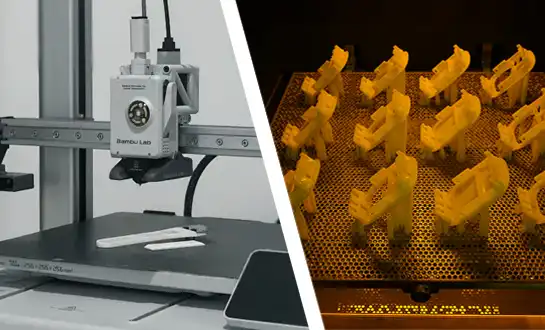 Industry InsightsManufacturing Industry
FDM vs. SLA Printer: Which Technology Is Right for Your Project?
-
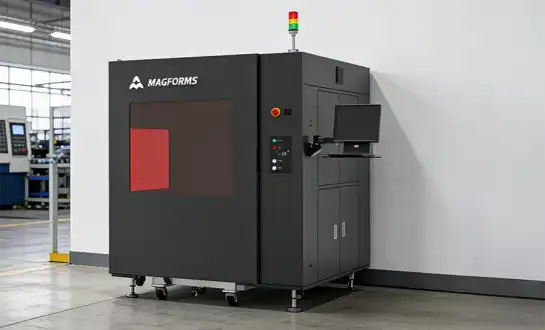 Industry InsightsManufacturing Industry
Top 5 Applications of Industrial 3D Printers in Manufacturing Today
-
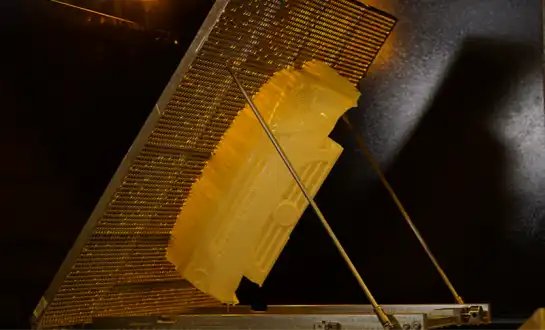 Industry InsightsManufacturing Industry
Why Stereolithography 3D Printers Are Unmatched for Microfluidic Device Prototyping?