What Materials Can Industrial SLA 3D Printers Use?
When you look at the materials that an Industrial SLA 3D printer can work with, you'll see a complex group of photopolymer resins that were made to meet strict manufacturing standards. These industrial stereolithography (SLA) systems use UV laser-based photopolymerization to selectively cure liquid resins into solid parts with high dimensional accuracy and excellent surface finish. The materials available include standard resins for prototyping, stronger formulations for functional parts, flexible materials, heat-resistant plastics, clear options, and castable resins for investment casting. Each is designed for a specific industrial use that needs precise measurements down to the micron level and consistent mechanical properties.
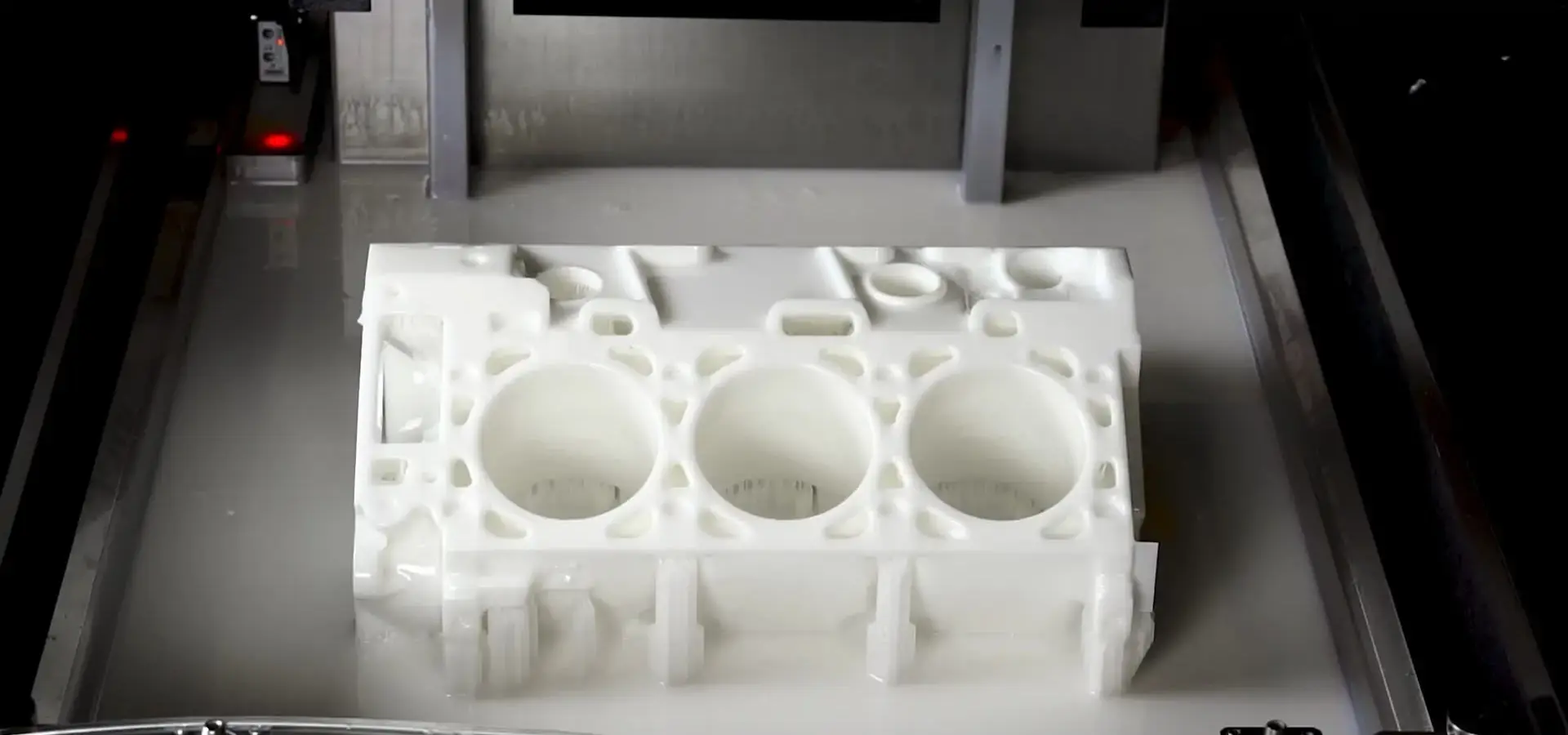
Understanding Industrial SLA 3D Printing Materials
Industrial SLA technology uses laser-based photopolymerization to make very detailed parts one layer at a time. It is different from desktop SLA printers because it can make more parts, uses industrial-grade laser systems, and keeps the quality of its output the same over thousands of production cycles. The main difference is not just the size of the machine but also the calibrated accuracy of galvanometer scanning systems, the closed-loop temperature control, and the complexity of the materials used in an industrial SLA 3D printer.
When choosing a material, it's important to think about its optical properties, which are important for how well it cures, as well as its mechanical strength, thermal resistance, and surface quality, which are needed to meet specific functional needs. How a resin reacts to laser energy depends on the amount of photoinitiator, reactive diluents, and oligomer backbone structure. If the resin has high optical absorption or scattering, laser energy penetration is reduced, which may require increased exposure or slower scan speeds, which slows down the process. If the viscosity is wrong, layers won't stick to tall vertical features.
By understanding these basic issues, professionals will be able to match materials to performance goals that are specific to each application. The curing depth, which is also known as the penetration depth, needs to match the layer thickness settings. In industrial settings, layer thickness is typically set between 25 and 150 microns, depending on resolution requirements and machine configuration. If this parameter isn't set correctly, you'll either have incomplete layer bonding or overcure that is too high, which will make the dimensions less accurate. The refractive index changes the accuracy of the laser focus. This is especially important when printing micro-lattice structures or internal channels with a lot of small details, which are common in medical implants and aerospace heat exchangers.
Types of Materials Used in Industrial SLA 3D Printing
Industrial SLA printing can utilize a wide range of photopolymer resins, each tailored for a specific industrial application. Since the technology began, the material ecosystem has changed a lot. It used to just be basic prototyping resins, but now there are specialized formulations that meet strict industry certifications.
Standard Resins for General Prototyping
Standard resins are the most common type of material used for prototyping because they have appealing looks, good detail resolution, and low cost. Usually, these mixtures dry to a light cream or gray color. They have a tensile strength between 40 and 60 MPa and an elongation at break of 10 to 15 percent. Standard resins give you an injection-mold-like surface without the six-week lead time for tooling when your design team needs to make quick changes to housings for consumer products or concept models for client presentations.
The surface roughness is less than 1 micrometer right off the build platform. This means that parts usually don't need much post-processing after they're made, apart from removing the support and curing in the UV light. This type of material is very helpful early on in the design process, when you need to check the shape, fit, and assembly steps before you spend a lot of money on engineering-grade materials or production tools.
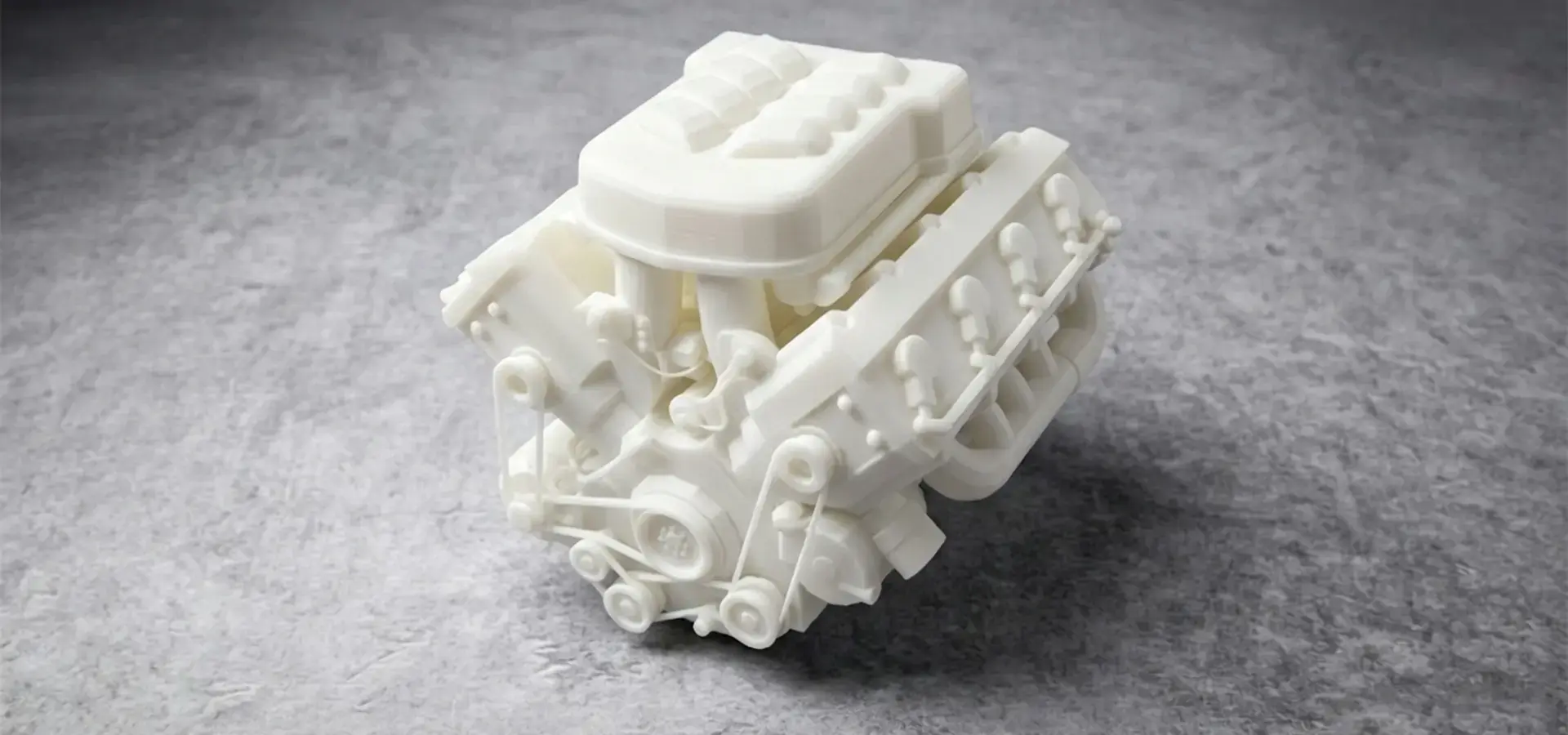
Engineering-Grade Resins
Engineering-grade resins are stronger and can handle higher temperatures. They are used to make parts that can handle chemical exposure, mechanical stress, or changes in temperature. These advanced mixtures have modified acrylate or methacrylate backbones and include strengthening additives that raise the temperature at which they deform above 100°C, making them as resistant to impact as ABS or polypropylene.
Resins that look like ABS can be used to make snap-fit assemblies, parts that go under the hood of cars during thermal validation, and jigs or fixtures that are used on production lines. Chemical resistance is needed for parts that come into contact with oils, weak acids, or cleaning solvents in manufacturing settings. PP-like materials offer that. High-temperature resins keep their shape when put in an autoclave or when they are exposed to conditions inside an engine compartment. This is why they are essential for thermal shock testing of aerospace connector housings and automotive sensor brackets.
The mechanical properties remain consistent across all three axes, which is a significant advantage compared to filament-based technologies, where the Z-axis strength is often the point of failure. Because the strengths are spread out evenly, engineers can arrange parts based on how they need to look on the outside instead of how they will affect the structure.
Flexible and Elastomeric Materials
Elastomeric and flexible materials are used for things that need to be able to stretch, like ergonomic grips, shock-absorbing parts, and seals and gaskets. When these special resins dry, they reach Shore A hardness levels between 40A (which is flexible like a rubber band) and 90A (which is firm like a shoe sole). They provide compression set resistance and tear strength that are suitable for functional testing.
It is now possible to make prototype shoe midsoles or seals for pneumatic systems without having to use silicone molding processes, which take weeks longer than planned. The material often has an elongation at break that is greater than 100%. This means that parts can bend over and over again without cracking, which is important for making sure that press-fit rubber parts fit together correctly or testing ergonomic handle designs by gripping them over and over again.
Transparent and Optical-Grade Resins
When properly post-processed, transparent resins can reach an optical clarity similar to polycarbonate or acrylic. This makes them useful for lighting diffusers, microfluidic devices, and visual demonstration models. When these materials are first cured, they let a lot of light through. This quality gets even better after wet sanding and polishing.
Optical-grade formulations keep the low yellowness index and resist UV degradation better than regular clear resins. This means they can be used outside or in products that need to look clear for a long time. Medical device engineers use these materials to make prototypes of surgical guides that surgeons can look through to see how the bone shapes while planning the procedure.
Castable Resins
Castable resins allow for precise investment casting in fields such as jewelry, dentistry, and aerospace component manufacturing without leaving behind any residue. These special mixtures have very little ash in them—usually less than 0.01% after burnout cycling—so they don't contaminate precious metal castings or cause ceramic shells to crack during the burnout phase.
The thermal expansion profile is the same as regular wax patterns, so foundries can use their current burnout schedules without having to change the process. When dental labs make copings for crowns or bridges, the final metal casting is accurate to within a few microns. This is possible because the printed pattern stays true to size during both the printing and burnout stages. Jewelry designers make models of very complicated filigree designs that would be impossible to carve in wax. These models are then cast in gold or platinum using the same investment casting methods used for centuries.
These types of materials let manufacturers change the properties of parts to fit the exact needs of a project. When the right resins are put in an industrial SLA 3D printer, it can go from being a tool for prototyping to a system that can make things in large quantities. It can do everything from functional testing to low-volume production runs.
How to Choose the Right Material for Your Industrial SLA Project?
To choose the best SLA resin, you need to carefully look at the needs of your application, such as the mechanical loads, thermal stability, and surface finish requirements. Some projects fail not due to poor printing technology, but due to careless material choice.

Analyzing Application Requirements
First, describe the real service environment that your part will be working in. Will it be loaded all the time, or will it get tired in cycles? Does the temperature range from very cold to very hot at work? Are there chemicals from fuels, lubricants, or cleaners that could be harmful? A prototype dashboard for aerodynamic testing needs an entirely different set of materials than a functional intake manifold that is being tested for pressure and temperature.
Depending on the type of mechanical loading, you will need either a rigid engineering resin or a flexible elastomer. The requirements for surface finish affect both how it looks and how well it works. For instance, a microfluidic channel requires optically clear and smooth walls to ensure correct fluid flow visibility. On the other hand, a casting pattern puts dimensional accuracy over surface texture because the texture will be destroyed during burnout.
Matching Materials to Production Volume
Production volume and process workflows affect material compatibility. This is especially true when balancing batch manufacturing with rapid prototyping. Industrial SLA 3D printer technology is often more cost-effective for small production runs of 10 to 500 parts than injection molding, which needs tooling investments of more than $15,000 for complicated shapes.
As you improve the packing density of the build platform and reuse support structures as raft foundations for later builds, the cost of materials per part goes down. When producing dental aligners or custom orthotics, one can predict the cost of the material per unit. This enables accurate quotes for medical devices tailored to each patient. Before going from small amounts used in prototypes to large amounts used in production, it's important to make sure that the properties of the material stay the same across different batch ages and storage conditions.
Cost-Benefit Assessment
A thorough cost-benefit analysis that takes into account the price of materials, the need for post-processing, and the long-term costs of running the business is needed to get the best return on investment (ROI) and make sure that manufacturing strategies last. Standard resins can cost between $150 and $250 per liter, while engineering or biocompatible grades can cost between $350 and $600 per liter. The difference in prices may not appear significant at first, but when you consider the total cost of producing the part, which encompasses labor, equipment wear and tear, and reject rates, it becomes more apparent.
Post-processing needs have a giant effect on the total cost. Castable resins only need support removal and a short UV post-cure before they can go into the burnout furnace. Translucent parts, on the other hand, need to be wet sanded, polished, and coated in several steps, which takes a lot of extra time and work. The shelf life of the material also affects the total cost of ownership; some high-performance resins maintain optimal properties for only 6 to 12 months after opening, creating waste if your production levels don't use up the stock quickly.
Equipment compatibility represents another hidden cost factor. Some manufacturers lock their printers to proprietary resins through RFID cartridge systems or software limitations. Our Industrial SLA 3D printer systems at Magforms support open-architecture material compatibility, which lets procurement teams test third-party resins or switch suppliers without having to change the equipment. This gives them a lot of flexibility, which is helpful when there are problems in the supply chain or when new specialty materials come out.
Comparing Industrial SLA Materials with Other 3D Printing Technologies
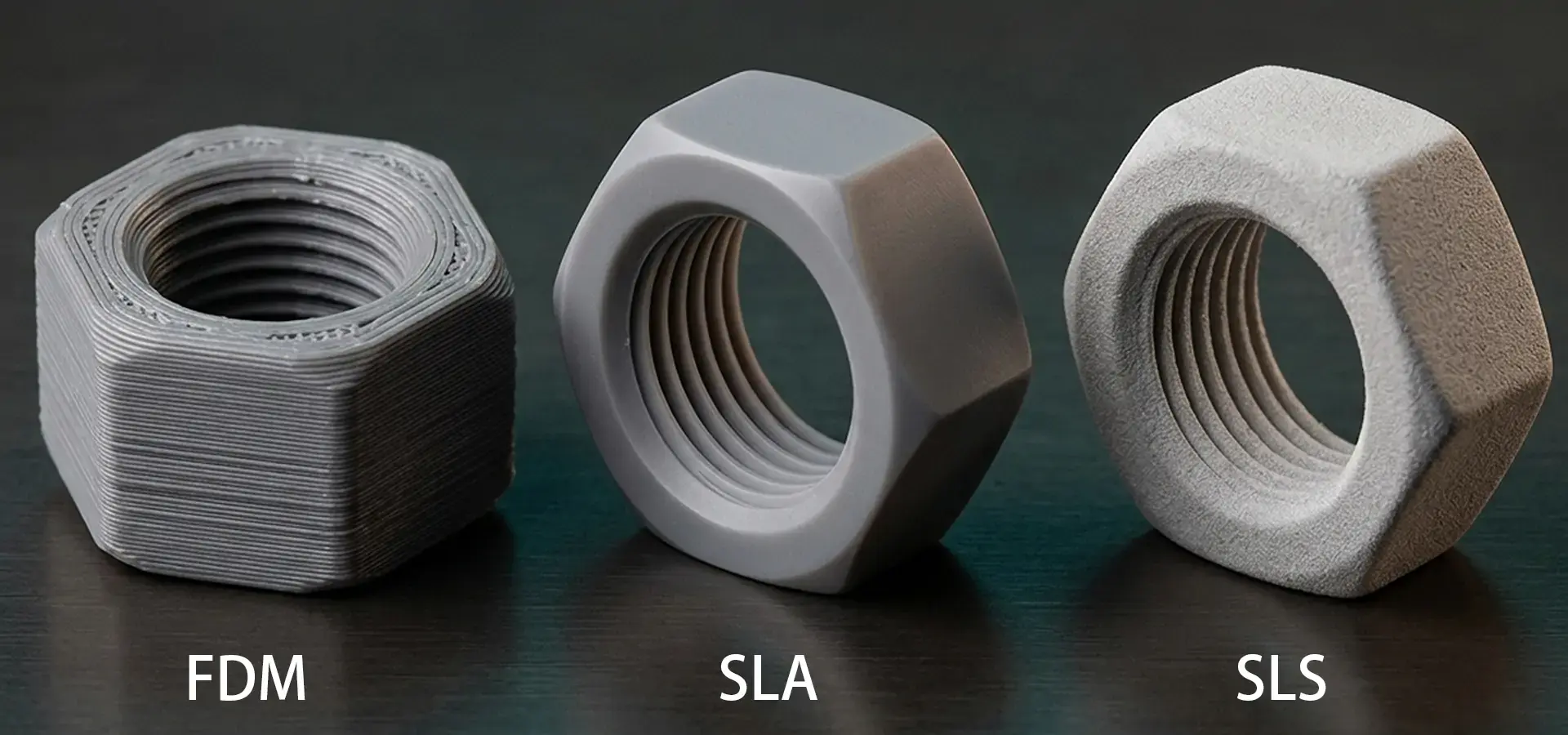
Compared to Selective Laser Sintering (SLS) and Fused Deposition Modeling (FDM), SLA materials offer better resolution, a smoother surface, and more accurate measurements, making them perfect for tasks that need to be very precise. When making a purchase decision, comparing technologies is especially useful because different additive processes may be able to produce the part geometry you need.
SLS technology processes powdered materials, typically thermoplastics based on nylon. This makes functional parts with excellent mechanical properties but a naturally rough surface texture. Powder particle size and laser sintering behavior typically limit feature resolution to around 150–400 microns, depending on system and material. An Industrial SLA 3D printer system, on the other hand, can get feature resolution as low as the laser spot diameter, which is usually 80–140 microns. This resolution difference becomes crucial when printing fine text, sharp internal corners, or micro-lattice structures.
FDM technology pushes out thermoplastic filaments one layer at a time, making layer lines that can be seen and mechanical properties that aren't the same everywhere. The weakest link is along the Z-axis. Layer adhesion depends on thermal bonding between layers, which makes failure planes that are not in the same direction as the build. SLA materials cure through photopolymer cross-linking reactions, which create stronger interlayer bonding compared to thermoplastic extrusion processes, resulting in near-isotropic mechanical properties compared to FDM.
However, SLA resins are UV-sensitive and may undergo post-curing or degradation over time if not properly stored, requiring controlled handling and storage conditions. To keep its best printing properties, uncured resin needs to be kept away from light and at a controlled temperature. The photopolymerization chemistry that makes precise parts possible also means that materials continue to cure slowly when they are exposed to sunlight or fluorescent lighting, potentially causing dimensional drift in finished parts stored improperly. Material versatility varies across technologies, but SLA materials effectively combine prototyping aesthetics with functional engineering properties, providing surface quality comparable to injection molding for numerous end-use applications.
Future Trends in Industrial SLA Materials
New developments in photopolymer chemistry are making industrial SLA materials more useful by increasing their mechanical versatility and making them more eco-friendly by improving sustainability through bio-based formulations and partial recyclability, although most industrial photopolymers are not fully biodegradable. The next generation of resin development will focus on closing the performance gap between printed parts and parts that are traditionally made, as well as taking into account environmental issues that are becoming more and more important to companies' sustainability efforts.
Bio-based resins made from renewable resources like soy, corn, or algae are now available in stores. These resins use less petroleum without lowering their mechanical performance. These mixtures keep the same printing properties as regular resins while offering reduced environmental impact potential, though most industrial photopolymers still require controlled disposal rather than true biodegradation. Companies in the auto and consumer electronics industries are increasingly looking into circular economy models and using these materials to make prototype parts that would otherwise end up in industrial waste streams.
Biocompatible resins are being used more and more because the medical and dental fields want them more. Regulatory approval processes increasingly include 3D printed materials for medical devices and limited long-term implant applications, depending on material certification and regulatory pathway, and Class II medical devices. These special mixtures go through many tests to make sure they are safe for cells, that they can be sterilized, and that they will stay stable over time. Multi-material printing and hybrid manufacturing methods could make it possible for parts to have complex functions and different levels of performance that can be customized on an industrial SLA 3D printer.
Mechanical properties are advancing closer to traditional engineering materials through the use of advanced composite resins that incorporate ceramic particles, metal powders, or carbon fiber fragments. These filled resins need different laser settings and may require extended UV curing, thermal post-curing, or secondary finishing processes, rather than traditional sintering used in powder-based technologies, but they offer thermal conductivity, electrical properties, or mechanical strength that pure photopolymers can't. These developments particularly benefit aerospace applications, where weight-optimized lattice structures with locally different material properties could replace machined aluminum parts.
Conclusion
The world of materials for industrial SLA 3D printer technology has grown into a complex ecosystem with answers to almost every problem in industrial manufacturing that needs accuracy, good surface quality, and design freedom. With so many materials to choose from, including standard prototyping resins and specialized formulations that meet aerospace, medical, and automotive certifications, stereolithography goes from being a visualization tool to a manufacturing process that can make things in large quantities.
Successful material selection requires balancing technical performance against cost, production volume, and the ability to do post-processing. The quality of the final part depends on how well the resin chemistry and printing parameters work together. This is why material-equipment compatibility is such an important thing to consider when buying something. As photopolymer chemistry continues advancing toward sustainability, biocompatibility, and enhanced mechanical properties, these systems will increasingly serve not just prototyping needs but end-use part manufacturing across diverse industries.
FAQ
What materials work best for high-temperature applications?
High-temperature-resistant resins made with special oligomers and thermal stabilizers keep their shape at temperatures above 100°C. The best grades can withstand heat deflection temperatures of 200°C or higher. Parts under the hood of cars, inside of airplanes, and industrial tools that undergo heating during use or sterilization cycles benefit from these materials.
Can Industrial SLA 3D printer systems use third-party resins?
If the printer maker uses open-architecture systems or proprietary resin cartridges with RFID locks, material compatibility will be different. Open platforms let technical teams certify third-party materials by testing their cure characteristics, mechanical properties, and dimensional accuracy. This gives them more options for buying things and lowers costs.
How does material shelf life affect production planning?
When kept in sealed, opaque containers protected from UV exposure at controlled temperatures between 15°C and 25°C for 12 to 18 months, most photopolymer resins keep their best properties. When planning production, it's important to think about how the material's mechanical properties and cure speed change over time. This is especially important for critical applications that need parts to work the same way across production batches.
Transform Your Manufacturing Capabilities with Magforms Industrial SLA 3D Printer Solutions
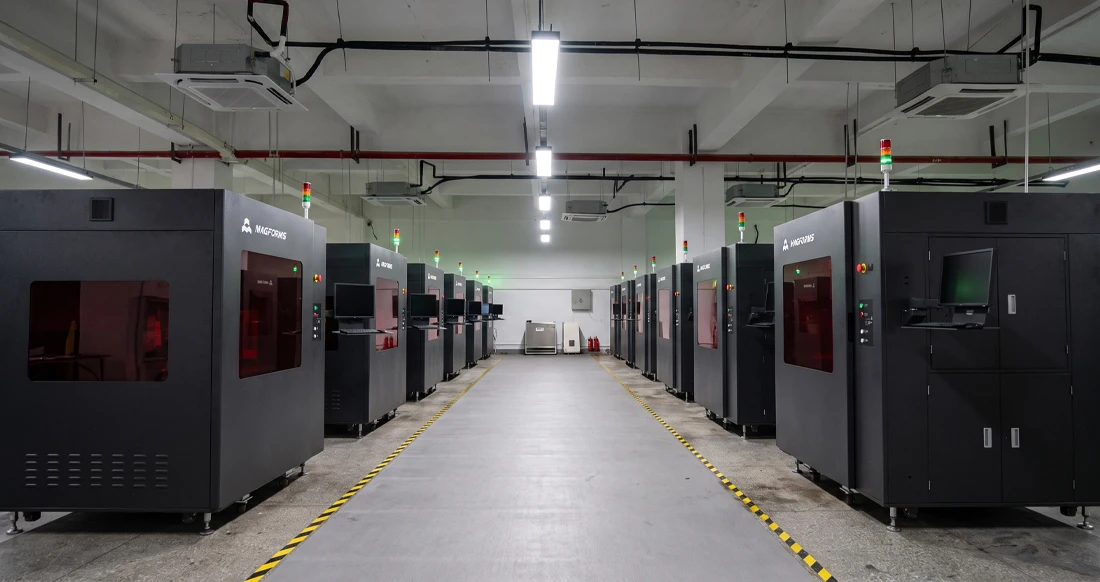
Magforms provides unified material and equipment solutions designed for tough industrial settings where accuracy, dependability, and the ability to work with a variety of materials are key to production success. Our Industrial SLA 3D printer systems use a unique laser technology that can change its spot size and smart scanning paths to print more than 30% faster than most printers in the industry, while still being precise down to tiny measurements called microns. This performance advantage directly leads to shorter lead times for testing prototypes and faster throughput for production runs with low volumes.
Mixing our self-developed resins with our printing hardware eliminates compatibility problems that arise with mixed-vendor systems. This means that there are no more dimensional errors, print defects, or unplanned downtime caused by material and equipment mismatches. Our technical team has years of experience using materials in the automotive, aerospace, medical, and consumer electronics industries. They can help you find the right material properties for your production needs by giving you advice. Whether you need engineering-grade resins for functional testing, castable materials for investment casting, or biocompatible formulations for medical devices, our portfolio addresses the full spectrum of industrial applications.
Contact our team at info@magforms.com to discuss the materials you need and find out how Magforms Industrial SLA 3D printer manufacturer solutions can help you get better results, save money, and make your additive manufacturing processes run more smoothly. We give you many different ways to buy things, thorough training programs, and quick technical support to make sure your production doesn't stop.
References
1. Gibson, I., Rosen, D., Stucker, B., & Khorasani, M. (2021). Additive Manufacturing Technologies: 3D Printing, Rapid Prototyping, and Direct Digital Manufacturing (3rd ed.). Springer.
2. Jacobs, P. F. (1992). Rapid Prototyping & Manufacturing: Fundamentals of Stereolithography. Society of Manufacturing Engineers.
3. Ligon, S. C., Liska, R., Stampfl, J., Gurr, M., & Mülhaupt, R. (2017). Polymers for 3D Printing and Customized Additive Manufacturing. Chemical Reviews, 117(15), 10212-10290.
4. Stansbury, J. W., & Idacavage, M. J. (2016). 3D printing with polymers: Challenges among expanding options and opportunities. Dental Materials, 32(1), 54-64.
5. Melchels, F. P., Feijen, J., & Grijpma, D. W. (2010). The authors conducted a review of stereolithography and its applications in biomedical engineering. Biomaterials, 31(24), 6121-6130.
6. Quan, H., Zhang, T., Xu, H., Luo, S., Nie, J., & Zhu, X. (2020). The photo-curing 3D printing technique and its challenges. Bioactive Materials, 5(1), 110-115.

Magforms makes design and manufacture easier.
Popular Blogs
-
 Industry InsightsManufacturing Industry
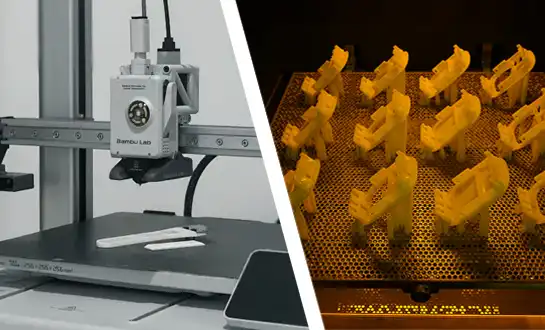
FDM vs. SLA Printer: Which Technology Is Right for Your Project?
-
 Industry InsightsManufacturing Industry
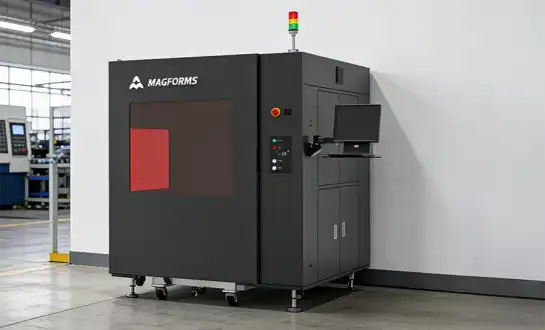
Top 5 Applications of Industrial 3D Printers in Manufacturing Today
-
 Industry InsightsManufacturing Industry
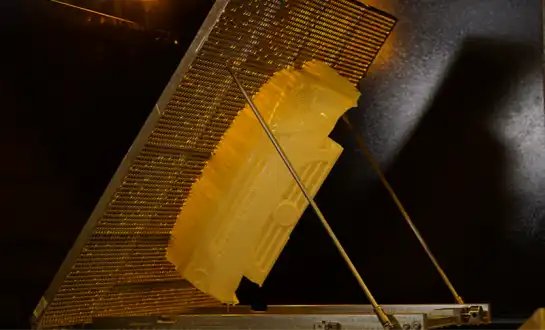
Why Stereolithography 3D Printers Are Unmatched for Microfluidic Device Prototyping?