What Materials Can You Use With a Stereolithography 3D Printer?
When looking into additive manufacturing choices, it's important to know how materials work together. A stereolithography 3D printer works with photopolymer resins that harden layer by layer when exposed to controlled UV light sources, including laser-based SLA and LCD systems. In contrast to filament-based systems, these machines can handle a wide range of resin formulas, from normal clear resins to engineering-grade resins that are safe, castable, and flexible. Different types of resin have different material properties, surface finishes, and practical qualities that make them useful in different industries, such as dentistry, cars, aircraft, and consumer electronics. The choice of material has a direct effect on the accuracy, longevity, post-processing needs, and total production efficiency of a part. For this reason, buying teams must make sure that the resin chemistry matches their practical needs and the requirements for the end use.
Understanding Stereolithography 3D Printing Materials
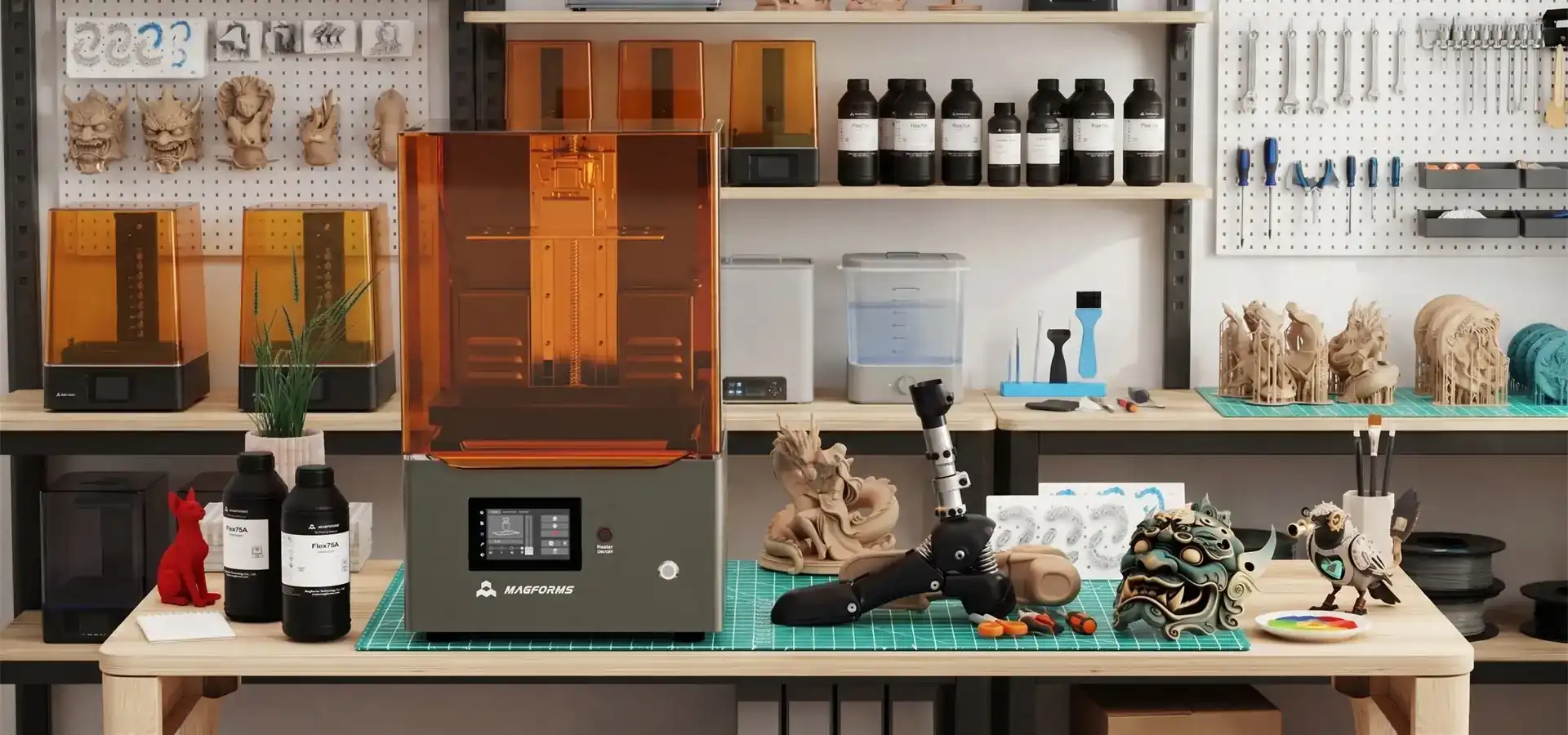
To run a successful mSLA printing business, you need to understand how the science of photopolymer glue makes this technology different from others like FDM or powder-bed fusion. Photopolymer resins are made up of liquid monomers and oligomers that cross-link when they are hit with certain wavelengths of light, most often 405nm UV lasers. This chemical change makes highly cross-linked polymer structures with more uniform mechanical properties than typical FDM parts. This gives printed parts more consistent mechanical behavior across different directions compared with conventional FDM printing. There are a number of different types of resin that can be used with stereolithography 3D printers. Standard materials make prototypes with a lot of detail and a smooth surface, which is great for visual models and proving ideas. Engineering resins behave like thermoplastics, such as ABS or polypropylene. Modern stereolithography 3D printing includes multiple photopolymer technologies such as laser-based SLA, DLP, and LCD systems, all of which use UV-curable resin materials but differ in light delivery methods and production efficiency.
They make things tougher, more resistant to heat, and stronger against impacts, making them good for practical tests. Flexible resins have the flexibility of rubber and a controlled Shore A hardness, which makes them useful for making samples of gaskets and parts for wearable tech. Castable materials burn off completely during investment casting processes, leaving no ash behind. This is very important for making jewelry and precise metal parts. Biocompatible resins follow ISO 10993 and FDA rules and can be used for tooth tools, surgery guides, and developing medical devices. Different types of resin have very different qualities, such as tensile strength, elongation at break, heat deflection temperature (HDT), and chemical protection. Tensile strength for standard resins is usually between 50 and 65 MPa, while tough industrial resins can be over 85 MPa. For general-purpose resins, the heat deflection temperature (HDT) is commonly around 50°C to 80°C. For specialized high-temperature formulas, it is over 250°C.
Knowing these factors helps people who buy things decide if a plastic can stand up to practical pressure, exposure to the environment, or governmental scrutiny. Another thing that sets LCD parts apart is their surface finish quality. Straight off the build platform, high-quality stereolithography 3D printed parts can achieve very smooth surfaces with low micron-level roughness depending on resin type, layer height, and post-processing conditions., which means they require less post-processing work than FDM options. When used for a long time, the chemical safety of parts made of hardened resin is also important. Some standard resins break down when exposed to UV light for a long time, turning yellow and breaking easily. UV-stable industrial resins have chemicals added to them that absorb damaging waves, which makes them last longer outside. Chemical protection is also different. Some resins can handle oils, alcohols, and weak acids, but others break down quickly. Matching the plastic chemical to the area it will be used in keeps parts from breaking too soon and saves money on redesigns.
How to Choose the Right SLA Resin for Your Application
Finding the right resin mixture means matching the qualities of the material to the needs of the application, the amount that needs to be made, and the budget. Different businesses have different performance standards that make it much harder to find the right material.
Matching Resin Properties to Industry Needs
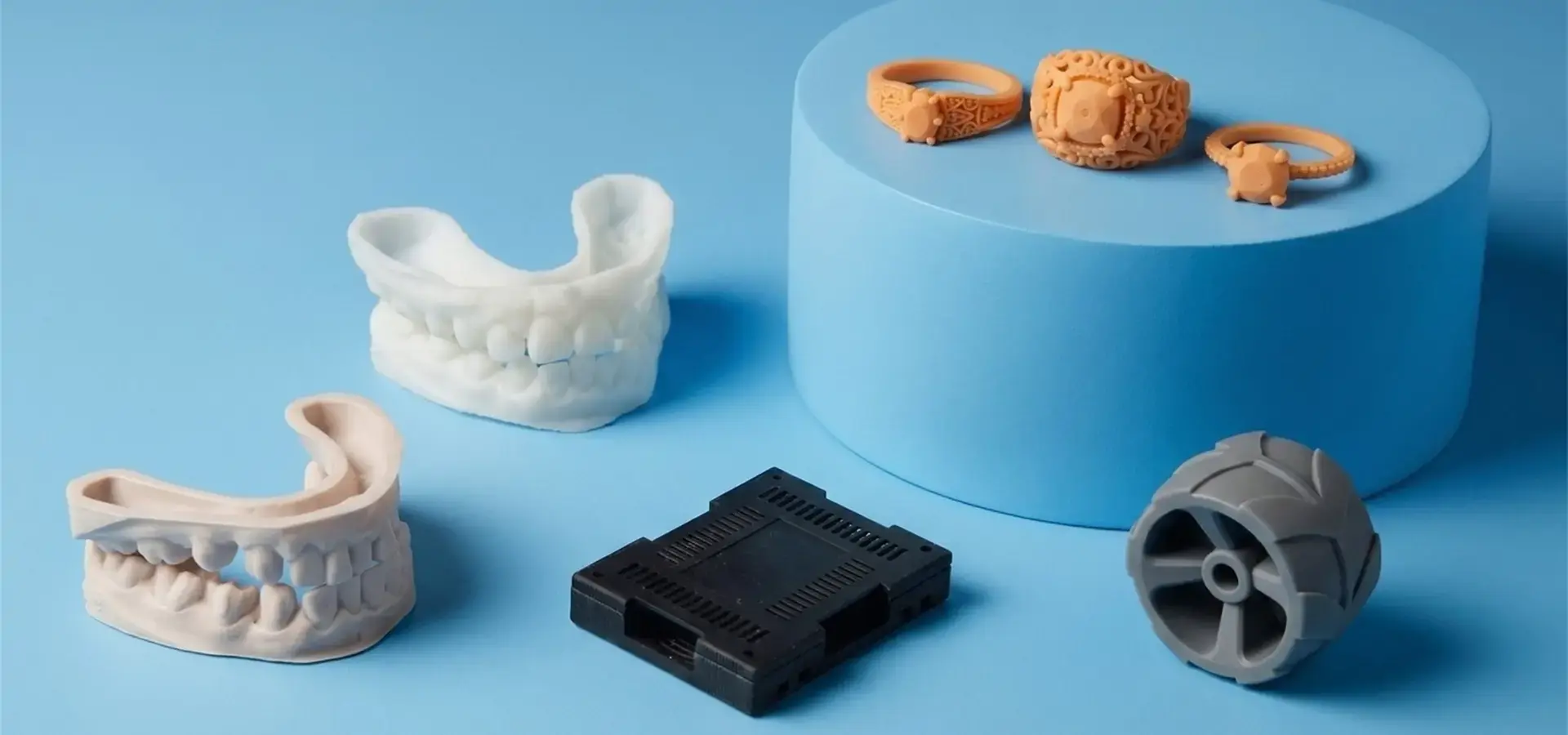
For automotive development, you need materials that behave like production plastics when you test their fit and functionality. Tough and long-lasting resins can be used to make polypropylene snap-fits and ABS housings. This lets engineers test the limits of the assembly and the sturdiness of the parts before they buy injection molding tools. A medium-sized auto supplier recently cut the number of prototype iterations by 40% after moving to engineering-grade resins that could withstand repeated assembly testing without breaking, which is not possible with standard resins because they are too rigid. For dental and medical uses, safe materials that are approved for short-term skin contact or use inside the mouth are needed. Dental model resins keep their shape and provide smooth surfaces for thermoforming orthodontic aligners. Surgical guide resins, on the other hand, need to stay accurate during cleaning cycles. If you choose non-certified plastics for these uses, you run the risk of legal problems and patient safety issues. This is why you need material validation paperwork when you buy something. Castable materials with precise burnout patterns are needed for jewelry and investment casting. At controlled temperatures, these substances must evaporate totally without leaving behind ash that lowers the quality of metal casting. To keep final metal parts from having flaws like surface cracking or internal gaps, procurement teams should make sure that the burnout specs meet the kiln profiles of their foundry.
Evaluating Mechanical Strength and Post-Processing Complexity
The mechanical strength needs of visual samples and working parts are very different. Since display models don't have to withstand practical loads, they can handle lower tensile strength. This means that normal materials that are cheap can be used. For functional samples that are loaded and unloaded over and over, hit, or heated, engineering resins with better elongation at break and wear resistance are needed. Total cost and wait time are also affected by how complicated the post-processing is. All of a stereolithography 3D printer's parts need to be cleaned with ethyl alcohol or other special solutions to get rid of any uncured plastic. The parts then need to be post-cured in UV light to get their full mechanical qualities. Some engineering plastics need longer fix times or higher temperatures, which may increase the cost of tools and the time it takes to make a product. Castable plastics don't need any mechanical post-processing, but they do need careful planning for burning. Flexible resins might need support removal methods that don't tear delicate parts. When touching something, safety must not be ignored. Liquid resins that haven't set yet contain unstable monomers and photoinitiators that can irritate the skin or lungs. Teams in charge of buying things should make sure that sellers give full safety data sheets (SDS) and that the way they handle products follows OSHA or EU REACH rules. Workers are protected, and regulations are followed when there is enough air flow, personal safety equipment, and proper trash removal.
Comparing LCD Resin with Alternative Materials Used in 3D Printing
When buying, teams know how LCD resins stack up against FDM filaments and DLP resins, and they can choose the best technology and material mix for each job.
Compositional and Mechanical Differences
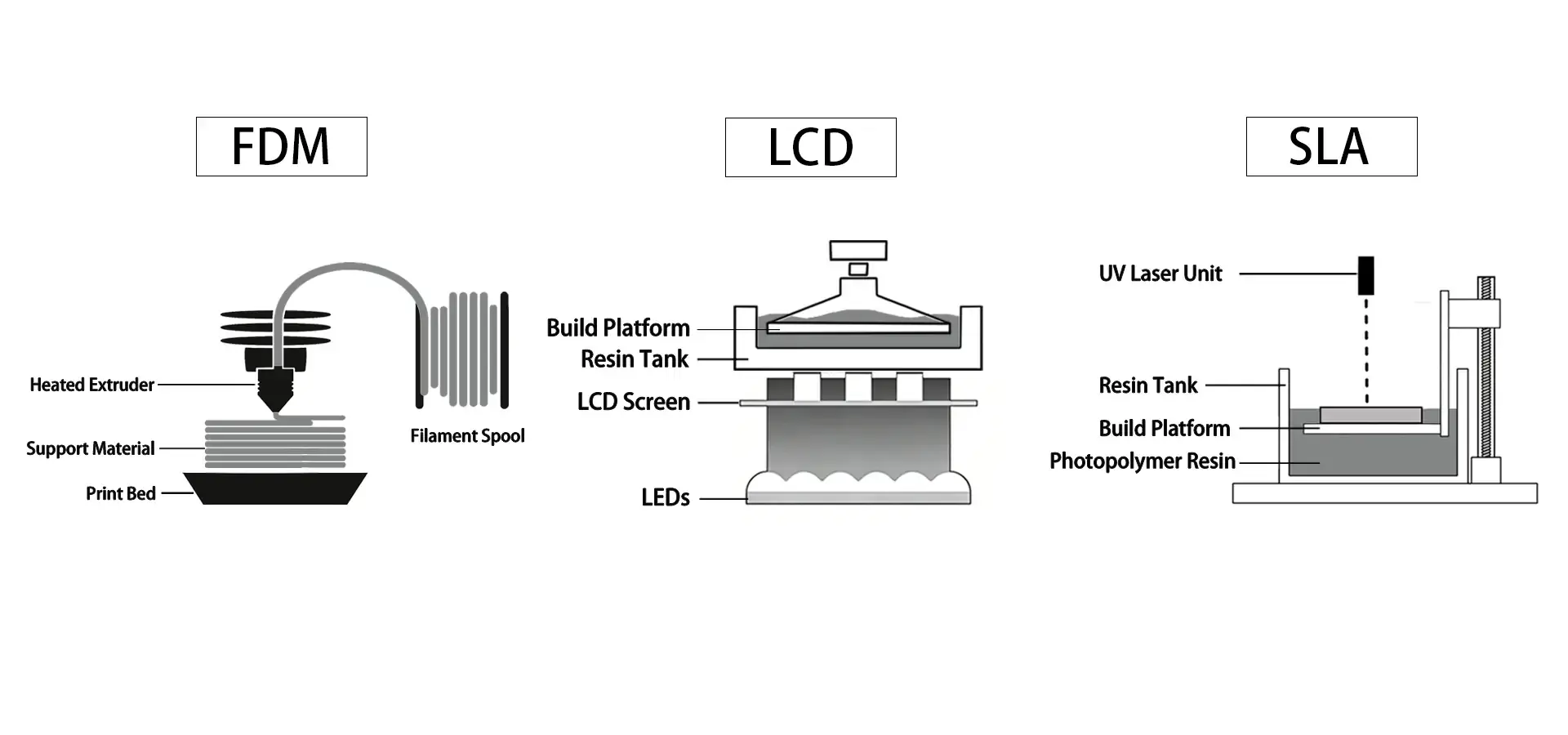
FDM fibers are made up of flexible plastics like PLA, ABS, or nylon. These melt and harden, sticking together layers to make parts. Anisotropy is created by this process; parts are weaker along the Z-axis, which is where layers join. When stereolithography materials cure, they form highly cross-linked structures with more uniform mechanical performance than typical thermoplastic extrusion processes. This difference is very important for things that are stressed in more than one direction or that need to work the same way, no matter which way they are built. Resins used in DLP, and LCD stereolithography systems often share similar photopolymer chemistry, but instead of using lasers to trace, they cure using digital projector arrays that flash whole layers at once. Different stereolithography systems offer different advantages in surface quality, scalability, and production speed depending on the application. DLP printers can print small parts more quickly and in larger quantities. Both technologies are capable of producing high-resolution parts, although final detail quality depends on optical systems, pixel resolution, and resin formulation.
Resolution, Surface Finish, and Cost Trade-Offs
The XY precision of mSLA(LCD) technology is always between 25 and 140 microns, and the Z-axis layer heights are always between 25 and 300 microns. This makes it possible to make things with great detail and smooth surfaces. FDM usually works with layer heights between 100 and 400 microns, which makes layer lines that need to be sanded or vapor smoothed for aesthetic reasons. When the quality of the surface has a direct effect on how something works, like with fluidic channels, optical lenses, or master patterns, resin-based stereolithography 3D printers are clearly better. Cost factors include more than just the price of materials. LCD resins usually cost more per kilogram than FDM filaments, but less work needs to be done after the fact, and more things work the first time, which can make up for the higher material costs. FDM is best for making big, simple parts where the finish doesn't matter as much, while LCD is best for jobs that need to be precise and complicated. When making purchasing choices, the total cost per good part should be used instead of just the cost of the raw materials. As new plastic technologies come out, they keep opening up new uses. Biocompatible resins can now be used to make prototypes of invasive devices that will last for a long time, and sustainable plant-based resins protect the environment without lowering their mechanical performance. High-temperature plastics can withstand temperatures above 250°C, which lets you test the functionality of car parts under the hood and aircraft uses. Global producers can stay ahead of the competition and find new market possibilities by staying up to date on these new developments.
Procurement Considerations: Sourcing SLA Printing Materials for Your Business
A good resin purchase plan combines the performance of the material, the cost, the dependability of the supply chain, and legal compliance. This is especially important for industrial operations that need to keep quality uniform across production runs.
Pricing, Cost Efficiency, and Supply Chain Management
The price of resin changes a lot depending on how complicated the recipe is and where the seller stands. Standard resins cost between $50 and $150 per liter, but technical or biodegradable resins can cost more than $300 per liter. Bulk buying lowers the cost per unit, but you need to make sure you have enough space to store the goods and keep track of your supplies so they don't break down before you use them. When production plans depend on materials being available all the time, supply chain stability becomes very important. Having ties with several qualified providers lowers the risk of problems in one area or being dependent on a single source. Lead times for specialty resins can be several weeks long, so it's important to accurately predict demand and keep a backup stock on hand. Magforms solves these problems with purchasing by providing material and equipment solutions that are vertically integrated. This makes sure that plastic formulations are perfectly matched to printer specs. This gets rid of any doubts about compatibility and cuts down on the time needed to fix problems when printing fails.
Certification Standards and Quality Assurance
For industrial B2B deals, you need to keep very detailed records for quality assurance. Reliable resin providers give out scientific data sheets for each batch that describe the mechanical qualities, finish characteristics, and safety information. Material tracking and lot control are required in businesses that are controlled, such as medical products and aircraft. Suppliers should show proof that they are certified to ISO 9001 quality management and keep audit trails that connect batches of materials to records of production. Certification rules are different for each type of program. For use inside the mouth, dental resins need to be tested for biocompatibility according to ISO 10993 and get FDA 510(k) approval. For aerospace uses, UL 94 grades on flammability or outgassing approvals for pressure conditions may be needed. Before making a commitment to a seller, procurement teams must make sure that the material's certifications meet the legal standards for its end use.
Storage, Handling, and Regulatory Compliance
Keeping materials in the right way keeps resin working well and stops expensive waste. Photopolymer resins break down in UV light or very high or low temperatures, so they need to be stored in closed cases and climate-controlled areas. Under ideal conditions, the shelf life of most foods is between 6 and 12 months. This is why it's important to rotate your collection. Some engineering resins need to be kept cold to keep their stiffness and finish properties. Health and environmental rules must be taken into account in handling procedures. In many places, the EPA considers uncured photopolymer resin to be toxic trash that needs to be disposed of by qualified workers. Ventilation systems, the use of nitrile gloves, and emergency eyewash stations should all be part of workplace safety measures. When trash take-back or recycling programs are offered, procurement contracts should make it clear what the supplier's role is in these programs. Magforms' combined method includes more than just selling tools. It also includes full training on how to handle materials, advice on how to store them, and legal advice that is specific to each customer's industry. This helps lower operating risks and speeds up the time it takes for new stereolithography 3D printers to start making things.
Maintaining Optimal Performance: Material Handling and SLA Printer Compatibility
To get reliable print quality, you need to prepare the material correctly, calibrate the equipment, and be ready to fix problems before they happen. Even high-quality resins don't work well when they're not treated properly or when they're used with printers that aren't suitable.
Preparation, Calibration, and Best Practices
Before each print process, the material is prepared by mixing it well. During storage, pigments and useful ingredients settle, making concentration gradients that change how the mixture cures and how it behaves mechanically. By stirring the resin slowly for two to three minutes, you can reorganize the parts without adding air bubbles that can ruin the print. Temperature has a big effect on how quickly the resin cures and how thick it is. Most resins work best when the temperature is between 20°C and 25°C. Lower temperatures make the viscosity higher, which slows the flow of the resin and leaves gaps in the drying process. The Magforms P10 Pro has a clever constant-temperature control system that keeps the resin in optimal printing conditions during long print jobs. This means that it won't break down because of the temperature, which happens a lot with cheaper equipment. Calibration steps for stereolithography 3D printers are different, but they usually include leveling the build base, verifying exposure parameters and light-source calibration, and finding the best resin exposure time. Magforms printers have a quick-release dual-module design that makes platform upkeep easier and cuts down on the time needed for tuning between material changes. The printer's software has pre-configured resin settings that change the exposure parameters instantly for Magforms-supplied materials. This eliminates the need for trial-and-error tuning and increases the success rate of printing to up to 99% print consistency under validated production conditions.
Troubleshooting Common Print Defects
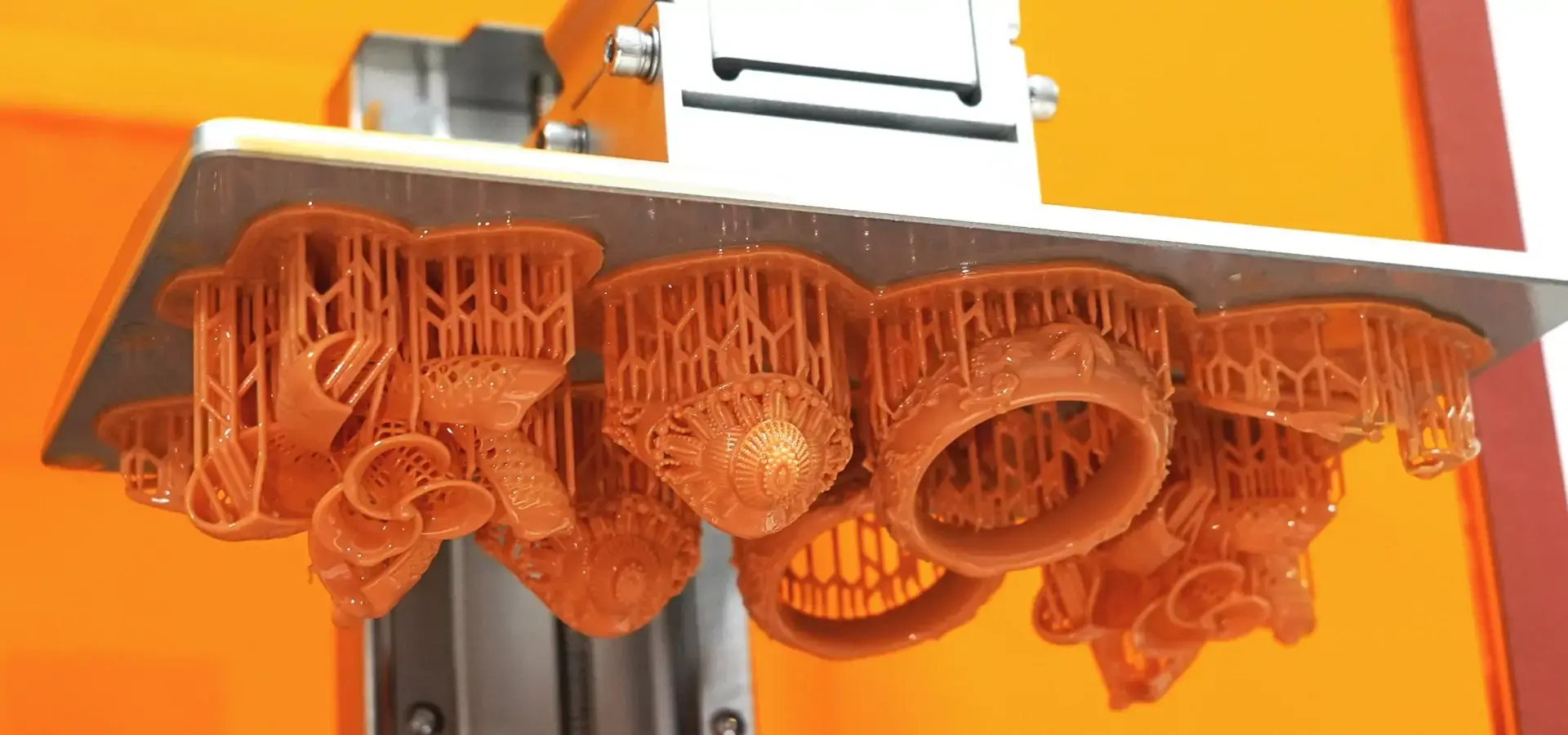
Most print failures are caused by wrong exposure settings, dirty resin, or technical problems. Under-curing makes parts that are soft and tacky and don't fit together well, while over-exposure makes parts that are hard and shrink too much. When atmospheric dust or mixing glue types that don't mix properly are introduced, curing inhibitors that stop the solidification process from working properly. Most of the time, warping and delamination are caused by not having enough support structures or too much heat during the post-curing process. The industrial-grade Z-axis module and high-precision dual guide rails in the P10 Pro keep the printer's position within 0.01mm even when printing tall objects. This stops layer changes that cause delamination. There are pressure release holes in the build platform that lower the pulling forces during layer peeling. This makes it easier to print big parts that tend to bend.
Sustainability and Eco-Friendly Alternatives
More and more people want sustainable plastic formulas and ways to cut down on waste because they care about the environment. Bio-based resins made from plant oils or green feedstocks lower reliance on oil while keeping the same mechanical qualities as regular resins. Some companies now have closed-loop recycling programs that take back and reuse old pictures or support structures. Safe dumping methods are still needed until the system for recovery is fully developed. Because it is harmful to water, uncured resin should never go into regular sewers or garbage streams. To properly get rid of leftover resin, it needs to be fully cured under UV light to make it inactive. The hardened material should then be thrown away according to local rules. Magforms gives customers clear instructions on how to properly dispose of trash and can put them in touch with licensed garbage management companies in their area. Magforms printers have a high-efficiency air filter system that collects toxic organic compounds that are released during printing. This protects worker health and lowers environmental emissions. This function is especially useful in shared offices or places that don't have their own air systems.
Conclusion
The choice of material is very important for stereolithography 3D printing projects in all fields that need accuracy, dependability, and performance. Successful operations are distinguished from costly trial-and-error methods by knowing the science of the resin, matching the material's qualities to the needs of the application, and following the right handling procedures. There are more and more types of plastics on the market, with new formulas that answer worries about biocompatibility, heat protection, flexibility, and sustainability. Material prices must be weighed against overall output effectiveness, legal compliance, and the dependability of the supply chain by procurement teams. It's also very important that the printers have compatible material profiles, stable mechanical systems, and smart environmental settings that make success rates much higher and trash much lower. Magforms' combined material-equipment solutions deal with these problems by using years of knowledge in the field and performance that has been tested in tough environments around the world.
Partner with a Trusted Stereolithography 3D Printer Manufacturer for Your Production Needs
To get through the complicated steps of choosing the right material, making sure it works with your tools, and improving production, you need people with a lot of experience who know how to deal with the problems your industry faces. Magforms blends a lot of technical know-how with a wide range of material and printer options that are made to be reliable in the industrial world. Our P10 Pro LCD stereolithography 3D printer has industrial-grade parts, smart temperature control, and pre-optimized resin profiles that make it possible to print up to 99% of the time. This means that you don't have to go through the expensive trial-and-error cycles that come with using more than one provider. Magforms gives your operations the accuracy, steadiness, and support they need with 22 patents, 30 filed trademarks, and performance that has been tested by more than 300 companies around the world in the car, aircraft, medical, and consumer electronics industries. Email our expert team at info@magforms.com to talk about your unique application needs, ask for material compatibility tests, or set up approval of a sample part. Our solutions are custom-made to fit your production rate, quality standards, and budget. We also offer quick help to keep your manufacturing plan on track.
References
1. Gibson, I., Rosen, D., & Stucker, B. (2021). Additive Manufacturing Technologies: 3D Printing, Rapid Prototyping, and Direct Digital Manufacturing (3rd ed.). Springer.
2. Jacobs, P. F. (1992). Rapid Prototyping & Manufacturing: Fundamentals of Stereolithography. Society of Manufacturing Engineers.
3. Ligon, S. C., Liska, R., Stampfl, J., Gurr, M., & Mülhaupt, R. (2017). Polymers for 3D Printing and Customized Additive Manufacturing. Chemical Reviews, 117(15), 10212-10290.
4. Standard Specification for Additive Manufacturing Photopolymer Resin Materials (ASTM F2921-13). American Society for Testing and Materials International.
5. Stansbury, J. W., & Idacavage, M. J. (2016). 3D Printing with Polymers: Challenges among Expanding Options and Opportunities. Dental Materials, 32(1), 54-64.
6. Ventola, C. L. (2014). Medical Applications for 3D Printing: Current and Projected Uses. Pharmacy and Therapeutics, 39(10), 704-711.

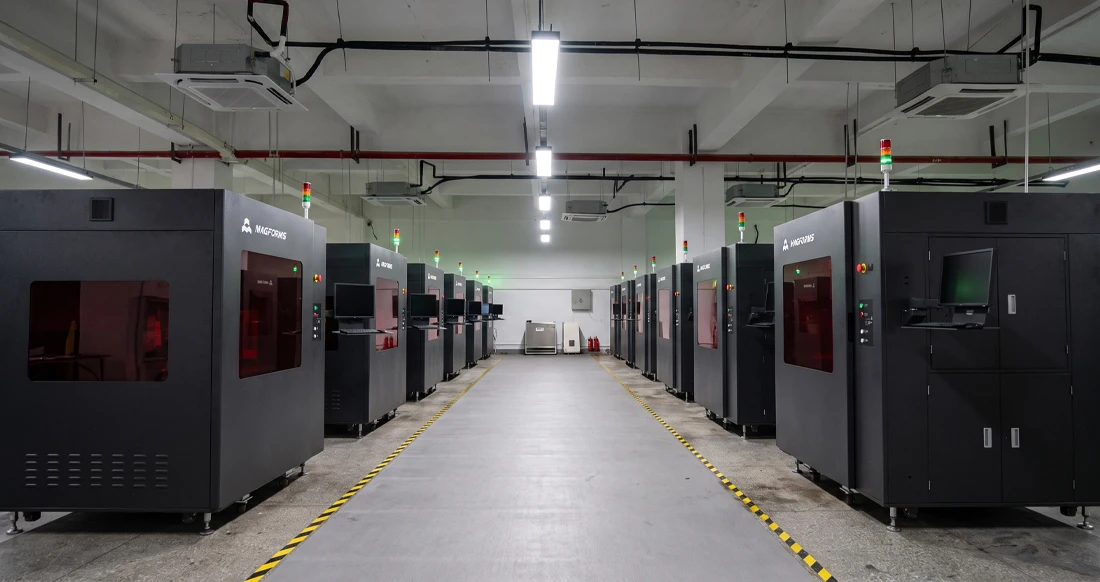
Magforms makes design and manufacture easier.
Popular Blogs
-
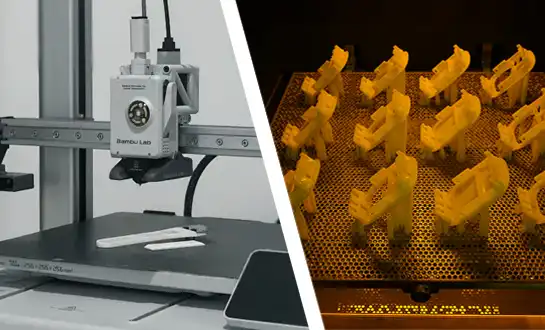 Industry InsightsManufacturing Industry
FDM vs. SLA Printer: Which Technology Is Right for Your Project?
-
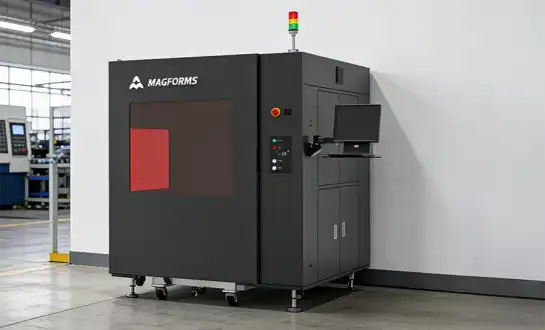 Industry InsightsManufacturing Industry
Top 5 Applications of Industrial 3D Printers in Manufacturing Today
-
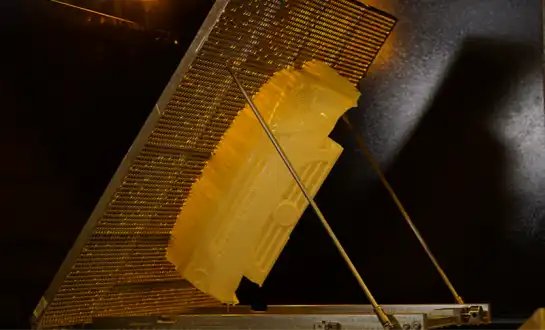 Industry InsightsManufacturing Industry
Why Stereolithography 3D Printers Are Unmatched for Microfluidic Device Prototyping?