What Materials Work Best with Big Format SLA 3D Printers?
When choosing materials for large-scale stereolithography printing, it's important to know how well the resin formulas work with the tools. Big-format SLA 3D printers use liquid photopolymer resins that cure layer by layer when exposed to a precision-controlled UV laser. This makes parts with very good surface quality and accurate measurements. The right choice of material combines mechanical qualities like tensile strength and heat deflection temperature with project-specific needs like being biocompatible or clear. Matching the resin chemistry to the needs of the application is important for many industries, from the automobile to the medical. This makes sure that printed parts meet useful standards and improves production efficiency. The choice of material has a direct effect on how well prints work, how quickly they are processed, and how well parts work in harsh settings over time.
Introduction to Big Format SLA 3D Printing and Material Selection
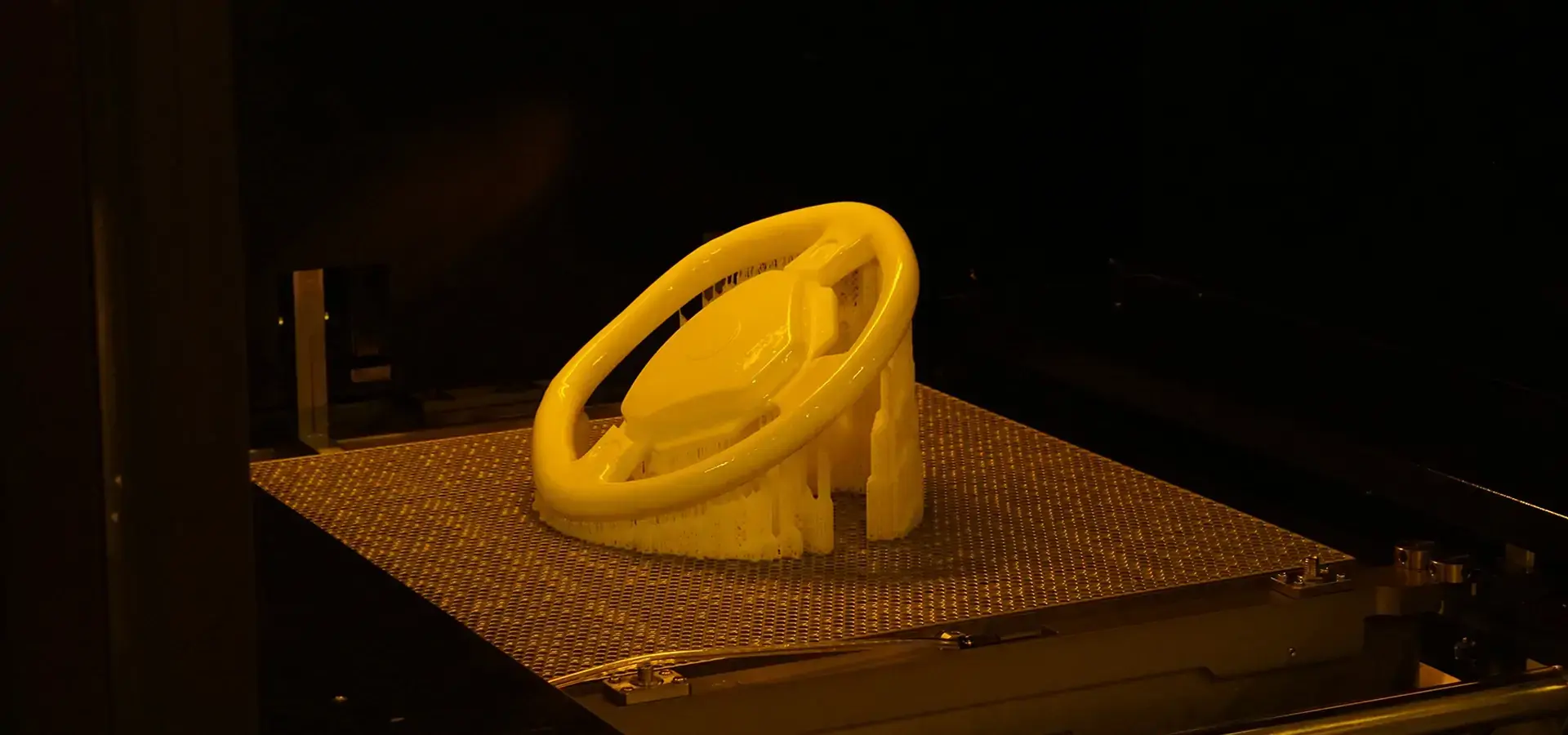
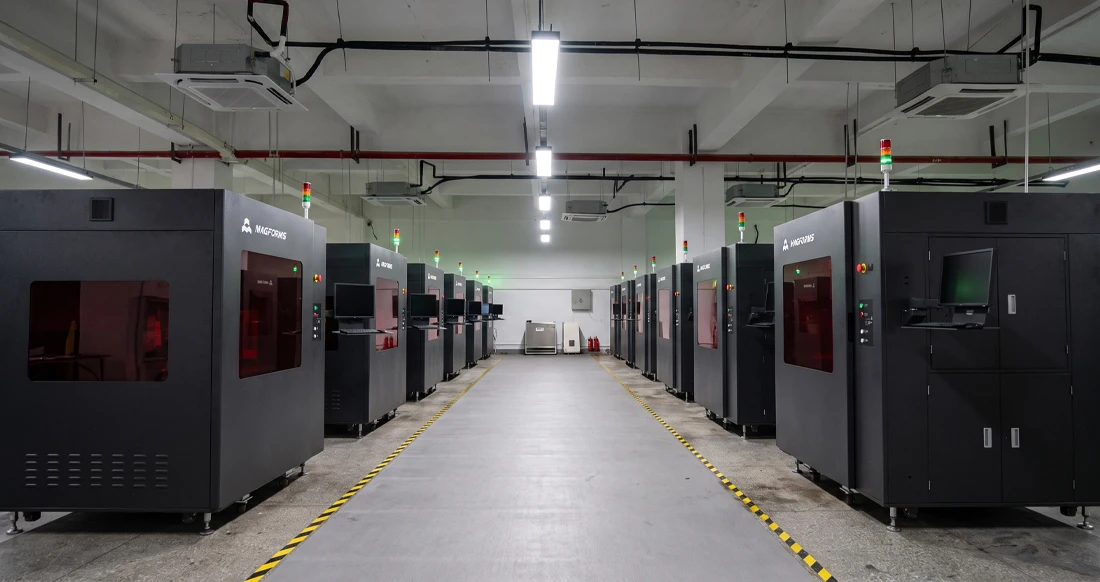
Large-format stereolithography is a big step forward in additive manufacturing. It solves the problem of how to make parts that are too big without having to sew them together. High-power UV lasers, commonly operating around 355nm wavelengths, are guided across large resin vats by high-speed galvanometer scanning systems in these industrial SLA platforms. Build sizes bigger than 600mm x 600mm x 400mm make it possible to make dashboards for cars, architectural models, and aircraft tools all at once in a single print run.
The photopolymerization process used in industrial SLA systems differs significantly from that of smaller desktop 3D printers. With variable beam spot technology, the laser spot size can be adjusted between fine-detail scanning and high-speed area filling. This makes the process faster without lowering the quality. Smaller systems might need to print in sections and join them together by hand, which can lead to weak spots and mistakes in tolerance stack-up. Big-format SLA 3D printer platforms can significantly reduce these assembly and tolerance-related issues.
When printing on a large scale, the function of the materials needs special attention. Longer print times (days instead of hours) require resins that are very stable. During long-duration large-format printing, resin temperature stability and thermal management become critical for maintaining consistent curing performance. The chemistry has to keep the viscosity the same over several days of work while also blocking oxidation and color sedimentation in large-capacity resin vats used in industrial production environments.
The resin mixture has a direct effect on how well layers stick together over hundreds of scans. Engineering resins that are made to be strong need different amounts of laser power than bendable materials that are made to absorb impact. Dimensional stability during curing keeps big flat surfaces from warping, which happens a lot when printing samples for dashboards or large architectural or industrial prototype panels.
Tolerances that can be used on a big format SLA 3D printer depend on how well the material chemistry works with the printer gear. Unique resins that are set to certain laser bands and scanner speeds give proven mechanical qualities, such as high heat deflection temperature performance suitable for demanding thermal testing applications. Third-party materials might look like they are a good deal, but they often change the bonding strength between layers, which can cause delamination problems during mechanical testing or after post-curing and long-term use.
Common Materials Used in Big Format SLA 3D Printing
Standard Photopolymer Resins
Photopolymer resins that are used for many things are ideal for concept modeling and visual prototyping. When these materials are exposed to UV light, they harden quickly and form smooth surfaces with few layer lines that can be seen with the human eye. Tensile strengths are usually between 50 and 65 MPa, which is enough for form-and-fit tests but not enough for load-bearing uses. Because they are cheap, they are perfect for design iteration processes where different forms are looked at for aesthetic reasons before investing in final tools.
Engineering-Grade Resins
The mechanical behavior of some engineering-grade SLA resins can approximate certain properties of industrial thermoplastics such as ABS or polycarbonate in prototyping applications. Impact-modified resins can handle drop tests and mechanical stress, which makes it possible to make working samples for testing car parts. Heat-resistant versions keep their shape at high temperatures, which is very important for parts that are being tested in a wind tunnel or for checking the fitting of engine compartments. These materials are very expensive, but they cut down on the need for costly CNC machining of functional prototypes.
Specialized Application Resins
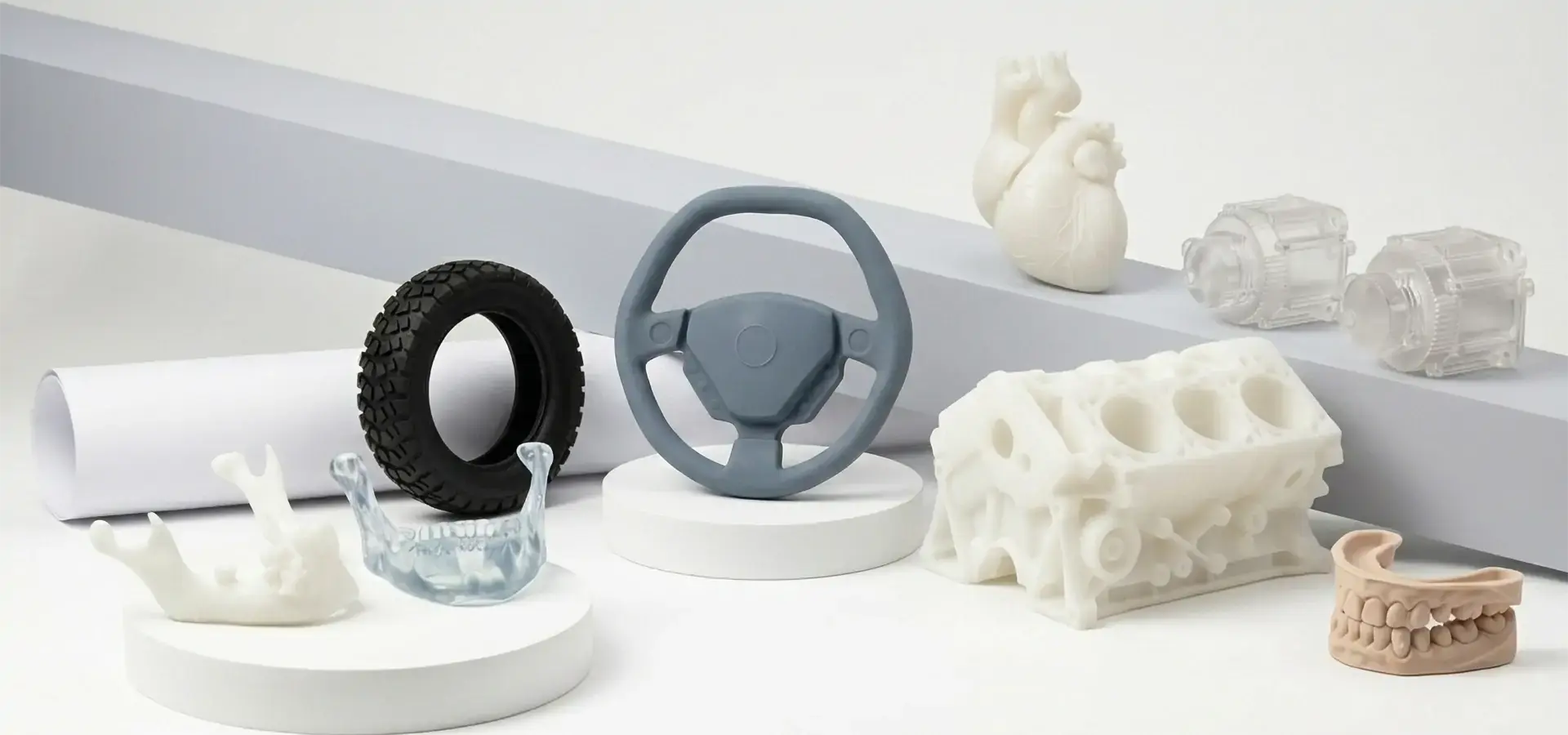
Biocompatible versions that are approved for skin touch or short-term mucosal exposure make dentistry and medical uses possible. Certain biocompatible SLA resins are developed to support applications requiring compliance with standards such as FDA regulations or EU MDR requirements for dental and medical workflows. Castable SLA resins designed for investment casting can burn out cleanly during the casting process, leaving no ash behind. This is important for making turbine housings or jewelry master patterns. Transparent SLA resins can achieve high optical clarity after proper post-processing such as sanding and polishing. This makes them useful for making samples of microfluidic devices or light housings for cars. Flexible SLA resins with Shore A hardness ranges typically between 60 and 90 can be used to produce rubber-like prototype components for testing gaskets or making samples of wearable tech.
How to Select the Best Material for Your Big Format SLA 3D Printing Needs
Defining Application Requirements
The first step in choosing materials is to be honest about what they need to do. Will the printed part be put through practical load tests, or is it only there to look nice? For outdoor testing, prototypes of automotive grilles need to be UV stable, while indoor dashboard models need to be accurate in terms of size so that the assembly can be checked. Biocompatibility certifications must be shown for medical device prototypes before they can be tested in humans. Architectural models, on the other hand, focus on the quality of the surface finish.
Temperature exposure patterns have a big effect on the choice of material. For parts that are going to be installed in the engine area, they need to be heated to temperatures that match the conditions of use, which are usually higher than 150°C. The housings of consumer gadgets may only be exposed to room temperature, but they need to be able to withstand impacts that are similar to drops that might happen during user testing.
Comparing Performance Metrics
Technical datasheets for a big format SLA 3D printer show important changes between resins that look the same. Tensile strength, as tested by ASTM D638 standards, shows how much weight something can hold, while extension at break shows how brittle something is. Materials that don't stretch more than 10% break with little bending, so they can't be used for snap-fit samples or live hinges.
The ASTM D648 method for heat deflection temperature testing suggests that the dimensions will stay the same under thermal stress. If you try a resin that is listed at 80°C HDT outside in the summer afternoon sun, it might warp, which would waste days of printing time. Comparing modulus of elasticity numbers helps figure out how much something will bend when it's loaded, which is important for building parts or extended designs.
Optimizing Print Results with Materials on Big Format SLA Printers
Material Handling and Storage Protocols
When photopolymer plastics are exposed to light or changes in temperature, they break down. Keeping things in dark cases away from UV sources stops polymerization before it happens, which raises viscosity and shortens shelf life. Controlled temperature storage rooms that keep the temperature between 18 and 22°C make sure that the qualities of the materials stay the same. This is especially important for high-performance plastics that have small processing windows.
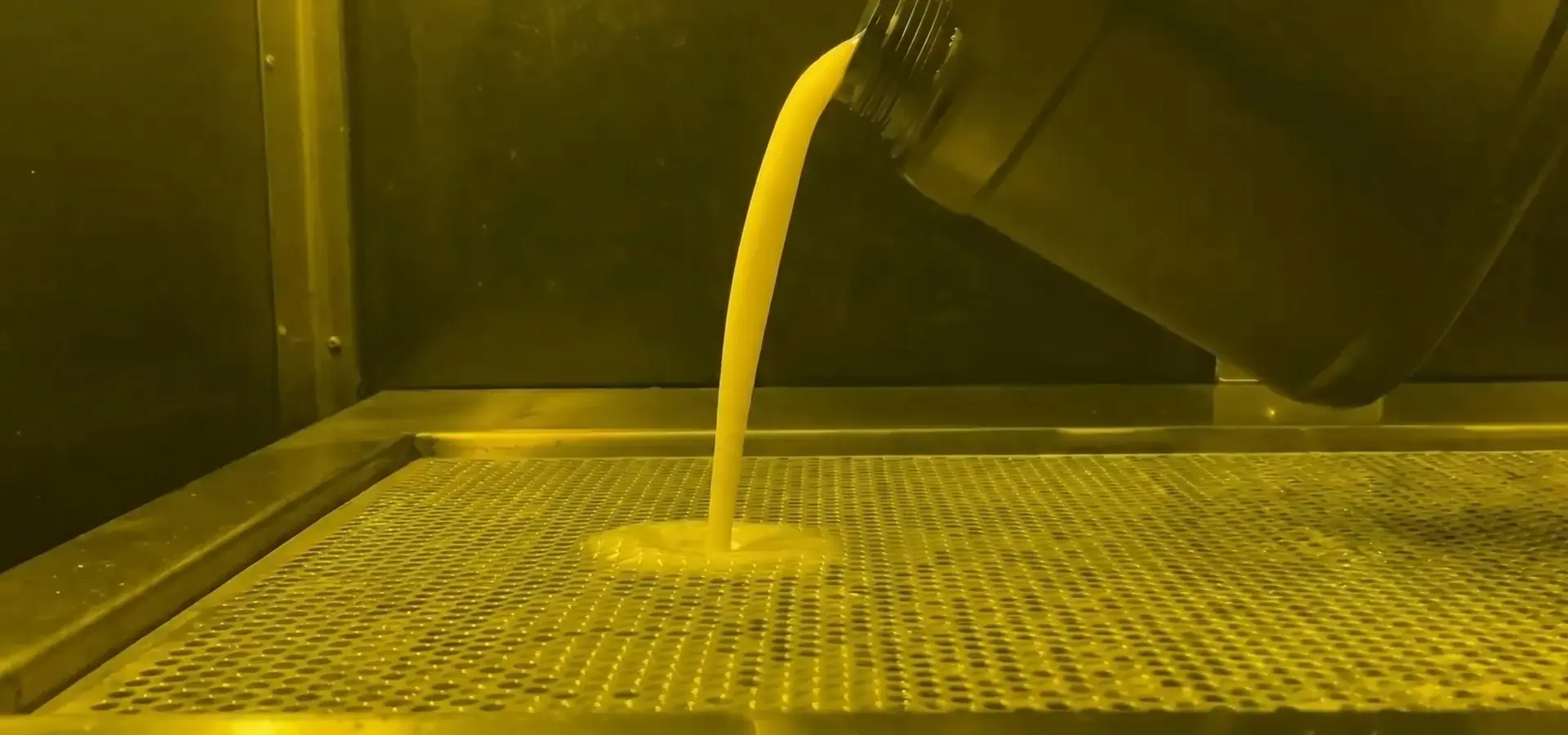
If the containers were kept in a cooler place, let them warm up to room temperature before pouring resin into the printer vat. Changes in viscosity caused by thermal shock can make it harder for the first layer to stick together. By filtering resin through fine mesh screens, contaminants or cured bits from earlier print runs are removed. This keeps future builds from having problems.
Calibrating Printer Parameters for Different Materials
Different resin formulations require different exposure settings. It takes about one to two seconds for standard photopolymers to cure, but three to five seconds may be needed for tough industrial resins to reach the right cross-linking density. Under-exposure makes parts that are flimsy and easily delaminated, while over-exposure makes measurements wrong because excessive curing can expand beyond the intended geometry.
Changes to layer thickness affect both printing speed and surface quality. Thicker 100-micron layers speed up production, but on slanted surfaces, they can be seen to stair-step. Cutting the layers down to 50 microns doubles the print time but gives the surface a smoothness that matches injection-molded finishes. The best layer thickness depends on the viscosity of the material. Thinner layers are needed for higher viscosity resins to make sure they flow properly and coat properly between exposures.
Support system density needs to take material qualities into account. Flexible resins need thicker supports to keep them from deforming during printing and post-processing, while hard materials can handle fewer support structures, which cuts down on the time needed for removal after processing. For large parts, software-generated support placement methods should be checked by hand to make sure they provide enough support without making removal difficult or ruining the finished surface.
Case Studies: Successful Applications Using Different Materials in Big Format SLA Printing
Automotive Prototyping with Engineering Resins
A Midwest car source kept having problems with segmented bumper prototypes that were put together from smaller prints. During impact testing, weak spots were formed by assembly seams, so the results did not properly reflect how the production part would perform. Using an impact-resistant engineering SLA resin and a big format SLA 3D printer, large automotive prototype sections or full-scale bumper assemblies could be produced with significantly reduced assembly requirements.
The single-piece design got rid of problems with tolerance stack-up and cut the time it took to make a sample from three weeks to four days. Aerodynamic performance was confirmed in a wind lab, so there were no worries about adhesive parts coming apart under the stress of airflow. The cost of materials per prototype went up by 40% compared to segmented printing, but the company was able to cut total development costs by 60% by speeding up iteration cycles and making test data more reliable.
Dental Industry Transformation with Biocompatible Materials
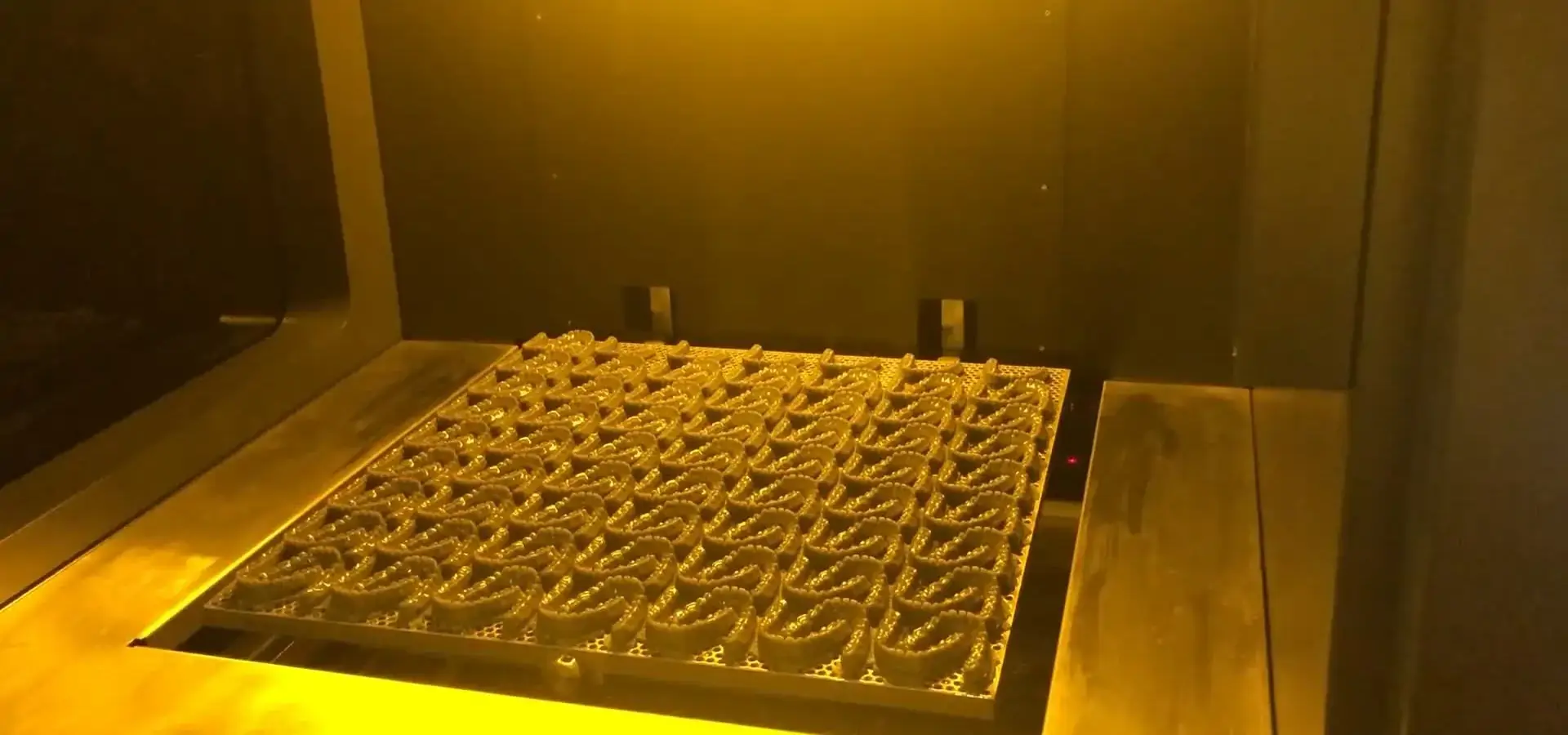
Using old-fashioned impression methods, a dentistry lab that made more than 200 cases of aligners every month had trouble keeping up with demand. Using a big format SLA 3D printer with a Class IIa biocompatible SLA resin made it possible to make 40 tooth models at the same time during each build cycle. The workflow supported high-throughput dental model production while aligning with validated biocompatible material requirements for medical applications.
The quality of the surface finish right off the printer got rid of the need for extra cutting, which cut labor costs by 35%. Certified material documentation helped simplify regulatory compliance workflows, which sped up the approval process for new medical uses. The lab added surgery guide output to its list of services using the same equipment. This shows that big format SLA 3D printer platforms can be used in a variety of dental specialties.
Industrial Tooling with High-Temperature Formulations
A company that makes parts for aircraft needed inspection stands that could withstand 200°C autoclave sterilization rounds. For traditional metal tooling, wait times were 12 weeks, and each fixture cost more than $15,000. With high-temperature SLA resin formulations designed for elevated-temperature tooling applications, printed parts could be ready in one week for a cost of $3,500 in materials.
After 50 autoclave cycles, the printed hardware maintained stable dimensional consistency during repeated thermal cycling tests, comparable to traditional metal tooling in dimensional stability, and allowed designers to make quick changes to the design. If the specs for a part changed during production, new fixings could be printed the next day instead of having to be re-machined from metal. This flexibility cut down on program delays and showed how new materials make big-format SLA 3D printers useful for more than just testing. They can also be used to make production tools.
Conclusion
Choosing the right material is the most important step in making sure that large-format stereolithography projects meet their useful goals. Knowing how resin chemistry affects printer capabilities helps you make smart decisions that balance performance needs with price limitations. Standard photopolymers are good for idea models, but engineering-grade and specialized formulations make practical testing and low-volume production possible.
Optimization includes more than just choosing the right material at the start. It also includes storage methods, parameter tuning, and post-processing processes that are specifically designed for each type of resin. The case studies show that when material knowledge is combined with advanced printing technology, development times are shortened and the problems that come with split assembly methods are eliminated; the business benefits can be measured. As composite and high-temperature formulas keep changing, big-format SLA 3D printers can be used for more than just testing. They are increasingly being adopted for tooling, functional prototyping, and selected low-volume end-use applications in demanding industries.
FAQ
1. What types of materials can be used with large-format SLA systems?
Photopolymer resins, which come in both general-purpose and specific forms, are the most common type of technology in this area. Standard resins are good for making visual prototypes, engineering-grade resins give mechanical strength for functional testing, and specialized types include biocompatible materials for medical uses, castable resins for investment casting, clear formulations for optical parts, and flexible materials that behave like rubber. New composite SLA resins may incorporate ceramic or glass fillers to make them stronger, which makes them more useful for tooling uses.
2. How do I maintain resin quality during extended production runs?
Light and temperature changes can damage things, but they can be kept safe in dark, temperature-controlled cases. During multi-day prints, resin circulation and temperature management systems help maintain stable material performance and stop pigments from settling to the bottom. Filtering the resin before each build gets rid of any impurities, and keeping an eye on the vat temperature makes sure the material flows smoothly. Some high-end systems have automatic refilling that keeps the resin levels at the right amount during long processes.
3. Are specialized resins worth the higher cost?
When specific properties are needed for a project, advanced formulations offer measured value. Biocompatible resins make medical uses possible that would not be possible otherwise, and high-temperature versions let you try their functionality in real-life thermal circumstances. When you compare costs, you should include things like the money you wouldn't have spent on failed samples made with bad materials, shorter iteration cycles, and fewer secondary activities. Even though they cost more per kilogram, many buying teams find that specialty resins lower the overall cost of the project.
Partner with Magforms for Your Large-Format SLA 3D Printing Success
Through integrating material and equipment solutions that solve the industry's most persistent problems, Magforms has become a trusted big-format SLA 3D printer seller. When you mix third-party materials with common equipment, you can run into compatibility problems. Our proprietary resin formulations are perfectly matched to our hardware systems. This integrated hardware-and-material approach is designed to improve printing efficiency and process consistency in large-format SLA production environments.
With 22 patents backing up our technology and serving over 300 businesses around the world, we know what expert decision-makers are having trouble with when it comes to buying. Our systems use varying spot-size laser technology and AI-optimized scanning lines to help improve print stability and reduce production interruptions in demanding industrial workflows. This is made possible by a lot of validation testing. Full expert help includes information about the properties of the material, advice on how to make the parameters work best, and quick troubleshooting—essential services when production schedules depend on steady output.
Our team offers consultations that are tailored to the needs of your business, whether you need entry-level systems for design workshops or large-format platforms like our P600 and P800 models for batch prototyping. Look into ways to buy in bulk to save money on materials and make sure the supply line works well. Get in touch with our experts at info@magforms.com to talk about how matching materials and tools can change your additive manufacturing skills from making a prototype to mass production.
References
1. Gibson, I., Rosen, D., & Stucker, B. (2021). Additive Manufacturing Technologies: 3D Printing, Rapid Prototyping, and Direct Digital Manufacturing (3rd ed.). Springer.
2. Jacobs, P. F. (2018). Stereolithography and Other RP&M Technologies: From Rapid Prototyping to Rapid Tooling. Society of Manufacturing Engineers.
3. Stansbury, J. W., & Idacavage, M. J. (2016). 3D printing with polymers: Challenges among expanding options and opportunities. Dental Materials, 32(1), 54-64.
4. Ligon, S. C., Liska, R., Stampfl, J., Gurr, M., & Mülhaupt, R. (2017). Polymers for 3D printing and customized additive manufacturing. Chemical Reviews, 117(15), 10212-10290.
5. Quantius, D., & Berger, U. (2019). Material Selection for Stereolithography: Performance Characteristics and Application Guidelines. Hanser Publications.
6. ASTM International (2020). ASTM F2792-12a Standard Terminology for Additive Manufacturing Technologies. ASTM Committee F42 on Additive Manufacturing Technologies.

Magforms makes design and manufacture easier.
Popular Blogs
-
 Industry InsightsManufacturing Industry
FDM vs. SLA Printer: Which Technology Is Right for Your Project?
-
 Industry InsightsManufacturing Industry
Top 5 Applications of Industrial 3D Printers in Manufacturing Today
-
 Industry InsightsManufacturing Industry
Why Stereolithography 3D Printers Are Unmatched for Microfluidic Device Prototyping?