How Chinese SLA 3D Printers Support High-Precision Multi-Material Workflows?
Industrial Chinese SLA 3D printers are widely recognized for their ultra-high precision, smooth surface quality, and exceptional dimensional consistency in demanding industries such as dental manufacturing, automotive prototyping, consumer electronics, and aerospace validation. Unlike extrusion-based technologies that prioritize simultaneous material deposition, stereolithography systems are engineered primarily for accuracy, fine-detail reproduction, and stable resin curing performance.
While most Chinese SLA 3D printers operate using a single resin vat during each print cycle, manufacturers and industrial users have developed practical multi-material workflows through modular vat systems, controlled resin switching, segmented assembly methods, and advanced post-processing techniques. These approaches allow SLA technology to maintain its core precision advantages while supporting complex industrial applications requiring multiple colors, textures, or functional material combinations.
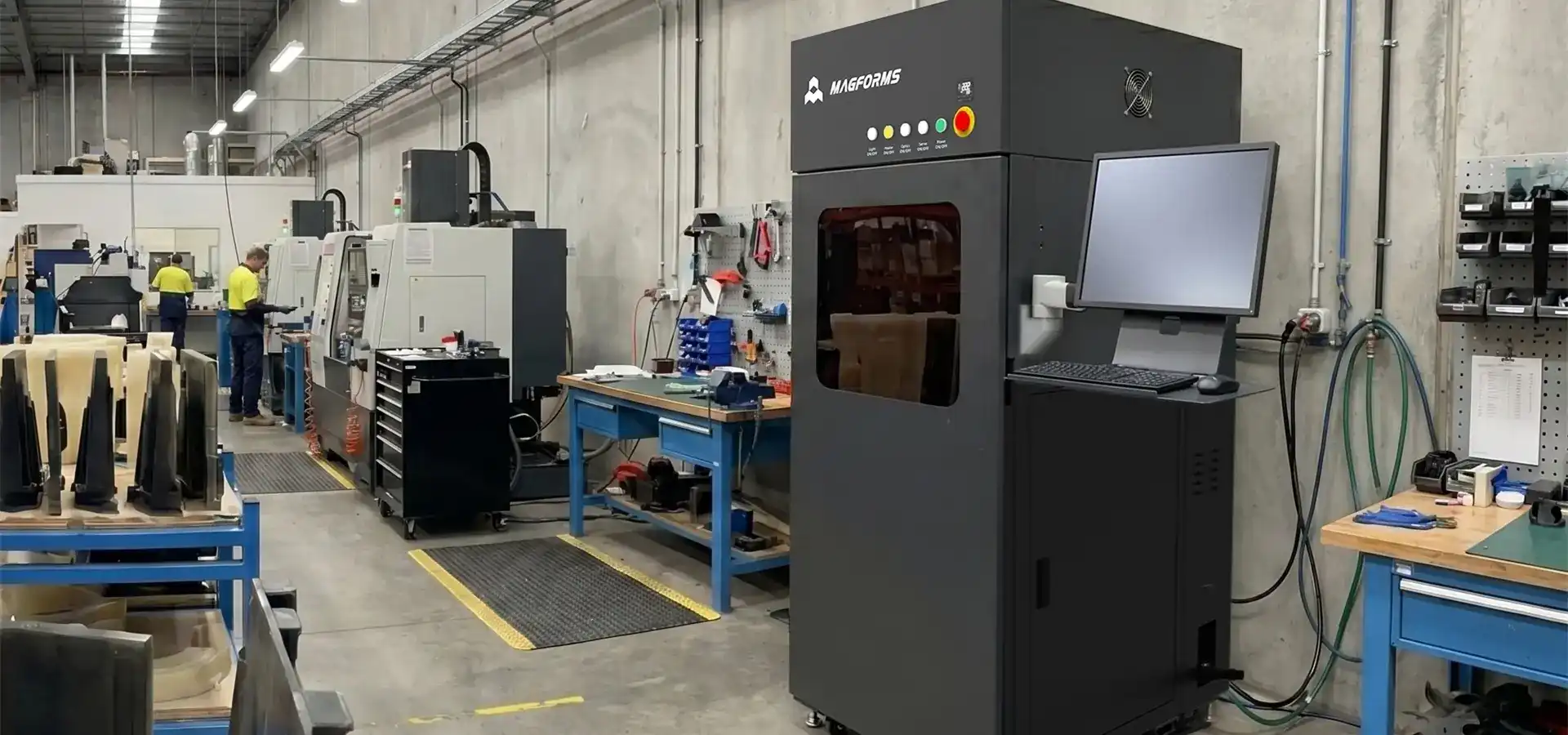
Understanding the Basics of Stereolithography Technology
Core Principles of Laser-Based Resin Curing
A high-speed galvanometer mirror controls a UV laser beam that cures liquid photopolymer resin layer by layer in stereolithography. In top-down SLA systems, the build platform gradually lowers into the resin vat as layers are cured. This process allows fresh photopolymer resin to recoat the curing surface after each layer exposure. Industrial Chinese SLA 3D printers usually use diode-pumped solid-state lasers with 355nm or 405nm wavelengths. They can scan at speeds of up to 10-15 meters per second and can make XY resolutions as low as 50 microns and Z-axis layer thicknesses as thin as 0.05 mm. This method gives better surface finishes than filament-based ones, which makes it suitable for producing complex jewelry patterns, dental restorations, and high-detail aerospace prototype components.
Resin Chemistry and Material Options
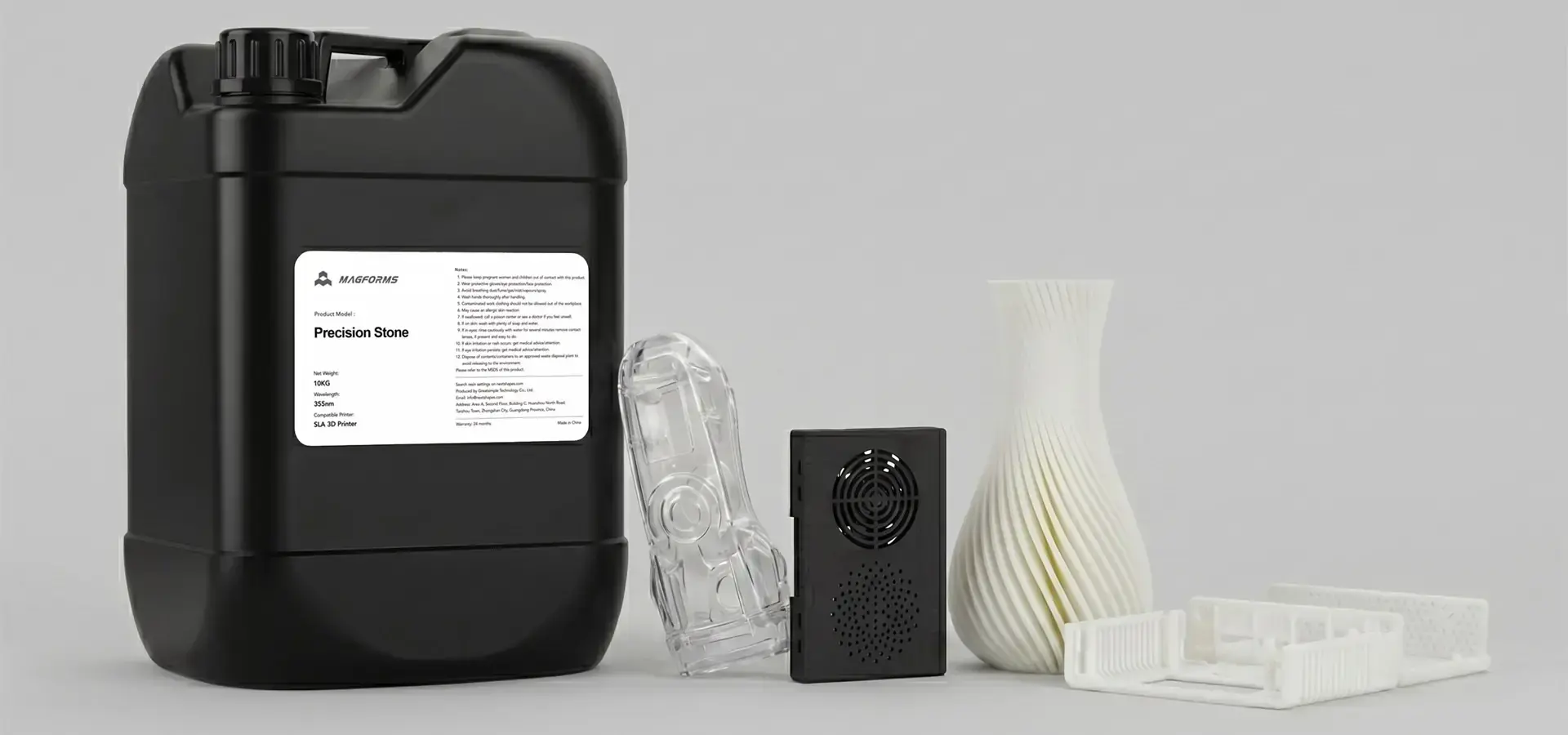
Photopolymer resins used in Chinese SLA 3D printers can be categorized into several functional material groups. Standard materials have good mechanical qualities for making prototypes in general. Engineering-grade versions have high tensile strength and heat resistance, making them good for parts under the hood of cars. Transparent versions let lenses and light guides have optical-grade clarity. For grips and seals, flexible materials that look like rubber or silicone work well. For investment casting processes used in jewelry and dental crowns, castable resins burn out completely. Chinese sellers of materials have quickly grown these lines, now offering third-party resin alternatives that provide competitive mechanical performance and broader material flexibility at significantly lower costs. This gets rid of the problem of being locked into one source, which was a problem in the past.
Multi-Color and Multi-Material Printing: Challenges and Possibilities
Single-Vat Architecture and Material Workflow Considerations
Most industrial Chinese SLA 3D printers are designed around single-vat resin architectures to maintain curing stability, dimensional consistency, and precise optical performance. Stereolithography devices share a resin vat and laser path, while filament extrusion systems typically use multiple nozzles or extruders for material switching. When applications require multiple materials, operators typically use controlled resin-switching workflows combined with dedicated cleaning procedures to preserve print quality and material stability. Even very small amounts of an old material can change how a new batch of resin cures, which can cause imperfect hardening, dimensional deviation, or surface flaws. Specialty resins, such as high-temperature or flexible formulas, have very different viscosities and photoinitiator amounts, which makes this contamination risk higher.
Material Management and Workflow Configuration
Most slicing environments for Chinese SLA 3D printers are optimized for stable single-material curing profiles, which helps ensure consistent exposure control and dimensional accuracy throughout production. The motion and control boards don't have built-in support for the material-switching methods that are common in multi-extruder FDM systems. To get different color areas in the same print job, precise pause-and-swap methods must be used, which can be done by hand by operators or by custom scripts. To avoid layer misalignment between material transition zones, the galvanometer's accuracy must stay the same even if the material changes. Because there aren't any standard multi-material file formats (like AMF or 3MF with material assignments), engineers often segment CAD assemblies into independently optimized print components for improved material control and finishing efficiency. This increases workflow complexity in advanced multi-material production environments.
Why Industrial Applications Prioritize Precision Over Native Multi-Material Printing
In many industrial sectors, including dental manufacturing, jewelry casting, aerospace validation, and precision product development, surface quality and dimensional accuracy are often more important than simultaneous multi-material capability. Industrial Chinese SLA 3D printers are therefore designed primarily to maintain stable curing environments, fine-detail reproduction, and repeatable print consistency across long production cycles.
Comparison: Stereolithography Versus Other Technologies in Multi-Color and Multi-Material Capabilities
FDM Printers: Accessible Multi-Material Workflows
FDM systems support easier native multi-material extrusion through dual- or multi-nozzle configurations, making them suitable for applications focused primarily on material combination and color variation. Some mid-range FDM machines can print support structures out of filament that dissolves in water and build useful parts out of industrial thermoplastics. Color-mixing hotends can blend multiple thermoplastic filaments to produce gradient or multi-color surface effects. However, industrial manufacturers often choose Chinese SLA 3D printers when surface smoothness, fine-feature detail, and tight dimensional tolerances are more critical than simultaneous material deposition. Filament extrusion technologies are generally less suitable for applications requiring ultra-smooth surfaces, fine-detail accuracy, and optical-grade visual quality. These are common needs in the jewelry, consumer electronics, and dentistry industries. This is why Chinese SLA 3D printers remain widely adopted in dental, jewelry, medical, and high-detail prototyping industries where precision and surface quality are mission-critical.
DLP Systems: Speed with Resolution Trade-offs
Digital Light Processing (DLP) systems use projected light engines to cure entire resin layers simultaneously, while LCD-based masked stereolithography (MSLA) systems rely on LCD panels to selectively block UV light during exposure. Compared with LCD-based systems, industrial SLA platforms generally provide more consistent laser energy distribution and superior surface uniformity across large-format builds. While DLP systems offer fast layer exposure speeds, industrial Chinese SLA 3D printers provide greater flexibility in laser spot control and scanning precision across larger build areas. Industrial Chinese SLA 3D printers use variable spot-size lasers and optimized scan path algorithms to print at over 30% faster speeds than fixed-spot competitors. This closes the speed gap with DLP while keeping micron-level accuracy across large build volumes.
Practical Solutions and Best Practices for Multi-Color or Multi-Material Applications
Post-Processing Techniques for Color and Material Integration
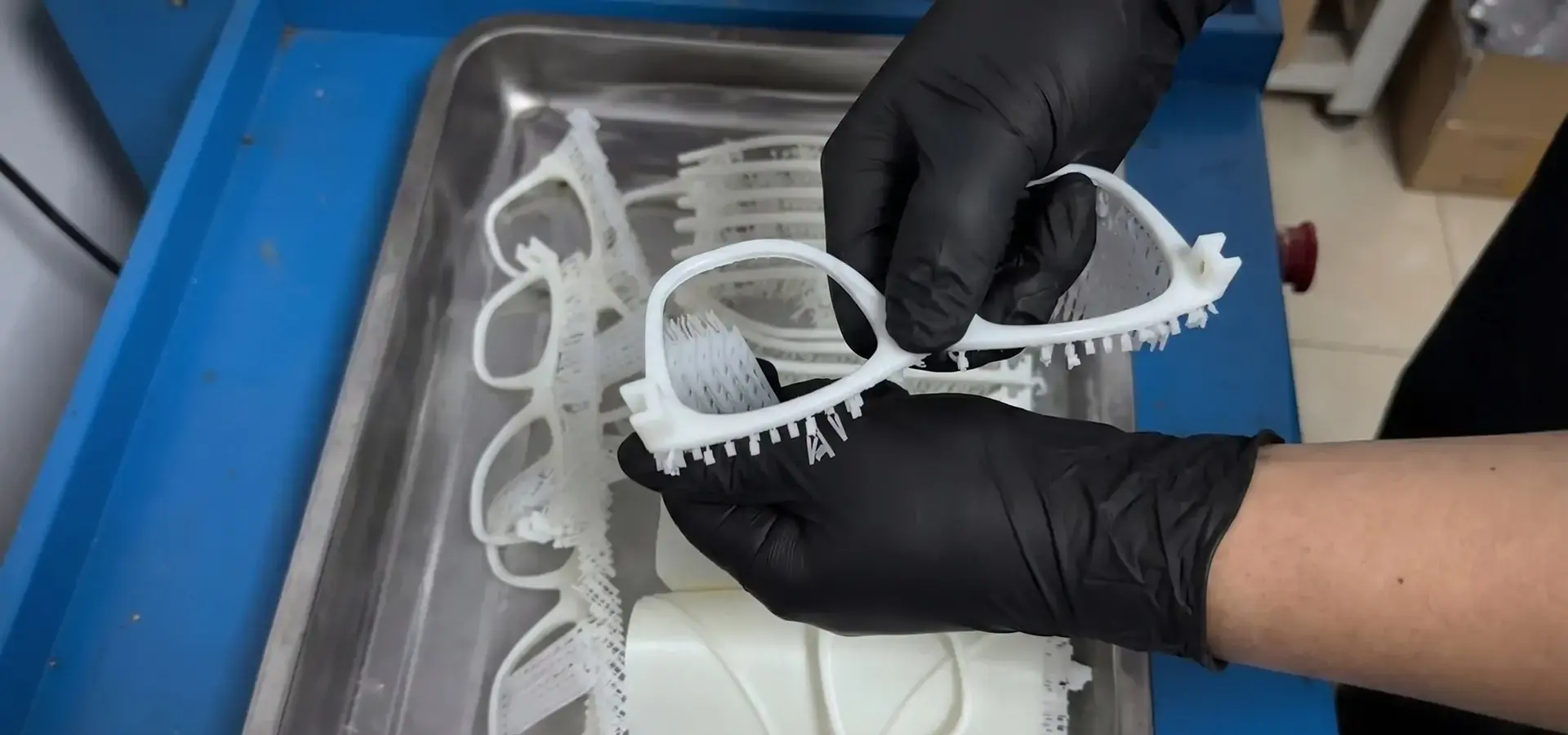
In industrial SLA workflows, post-processing and segmented assembly methods are commonly used to achieve advanced visual and functional results. Photo-realistic color finishes can be made on architectural models and product mockups by painting fully cured SLA parts with airbrushed paints or automotive-grade coats. When you use alcohol-based paints to color transparent photopolymer resins, you get bright colors that keep their optical qualities. Assembling separately printed components made from different materials, such as rigid housings combined with flexible gaskets, allows manufacturers to achieve multi-material functionality while maintaining the precision and curing stability associated with stereolithography technology. Cultural-creative workshops, footwear prototyping labs, and medical device companies that use Chinese SLA 3D printers commonly rely on these workflows for advanced prototype and presentation-grade production.
Optimizing Resin Management and Vat Cleaning Protocols
Proper resin management protocols are essential for maintaining stable print performance in multi-material SLA workflows. Before putting the resin away, operators should pass it through 100-micron mesh screens to get rid of any finished debris. To get rid of any remaining plastic films, vat surfaces need to be cleaned thoroughly with isopropyl alcohol (IPA) and lint-free wipes. Cross-contamination is avoided by using separate vats for different types of materials, such as one for engineering-grade resins and another for flexible resin materials. Software settings that remember exposure times, layer widths, and lift speeds for each resin type make setup easier and waste less time on trial and error. Industrial Chinese SLA 3D printers with open-source material profiles let users save and share the best settings across teams. This makes it easier to be consistent in production situations that use more than one material.
Procurement Guide: Choosing the Right Stereolithography System for Complex Printing Needs
Key Specifications for Multi-Material Readiness
When looking at Chinese SLA 3D printers for their ability to print multiple materials, procurement teams evaluating Chinese SLA 3D printers should prioritize specifications related to precision stability, open material compatibility, and workflow flexibility. The build volume tells you whether parts can be printed as single units or need to be put together. Different resin viscosities and curing behaviors require carefully optimized laser exposure parameters and process settings to maintain stable print quality. Open-material design lets any third-party resin be used, which is necessary to get unique formulations that equipment makers don't offer. Material-switching methods can be controlled by an operator thanks to flexible software that supports custom resin profiles and scriptable pause and restart functions. Total cost of ownership and production performance are affected by warranty terms that cover how long laser diodes last (usually 5,000 to 10,000 hours) and how quickly technical help responds. In most industrial applications, dimensional consistency and surface quality remain more important than simultaneous multi-material deposition capability.
Evaluating Supplier Reliability and After-Sales Support
In B2B buying for a Chinese SLA 3D printer, supplier reputation is very important. Established Chinese SLA 3D printer manufacturers with ISO 9001 certifications, CE/FCC compliance, and track records spanning many years show that their demonstrate mature manufacturing and quality management capabilities. Real-world success is backed up by client case studies from the medical, aerospace, and automotive industries. For foreign buyers, the risk of downtime is lower when there are overseas service centers and the ability to do diagnostics remotely. Clear lines of contact, such as specialized account managers and technical teams that speak English, make onboarding and fixing problems go more smoothly. Before agreeing to bulk orders, procurement teams should ask for example prints in a variety of materials to check the accuracy of the dimensions, the quality of the surface finish, and the mechanical properties.
Navigating Pricing and Negotiation Strategies
There are different price ranges for stereolithography tools made in China. Industrial entry-level industrial systems start at less than $5,000 and are good for small design studios and new service centers. Mid-range platforms, which cost between $15,000 and $50,000, can build more things and are more automated. They are aimed at medical device development and testing car parts. High-end large-format tools that cost more than $100,000 are used for architectural models and aircraft validation. When buyers negotiate the purchase of multiple units, they can get savings of 10 to 20 percent, longer warranties, and sets of materials that are all in one. Making it clear about shipping terms (FOB vs. DDP), installation help, and user training stops secret costs. Providing sellers with specific application requirements early on, such as material variety, throughput goals, and post-processing needs, leads to customized quotes and technical solutions that are in line with buying goals.
Conclusion
Chinese SLA 3D printers continue to play a critical role in industrial manufacturing applications where precision, surface quality, and dimensional stability are essential. There are useful solutions that make multi-material applications useful in service offices, automotive R&D, dental labs, and consumer electronics development. Through modular resin workflows, controlled material management, segmented assembly methods, and advanced finishing techniques, manufacturers can efficiently support complex production requirements while preserving the core precision advantages of stereolithography technology. Chinese producers are getting better at matching the performance of Western peers while also being more cost-effective and providing access to a wider range of materials. When procurement teams have clear specifications, criteria for evaluating suppliers, and negotiation strategies, they can safely add these systems to complicated production environments while keeping technical needs and budget limits in mind.
FAQ
1. Can Chinese SLA 3D Printers Achieve Multi-Color Prints Within a Single Job?
Due to their single-vat design, standard industrial Chinese SLA 3D printers are not typically designed for simultaneous multi-color printing within a single continuous build process. You can get multi-color results by printing separate parts in different colored resins and then putting them together manually. Advanced users add color to resins or use post-cure coloring methods to improve the visual appearance of printed parts.
2. Which Resin Types Are Best Suited for Material Variation?
Stable recoating and exposure factors make material changes easier when engineering resins have consistent viscosity profiles. Resins that are clear and can be cast can be dyed and changed after processing. To keep them from getting dirty, flexible resins need their own vats. For biocompatible and high-temperature formulations, it is important to follow strict cleaning procedures to avoid cross-contamination that could affect material approvals.
3. How Do I Prevent Resin Contamination During Material Switches?
Use separate vats for groups of materials that don't mix. Resins should be filtered and kept in containers with lids when not in use. Isopropyl alcohol and lint-free cloths can be used to clean the inside of the vat very well. After changing the material, run purge prints, which are small shapes that are meant to be thrown away, to get rid of any leftover resin. To make sure you're following quality control standards, keep thorough records of how materials are used and when they are cleaned.
Partner with Magforms for High-Precision Stereolithography Solutions
Standard equipment isn't enough to meet the printing needs of businesses in a variety of industries. Magforms combines its own photopolymer plastics with carefully designed Chinese SLA 3D printers to provide the best fit and stability of materials and systems. Our open material design means you don't have to stick with one provider, and our variable spot-size laser technology speeds up printing by more than 30% without affecting the accuracy of the prints down to the micron level. Magforms has 22 patents and works with over 300 companies around the world. They offer full after-sales support, such as remote diagnostics, technical training, and fast spare parts logistics, to make sure that workflows for automotive prototyping, dental customization, and aerospace validation have as little downtime as possible. Email our team at info@magforms.com to discuss high-precision production workflows, advanced resin applications, and scalable industrial printing solutions tailored to your manufacturing requirements. Ask for technical advice, customized quotes, and example evaluations that are based on your output goals. As a reliable Chinese SLA 3D printer supplier, we offer industrial-grade dependability and cost-effective scalability, so you can confidently move from testing to mass production.
References
1. Gibson, I., Rosen, D., & Stucker, B. (2021). Additive Manufacturing Technologies: 3D Printing, Rapid Prototyping, and Direct Digital Manufacturing (3rd ed.). Springer.
2. Wang, L., & Zhang, Y. (2020). "Comparative Analysis of Multi-Material Capabilities in Industrial Additive Manufacturing Systems." Journal of Manufacturing Science and Engineering, 142(8), 081004.
3. Chen, H., & Liu, Q. (2022). "Advancements in Chinese Stereolithography Equipment: Performance Benchmarking and Market Positioning." International Journal of Advanced Manufacturing Technology, 119(5-6), 3421-3438.
4. ISO/ASTM 52900:2021. Additive Manufacturing — General Principles — Fundamentals and Vocabulary. International Organization for Standardization.
5. Formlabs Inc. (2023). Technical White Paper: Material Compatibility and Cross-Contamination Management in Resin 3D Printing. Formlabs Internal Publication.
6. Zhou, M., & Tang, S. (2023). "Post-Processing Techniques for Color Enhancement and Multi-Material Integration in Photopolymer Additive Manufacturing." Additive Manufacturing Review, 17(2), 145-162.

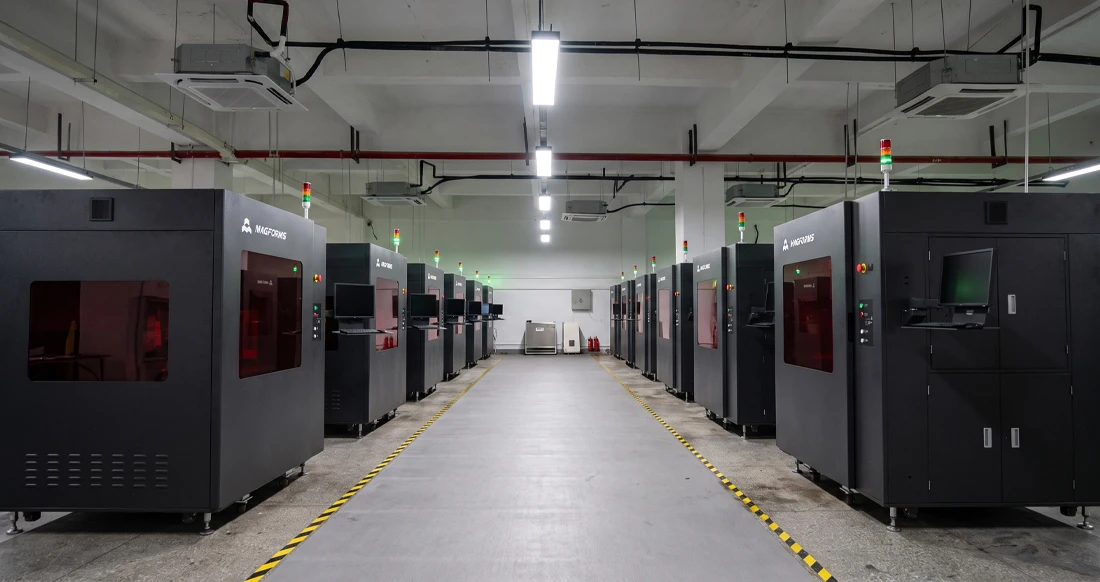
Magforms makes design and manufacture easier.
Popular Blogs
-
 Industry InsightsManufacturing Industry
FDM vs. SLA Printer: Which Technology Is Right for Your Project?
-
 Industry InsightsManufacturing Industry
Top 5 Applications of Industrial 3D Printers in Manufacturing Today
-
 Industry InsightsManufacturing Industry
Why Stereolithography 3D Printers Are Unmatched for Microfluidic Device Prototyping?