What Materials Work with a Large Scale Resin 3D Printer?
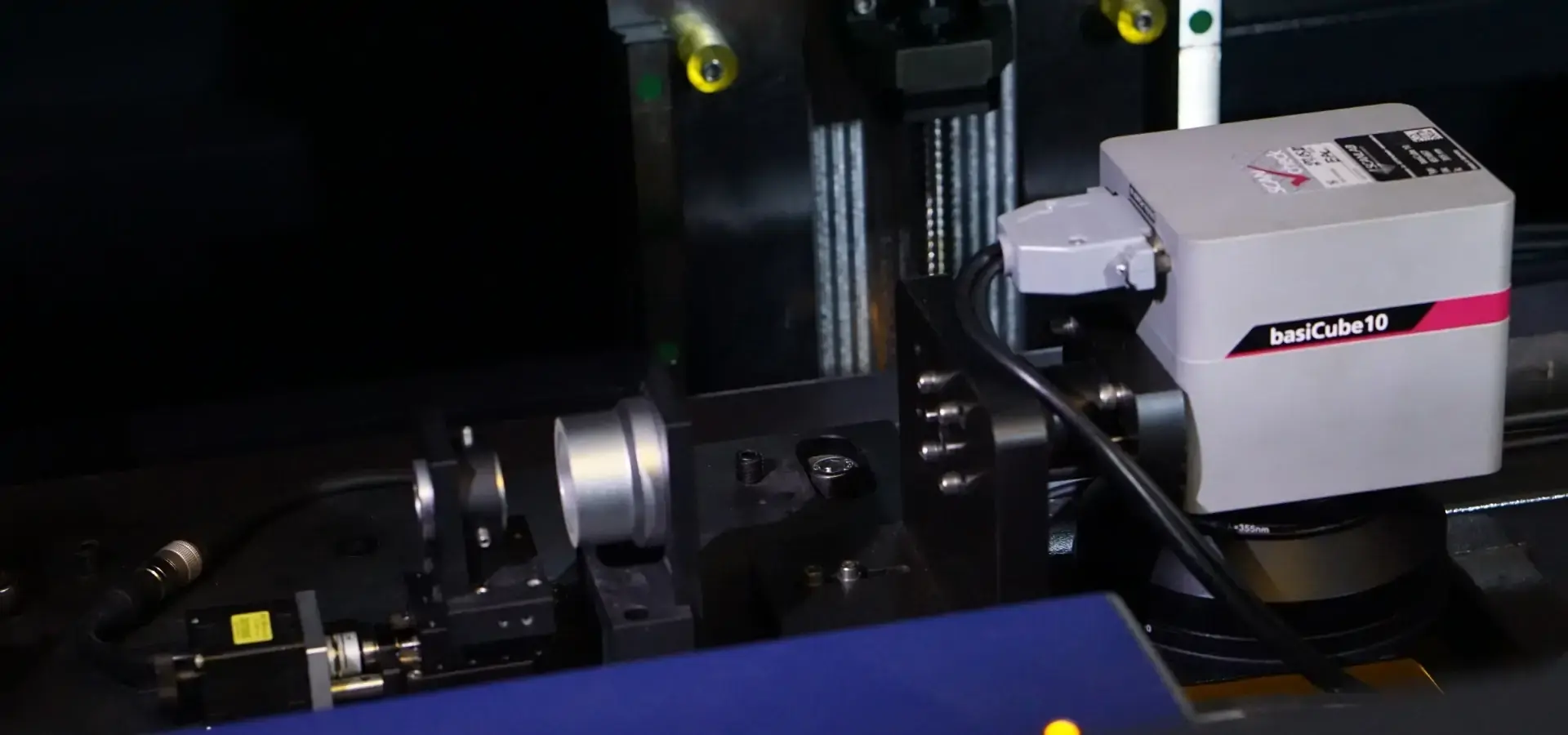
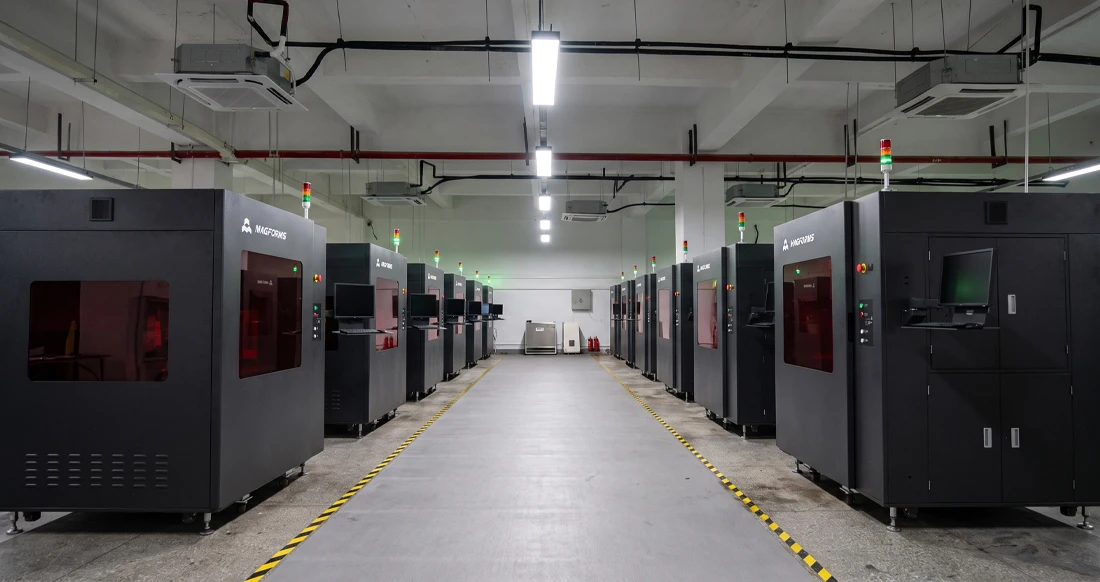
Understanding suitability is important for getting the best printing results when looking into what materials work with a large-scale resin 3D printer. These industrial SLA 3D printers use 355 nm UV laser-based stereolithography technology to cure photopolymer resins layer by layer under controlled laser exposure, enabling large-format parts with high dimensional accuracy and excellent surface quality. This process enables manufacturers to produce large-format components with precise dimensional accuracy and consistent surface quality for industrial applications. There is a wide range of compatibility, from standard resins with balanced qualities to custom formulas made to be strong, flexible, resistant to high temperatures, and biocompatible. Picking the right type of material will make sure that your equipment works well in a wide range of situations, from making prototypes for cars to making medical devices. This will also help you get the most out of your investment by reducing waste and improving the usefulness of parts.
Understanding Material Types Compatible with Large-Scale Resin 3D Printers
It is important to understand the chemical composition and performance characteristics of photopolymer resin materials used in industrial additive manufacturing. The material choice affects the print's success, part durability, and production speed.
Standard UV-Curable Resins
For most resin printing jobs, standard resins are what they start with. These photopolymers are formulated to react to ultraviolet light sources, with industrial SLA systems commonly using highly precise 355 nm UV lasers. They have balanced mechanical qualities that make them suitable for concept models, visual prototypes, and design verification applications. Standard resins usually have tensile strengths between 30 and 50 MPa and elongation at break values between 10% and 20%. This makes them suitable for non-functional testing applications where dimensional accuracy is more important than mechanical performance. Standard resins have a viscosity of about 100–500 cps at room temperature. This lets them flow smoothly across big build platforms without affecting the bonding of the layers. With industrial large-scale SLA 3D printing systems, these materials enable efficient batch production of prototypes and functional components while maintaining stable dimensional consistency across the entire build platform. This material is especially useful in the creative industries and for developing consumer products.
Engineering and Tough Resins
Engineering-grade resins are used to make samples and finished parts that need to have excellent mechanical qualities. Modified acrylates and special chemicals are used in these formulas to make them behave like ABS or polycarbonate. Tough resins can achieve tensile strengths exceeding 55 MPa and provide impact protection comparable to injection-molded thermoplastics. Because they are tougher, they can be used for snap-fit assemblies, car interior parts, and functional tests under mechanical stress. Industrial SLA printed parts typically exhibit more uniform mechanical properties compared with filament-based FDM technologies because the photopolymerization process reduces pronounced layer-direction anisotropy. This characteristic significantly reduces the directional mechanical weaknesses commonly associated with filament-based FDM printing technologies. Engineering resins keep their shape even when the weather changes, and they can handle heat loads of up to 80°C. They are ideal for use in car engine compartments and electrical housings that experience mild heat loads.
Flexible and Elastomeric Resins
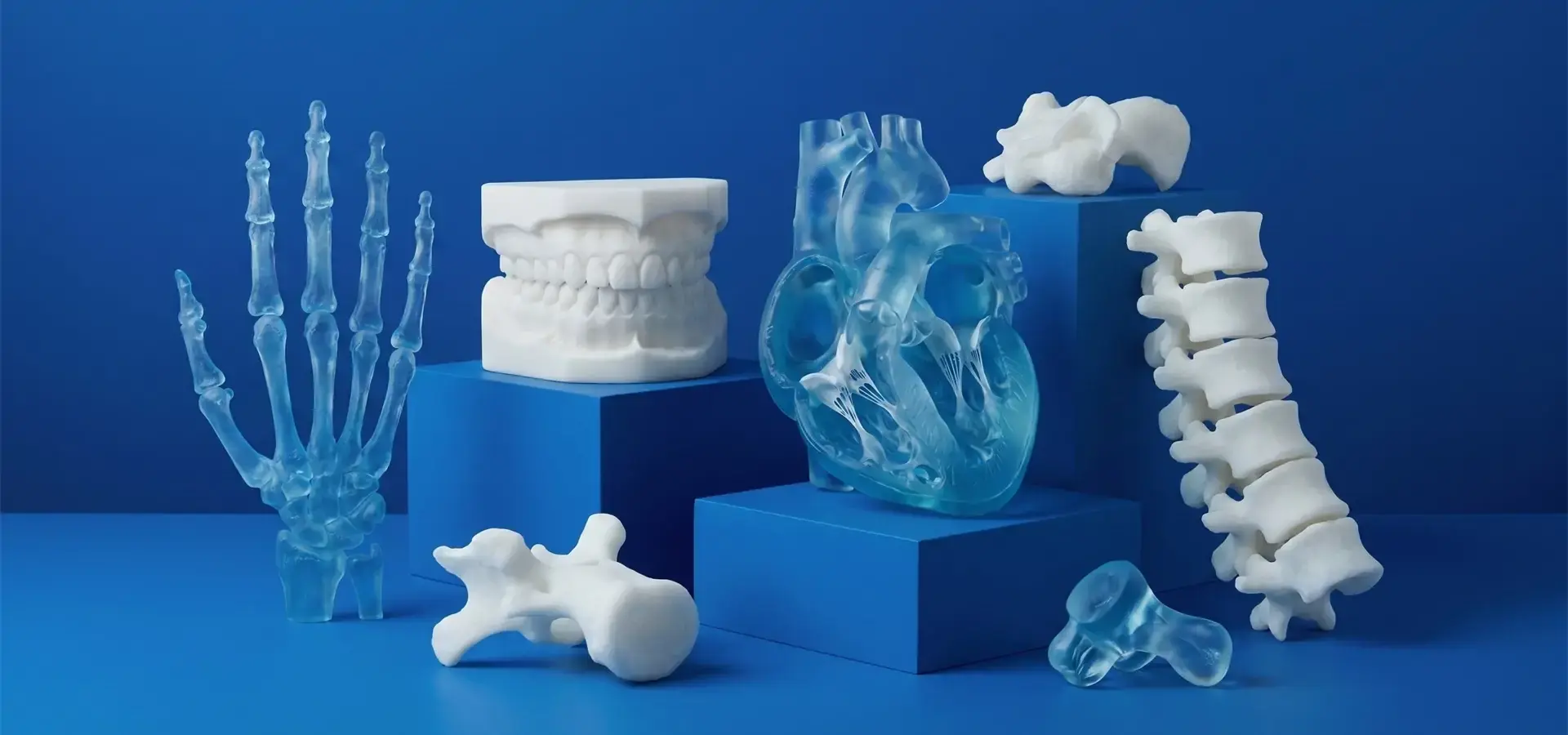
Flexible resins have shore hardness numbers between 40A and 80A and have the same qualities as rubber and silicone. These materials can be used to make gaskets, seals, wearable tech parts, and samples of shoes that need to be able to absorb shock and stretch. Flexible resin can stretch more than 200% before breaking, so parts can be bent and stretched many times without changing permanently. When used in the shoe business, these materials help make complicated lattice midsole designs that offer personalized cushioning. Flexible resins are used in medical applications to make orthotic insoles and prototype surgical tools and patient-contact medical applications requiring soft-touch material properties. Elastomeric formulations tend to have a higher viscosity than standard resins. This means that equipment needs to have adequate heating systems to keep the flow qualities at their best across large build volumes.
Specialty and High-Performance Resins
A wide range of specialty resins caters to the specific needs of various industries. High-temperature SLA resins can achieve heat deflection temperatures above 200°C after proper post-curing, making them suitable for aerospace tooling, mold verification, and thermal testing applications. Castable resins burn off easily during investment casting processes, leaving little ash behind and making it possible to make jewelry and oral prosthetics with many small details. Transparent resins are clear enough to be used for light guides, filters, and fluid flow visualization models. Biocompatible resins approved for medical and dental use must meet strict rules, such as ISO 10993 and FDA guidelines. This makes sure that patients are safe in surgery guides and orthodontic tools. Ceramic-filled photopolymer resins provide improved stiffness, dimensional stability, and wear resistance for tooling and industrial engineering applications. Carefully matching each custom material's handling needs, curing profiles, and post-processing processes to the equipment's capabilities is essential.
Material Property Considerations
In addition to basic material groups, there are several important qualities that affect the choice of material for large-format printing. Viscosity has a direct effect on how resin flows and how evenly the layers are spread out. Lower viscosities make it easier for layers to separate faster and for big cross-sections to have less peel force. The general print speed is affected by the curing time, since faster photopolymerization allows shorter layer exposure times. Chemical stability makes sure that resins keep their qualities over long print runs, so they don't polymerize or break down too quickly in natural light. To keep the dimensions correct, shrinkage during curing needs to be kept to a minimum. This is especially important for large single parts, where the total amount of shrinkage can cause big variations from the CAD specs. If a resin is compatible with certain light sources, like laser-based SLA, DLP projectors, or LCD masking systems, it will cure properly across the whole build area, with no under-curing around the edges or over-curing in the middle.
Benefits of Choosing the Right Resin Materials for Large-Scale Printing
Picking the right resin materials for a large-scale resin 3D printer is important. By choosing the right materials, you can turn your printed samples into production-ready parts that meet strict quality standards. When the properties of a material and the powers of its tools work together, they can unlock big operational benefits.
Superior Surface Finish and Detail Resolution
High-quality materials made for industrial tools give surfaces that look like they were made with an injection mold right off the build platform. Layer heights of 25 to 50 microns make it possible to copy fine textures, sharp edges, and complex shapes without showing layer lines. This surface quality cuts down on post-processing work because it doesn't need as much cleaning, filling, and painting as FDM and lower-resolution additive manufacturing technologies do. Designers of cars can look at full-size interior panels to see how they look, and companies that make medical devices make anatomy models with accurate tissue surface characteristics. Optimized photopolymer resin chemistry and uniform UV exposure across large build platforms make sure that details are reproduced consistently from center to edge, keeping quality standards high for all parts in a batch production run.
Enhanced Mechanical and Functional Performance
Choosing the right material has a direct effect on how well the part works in real life. With engineering resins, you can do functional testing that correctly predicts how the final output parts will react to changes in temperature, stress, and exposure to the environment. Manufacturers of aerospace parts use high-temperature resins to test connector housings and brackets under simulated operating conditions. This helps them find design flaws before they spend a lot of money on expensive tools. Automotive makers make working air intake manifolds and fluid tanks that are put through pressure tests and thermal stress analysis. This speeds up the development process and lowers the chance of having to make changes to the design at the last minute. Because photopolymer parts have isotropic mechanical qualities, mechanical stress distribution is more uniform across the printed structure. This means they work reliably in safety-critical situations.
Material Efficiency and Cost Optimization
Choosing the right materials at the right time reduces material waste and overall production costs. When resins are matched to specific uses, parts don't have to be over-engineered with formulations that are too expensive for their purpose, and performance standards are met. Large build areas make it possible to print many similar or different parts at once, which makes the best use of material and lowers the ratio of support structures to useful shape. Advanced resin formulations with improved shelf stability keep materials from going bad while they're being stored, and uniform batch quality gets rid of the differences that cause prints to fail and materials to be wasted. When post-processing needs are cut down, and first prints are more successful, labor costs go down, and time to market goes faster. This gives large industry users a measured return on their investment.
Industrial Applications and Material Suitability in Large-Scale Resin 3D Printing
A large-scale resin 3D printer has industrial uses and works with a variety of materials. Different industries use the unique qualities of materials to solve their own production problems. Knowing these application-specific needs helps you choose the best materials for the job.
Rapid Prototyping and Design Validation
Product development teams use resin printing to quickly make many versions of a design. Standard and industrial resins can be used in fast development processes that need to be accurate in terms of size and appearance. Manufacturers of consumer electronics print sample enclosures with snap-fit features and mounting bosses to test how well assembly processes work before spending money on tools. Design studios and creative product companies produce decorative models and art pieces with lots of small details and smooth edges. The ability to print large monolithic parts gets rid of the assembly seams that lower the quality of the final product. This lets designers test measurements and looks on full-size samples instead of smaller versions. Because industrial SLA systems can produce highly detailed parts with minimal finishing requirements, especially when combined with optimized engineering resin formulations, creation processes can be cut down from weeks to days.
Functional End-Use Parts and Bridge Manufacturing
Resin printing is being used more and more by industrial manufacturers for useful end-use parts and low-volume production runs that act as a bridge between prototyping and mass production tooling. Tough and engineering-grade SLA resins make it possible to make jigs, clamps, and other tools for manufacturing that can be used over and over again on production lines. Automotive makers make unique assembly fixtures that are made to fit specific types of cars. This cuts down on switching time and improves the accuracy of assembly. Companies that make medical devices use biocompatible materials that meet regulatory standards to make surgery guides and physical models that are specific to each patient and help with clinical procedures. Because these useful parts are both long-lasting and accurate in size, they can be used as temporary production solutions while new tools are being made. This keeps production going and lowers the cost of keeping supplies on hand.
Small Batch Manufacturing and Customization
Resin printing can make one-of-a-kind parts without having to pay for expensive tools, which is useful for markets that need a lot of customization. Using dental-certified resins, dental labs make batches of orthodontic aligner molds, crown and bridge models, and surgery guides that are unique to each patient. Because the structure of each patient is slightly different, standard ways of making parts are not cost-effective. Manufacturers of shoes make custom midsole lattice structures that are best for each person's biomechanics and weight distribution, giving each person their own unique performance traits. Industrial SLA systems can be scaled to produce dozens of customized parts simultaneously. This keeps throughput levels similar to traditional manufacturing while allowing for full design freedom. Material consistency across production groups makes sure that every customizable part meets the same quality standards. This protects the brand's image and makes sure that the company is following the rules.
Maintenance Tips to Optimize Resin Material Performance and Printer Longevity
Proper handling and machine maintenance maximize material performance and extend its working life. Common problems that lower print quality and raise running costs can be avoided with systematic procedures. A large-scale resin 3D printer requires consistent care to maintain its high level of precision over long-term operations.
Resin Storage and Handling Best Practices
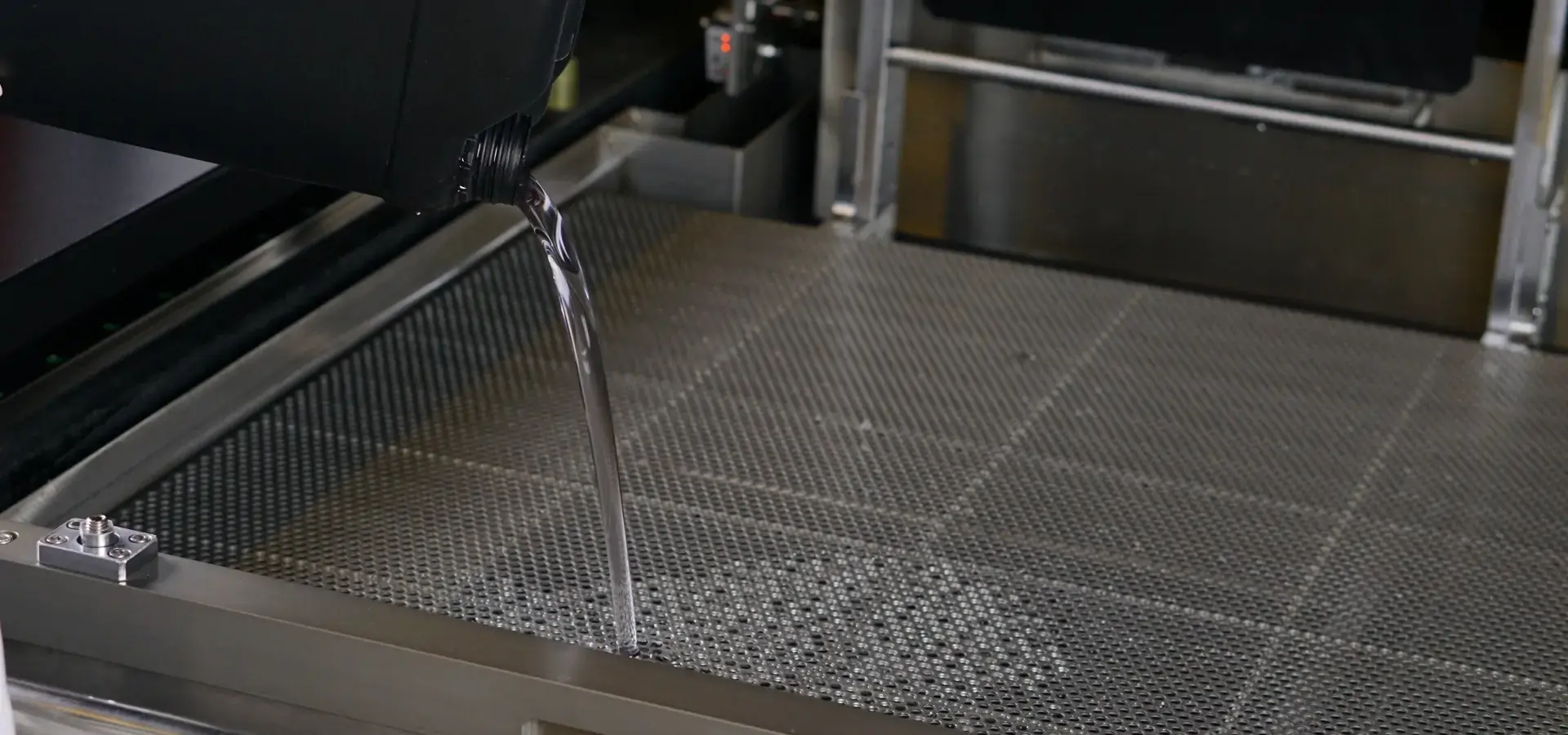
To maintain their chemical stability, photopolymer resins need to be stored in a controlled environment. UV light in the air speeds up the polymerization process, which shortens the shelf life of materials and makes printing less accurate. Keep resin containers away from windows and artificial lighting in cabinets that are solid and don't let light through. Temperature changes can affect viscosity and curing properties, so keep storage areas between 18°C and 25°C to keep the material properties specified by the manufacturer. Make sure that the material qualities are the same all over the print by shaking or stirring the resin well before using it. This will spread any pigments or additives that have settled. Don't mix different types of resin in the same container; even small amounts of materials that don't mix can change how the resin cures and lower the quality of the part. First-in, first-out inventory rotation will help you use older stock before getting newer orders, which will cut down on waste from old materials.
Equipment Calibration and Maintenance
Calibration on a regular basis makes sure that the cure is the same across the whole build platform. Check the uniformity of the light source on a regular basis by using exposure test designs that show changes in strength from the center to the edges. If the uniformity goes below what the maker recommends, you may need to adjust optical parts or replace UV light sources that are getting old. Regularly clean resin vats and FEP films to get rid of cured resin particles that cause problems in later prints. Use precise measuring tools to check that the build platforms are level, and make any necessary adjustments to the fixing points to keep them aligned to the vat surface within micron-level errors. Linear rails and lead screws should be oiled on a regular basis to keep the Z-axis precise and stop mechanical locking during big, heavy prints. If you have peel force monitors, keep an eye on them because too much force means the release films are worn out and need to be replaced to keep the layers from delaminating.
Cleaning and Waste Management
Efficient post-processing processes and proper garbage removal lower costs and damage to the environment. Set up cleaning stations with the right liquids for the resins being used. Isopropyl alcohol or specific cleaning solutions are usually good choices. Use cleanup methods with multiple steps that get rid of uncured resin from part surfaces without using too much solvent. Instead of putting liquid resin down drains, cure it under UV light until it hardens, and then get rid of it according to your area's rules on hazardous trash. If you can, recycle cleaning solvents by using filtering and distillation systems. This will make the solvents last longer and lower the cost of buying chemicals. Keep track of how much material is used and how much trash is made to find ways to improve the process and make better use of materials. This will help you with your environmental reporting and legal compliance.
How to Choose the Best Resin Materials for Your Large-Scale 3D Printing Needs?
When you choose materials strategically, you can make sure that the qualities of the plastic match your production goals while also keeping your budget in mind. A structured review method makes sure that buyers make smart choices for their large-scale resin 3D printer investment.
Aligning Material Properties with Production Goals
Start by describing the application you want to use it for and the most important speed needs. Find out what mechanical qualities, like tensile strength, stretch, and impact resistance, are needed for the part to work. Find out what kinds of temperature ranges, chemical exposure, and UV exposure the products must be able to handle in their surroundings. Set standards for measurement correctness and surface finish that will affect the choice of material. To make sure that the materials you choose meet performance goals and stay within your budget, you should work with both engineering teams that know what the technical requirements are and procurement workers who know how to handle budgets. Make a material requirements matrix that ranks the value of each property, which will give you a way to compare potential resins in an objective way. This way of working together keeps technical specs and buying choices from not matching up, which lowers the chance of choosing materials that don't work well in real production settings.
Evaluating Supplier Quality and Certifications
Consistency in the material has a direct effect on how well it prints and how good the parts are. Work with resin material suppliers that have strict quality control measures in place, such as testing each batch for viscosity, curing time, and mechanical features. Ask for scientific data sheets that describe the material in great depth and include thorough results from mechanical tests, information on its thermal properties, and information on its chemical resistance. Check that unique materials have the right industry approvals. For example, biocompatible resins should have ISO 10993 paperwork, and materials used in aircraft may need to meet certain industry standards. Ask about batch tracking systems that let you connect different lots of materials to the results of a print job. This will help you figure out what went wrong when quality issues arise. Check to see if the seller can produce consistent amounts on regular schedules. Not having enough materials on hand can slow down production and cause expensive equipment to break down. Companies that create both materials and equipment in-house and offer highly optimized resin formulas that work with particular printer gear often offer better performance by precisely calibrating the chemistry of the materials and the curing parameters.
Cost Factors and Total Ownership Considerations
Material costs are more than just the price per kilogram; they also include the total cost of ownership. Check the loss rates of different materials, because resins that don't last long on the shelf or have a high failure rate raise costs even though they cost less initially. Think about the steps that need to be taken after the material is made. Materials that produce better surface finishes require less work, even if the raw materials cost more. Look for ways to buy in bulk and volume deals that can lower the cost per unit for businesses that use a lot of goods. Think about shipping logistics and lead times, especially for foreign providers whose longer delivery windows mean they need to keep more safety stock on hand. Look at the after-sales support that is available, such as expert help for optimizing materials, help with fixing printing problems, and access to material development resources for special formulation needs. Instead of just looking at the price of the materials, figure out the total cost of each successful part. This means including costs for trash, labor, machine use, and missed opportunities in full financial models that show the real economic value.
Conclusion
When using a large-scale resin 3D printer, the choice of material has a big impact on the results. Understanding the different types of photopolymer resins, from standard formulas to high-performance custom materials, helps you make choices that meet the needs of your production. Choosing the right materials has benefits beyond just the quality of the surface. These benefits include better mechanical performance, lower costs, and more flexible manufacturing in a wide range of situations, from making prototypes for cars to making medical devices. The right way to store, handle, and maintain things keeps materials and tools in good shape and helps keep production running smoothly. Resin selection that gives the best value is based on a strategic analysis of the material's qualities, the supplier's skills, and the total cost of ownership. Companies that know how to choose the right materials can gain a competitive edge through faster development cycles, higher quality results, and better use of resources in their additive manufacturing processes.
FAQ
Can multiple resin types be used simultaneously in a single printer?
Most large-scale resin 3D printer equipment is made to work with only one material at a time during each print run. To keep things from getting contaminated, the vat has to be cleaned and the materials have to be changed over carefully when switching between resin types. Some industrial SLA production systems support interchangeable resin vats to reduce downtime during material changeovers. However, current market technologies don't allow printing different resins at the same time in the same build. For good cleaning and tuning, material changes usually take thirty to sixty minutes.
What environmental considerations apply to resin usage?
Uncured photopolymer resins are dangerous substances that need to be handled and thrown away with care. Make sure there is enough air flow in printing areas so that mist doesn't build up, and wear the right safety gear, like gloves and safety glasses. All uncured liquid resin waste should be fully UV-cured before disposal in accordance with local hazardous waste regulations. Many places have rules about how to get rid of resin because it is considered hazardous trash and needs special services for removal and treatment.
How often should resin be replaced during extended print runs?
How quickly resin breaks down depends on how much light it gets and how the temperature changes. Resin can be used for several weeks because opaque pot covers and controlled environment rooms keep it from breaking down too quickly. Regularly check the thickness and print quality, and replace the material if it starts to fail more often or has surface flaws. Filtering resin removes cured bits that build up during printing on a regular basis. This extends the life of the material and keeps the print quality uniform across production runs.
Partner with Magforms for Reliable Industrial Resin Solutions
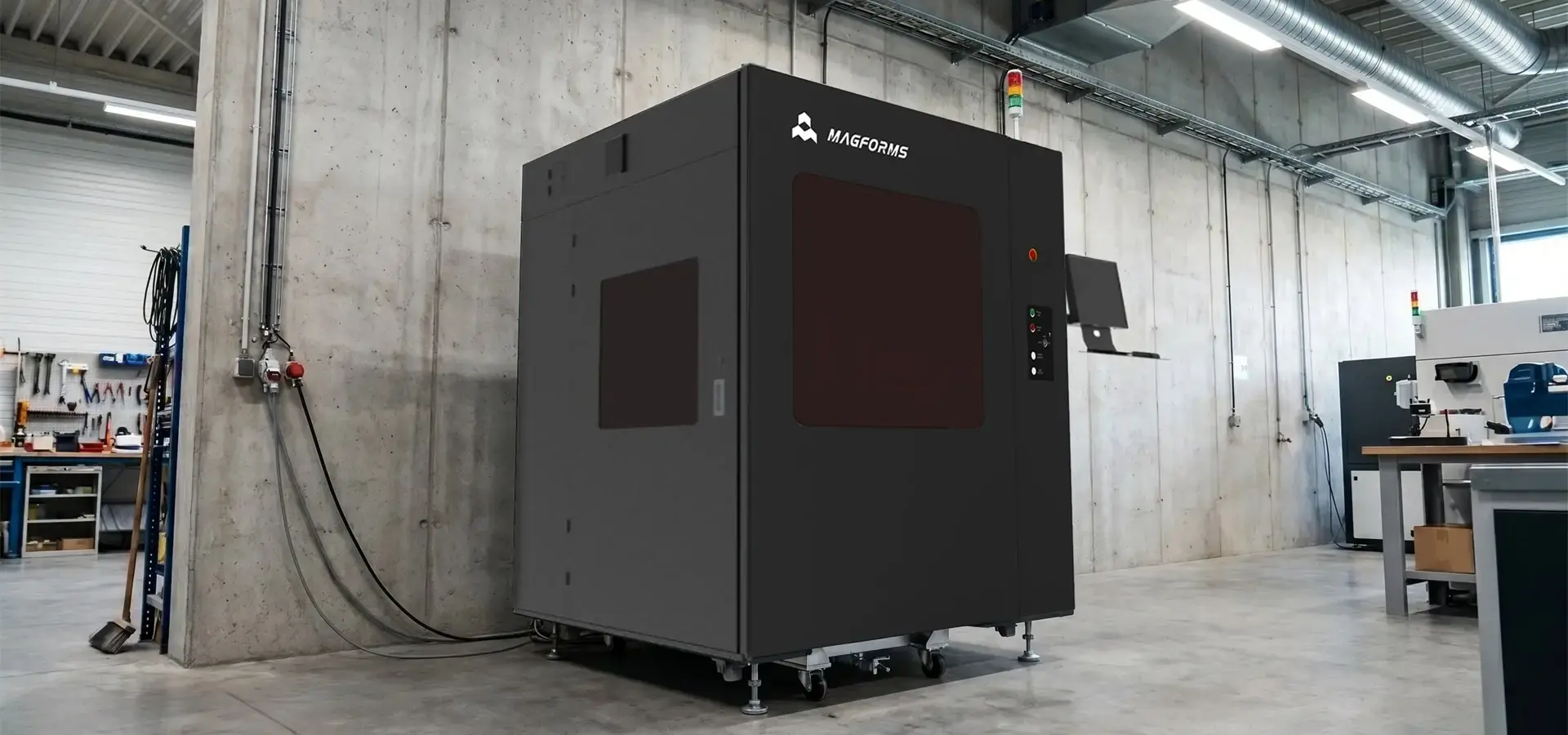
In industrial additive manufacturing, you need both high-tech tools and high-quality materials that are perfectly suited to your work setting in order to get consistent results. Magforms is a reliable company that sells a large-scale resin 3D printer, delivering complete solutions that include proprietary industrial SLA equipment and optimized engineering resin formulations. Our materials go through strict quality checks to make sure that they are the same from batch to batch. This gets rid of the variation that slows down production and makes more waste. We serve over 300 businesses around the world with technical knowledge gained from years of experience in the field, backed by 22 patents and 30 filed brands that support ongoing innovation. Our engineering team can help you with everything, from choosing the right materials to making sure that your processes run as smoothly as possible. This will make sure that your equipment works at its best. Our responsive service team and open supply arrangements will help you succeed whether you're starting up new production facilities or expanding current ones. Get in touch with Magforms at info@magforms.com right away to talk about how our advanced plastic solutions and industrial printing systems can help you make better products and gain a clear edge over your competitors.
References
1. Gibson, I., Rosen, D., & Stucker, B. (2021). Additive Manufacturing Technologies: 3D Printing, Rapid Prototyping, and Direct Digital Manufacturing (3rd ed.). Springer.
2. Ligon, S.C., Liska, R., Stampfl, J., Gurr, M., & Mülhaupt, R. (2017). Polymers for 3D Printing and Customized Additive Manufacturing. Chemical Reviews, 117(15), 10212-10290.
3. Stansbury, J.W., & Idacavage, M.J. (2016). 3D printing with polymers: Challenges among expanding options and opportunities. Dental Materials, 32(1), 54-64.
4. Santoliquido, O., Colombo, P., & Ortona, A. (2019). Additive Manufacturing of Ceramic Components by Digital Light Processing: A Comparison Between the "Bottom-Up" and "Top-Down" Approaches. Journal of the European Ceramic Society, 39(6), 2140-2148.
5. Bagheri, A., & Jin, J. (2019). Photopolymerization in 3D Printing. ACS Applied Polymer Materials, 1(4), 593-611.
6. Quan, H., Zhang, T., Xu, H., Luo, S., Nie, J., & Zhu, X. (2020). Photo-curing 3D printing techniques and their challenges. Bioactive Materials, 5(1), 110-115.

Magforms makes design and manufacture easier.
Popular Blogs
-
 Industry InsightsManufacturing Industry
FDM vs. SLA Printer: Which Technology Is Right for Your Project?
-
 Industry InsightsManufacturing Industry
Top 5 Applications of Industrial 3D Printers in Manufacturing Today
-
 Industry InsightsManufacturing Industry
Why Stereolithography 3D Printers Are Unmatched for Microfluidic Device Prototyping?