What Safety Tips Are Essential When Using an SLA 3D Printer?
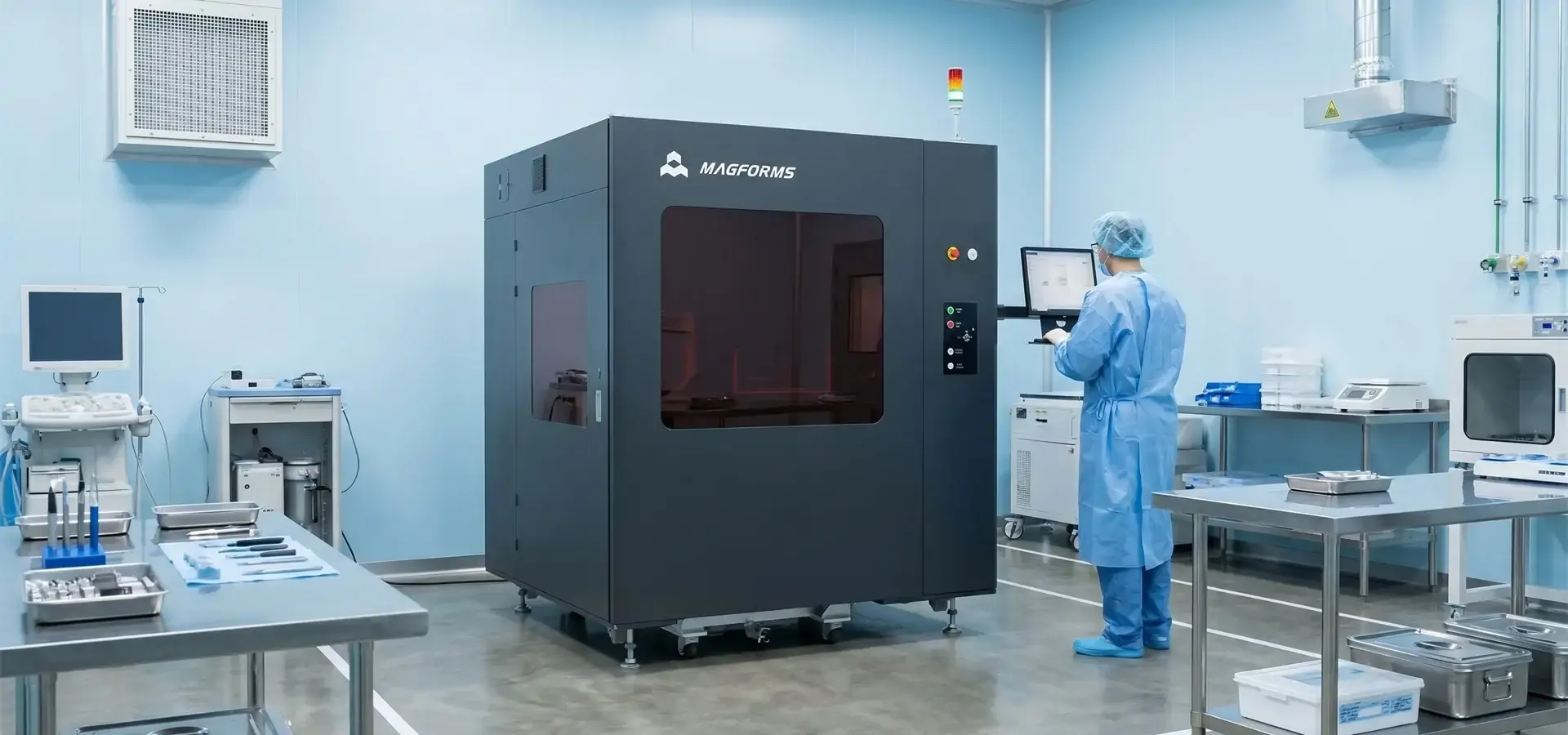
When using a stereolithography 3D printer, you have to pay close attention to safety rules. There needs to be a thorough plan to reduce the main risks, which include UV radiation exposure, direct skin contact with liquid photopolymer resins, breathing in volatile organic compounds, and mechanical risks during platform movement. Ensuring protected printing rooms, using proper air, wearing nitrile gloves and UV-blocking glasses, and following the manufacturer's specific handling instructions can greatly lower accidents at work. When combined with regular training and equipment maintenance, these safety measures keep workers safe while also increasing production efficiency and part quality in areas like aircraft component validation, dental model manufacturing, and automobile development.
Understanding Safety Risks Associated with SLA 3D Printing
UV Radiation and Laser Safety Concerns
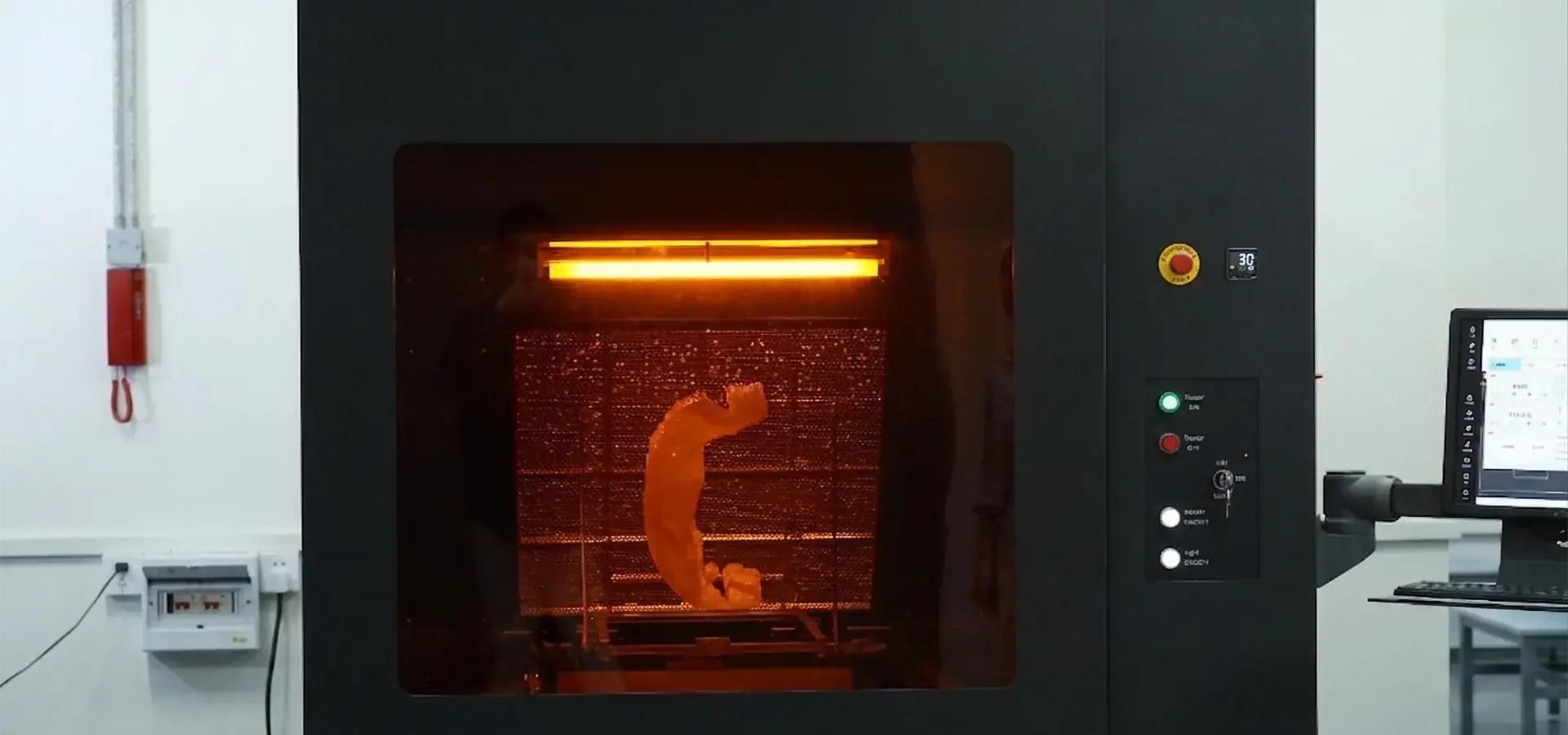
Direct exposure to the 355nm UV laser can severely damage eyes and skin. Helios-P800 operates in an enclosed chamber with interlocked safety doors, stopping the laser immediately if opened. Amber viewing windows block harmful laser radiation while allowing safe observation.
Chemical Exposure from Liquid Resins
Different formulations of uncured photopolymer resins have different levels of harm. Standard engineering resins usually have methacrylic oligomers in them, which can make skin slightly more sensitive. However, special high-temperature resins may have harsher chemical packages in them. Dental-grade and nontoxic versions go through a lot of toxicity testing, but they still need to be handled carefully when they are liquid.
Mechanical and Electrical Hazards
When printing big cross-sectional areas, industrial-grade Z-axis modules put out a lot of force upward during layer peeling. Operators should never try to change the build platforms by hand while a print job is still running. Only trained techs should be able to open the locked electrical boxes that hold the stepper motor drivers, laser power sources, and hot resin tank controls. Checking the power cords, grounding connections, and emergency stop functions on a regular basis keeps expensive equipment from breaking down in terrible ways.
Essential Safety Practices Before, During, and After SLA Printing
Setting up a mindset of strategic risk reduction starts long before any print jobs are started. Setting up the work area ensures safe operations throughout the whole production process, from getting the files ready to post-curing and finishing.
Preparing a Safe Workspace
The most important weather control is making sure there is enough air. It is recommended that 3D printing rooms have negative air pressure compared to the rooms next to them. This will keep resin vapors from moving into other work areas. Air exchange rates of 10 to 15 room volumes per hour are good for most commercial uses. The makeup air should be screened to keep particles from getting on the surfaces of liquid resins. Keeping the room temperature between 20°C and 25°C is the best way to get the best thickness from resin and lower heat stress on precise parts. Cross-contamination risks are kept to a minimum by setting up the workspace clearly, with areas set aside for storing uncured materials, active printing equipment, and post-processing stations.
Personal Protective Equipment Requirements
Nitrile gloves that are rated for chemical resistance are an important shield for all resin contact situations. Latex alternatives don't fight solvents well enough, and vinyl alternatives tear too easily after a while of use. When doing more than one print job, operators should switch gloves between jobs so that resin doesn't get on the keys or paperwork. Safety glasses that block UV rays and have side shields protect against both direct laser exposure and radiation that bounces off of shiny build platforms. When working with strong-smelling resins or during prolonged cleaning, respiratory protection is required. Use half-face respirators with organic vapor cartridges (NIOSH-approved) to filter harmful vapors. This is especially important for workers who are sensitive to acrylate compounds.
Monitoring During Active Printing
Modern stereolithography 3D printers have tracking systems that work in real time and let workers know when something is wrong. Temperature monitors in the resin tanks keep them from getting too hot, which could change the features of the material or make too many fumes. Position encoders on the build platform can find problems with layer separation before they lead to full print failures. Every day, operators should look over these system logs to find trends that show when repair needs to be done. Operators can monitor the resin curing in real time through the enclosed chamber. Inconsistent layers are typically caused by incorrect laser exposure or resin viscosity changes, not by screens or recoating failures. The Magforms Helios-P800's variable light spot system maintains optimal resin curing speed and consistency during multi-hour print sessions, achieving 30-50% faster printing compared with traditional SLA systems.
Post-Print Cleaning and Waste Management
When finished parts come out, they are covered in uncured plastic that needs to be removed right away. Isopropyl alcohol baths get rid of any leftover liquid, and washing in clean and dirty steps one after the other makes them work better. Automatic washing stations get rid of the need to handle things by hand, which is especially helpful when working with dental models or medical device samples that are more likely to get contaminated. Ultrasonic motion speeds up the cleaning of complicated shapes like lattice structures or features with undercuts. Normal sewage systems should never get used to old resin or alcohol-based cleaning solutions that has been tainted. Clearly labeled bins for toxic trash are kept in well-ventilated areas where they can be gathered by approved workers for proper dumping. Many places consider liquid photopolymer resin to be dangerous garbage and have harsh fines for people who don't properly dispose of it. Once fully polymerized under UV light, cured resin waste may be able to be considered non-hazardous solid waste, which lowers the cost of getting rid of it.
Handling and Selecting SLA 3D Printer Resins Safely
More and more specialty resins are being made, ranging from flexible elastomers to ceramic-filled composites. These resins have different safety ratings, so they need their own set of rules. When making a procurement choice, people should think about how the performance traits affect workers' health and how well they meet environmental compliance standards.
Understanding Resin Chemical Compositions
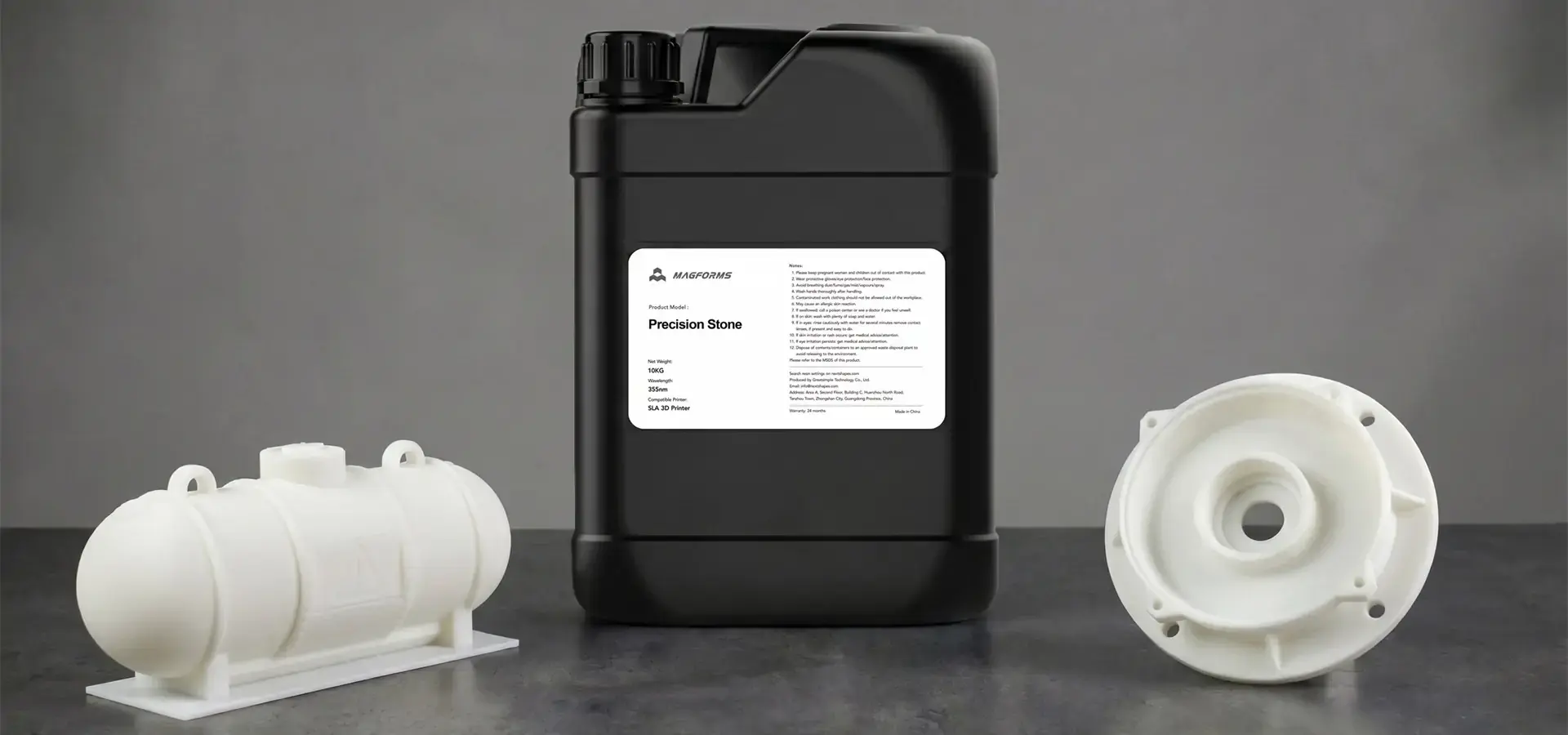
Standard resins use a mix of methacrylate monomers, oligomers, and photoinitiators to find the best balance between cost, reaction, and mechanical qualities. Some engineering versions have glass or carbon fiber additives that make the material stiffer, but make it annoying to sand after it's dried. Specialized formulas that are more sensitive to environmental light pollution make transparent plastics optically clear. High-temperature resins can handle post-cure heat treatment up to 200°C, which lets them be tested for functionality under the hood of an automobile. However, they often give off stronger smells when they are printed. Biocompatible and dentistry resins are tested for cytotoxicity according to ISO 10993 standards. This makes sure that they are safe for long-term touch with the skin or mouth when they are hardened. These certificates only apply after the polymerization process is finished; liquid forms still have all the chemical risks. Medical device companies that make samples of surgery guides must keep records that show how certain plastic lots are linked to finished, sterile goods.
Proper Storage Conditions
Tough rules about the surroundings are needed for photopolymers to stay stable. Light can't get through amber or opaque bottles, and all UV rays should be blocked by storage boxes. Changes in temperature cause changes in stickiness that affect the quality of the print. To keep wetness from absorbing, keep the temperature between 18 and 25°C and the humidity below 50%. Resin bottles should stay closed unless they are being used, because containers that are only partially full form surface fix films that get on other prints and ruin them. Inventory movement is done according to the tight rules of "first-in, first-out." Most resins have 12-month shelf lives from the date they were made. Material that has passed its expiration date will respond less strongly or change color. The Helios-P800's resin parameters database automatically changes the exposure times for different amounts of material. This accounts for regular effects of age and maintain a 99% print success rate essential for industrial production.
Environmentally Responsible Disposal
Local laws decide how to classify photopolymer trash, and the rules are very different from one place to another. The REACH system in the European Union requires strict reporting on chemical leaks, and Proposition 65 in California requires warning signs for some plastic components. Companies that send stereolithography 3D printer parts to more than one market must follow the strictest rules so that their goods don't get rejected at customs or sued. Before it is thrown away, liquid resin trash is treated first. When the material is exposed to UV light sources, it fully cures into a solid polymer. This makes it less mobile in the environment and often changes its classification to "not hazardous." In commercial UV hardening rooms, trash cans are processed in batches, and the cured resin blocks can be used with normal industry waste streams. This method greatly lowers the cost of getting rid of toxic trash, which is important for service bureaus that handle hundreds of tons of it every month.
Troubleshooting and Maintaining Safety in SLA 3D Printing Operations
Even well-kept tools can have problems that can be dangerous if they are not treated properly. By spotting early warning signs and taking appropriate action, small problems can be stopped before they become dangerous failures or long periods of downtime.
Common Safety Challenges and Solutions
The most common type of event is a resin spill. When the build platform doesn't stick together properly, liquid resin overflows the sides of the vat, contaminating the printer's interior and making the floor slippery. The Magforms Helios-P800's industrial-grade build platform and Z-axis modules reduce mechanical stress during layer separation, maintaining adhesion and precision. This lowers the mechanical stress that leads to loss of adhesive. When spills happen, putting absorbent pads down right away stops them from spreading. After that, rubbing alcohol should be used to clean up thoroughly, and trash should be put in the right container. Failures in UV control put human safety and regulatory compliance at risk. When door locks get worn out, laser light can get out of shelters, and when viewing windows get cracked, they stop protecting. UV test cards that glow when exposed should be used in monthly inspection routines to check the quality of the seals. To keep safety standards, replacement parts must meet the requirements of the original equipment. When printing, mechanical problems can lead to trapping risks. When the Z-axis gets stuck and tries to move the platform, it puts dangerous torque on the guide rails and lead screws. Industrial-grade Z-axis modules, precision lead screws, and linear guide rails in Helios-P800 ensure smooth movement and reduce mechanical stress during layer separation, benefiting from superior quality control and corrosion-resistant finishes. Every week, emergency stop buttons should be checked to make sure they turn off all motion systems right away.
Proactive Maintenance for Hazard Prevention
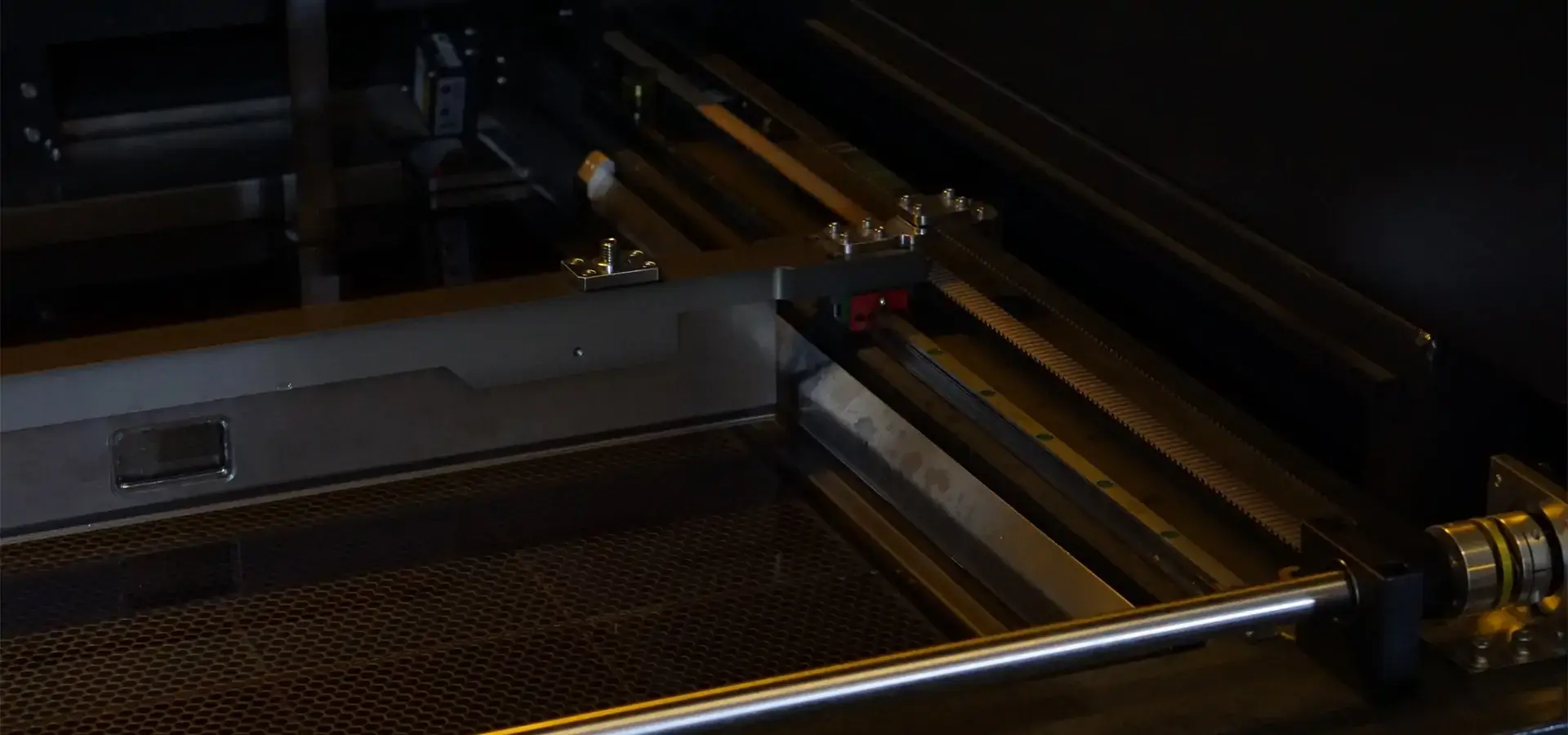
Cleaning tools on a regular basis with non-toxic products increases their life and lowers the risk of exposure. Helios-P800 uses a resin tank compatible with high-temperature resins and large build volumes. Regular cleaning is still required to remove cured resin deposits, but the absence of NFEP films simplifies maintenance and reduces exposure risks. The physical accuracy that makes SLA useful for precision applications is maintained by calibration testing. For the Helios-P800 to have stable precision control within 0.01mm, the belts must be properly tensioned, the optical parts must be clean, and the build platforms must be level. Calibration every three months using approved test prints shows that the machine is still meeting the standards, which is needed for ISO 9001-certified facilities' quality management systems. Patterns of wear on parts show that problems are starting to happen. Stepper motor bearing noise means that they need to be oiled, and laser strength readings that are all over the place mean that the diodes are getting old and need to be replaced. When operators are taught to spot these minor cues, they schedule repairs for planned breaks instead of having major failures in the middle of production. This method for predicting the future is especially useful for aerospace suppliers who have AOG (aircraft-on-ground) responsibilities, where every hour of downtime costs money. Using help from the maker improves safety and efficiency. Magforms offers thorough technical training that includes both basic upkeep and advanced debugging. This makes sure that workers know the right way to do things and don't try to cut corners, which could be risky. Industrial-grade parts like the steel shell construction and Z-axis modules come with warranties that protect capital investments and make sure that you can get OEM-approved new parts that keep your safety certifications. When customers email info@magforms.com with technical questions, they get answers quickly, which makes them less likely to try to get around safety features or change equipment in ways that make certifications invalid.
Selecting an SLA 3D Printer with Safety Features in Mind
When making purchases, choices should focus on built-in safety systems that keep workers safe while still meeting production needs. The purchase price is only one part of the total cost of ownership. Other costs include long-term maintenance, user training, and downtime due to accidents.
Critical Safety Features in Modern Equipment
Enclosed build rooms are the minimum requirement because they keep UV light out and keep resin vapors inside filtered environments. Modern systems have many safety features, like magnetic door switches, laser beam breaks, and software that makes sure the print stops when the cases open. The Helios-P800 has a high-efficiency air filtering system that actively removes toxic organic compounds while printing. This keeps the air quality below the limits for workplace exposure without the need for separate exit ducts. When resin handling is automated, the number of human move processes that cause exposure events goes down. Integrated resin delivery systems with sealed canisters get rid of the need to pour resin into bottles, and level monitors on automatic tank filling keep spills from happening. Helios-P800's variable laser spot ensures uniform energy distribution across the build area, preventing localized overheating, thermal degradation, and excessive VOC emissions. Monitoring temperatures keeps both people and tools safe. Intelligent systems that keep the temperature steady keep the stickiness of the resin at the right level and stop thermal runaway, which could spark flammable materials. Helios-P800 offers a large industrial-scale build volume of 800x800x550mm, allowing multiple large parts to be printed simultaneously. Its high-precision components from international brands ensure consistent 3D accuracy while reducing operator contact with resin, minimizing exposure risks.
Evaluating Manufacturer Support and Compliance
Suppliers with a good reputation give a lot of safety information, like material safety data sheets for all unique resins and CE marks for European markets or FCC compliance for North America. Magforms has 22 patents and 30 registered trademarks, which show that it has been investing in technology development for a long time. These include safety-related improvements that help end users. Companies that work with more than 300 businesses around the world collect a lot of real-world safety data that is used to make product changes all the time. In addition to basic operating, training classes should cover how to handle emergencies, handle dangerous materials safely, and follow upkeep safety rules. Manufacturers who attend foreign trade shows and expert training, as Magforms does in Europe and Asia, stay up to date on changes in safety standards and government rules. This sharing of information is very helpful for customers who are entering new markets or trying to get standards specific to their business, like ISO 13485, for making medical devices. The warranty terms show that the company that made the product is confident in its safety and dependability. The Helios-P800 is built to last with an industrial-grade design that includes a steel shell and parts that can be used for a long time. It also comes with a strong guarantee that protects buyers' investments. The quick-release dual-module design makes it easier to fix things in the field, which cuts down on the time that safety is affected when parts need to be serviced. The original flexible design lets you upgrade individual parts as technology improves, protecting capital investments from becoming useless in the future.
Conclusion
When thorough safety rules are put in place, stereolithography 3D printer operations go from being possible sources of risk to controlled work settings. When you combine good air, personal safety equipment, regular upkeep, and designing equipment that is naturally safe, you give workers in the automobile, aerospace, medical, and service office industries a double layer of protection. When you choose tools with advanced built-in safety features like protected rooms, automatic resin handling, active filters, and intelligent tracking, it makes it easier to follow the rules and lowers the stress of controlling the process. Companies that put safety first when making purchases, train their workers well, and keep strict records are better prepared for long-term growth in additive manufacturing markets that are being closely watched for how well they treat workers and the environment.
FAQ
What personal protective equipment is mandatory for SLA printing operations?
For any resin contact, nitrile gloves that are resistant to acrylate chemicals are a must. Safety glasses that block UV light and have side shields protect against direct and reflected laser radiation. When cleaning for a long time or dealing with specialty resins that have a strong smell, you need to wear organic vapor cartridge respirators to protect your lungs. Protective aprons keep resin from getting on clothes and then touching skin.
How should uncured resin waste be disposed of properly?
In most places, liquid photopolymer resin is considered toxic trash. Put trash in sealed, labeled bins and store them in well-ventilated areas. Then, call licensed workers who deal with toxic waste to come pick it up. Putting liquid waste through UV light first fully fixes the material into a solid polymer. This often changes the classification of the waste to non-hazardous, which drastically lowers the cost of dumping.
What maintenance tasks are critical for safe SLA printer operation?
UV leaks can be stopped by checking door seals and viewing windows once a week, and uniform performance can be maintained by cleaning resin vats and build platforms once a month with approved solvents. Regular checks of the calibration make sure that the measurements are correct every three months, and changing the air filter media once a year keeps the vapor capture working right. The emergency stop button should be tried once a week to make sure it works and can be used right away if something goes wrong.
Partner with Magforms for Industrial-Grade SLA Solutions
Magforms makes complete stereolithography 3D printer solutions for makers and service companies who care about safety. For example, our Helios-P800 model has high-efficiency air filtering, protected UV-shielded rooms, and automatic resin handling systems that keep operators as safe as possible while still achieving 99% print success rates through perfectly matched material parameters. The industrial-grade design, with its precise screws, and smart temperature control, makes sure that the 0.01mm accuracy stays the same across the large 800x800x550mm build volume. As a well-known provider that works with over 300 companies in the medical, aircraft, and automobile industries, we offer full technical training, quick guarantee support, and paperwork to show that we follow all the rules. Talk to info@magforms.com about how our unified material-equipment systems can improve the safety of your production while cutting down on the time it takes to get important samples and custom parts to market.
References
1. American Society for Testing and Materials. (2021). Standard Terminology for Additive Manufacturing Technologies (ASTM F2792-12a). ASTM International.
2. European Chemicals Agency. (2022). Guidance on Safe Use of 3D Printing Resins under REACH Regulation. Publications Office of the European Union.
3. National Institute for Occupational Safety and Health. (2020). Criteria for a Recommended Standard: Occupational Exposure During Additive Manufacturing. DHHS Publication No. 2020-116.
4. Occupational Safety and Health Administration. (2019). Hazard Communication Standard: Safety Data Sheets. OSHA Fact Sheet 3514.
5. Stephens, B., Azimi, P., El Orch, Z., & Ramos, T. (2021). Ultrafine Particle Emissions from Desktop 3D Printers. Atmospheric Environment, 79, 334-339.
6. Wojtyła, S., Klama, P., & Baran, T. (2020). Is 3D Printing Safe? Analysis of the Thermal Treatment of Thermoplastics: ABS, PLA, PET, and Nylon. Journal of Occupational and Environmental Hygiene, 17(6), 239-248.

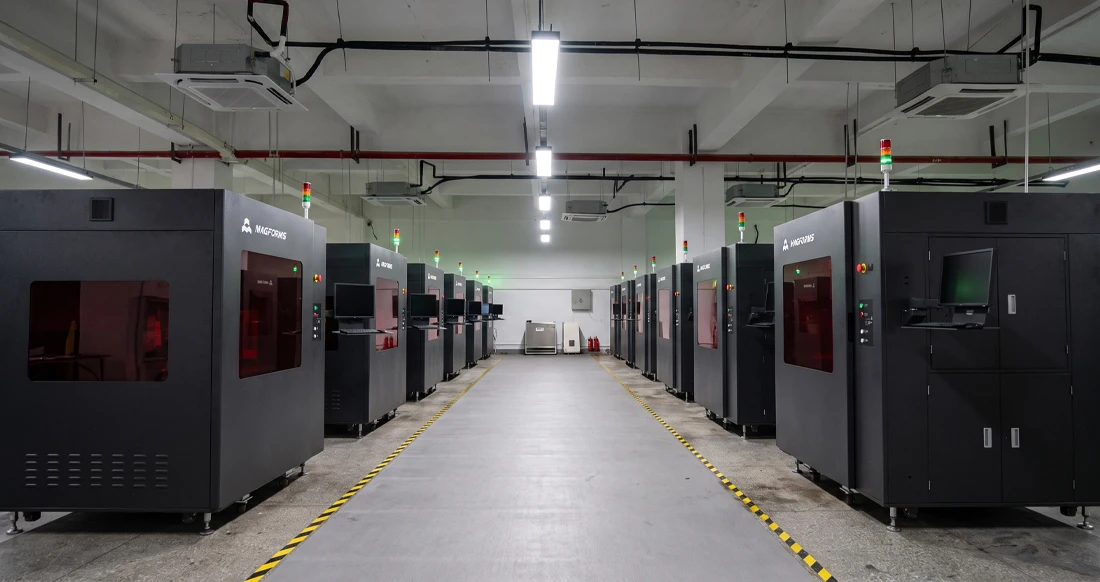
Magforms makes design and manufacture easier.
Popular Blogs
-
 Industry InsightsManufacturing Industry
FDM vs. SLA Printer: Which Technology Is Right for Your Project?
-
 Industry InsightsManufacturing Industry
Top 5 Applications of Industrial 3D Printers in Manufacturing Today
-
 Industry InsightsManufacturing Industry
Why Stereolithography 3D Printers Are Unmatched for Microfluidic Device Prototyping?