Why Should Designers Choose a Stereolithography 3D Printer?
Stereolithography 3D printer technology is the foundation of modern, precise manufacturing. It gives creators the highest level of accuracy and flexibility when they need to turn digital ideas into physical samples. Compared to common additive methods like Fused Deposition Modeling, this modern photopolymerization process provides better surface quality, higher clarity for fine details, and reliable performance across a wide range of industries, from automobile to dentists. Designers like how the technology can produce parts that are smooth and uniform in size, so they require little post-processing. It can also keep the exact measurements needed for useful tests and confirming the look. Laser-cured plastic systems enable quick development cycles, making Stereolithography the best choice for professionals who need both speed and accuracy.
Understanding Stereolithography 3D Printing – A Foundational Overview
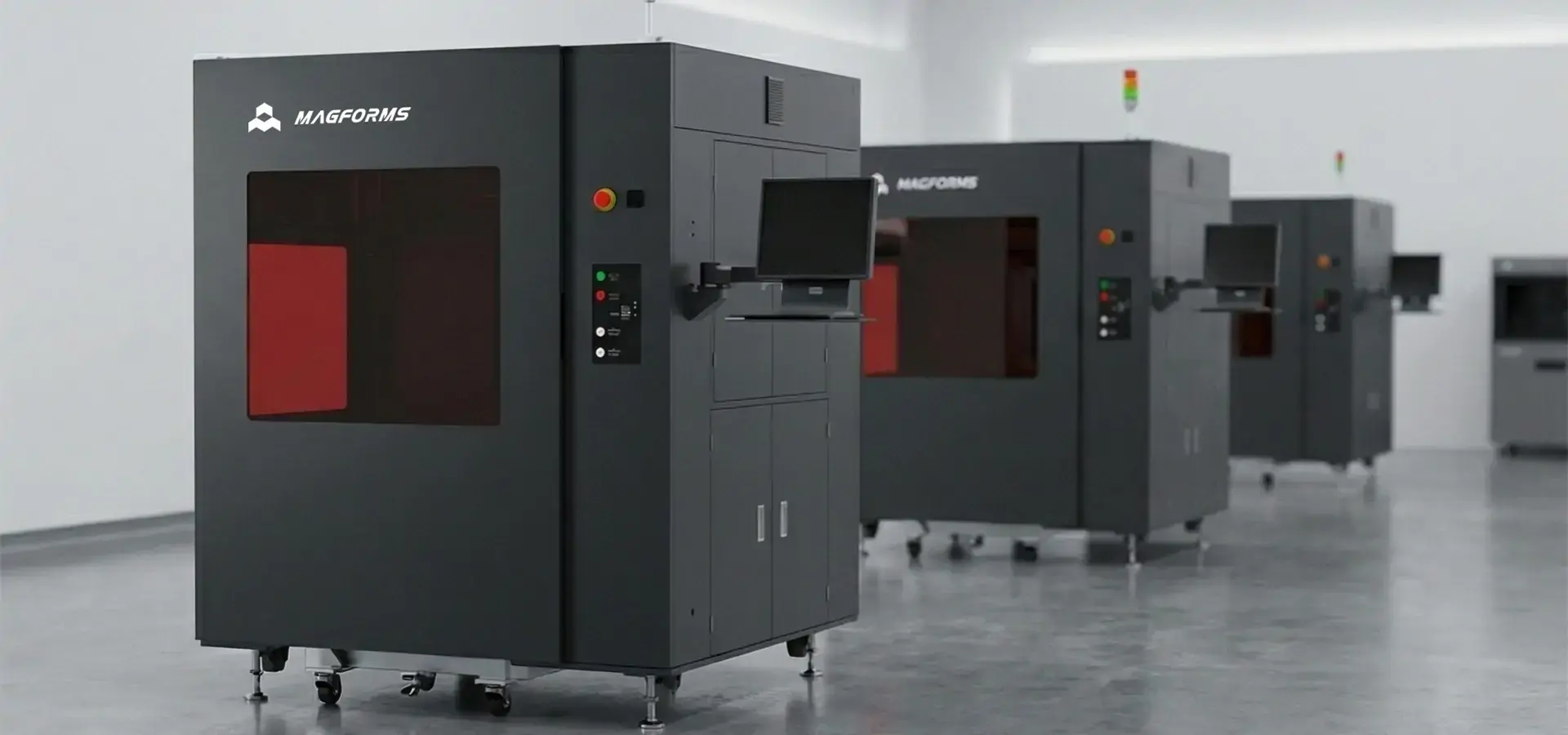
How Stereolithography Works
In order for resin-based printing to work, a very precise UV laser must copy each layer of a CAD model onto a vat of liquid photopolymer resin. After the laser cures the current cross-section through photopolymerization, the build platform moves incrementally to allow fresh resin to recoat the next layer. The process repeats layer by layer until the full geometry is completed. Compared with filament extrusion technologies such as FDM, SLA printing can achieve extremely fine XY resolution and smoother surface transitions with minimal visible layer stepping.
Key Technical Components
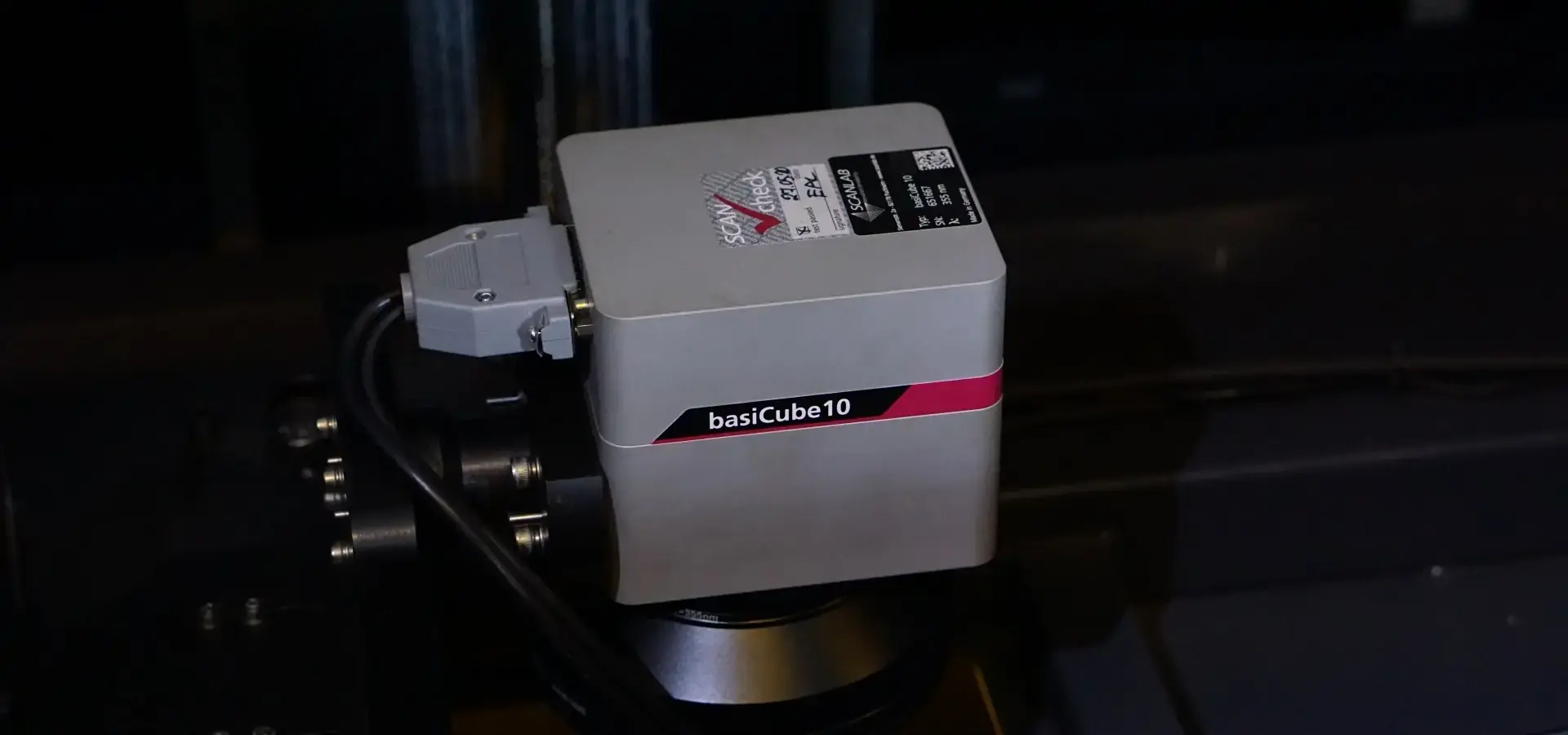
The core design is made up of several important parts that affect the quality and dependability of the prints. Industrial SLA systems such as the SL800 typically use a 355nm ultraviolet laser to accurately cure liquid photopolymer resin. Precision lenses focus the light to achieve variable spot sizes ranging from 0.15 to 0.6 mm, depending on scanning requirements. Industrial laser SLA systems use a precision resin recoating and scanning structure, enabling stable large-format printing and improved dimensional consistency. Surface texture or hole designs on build platforms help parts stick better during printing and are easier to remove afterward. The SL800 delivers industrial-grade dimensional accuracy of ±0.15 mm for parts smaller than 100 mm and ±0.15% × L for larger components, supporting engineering verification and prototype validation applications, which meets the strict needs for engineering validation and medical device development.
Performance Metrics That Matter
Procurement managers look at three main specs when deciding what kind of tools to buy: sharpness, accuracy, and compatibility with materials. The smallest feature size that can be made is determined by the resolution. Professional SLA systems support adjustable layer thickness settings depending on the required balance between print speed and surface quality. Accuracy is a measure of how closely the finished measurements match the CAD specs. Laser tuning and temperature stability can affect this. The range of resin formulations that can be used is limited by how well they work with the material. This includes standard photopolymers and engineering-grade materials with enhanced mechanical and thermal performance. Knowing these measures helps technical directors match the right tools to the needs of different industries, such as validating military components and making prototypes for consumer electronics.
Why Designers Prefer SLA – Key Benefits for Precision and Prototype Development
Exceptional Print Quality and Surface Finish
When you compare photopolymerization to layer-by-layer formation, the former naturally leads to better surfaces. Parts can achieve exceptionally smooth surface finishes suitable for appearance validation and presentation-grade prototypes. This surface accuracy is very important when designers check the ergonomics of small devices or the looks of goods that people will be using. Because the layer steps can't be seen, draft angles and splitting lines can be accurately checked before investing in expensive injection molding tools.
Versatility Across Design Applications
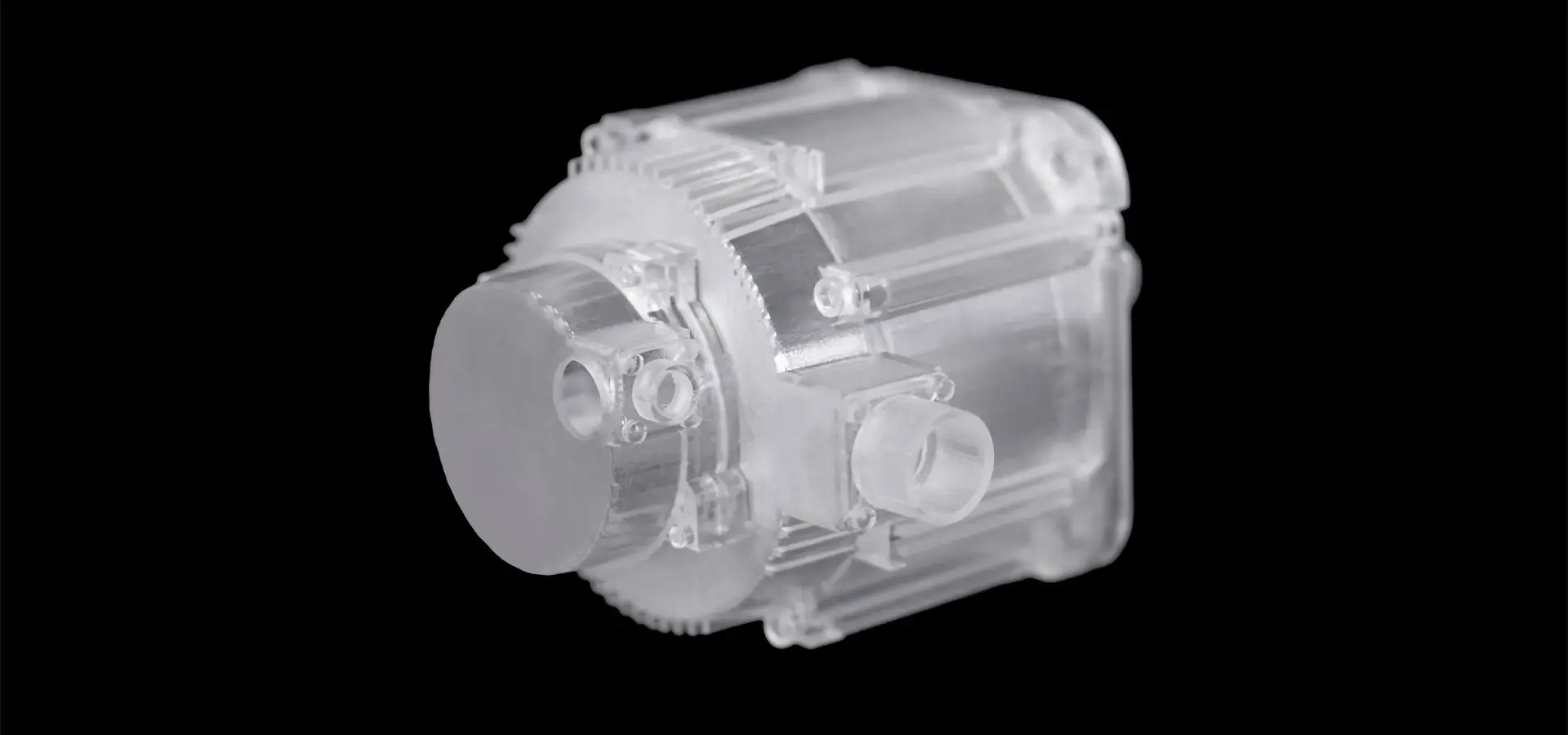
Resin printing technology works well with a wide range of design processes, from basic modeling to functional tests. Product designers use the technology for fast development, which lets them make many versions of a design in days instead of weeks. Tooling experts make master molds for silicone molding or investment casting. In these processes, low-ash castable resins burn out cleanly during investment casting processes. When batch numbers are between 10 and 500 units, even small-batch production can be completed more cost-effectively than traditional tooling methods. This fills the gap between testing and full-scale production.
Accelerating Development Cycles
When you use traditional modeling methods, you have to send your work to machine shops, which can take weeks. With in-house resin printing, these lead times can be cut down to hours or days, so makers can react quickly to comments and changes in the market. A CNC-machined part for the inside of a car that used to take three weeks can now be made overnight, tried the next morning, and changed by afternoon based on ergonomic results. This speeding up gives companies a clear edge over their competitors, especially in fast-moving areas like fashion items and personal tech, where time-to-market is key to success.
Cost Efficiency and ROI
There isn't much loss because plastic that isn't used can be cleaned and used in other builds. Because there are no setup costs for CNC programming or making casting dies, low-volume production is financially possible. For clinical testing, a new medical device company might only need 25 surgery guide samples. This is too few for standard manufacturing, but the costs of stereolithography 3D printer resin printing make it perfect. When technical directors figure out the return on investment, they look at things like shorter product development cycles, lower iteration costs, and lower outsourcing costs. For mid-range industrial systems, payback times are often less than 18 months.
Evaluating Different SLA 3D Printer Options for Designers and Businesses
Leading Manufacturers and Market Positioning
In the world of industrial resin printing, there are both well-known names and new companies that are trying new things. Each is aiming at a different group of customers. Formlabs has a strong presence in design companies and dental labs thanks to its easy-to-use software platforms and durable hardware. When Desktop Metal bought EnvisionTEC, it added specific dental and metal uses to its list of products. New solutions from Anycubic and Elegoo, on the other hand, offer affordable choices for businesses and schools that value price over advanced features. Knowing about the competition helps people who work in buying match the skills of vendors with the needs of the company and the budget. In contrast, SL800's large-format build and industrial-grade components allow continuous 24/7 operation for large prototypes and tooling masters.
Technology Comparisons: SLA Versus DLP
Both use light to fix liquid resin, but there are important differences that make one method better for some projects than the other. Traditional methods that use lasers to trace each layer point-by-point are great for building big amounts and smooth, curved surfaces. Digital Light Processing (DLP) uses projector technology to flash whole layers at once. This speeds up the printing process for smaller items but adds pixelation to bent shapes. Designers who are making jewelry-sized parts might like how fast DLP is, while designers who are making samples for car dashboards would benefit from how smooth the surface is on a laser system.
Decision Criteria for Equipment Selection
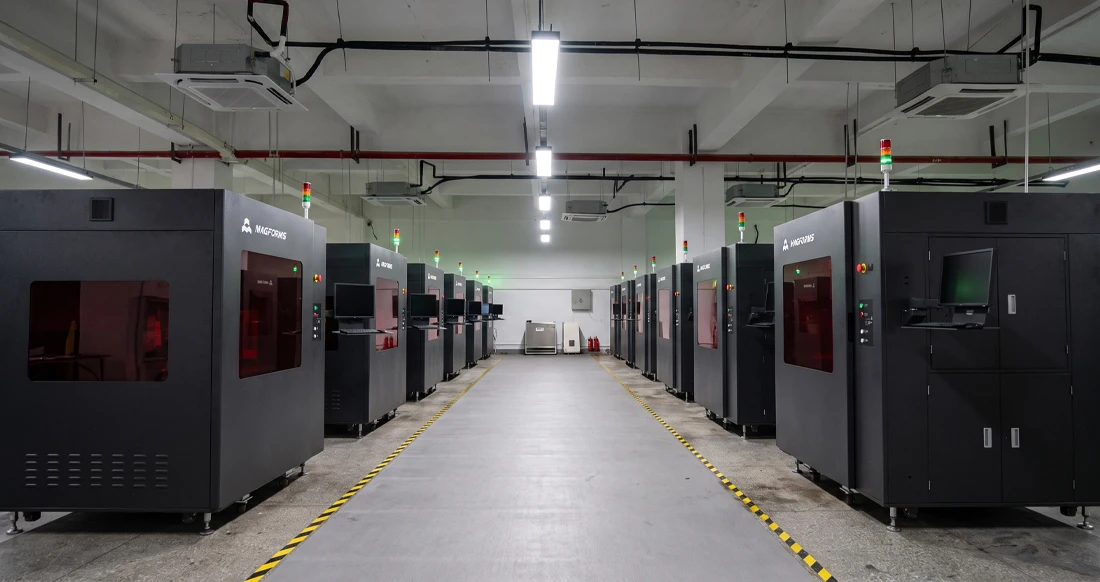
When choosing the right gear, you need to carefully consider a lot of different factors. The largest part size is based on the build volume. Platforms for PC units are about 145x145x185mm, while platforms for industrial systems can be 600x600x400mm or bigger. Material versatility is very important because private resin environments force users to buy from a single seller, which costs more. Open-platform systems that can use resins from other companies help keep costs down and give businesses more options for how they run. Maintenance needs are very different. For example, resin vat films and other reusable parts need to be replaced every 50 to 200 hours of operation, based on how harsh the material is. By comparing these factors to specific use cases, you can avoid expensive mismatches between what the equipment can do and what it needs to do. The Magforms SL800 is designed for large-format industrial SLA production where dimensional stability, reliability, and precision are critical. Its 800 × 800 × 550 mm build volume allows manufacturers to produce large prototypes, tooling masters, and batch components in a single print cycle. The system integrates internationally recognized core components, including an AOC laser source, German Scanlab galvanometer system, Panasonic servo motors, Schneider electrical components, and Taiwan Hiwin linear guides, ensuring long-term operational stability under continuous industrial production conditions.
Best Practices for Maintaining and Optimizing SLA 3D Printers in Corporate Settings
Routine Maintenance Procedures
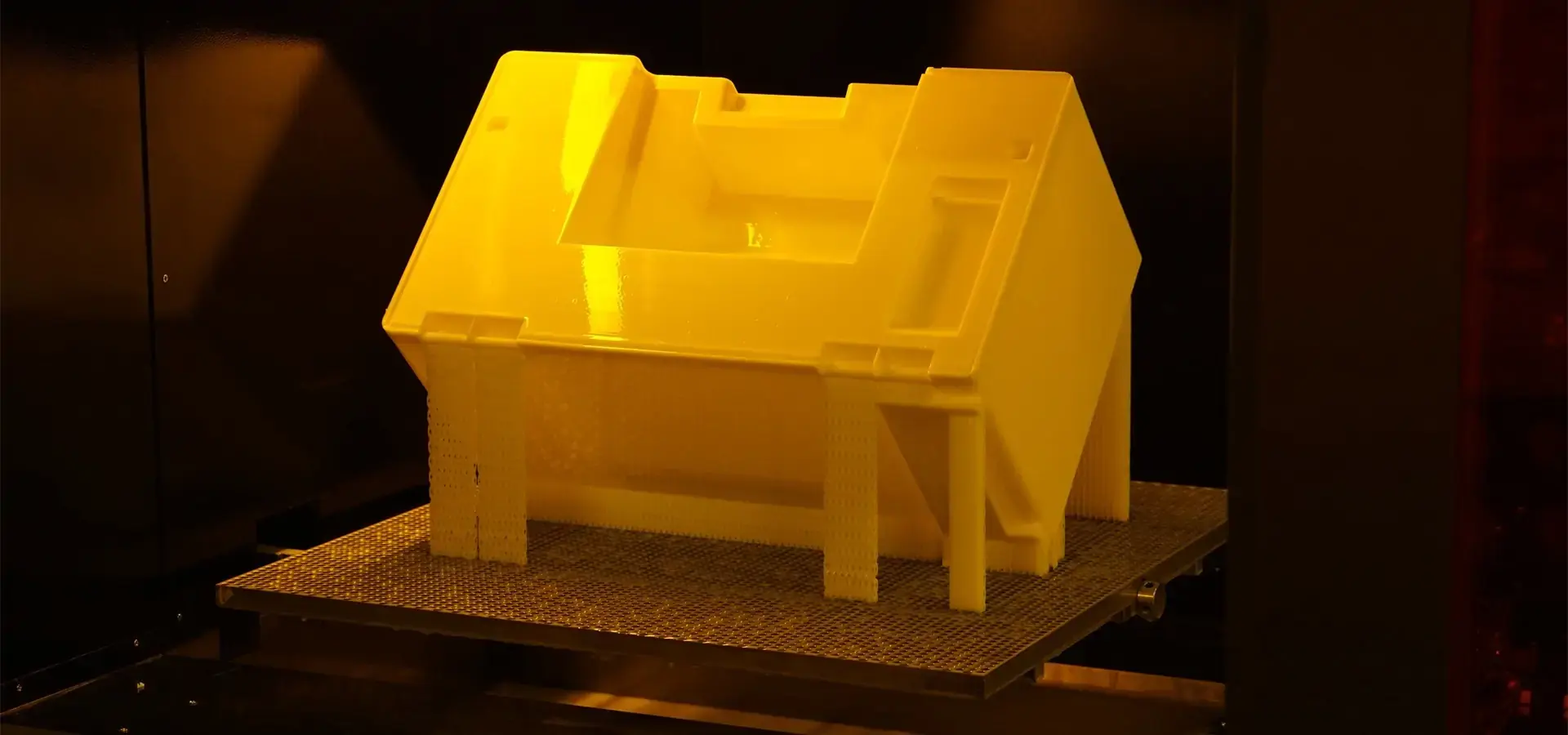
Regular maintenance has a direct effect on the quality and dependability of the prints. According to the rules for handling resin, materials must be filtered through 100-micron mesh screens before each build. This is done to get rid of any finished particles that could stop the print from working. Post-processing commonly includes cleaning with isopropyl alcohol (IPA) or specialized resin-cleaning solutions. This is followed by UV post-curing to get the final material features. Every month, calibration processes should use dial indicators or built-in auto-leveling systems to check that the build platform is level. By replacing vat films before they become seriously cloudy, you can stop the loss of sharpness that makes it hard to see fine details.
Workflow Optimization Strategies
By eliminating routine chores and making processes more consistent, software integration improves the efficiency of production. Engineers can put multiple jobs in a queue, check on their progress from afar, and get alerts when builds finish or run into problems with centralized print control systems. Hardware improvements, like automatic resin pouring systems, get rid of the need to replace by hand, which lowers the risks of leaving the machine running while someone else isn't there. By connecting CAD software, printer firmware, and enterprise resource planning systems to resin printers, larger digital manufacturing ecosystems are created. This creates smooth data flows that speed up the process from design to production while keeping full audit trails for quality documentation. The SL800 integrates an industrial-grade constant-temperature control system that helps maintain stable resin viscosity during long print cycles, reducing dimensional deviation caused by environmental temperature fluctuations. The high-efficiency air filter system improves worker safety by helping reduce airborne volatile organic compounds (VOCs) generated during resin processing. This makes the work environment healthy for operators and keeps the equipment clean.
Procurement Insights – How and Where to Buy SLA 3D Printers with Confidence
Supplier Evaluation Criteria
You can trust a vendor if they have a history of providing solid tools and quick assistance. Patent files that show technological progress should be looked into by procurement managers. Companies with multiple patents usually put a lot of money into research and development. A position in more than one global market means that the company has well-established marketing networks that can provide local service and extra parts. Going to big industry shows shows that you care about being open and ready to show off your skills directly to possible clients. These clues help tell the difference between real makers and dealers who just change the name on stock equipment and don't know much about it technically.
Total Cost of Ownership Analysis
Aside from the original capital costs, ongoing operating costs have a big effect on the long-term value. Stereolithography 3D printer costs of materials are very different between closed and open-platform systems. For example, closed ecosystems might charge $150 per liter for resins, while open systems accept resins from third parties for $40 per liter, which is a difference of almost 4 times the cost. Consumable parts like build platforms, vat films, and cleaning supplies need to be replaced regularly, which can add $500 to $2,000 a year based on how much they are used. Service plans that include priority technical support and preventative maintenance usually cost 8–12% of the purchase price of the equipment every year, but they are worth it in mission-critical production settings where downtime hurts income.
Financing and Acquisition Models
Instead of direct buying, corporate sourcing is using flexible payment arrangements more and more. Capital leases protect cash flow and offer tax benefits through depreciation plans. With equipment-as-a-service methods, you can pay a set amount each month for gear, materials, support, and software fees. These payments are based on how much you produce. When you buy more than one unit through a bulk purchasing program, you can save money. This is useful for spread manufacturing sites or service bureaus. If you're on a budget, you can get used equipment from reputable remanufacturers. However, buyers should make sure that the equipment has been fully reconditioned, which includes replacing worn parts and updating the software. Magforms has become a reliable stereolithography 3D printer supplier by protecting its own innovations with 22 patents and 30 registered trademarks. With goods that are used by more than 300 businesses in more than 30 countries, the company has shown that it can support a wide range of industry needs. Its combined materials-and-equipment environment gets rid of compatibility problems that come up with mixed-vendor setups, and its variable spot-size laser technology elps improve scanning efficiency compared with conventional fixed-spot SLA workflows. Technical support teams make sure that clients get the most out of their equipment purchases throughout their working lifetimes by giving them full training and ongoing advice.
Conclusion
Stereolithography 3D printer technology has a lot of benefits for creators who need to be precise, flexible, and efficient in today's product creation processes. The mix of high-quality surfaces, wide material compatibility, and faster iteration processes solves major problems in a wide range of fields, from automobile to dentistry. Companies can get the most out of their investments by strategically choosing tools based on things like build volume, material freedom, and total ownership costs. This helps them stay competitive while also getting a good return on their investment. Adopting resin printing for testing and limited production will be successful in the long run if you work with well-known companies that offer combined solutions and full support.
FAQ
What resins are compatible with industrial resin printers?
Modern systems can handle a wide range of formulations, such as standard photopolymers for detailed prototypes, engineering resins that behave like ABS or polypropylene, high-temperature materials that can handle deflection above 250°C, flexible compounds that reach Shore A hardness ratings, and castable wax resins for investment casting. Biocompatible choices meet ISO 10993 and USP Class VI standards for use in medical devices, and orthodontic and prosthodontic needs are met by specialized dental resins.
How does print time compare with FDM technology?
When making a single big item, layer-by-layer laser tracing usually takes longer than filament formation. Resin printing, on the other hand, works best when there are a lot of small parts packed into a single build volume. This is because print time is based on vertical height rather than part number. A build plate with 20 tooth models can finish in the same amount of time as printing just one model. This changes the economics of output for batch production scenarios in a big way.
Can stereolithography parts withstand functional testing?
Mechanical efficiency is based on the choice of materials. Standard materials are good for making visual samples, but they aren't tough enough for stress tests. Engineering-grade versions have tensile strengths of more than 55 MPa and elongation at break of about 20%. This makes it possible to test snap-fits, live hinges, and threaded systems to make sure they work. Parts have isotropic strength, which means they are strong in all directions. This is different from FDM prints, which have weaknesses in the Z-axis, so they can be used for thorough mechanical testing before investing in production tools.
Partner with Magforms for Your Stereolithography 3D Printer Needs
When buyers want accuracy, dependability, and full support, it's important to work with a stereolithography 3D printer manufacturer with a lot of experience. Magforms combines industrial SLA expertise with advanced large-format printing technology through systems such as the SL800. Designed for high-precision prototype manufacturing and industrial production workflows, the SL800 integrates stable optical systems, precision motion control, variable spot scanning, and open-material compatibility to support demanding engineering applications. Technical teams offer one-on-one discussions that focus on the needs of each application, ranging from validating flight components to making tooth prosthetics. Get in touch with our experts at info@magforms.com to talk about how custom resin printing solutions can change the way you work on designs and help you meet your time-to-market goals faster.
References
1. Gibson, I., Rosen, D., & Stucker, B. (2015). Additive Manufacturing Technologies: 3D Printing, Rapid Prototyping, and Direct Digital Manufacturing (2nd ed.). New York: Springer.
2. Jacobs, P. F. (1992). Rapid Prototyping & Manufacturing: Fundamentals of Stereolithography. Dearborn: Society of Manufacturing Engineers.
3. Ligon, S. C., Liska, R., Stampfl, J., Gurr, M., & Mülhaupt, R. (2017). Polymers for 3D Printing and Customized Additive Manufacturing. Chemical Reviews, 117(15), 10212-10290.
4. Stansbury, J. W., & Idacavage, M. J. (2016). 3D Printing with Polymers: Challenges among Expanding Options and Opportunities. Dental Materials, 32(1), 54-64.
5. Melchels, F. P., Feijen, J., & Grijpma, D. W. (2010). A Review on Stereolithography and Its Applications in Biomedical Engineering. Biomaterials, 31(24), 6121-6130.
6. Quan, H., Zhang, T., Xu, H., Luo, S., Nie, J., & Zhu, X. (2020). Photo-curing 3D Printing Technique and Its Challenges. Bioactive Materials, 5(1), 110-115.

Magforms makes design and manufacture easier.
Popular Blogs
-
 Industry InsightsManufacturing Industry
FDM vs. SLA Printer: Which Technology Is Right for Your Project?
-
 Industry InsightsManufacturing Industry
Top 5 Applications of Industrial 3D Printers in Manufacturing Today
-
 Industry InsightsManufacturing Industry
Why Stereolithography 3D Printers Are Unmatched for Microfluidic Device Prototyping?