Which Stereolithography 3D Printer Is Best for Jewelry or Dental Use?
When looking for the best stereolithography 3D printer for dentist or jewelry use, you need to think about how precise, reliable, and compatible the materials are. The best choice gives micron-level accuracy needed for complex casting models and oral implants while keeping success rates high across production runs. In these tough situations, advanced LCD systems with smart temperature control, consistent UV light sources, and grayscale control always outperform standard units. We've found the most important technical factors and real-world performance indicators that set high-end tools apart from cheaper options in this niche manufacturing market.
Understanding Stereolithography 3D Printing for Jewelry and Dental Applications
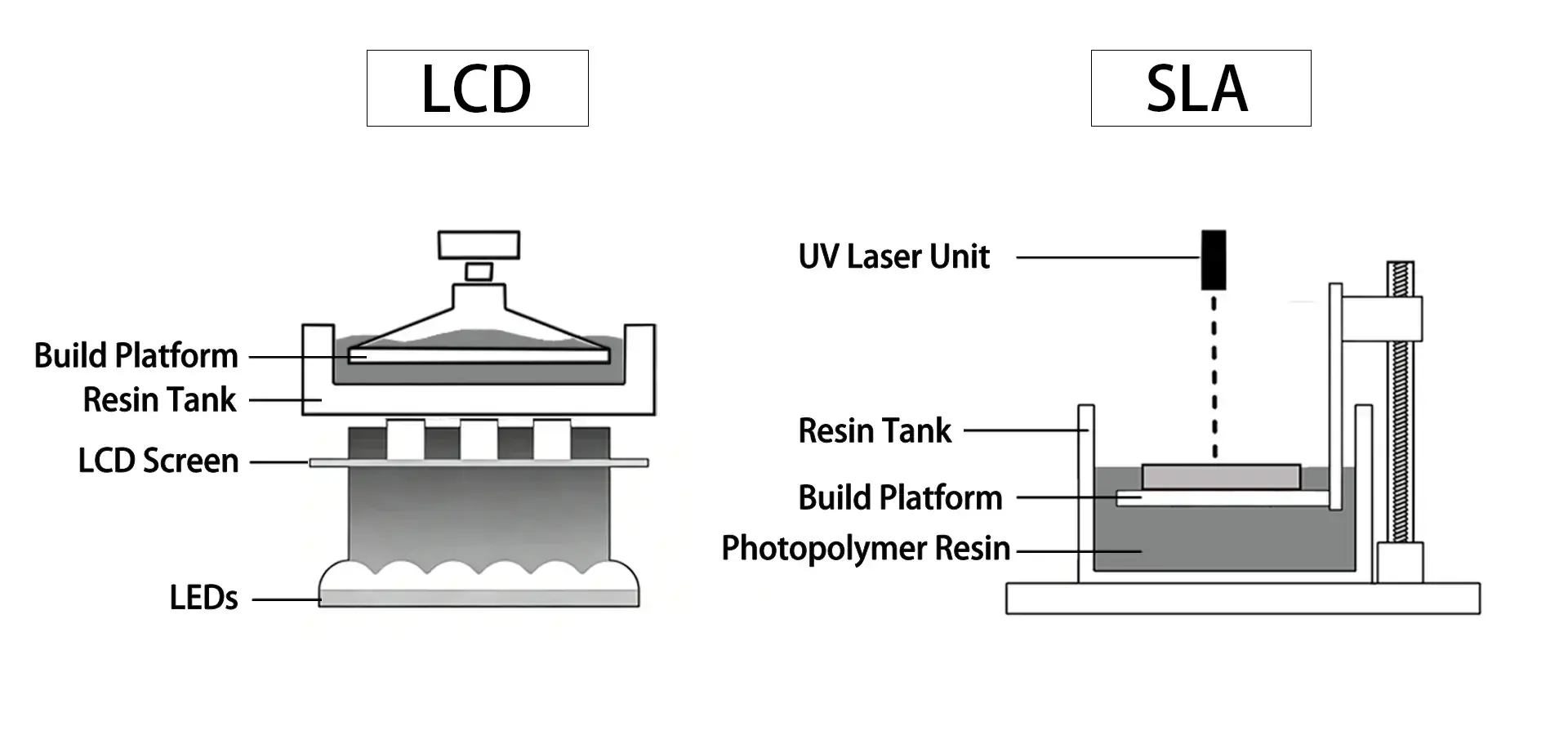
Stereolithography was the first type of additive manufacturing. It uses photopolymerization to turn liquid resin into solid parts with very smooth surfaces. Traditional SLA uses laser scanning, while modern LCD systems use an LCD panel to selectively block UV light layer by layer. This lets parts be built from the bottom up with very consistent dimensions.
How SLA Technology Works
A UV light source specifically hardens photosensitive resin based on digital cross-sections. This is how the main process works. After each layer hardens, the build base slowly moves down, letting fresh resin flow under the part. This cycle keeps going until it's done, making parts with smooth surfaces and fine features that are hard for other additive methods to match.
Advantages Over Alternative Technologies
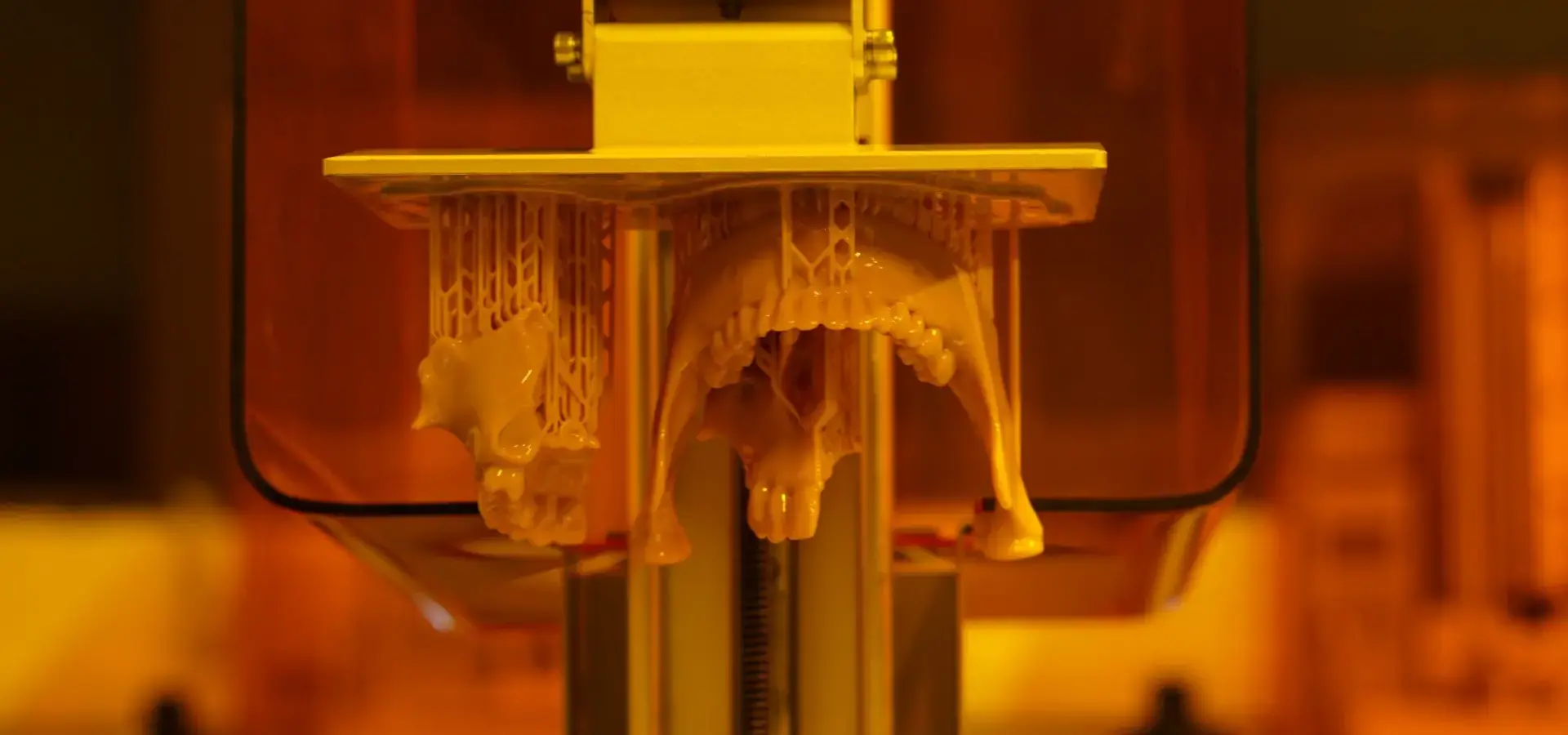
Stereolithography 3D printer systems produce smoother surfaces and finer details compared to Fused Deposition Modeling. Stereolithography parts generally have more uniform mechanical properties and fewer visible layer lines, which is important for precision dental and jewelry applications. The chemical connection between layers makes the strength the same in all directions, which is important for tooth tools that work and can handle repeated stress. Stereolithography makes shapes that are waterproof and don't have any holes in them, which is important for investment casting patterns where air pockets can cause flaws.
Technical Challenges in Professional Settings
When using stereolithography tools, you have to be careful with the resin because uncured material is still photosensitive and needs to be stored properly. Post-processing includes steps that FDM does not require, such as washing off uncured resin and UV post-curing. The cost of the material is usually higher than the cost of the polymer filament, but the better finish often removes the need for extra cutting. As part of maintenance, LCD screens and laser parts need to be replaced from time to time. The lifespan of these parts varies a lot from manufacturer to manufacturer.
Critical Factors When Choosing an Stereolithography 3D Printer for Jewelry or Dental Use
Making choices about what to buy depends on knowing how technical specs translate into production results. The right tools strikes a mix between short-term budget limits and long-term running costs, all while meeting the exacting standards needed by these fields.
Resolution and Dimensional Accuracy
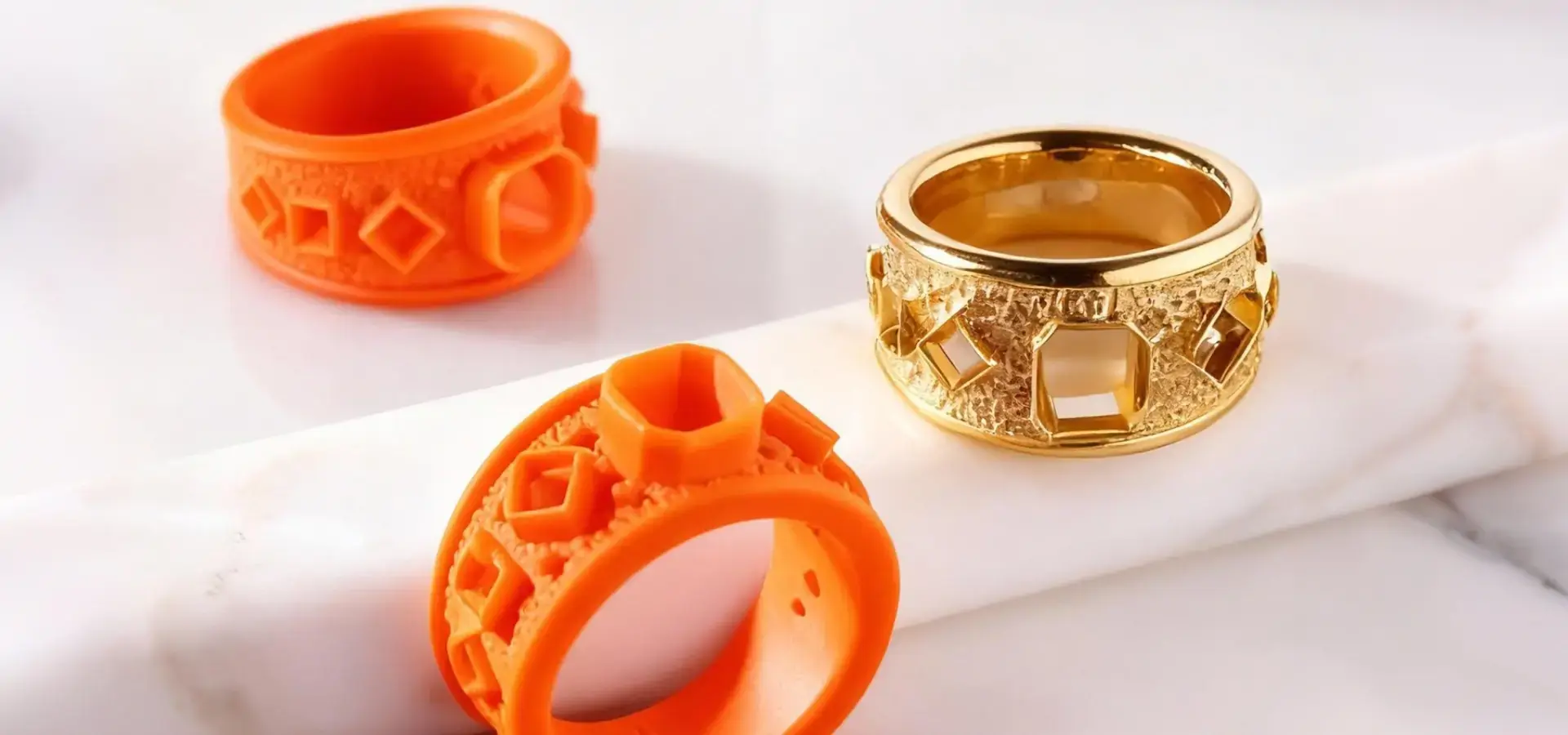
The XY resolution tells you what the tiny details are that a stereolithography 3D printer can make. To make jewelry casting models, you have to be able to capture intricate details and rough surfaces without losing any of the finer details. For dental uses to work right, the border lines and facial structures must be very exact. Units with 9-micron effective resolution and grayscale adjustment can capture extremely fine details. While high-end DLP systems use pixel-based light projection, modern monochrome LCD systems achieve comparable detail by controlling UV exposure with high-resolution grayscale masking, making them suitable for detailed jewelry casting models and dental applications. You can change the layer width between 25 and 150 microns, which gives you a lot of options. Thinner layers improve the surface finish but take longer to build.
Material Compatibility and Performance
The choice of resin affects both the mechanical qualities and the biocompatibility. For dental uses, it's common to need approved materials that meet ISO 10993 guidelines for skin touch or short-term mucous exposure. When making jewelry, it's important to use castable resins that burn off easily and don't leave behind ash that lowers the quality of the metal casting. Systems that work with third-party materials are cheaper, but unique formulas are sometimes more reliable. Temperature-controlled resin tanks keep the right thickness even when the temperature outside changes. This keeps prints from failing in workshops that don't have climate control.
System Reliability and Production Continuity
When production is scaled up, consistent output is more important than peak specs. Stereolithography 3D printer systems must minimize dimensional drift to maintain batch accuracy. High-quality units can maintain tolerances within 0.02 mm across hundreds of builds. Intelligent heating systems that keep build rooms at 30°C make printing reliable no matter what the weather is like, which is a common problem in places that aren't warm. Failure rates during overnight printing without supervision have a direct effect on throughput. This is why investing in proven mechanical designs with industrial-grade linear tracks is worth it, even though they cost more at first.
Total Cost of Ownership Analysis
In addition to the buying price, you should also look at the prices of new LCD panels, the life of the resin vat, and the cost of materials per part. Some makers offer maintenance plans that include yearly visits from a service technician and the replacing of parts. This helps prevent unexpected downtime. Warranty periods range from 90 days to three years. Longer covering shows that the maker trusts the product to last. How quickly teams get past learning curves and fix production problems depends on how quickly they get training and technical help.
Comparing Top Stereolithography 3D Printer Models for Jewelry and Dental Applications
There are many choices on the market that can be used for a range of production sizes and budgets. Knowing the strengths and weaknesses of each system makes it easier to match its features to the needs of a particular process.
Premium Industrial Systems
High-end units from well-known brands have a lot of build numbers, improved technology, and big libraries of materials. These systems work great in dental labs that process dozens of models every day because they are so good at batch production that the higher price is justified. Build platforms that are wider than 300 mm can print more than one case at the same time, which lowers the cost per unit through economies of scale. Automated resin handling and self-cleaning processes cut down on the need for human work, but complicated systems need their own expert staff.
Mid-Range Professional Equipment
For many jewelry shops and medium-sized dentist offices, the ideal location is one that is both capable and easy to get to. In this group, the Magforms P7 Pro stands out because it offers professional-level results in a small PC package. Its 6.8-inch 9K monochrome LCD has a resolution of 8520 × 4320 and 18 × 18 micron pixels, which lets you see skin patterns and small jewelry details clearly. The grayscale adjustment program gets an effective resolution of 9 microns, which meets the standards for making metal casting models that are usually only possible with more expensive DLP systems. These tools are both cheap and reliable, which makes them perfect for companies that are switching from leasing to making things themselves.
Budget-Conscious Entry Options
Consumer-grade units that have been modified for professional use cost less at first, but they need to be carefully evaluated. It's tempting for new businesses to test the market for demand, but as production goes on, technical accuracy and material suitability often suffer. Because of limits on build volume, you have to choose between batch size and part specs. However, these systems offer useful development capabilities at reasonable prices for educational schools or individual creators who are only making a few items.
Comparative Performance Metrics
When looking at your options, the P7 Pro stands out because it has a number of tech choices that solve common output problems. Its full-metal frame keeps its dimensions stable and stops calibration drift, and its P-grade industrial linear rails make sure that the Z-axis moves the same way over thousands of build cycles. The smart heating system keeps the print room at 30°C all the time, so designs that aren't warm don't have to deal with the yearly changes in failure rates. This ability to work at any temperature is useful in workshops that don't have their own climate control systems. It helps keep success rates high even in the winter, when cold resin usually makes it impossible for layers to stick together and separate. The combination of uniform UV light, high-precision linear rails, and stable Z-axis motion enables dimensional accuracy within 0.02 mm, critical for jewelry models with fine curves and sharp edges. This makes the surface features sharper, which is important for jewelry models where smooth curves and sharp edges directly affect the quality of the casting.
Layer thickness adjustability from 25 to 150 microns allows operators to balance speed against finish requirements, running coarse layers for prototypes and fine layers for final casting patterns. The 153.36 × 77.76 × 160 mm build volume is big enough to fit most jewelry pieces and dental arch models without losing space or capacity.One feature that makes it easier to use is a 5-inch tablet with a customized dashboard that lets you change parameters while printing in real time. This gives experienced operators the freedom to find the best settings for new plastic formulas or trial shapes without having to stop builds. The UV-resistant glass flip-up cover blocks ambient light, which stops bonding from starting too soon. At the same time, it allows full sight for checking on progress, which solves the problem of choosing between safety and transparency that often comes up with resin printers.
Procurement and Purchasing Guide for Stereolithography 3D printers in B2B Context
When you make strategic buying choices, you don't just pick out tools. You also choose partner relationships, support systems, and financial plans that will affect your long-term success.
Direct Purchase Versus Distributor Networks
Buying directly from makers can save you money and bring you closer to the company's technical staff, which is helpful when designing equipment settings or getting engineering help for tough uses. Authorized wholesalers offer a local presence, faster shipping, and easier guarantee service, but they charge more for the goods they sell. Businesses that want to deploy more than one unit should talk to suppliers about bulk savings and standard service agreements that cover the whole fleet.
Financial Structures and Risk Mitigation
Capital purchases, such as a stereolithography 3D printer, are good for businesses that are already up and running and have cash flow available. They are easy to own and offer depreciation benefits. Leasing agreements help businesses save money on working capital and offer ways to improve as technology changes, which makes them appealing to businesses that know their equipment will become obsolete soon. If you want to know more about warranty coverage than just how long it lasts, you should read it carefully and look at what parts are covered, how long they have to respond, and whether on-site service or station repair is available. For important production equipment that loses money when it's not working, it makes sense to get longer guarantees or service contracts.
International Procurement Considerations
When you bring stereolithography 3D printer units into the country, you have to deal with customs classes, tax rates, and compliance paperwork. Shipping costs change a lot depending on the type of freight and how well the goods are packed. For faster arrival, air freight costs more. It is important to make sure that the voltage and frequency work well together and that extra parts and materials can be bought locally. Getting to know providers who offer full after-sales support, such as help with installation, training for operators, and ongoing expert support, lowers the risk of implementation.
Maximizing Stereolithography Printer Performance and Longevity in Jewelry and Dental Production
The quality of the output and the life of the tools are directly affected by proper operation and upkeep. This protects the large investment that professional systems represent.
Initial Setup and Calibration
For placement to go well, the surroundings needs to be controlled so that direct sunlight doesn't break down the plastic and temperature changes don't affect the accuracy of the measurements. Leveling the build base sets up the important first-layer binding that determines whether prints work or not. A lot of operators don't realize how exact this step needs to be, so they rush through setup and keep having problems. Calibration with test prints makes sure that the actual output fits what the cutter software said it would be. This way, problems can be found before they are committed to production runs.
Resin Handling Best Practices
When photopolymer materials are exposed to light and temperature changes, they break down. Resin that is stored in dark cases away from windows stays fresh longer and has a consistent thickness. Filtering resin before restocking tanks gets rid of finished particles that damage LCD screens and cause print errors. Many professionals keep different types of resin instead of switching them out all the time. This way, they can avoid cross-contamination and the waste that comes with cleaning the tank between materials.
Routine Maintenance Protocols
By checking the FEP film or resin vat surfaces on a regular basis, you can find wear before it happens, which means you can replace products before they break. Cleaning optical windows keeps the strength of light transfer stable, which stops parts from undercuring, which makes them weaker. Maintaining mechanical accuracy means lubricating linear tracks and checking belt tension. Firmware changes from makers often add features or make the machine work better. Keeping records of repair tasks and when to change consumables builds institutional knowledge that makes operations run more smoothly.
Workflow Integration and Post-Processing
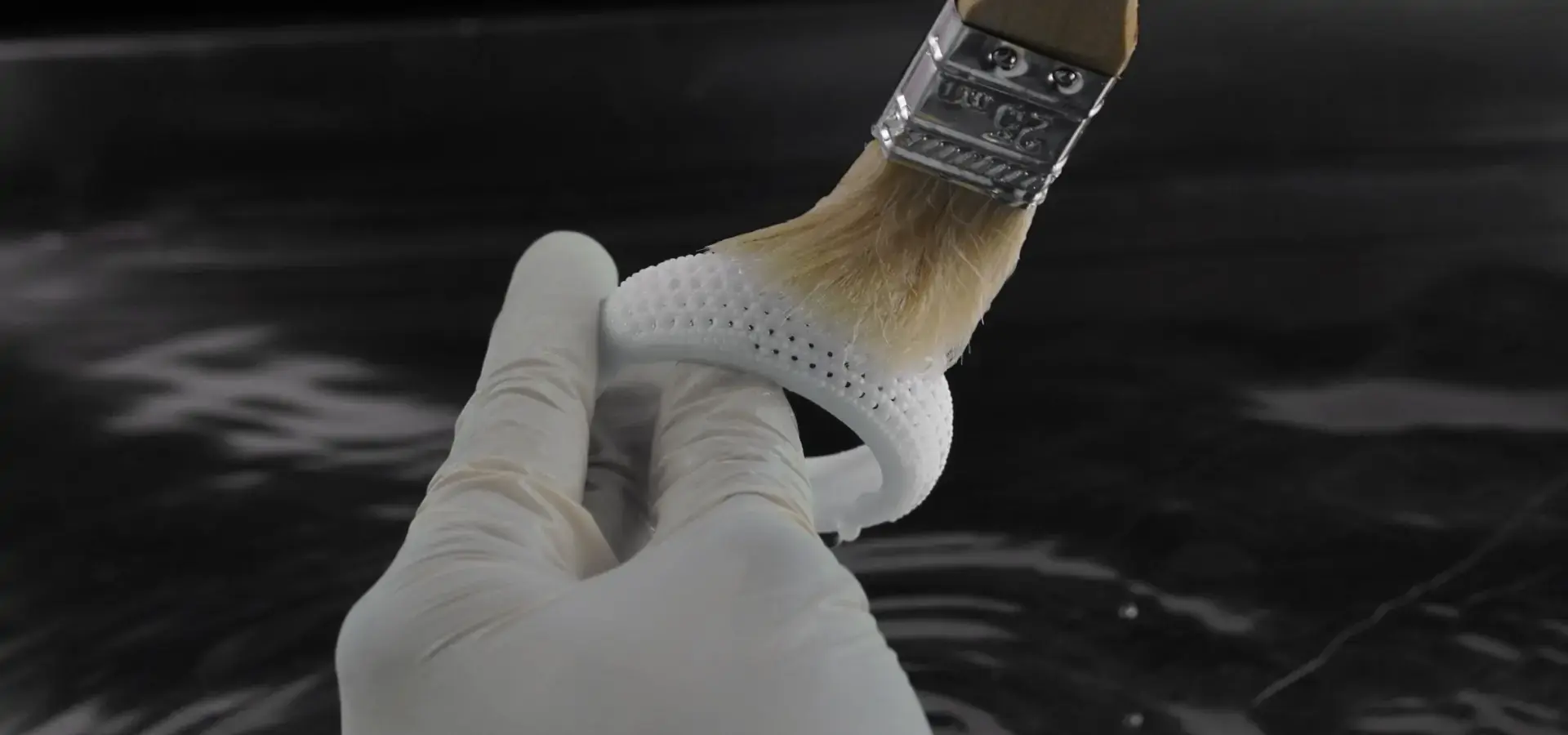
A stereolithography 3D printer is only one part of an efficient production line. Other parts include washing stations, drying rooms, and support removal tools. Alcohol cleaning gets rid of uncured resin from the surfaces of parts. The end surface quality is affected by the amount of isopropyl alcohol used and how long the wash lasts. After UV post-curing, the resin achieves its full mechanical properties. This is especially critical for dental applications, where materials must meet ISO 10993 biocompatibility standards to safely withstand oral forces. Putting work stations in a sensible order cuts down on the time it takes to handle things and the chance that fragile parts will get damaged.
Conclusion
It's important to carefully consider technical specs, working needs, and total ownership costs when picking the best stereolithography 3D printer for jewelry and dental uses. Advanced grayscale processing equipment with a steady 9-micron resolution meets the high standards of these industries. Smart heating systems and strong mechanical designs ensure stable production in a range of weather conditions. The Magforms P7 Pro is a well-thought-out piece of tech that solves real-world problems that workshops and dental labs face. It combines professional-grade performance with affordable prices and a small size that makes it ideal for facilities with limited room. Choosing the right tools is only one part of a successful application. Proper training, optimizing process, and building relationships with vendors that support long-term operating success are also important.
FAQ
What distinguishes SLA from DLP/LCD technology in practical applications?
In real life, what makes SLA technology different from DLP technology? Laser-scanning SLA systems define XY resolution based on the laser spot size and scanning precision, allowing continuous movement, whereas DLP uses fixed pixel projection. Modern LCD systems use high-resolution monochrome LCD screens and grayscale control, allowing them to produce fine details at faster speeds than traditional laser-based SLA, especially for small parts like jewelry and dental models. In real life, the main difference is usually the amount and speed of the builds, not the level of detail. This is because each technology works best at different output sizes.
Which resin properties matter most for dental biocompatibility?
What are the most important plastic qualities for tooth biocompatibility? For dental use, materials must be tested according to ISO 10993 guidelines for biocompatibility, ensuring they do not cause cytotoxicity, skin irritation, or adverse mucosal reactions. Class IIa medical device approval means that the device was tested for safety in the right way. It's important to make sure that the mechanical qualities fit the intended use. For example, hard resins are used for surgery guides, while bendable materials are used for bite splints and castable formulas are used for crown and bridge patterns.
How do I evaluate whether a stereolithography 3D printer justifies its cost for my production volume?
How do I know if the price of a Stereolithography 3D printer is worth it for the amount of work I need to do? Figure out how much each part costs, taking into account the cost of materials, labor, and the wear and tear on the tools. Then, compare this to the cost of leasing or other ways of making the product. The monthly production rate at which in-house printing becomes cost-effective is shown by a break-even study. Benefits like shorter revision cycles and security of intellectual property may not be captured by financial models but have a big effect on where you stand in the market.
Partner with Magforms for Your Precision 3D Printing Needs
Work with Magforms to get the precise 3D printing you need. Magforms has years of experience working with stereolithography 3D printer technology and has helped jewelry studios, dental labs, and precise manufacturing sites on several countries. Our combined method, which combines optimized plastic formulations with perfectly matching hardware, gets rid of the compatibility problems that come up when third-party materials are mixed with equipment. The P7 Pro shows our dedication to providing industrial-grade performance in PC forms that are easy for everyone to use. It comes with full expert help and a global service network. We are a well-known stereolithography 3D printer company with 22 patents and partnerships that serve over 300 businesses around the world. We know the production problems you're having and can come up with solutions that solve real operations problems. Get in touch with us at info@magforms.com to talk about how our precision printing tools can help you save time and money while also producing high-quality results.
References
1. Gibson, I., Rosen, D., & Stucker, B. (2021). Additive Manufacturing Technologies: 3D Printing, Rapid Prototyping, and Direct Digital Manufacturing (3rd ed.). Springer.
2. Melchels, F. P., Feijen, J., & Grijpma, D. W. (2010). A review on stereolithography and its applications in biomedical engineering. Biomaterials, 31(24), 6121-6130.
3. Stansbury, J. W., & Idacavage, M. J. (2016). 3D printing with polymers: Challenges among expanding options and opportunities. Dental Materials, 32(1), 54-64.
4. Revilla-León, M., & Özcan, M. (2019). Additive manufacturing technologies used for processing polymers: Current status and potential application in prosthetic dentistry. Journal of Prosthodontics, 28(2), 146-158.
5. Barazanchi, A., Li, K. C., Al-Amleh, B., Lyons, K., & Waddell, J. N. (2017). Additive technology: Update on current materials and applications in dentistry. Journal of Prosthodontics, 26(2), 156-163.
6. Ligon, S. C., Liska, R., Stampfl, J., Gurr, M., & Mülhaupt, R. (2017). Polymers for 3D printing and customized additive manufacturing. Chemical Reviews, 117(15), 10212-10290.

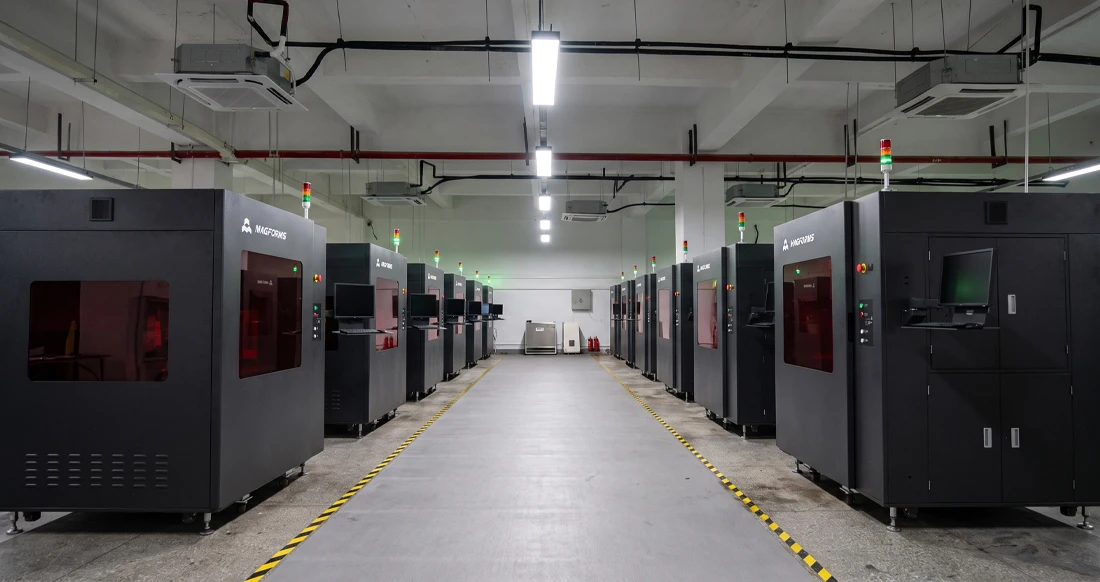
Magforms makes design and manufacture easier.
Popular Blogs
-
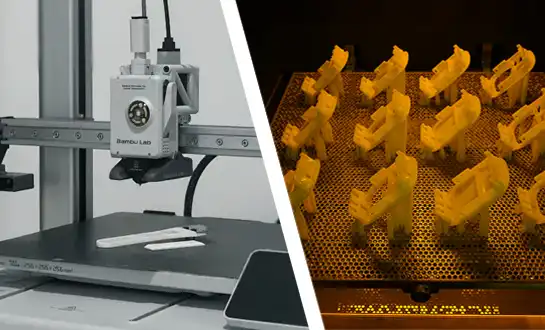 Industry InsightsManufacturing Industry
FDM vs. SLA Printer: Which Technology Is Right for Your Project?
-
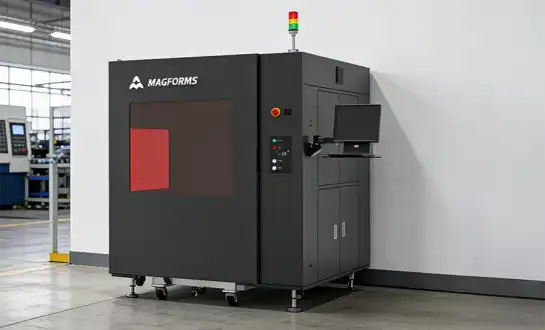 Industry InsightsManufacturing Industry
Top 5 Applications of Industrial 3D Printers in Manufacturing Today
-
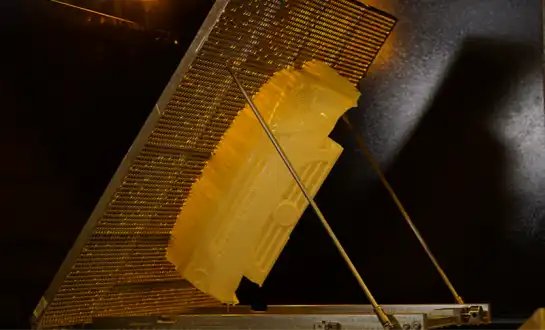 Industry InsightsManufacturing Industry
Why Stereolithography 3D Printers Are Unmatched for Microfluidic Device Prototyping?