What Should You Expect from a P10 Pro Stereolithography 3D Printer?
If you're looking for additive manufacturing options for your business, the P10 Pro stereolithography 3D printer offers a great mix of accuracy, dependability, and ease of use. This resin-based system utilizes advanced LCD-based masked stereolithography (mSLA) technology to cure liquid photopolymer materials layer by layer, producing parts with injection-mold surface quality and dimensional accuracy within 0.01mm. This SLA printer was designed for use across a wide range of industries, from automotive testing to customising teeth. It solves important production problems like batch stability, material compatibility, and total cost of ownership. Whether you're a small design company that works on one-of-a-kind projects or a medium-sized maker that needs reliable output, knowing what the P10 Pro has to offer will help you make a purchase choice that meets both your technology needs and your business goals.
Understanding the Core Technology Behind the P10 Pro
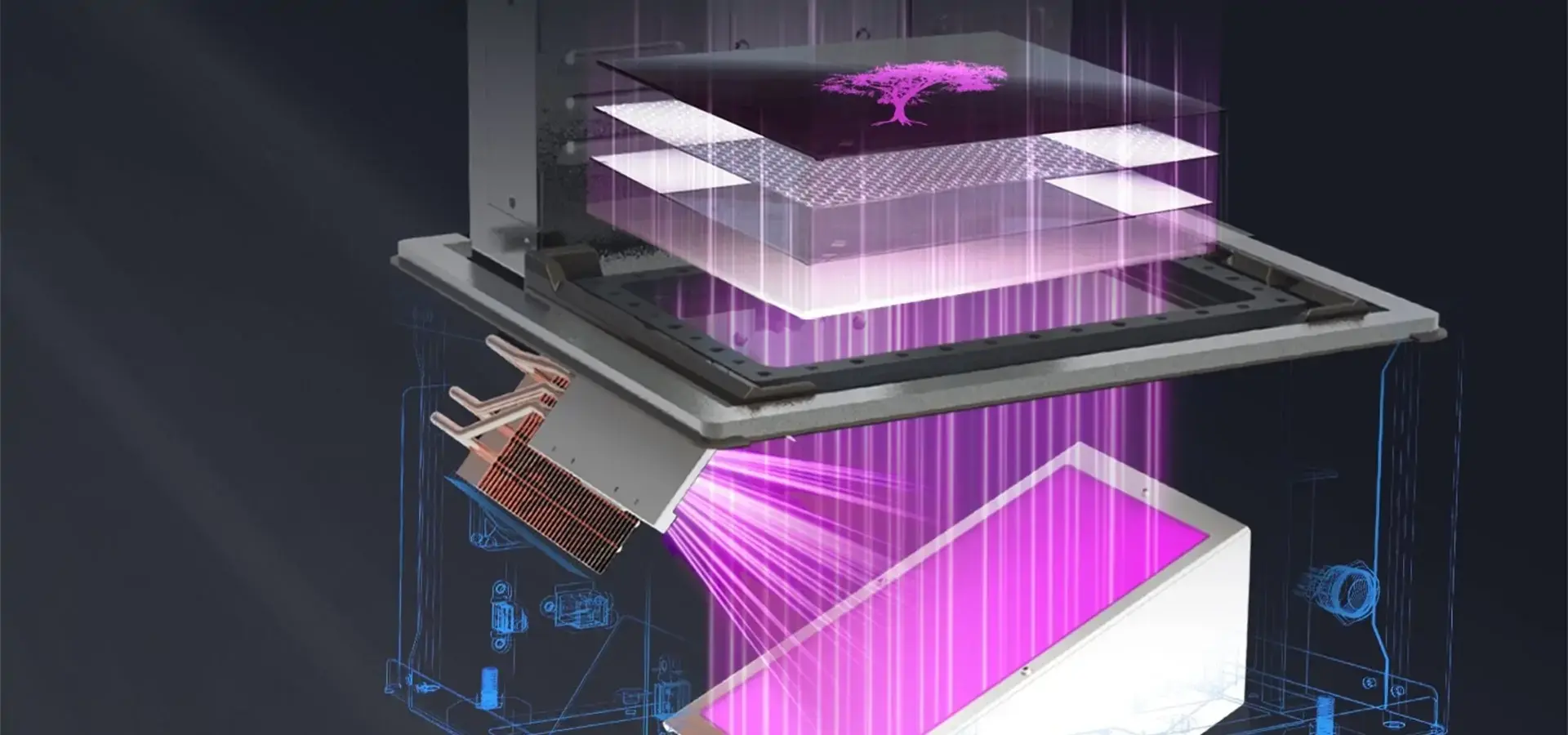
At its foundation, the P10 Pro employs masked stereolithography (mSLA) technology, which uses an LCD screen to selectively block or allow UV light to cure resin layer by layer according to digital cross-sections derived from your CAD files, with each layer bonding to the previous one. This process continues as the build platform gradually descends, ultimately producing a fully formed three-dimensional object. What differentiates this system from entry-level desktop units lies in its industrial-grade components and optimized curing algorithms.
Advanced Laser Precision and Resin Curing Process
The P10 Pro features an optimized LCD exposure system with adaptive layer curing strategies that adjust exposure times based on feature complexity. This approach speeds up printing by more than 30% while maintaining micron-level accuracy, ensuring stable layer adhesion during long print sessions and preventing warping on large parts. Engineering resins, dental-grade formulas, clear plastics, heat-resistant compounds, and bendable materials are all compatible with each other. The system comes with plastic settings that are already set up, so you don't have to go through the trial-and-error process that is usually needed to match materials to hardware. When Magforms' own resins are combined with the printer's software, the printing success rate goes up to 99%. This greatly reduces the waste of materials and bad builds that happen when third-party products are used.
Precision Parameters and Print Quality
You can set the layer thickness on a stereolithography 3D printer anywhere from 25 to 100 microns, so you can find the right mix between speed and surface detail for your needs. The LCD pixel size and placement accuracy determine the XY resolution, which is 50 microns. This resolution can see small details like threaded inserts, structures with thin walls, and complex grid patterns. This level of accuracy is needed for demanding applications like aircraft link testing, making dental aligners, and consumer electronics boxes, where changes in size can render them useless. The Z-axis stays stable during the whole building process thanks to an industrial high-precision double guide rail system and an industrial-grade screw mechanism. These parts work together to keep the precision control within 0.01mm, even when the machine is running all the time. This meets the strict needs of industries where part accuracy has a direct effect on how well and how easily the parts can be put together.
Evaluating Performance and Operational Advantages of the P10 Pro
Beyond raw specifications, the P10 Pro delivers practical performance benefits that translate into measurable productivity gains. Understanding these operational advantages helps procurement teams assess how the equipment will function within existing workflows and production environments.
Speed, Accuracy, and Reliability Benefits
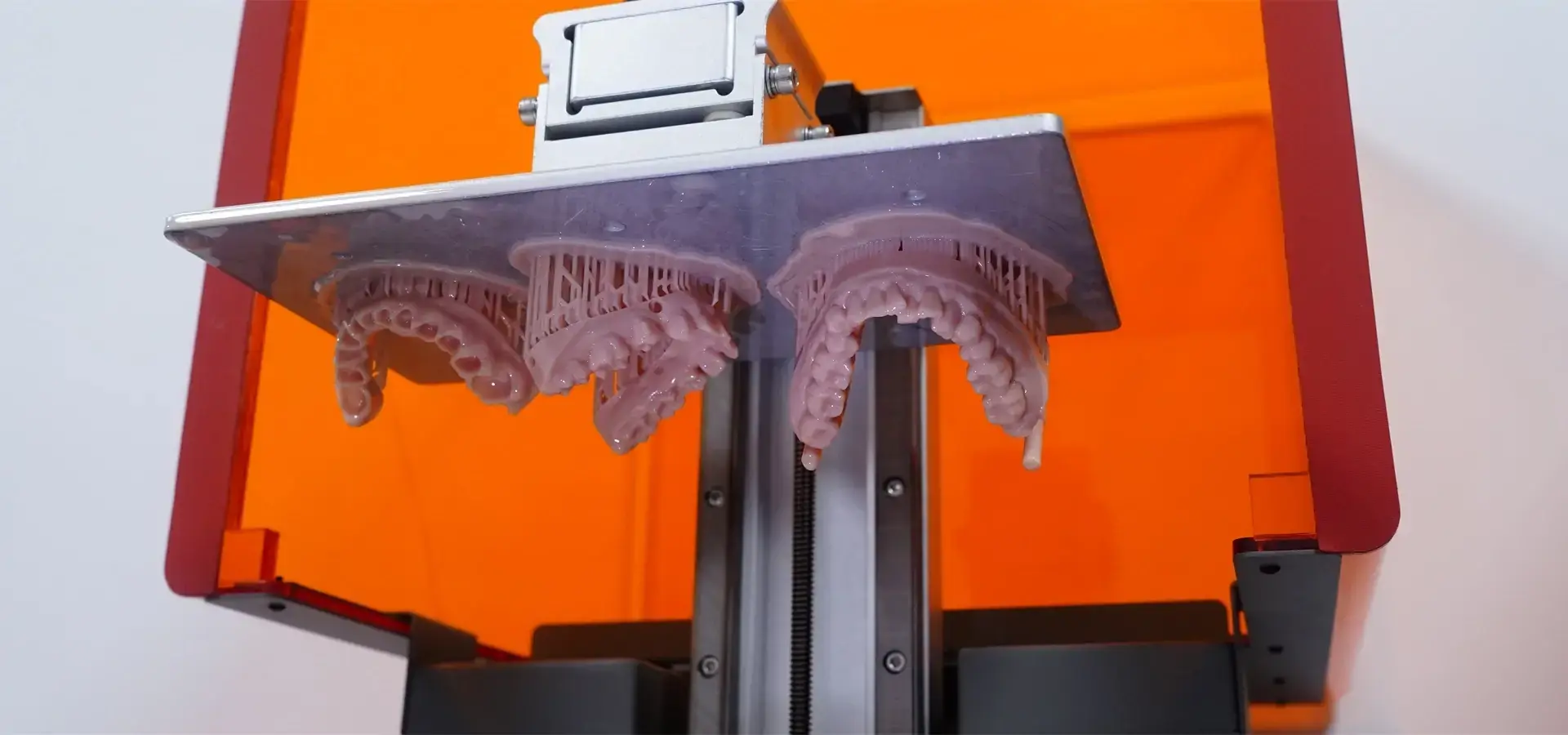
The P10 Pro can make dental models in three to four hours and prototypes for car interior parts in six to eight hours, based on the complexity of the part and the resolution settings. This is because it has optimised laser scanning tracks and effective resin fixing chemistry. This speed supports short iteration cycles, which are important for product development teams that have to work within tight deadlines. The printer's industrial-grade Z-axis module and steel shell construction make it more stable mechanically, which extends its service life and reduces calibration drift, which is a common cause of quality loss in lighter-duty machines. The building platform has pressure release holes that lower pulling forces during the layer peeling process. This makes it easier for the platform to separate from the resin vat. Part separation and layer moving are failure modes that waste both material and production time. This design feature directly prevents them, which is why the success rate is so high. This advantage in dependability adds up to big cost savings and more predictable schedules over long production runs.
Workflow Efficiency and Maintenance-Friendly Design
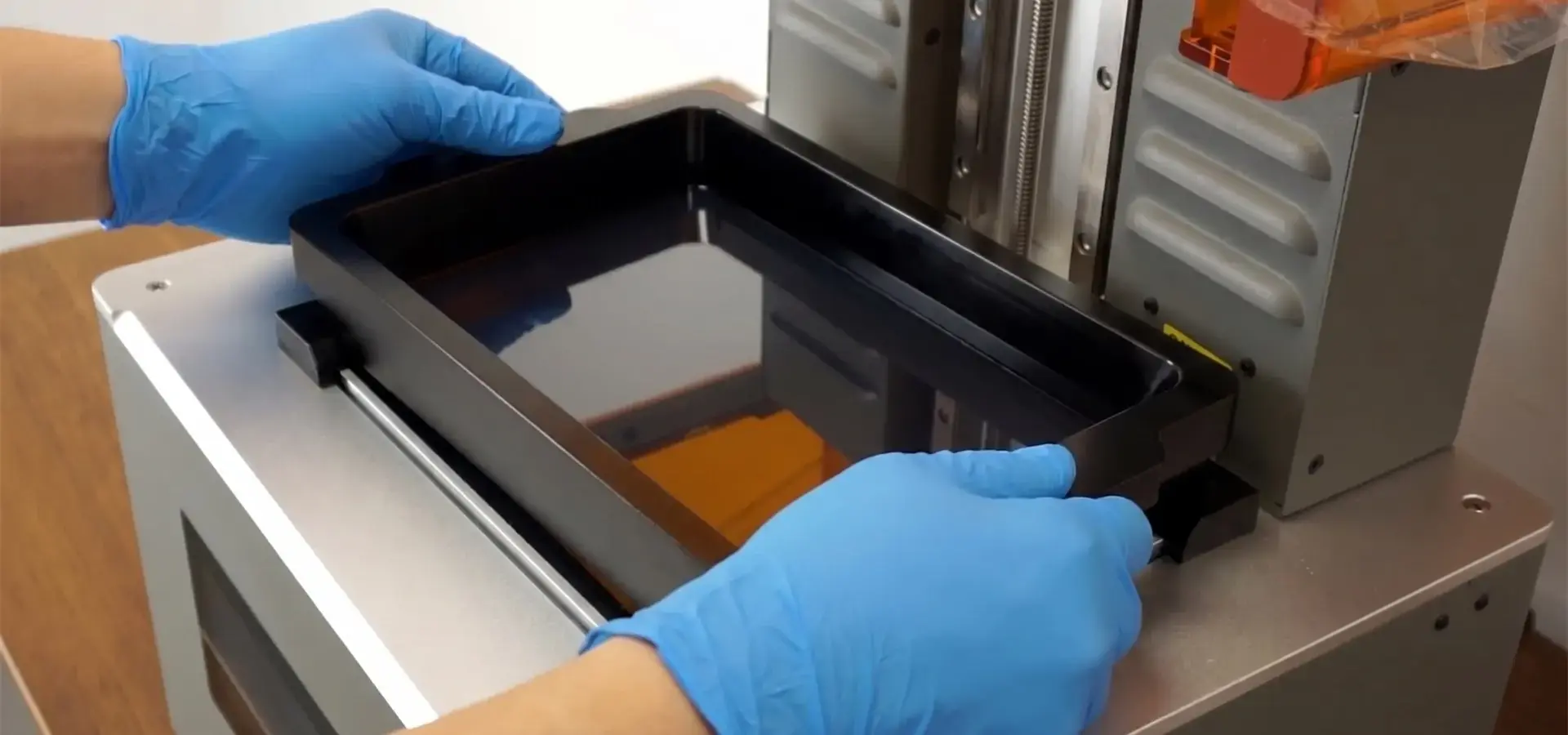
The quick-release dual-module design lets operators switch between build platforms and resin vats without using any tools. This lets them print with different materials right after each other or quickly change the order of priorities. The built-in framed nFEP film gets rid of the need for tedious cutting and tensioning steps that are needed for regular FEP installs. This material doesn't break easily and doesn't stick to anything, so it lasts a lot longer than regular films. This saves money on replacements and keeps production going without having to stop for maintenance. A smart user interface makes setting up and keeping an eye on jobs easier, and a high-efficiency air filter system keeps the workplace safe by controlling resin vapours. Maintenance tasks that should be done regularly include checking the brightness of the resin vat once a week, making sure the build platform is level once a month, and lubricating the linear rails every three months. These easy steps, which are explained in detail in the technical literature that comes with every unit, keep the printer working for a long time without needing regular visits from an expert.
If fixing is needed, the flexible design lets you diagnose and change parts at the component level. Problems like uneven hardening or layers not sticking together properly are often caused by contaminated resin or an optical path that is blocked. Both of these problems can be fixed by following the written cleaning instructions that most operators can do themselves.
How the P10 Pro Compares to Other Stereolithography and Resin 3D Printers
Positioning the P10 Pro within the broader landscape of additive manufacturing technologies helps clarify where it excels and which applications best suit its capabilities. This comparative perspective supports informed decision-making by aligning equipment characteristics with operational requirements.
Technology Comparison: SLA vs. FDM and DLP
Unlike Fused Deposition Modelling (FDM) systems, resin-based stereolithography printers, including the P10 Pro, produce smooth surfaces with fine details and minimal layer lines. While FDM is suitable for quickly producing large, strong parts, the P10 Pro's mSLA technology ensures isotropic mechanical properties and precise features, making it ideal for snap-fits, threaded connections, and thin-walled structures that might fail on FDM parts. Digital Light Processing (DLP) technology uses a projector to cure whole layers at once, which can cause pixelation artefacts on curved surfaces. In contrast, the P10 Pro's LCD-based masked stereolithography (mSLA) uses high-resolution LCD masking to create smooth curves and fine surface details, making it ideal for organic forms, optical parts, and components requiring Class A surface finishes. With a print size of 228x128x250mm, the P10 Pro is a good fit for the 10-inch printer category. Using mSLA technology, it provides high-resolution printing over a larger build area than many competing desktop resin systems while maintaining a compact footprint.
Build Volume and Throughput Benchmarking
Competitors in the mid-range industrial market of 2024 show that the P10 Pro stereolithography 3D printer has a comparable build volume without losing accuracy or dependability. While larger format machines can handle more work, they usually need their own room and special electrical wiring. Smaller desktop units are easier to use in offices, but they can't handle large parts or large batches, which makes them less useful for production tasks. The P10 Pro hits a useful mix that works well in a variety of situations, such as printing multiple dentist models at once to improve lab efficiency, making full-size car panel sections to test ergonomics, or making a lot of consumer electronics cases to test the market. This adaptability helps meet changing output needs without having to buy new tools as the business grows. When you compare operational costs, you need to take into account how efficiently materials are used, how often consumables need to be replaced, and how much energy is used. The P10 Pro's optimised plastic settings cut down on waste, and its long-lasting parts make replacements less necessary. Because of these things, the total cost of ownership is lower than for systems that need to change parts often or that are locked into expensive environments of private materials.
Procurement Insights: Buying the P10 Pro for Your Business
Understanding the commercial framework surrounding equipment acquisition helps procurement teams structure investments that align with budget constraints and organizational requirements. This section addresses practical considerations that influence purchasing decisions.
Pricing Structure and Financing Options
The P10 Pro is aimed at the mid-range commercial market. It is priced below high-end systems that cost six figures, but it has speed that is much better than desktop craft machines. The prices are based on the fact that industrial parts are combined, materials and machines are matched more efficiently, and full support services are provided. Organisations that use the same platform across different buildings or teams can get savings through volume buy agreements. Different capital allocation methods can be accommodated by financing choices such as equipment leasing and delayed payment systems. Companies can start making things right away, and the costs of the equipment can be spread out over several fiscal years. This makes it easier to handle cash flow, especially for smaller companies or startups that are making a lot of investments at once.
Official Sales Channels and After-Sales Support
Magforms operates through authorized distributor networks across North America, Europe, and the Asia-Pacific regions, ensuring local technical support and expedited parts delivery. When evaluating suppliers, prioritize those offering warranty terms covering both parts and labor for a minimum 12-month period, with options for extended coverage. Responsive technical service proves critical for maintaining production schedules, as even minor equipment issues can cascade into significant delays when support response lags. The availability of spare parts through regional warehouses minimizes downtime during component replacement. Critical consumables, including build platforms, resin vats, and nFEP films, should ship within 48 hours, while mechanical assemblies and optical components typically arrive within one week. This logistics infrastructure, backed by Magforms' 22 patents and service to over 300 enterprises globally, demonstrates organizational maturity that reduces procurement risk.
Training programs ensure operators understand proper machine setup, maintenance procedures, and troubleshooting protocols. Comprehensive technical documentation combined with access to application engineers helps teams optimize print parameters for specific use cases, accelerating the path from equipment installation to production output.
Why Choose the P10 Pro? Future-Proofing Your 3D Printing Investments
Strategic equipment investments must account for evolving technology landscapes and shifting business requirements. The P10 Pro's design philosophy emphasizes adaptability and sustainability to protect long-term value.
Alignment with Emerging Industry Trends
The additive manufacturing sector for the stereolithography 3D printer continues trending toward increased material diversity, improved automation, and enhanced software integration. The P10 Pro's open material compatibility positions it to leverage new resin formulations as they emerge, preventing obsolescence as specialized applications demand novel material properties. The printer's modular architecture supports firmware updates and potential hardware upgrades, extending effective service life beyond initial specifications. Manufacturing workflows increasingly emphasize distributed production and rapid response to market demands. The P10 Pro's balance of build volume, speed, and precision enables both prototyping and low-volume production within a single platform, reducing the need for multiple specialized systems. This versatility proves particularly valuable for organizations serving diverse client bases or those expanding into new market segments.
Sustainability and Cost-Efficiency Factors
Environmental considerations increasingly influence capital equipment decisions. The P10 Pro's high success rate directly reduces material waste, while its efficient curing process minimizes energy consumption per part. The durable construction extends equipment lifecycle, reducing electronic waste compared to shorter-lived alternatives requiring frequent replacement. Operational cost efficiency stems from the synergy between Magforms' integrated material and equipment development. The elimination of compatibility issues that cause failed prints, dimensional errors, and unplanned downtime translates into predictable production costs and reliable delivery schedules. These factors improve competitive positioning by enabling accurate project quotes and dependable customer commitments.
Organizations across medical device manufacturing, automotive component prototyping, and specialized service bureaus have reported measurable ROI improvements after implementing the P10 Pro. A dental laboratory serving orthodontists reduced model production time by 40% while improving accuracy sufficient to eliminate remake requests. An automotive supplier compressed design iteration cycles from weeks to days, accelerating new product introductions that captured market share from slower-moving competitors.
Conclusion
The P10 Pro stereolithography 3D printer represents a well-engineered solution for organizations requiring industrial-grade precision, operational reliability, and material versatility within a manageable equipment footprint. Its combination of advanced laser technology, optimized resin compatibility, and user-friendly design addresses critical pain points that compromise productivity in less integrated systems. The 228×128×250mm build volume accommodates diverse application requirements, while the 99% success rate and 0.01mm precision control deliver consistent results essential for quality-sensitive industries. When evaluating additive manufacturing investments, consider how the P10 Pro's performance specifications, maintenance simplicity, and comprehensive support infrastructure align with your operational priorities and growth trajectory.
FAQ
How does the P10 Pro maintain consistent accuracy across extended production runs?
The industrial high-precision double guide rail system, combined with thermal management controls, minimizes dimensional drift during continuous operation. Regular maintenance following prescribed intervals ensures mechanical components remain within specification, while the matched resin parameters prevent curing inconsistencies that compromise accuracy.
What certifications apply to resins compatible with the P10 Pro?
Magforms provides engineering resins meeting ISO 527 mechanical testing standards and dental materials compliant with ISO 10993 biocompatibility requirements. Specific certifications vary by resin formulation and intended application. Technical datasheets detail relevant compliance for each material.
What training does Magforms provide with P10 Pro purchases?
Standard equipment delivery includes comprehensive operator training covering setup procedures, maintenance protocols, and basic troubleshooting. Advanced workshops addressing application-specific optimization and material selection are available through regional technical centers. Online resources, including video tutorials and technical bulletins, provide ongoing support.
Can the P10 Pro integrate into existing production management systems?
The printer supports standard file formats and network connectivity, enabling integration with manufacturing execution systems. API documentation facilitates custom workflow automation for organizations with specific production tracking requirements.
Partner with a Trusted Stereolithography 3D Printer Manufacturer
Magforms combines decades of additive manufacturing expertise with comprehensive material-equipment integration to deliver production solutions that exceed conventional performance benchmarks. Our 22 patents and service to over 300 enterprises across automotive, aerospace, medical, and consumer electronics sectors demonstrate proven capability in demanding applications. The P10 Pro represents our commitment to solving real production challenges—eliminating downtime, reducing waste, and ensuring consistent output quality that supports your competitive position. Contact our technical team at info@magforms.com to discuss how this stereolithography 3D printer addresses your specific requirements. We'll arrange sample part production using your CAD files, provide detailed ROI projections based on your production volumes, and structure procurement terms including volume pricing for multi-unit deployments. As an established stereolithography 3D printer supplier with global support infrastructure, we ensure your investment delivers measurable value from installation through years of reliable operation.
References
1. Gibson, I., Rosen, D., & Stucker, B. (2021). Additive Manufacturing Technologies: 3D Printing, Rapid Prototyping, and Direct Digital Manufacturing (3rd ed.). Springer International Publishing.
2. Jacobs, P. F. (1992). Rapid Prototyping & Manufacturing: Fundamentals of Stereolithography. Society of Manufacturing Engineers.
3. Ligon, S. C., Liska, R., Stampfl, J., Gurr, M., & Mülhaupt, R. (2017). Polymers for 3D Printing and Customized Additive Manufacturing. Chemical Reviews, 117(15), 10212-10290.
4. Stansbury, J. W., & Idacavage, M. J. (2016). 3D printing with polymers: Challenges among expanding options and opportunities. Dental Materials, 32(1), 54-64.
5. Scopigno, R., Cignoni, P., Pietroni, N., Callieri, M., & Dellepiane, M. (2017). Digital Fabrication Techniques for Cultural Heritage: A Survey. Computer Graphics Forum, 36(1), 6-21.
6. Ngo, T. D., Kashani, A., Imbalzano, G., Nguyen, K. T. Q., & Hui, D. (2018). Additive manufacturing (3D printing): A review of materials, methods, applications, and challenges. Composites Part B: Engineering, 143, 172-196.

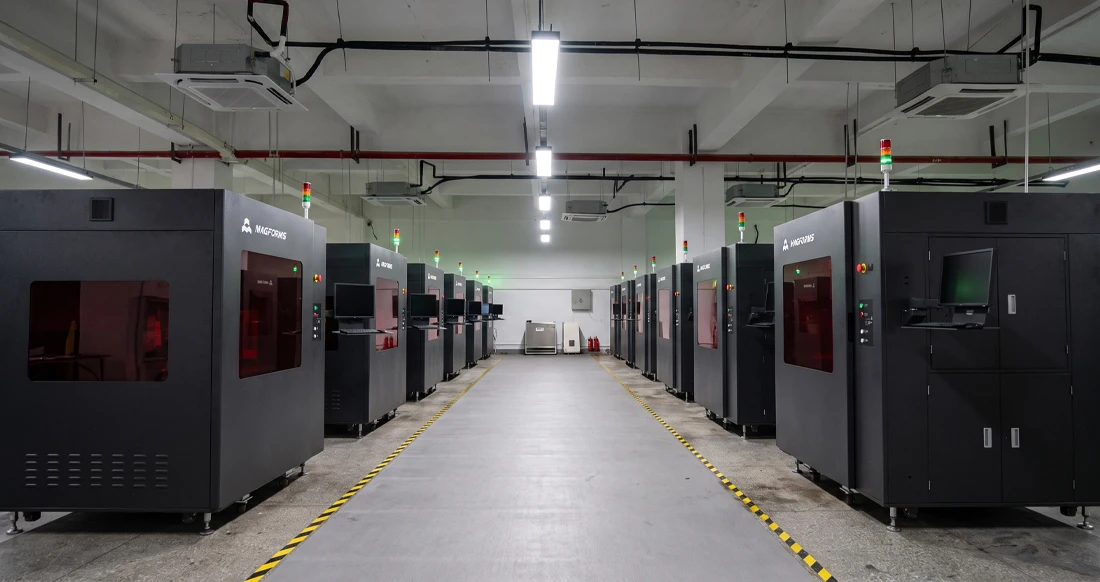
Magforms makes design and manufacture easier.
Popular Blogs
-
 Industry InsightsManufacturing Industry
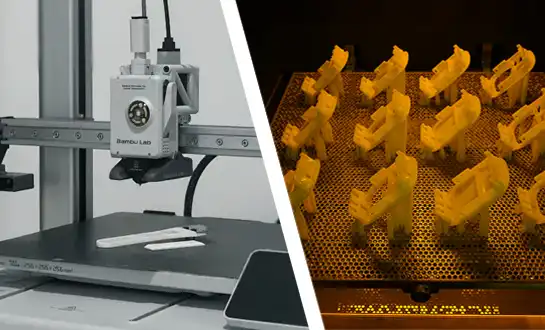
FDM vs. SLA Printer: Which Technology Is Right for Your Project?
-
 Industry InsightsManufacturing Industry
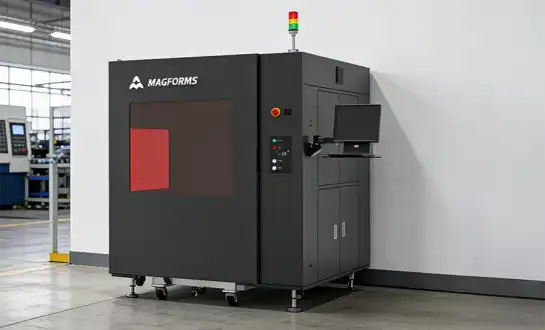
Top 5 Applications of Industrial 3D Printers in Manufacturing Today
-
 Industry InsightsManufacturing Industry
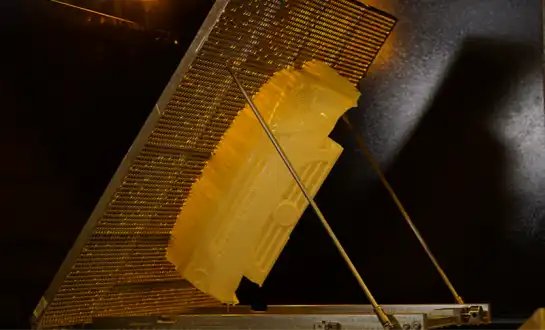
Why Stereolithography 3D Printers Are Unmatched for Microfluidic Device Prototyping?