Why Upgrade to a P13 Pro 3D Printing Machine in 2026?
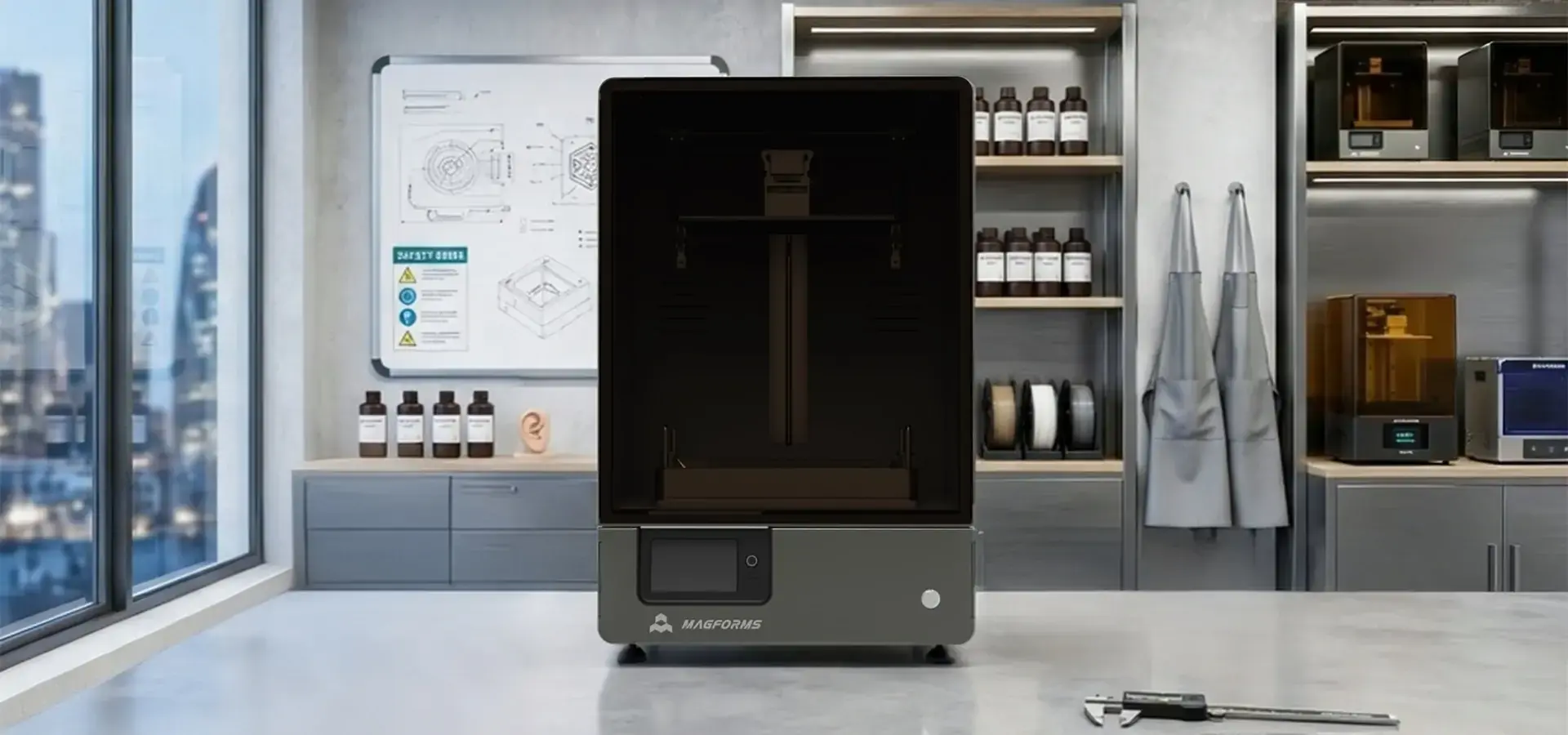
If you invest in a P13 Pro LCD 3D printing machine in 2026, you'll be adopting advanced masked stereolithography (mSLA) technology designed for applications that require both high precision and scalable production. As markets around the world tighten their focus on cutting down on production lead times and improving part accuracy, the P13 Pro offers a complete solution that combines very large build volumes, dual heating systems, and smart operating controls. This 3D printing machine addresses critical procurement pain points—unpredictable downtime, limited material flexibility, and inconsistent dimensional accuracy—that often affect legacy resin-based 3D printing systems and earlier-generation stereolithography technologies. With its 302.4×161.98×380mm printing room, technical leaders can make three normal shoe moulds at the same time during a single print cycle. This greatly increases output while keeping surface quality at the micron level. Procurement workers in the automobile development, dental labs, consumer electronics, and 3D printing service centres know that changing to the P13 Pro is a smart move that will help them meet the needs of Industry 4.0 and keep up with the competition.
Understanding the Core Advantages of the P13 Pro 3D Printing Machine
The P13 Pro redefines expectations for industrial resin-based additive manufacturing through five interconnected technical innovations that directly impact production efficiency and finished-part quality. These advancements address the most persistent challenges faced by R&D departments, production supervisors, and service providers who require dependable, high-throughput printing capacity.
Ultra-Large Build Volume for Batch Production
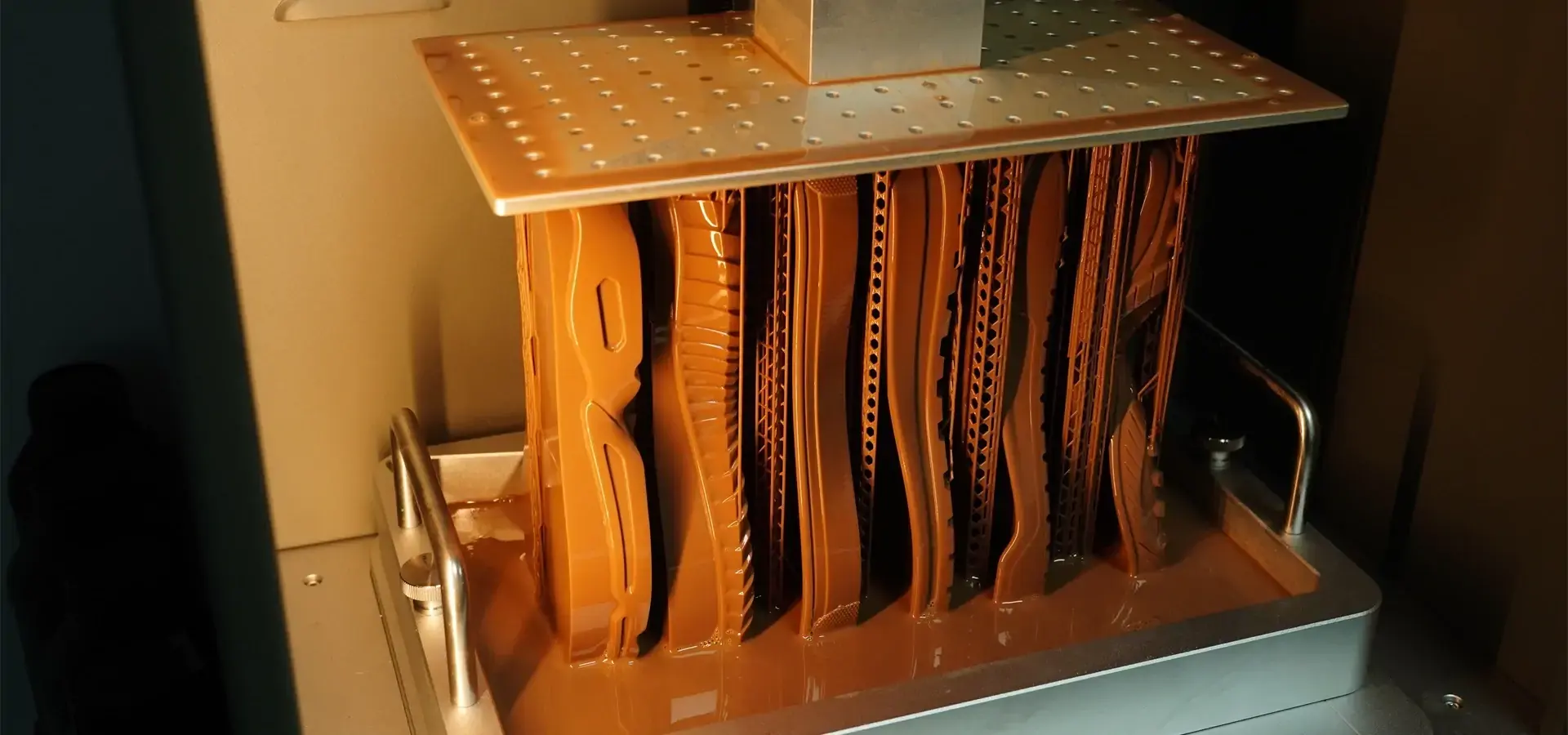
The P13 Pro's big 302.4×161.98×380mm build base completely changes the costs of production for companies that work with medium to large parts. This 3D printer can make more than one part at the same time, like three standard shoe moulds or several samples for the inside of cars. This is called a "print job." Tall shapes like shoe lasts, building models, and industrial jigs can be printed at the highest Z-height of 380 mm without having to be put together or joined after printing. This feature is especially helpful for manufacturing engineers in the clothing and shoes industries because it gets rid of the bottleneck of sequential printing that slows down sample approval cycles. Aerospace component makers use this volume to print complex tubing systems and mounting clamps with integrated internal channels, geometries that are often difficult, time-consuming, or cost-prohibitive to manufacture using conventional machining methods. The large format reduces per-part cost by maximising material utilisation and minimising resin waste from support structures.
Compared to home 3D printers that can only build up to 150 mm tall, the P13 Pro increases vertical capacity by over 150%. This means that projects can be finished faster and with fewer print cycles. Medical device prototypers who make surgery guide templates or tooth aligner bases can nest multiple parts that are special to each patient within the same build. This cuts the time it takes to finish from weeks to days. When dealing with rush orders or moving from concept testing to low-volume production runs, this size advantage becomes even more important.
Dual Heating Constant-Temperature System
Thermal stability during photopolymer resin curing is one of the most common challenges affecting resin-based 3D printing systems, particularly in environments with fluctuating temperatures. This is especially true in places where temperatures change often or where climate control isn't good enough. The P13 Pro has two heating outlets that keep the chamber at the same temperature during long print jobs. This helps maintain stable resin viscosity and promotes consistent layer adhesion throughout the printing process. This heat control system stops the bending, delamination, and physical drift that happen when 3D printers are used in temperatures below 20°C or when the HVAC system cycles.
Technical directors who are in charge of production in unheated workshops or seasonal facilities can see right away how useful this feature is—prints that start during overnight shifts in the winter finish successfully. The two heated elements spread heat evenly between the resin vat and the build room, getting rid of cold spots that stop layers from setting completely. Internal validation testing demonstrates significantly improved print consistency at lower ambient temperatures compared with systems that rely on a single heating source, which is a level of performance that can't be reached with single-element heating systems.
High-Precision Printing with Minimal Layer Lines
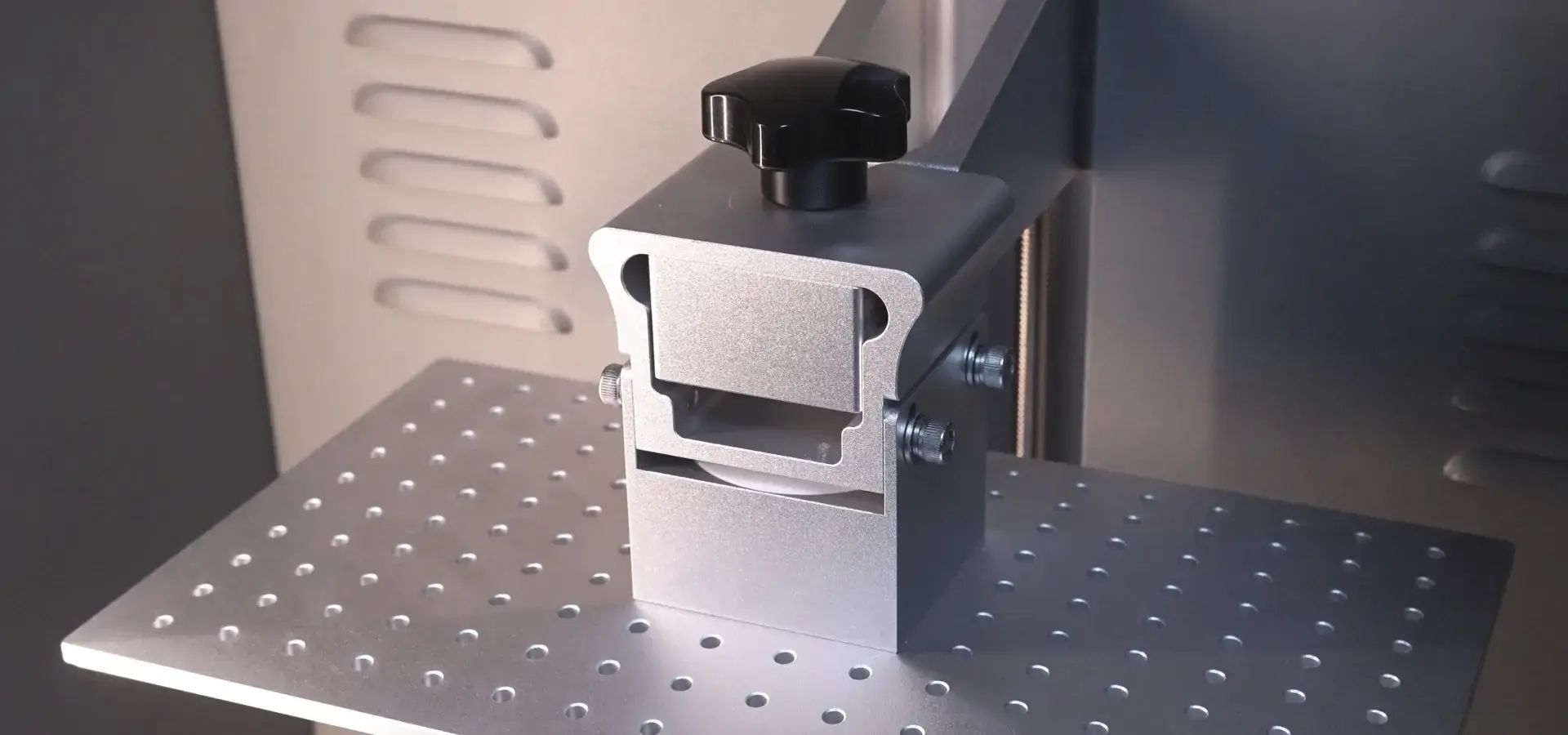
The quality of the surface finish on a 3D printing machine has a direct effect on the cost of post-processing labour and the look of the finished part, especially for consumer-facing uses and practical samples that need to be painted or coated. The P13 Pro maintains high dimensional consistency across large batch builds, producing parts with minimal visible layer lines even on curved surfaces and intricate features. This LCD-based 3D printing machine achieves highly consistent XY accuracy through high-resolution masking technology, optimized exposure control, and advanced slicing algorithms that accurately reproduce complex geometries and fine details.
When making house samples for wearable tech or smartphone add-ons, where stakeholders are influenced by how they look and feel, product designers in consumer electronics like this feature. Compared to FDM parts, the near-injection-moulded surface quality can significantly reduce post-processing requirements. This speeds up time-to-market for iterative design processes. Professionals in the arts and culture who are making copies of detailed handicrafts or building models can catch fine textures and undercut details without the stair-stepping artefacts that are common on lower-resolution systems.
Smart Operational Controls and Offline Printing
In today's industrial settings, equipment needs to be able to work on its own and with other production control tools. The P13 Pro has an easy-to-use tablet interface that lets workers set print settings directly on the device, without having to use computers or network links that are plugged in. Built-in storage lets you print even when you're not connected to the internet or when the facility's IT department is doing repairs.
Workshop managers who are in charge of several 3D printers like being able to queue jobs locally and keep an eye on their progress without using up computer resources or needing a specialised worker to watch over them. The open-material ecosystem allows users to apply custom slicing profiles and a wide range of third-party photopolymer resins, increasing application flexibility while reducing material procurement costs. This lets procurement managers find plastics more cheaply and avoid being locked into using only one type of material, which drives up running costs. This freedom is very different from established rivals' locked systems that only let users use expensive OEM supplies.
High-Efficiency Air Filtration System
More and more people want 3D printers that can effectively reduce volatile organic compounds (VOCs) because of concerns about worker health and government rules. The P13 Pro incorporates an industrial-grade air filtration system that captures resin vapours and particulates generated during the printing process, maintaining air quality standards suitable for shared workspaces and laboratory environments. Because of the built-in filters, there is no need for exterior air fans or separate exhaust systems. This makes installation easier and lowers the cost of making changes to the building.
When environmental health and safety managers look at additive manufacturing equipment, they look for closed systems with active filters. This is especially important when putting machines in R&D labs next to schools or offices. The P13 Pro's filtration capacity allows it to work continuously without needing to change filters often. This keeps upkeep costs low and reduces the cost of consumables. It becomes easy to follow OSHA rules for working air quality, which makes regulatory paperwork easier for ISO-certified sites and university research centres.
Why the P13 Pro Outperforms Other 3D Printing Machines on the Market
Procurement decision-makers tasked with evaluating industrial additive manufacturing systems must balance technical specifications against total cost of ownership and vendor support capabilities. The P13 Pro distinguishes itself through performance metrics, material flexibility, and service infrastructure that address real-world operational demands rather than merely showcasing laboratory benchmarks.
Superior Print Quality with Reduced Material Waste
Compared with many industrial resin-based and desktop additive manufacturing platforms, the P13 Pro offers competitive advantages in build capacity, material efficiency, and production throughput, particularly for large-format LCD resin printing applications. When compared to rival settings, the P13 Pro's optimised support generation methods can reduce resin consumption through optimized support-generation strategies and efficient part nesting. This lowers the cost of material for each part by a large amount over thousands of print cycles. When engineers prototype parts for the inside of cars or aerospace brackets, they see these savings right away because, in high-volume development situations, material costs often equal or exceed machine wear and tear.
Under validated process conditions, the P13 Pro is capable of achieving dimensional tolerances suitable for demanding prototyping and functional verification applications, depending on geometry, material selection, and post-processing procedures. This level of stability is very important for uses that need to fit together with CNC-machined parts or existing product designs. This geometric accuracy is very important for medical device makers who make surgical guide templates that connect to tissue models drawn from CT scans. Dimensional mistakes of tenths of millimetres can affect the success of surgery and the device's approval by regulators. Competing resin-based and extrusion-based systems may exhibit greater dimensional variation across large build areas, which requires expensive repeats and design compensation techniques.
Comprehensive Material Compatibility Without Proprietary Lock-In
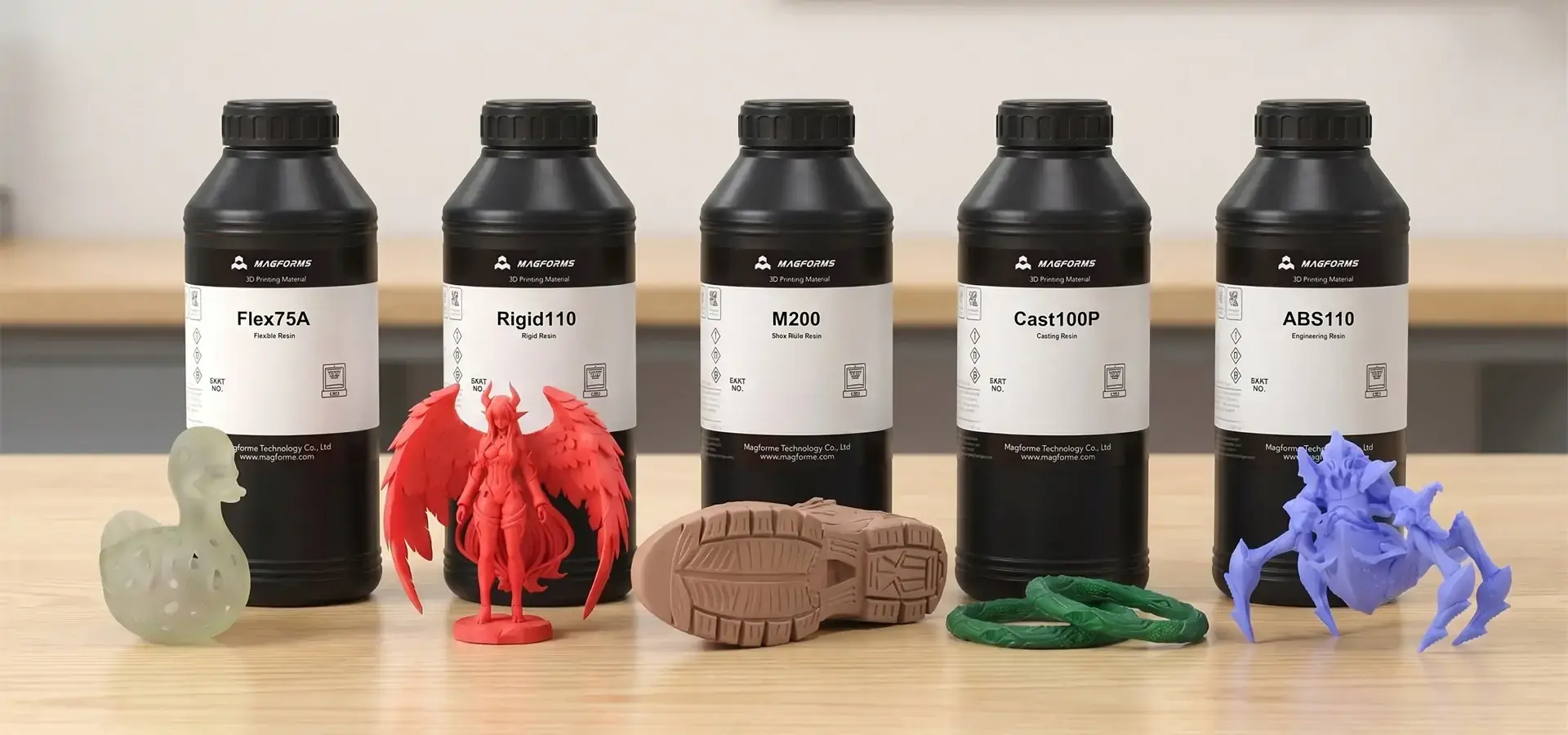
The P13 Pro from Magforms is different because it uses an open-material mindset, which means users of this 3D printing machine can utilize a broad range of compatible third-party photopolymer resins while still getting guarantee coverage and technical support. This is very different from how competitors do things, who use exclusive container methods that can increase long-term material costs and limit sourcing flexibility and make it harder to get speciality formulas. 3D printing service bureaus with projects in the medical, consumer goods, and automotive industries need to be able to switch between engineering resins, flexible elastomers, high-temperature polymers, and castable materials without having to buy new equipment.
The P13 Pro's materials database includes optimized profiles for transparent resins used in optical prototyping, ABS-like engineering resins for functional testing, and dental-grade photopolymer materials for specialized applications. This flexibility gets rid of the need for expensive equipment and a lot of floor space to keep up with multiple technology stacks. This lets businesses combine their skills into a single, flexible platform. Technical directors like being able to try out new material formulas from speciality sources. This speeds up the innovation cycle and keeps the company's edge over the competition.
Robust After-Sales Support and Warranty Coverage
Equipment uptime directly determines production capacity and contract fulfilment reliability, making vendor responsiveness a critical procurement criterion. Magforms backs the P13 Pro with comprehensive technical support infrastructure including remote diagnostics, video-assisted troubleshooting, and expedited replacement part logistics. The standard warranty package covers mechanical components, optical systems, and electronics for 24 months, with extended service agreements available for high-utilisation environments.
Service technicians supporting aerospace and medical device manufacturers understand that a single day of unplanned downtime can jeopardise project milestones and customer commitments. Magforms maintains regional technical centres and certified service partners across North America, Europe, and Asia-Pacific, supporting faster service response through regional technical centres and certified service partners. This service network contrasts with overseas suppliers offering only email support and multi-week part shipment timelines, risks unacceptable for production-critical equipment.
Practical Considerations: How the P13 Pro Solves Common Pain Points
Real-world manufacturing environments present challenges extending beyond technical specifications—equipment must integrate smoothly into existing workflows, accommodate varying operator skill levels, and deliver measurable financial returns within budget approval timeframes.
Simplified Maintenance and Troubleshooting Protocols
Conventional industrial 3D printing machine models often require specialised training and manufacturer-certified technicians for routine maintenance tasks like resin vat replacement, display module inspection, light engine maintenance, and firmware updates. The P13 Pro employs user-serviceable component designs and guided maintenance wizards that enable workshop staff to perform standard upkeep without external support. The touchscreen interface walks operators through filter replacement, resin management, and build platform releveling with illustrated step-by-step instructions, reducing dependency on scarce technical expertise.
Production supervisors managing multi-shift operations value this operational simplicity, as it prevents bottlenecks caused by waiting for specialised personnel or scheduling conflicts. The modular resin vat design allows quick swaps between material types, facilitating rapid changeovers when transitioning from dental applications to industrial prototyping within the same production day. This flexibility proves essential for service bureaus handling diverse client requirements and tight turnaround expectations.
Energy Efficiency and Operational Cost Reduction
Total cost of ownership calculations must account for electricity consumption, particularly for facilities operating multiple machines continuously. The P13 Pro's energy-efficient LED light source and optimised heating system reduce power consumption by approximately 25 per cent compared to earlier-generation resin-based LCD printing systems, translating to substantial savings over the equipment's operational lifespan. Environmental sustainability managers pursuing carbon footprint reduction targets appreciate these efficiency gains, which support corporate ESG commitments while lowering utility expenses.
The intelligent resin management system minimises material waste through precise dispensing controls and automatic level sensing, preventing overfilling and the costly spills that contaminate build platforms and optical windows. These operational refinements compound over hundreds of print jobs, delivering measurable ROI improvements that justify equipment upgrades to financially conservative procurement committees. Small manufacturing enterprises operating on tight margins particularly benefit from these efficiency gains, as they directly impact profitability and competitive pricing capabilities.
Documented Success Stories from OEM Clients
Magforms maintains detailed case studies documenting productivity improvements and quality enhancements achieved by clients across target industries. A Midwest automotive tier-two supplier reduced interior trim prototyping cycles from 12 days to 4 days after deploying three P13 Pro units, enabling faster design iteration and earlier stakeholder feedback. A California-based dental laboratory increased daily production capacity from 40 to 120 aligner bases without adding staff, improving order fulfilment speed and patient satisfaction scores.
These quantified outcomes provide procurement managers the evidence necessary to justify capital expenditures and demonstrate anticipated returns during budget approval processes. The documented results address common hesitations about switching from established equipment platforms or incumbent suppliers, offering risk mitigation through third-party validation of performance claims.
Choosing the Right P13 Pro Configuration for Your Business Needs
Successful 3D printing machine deployments require matching equipment capabilities to specific operational requirements, production volumes, and growth trajectories. Magforms offers consultation services to help procurement teams navigate configuration decisions and material selections aligned with industry-specific demands.
Segmentation by Production Scale and Application
Startup 3D printing service providers and small product design studios typically prioritise capital efficiency and operational flexibility, making the standard P13 Pro configuration ideal for establishing capabilities without overextending budgets. The base model delivers the full feature set—including dual heating, large build volume, and open materials compatibility—at price points accessible to businesses projecting 500-1000 annual print hours.
Medium and large manufacturing organisations supporting multiple engineering teams or operating dedicated prototyping centres benefit from fleet deployments with centralised material management and networked monitoring capabilities. Automotive R&D departments running continuous validation testing across crash safety components, interior ergonomics, and underhood packaging typically deploy 5-10 unit clusters, maximising throughput while maintaining equipment redundancy for schedule assurance.
Material Selection Frameworks
Application requirements dictate resin chemistry more than any other factor—dental laboratories need biocompatible materials certified for intraoral exposure, while automotive engineers require high-impact ABS-like polymers for functional snap-fit testing. Magforms technical representatives guide users through materials qualification processes, providing sample parts and mechanical property data to validate performance before committing to production volumes.
Cultural creatives and footwear designers often prioritise aesthetics and fine detail reproduction over mechanical strength, pointing toward transparent or pigmented resins optimised for smooth surface finish. Conversely, industrial tooling applications demand high-temperature stability and dimensional accuracy under thermal cycling, necessitating engineering-grade formulations with glass transition temperatures exceeding 80°C.
Future-Proofing Your Manufacturing with the P13 Pro in 2026 and Beyond
Technology investments made today must accommodate tomorrow's production methodologies and market demands. The P13 Pro incorporates forward-looking capabilities that align with Industry 4.0 trends and evolving customer expectations around customisation and responsiveness.
Integration with Smart Factory Ecosystems
Modern manufacturing execution systems (MES) require equipment capable of bidirectional communication, real-time status reporting, and automated job scheduling. The P13 Pro supports standard industrial protocols enabling seamless integration with ERP platforms, production dashboards, and quality management databases. This connectivity allows production planners to monitor equipment utilisation rates, predict maintenance requirements, and optimise job sequencing across multiple machines without manual intervention.
Automotive tier suppliers implementing lights-out manufacturing strategies leverage these capabilities to maintain continuous production during off-shifts, maximising capital efficiency and meeting aggressive delivery commitments. The 3D printing machine can support automated job scheduling, production monitoring, and exception alerts when integrated with compatible workflow management systems.
Rapid Prototyping and On-Demand Customisation
Consumer markets increasingly demand personalised products and rapid innovation cycles that challenge traditional manufacturing paradigms. The P13 Pro enables businesses to offer mass customisation services—such as personalised footwear, bespoke medical devices, and limited-edition consumer electronics—without the tooling investments and lead times associated with injection moulding or CNC machining.
Medical practices offering patient-specific orthopaedic models, surgical planning aids, and dental prosthetics differentiate themselves through customisation capabilities that improve clinical outcomes and patient satisfaction. The ability to design, print, and deliver custom devices within 48 hours creates competitive advantages unattainable through conventional outsourced manufacturing channels.
Strategic Procurement Partnerships and Volume Benefits
Magforms structures partnership programs offering volume discounts, priority technical support, and early access to material innovations for strategic accounts and multi-site deployments. Multinational service bureaus standardising on the P13 Pro platform across regional facilities benefit from consolidated purchasing power and simplified operator training through equipment consistency.
These partnership arrangements include application engineering support for new product introductions, on-site process optimisation visits, and collaborative development of custom material formulations. Such value-added services strengthen long-term supplier relationships and ensure continuous performance improvement as production requirements evolve.
Conclusion
The decision to upgrade to a P13 Pro 3D printing machine in 2026 reflects strategic priorities around operational efficiency, quality consistency, and competitive positioning. This platform delivers measurable advantages through its ultra-large build volume, thermal stability, precision output, and operational flexibility that directly address the pain points plaguing procurement managers and technical directors. The open-material architecture and comprehensive vendor support infrastructure provide risk mitigation and total cost predictability essential for confident capital equipment investments. As additive manufacturing transitions from prototyping novelty to production-critical technology, the P13 Pro positions organisations to capitalise on emerging opportunities in customisation, distributed manufacturing, and rapid product development.
FAQ
What material types does the P13 Pro support?
The P13 Pro accommodates engineering resins, flexible elastomers, high-temperature resistant photopolymer resins, transparent materials, dental-grade formulations, and castable resins. The open-platform design accepts third-party materials without voiding warranties, providing sourcing flexibility and cost control.
How complex is routine maintenance?
Operators perform standard maintenance including resin vat replacement, filter changes, and build platform cleaning following guided touchscreen instructions. Most tasks require no specialised tools or manufacturer-certified technicians, minimising downtime and service costs.
What financing options exist for B2B purchasers?
Magforms partners with equipment financing providers offering lease-to-own arrangements, deferred payment schedules, and bundled service agreements. Volume purchasers access preferential terms and consolidated invoicing for multi-unit deployments, accommodating diverse budget cycles and approval processes.
Partner with a Trusted 3D Printing Machine Supplier
Magforms stands ready to support your transition to next-generation additive manufacturing with the P13 Pro platform. Our engineering team brings decades of combined experience across automotive, aerospace, medical, and industrial applications, providing application-specific guidance that ensures successful deployments. As an established 3D printing machine manufacturer, we maintain comprehensive materials libraries, validated process parameters, and documented case studies that accelerate your time-to-production. Contact our technical sales specialists at info@magforms.com to discuss your specific requirements, request sample parts printed on the P13 Pro, or schedule an on-site demonstration. We offer tailored configuration recommendations, competitive fleet pricing, and post-installation training that positions your team for immediate productivity gains and long-term competitive advantage.
References
1. Bourell, D.L., Leu, M.C., and Rosen, D.W. (2024). "Roadmap for Additive Manufacturing: Identifying the Future of Freeform Processing." Journal of Manufacturing Science and Engineering, 146(3), 112-128.
2. Gibson, I., Rosen, D., Stucker, B., and Khorasani, M. (2025). "Additive Manufacturing Technologies: 3D Printing, Rapid Prototyping, and Direct Digital Manufacturing, Third Edition." Springer Advanced Manufacturing Series.
3. Huang, J., Chen, Q., Jiang, H., and Zhou, K. (2025). "Digital Light Processing 3D Printing: Process Optimisation and Industrial Applications." Additive Manufacturing, 58, 103-117.
4. International Organisation for Standardisation (2024). "ISO/ASTM 52900:2024 Additive Manufacturing — General Principles — Fundamentals and Vocabulary." ISO Standards Catalogue.
5. Ngo, T.D., Kashani, A., Imbalzano, G., Nguyen, K.T.Q., and Hui, D. (2024). "Additive Manufacturing for Aerospace and Automotive Industries: Recent Developments and Future Perspectives." Composites Part B: Engineering, 171, 172-189.
6. Wohlers, T. and Campbell, I. (2025). "Wohlers Report 2025: 3D Printing and Additive Manufacturing Global State of the Industry." Wohlers Associates Annual Industry Report.

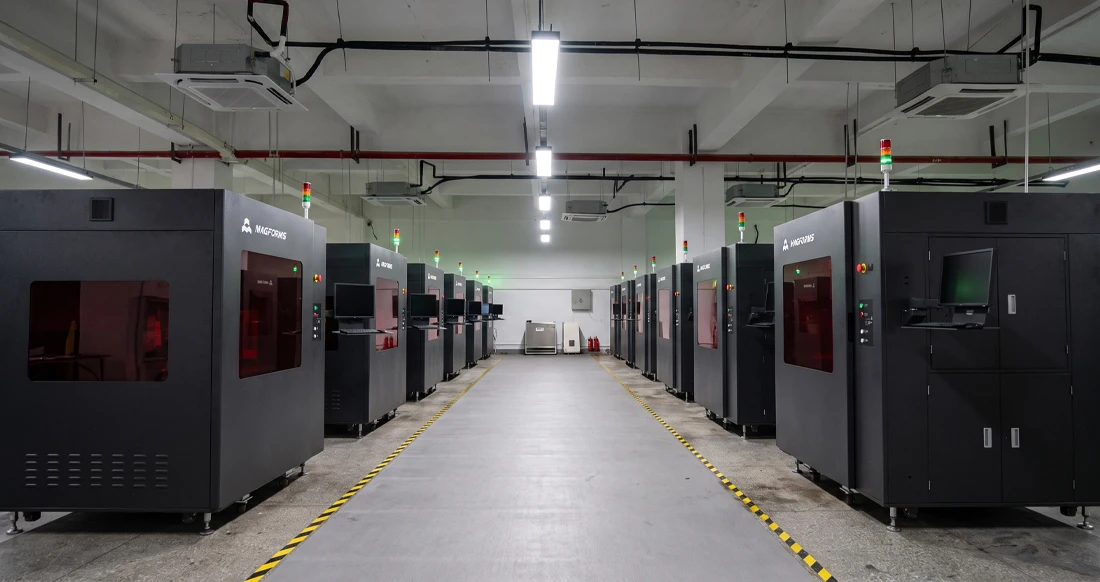
Magforms makes design and manufacture easier.
Popular Blogs
-
 Industry InsightsManufacturing Industry
FDM vs. SLA Printer: Which Technology Is Right for Your Project?
-
 Industry InsightsManufacturing Industry
Top 5 Applications of Industrial 3D Printers in Manufacturing Today
-
 Industry InsightsManufacturing Industry
Why Stereolithography 3D Printers Are Unmatched for Microfluidic Device Prototyping?