Why Are Manufacturers Choosing the P7 Pro Stereolithography 3D Printer?
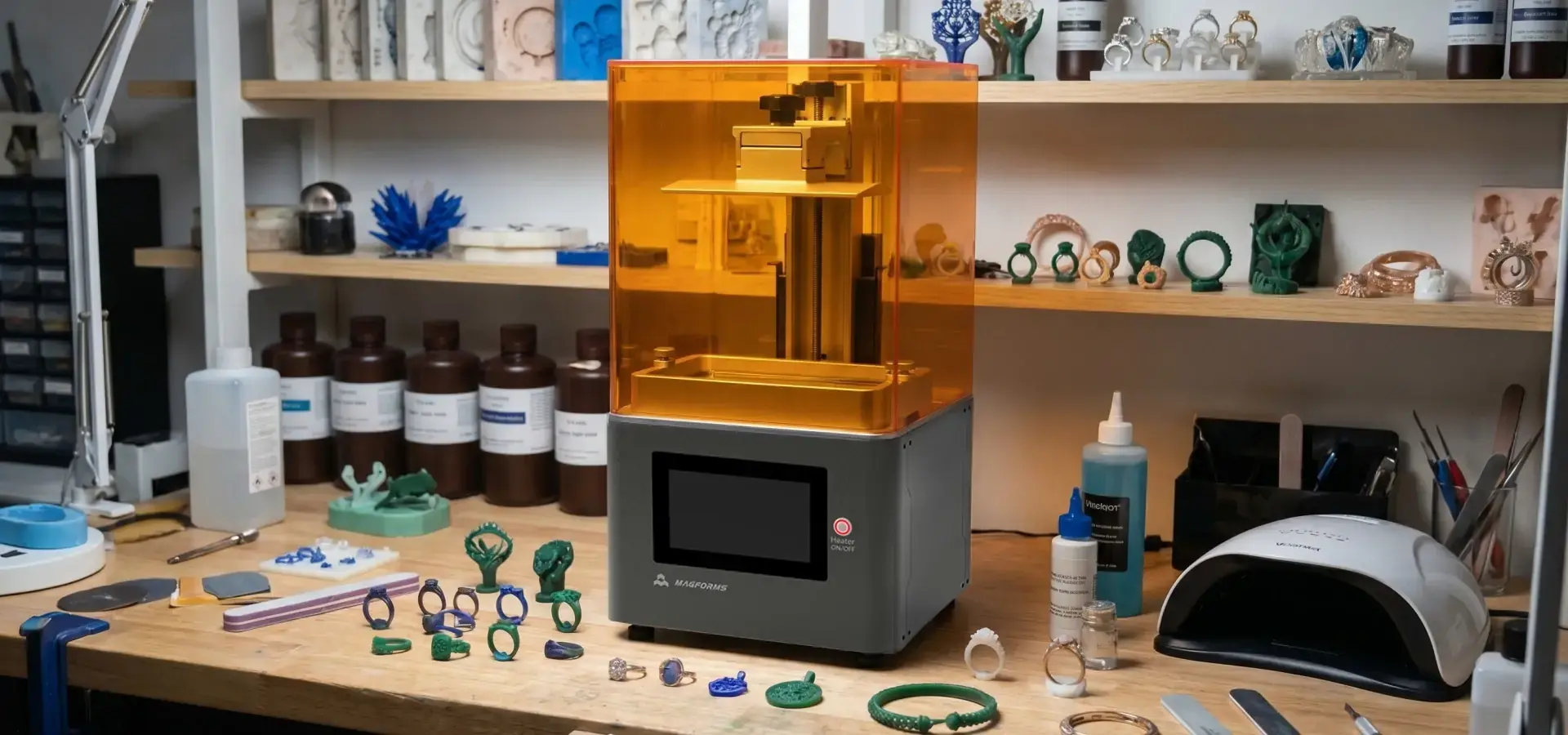
Manufacturers in a wide range of industries choose the P7 Pro because it combines high precision, dependability, and low cost into a single, small system. This desktop stereolithography 3D printer leverages advanced grayscale compensation technology to reproduce exceptionally fine details beyond the limitations of its native LCD pixel size. It can compete with traditional DLP systems and keep up its amazing print success rates even in tough conditions. The P7 Pro fixes important problems that makers have, like uneven quality, wasteful materials, and production delays. It does this by maintaining dimensional deviations within ±0.02 mm under optimized printing conditions and having a clever heating system that keeps production processes stable. This machine is great for making jewellery, dental tools, consumer electronics prototypes, and developing precise parts because it combines advanced engineering with easy operation.
Understanding Stereolithography Technology and Its Manufacturing Impact
Stereolithography is one of the most established additive manufacturing technologies. It uses ultraviolet light to selectively cure liquid photopolymer resin layer by layer to produce highly detailed three-dimensional components. This makes it possible to build very accurate three-dimensional things from computer models. Unlike fused deposition modelling (FDM), which extrudes thermoplastic filament through a heated nozzle, resin-based vat photopolymerization technologies typically provide smoother surface finishes and higher dimensional accuracy.
How Photopolymerization Creates Precision Parts
Through controlled exposure to UV light, the photopolymerization process turns liquid resin into solid polymer. Each cured layer chemically bonds with the previous layer, producing parts with more uniform mechanical properties compared with many filament-based processes, although some degree of anisotropy remains. This results in relatively consistent strength characteristics across different build orientations when properly processed. This chemical bonding mechanism can significantly reduce the risk of interlayer separation commonly associated with some filament-based processes.
Industrial Applications Across Multiple Sectors
Resin-based printing is great for industries that need to make samples with a lot of detail and do small batches of production. Automakers use it to make custom prototypes of inner parts, which cuts the time it takes to build new products from weeks to days. Before spending a lot of money on expensive tools, aerospace businesses test complex attachment designs. Medical gadget makers make surgery guides and anatomy models that are specific to each patient. Consumer electronics companies are quickly improving the cases and insides of smart tech. Time-to-market is sped up, and development costs are cut by this technology, which connects digital design to real proof.
Key Advantages of the P7 Pro Stereolithography 3D Printer
The P7 Pro distinguishes itself through engineering choices that directly address manufacturing workflow challenges. Having evaluated numerous systems across different production environments, we've observed how specific technical features translate into measurable business outcomes.
Exceptional Resolution Through Grayscale Optimization
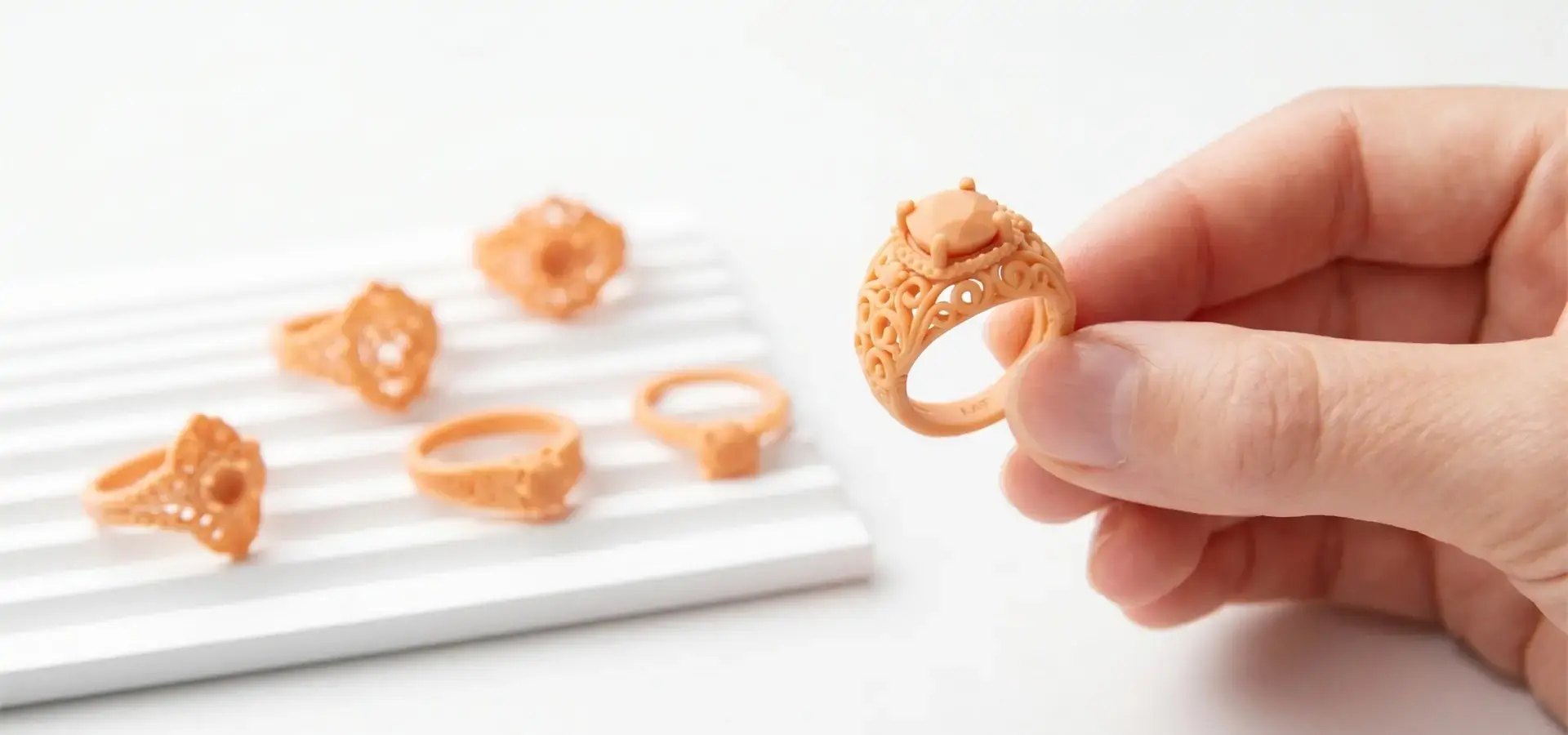
The P7 Pro incorporates ImaDiffer grayscale compensation technology, enabling highly detailed surface features and fine text rendering. Equipped with a 6.8-inch 9K monochrome LCD panel featuring an 8520 × 4320 resolution and 18 × 18 µm pixel size, the system is capable of reproducing fine textures, thread patterns, micro-engraving details, and intricate surface features required for precision applications. This level of detail is particularly valuable for jewellery manufacturers producing intricate casting patterns and for dental laboratories requiring anatomically accurate models. Beyond display resolution specifications, a uniform UV light source helps ensure consistent resin curing across the entire build platform. This stability keeps the accuracy of the dimensions within 0.02 mm throughout production runs, getting rid of the problem of measurement shift that comes with cheaper equipment. This steadiness means that results can be predicted when making groups of precision fittings or medical parts without having to constantly re-calibrate.
Environmental Stability for Consistent Production
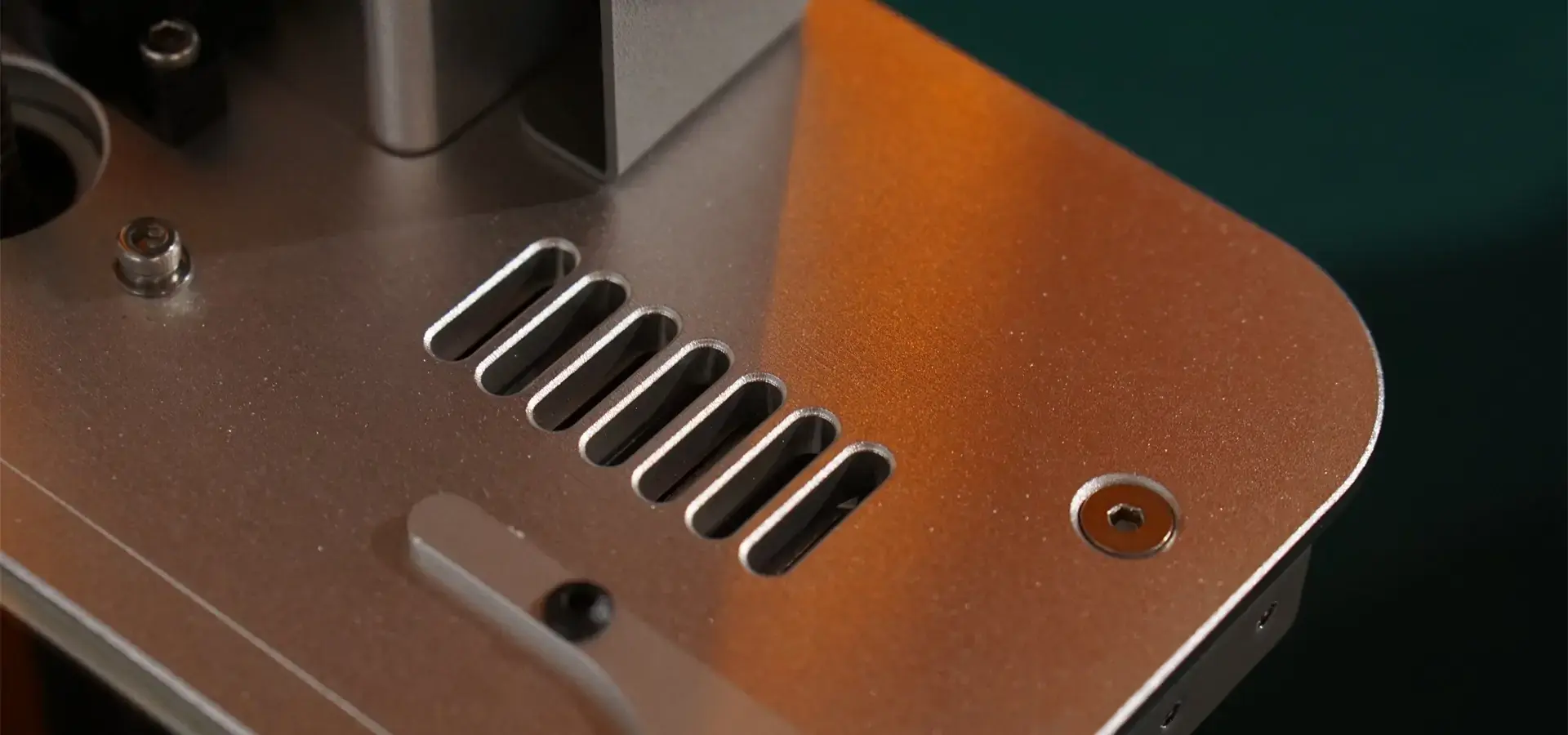
It's rare for manufacturing settings to be perfect. The P7 Pro's smart heating system in this stereolithography 3D printer maintains the resin chamber at approximately 30°C under typical operating conditions, reducing the influence of ambient temperature fluctuations. This solves a major problem for places that don't have climate control. When it's cold outside, the thickness of the resin often changes, which can cause layers not to cure fully and prints to fail. This system helps reduce print failures associated with resin viscosity changes, including incomplete curing, warping, and poor layer adhesion. This helps improve printing consistency and reduce failure rates associated with temperature fluctuations. This freedom from environmental impact is especially helpful for small and medium-sized businesses that work in sheds or places that have been changed. Temperature changes that happen with the seasons don't affect production plans, so supply promises are always kept.
Operational Intelligence and User Interface Design
The 5-inch tablet display with a customized user interface (UI) lets you change printing parameters in real time. Operators can change exposure times, lift speeds, and other settings without having to stop jobs. This lets them quickly adapt to different resin formulas or shape needs. Because of this, less material is wasted on bad test prints, and it takes less time to get used to new materials. The UV-resistant glass flip-up cover lets you see everything clearly while reducing the risk of unintended resin exposure to ambient UV light. A common cause of wasted materials and failed prints in open-top systems is fixed by this feature, which seems simple at first glance.
Robust Mechanical Foundation
When you combine the full-metal frame with industrial-grade precision linear guide rails, you get structural strength that keeps the Z-axis accurate for thousands of printing hours. Lower-cost motion systems may experience mechanical wear over extended use, potentially affecting long-term positioning accuracy. The P7 Pro's industrial-grade motion components don't break down like this, so they keep their original accuracy levels throughout their useful lives. Layer thicknesses that can be changed from 25 to 150 µm let workers find the right mix between speed and detail needs. Thicker layers make it easier to make rough versions quickly, while finer layers give final approval models the most detail.
Why the P7 Pro Stands Out Among Competitors in the Market
Procurement decisions require objective comparison across available options. The following comparison highlights how the P7 Pro is positioned relative to common desktop resin printing alternatives.
Performance Metrics Compared to Market Alternatives
Desktop resin systems from companies such as Formlabs have great surface quality, but they cost a lot more and typically achieve feature resolution and dimensional accuracy suitable for professional prototyping. With grayscale compensation technology and an 18 µm native pixel size LCD system, the P7 Pro can reproduce fine details comparable to those achieved by many professional DLP systems. For jewellery casting, this level of detail supports direct production of castable patterns for investment casting workflows, reducing intermediate production steps, which speeds up the production process. The 153.36 × 77.76 × 160 mm build space can hold several small parts or one medium-sized part. Larger industrial systems have bigger build areas, but they need a lot more floor room and a bigger starting investment, which is something that small to medium-sized producers often can't afford for testing or low-volume production.
Material Compatibility and Operational Flexibility
A lot of private systems force users to use expensive brand-name resins, which makes the cost of each part much higher. The P7 Pro is compatible with a wide range of 405 nm photopolymer resins, including engineering, castable, flexible, high-temperature, and transparent materials. Because the material is flexible, makers can choose the best recipe based on application needs instead of seller limits. This may reduce material costs compared with closed-material ecosystems, depending on resin selection and regional pricing.
Service Support and Total Cost of Ownership
Reliability of equipment for this stereolithography 3D printer doesn't mean much without quick expert help. Magforms backs up the P7 Pro with a full service system that includes online diagnosis, the ability to get new parts, and technical training tools. The FEP film and LCD screen, which are consumable parts that need to be replaced every so often, are easy to find and priced competitively, which keeps upkeep costs from going up without warning. Procurement managers need to look at more than just the buy price when they figure out the return on investment. A slightly more expensive system with better assistance and lower costs for consumables may provide a lower total cost of ownership over the equipment lifecycle.
Procurement Considerations for Manufacturing Clients
Making informed equipment investments requires understanding both technical specifications and business implications. Several factors deserve careful evaluation during the procurement process.
Understanding Pricing Structure and Availability
The P7 Pro that is sold by authorized dealers has clear prices that don't include any secret license fees or service contracts that you have to sign. Regional access across North America makes sure that shipping times are fair and that guarantee claims are easier to make than with sellers who only work abroad. Sometimes, refurbished units are on sale for less money, which makes high-precision additive manufacturing accessible to companies on a budget.
Warranty Terms and After-Sales Service
Standard guarantee coverage guards against problems with the way the product was made, and extra extended service plans give mission-critical work situations even more peace of mind. Parts replacement policies spell out wait times for parts that are used up quickly. This lets production managers keep enough extra parts on hand without tying up too much capital in backup parts.
Essential Accessories and Workflow Integration
More money needs to be spent on post-processing tools like wash stations and UV drying rooms. Post-processing can be done cheaply with third-party cleaning solutions that use isopropyl alcohol or other solvents, but specialized systems make the workplace safer and increase output.
Software compatibility should be checked when the software is being evaluated. The P7 Pro works with popular CAD and slicing tools because it can read standard STL and OBJ file types. This makes work move more smoothly because it gets rid of the problems that come up with using special file types.
Maintenance Requirements and Longevity
As part of regular upkeep, the resin pot is cleaned, the FEP film is checked, and the LCD screen is evaluated. Laser-based SLA systems may require more specialized optical maintenance procedures than LCD-based resin printers. This ease of repair lowers running costs and increases the life of the equipment. Depending on the layer thickness and exposure settings, monochrome LCD screens typically provide several thousand hours of operational life, depending on exposure settings, resin type, and usage patterns. This is long enough to see tens of thousands of small parts or hundreds of bigger ones.
Building Trust Through Verified Performance and Customer Feedback
Investment confidence comes from demonstrated results rather than marketing claims. Real-world implementation experiences across various industries validate the P7 Pro's capabilities.
Documented Case Studies from Diverse Industries
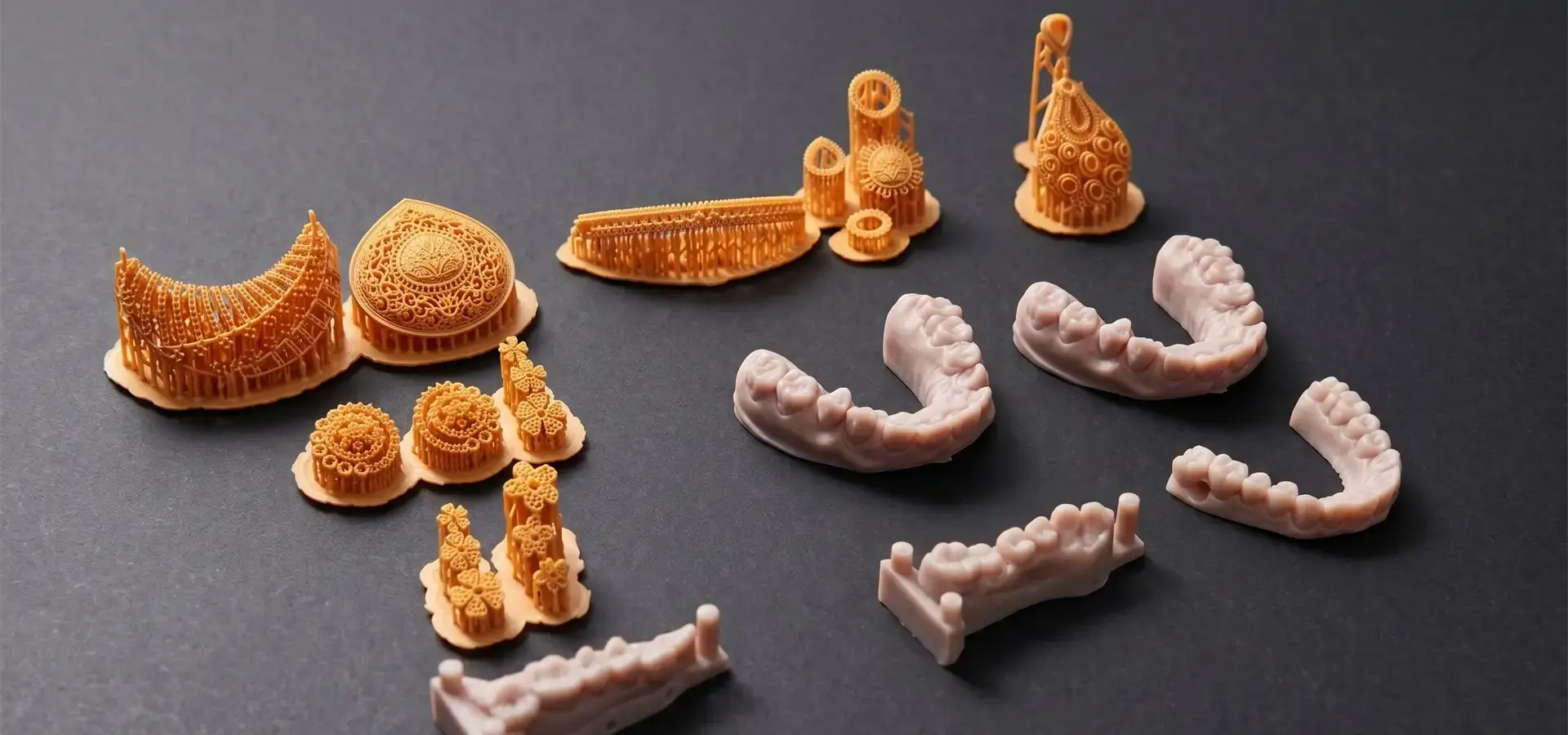
When a custom jewellery company in California started using the P7 Pro stereolithography 3D printer to make casting patterns, the time it took to go from pilot to production. The company used to hire someone else to make patterns, and they had to wait days for them to arrive. In-house production can now finish complicated ring patterns in just a few hours, so clients can see models the same day they are consulted. Biocompatible plastics are used by a dental lab in Texas to make orthodontic models and surgery guides. The lab says that 94% of prints are successful with different types of plastic, and that the clever heating system keeps things consistent even though the temperature in their building changes a lot from season to season. The R&D department of a car supplier uses the P7 Pro to make examples of connectors and samples of internal trim. The engineering staff really likes that they can change parameters in real time, which lets them find the best exposure settings for different engineering resins without having to start jobs over.
Addressing Common Operational Concerns
New users often worry about resin handling safety. Proper ventilation, nitrile gloves, and basic chemical handling protocols effectively mitigate exposure risks. The UV-resistant cover prevents accidental skin exposure during operation, while clearly labelled resin bottles communicate hazard information. Print failure troubleshooting typically involves exposure time adjustment, platform levelling verification, or FEP film inspection. Magforms provides detailed troubleshooting guides and responsive technical support via email and phone, resolving most issues within 24 hours. Long-term performance maintenance focuses on consumable replacement timing. Monitoring print quality indicators like detail sharpness and dimensional accuracy signals when FEP film or LCD screens approach end-of-life, allowing proactive replacement before failures occur.
Conclusion
The P7 Pro stereolithography 3D printer addresses critical manufacturing needs through engineering decisions focused on precision, reliability, and operational flexibility. Its grayscale-optimized LCD imaging system enables exceptionally fine feature reproduction and high-detail surface quality. Environmental stability via intelligent heating ensures consistent production regardless of facility conditions. Material compatibility with diverse third-party resins reduces operational costs while expanding application possibilities. For manufacturers evaluating additive manufacturing equipment—whether jewelry casting operations, dental laboratories, product development teams, or precision component producers—the P7 Pro offers compelling value. Its combination of desktop convenience and industrial-grade performance positions it as a practical solution for businesses requiring high-fidelity prototyping and small-batch production without enterprise-scale capital investment.
FAQ
What post-processing steps are required after printing?
Parts printed on resin systems require two-stage post-processing. Washing removes uncured resin using isopropyl alcohol or alternative solvents—typically 5-10 minutes of agitated immersion. Following washing, UV post-curing stabilizes mechanical properties and maximizes strength. Curing duration varies by resin formulation, generally ranging from 15-60 minutes under 405nm UV light. These steps transform parts from their green state into fully cured components ready for functional use or further finishing.
Can the P7 Pro use resins from different manufacturers?
The P7 Pro supports third-party engineering resins designed for 405nm LCD systems. This open-material approach allows selection based on application requirements rather than vendor restrictions. Users should verify resin specifications match the printer's wavelength and conduct test prints when switching formulations to optimize exposure parameters. Material flexibility significantly reduces per-part costs compared to proprietary systems while expanding capability across different mechanical properties.
How does resolution compare between SLA, DLP, and LCD technologies?
Traditional laser SLA systems trace each layer point-by-point, offering excellent surface smoothness on curved geometries. DLP projects entire layers simultaneously using digital micromirror arrays, providing faster print speeds but with voxelization artifacts on certain angles. LCD-based systems such as the P7 Pro combine layer-at-once exposure with high pixel density. Advanced grayscale compensation technology can improve edge fidelity and feature reproduction beyond the native pixel size, helping achieve detail quality comparable to many professional DLP systems at a lower equipment cost. For jewelry casting and precision prototyping, these resolution differences directly impact pattern quality and post-processing requirements.
Partner with Magforms for Your Precision Manufacturing Needs
Magforms combines decades of additive manufacturing expertise with comprehensive technical support to help manufacturers implement successful 3D printing workflows. As both a stereolithography 3D printer supplier and materials developer, we offer integrated solutions where hardware and resins are optimized together, eliminating compatibility issues that plague mixed-vendor approaches. Our engineering team provides application consulting, helping you select appropriate materials and process parameters for your specific requirements. Contact us at info@magforms.com to discuss how the P7 Pro can address your prototyping or production challenges. We'll arrange sample part evaluation so you can verify performance with your actual geometries before making investment decisions.
References
1. Gibson, I., Rosen, D., Stucker, B., & Khorasani, M. (2021). Additive Manufacturing Technologies (3rd ed.). Springer International Publishing.
2. Jacobs, P. F. (1992). Rapid Prototyping & Manufacturing: Fundamentals of Stereolithography. Society of Manufacturing Engineers.
3. Ligon, S. C., Liska, R., Stampfl, J., Gurr, M., & Mülhaupt, R. (2017). Polymers for 3D Printing and Customized Additive Manufacturing. Chemical Reviews, 117(15), 10212-10290.
4. Stansbury, J. W., & Idacavage, M. J. (2016). 3D Printing with Polymers: Challenges among Expanding Options and Opportunities. Dental Materials, 32(1), 54-64.
5. Quan, H., Zhang, T., Xu, H., Luo, S., Nie, J., & Zhu, X. (2020). Photo-Curing 3D Printing Technique and Its Challenges. Bioactive Materials, 5(1), 110-115.
6. Melchels, F. P., Feijen, J., & Grijpma, D. W. (2010). A Review on Stereolithography and Its Applications in Biomedical Engineering. Biomaterials, 31(24), 6121-6130.

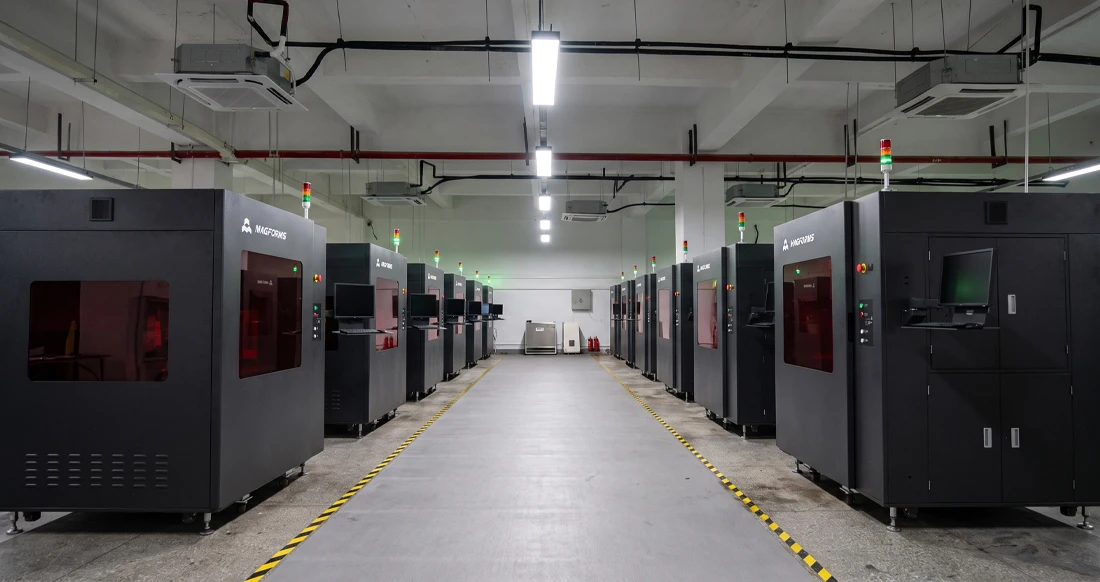
Magforms makes design and manufacture easier.
Popular Blogs
-
 Industry InsightsManufacturing Industry
FDM vs. SLA Printer: Which Technology Is Right for Your Project?
-
 Industry InsightsManufacturing Industry
Top 5 Applications of Industrial 3D Printers in Manufacturing Today
-
 Industry InsightsManufacturing Industry
Why Stereolithography 3D Printers Are Unmatched for Microfluidic Device Prototyping?