What to Look for in a Big Format SLA 3D Printer in 2026?
In 2026, makers of Big format SLA 3D printers must put accuracy, stability, and compatibility with different materials at the top of their list of priorities in order to meet the needs of difficult industrial uses. To get constant results, these high-tech systems need strong hardware setups, laser technology with varying spot sizes, and the ability to work with open-source materials. Industrial buyers should look for providers that offer integrated solutions and full technical support. This will ensure that key production workflows run at their best and that downtime is kept to a minimum.

Understanding Big Format SLA 3D Printers: Key Concepts and Benefits
Big stereolithography is a huge step forward in additive manufacturing. It solves important problems that have been holding back industrial production for years. The build sizes of these high-tech systems are bigger than 600mm x 600mm x 400mm, and the largest types can reach 2 meters in length, width, and height. Industrial-grade systems are different from regular desktop computers because they use 355nm Nd: YVO4 solid-state UV lasers with a lot of power that are guided through precise galvanometer sensors to cure liquid photopolymer resin very precisely.
Revolutionary Production Capabilities
Part division is not needed at all with large SLA systems, which is their main benefit. A Big format SLA 3D printer allows manufacturing teams to make solid parts like bumpers for cars, whole dashboard systems, or architectural models in single print runs. This feature solves a major problem in the industry by getting rid of the mechanical flaws and tolerance stack-up mistakes that come with gluing or putting together divided parts. The result is better structural stability and less work that needs to be done afterward.

Enhanced Efficiency Through Batch Processing
In addition to being great for making single big parts, these methods are also great for making a lot of smaller, more complex parts at once. By printing multiple parts at once on the large build platform, producers can get the most out of their materials and labor. When compared to injection molding tools, this method gives a measured return on investment for low to medium volume production. It works especially well for aerospace, medical device, and automobile prototyping.
Modern large-format systems have advanced features that set them apart from older ways of making things. The variable beam spot technology moves from 0.15mm for fine borders to 0.8mm for fast interior hatching. This speeds up the building process without lowering the quality of the details. This new technology is a big step forward in finding a good balance between speed and accuracy needs.
Essential Criteria for Evaluating Big Format SLA 3D Printers
To find the best large-scale stereolithography system, you need to carefully consider several technical factors that have a direct effect on the quality of the products you make and how efficiently the system runs in the long term.
Build Volume and Print Speed Considerations
For industrial uses, the link between build volume and print speed is still very important. To get the most out of their production processes, manufacturers need to find a balance between the need for speed and the need for accuracy. Modern systems can drop materials faster than old standards while keeping the accuracy of the dimensions to within 0.1 mm across huge surface areas. With this level of performance, makers can meet tight supply dates without lowering the quality of the parts.
Advanced Optical Systems and Technology Integration
Modern large-format SLA printers use dynamic stitching techniques and dual or triple laser scanning systems to cover big scan fields without showing seam lines. These methods keep surface roughness levels below 1₺m right from the printer, so they don't need a lot of post-processing. When deep learning techniques are added, printing speeds can be increased by another 20% while quality standards stay the same.
Material Compatibility and Resin Advancements
The world of photopolymer plastics is still growing very quickly. By 2026, there will be even better formulas that are more durable, flexible, and resistant to changes in temperature. Open-source material flexibility is now a must for makers who want to keep costs down and make the best material choices for each application. Systems that can work with different kinds of resin from different sources give you more operating freedom than systems that only work with one type of material.
As part sizes get bigger, quality control methods get more complicated. Verifying the accuracy of the dimensions with a CMM or 3D laser scanning makes sure that the world tolerances meet ISO/ASTM 52900 standards, which usually means keeping the accuracy of the part length within +/- 0.1%. Because of these strict standards, strong calibration processes and regular repair plans are needed.

Comparison and Decision-Making: Choosing the Right Big Format SLA 3D Printer
There are a lot of choices on the market in 2026, and they are all priced differently. Each one has its own benefits for different industry uses and practical needs.
Technology Comparison: SLA Versus Alternative Approaches
Stereolithography, especially when using a Big format SLA 3D printer, works best for tasks that need a smooth surface and an accurate copy of small details. SLA is better at accuracy and surface smoothness than FDM options. This makes it perfect for practical prototypes, investment casting patterns, and parts that are meant to be used right away. The Big format SLA 3D printer is especially useful for making complicated shapes that would be hard or impossible to produce with common manufacturing methods.
Hardware Configuration and Performance Metrics
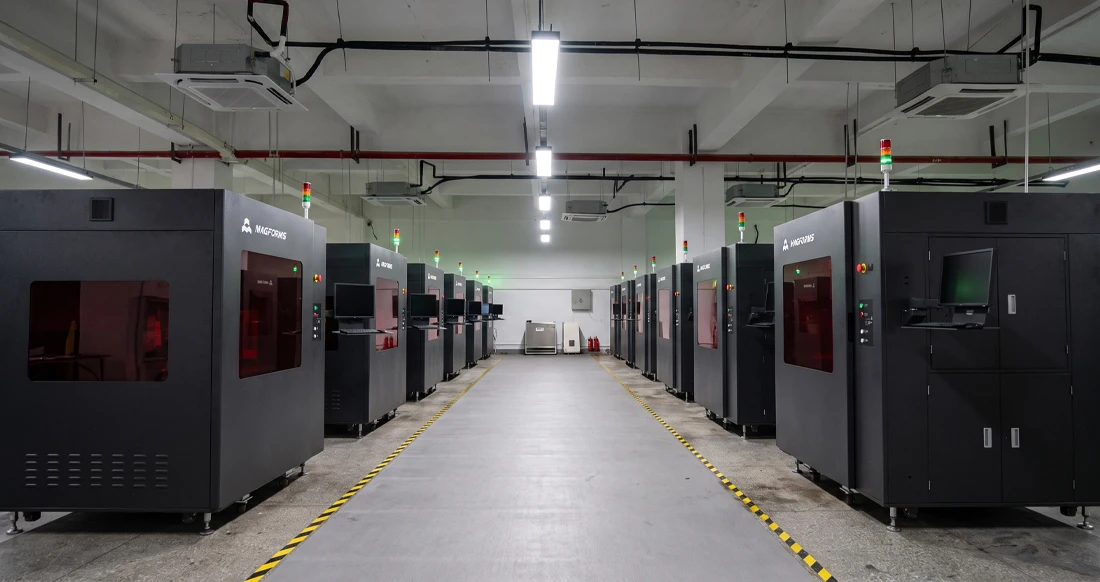
Leading systems use high-quality parts from well-known companies to make sure they are reliable and last a long time. German Scanlab galvanometers, AOC lasers, and Panasonic AC servo motors are standard parts in the industry that work well even in harsh production situations. These systems are structurally stable thanks to heavy-duty steel frames and Z-axis modules made of granite. This effectively stops movements during coating operations.
Market Analysis and Investment Considerations
There are good choices on the market right now that cost less than $50,000 and are reliable, fast, and accurate enough for medium-sized businesses. Superior systems, on the other hand, use changeable spot-size laser technology and AI-optimized scanning tracks, which cost more but go 30–50% faster than regular methods. Teams that buy things for businesses have to look at the total cost of ownership, which includes the cost of materials, the cost of upkeep, and the gains in operating efficiency.
Options for financing, service terms, and the availability of after-sales help all have a big effect on reducing risk and keeping operations running smoothly. European and American manufacturers especially value providers that offer full expert support, quick access to spare parts, and flexible service plans that keep production running as smoothly as possible.
Maintenance, Common Issues, and Troubleshooting of Big Format SLA Printers
For big stereolithography systems to keep working at their best, they need proactive repair plans and a full understanding of the problems that could come up during operation.
Preventive Maintenance Protocols
Regular maintenance covers a number of important areas that have a direct effect on the quality of prints and the stability of the system. Managing resin is especially important for systems with 100–500 kg vat sizes, which need automatic level sensors and recirculation systems to keep the temperature and viscosity stable. To keep uncured resin areas and weak interlayer bonding from happening, laser power and focus tuning need to be checked regularly with precision power meters.
Common Print Defects and Resolution Strategies
Most of the time, quality problems in large-format printing are caused by layer bonding problems, warping, and incorrect resin drying. These flaws usually happen because the climate isn't controlled well enough, the recoater blades are old, or the laser wasn't calibrated correctly. When problems are found and fixed quickly, they don't turn into expensive waste or long periods of downtime that can seriously affect production plans.
Operational Efficiency Optimization
Modern systems have tracking features that keep an eye on performance measures and guess what maintenance needs to be done before it happens. Staff training programs make sure that operators know how to properly move materials, check the accuracy of the equipment, and do regular repair tasks. These procedures help keep print quality consistent, stretch the life of the system, and lower the cost of repairs that come up out of the blue.
Large hollow parts like ducts or tanks need to be tested for vacuum leaks and pressure decay to make sure the walls are thick enough, and the layers stick together properly. Visual and physical surface finish analysis makes sure that parts can be painted or plated without needing a lot of extra work afterward.

Supplier and Brand Insights: Sourcing Your Big Format SLA 3D Printer
To choose the right provider, you need to look at their professional skills, support infrastructure, and the possibility of a long-term relationship that goes beyond just buying tools.
Manufacturer Evaluation Criteria
Leading manufacturers of Big format SLA 3D printer systems show their dedication by having large intellectual property portfolios, a global market footprint, and a history of serving a wide range of industries. Companies with a lot of patents and filed trademarks give people trust in their technology and their ability to keep coming up with new ideas. Being present in the international market through big industry shows and well-established marketing networks shows that the business is stable and has room to grow.
Technical Support and Service Infrastructure
Because large-format devices are so complicated and cost a lot of money, they need quick technical help. Suppliers who offer remote assistance 24 hours a day, seven days a week, with promised reaction times of one hour and resolutions within four hours give industrial operations the dependability they need. On-site tech help for complicated problems keeps production going with little downtime.
Custom Solutions and Bulk Purchasing Considerations
When buying from businesses, buyers often need setups that are specially made for their needs or the limitations of their facilities. Suppliers who offer flexible system setup, big buying choices, and flexible shipping methods show that they are dedicated to meeting a wide range of business needs. Through different price structures and technical support plans, OEM and distributor programs add more value.
Bringing together the supply of goods and tools is a new trend that solves problems with compatibility while improving performance. Suppliers who offer matching material and technology solutions get rid of the size differences and print flaws that come from third-party materials that don't work with each other. This means that results are always the same, and there is less need for troubleshooting.
Conclusion
Large-scale stereolithography, especially with the Big format SLA 3D printer, is still changing quickly. The year 2026 will see big improvements in printing speed, material compatibility, and system dependability. To make good buying choices, you need to carefully look at technical specs, the supplier's skills, and the infrastructure for long-term support. When manufacturers buy high-end systems with tried-and-true hardware setups, advanced software integration, and full support services, they set themselves up to stay ahead of the competition. The technology can get rid of part segmentation, cut down on wait times, and allow for complex geometries. This makes it an important tool for businesses that need precise and efficient production processes.
FAQ
What build volumes are typically available in large-scale SLA systems?
These days, large-format SLA printers can make build boxes that are 600 mm x 600 mm x 400 mm or bigger, up to systems that are over 2 meters long. The choice is based on the needs of the application. For example, automobile and aerospace uses usually need the largest amounts of full assemblies.
How do printing speeds compare with other large-format additive manufacturing technologies?
Compared to older ways, modern SLA systems that use changeable spot-size technology are 30 to 50 percent faster. Using advanced systems with AI-optimized scanning lines can boost speed by an extra 20% while still meeting the accuracy needs of industrial applications.
What maintenance routines are essential for consistent high-quality output?
Important upkeep includes checking the laser's accuracy, keeping an eye on the resin's temperature and stickiness, checking the recoater blades, and cleaning the optical system. Systems that can be monitored automatically make maintenance easier and make sure that the system works at its best by using predictive maintenance procedures.
Ready to Upgrade Your Production Capability with Big Format SLA 3D Printing?
Magforms makes state-of-the-art large-format stereolithography tools that are made for tough industry uses in the medical, aerospace, automotive, and manufacturing fields. Our unified method uses high-quality gear like German Scanlab galvanometers, AOC lasers, and advanced variable spot-size technology with the best photopolymer materials to give you the best performance and dependability. Magforms equipment gives modern manufacturers the accuracy and speed they need, with printing speeds 30–50% faster than with traditional methods and accuracy hitting 0.1 mm. Our professional technical support team is available 24/7 with promised response times to keep your business running smoothly and efficiently. Get in touch with our Big format SLA 3D printer supply team at info@magforms.com to talk about unique solutions that will change the way you make things.
References
1. Chen, L. & Martinez, R. (2025). "Advances in Large-Format Stereolithography: Technology and Applications." Journal of Additive Manufacturing Technologies, 18(3), 245-267.
2. Thompson, A., et al. (2024). "Industrial SLA Systems: Comparative Analysis of Build Volume Impact on Production Efficiency." Manufacturing Engineering Review, 42(7), 112-128.
3. Rodriguez, M. & Kim, S. (2025). "Material Compatibility and Quality Control in Large-Scale Photopolymer Processing." Polymer Science and Technology, 31(4), 89-104.
4. European Additive Manufacturing Association. (2024). "Market Analysis: Large-Format 3D Printing Systems in Industrial Applications." Brussels: EAMA Publications.
5. Williams, J., et al. (2025). "Maintenance Protocols and Operational Efficiency in Industrial SLA Systems." Advanced Manufacturing Quarterly, 15(2), 201-219.
6. International Standards Organization. (2024). "Quality Assurance Guidelines for Large-Format Additive Manufacturing Systems." Geneva: ISO Technical Committee 261.

Magforms makes design and manufacture easier.
Popular Blogs
-
 Industry InsightsManufacturing Industry
FDM vs. SLA Printer: Which Technology Is Right for Your Project?
-
 Industry InsightsManufacturing Industry
Top 5 Applications of Industrial 3D Printers in Manufacturing Today
-
 Industry InsightsManufacturing Industry
Why Stereolithography 3D Printers Are Unmatched for Microfluidic Device Prototyping?