Which 3D Printing Machine Works Best for Educational Projects?
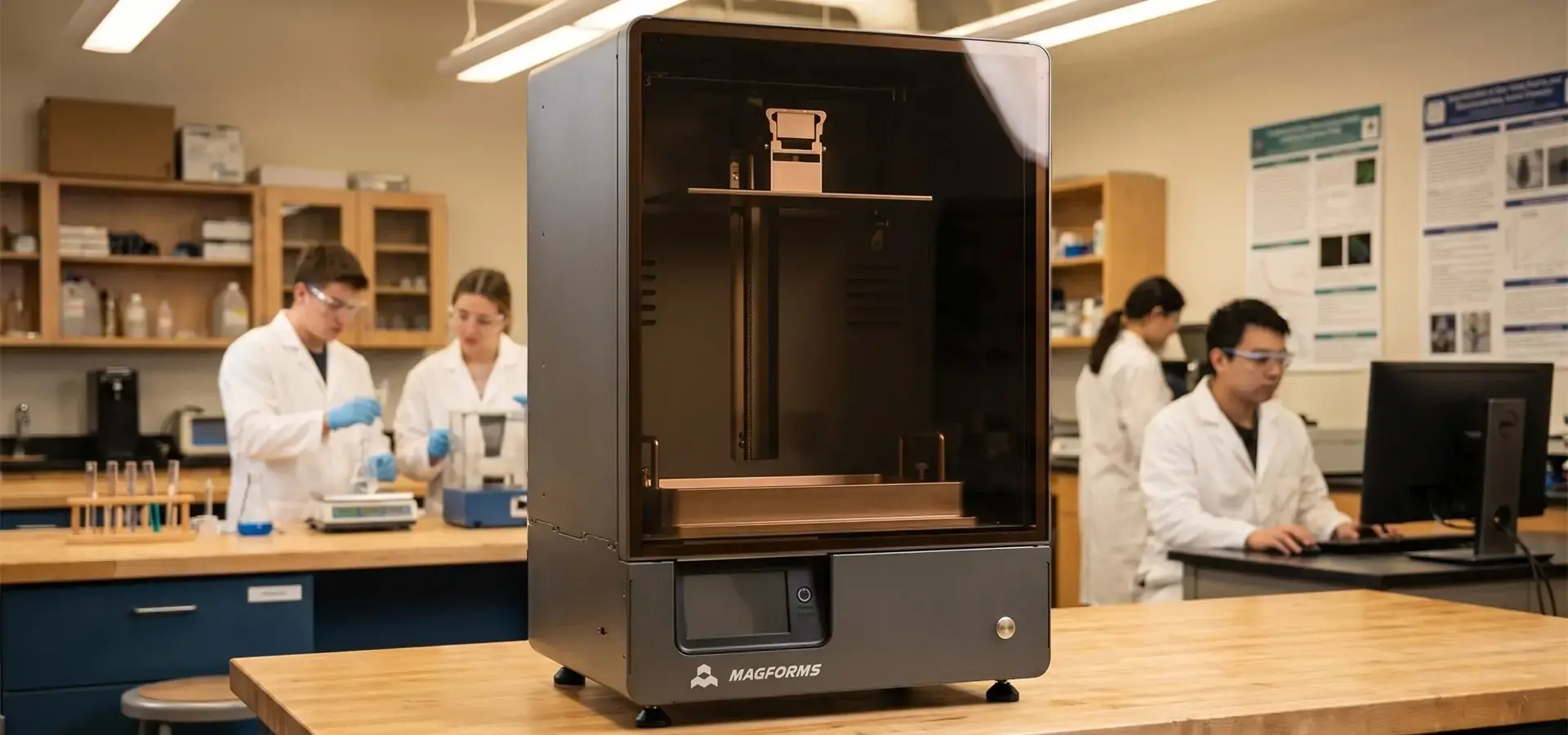
Selecting the right 3D printing machine for educational projects depends on balancing precision, ease of use, and budget constraints. Resin-based LCD 3D printing machines excel in producing detailed prototypes and engineering models, making them ideal for technical programs and vocational training. These systems can achieve layer resolutions in the tens-of-microns range with smooth surface finishes suitable for engineering and design education. Desktop FDM printers remain suitable for introductory courses, yet institutions pursuing advanced manufacturing education benefit significantly from industrial-grade solutions offering material versatility, large build volumes, and stable performance across extended classroom usage.
Understanding 3D Printing Machines for Education
To choose the right additive manufacturing tools, you need to know the differences between core technologies and how each one fits with your educational goals. Two main methods meet different needs in the classroom.
Filament-Based FDM Technology
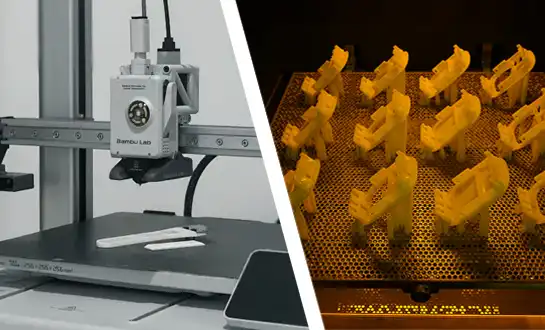
Fused Deposition Modeling devices produce thermoplastic materials one layer at a time. They are easy to use and would be good for beginning classes. Most of the time, these tabletop units can work with PLA and PETG materials and can produce detailed models and samples for ideas. FDM technology is good for teaching basic manufacturing concepts because it uses open material systems and a printing process that can be seen. However, entry-level desktop FDM systems may be limited for advanced technical programs requiring very fine surface detail, tight tolerances, or specialized engineering materials.
Resin-Based LCD and DLP Systems
Photopolymerization is used in DLP and LCD 3D printing technologies to cure liquid photopolymer resin with controlled UV light exposure. This enables finer XY resolution and smoother surface finishes than typical filament-based FDM systems. For schools in product design, dental technology, and precision engineering, these systems are valued because they can produce parts with near injection-mold-like surface quality and layer heights and XY pixel resolutions commonly below 50 microns, depending on calibration and resin properties. Modern resin 3D printing machines have improved safety by adding sealed build rooms, advanced filter systems, and low-odor formulas. This makes them more suitable for use in educational settings. Because the technology can work with engineering-grade materials like tough, flexible, and high-temperature resins, it can be used in a wide range of classes, from artistic modeling to functional prototyping. Understanding these technological basics helps purchasing teams match the powers of equipment to the institution's goals, making sure that the machines chosen can support both present classes and the growth of the school in the future.

Key Criteria for Choosing a 3D Printing Machine for Educational Projects
Educational organizations need to look at additive manufacturing systems with a variety of lenses to make sure that the systems they buy meet the needs of both teaching and running the school. The following approach helps you make choices across important selection variables.
Print Quality and Technical Specifications
Resolution has a direct effect on what students can make. While 100-micron layer heights may be fine for programs that focus on artistic design, courses in engineering and medical technology programs often require layer heights or XY resolutions below 50 microns for fine features such as threaded parts, snap-fits, and detailed geometries. Different types of projects need different build volumes. For example, building models and big samples need large build platforms, while jewelry design and dental courses put more emphasis on detail than size. By comparing these technical factors to the needs of the program, it is possible to avoid skill gaps that limit the project's scope.
Operational Accessibility and Safety
In a classroom setting, you need tools that are easy to use, so students can do it on their own with little teaching. With touchscreen controls, pre-set material profiles, and automatic adjustments, technical issues are less of a problem, so teachers can focus on teaching design principles instead of fixing hardware problems. Enclosed printing rooms, air filtration systems, and automatic resin handling mechanisms are just a few of the safety features that keep users from being exposed to material and mechanical dangers. When equipment meets these operating standards, it stays available and doesn't need as much control.
Economic Considerations and Total Ownership Costs
The initial buying price is only one part of planning your finances. A complete cost study must take into account how often materials are used, how often they need to be maintained, how easy it is to get new parts, and how easy it is to get expert help. When you use proprietary material systems for a long time, the higher prices add up, but open platforms that accept resins from other companies give you more cost options. Long-term value is also affected by things like warranty support, training included, and software license terms. This is why it's important to compare platforms carefully before allocating university funds to any one. This organized evaluation method lets procurement managers compare options accurately against institutional goals. They can find solutions that give long-term educational value by combining technical powers with practical limitations.
Comparison of Leading 3D Printing Machines in the Educational Market
There are a lot of different choices in the educational additive manufacturing field, from consumer-grade desktop units to systems that can be used in factories. Figuring out placement helps organizations match the right tools to the level of difficulty and size of the program.
Desktop FDM Systems for Introductory Programs
Entry-level filament 3D printing machines from well-known educational providers are easy for schools to use as a way to start teaching basic manufacturing ideas. The build space of these small units is usually around 150x150x150mm, which is big enough for small display parts and student projects. Simplified software interfaces and pre-configured print settings make the technology easier to use, but advanced applications may be limited by the material range and dimensional precision typically available on entry-level desktop FDM systems. These tools are used in makerspaces for grades K–12 and in beginning classes at community colleges, where ease of use is more important than output quality.
Professional Resin Systems for Technical Education
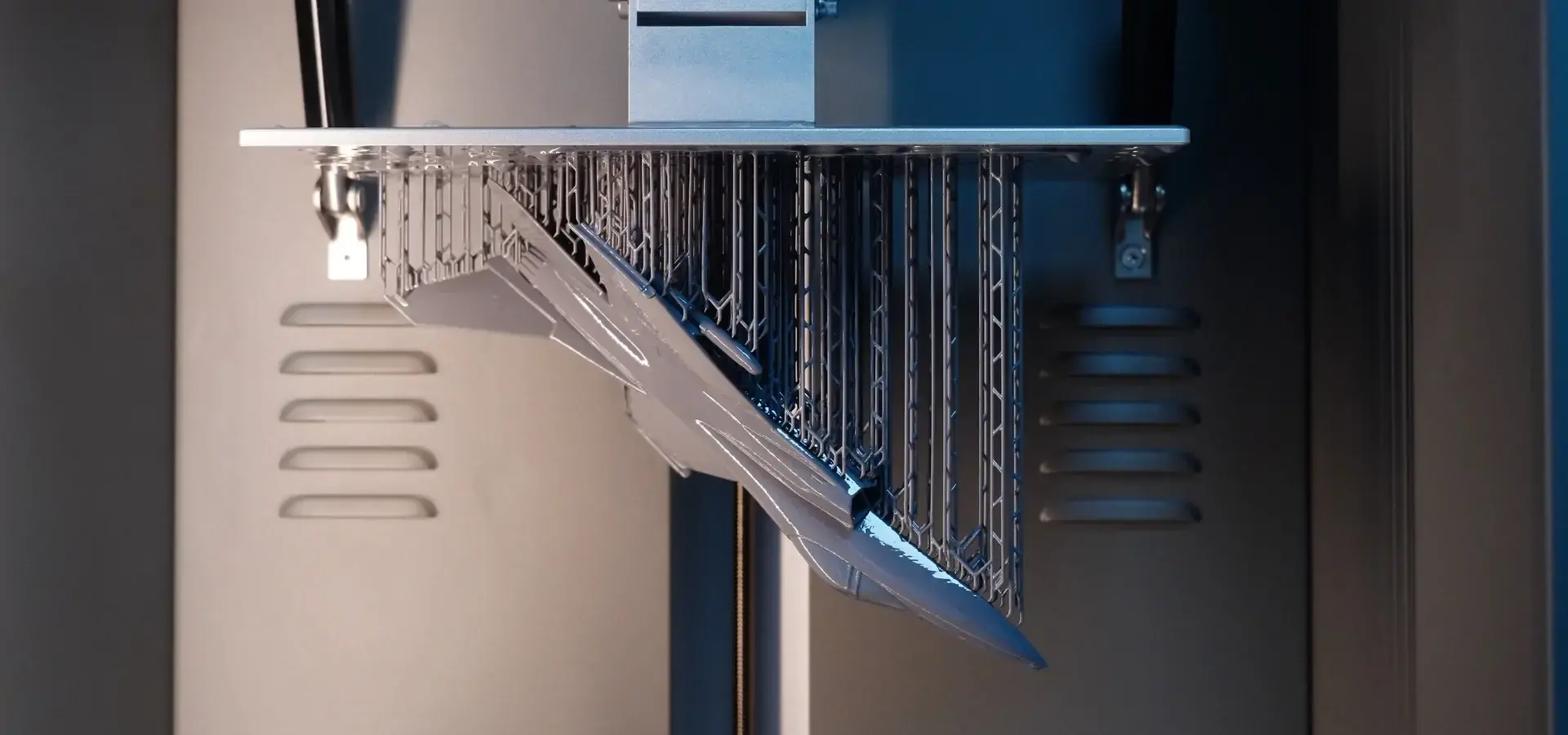
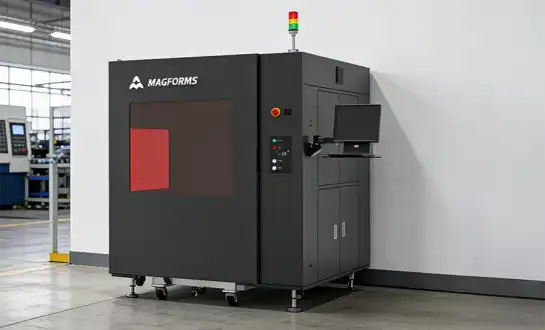
More and more, schools that offer professional training and applied engineering programs are getting industrial-grade LCD resin 3D printing systems that can make results that are good enough for production. Advanced resin systems offer a wide range of materials, from hard industrial resins to soft elastomers, which can be used for a variety of purposes in the classroom, from designing products to making prototypes for healthcare devices. Features that improve dependability, like dual heating systems and automatic material handling, make sure that results are the same over long print runs. This is especially important for programs that make useful parts instead of ornamental models. Magforms' P13 Pro is a good example of this type of device because it has features that are designed to meet the needs of school production. The system's 302.4 × 161.98 × 380 mm build volume can hold several student projects at once. It can print three standard-size shoe molds in a single run, which is great for classes with a lot of students. Many modern educational resin systems now use LCD exposure technology because it combines high resolution, lower hardware complexity, and scalable build sizes suitable for classroom and laboratory environments.
Adjusting parameters directly on the device and printing without an internet connection using built-in files gets rid of the need for a network, making operations easier in classrooms. The dual heating constant-temperature system keeps the temperature even throughout the room, which means that high success rates can be reached even in places that don't have climate control, which is common in educational settings. Students can make samples that are good enough for a portfolio without having to do a lot of post-processing, thanks to the professional-grade surface finish that this 3D printing machine produces. The controlled lighting and exposure management system helps maintain stable curing performance under varying classroom lighting conditions while reducing unintended resin exposure to ambient UV light, which works with the limitations of a classroom. Because of these features, advanced resin systems are good purchases for technical schools, university engineering departments, and trade schools that prepare students for jobs in industry.
Practical Application and Maintenance Tips for Education Use
Putting additive manufacturing programs into action successfully involves more than just choosing the right tools. It also involves making sure that the programs keep working well and have a teaching effect.
Curriculum Integration and Project Design
When 3D printing machine integration is done well, machine skills are matched with learning goals across all subjects. Precision is used in engineering schools to teach tolerance analysis and design-for-manufacturing concepts through working examples that need to be put together and tested. Art departments look into how complex shapes can be used to make forms and sculptures that aren't possible with standard methods. Architecture students build real models of sites to help them think about space and give talks to clients. For prosthodontics training, dental technology classes make physically correct models. This application across disciplines shows how choosing the right tools can increase the value of education by meeting the needs of a wide range of programs.
Maintenance Protocols and Uptime Optimization

In educational settings, equipment is used in challenging ways by many people with different levels of experience. Setting up regular maintenance plans keeps small problems from turning into expensive downtime. To keep the print quality high, resin systems need to be cleaned regularly, resin filtration to remove partially cured particles and debris, and release film (FEP or similar film layers) inspection. Putting together maintenance teams led by students improves technical skills and divides up running duties. Keeping extra supplies like build films and filters on hand reduces gaps and makes sure that equipment is always available during busy project times.
Sustainable Material Management
Environmental factors are becoming more and more important in how institutions buy things. Choosing systems compatible with lower-odor and partially bio-based resin formulations can support broader sustainability initiatives in educational environments. By filtering and reusing uncontaminated resin where appropriate, you can make the material last longer, which cuts down on waste and costs. Energy-efficient parts, like LED curing systems and improved heating elements, lower costs and help institutions meet their carbon reduction goals. These practices show care for the earth and teach students about sustainable industry that they can use in their future jobs. Institutions applying these operational strategies maximize equipment utilization and educational outcomes, transforming hardware investments into comprehensive learning experiences, preparing students for modern manufacturing environments.
Procurement Advice for Educational Institutions
Strategic buying helps buyers in the education sector get good tools, good terms, and ongoing support that is essential for the success of the program.
Supplier Selection and Channel Strategy
Procurement teams should give preference to well-known 3D printing machine makers with direct sales outlets for educational institutions or approved dealers with institutional experience. Direct ties with manufacturers give you access to technical support, personalized training programs, and better prices that you can't get from broad middlemen. Checking the qualifications of the provider, such as their patent libraries and global market exposure, shows that the technology is stable and will work in the long term, which is important for equipment that needs help for more than one year. Manufacturers who take part in industry shows and keep their expert training programs going show that they are dedicated to improving educational applications.
Financial Structuring and Volume Advantages
Flexible ways of buying things are good for educational budgets. When several offices buy in bulk or when purchases are organized at the district level, big discounts and better service terms are often made available. Some sellers offer programs to help pay for school that spread costs over several fiscal years, which can help with tight budgets. Packages that include tools, supplies, training, and longer guarantees make it easier to buy things and make sure that the whole answer is delivered. Requesting trial units for longer review times lets institutions try things out before spending institutional funds, which lowers the risk of buying something.
After-Sales Support and Technical Services
Professional educational suppliers are different from consumer-focused suppliers because they offer a full range of support services. In addition to replacing broken gear, warranties should cover fast technical help that can be reached during school hours. Training programs that are given on-site or through thorough digital tools help teachers get better faster, which increases the value of implementation for the students. As the curriculum changes, software patches and material profile additions keep tools useful. Suppliers who offer sure response times and preventative maintenance services keep operations running smoothly and protect the continuation of the program.
Logistics and Implementation Planning
For deployment to go smoothly, delivery plans need to be coordinated with building readiness, and the right air, power capacity, and area layout need to be ensured before the equipment arrives. Suppliers who offer installation help and initial testing services make it easier for educational staff to get things set up. Setting up clear ways for technology problems to be escalated and keeping contact information for help routes up to date keeps small problems from getting in the way of teaching. Magforms is a great example of all-around training help because it works with over 300 businesses across six continents. The company's 22 patents and 30 trademarks show that it keeps coming up with new ideas, and its regular attendance at foreign trade shows guarantees that technology will continue to improve. Technical training programs and professional workshops help institutions put additive manufacturing into their lessons by giving teachers the skills they need to do it well. Because of this infrastructure, companies like Magforms can be partners in teaching technology instead of just selling tools.
Conclusion
Finding the best 3D printing machine for school projects requires matching institutional needs with equipment skills in terms of technical performance, ease of use, and long-term cost effectiveness. For advanced technical programs, resin-based systems offer accuracy and a wide range of materials, while tabletop filament printers are better for beginning classes that focus on design basics. Comprehensive evaluation systems that look at print quality, safety features, total ownership costs, and support infrastructure help procurement managers make investments that will be most useful right away and in the long run for education. A successful implementation includes more than just choosing the right tools. It also includes integrating the curriculum, following maintenance procedures, and forming smart partnerships with suppliers to ensure that the program stays at a high level. When schools use organized buying methods, they give their students the chance to learn useful industry skills that are needed for many technical jobs today.
FAQ
What safety considerations matter most when using 3D printing machines with students?
For resin-based systems to work, people must follow certain rules for moving materials and keep the work area well-ventilated. These problems can be solved by modern educational resin 3D printing systems that have fully sealed build rooms that keep direct resin contact from happening, built-in air filtering systems that get rid of toxic organic compounds, and automatic material handling systems that lower exposure risks. UV-shielded viewing covers allow students to observe the printing process while reducing exposure to curing wavelengths and protecting material stability. Setting up standard working procedures, such as the need for personal safety equipment, marked places for handling resin, and the right way to cure and clean up, makes learning settings safe. When printing with engineering thermoplastics on a desktop FDM machine, you need to pay attention to warnings about hot parts and make sure there is enough air flow.
Can educational-grade systems handle complex technical projects?
Professional resin 3D printing machines can produce dimensionally consistent prototypes with fine feature detail and materials that can be used for useful prototypes and small batches of production in a wide range of technical fields. Advanced SLA systems that work with engineering materials make it possible to make threaded joints, live hinges, and mechanical test models that meet the standards for both academic study and business partnership. Large build sizes can hold building models, medical device samples, and multi-part kits in a single print run, meeting the needs of complex projects. Due to limitations in surface quality and mechanical properties, desktop filament printers are generally more suitable for concept modeling, early-stage prototyping, and introductory manufacturing education.
Partner With Magforms for Your Educational 3D Printing Solution
As educational schools look for stable, high-performance additive manufacturing equipment, working with well-known 3D printing machine providers that offer full support platforms is a big plus. Magforms offers hardware and material solutions that work together to get rid of compatibility issues that hurt print success and material efficiency. Coordinated hardware, material, and process optimization helps improve print consistency, surface quality, and material compatibility in educational production environments. The P13 Pro system shows our dedication to meeting educational needs with features that take into account how classrooms actually work: large build volumes that increase throughput, easy-to-use controls that reduce the need for training, and strong thermal management that ensures consistent results no matter what the facility conditions are. Because we work with over 300 businesses around the world, institutional buyers can be sure that our long-term partnerships will be stable and that our technology will continue to improve. We invite procurement managers and technical educators to explore how Magforms' solutions can help your school's manufacturing education programs. Email our team at info@magforms.com for personalized consultation, demonstration arrangements, or detailed quotations tailored to your specific curriculum requirements. As a leading 3D printing machine manufacturer serving educational institutions worldwide, we provide the expertise, equipment, and support infrastructure to transform additive manufacturing investments into sustained educational excellence.
References
1. Gibson, I., Rosen, D., & Stucker, B. (2021). Additive Manufacturing Technologies: 3D Printing, Rapid Prototyping, and Direct Digital Manufacturing. Springer International Publishing.
2. Ford, S., & Minshall, T. (2019). "Invited Review Article: Where and How 3D Printing is Used in Teaching and Education." Additive Manufacturing, Vol. 25, pp. 131-150.
3. Lipson, H., & Kurman, M. (2020). Fabricated: The New World of 3D Printing. John Wiley & Sons Educational Series.
4. Attaran, M. (2017). "The Rise of 3D Printing: The Advantages of Additive Manufacturing Over Traditional Manufacturing." Business Horizons, Vol. 60(5), pp. 677-688.
5. Conner, B.P., Manogharan, G.P., et al. (2014). "Making Sense of 3D Printing: Creating a Map of Additive Manufacturing Products and Services." Additive Manufacturing, Vol. 1-4, pp. 64-76.
6. Huang, Y., Leu, M.C., Mazumder, J., & Donmez, A. (2015). "Additive Manufacturing: Current State, Future Potential, Gaps and Needs, and Recommendations." Journal of Manufacturing Science and Engineering, Vol. 137(1), Article 014001.

Magforms makes design and manufacture easier.
Popular Blogs
-
 Industry InsightsManufacturing Industry
FDM vs. SLA Printer: Which Technology Is Right for Your Project?
-
 Industry InsightsManufacturing Industry
Top 5 Applications of Industrial 3D Printers in Manufacturing Today
-
 Industry InsightsManufacturing Industry
Why Stereolithography 3D Printers Are Unmatched for Microfluidic Device Prototyping?