Which Desktop 3D Printer Delivers the Highest Print Accuracy?
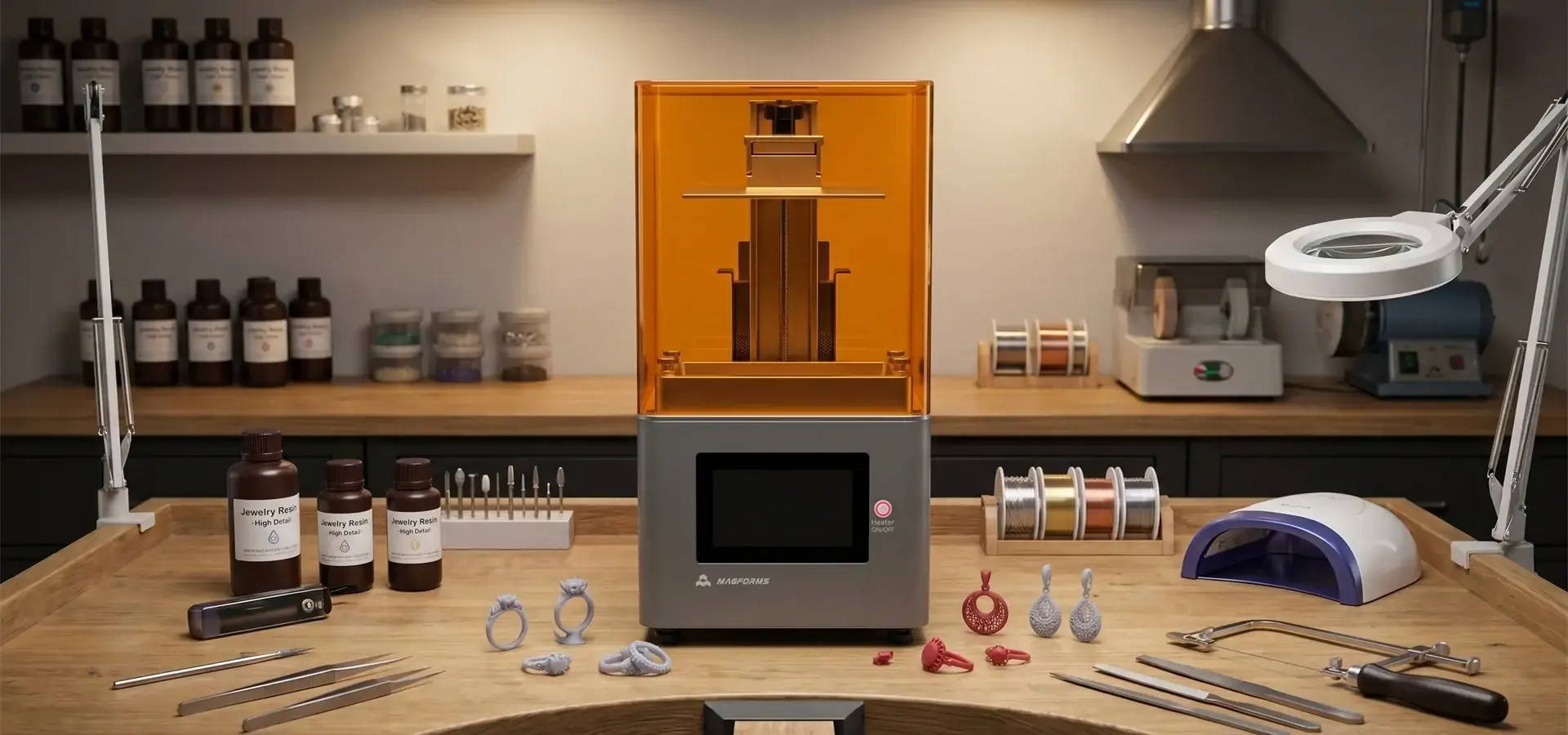
In additive manufacturing, many professionals find that a desktop 3D printer can be just as accurate as an industrial system if it is built with high-precision parts and the latest optical technology. Resin-based systems that use stereolithography have the highest resolution on the market right now. Top-tier models can reach micron-level detail, which is good for demanding uses like jewelry casting, dental modeling, and making precise prototypes. The Magforms P7 Pro is a great example of this because it has an amazing 9 µm XY precision thanks to its own grayscale adjustment method. This puts it at the top of today's desktop 3D printer options that focus on accuracy.
Understanding Print Accuracy in Desktop 3D Printing
Defining Resolution, Precision, and Repeatability
Print precision is made up of three factors that work together to tell you if your parts meet production standards. Resolution is the smallest detail that a system can show. It is usually measured in microns for the XY line and layer thickness for the Z-axis. Precision shows how closely the printed dimensions match the ones in your CAD file, and repeatability shows how consistent the print is across multiple production runs.All of these things determine whether a desktop 3D printer can make working samples or parts that will be used in real life. Manufacturers of medical devices need repeatability within 0.02 mm, while artists need surface detail that is small enough to record complex filigree patterns. Knowing these differences helps buying teams choose technology that fits the needs of the application without spending too much on features that aren't needed.
Hardware Components That Influence Accuracy
Motion control is the first part of any high-precision system that deals with mechanics. Industrial-grade linear tracks are stiff enough to keep the printer's positional accuracy over long print jobs. This stops the tiny tremors that cause surface flaws. Temperature changes can cause photosensitive plastics to lose their shape, so the build platform needs to stay level and stable in terms of temperature. Optical systems are what set good tools apart from great ones. The Magforms P7 Pro has a 6.8-inch 9K monochrome LCD screen with a resolution of 8520 × 4320 pixels and a pixel size of 18 × 18 µm. It also has P-grade industrial precision linear rails. This mixture gets rid of the blurs and light scattering that make it hard to see the edges of things on lower-end computers. The frame is made of all metal, which reduces vibrations and keeps the print intact during high-speed layer drying processes.
How Printing Technology Affects Final Part Quality
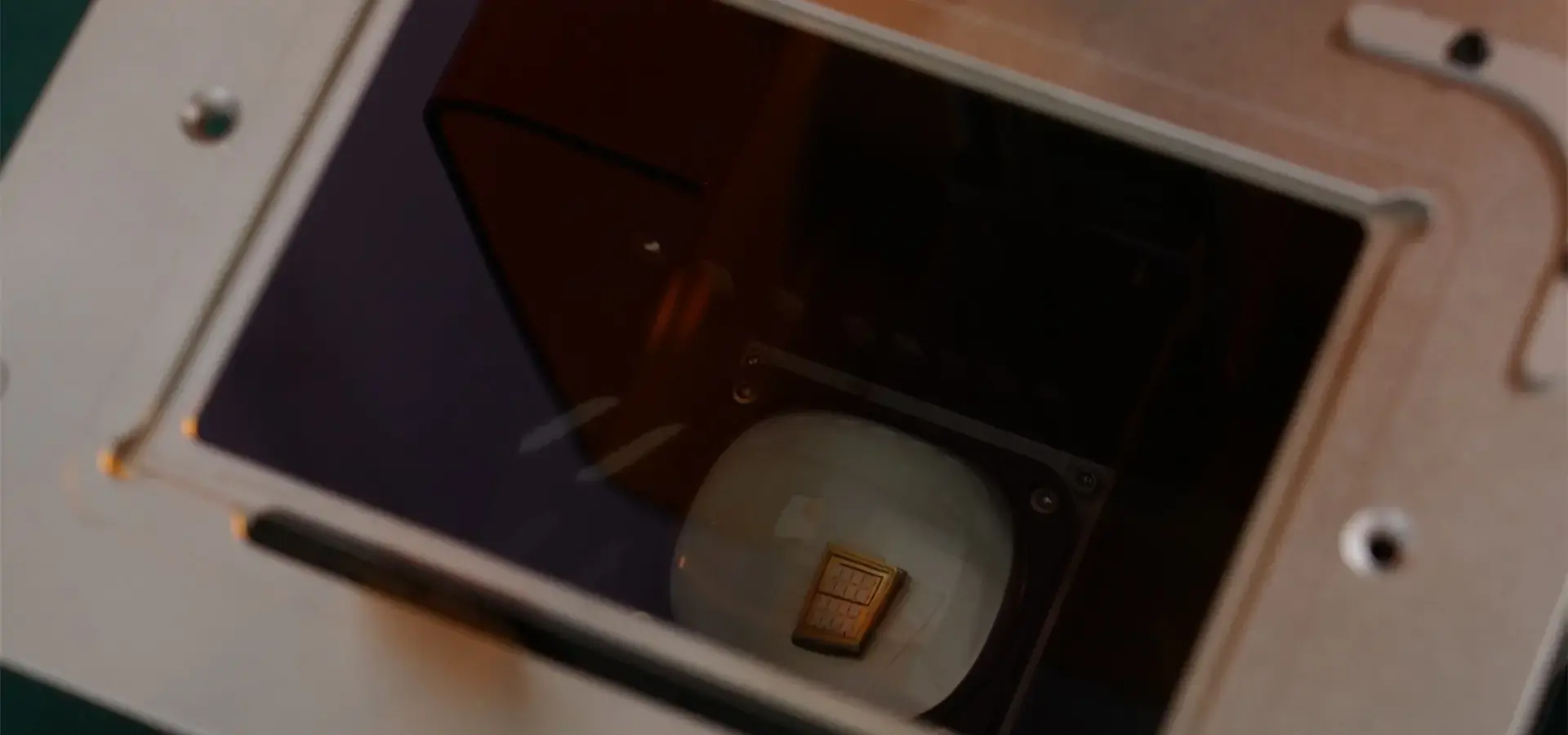
There are natural limits to how accurate different additive production methods can be. Fused deposition modeling pushes liquid polymer out of a tube, making layer lines that can be seen and giving the material different dynamic traits in different places. UV light cures liquid photopolymer in resin-based systems, making parts that are uniformly shaped and have smooth surfaces that don't need much post-processing. When it comes to plastic technologies, LCD-based systems are clearly the best choice for desktop 3D printer use. The Magforms P7 Pro has a sophisticated color adjustment program that changes the strength of light at the pixel level. This gives it a 9-µm effective resolution that is the same as digital light processing units that cost three times as much. This makes LCD technology the best choice for buyers who want to save money but don't want to give up accuracy in measurements.
Comparing Desktop 3D Printer Technologies for High Accuracy
FDM Versus Resin-Based Systems
When mechanical strength is more important than surface finish, fused deposition modeling is used for testing. Usually, layer heights are between 100 and 300 µm, and curved surfaces have obvious stepping that needs a lot of sanding and finishing. Because the width of the nozzle limits the ability to copy small details, FDM is not good for making models for metal casting or dental braces. In general, resin systems work on much smaller scales. Stereolithography and masked stereolithography can fix thin layers of liquid that are between 25 and 150 µm thick. The XY precision is based on the size of the laser spot or the spacing between the pixels. The Magforms P7 Pro can print with an accuracy of 0.02 mm across its 153.36 × 77.76 × 160 mm build space, which meets ISO standards for precise manufacturing. The even light source makes the cure the same across the whole platform, so no edge damage can happen in systems with uneven lighting.
Desktop Solutions Meeting Industrial Standards
A lot of procurement managers think that industrial-grade accuracy needs tools on the plant floor, which takes up a lot of room and power. Intelligent engineering in modern small systems challenges this idea. The P7 Pro's smart heating system keeps the room at 30℃ no matter what the outside temperature is. This keeps the layers from separating and twisting, which can happen with unheated systems when they're used in cold weather. The UV-resistant glass housing and temperature management work together to make a controlled environment that is on par with industrial tools. The 5-inch tablet with a personalized user interface lets you change parameters in real time while printing, giving you power over the process that you could only get on six-figure systems before. Independent tests show that these desktop 3D printers can consistently print within 0.02mm over hundreds of rounds, proving that they are good for small-batch production.
Leading Models for 2024 Accuracy Performance
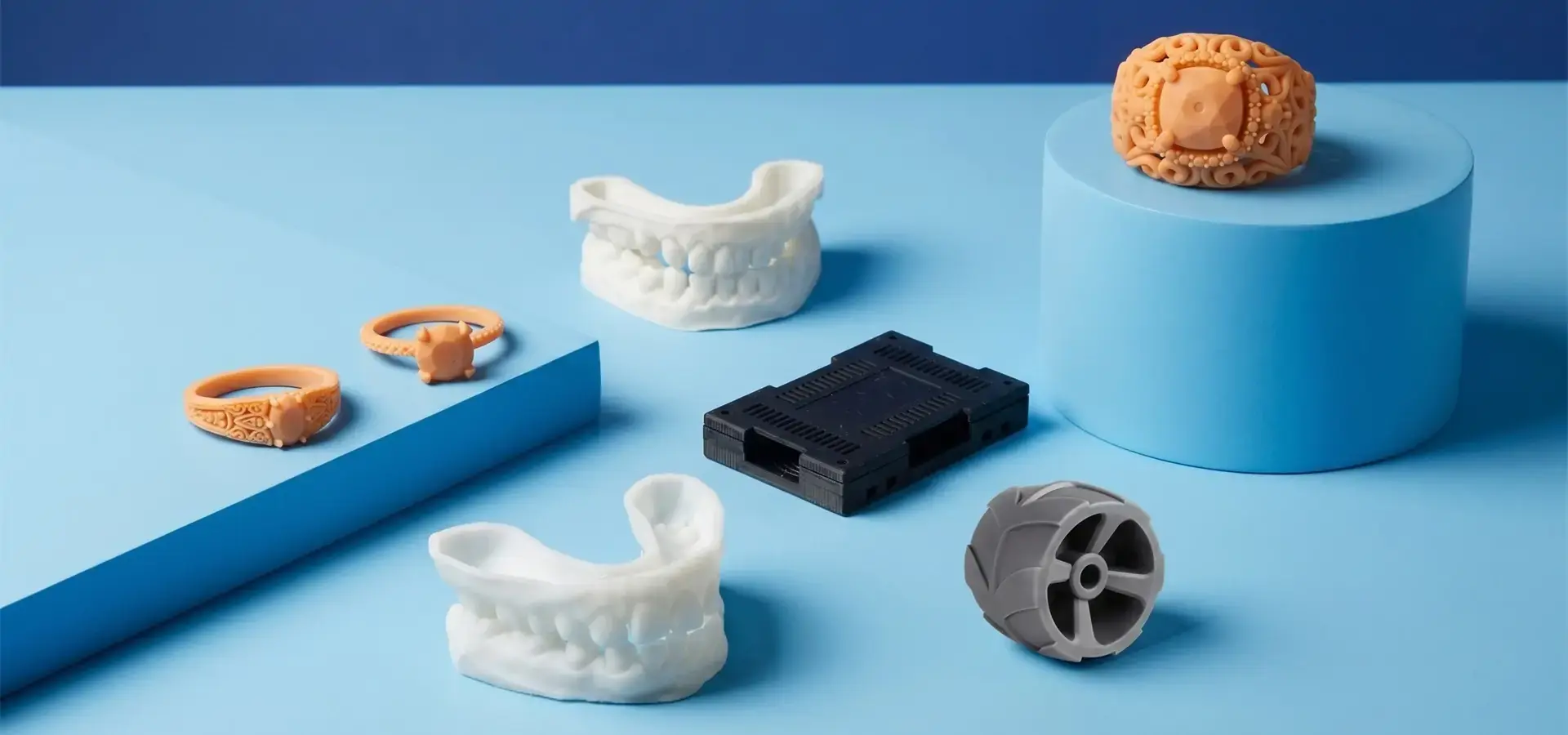
The current market leaders set themselves apart by using new optical technologies and materials that work well together. Systems with a precision of less than 10 µm can do things that weren't possible at the desktop 3D printer level before, like making hearing aid shells and micro-injection mold inserts. The Magforms P7 Pro stands out because it has a 9 µm XY precision and a high success rate for printing. This solves a problem in the industry that happens when accuracy gains aren't accompanied by reliability gains. Benchmark testing shows important changes in speed. Other cameras have a 25-µm pixel pitch, but the P7 Pro's grayscale adjustment method doubles the resolution power by controlling the exposure strength at each pixel. This technology very accurately copies the curves and pores on the skin's surface, meeting the high standards for jewelry casting that require wax patterns to be accurate to within 10 µm for investment casting processes.
Material Selection and Its Role in Achieving High Accuracy
Resin Properties for Dimensional Stability
The science of photopolymers has a direct effect on the quality of printed parts by changing how they shrink and bend. For example, engineering resins that are made to have low polymerization shrinkage keep their dimensions during post-cure processes, and materials that are made to withstand heat cycling don't change shape. The P7 Pro works with different kinds of glue, such as clear, flexible, and high-temperature mixtures, each of which is best for a certain job. Stability in the surroundings must be taken into account when choosing materials. Resins that soak up a lot of water swell after being printed, which makes it harder for parts to fit together properly. On the other hand, materials that are too flimsy break when the support is removed, ruining fine details. Magforms' combined material-equipment method fixes compatibility problems by using matched plastic formulas that get rid of the changes in size that come from third-party materials interacting with each other.
Best Practices in Material Handling
When resin is stored correctly, it keeps its performance qualities that are needed for accuracy. UV light speeds up the curing process, which raises the stickiness and adds particles. Temperature changes also affect the drying process. Keeping things in sealed cases between 20 and 25°C keeps them consistent, lowering the differences between batches that lead to measurement drift. Filtration gets rid of the cured pieces that cause print flaws. The P7 Pro has a layer width range of 25–150 µm, which lets you choose between different speed and resolution choices. Thinner layers can capture finer shapes but take longer to build. When figuring out the total cost of ownership, procurement teams should include information on how long resins last and how they should be stored. This is because materials that break down waste money and lower the quality.
Maintenance and Calibration: Key to Consistent High Accuracy
Essential Preventive Maintenance Routines
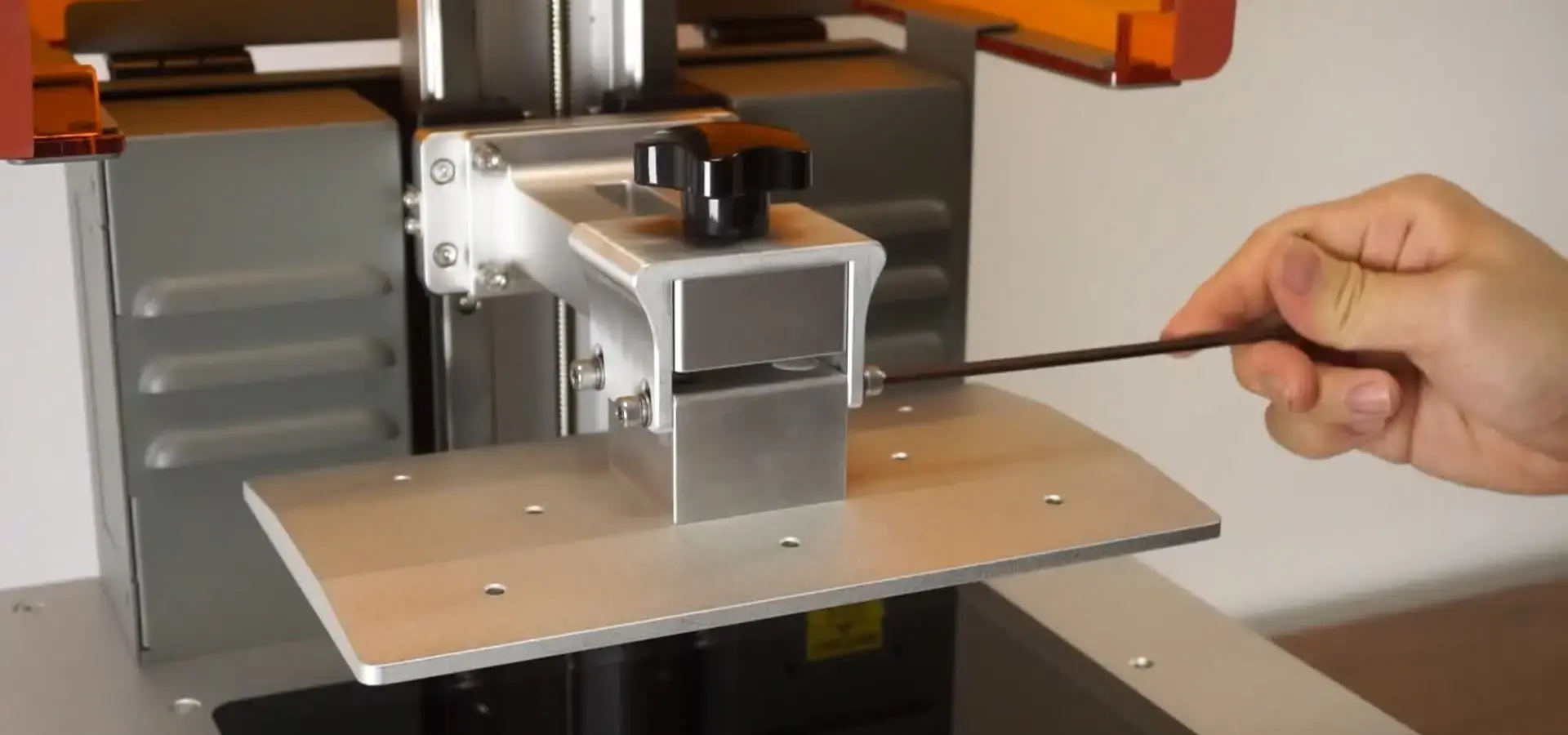
Regular maintenance stops parts from losing accuracy over time in a way that isn't noticed until they fail quality checks. Lubricating the linear rails keeps them moving smoothly without getting stuck, and cleaning the LCD screen gets rid of the hardened resin layers that spread light. The P7 Pro's full-metal frame makes upkeep easier by having strong fixing points that don't come away while the device is running. Inspecting the build platform for wear, find it before it affects the bonding of the first layer. Scratches on the surface cause uneven drying that affects the whole picture, and dirt stops the resin from properly touching the surface. Checking the optical parts once a month ensures that the light is spread evenly, which protects the accuracy benefits that make the resin system investment worth it. Keeping records of repair tasks makes people responsible and helps find problems that keep happening.
Calibration Procedures for Ongoing Precision
To keep up with heat expansion and mechanical settling, even systems that have been well taken care of need to be calibrated on a regular basis. Platform leveling makes sure that the first layer is the same thickness all over the build area, and exposure testing figures out the best time for different resins to cure. Real-time parameter adjustment on the P7 Pro makes tuning easier by letting you check setting changes right away without having to restart prints. In the build direction, Z-axis adjustment changes how well layers stick together and how accurate the dimensions are. Elephant's foot happens when base layers are compressed too much, and delamination happens when there isn't enough touch. Setup time and user skill requirements are cut down by automated testing processes. This means that smaller teams without committed techs can use high-precision systems.
Troubleshooting Common Accuracy Issues
Most of the time, warping is caused by weak support systems or differences in temperature during hardening. The P7 Pro's smart heating system keeps the chamber fixed so that distortions caused by temperature don't happen. This is especially helpful for overnight production runs. Layer imbalance means that mechanical parts are loose or that the linear lines are dirty and need to be fixed right away. Any surface roughness that goes beyond what the material's specs say is a sign of wrong exposure settings or glue that has broken down. Using tested materials and known-good settings for test prints is the first step in systematic fixing. This helps isolate factors and find root causes. The technical support team at Magforms helps with testing methods and quickly fixes problems by drawing on knowledge gained from more than 300 business setups.
Making the Right Choice: Procurement Guidance for High-Accuracy Desktop 3D Printers
Evaluating Precision Specifications and Reliability
You can start comparing things by looking at technical datasheets, but how well they work in real life rests on how well the systems are integrated. With its P-grade linear rails, desktop 3D printer, 9K monochrome LCD, and color change, the P7 Pro provides accurate specs that stay the same in all production settings. Procurement managers should ask for sample parts that are made of materials that are relevant to the application and measure their sizes with standardized tools to make sure that marketing claims are true. Metrics for reliability include more than just tools. They also include material suitability and process integration. Systems that need special plastics make it harder to control costs and be flexible with operations. On the other hand, open-platform machines let you use materials from other companies, which can pose interface risks. Magforms' matching material-equipment method gives solid performance without manufacturer lock-in. It solves the problem where generic resins save money but cause prints to fail and require time to fix the problem.
Total Cost of Ownership Considerations
The initial buying price is one part of the long-term costs of owning a car. Different technologies use very different amounts of energy. For example, warm rooms and high-intensity light sources use a lot of power. Consumable costs include resins, new screens, and filters. Indirect costs include work for upkeep and post-processing. The P7 Pro's 153.36 × 77.76 × 160 mm build volume balances batch size and print time to get the best output for jewelry and dental uses. Support structures that are too big lose more material, and amounts that are too small need to be printed more than once. For financial analysis, it's important to compare the number of parts needed each month to the capacity of the machine, taking into account breaks for repair and material changes.
Selecting Trusted Suppliers and Support Networks
Authorized wholesalers make sure that the products they sell are real and that the warranties they offer cover equipment investments. Magforms has offices all over the world, in Europe, Asia, and countries in the Belt and Road Initiative. These offices offer customized help that is in line with the clients' culture and language. The company's 22 patents and 30 filed brands show that it is always coming up with new ideas, and the fact that it serves more than 300 businesses shows that it can be trusted in the real world. When technical problems happen, the quality of after-sales help decides how smoothly operations can continue. Precision equipment with slow response times can seriously mess up production plans, so help available is an important factor in buying things. Technical training programs and professional workshops teach internal teams new skills, lowering the need for outside help and increasing the organization's ability to use additive manufacturing methods.
Conclusion
To get very accurate prints from a desktop 3D printer, you need to make sure that the technology, materials, and care methods are all right for the job. With advanced optical parts, smart heat management, and precise material formulas, resin-based devices like the Magforms P7 Pro can achieve micron-level accuracy. When buying, teams understand how hardware features and practical factors affect each other, they can choose equipment that meets production standards without having to make huge investments. As compact additive manufacturing keeps getting better, the accuracy gap between the desktop and the factory floor gets smaller. This means that companies of all kinds can use high-precision testing and small-batch production.
FAQ
What accuracy level do I need for jewelry casting?
To keep the final metal pieces from not fitting right, investment casting needs wax models with measurement tolerances of within 10 to 15 µm. Grayscale adjustment technology on the Magforms P7 Pro lets it reach a 9 µm XY precision, meeting this standard while also giving a high-quality surface finish that requires little post-processing. This level of accuracy makes sure that small details like pin seats and stone sets that are important for making jewelry can be reproduced clearly.
How does temperature affect printing accuracy?
Changes in the ambient temperature cause changes in the thickness of the resin, which changes how it cures and causes differences in the sizes of the pictures. The P7 Pro's smart heating system keeps the room at 30℃ no matter what the outside temperature is. This keeps the layers from separating and twisting even when it's cold outside. This controlled setting makes sure that the accuracy stays the same even when the seasons change and the building is in a different place.
Can desktop systems replace industrial printers?
Modern, small, high-precision systems can match the accuracy of industrial systems for uses that don't need a lot of space. The P7 Pro can repeat its measurements to within 0.02 mm, making it perfect for dental models, test tools, and precise parts. In many cases, this means that factory-floor equipment is not needed. Instead of their natural accuracy limits, Desktop 3D printer solutions are judged by how much they can build and how fast they can do it.
Discover Precision with Magforms Desktop 3D Printer Solutions
Magforms designed the P7 Pro to help production teams in the jewelry, dental, car development, and precision manufacturing industries get better at being accurate. Our method of integrating materials and tools gets rid of problems with compatibility and gives you 9 µm resolution and 0.02mm accuracy in measurements. We offer dependability that keeps production plans on track with 22 patents that support ongoing innovation and expert help backed by hundreds of sites around the world. Please email our team at info@magforms.com to talk about your application needs and find out how our desktop 3D printer maker can improve your development capabilities with solutions made for professional settings.
References
1. Gibson, I., Rosen, D., Stucker, B., & Khorasani, M. (2021). Additive Manufacturing Technologies. Springer International Publishing.
2. Jacobs, P. F. (2020). Stereolithography and Other RP&M Technologies: From Rapid Prototyping to Rapid Tooling. Society of Manufacturing Engineers.
3. Ligon, S. C., Liska, R., Stampfl, J., Gurr, M., & Mülhaupt, R. (2017). Polymers for 3D Printing and Customized Additive Manufacturing. Chemical Reviews, 117(15), 10212-10290.
4. Stansbury, J. W., & Idacavage, M. J. (2016). 3D printing with polymers: Challenges among expanding options and opportunities. Dental Materials, 32(1), 54-64.
5. Quan, H., Zhang, T., Xu, H., Luo, S., Nie, J., & Zhu, X. (2020). Photo-curing 3D printing technique and its challenges. Bioactive Materials, 5(1), 110-115.
6. Chaudhary, R., Fabbri, P., Leoni, E., Mazzanti, F., Akbari, R., & Antonini, C. (2023). Additive manufacturing by digital light processing: a review. Progress in Additive Manufacturing, 8(2), 331-351.

Magforms makes design and manufacture easier.
Popular Blogs
-
 Industry InsightsManufacturing Industry
FDM vs. SLA Printer: Which Technology Is Right for Your Project?
-
 Industry InsightsManufacturing Industry
Top 5 Applications of Industrial 3D Printers in Manufacturing Today
-
 Industry InsightsManufacturing Industry
Why Stereolithography 3D Printers Are Unmatched for Microfluidic Device Prototyping?