What Are the Common Challenges With 3D Printing Machines?
Although using a 3D printing machine isn't always simple, industrial additive manufacturing is still revolutionizing how businesses approach development and production. Problems that often come up include uneven print quality due to bending and layer moving, problems with material compatibility that make operations less flexible, 3D printing machines that break down often from mechanical wear, and lost productivity because operators weren't trained well enough. Environmental factors like changes in temperature, humidity, and airborne particle contamination make these issues worse. Software bugs and bad material handling also make it hard to get things done. To get past these problems, you need to know what's causing them and then put in place focused solutions that balance technical performance with business needs.
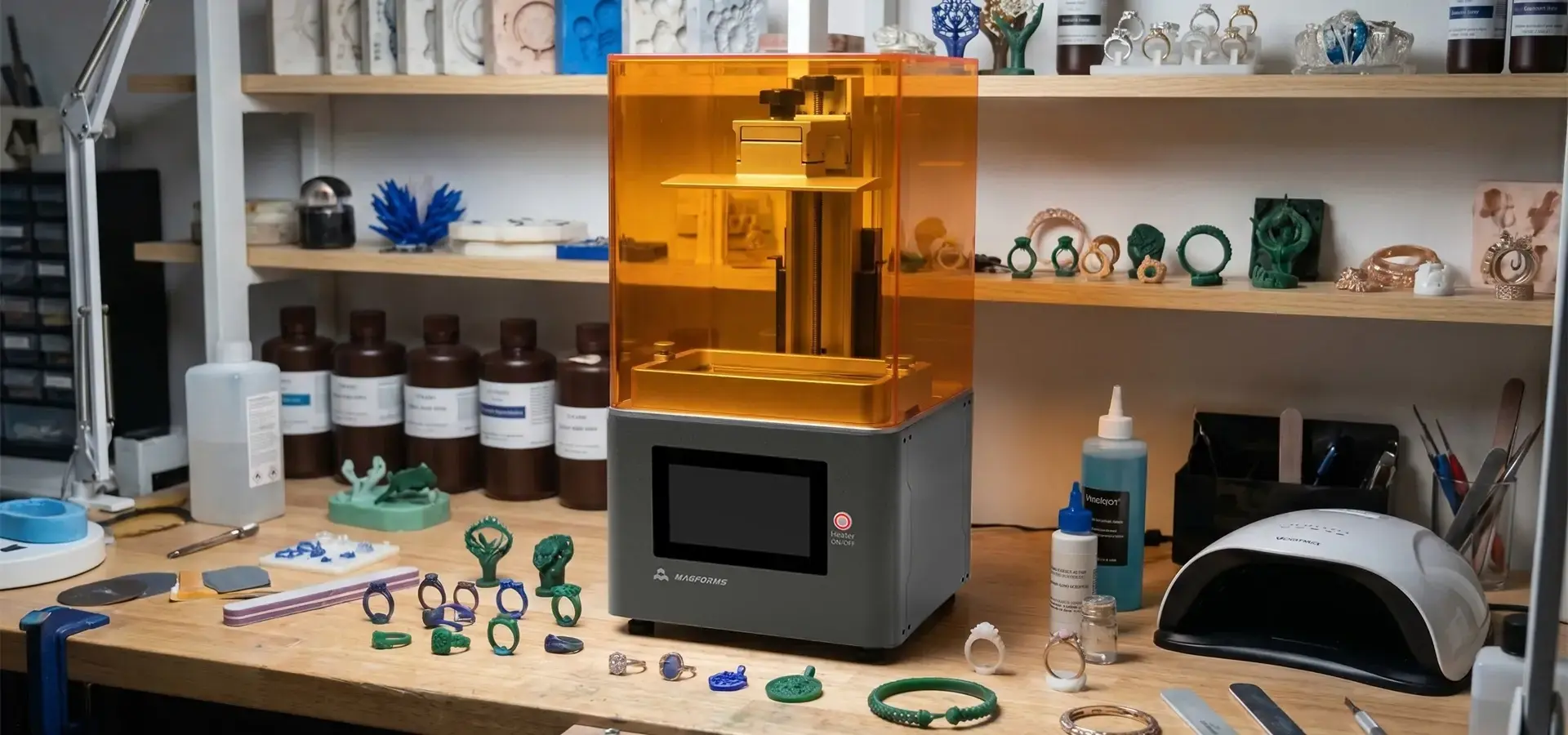
Understanding the Common Challenges Faced by 3D Printing Machines
Print Quality Inconsistencies and Their Underlying Causes
One of the most annoying problems that makers and service providers have to deal with is print flaws. When parts cool unevenly, corners can lift off the build platform and make the measurements less accurate. This is called warping. When mechanical parts lose sync, layer shifting happens. This causes dimensional misalignment and structural inaccuracies in printed parts, which makes the parts useless. These problems lose resources, cause delays in production, and hurt customer trust. Wear and tear on moving parts is often at the root of the problem. Over time, lead screws get slack, linear tracks get dirty particles, and belt tension gets looser after a while of use. The environment is also very important. Changes in ambient temperature affect the rates of thermal expansion in both the machine frame and the printed parts, and humidity affects how much water hygroscopic materials like nylon soak up. Even small changes can cause processes to go beyond what is accepted, especially when making precise parts for medical or aircraft use.
Material Compatibility Limitations and Cost Implications
There are a lot of industrial systems that force people into communities of private materials, which makes it hard to do business. When 3D printing machines are built around closed-source photopolymer resin systems, buyers have to deal with higher material prices and a smaller selection, which makes it hard to find the best recipes for each application. This is a big problem when projects need specific qualities, like parts for car engines that can handle high temperatures, dental braces that don't hurt the teeth, or housings for electronics that can handle being dropped. These problems are made worse by the fact that third-party materials and tools don't always work well together. Dimensional errors happen when the thickness of the glue doesn't match the system's calibration. Print failures happen more often when the temperature profiles don't match the makeup of the resin formulations, and inconsistent curing behavior or excessive viscosity can increase failure rates and shorten vat film lifespan. When companies try to cut costs by finding cheaper materials, they often find that the savings are lost in the form of higher failure rates and more work to fix problems.
Mechanical Downtime and Maintenance Burdens
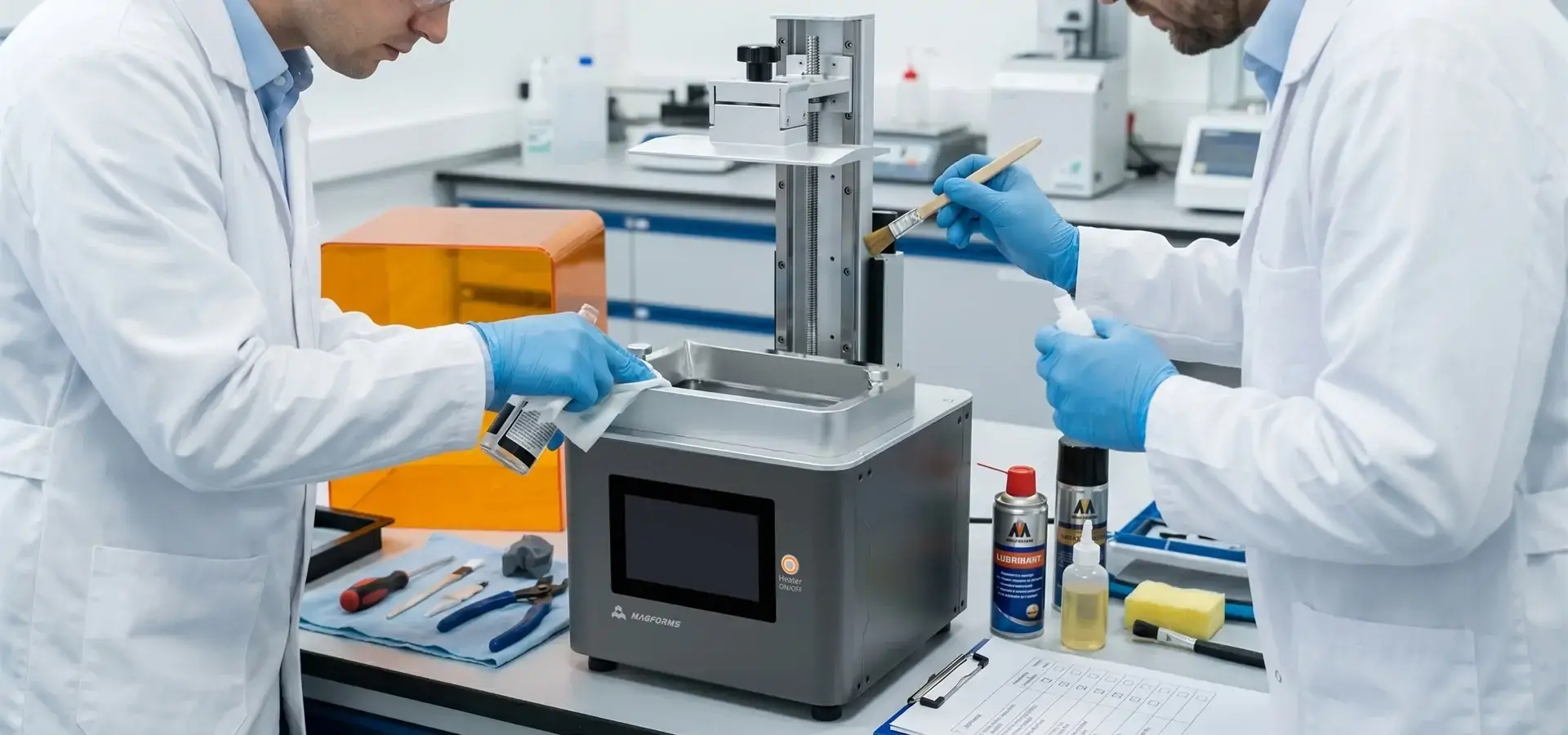
Frequent machine breakdowns stop output and raise the total cost of ownership. Many parts of precision machinery can break down over time. For example, fused deposition modeling systems need to have their nozzles and hotends cleaned and replaced on a regular basis; resin printers require regular maintenance of resin vats, LCD exposure screens, and optical light transmission systems to maintain consistent print quality. And selective laser sintering machines need to have their powder handling systems maintained. Companies that don't have specialized technical staff find it hard to stick to regular preventative maintenance plans. This leads to reactive maintenance patterns that increase the amount of downtime and fix costs. Things get worse when providers take a long time to respond after the sale, leaving production lines idle while they wait for technical help.
Operational Inefficiencies From Skill Gaps
When workers don't have the right training, even high-tech equipment doesn't work as well as it should. To be good at additive manufacturing, you need to know how to place support structures, optimize build direction, tune parameters for different shapes, and fix problems. Staff who don't understand these ideas use too much support material, pick bad build angles that waste time and resin, use the wrong layer heights that slow down or ruin the quality of the work, and make mistakes diagnosing problems that cause needless service calls. When you get to industrial-grade tools, the learning curve gets steeper. Advanced features such as grayscale exposure management, high-resolution LCD masking, and intelligent heating control, the ability to handle multiple materials, and AI-optimized scanning paths offer big performance gains, but they need to be used correctly by experts. Companies that buy high-capability equipment but don't have training programs for it don't get a return on their investment. They end up using expensive equipment at a fraction of its full potential while rivals improve their efficiency.
Detailed Analysis of Key 3D Printing Machine Problems
Technology-Specific Defect Patterns and Solutions
There are different ways that different additive manufacturing processes can fail in different ways. Most of the time, fused deposition systems have problems with connecting between features, under-extrusion in thin walls, and elephant's foot curvature on the bottom layers. Resin-based technologies have problems like partially cured resin adhesion and surface contamination, hollow structures with insufficient drainage design, and UV overcuring, which makes it hard to get accurate measurements. Powder bed fusion has problems with powder caking, temperature gradient cracks, and changes in the hardness of the surface. Getting these problems fixed involves using the right technology. The quality of fused deposition is better when the temperature is precisely controlled across the hot chamber, the retraction settings are adjusted to stop oozing, and the first-layer adhesive is fine-tuned. Post-cure standards, smart drainage hole placement, and exposure time testing that is matched to specific recipes are all good for resin systems. For powder processes to work, the air has to be carefully managed so that bed temperatures stay the same and there are no oxygen or other gases present.
Large-Format Printing Complications
Increasing the number of builds brings new problems. Larger parts are more likely to bend and crack if heat management isn't done right during forming because they have to deal with more internal stresses. Taking off the support system takes more work and could damage the final surfaces. Post-processing steps like finishing, drying, and cleaning need special tools that can work with parts that are bigger. New technologies have made it possible for modern answers to these problems. The P7 Pro's 153.36×77.76×160mm build volume is optimized for high-precision desktop resin printing applications such as jewelry casting, dental models, educational prototyping, and detailed creative work. Its compact but highly precise build area is better suited for small-to-medium detailed components that require fine surface quality and dimensional consistency. The integrated intelligent air-heating system automatically maintains the internal chamber temperature at approximately 38°C (100°F), improving resin stability and reducing layer separation issues during low-temperature operation. This keeps the temperature stable, which is important for high success rates even in tough circumstances. This capability is especially valuable for jewelry prototyping, dental applications, miniature collectibles, and educational modeling projects that require fine detail consistency and stable resin curing.
Calibration and Maintenance Best Practices
Disciplined repair procedures are needed to extend the life of 3D printing machines and keep their output uniform. Regular calibration checks should be done to make sure that the build platform is level, the optical exposure system is aligned, the temperature sensors are accurate, and the motion system is precise. Slow drift that leads to big quality losses over time can't happen because of these checks. Here are core maintenance strategies that reduce downtime and preserve performance: Preventive Inspection Schedules: Do visual checks once a week for obvious signs of wear, like belt fraying or cloudiness in the resin tank; take precise measurements every month to make sure the axis is square and the dimensions are correct; and do deep maintenance every three months, which should include fresh lubrication and checking the electrical connections. Recording inspection data allows for trend analysis that can predict when a component will fail before it causes a problem.
Environmental Control Measures: Keep the air steady within the range specified by the maker. Maintain operating temperatures within the manufacturer-recommended range of 18°C to 28°C (64°F to 82°F) to ensure stable resin viscosity and consistent curing behavior. Install HEPA filter systems to catch particles in the air before they land on optical parts or material sources and make them dirty. Continuously check conditions with networked monitors that let workers know when things go wrong and need their help. Predictive Analytics Integration: Modern facilities use sensor networks to record shaking patterns, temperature profiles, and performance measures that are used by predictive maintenance algorithms. These systems spot emerging problems through pattern recognition—detecting bearing degradation from vibration changes, predicting heating element failure from resistance drift, and forecasting optical misalignment from print quality trends. Predictive insights that lead to proactive component replacement reduce unexpected downtime and make the best use of repair budgets. These approaches collectively transform maintenance from reactive firefighting into strategic asset management. Organizations implementing comprehensive protocols report significant improvements in equipment availability, output consistency, and operational cost predictability. The investment in structured maintenance procedures typically recovers costs within months through reduced emergency repairs and improved production throughput.
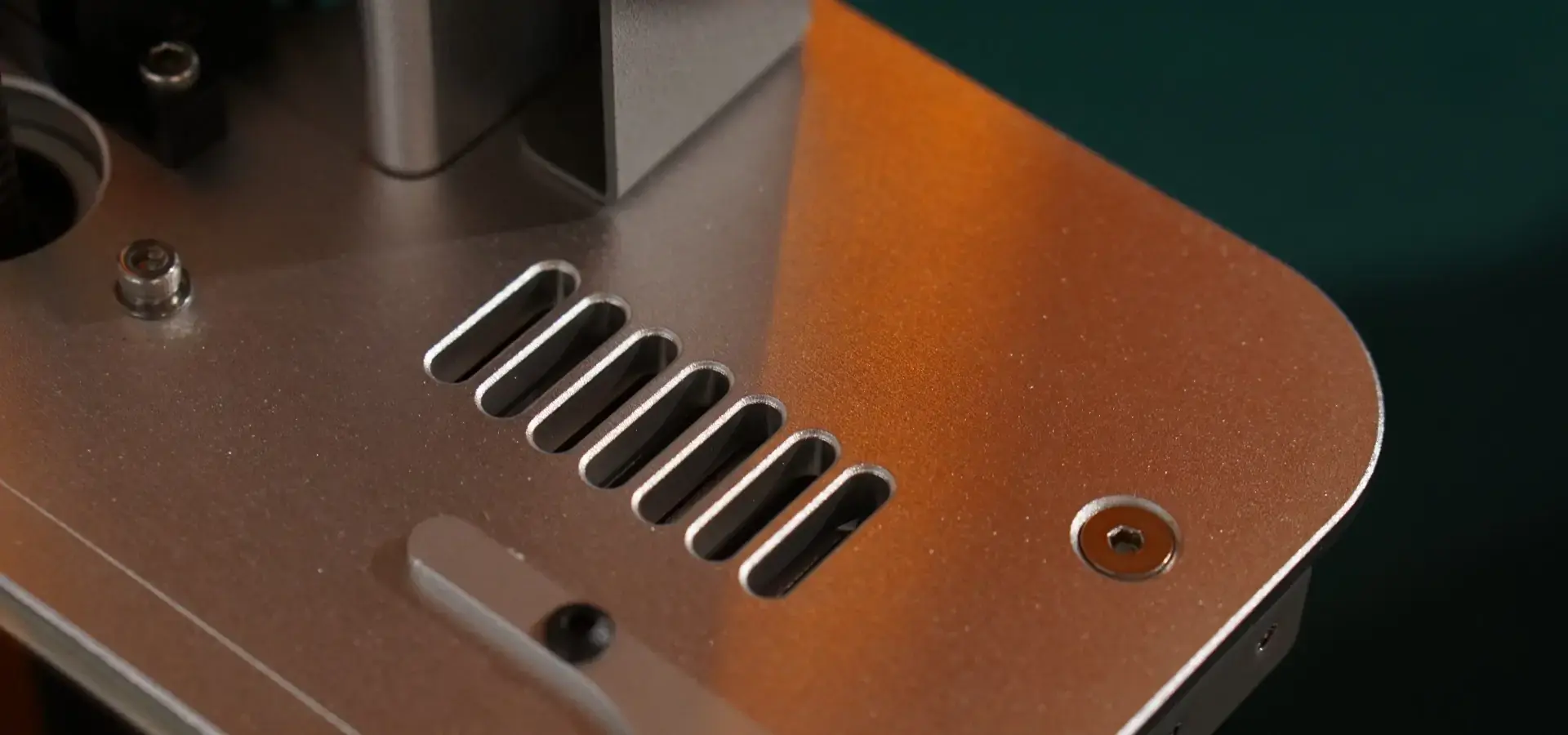
How to Navigate Technological and Operational Limitations
Software Integration and Workflow Optimization
Hardware performance is often limited by software compatibility and workflow integration. When design tools, slicing software, and machine code don't work with each other, it slows down the project's progress. Geometric flaws are caused by file translation mistakes, parameter transfer failures, return optimized settings to general defaults, and compatibility warnings that are hard to understand, which are caused by version differences. Setting up proven software toolchains gets rid of these problems, letting data move smoothly from the first CAD models to the end G-code generation. Optimizing workflow goes beyond just making sure everything works together. Advanced slicing algorithms have a huge effect on how well and how efficiently prints are made. For example, intelligent support generation cuts down on the amount of material used and the work that needs to be done afterward, adaptive layer height adjustment balances speed with detail preservation, and path planning optimization cuts down on time-wasting travel moves. Systems with open design and custom module interaction let you change processes to fit the needs of each application, instead of pushing tasks to fit into rigid models.
Training Programs and Knowledge Development
To close skill gaps, organized training programs are needed. Full training programs should include basic additive manufacturing ideas, steps for using the technology, care plans tailored to the equipment, ways to fix common issues, and advanced techniques for making things work better. Hands-on practice under direction improves skills more quickly than reading instructions alone, and it helps operators develop their instincts for changing parameters and figuring out what the problem is. Learning curves are sped up by manufacturers who offer strong expert help. Having access to application engineers who know the needs of your business is very helpful when working on complicated projects. As technologies change, training materials like online lessons, technical notices, and user groups help people keep their skills up to date. When companies decide what to buy, they should look at both the gear specs and the supplier's support options. This is because quick expert help has a direct effect on the success of production.
Safety and Compliance Considerations
In industrial additive manufacturing settings, there are safety risks that need to be carefully managed. Photosensitive chemicals in resin systems irritate the skin and make the lungs more sensitive. This means that proper ventilation, personal safety equipment, and spill response measures are needed. Processing thermoplastics at high temperatures produces toxic organic chemicals that need to be cleaned up and the air quality checked. Laser-based systems need linked containers and safety training because they can hurt your eyes with direct or reflected beams. Different places and types of regulations have different rules for meeting them. Medical device production must follow FDA quality system rules and ISO 13485 medical device quality management. Aerospace parts must meet AS9100 standards, and materials used in food-contact uses must be approved according to FDA food ingredient rules. IATF 16949 compliance is becoming more and more important for automotive use. When choosing a 3D printing machine, you should think about what kind of proof is needed, how much paperwork is needed, and what kind of process control features are needed to help with regulatory reports and audit trails.
Comparisons and Decision-Making Considerations for Overcoming 3D Printing Challenges
Additive Manufacturing Versus Traditional Methods
When making choices about what to buy, it's helpful to compare additive methods to other options, such as CNC cutting or injection molding. When it comes to physical complexity, additive manufacturing is great. It can make complex internal channels, organic shapes, and combined structures that would need many made parts. Lead times are cut down by a huge amount—parts are made in hours instead of the weeks that are needed to make the tools. Because additive methods only use what is needed to make the part, they are more efficient with materials because they don't have to cut away bulk stock. In some situations, traditional ways are still better. When you use CNC cutting, you can get tighter tolerances on key measurements, better finishes on useful surfaces, and parts with fully isotropic mechanical properties. Once the prices of the tools are paid for, injection casting has the best unit economics for high-volume production. The best choice depends on the needs of the application. For example, additive methods work best for low-volume customization, while standard methods work better for mass production of simple shapes.
Equipment Selection Criteria and Market Options
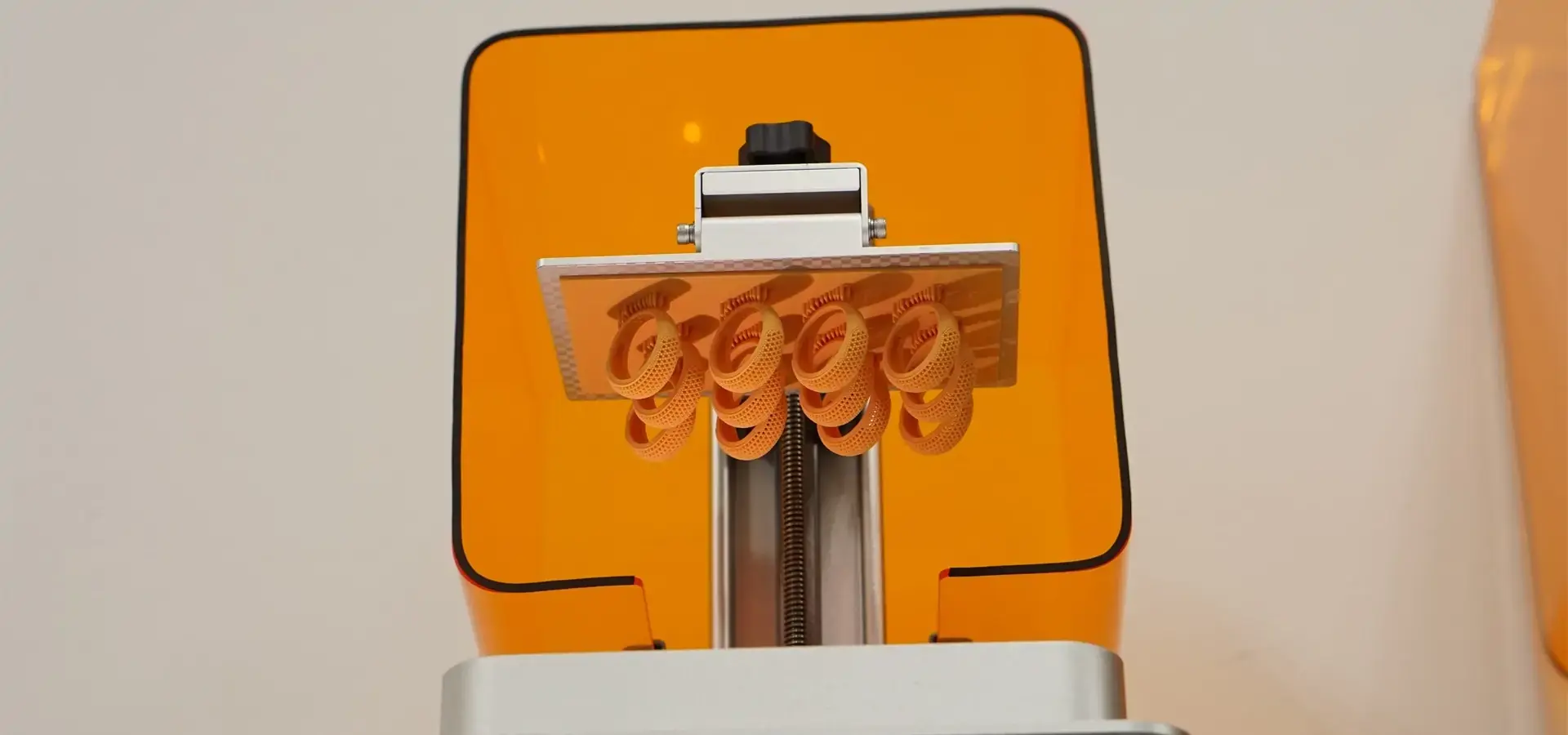
To choose the right 3D printing machine, you need to match its skills to the needs of the application. The largest part size is based on the print volume. Compact tabletop units are best for small parts, while industrial systems can handle large sections. Material suitability determines which applications can be used. Open-material platforms allow for more design freedom, while closed systems provide proven performance. Tolerance requirements must match precision requirements. For example, medical and precision engineering applications often require highly consistent dimensional tolerances and fine feature reproduction, while architectural models can handle less strict tolerances. Here are critical factors guiding equipment selection for industrial applications: Build Volume and Throughput Capacity: Make sure that the machine's capacity matches the amount of work that needs to be done, taking into account both the size of each part and the needs of the batch. The P7 Pro’s compact high-precision build volume is optimized for detailed small-batch production, allowing users to print multiple small components simultaneously while maintaining fine surface quality. This feature lowers the cost of each part by making the most of the machine's productivity instead of leaving build rooms partly empty.
Thermal Management Systems: For stable dimensions and a consistent success rate, it's important that the build chamber's environment stays the same throughout. Intelligent chamber heating systems help stabilize internal temperatures, reducing resin viscosity fluctuations and improving print consistency. This is especially important when working with engineering-grade materials that have small processing windows. This function is especially useful when working in places that don't have perfect temperature control. Operational Accessibility Features: Interfaces that are easy for people to use help operators become more skilled faster and make fewer mistakes. Systems that let you change parameters directly on the device itself make work easier than systems that need computer software for every setting change. Built-in storage for printing when you're not connected to the internet frees up computers for other jobs while keeping production going. Touchscreen-based parameter adjustment and offline printing support improve workflow flexibility and operator convenience.
Best Practices and Tips for Mitigating Common 3D Printing Challenges
Proactive Maintenance Protocols
It's more effective to avoid problems than to fix them when they happen. Structured repair plans that are adjusted to the level of use increase the life of 3D printing machines and keep the quality of the output. Every day, you should clean the build platform, filter the resin, or examine the filament path, and look for clear signs of wear. As part of weekly tasks, optical parts or needle systems need to be cleaned more thoroughly, replacement supplies need to be checked, and print logs need to be looked at to see if there are any quality trends. Every month, maintenance checks the accuracy of the dimensions, lubricates the moving parts, and installs software changes that make the machine run better. Documentation transforms maintenance from checklist compliance into strategic asset management when it is documented. By keeping track of inspection results, installation times for new parts, and performance measures, you can use trend analysis to spot problems before they become a problem. Digital maintenance management systems handle schedules, keep track of extra parts and supplies, and send out alerts when times are coming up. This makes sure that everything is the same, even in places with multiple shifts or sites that are spread out.
Material Procurement and Storage Standards
The quality of the material has a big effect on how well it prints and how it works mechanically. Buying from reliable sources guarantees a uniform recipe that meets published specs. On the other hand, cheap materials often have batch-to-batch differences that lead to failures that can't be explained. Both quality control and legal compliance can be met with certification documents that confirm the makeup of materials, the results of mechanical tests, and safety data sheets. When things are stored correctly, their functional traits are kept. Hygroscopic filaments take in water from the air, which makes the extrusion bubble and weakens layer bonds. Desiccant-sealed cases keep the environment dry. Photosensitive plastics break down in strong light and high or low temperatures. However, reactive substances stay stable in clear bottles kept in climate-controlled spaces. Powder materials need to be kept clean and dry, and they need to be handled carefully so that the particles stay in the right place.
Process Control and Environmental Regulation
When external factors stay the same, big sources of variation are taken away. Temperature stability stops changes in size caused by differences in thermal expansion and keeps the working properties of a material within the range of specifications. Controlling humidity keeps materials that are sensitive to water safe and keeps cold surfaces from condensing. Particulate filter stops dust from getting into visual systems or sticking to work surfaces, where it can damage them. High-efficiency air filter systems protect both the environment and the people who work in it. Activated carbon filters remove volatile organic compounds, and HEPA filters get rid of particulate matter. This protects both the quality of the prints and the health of the workers.
Leveraging Manufacturer Support Resources
Manufacturers of equipment offer useful tools that go beyond hardware. Technical paperwork, such as thorough operating instructions, repair guides, and flowcharts for solving, lets people in-house solve problems. Operator skills are built up in a planned way through training programs that cover everything from basic operation to advanced improvement. Application engineering support helps with difficult projects that need help developing specific parameters or choosing materials. Community tools are in addition to what manufacturers give. In user groups, operators with a lot of experience share how to solve common problems with other operators. Understanding of additive manufacturing concepts is improved by third-party training material like video lessons, technical papers, and online classes. Industry gatherings and classes make it easier to meet other experts and learn about new methods. When companies use these tools, they build stronger skills that give them a competitive edge by making it easier to control processes and solve problems more quickly.
Conclusion
Understanding difficulties like inconsistent print quality, material suitability restrictions, upkeep needs, and user skill development is necessary for successful 3D printing machine operation. To get around these problems, you need to take a complete approach that includes choosing the right tools, following organized repair routines, controlling the surroundings, and investing in ongoing training. Modern additive manufacturing workflows improve reliability by combining validated material profiles, calibrated hardware systems, and controlled environmental conditions. Companies achieve better long-term results when machine capabilities are aligned with actual production requirements, operator expertise, and maintenance capacity. Careful consideration of the total cost of ownership, which includes material costs, energy use, and service quality, helps people make smart purchasing choices that balance the initial investment with long-term dependability and performance.
FAQ
What causes most industrial 3D printing machine failures?
One of the main reasons things break is mechanical wear. This is especially true in motion systems where lead screws get slack and linear tracks get dirty. Changes in the environment, like changes in temperature and humidity, cause problems with the consistency of measurements and handling of materials. Problems are made worse by bugs in the software, bad ways of dealing with materials, and poor upkeep procedures. To fix these problems, you need to do regular preventative maintenance, take steps to control the environment, and make sure your operating processes are correct and cause as little variation as possible.
How can organizations extend machine lifespan with limited technical staff?
Structured routine maintenance that is adjusted to the resources that are available works best. Prioritize important cleaning and inspection steps that stop fails from spreading, write down routines so that everyone on staff can follow them exactly, and build relationships with quick service providers for big fixes. Putting money into training for operators makes them better at fixing, which lowers the number of service calls. Operators can fix common problems on their own with modern technology that has easy-to-use interfaces and full testing capabilities.
Are refurbished machines reliable for professional production environments?
When bought from reputable sellers who offer thorough refurbishing and important guarantees, refurbished equipment can be a good choice. Check the scope of the rebuild—a full repair that replaces worn-out parts and updates the software is more valuable than a superficial cleaning. Think about how important the application is—pilot production and research work can handle more risk than production lines that are needed for missions. To find the real value, compare the total cost, which should include expected upkeep costs, to the price of new 3D printing machines.
Partner With Magforms for Reliable Additive Manufacturing Solutions
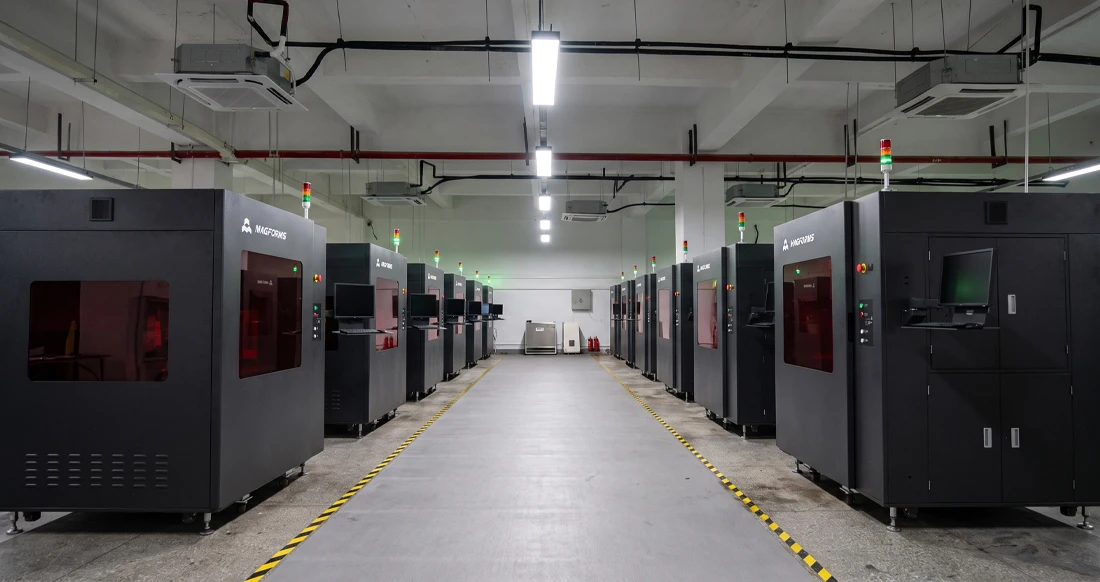
To get around the problems that come with industrial 3D printing, you need more than just strong gear. You need combined solutions that use the best materials, tried-and-true tools, and quick customer service. Magforms offers this exact mix thanks to years of experience in the field and thorough technology development. Many operations have trouble with materials and machines not working together properly. Our combined method gets rid of these problems, making sure that measurements are always correct and 3D printing machines work reliably across production runs. The P13 Pro shows how dedicated we are to solving real operating problems. It has an extremely large build volume, a dual heating system that keeps the temperature constant, and smart operating features like direct parameter setting and the ability to print offline. These features give industrial uses the stability and efficiency they need. Magforms blends technology innovation with real-world manufacturing knowledge. It has 22 patents and works with over 300 businesses around the world. If you run a 3D printing service center, a car development facility, a dental lab, or an aircraft component provider, Magforms has the materials, tools, and expert support that your business needs. Email our team at info@magforms.com to talk about your unique application needs with experts who have worked in your field before and understand the problems you face. Ask for a meeting to find out how Magforms' combined solutions can help you make more things, save money, and make sure the quality of your output is consistent. Get in touch with a reliable 3D printing machine maker who is committed to your industrial success.
References
1. Gibson, I., Rosen, D., and Stucker, B. (2021). "Additive Manufacturing Technologies: 3D Printing, Rapid Prototyping, and Direct Digital Manufacturing," Third Edition, Springer.
2. Diegel, O., Nordin, A., and Motte, D. (2019). "A Practical Guide to Design for Additive Manufacturing," Springer Series in Advanced Manufacturing.
3. Gebhardt, A. (2019). "Additive Manufacturing: 3D Printing for Prototyping and Manufacturing," Hanser Publications.
4. ISO/ASTM 52900:2021. "Additive Manufacturing—General Principles—Fundamentals and Vocabulary," International Organization for Standardization.
5. Pham, D.T. and Gault, R.S. (2018). "A Comparison of Rapid Prototyping Technologies," International Journal of Machine Tools and Manufacture, Volume 38, Issues 10–11.
6. Wohlers, T. and Campbell, I. (2022). "Wohlers Report 2022: 3D Printing and Additive Manufacturing Global State of the Industry," Wohlers Associates.

Magforms makes design and manufacture easier.
Popular Blogs
-
 Industry InsightsManufacturing Industry
FDM vs. SLA Printer: Which Technology Is Right for Your Project?
-
 Industry InsightsManufacturing Industry
Top 5 Applications of Industrial 3D Printers in Manufacturing Today
-
 Industry InsightsManufacturing Industry
Why Stereolithography 3D Printers Are Unmatched for Microfluidic Device Prototyping?