Why an Industrial SLA 3D Printer Is Essential for Aerospace Prototyping
Aerospace prototyping has changed a lot, and Industrial SLA 3D Printer stereolithography technology is at the center of this change. When flight engineers are making parts for next-generation planes, satellites, and robotic vehicles, they need a printer that can print precisely, quickly, and with a wide range of materials. Professional Industrial SLA 3D Printer systems use high-precision galvanometer scanning and UV solid-state lasers to cure photopolymer resin layer by layer. Their optical positioning and motion control systems operate with micron-level positioning precision, supporting excellent dimensional consistency throughout the printing process. This feature lets aerospace teams confirm complicated shapes, test working prototypes in realistic flight conditions, and speed up design iterations—all while still following strict industry standards. Stereolithography is very important when prototyping parts with complicated internal channels, lightweight lattice structures, or parts that need to be very accurate in their measurements.
Understanding Industrial SLA 3D Printing Technology
A focused laser beam is moved across a vat of liquid photopolymer resin to make stereolithography work. In this way, the laser selectively cures the liquid photopolymer resin layer by layer. This layer-by-layer curing process enables smooth surface finishes. This makes it very useful for aerospace applications where even small differences can hurt aerodynamic performance or structural integrity.
👉 Learn more about Industrial SLA printing technology
Core Components Driving Performance
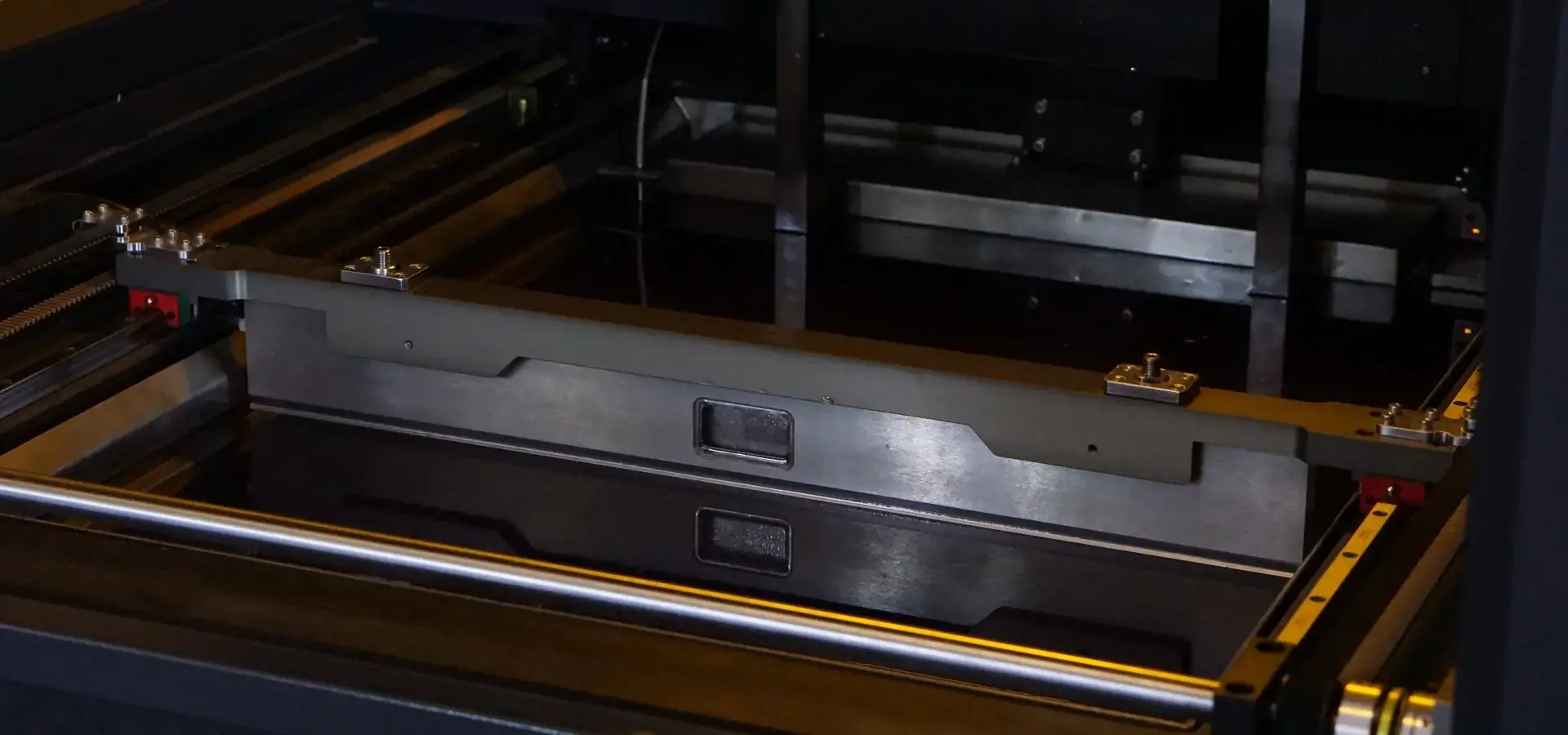
Modern stereolithography systems use parts that are known and trusted around the world to make sure they work well. AOC lasers give off stable light that can be used in production environments that are open 24 hours a day, seven days a week. German Scanlab galvanometers work with the laser to keep the beam positioned consistently across the build platform. Panasonic servo motors provide highly accurate motion control for the build platform, recoating mechanism, and resin management system, supporting positioning accuracy of up to ±8 μm. Schneider's electrical parts and Philips UV curing lamps support reliable post-curing and system operation.
The structure of the machine is also very important. A marble base with low expansion keeps heat damage to a minimum during long print jobs, and a rigid machine frame and enclosed build chamber help minimize environmental disturbances during long printing cycles. Taiwanese HIWIN linear guides allow stable vertical movement even when printing tall parts. This keeps parts from breaking during the building process.
Material Science and Resin Technology
For aerospace development, you often need special materials that can handle high temperatures, mechanical stress, or chemical contact. Stereolithography systems can work with a lot of different 355nm photopolymer resins, such as ABS-like materials that are strong against impact, PP-like materials offering good toughness and chemical resistance, and high-temperature resins with heat deflection temperatures (HDT) exceeding 100°C. Engineers can look at the inside of things without damaging them by using transparent resins, and engineering-grade formulations have the right mechanical properties for functional testing and small-scale production.
Material compatibility goes beyond simple types of resin. Open material systems get rid of seller lock-in, so aircraft teams can try new formulas that were made just for their needs. This adaptability is very useful for making prototypes of parts that will be made in special metals or composites. During design evaluation, different resin formulations can approximate selected mechanical or thermal characteristics of the intended production material for functional validation.
Why Industrial SLA 3D Printers Are Ideal for Aerospace Prototyping
The development of aerospace needs capabilities that are hard to get with traditional manufacturing methods. Complex internal cooling channels in turbine components are traditionally produced through investment casting combined with precision machining, resulting in long lead times. For investment casting, you need tools that can be made over the course of weeks. Industrial SLA 3D Printer stereolithography gets rid of these problems by turning digital CAD models into real parts within hours. This lets designers quickly check their work and make sure it works.
Precision That Meets Aerospace Standards
In the aircraft production industry, precision in measurements is a must. A well-calibrated Industrial SLA 3D Printer can typically achieve dimensional accuracy of approximately ±0.1 mm for parts smaller than 100 mm and around ±0.1% × L for larger parts, depending on machine calibration, resin properties, and part geometry. When German Scanlab galvanometers and AOC lasers are used together, high-quality galvanometer systems help maintain a consistent laser spot across the build area, improving dimensional consistency over large printing platforms. This helps reduce laser spot distortion near the edges of the build area. Because of this level of accuracy, aerospace engineers can print housings for connectors, mounting brackets, and sensor enclosures that fit perfectly into existing parts without having to be adjusted by hand.
Speed and precision are both improved even more by variable spot technology. When the device does infill scanning, it uses larger laser spot sizes to quickly fill dense material. The spot width shrinks to 0.15mm–0.2mm when outlines are traced and support structures are printed. This captures fine details and lowers the need for post-processing. Advanced scanning strategies, contour compensation, and variable spot technology help reduce visible layer transitions and improve surface finish. These parts are smooth enough to paint or plate directly without a lot of finishing.
Speed Advantages in Development Cycles
In aircraft, the need for rapid development is driven by the need to get products to market quickly. Using old-fashioned ways, making a complicated bracket might take two weeks for making the tools, then a few days for casting and finishing. The same part is made overnight by a stereolithography system, which lets engineers do fit checks and design reviews in the morning. High-speed galvanometer scanners significantly reduce laser scanning time, improving overall printing efficiency.
Optimized scanning algorithms improve scanning efficiency while maintaining dimensional consistency throughout the build. Combined with stable process control, they help improve production efficiency and reduce printing time for repeated manufacturing tasks.
Material Versatility for Specialized Applications
For aerospace prototypes, materials often need to have certain visual, mechanical, or thermal qualities. Making prototypes of seals, gaskets, and vibration-dampening parts is possible with flexible formulas. Clear resins let you see inside fluid flow channels or optical assemblies more easily. The open material design of professional stereolithography systems meets all of these different needs without making flight teams pay a lot of money for expensive proprietary supplies.
Combined with engineering-grade materials, optimized exposure strategies help reduce residual stress and minimize warping in large parts. This focus on material science makes sure that printed samples correctly show how the final production parts will work. This lowers the chance of having to make expensive redesigns late in the development process. Engineers can confidently evaluate prototypes during wind tunnel, thermal cycling, and mechanical testing.
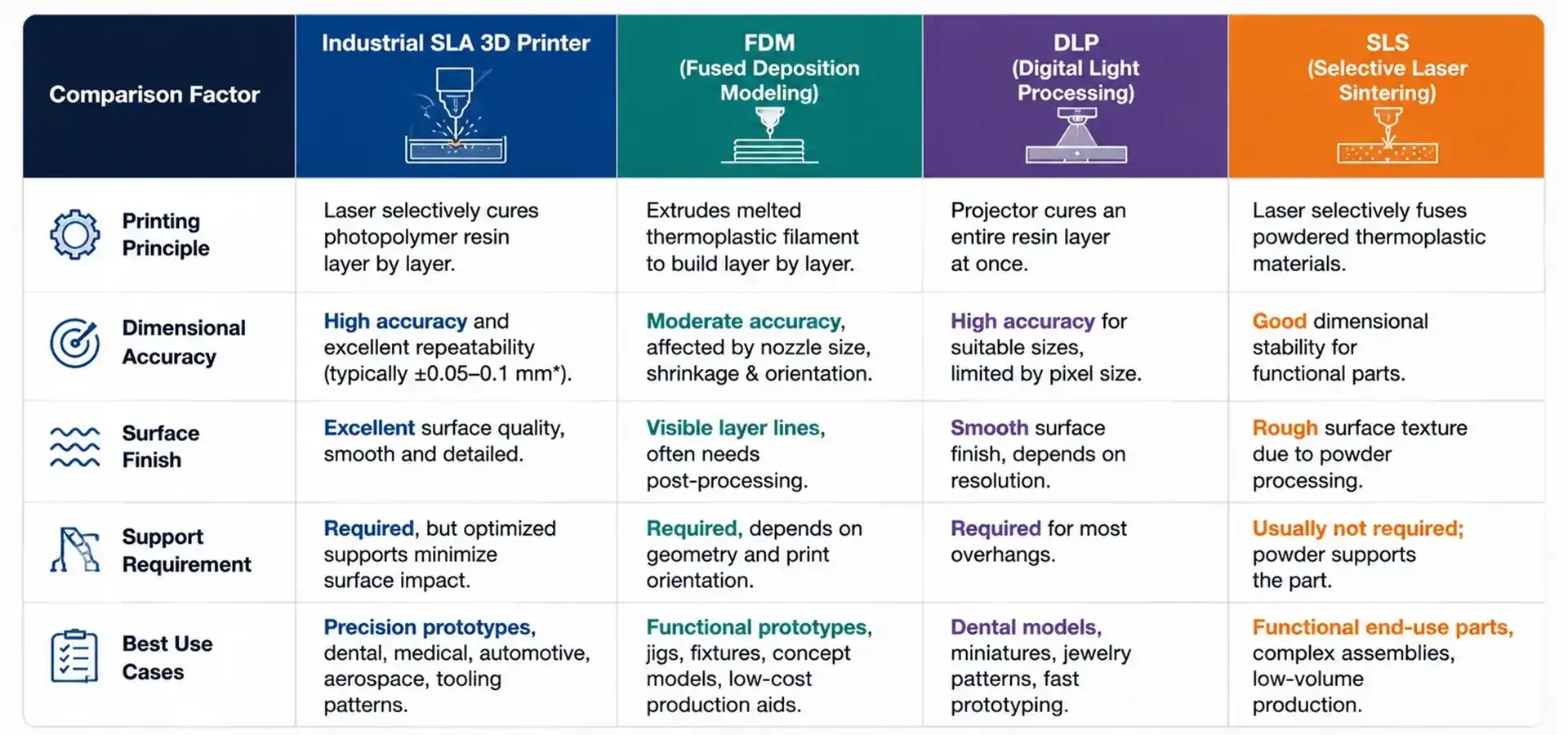
Comparing Industrial SLA 3D Printers with Other Technologies for Aerospace
Aerospace procurement managers have a lot of choices when it comes to additive manufacturing, and each has its own pros and cons. Before you can judge these technologies, you need to know how well they fit with your specific prototyping goals and production needs.
Stereolithography Versus Fused Deposition Modeling
Fused deposition modelling is good for conceptual development because it doesn't cost much to set up and is easy to use. Layer lines can be seen even at very low resolutions, which makes it less useful for checking aerodynamics or judging how something looks. Because of uneven layer bonding, part strength changes a lot depending on how it was built. This makes mechanical testing unclear. Compared with FDM, stereolithography generally provides more uniform mechanical properties and superior surface quality.
Support removal is another thing that makes it different. FDM supports often leave marks that need to be sanded down a lot, but stereolithography supports come off neatly with little damage to the surface. This difference is very important when developing parts that have complicated internal shapes or fine surface features that can't handle rough finishing.
Performance Relative to Selective Laser Sintering
Selective laser sintering is a way to make parts out of thermoplastic or metal powders that are very strong and don't melt when heated. During printing, the powder bed holds up each layer, so there's no need for separate support structures. Even after post-processing, powder particles can still be seen on the surface finish, which is still pretty rough. Compared with Industrial SLA 3D Printing, SLS generally provides rougher surface finishes and lower dimensional accuracy, although it offers superior mechanical performance for functional thermoplastic parts.
Material prices and handling issues are also very different. SLS powder needs to be carefully controlled in the environment and recycled, which makes operations more difficult. Stereolithography plastics are ready to use and easily drain from finished parts, which speeds up the process and cuts down on waste. Stereolithography works best for aircraft teams that care more about surface quality and precise measurements than ultimate mechanical strength.
Evaluating Digital Light Processing Alternatives
Digital Light Processing (DLP) projects an entire image onto the resin surface using a digital projector, curing one layer at a time. This method can cut down on the time it takes to make small parts. Building volume limits and pixel-based resolution limits make it hard for DLP to work well on bigger aircraft parts. Stereolithography systems have built platforms that are 300 mm to 800 mm or even bigger, which means they can make full-scale interior parts, fuselage mockups, and wing sections that DLP can't.
Laser-based stereolithography also lets you choose from a wider range of materials and make sure the quality of the build is the same all the way through. On larger build platforms, maintaining uniform light intensity across the entire projection area can become more challenging than with laser-scanning SLA systems. Galvanometer-controlled laser scanning helps maintain consistent laser energy distribution across the build area. This makes sure that the mechanical properties and dimensions are always correct, no matter where the part is placed.
Practical Considerations for Aerospace Procurement Managers
Buying tools for additive manufacturing is a big investment that needs to be carefully thought through in terms of the total cost of ownership and long-term operating needs. Besides the initial buy price, aircraft companies need to think about how much consumables will cost, how much upkeep will cost, what tools they can use, and how well their suppliers can help them.
Financial Analysis and ROI Calculation
The cost of equipment depends on how much is being built, what features it has, and how precise it can be. Industrial systems for small aircraft suppliers that are easy to use start at around $50,000, while large-format platforms with advanced tracking and material handling cost $300,000 or more. How much resin is used varies on the shape of the part and the amount being made, but for aerospace-grade materials, it usually costs between $150 and $400 per litre. Resin consumption depends on part size, geometry, and production volume.
Compared to traditional manufacturing equipment, it still doesn't need much maintenance. Routine preventive maintenance includes optical inspection, laser calibration when required, resin system cleaning, and periodic replacement of consumable components according to the manufacturer's maintenance schedule. Replacing the resin tank or other consumable components depends on machine design and usage frequency. Cleaning the optical windows and aligning the galvanometers keeps the quality from dropping over time. When systems are properly kept, they work reliably for 5 to 10 years before they need major parts replaced. This gives aerospace teams that do regular development a good return on their investment.
Supplier Partnerships and After-Sales Support
Not only does the quality of the parts affect how reliable the equipment is, but so does how quickly technical support can fix problems. Aerospace production plans don't allow for long periods of downtime while parts are being sourced or problems are being fixed remotely. Magforms has a skilled team that can answer questions within 24 hours, so that important growth programs aren't interrupted too much. The company has offices in dozens of countries around the world, so customers can get help from local service providers instead of just the center.
Training programs help aircraft teams get the most out of the money they spend on stereolithography. Figuring out the best way to align parts, make supports, and handle them after printing has a direct effect on how well they print and how good the parts are. Magforms offers thorough technical training and professional classes that teach operators and engineers what they need to know. This shortens the learning curve and cuts down on the time and money needed for costly trial and error during the initial implementation.
Quality Assurance and Regulatory Compliance
Prototypes in aerospace are often used as master patterns for making tools or go through direct functional testing, which calls for very strict quality control. Coordinate measuring tools check the accuracy of the dimensions against CAD models, and mechanical testing makes sure that the qualities of the material match the requirements. To meet these quality standards, stereolithography systems include routines for calibration and process monitoring to keep output consistent over long production runs.
When printed parts are used to support regulatory submissions or aerospace certification workflows, supplier documentation becomes especially important. Well-known companies use ISO quality management systems and give out material datasheets that list the mechanical properties, biocompatibility, and flammability ratings of each material. This paperwork helps flight engineers explain their choices about designs and show that they follow the rules during approval reviews.
Applications of Industrial SLA 3D Printing in Aerospace Prototyping and Beyond
Aerospace development includes a wide range of parts, from basic structural parts to complex electronic housings. Stereolithography supports a wide range of aerospace prototyping applications, from structural components to complex electronic housings.
👉 See more aerospace SLA application cases
Functional Prototyping for Design Validation
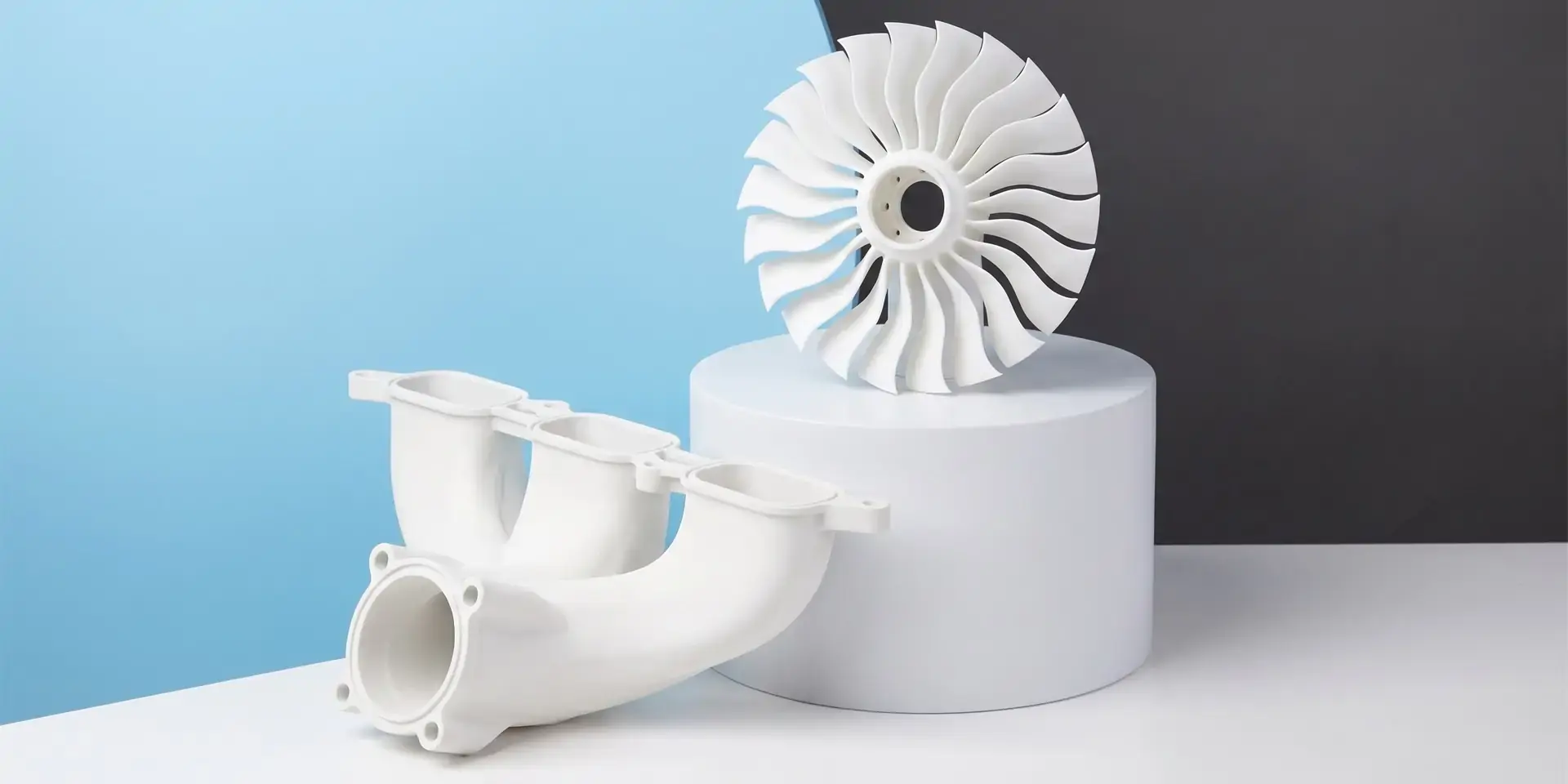
Prototypes of turbine blades show that the technology can accurately copy complex aerodynamic surfaces enough for wind tunnel validation. Before committing to expensive metal casting, engineers print several versions of the design to test how well the cooling channels work, the leading edge shapes, and the connection patterns. Interior parts also benefit. Seat systems, overhead bin doors, and panel sections can be made quickly for testing ergonomics and passenger experience.
Sensor housings and electrical cases need to be able to be mounted precisely and keep out the elements. Transparent resin options also simplify internal assembly verification and cable routing during prototype evaluation.
Rapid Tooling and Manufacturing Aids
In addition to making straight prototypes, aerospace teams use stereolithography to make tools for making things. The technology makes it possible to make complicated shapes without extensive CNC programming or complex tooling. This is useful for vacuum forming moulds, thermoforming dies, and composite layup mandrels. Lightweight inspection jigs and assembly fixtures can be printed in one day, instead of the weeks that are usually needed for machined tools.
This ability to make tools quickly is especially useful for small production runs. When aerospace companies make custom parts for robotic vehicles or satellite systems, they often get orders that are too small to justify investing in regular tools. Stereolithography fills in this gap by allowing cheap short-run production straight from printed moulds or by making end-use parts whose mechanical features match the needs of the application.
Testing and Certification Support
Even though simulation technology has improved, aerospace parts still need to be tested in the real world. For wind tunnel models, drop test examples, and thermal cycling samples, the shape and qualities of the material must be exact. Stereolithography provides the dimensional accuracy and surface quality required for these validation activities, and it can also adapt to changes in the design that happen during tests. Based on test results, engineers make quick changes to designs and confirm improvements in short amounts of time that traditional manufacturing can't match.
For statistical correctness, environmental testing usually needs more than one sample that is the same. When compared to machining or moulding, where each part has full setup and tooling costs, printing duplicate parts doesn't add much to the cost. This economic edge promotes thorough testing and lowers risks, which raises the success rate of getting certified and speeds up the program's completion.
Conclusion
Aerospace prototyping demands precision, speed, and material flexibility that traditional manufacturing struggles to provide economically. Stereolithography technology addresses these requirements through laser-based layer curing supported by micron-level optical positioning precision, variable spot scanning that accelerates builds by 30-50%, and open material systems supporting specialized aerospace resins. The technology enables functional testing, rapid design iteration, and small-batch production at costs and timelines impossible with conventional approaches. Procurement managers evaluating additive manufacturing solutions should prioritize systems featuring premium components, proven reliability, and comprehensive supplier support. Magforms integrates these elements within Industrial SLA 3D Printer platforms specifically engineered for aerospace applications, backed by responsive technical service and material science expertise developed over years of industry focus.
FAQ
1. What dimensional accuracy can aerospace teams expect from stereolithography?
Professional stereolithography systems achieve tolerances of ±0.1mm for features under 100mm and ±0.1% for larger dimensions. This precision results from high-quality galvanometers, stable laser output, and servo motors with positioning accuracy reaching ±8 micrometers. Proper calibration and environmental control maintain these tolerances across extended production runs.
2. How does stereolithography compare to CNC machining for aerospace prototypes?
CNC machining delivers tighter tolerances but requires extensive programming, fixturing, and tool changes for complex geometries. Stereolithography produces intricate internal features and organic shapes without specialized tooling, completing parts in hours rather than days. Stereolithography produces smooth surfaces that typically require less finishing than FDM, although CNC machining still provides superior surface finish and dimensional precision for metal components.
3. Can stereolithography parts withstand aerospace environmental testing?
Material selection determines environmental performance. High-temperature resins maintain properties above 100°C, suitable for thermal cycling tests. Standard resins exhibit UV sensitivity, requiring protective coatings for outdoor exposure. Mechanical properties of cured parts support functional testing, including vibration, drop testing, and prototype validation and laboratory functional testing when material specifications align with test requirements.
4. What training do operators need for stereolithography systems?
Basic operation requires understanding part orientation, support generation, and post-processing workflows—typically covered in 2-3 day training programs. Advanced topics, including material selection, parameter optimization, and troubleshooting, benefit from ongoing technical support. Magforms provides comprehensive training and documentation to accelerate operator proficiency.
Magforms Industrial SLA 3D Printer Solutions for Aerospace Manufacturers
Aerospace teams seeking a reliable stereolithography supplier should consider Magforms' comprehensive approach to materials and equipment integration. Rather than forcing customers to navigate compatibility issues between third-party resins and hardware, Magforms develops both in-house to ensure optimal performance. This materials-equipment synergy eliminates dimensional deviations, print defects, and unexpected failures that plague mixed-vendor workflows.
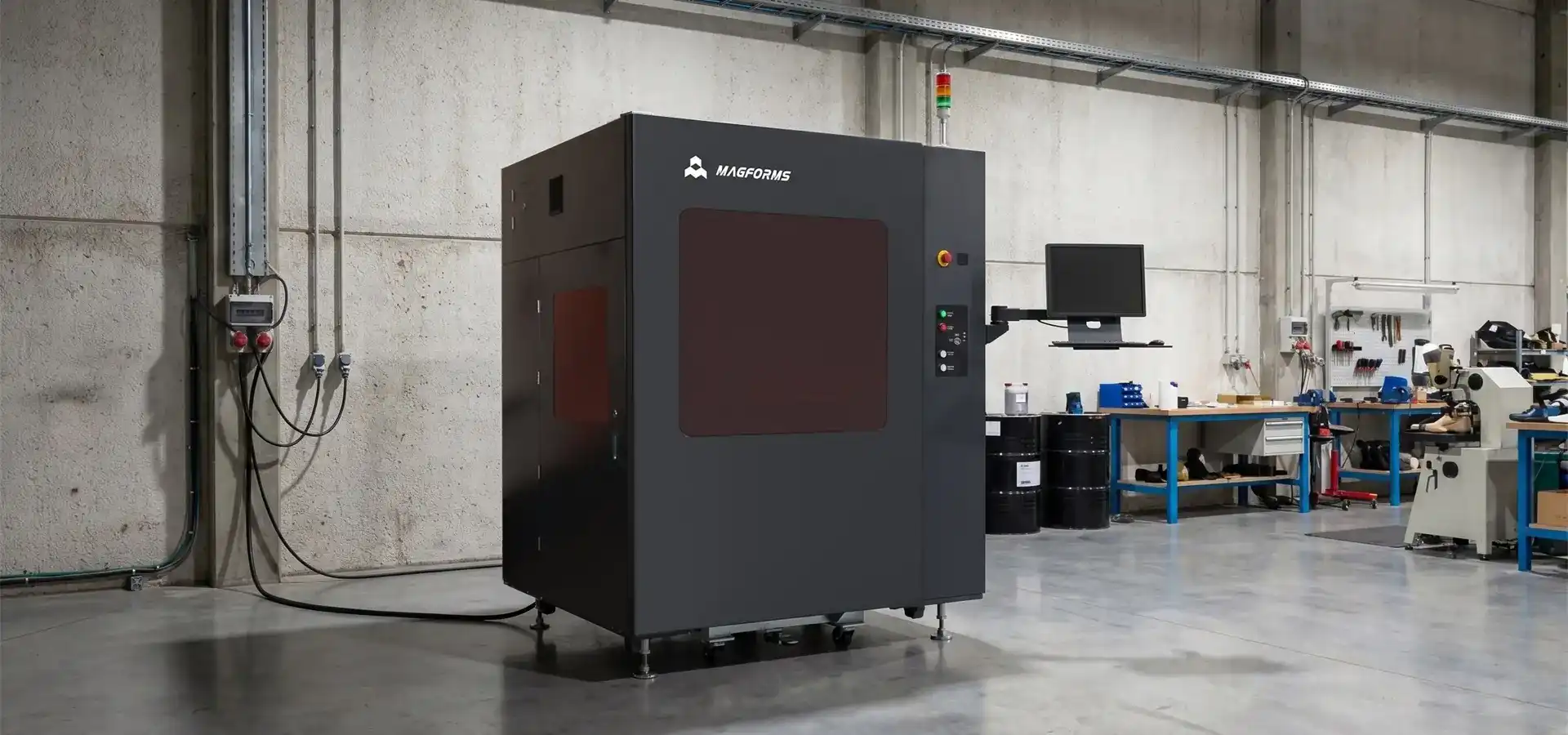
Magforms equipment incorporates the premium components detailed earlier—AOC lasers, German Scanlab galvanometers, Panasonic servo motors—configured within a robustly engineered platform featuring marble bases and precision linear guides. The SL800 Industrial SLA 3D Printer integrates premium optical components, precision motion control, and an open material platform to deliver reliable performance for aerospace prototyping.
The company's 22 patents and 30 registered trademarks reflect sustained innovation addressing real-world aerospace challenges. Having served over 300 enterprises across dozens of countries, Magforms brings deep industry expertise to every customer engagement. The professional after-sales team responds within 24 hours to technical inquiries, keeping aerospace programs on schedule even when unexpected issues emerge. Procurement managers evaluating Industrial SLA 3D Printer suppliers benefit from requesting sample parts and technical consultations to experience this commitment directly. Contact info@magforms.com to discuss your aerospace prototyping requirements and explore how Magforms systems accelerate your development objectives.
👉 Explore the SL800 Industrial SLA 3D Printer
References
1. Gibson, I., Rosen, D., & Stucker, B. (2021). Additive Manufacturing Technologies: 3D Printing, Rapid Prototyping, and Direct Digital Manufacturing. Springer.
2. Chua, C. K., & Leong, K. F. (2017). 3D Printing and Additive Manufacturing: Principles and Applications. World Scientific Publishing.
3. Bourell, D. L., Leu, M. C., & Rosen, D. W. (2019). Roadmap for Additive Manufacturing: Identifying the Future of Freeform Processing. University of Texas at Austin.
4. ASTM International. (2021). Standard Specification for Additive Manufacturing File Format (AMF) Version 1.2. ASTM F2915-20.
5. Gebhardt, A. (2018). Understanding Additive Manufacturing: Rapid Prototyping, Rapid Tooling, Rapid Manufacturing. Hanser Publications.
6. Wohlers, T. (2022). Wohlers Report 2022: 3D Printing and Additive Manufacturing Global State of the Industry. Wohlers Associates.

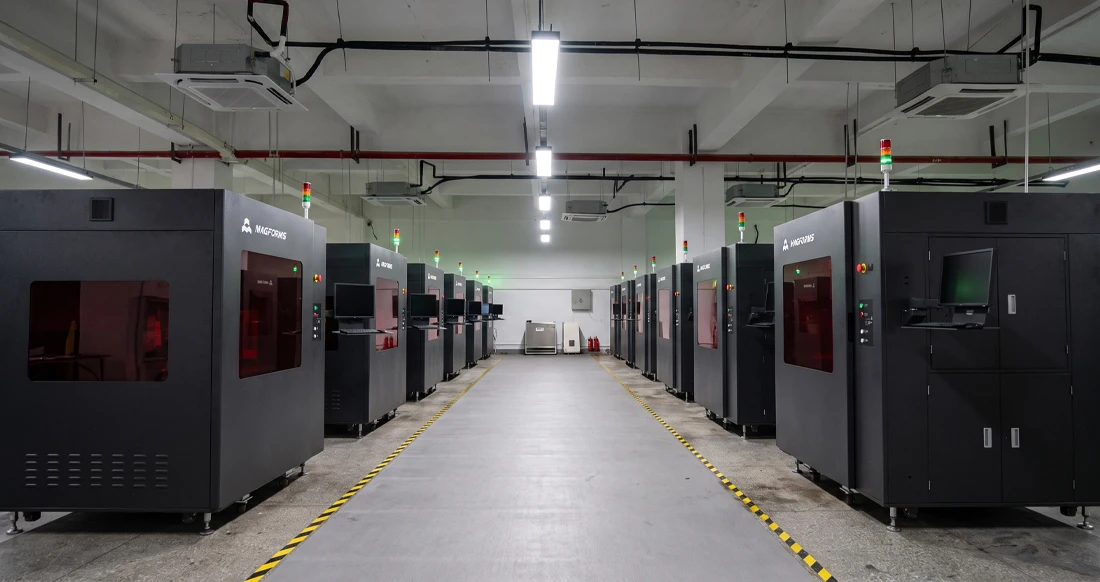
Magforms makes design and manufacture easier.
Popular Blogs
-
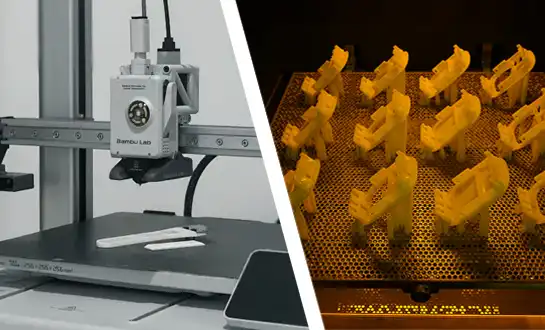 Industry InsightsManufacturing Industry
FDM vs. SLA Printer: Which Technology Is Right for Your Project?
-
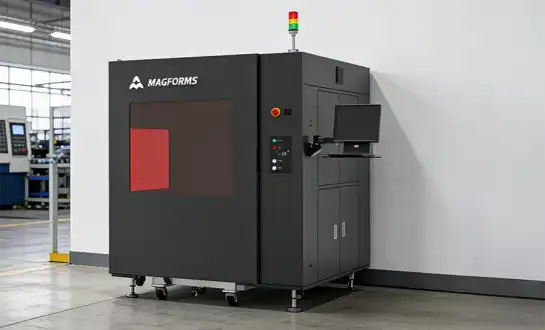 Industry InsightsManufacturing Industry
Top 5 Applications of Industrial 3D Printers in Manufacturing Today
-
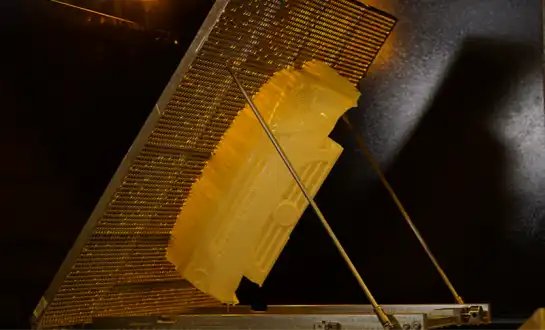 Industry InsightsManufacturing Industry
Why Stereolithography 3D Printers Are Unmatched for Microfluidic Device Prototyping?