Why Are Dual Linear Rails Critical for High-Precision 3D Printing?
Dual linear rails are a major step forward in making 3D printing more precise in industrial manufacturing settings. Unlike traditional single-rail setups, dual linear rail systems spread mechanical loads evenly across two parallel guides. This greatly reduces deflection and gets rid of the problems that come with motion control systems that only use one rail. This increased structural rigidity directly leads to up to 40% better dimensional accuracy compared to rod-based alternatives. This makes dual rails essential for applications like aerospace prototyping, medical device manufacturing, and precision tooling, where micron-level tolerances are crucial to product success.
Understanding the Role of Linear Rails in 3D Printing
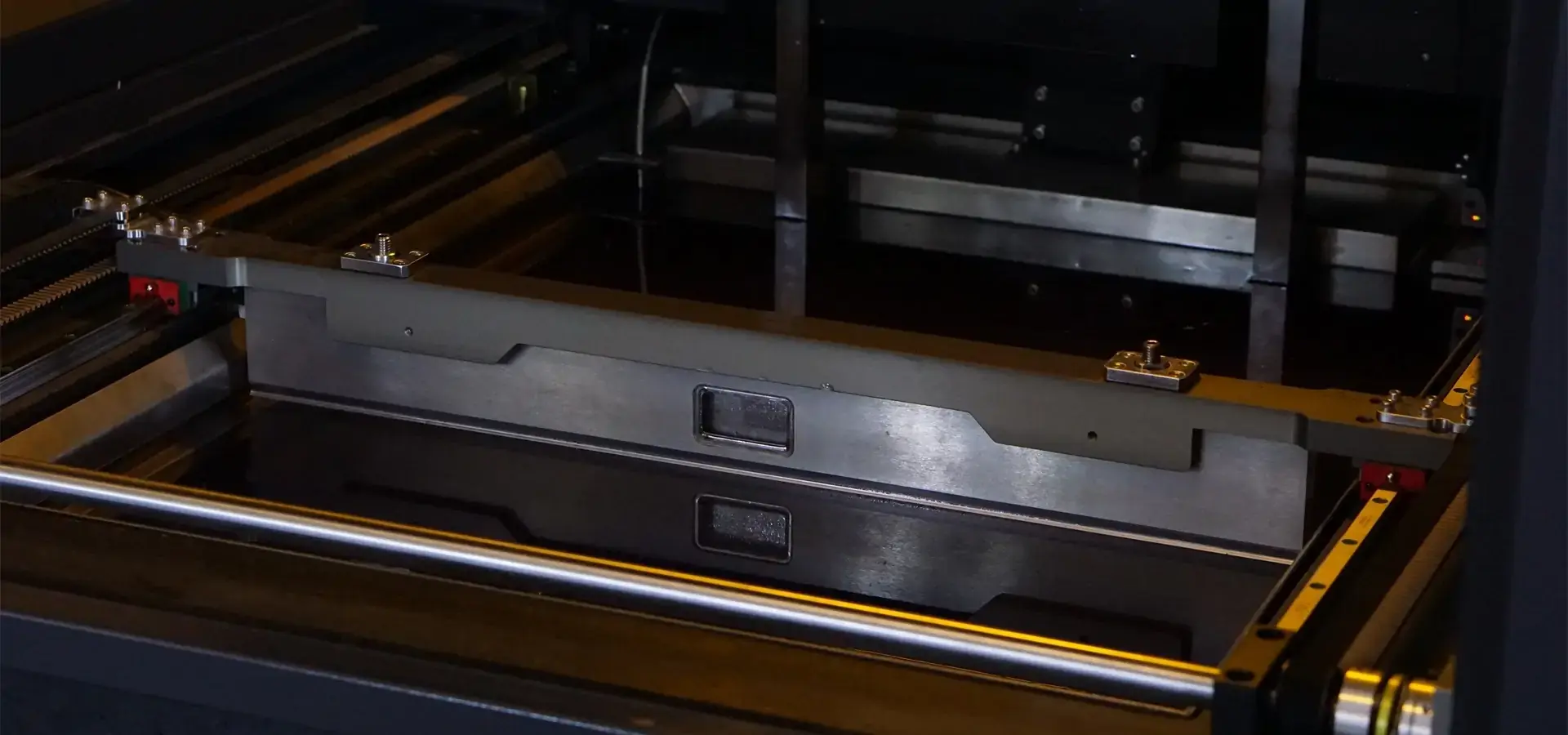
Linear rails serve as the backbone of precision motion control in modern additive manufacturing systems. These mechanical components consist of a hardened steel rail paired with a bearing-equipped carriage that travels along its length, providing smooth and accurate linear movement. The fundamental difference between traditional rod-and-bearing systems and linear rails lies in their contact mechanics and load distribution characteristics.
Mechanical Foundations of Linear Motion Systems
In older 3D printers, smooth rods with linear bearings are often used. The bearing and rod surface make point contact with each other. This design flaw leads to several performance issues, such as more friction, wear patterns, and the chance of misalignment. On the other hand, linear rails use recirculating ball or roller bearings that create many contact points across a raceway. This spreads loads more evenly and lowers stress concentrations. The change from a single to a dual linear rail configuration is a big step forward in engineering. Even though single rail systems are better than rod-based ones, they still have moments and torques that can cause them to bend slightly when they are loaded. When printing large parts or at high speeds, these deflections are especially annoying because even small positional mistakes add up to print flaws that can be seen.
Load Distribution and Structural Rigidity
By making a second load path, dual linear rail systems completely change the way a printer moves mechanically. When they are spaced correctly, two parallel tracks can share loads and provide torsional resistance that a single rail can't. This setup lowers the load on each rail by about 50% and raises the overall system stiffness by three to five times, depending on the distance between the rails and how they are mounted. The higher rigidity has a direct effect on print quality by reducing vibration transmission and improving positional accuracy. Manufacturing data from car prototyping facilities shows that positioning repeatability is always within ±0.025mm for dual rail systems across large print volumes, compared to ±0.075mm for single rail systems with similar features.
Challenges in Achieving High Precision in 3D Printing
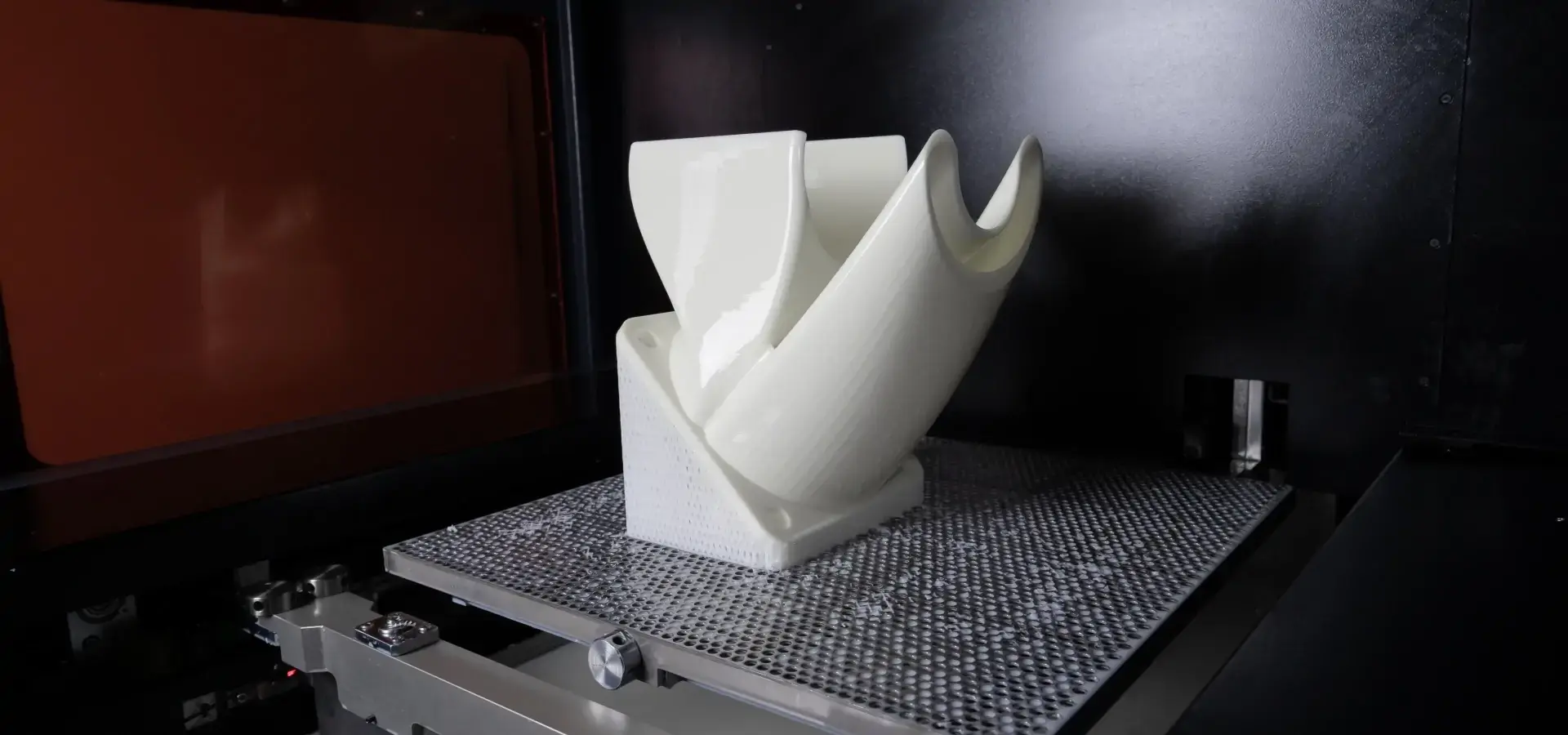
Modern industrial 3D print operations face increasingly stringent accuracy requirements driven by applications in aerospace, medical devices, and precision tooling. These demanding environments expose fundamental limitations in conventional motion control systems that must be addressed through systematic mechanical improvements.
Vibration and Resonance Issues
One of the biggest problems that accurate additive 3D printing manufacturing has to deal with is mechanical vibrations. These disturbances come from several places, such as the working of stepper motors, cooling fans, and outside environmental factors. Single rail systems often have natural frequencies that match common excitation sources. This creates resonance conditions that make vibrations worse and lower the quality of the surface finish. This problem is especially bad when printing at high speeds, where acceleration forces create dynamic loads that are higher than the static design parameters. Precision manufacturing labs have found that vibration amplitudes in single rail systems can reach 15-20 microns during fast movements, while they are only 3-5 microns in dual rail setups that are set up correctly.
Thermal Expansion and Dimensional Stability
Changes in the printing environment's temperature cause thermal expansion effects that make it harder to get accurate measurements. Single rail systems don't have the extra structural support needed to handle these temperature changes and keep the accuracy of the position. Single rail designs usually have uneven mounting, which causes differential expansion that causes positional drift over long print cycles. Dual rail systems fix these problems by having equal mounting arrangements that balance the forces of thermal expansion. The parallel rail arrangement makes a platform that is kinematically stable and stays accurate even when the temperature changes, which is very important for printing that goes on all night and for climate-controlled manufacturing settings.
Material Compatibility and Process Variations
Different printing materials have different curing properties, shrinkage rates, and thermal expansion factors, which can make it hard for motion control systems to work. For aerospace applications, high-performance engineering resins need precise temperature control and consistent layer adhesion, which means that the printer has to be able to keep the layers in the right place throughout the printing process. Dual rail systems provide the mechanical stability needed to process these difficult materials successfully by keeping the layers in the right place and stopping the tiny movements that can lead to delamination or dimensional drift in serious situations.
How Dual Linear Rails Enhance 3D Printing Performance
The implementation of dual linear rail systems creates measurable improvements across multiple performance metrics that directly impact manufacturing productivity and part quality. These enhancements stem from fundamental improvements in mechanical design rather than incremental adjustments to existing systems.
Enhanced Load Capacity and Distribution
Dual rail configurations dramatically improve load-carrying capacity through parallel load paths that share applied forces. This distribution becomes particularly important for large-format printers handling substantial build platforms or multi-material systems with heavy extruder assemblies. The improved load capacity enables larger print volumes without compromising accuracy, addressing a key limitation in scaling additive manufacturing operations. Manufacturing facilities utilizing dual rail systems report the ability to print parts up to 40% larger than previously achievable while maintaining equivalent dimensional tolerances. This capability expansion directly translates into reduced part segmentation, fewer assembly operations, and improved overall manufacturing efficiency.
Precision and Repeatability Improvements
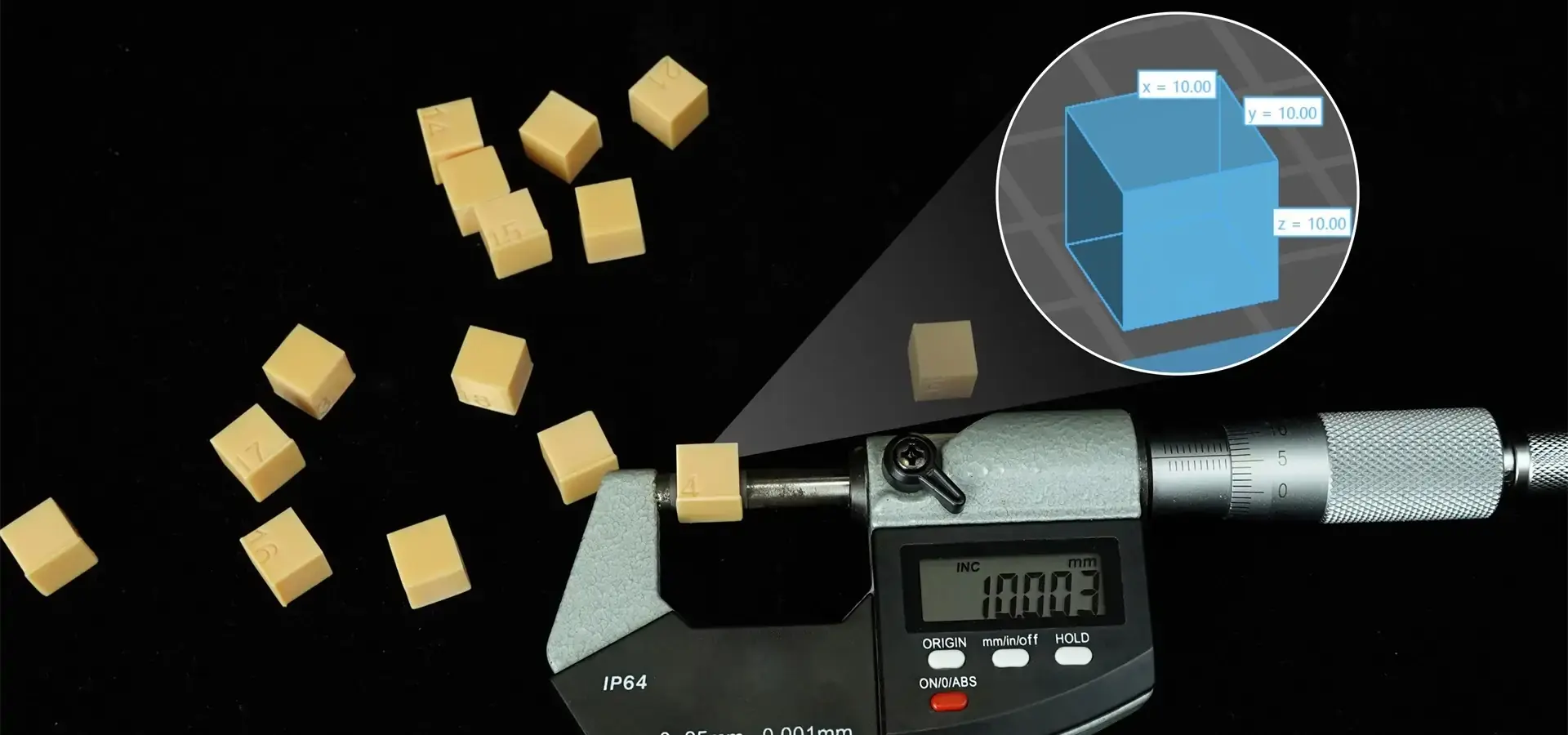
The mechanical advantages of dual rail systems translate directly into measurable precision improvements that benefit 3D print applications across multiple industries. Coordinate measuring machine data from production environments demonstrates positioning accuracy improvements of 60-75% compared to single rail alternatives, with particularly significant gains in the axis perpendicular to rail orientation. Repeatability measurements show even more dramatic improvements, with dual rail systems achieving standard deviations below 10 microns for repetitive positioning tasks. This level of consistency enables reliable production of precision components without the extensive post-processing typically required to achieve final dimensional requirements.
Vibration Dampening and Surface Quality
The increased structural mass and improved mounting rigidity of 3D printing of dual rail systems create superior vibration-damping characteristics that directly improve surface finish quality. The parallel rail configuration provides multiple paths for vibration energy dissipation, while the increased system stiffness raises natural frequencies above typical excitation ranges. Surface roughness measurements from production parts demonstrate 30-50% improvements in Ra values when comparing dual rail systems to single rail alternatives. These improvements reduce or eliminate post-processing requirements, particularly important for internal channels or complex geometries where manual finishing operations are impractical.
Evaluating Dual Linear Rails Against Alternative Motion Systems
Understanding the comparative advantages of dual linear rail systems requires systematic evaluation against alternative motion control approaches commonly used in additive manufacturing applications. This analysis helps procurement professionals make informed decisions based on specific operational requirements and performance objectives.
Single Rail vs. Dual Rail Configurations
Single rail systems represent the most direct comparison point for dual rail configurations, sharing similar fundamental technologies while differing in implementation approach. The primary advantage of single rail systems lies in reduced initial cost and simplified mechanical design, making them attractive for budget-conscious applications or lower-volume production requirements. However, the performance limitations of single rail systems become apparent under demanding operational conditions. Load capacity constraints limit maximum print sizes, while reduced stiffness compromises accuracy during high-speed operations. The asymmetric loading inherent in single rail designs creates moment forces that introduce positioning errors, particularly problematic for precision applications requiring tight dimensional tolerances. Dual rail systems address these limitations through redundant load paths and symmetric loading conditions that eliminate moment-induced positioning errors. The additional cost of the second rail and associated hardware typically represents 15-25% of total motion system cost while delivering performance improvements that far exceed this investment level.
Rod-Based Linear Guidance Systems
Traditional rod-based systems continue to find application in cost-sensitive 3D print environments despite their performance limitations. These systems utilize smooth rods with linear bearings to provide motion guidance, offering simplicity and low initial cost as primary advantages. The fundamental limitation of rod-based systems lies in their point contact design, which creates high stress concentrations and accelerated wear patterns. The lack of preload adjustment capabilities prevents optimization for specific load conditions, while the sliding contact mechanics generate friction variations that compromise positioning accuracy. Comparative testing demonstrates that dual rail systems achieve positioning accuracies 3-4 times better than rod-based alternatives while exhibiting significantly longer service life under identical operating conditions. The improved performance characteristics often justify the higher initial investment through reduced maintenance costs and improved part quality.
Integration with Advanced Motion Control
Modern dual rail systems integrate seamlessly with advanced motion control technologies, including servo motors, linear encoders, and closed-loop positioning systems. This compatibility enables the implementation of sophisticated control algorithms that further enhance positioning accuracy and dynamic performance. The mechanical stability provided by dual rail systems maximizes the effectiveness of these advanced control technologies by providing a solid foundation for precise motion control. The reduced mechanical compliance and improved load distribution characteristics enable higher control loop gains and faster response times compared to less rigid motion systems.
Implementing Dual Linear Rails for Your 3D Printing Operations
Successful integration of dual linear rail systems requires careful 3D printing consideration of technical specifications, installation requirements, and operational parameters specific to additive manufacturing applications. This systematic approach ensures optimal performance while avoiding common implementation pitfalls that can compromise system effectiveness.
Technical Specification Requirements
Rail selection must account for multiple factors, including load capacity, accuracy class, environmental conditions, and maintenance requirements. Load calculations should consider both static loads from build platforms and extruder assemblies as well as dynamic loads generated during acceleration and deceleration cycles. Accuracy class selection depends on target dimensional tolerances and print quality requirements. Precision-grade rails with accuracy classes of ±5 microns or better are typically required for demanding applications, while standard-grade rails may suffice for less critical operations. Environmental considerations include temperature ranges, contamination levels, and lubrication requirements. 3D print environments often involve elevated temperatures and potential exposure to polymer particles or chemical vapors that can affect rail performance and service life.
Installation and Alignment Procedures
Proper installation represents a critical success factor for dual rail systems, requiring precise alignment between parallel rails to prevent binding and ensure smooth operation. Alignment tolerances typically require parallelism within 0.02mm over the full rail length and perpendicularity within 0.01mm relative to other machine axes. Mounting surface preparation must provide adequate flatness and rigidity to support rail accuracy specifications. Machined mounting surfaces with flatness tolerances of 0.01mm per 100mm of length are typically required, with additional consideration for thermal stability and vibration isolation. Preload adjustment allows optimization of system stiffness and accuracy for specific operating conditions. Proper preload settings eliminate backlash while maintaining smooth operation, typically requiring specialized tools and measurement equipment for accurate adjustment.
Case Study: Aerospace Component Manufacturing
A well-known company that makes parts for aircraft recently changed all of its SLA printers from single rail to dual rail motion systems for its rapid prototyping work. The upgrade fixed problems with the quality of parts that had complicated internal cooling channels that needed very accurate measurements and a smooth surface finish. Before the upgrade, production data showed that 12 to 15 percent of parts were rejected because of differences in measurements and surface flaws that stopped casting operations from going smoothly. After the update, measurements showed that positioning accuracy went from ±0.08mm to ±0.02mm, and surface roughness went down by an average of 40%. The higher accuracy made it possible to make geometries that were previously difficult to make, and rejection rates dropped to below 3%. Because of the better consistency, there was no longer a need for thorough dimensional inspection and rework. This cut production time by about 25% while also making the parts better overall.
Conclusion
Dual linear rail systems represent a fundamental advancement in motion control technology for precision 3D print applications. The enhanced load distribution, improved accuracy, and superior vibration-dampening characteristics address critical performance limitations that compromise part quality and manufacturing efficiency. For industrial operations requiring consistent dimensional accuracy and reliable production capabilities, dual linear rails provide measurable improvements that justify the 3D printing of their implementation across diverse additive manufacturing applications.
FAQ
1. Can existing 3D printers be retrofitted with dual linear rail systems?
Retrofitting existing equipment is technically feasible but requires careful evaluation of structural compatibility and available mounting space. The printer frame must provide adequate rigidity and mounting points for proper rail installation. Professional assessment is recommended to determine retrofit feasibility and expected performance improvements for specific equipment models.
2. What maintenance requirements do dual linear rail systems have?
Dual rail systems require periodic lubrication, typically every 500-1000 operating hours, depending on environmental conditions and usage patterns. Regular inspection for wear indicators and contamination helps prevent premature failure. Proper maintenance extends service life significantly while maintaining performance specifications throughout the operational period.
3. How do dual rails impact overall printer cost?
The additional hardware cost for dual rails typically represents 15-25% of total motion system cost while delivering performance improvements that often exceed 50%. The enhanced accuracy and reduced rejection rates frequently provide positive return on investment within 6-12 months for production environments requiring high-dimensional accuracy.
4. Are dual linear rails compatible with all 3D printing technologies?
Dual rail systems integrate effectively with FDM, SLA, SLS, and other additive manufacturing technologies. The improved mechanical performance benefits all printing methods, with particularly significant advantages for applications requiring large build volumes, high accuracy, or processing of demanding materials that require precise temperature and positional control.
Partner with Magforms for Advanced 3D Print Solutions
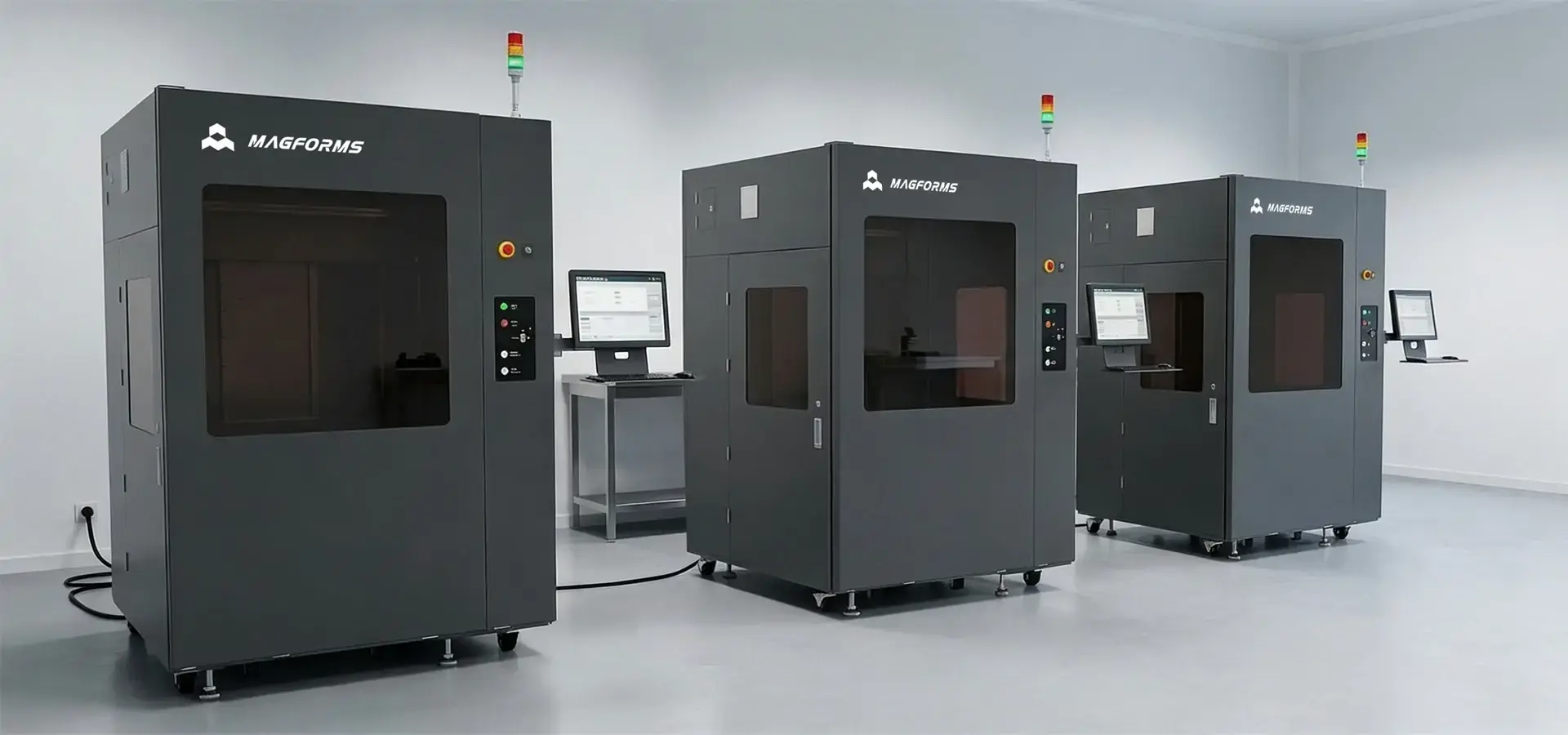
Magforms delivers cutting-edge SLA systems equipped with dual linear rail technology and German Scanlab galvanometers for exceptional precision and reliability. Our industrial-grade equipment achieves ±0.1mm accuracy through advanced motion control systems and proprietary variable spot-size laser technology that increases printing speeds by 30-50% compared to conventional methods. As a leading 3D print manufacturer, we provide comprehensive solutions, including equipment, materials, and technical support backed by 22 patents and proven performance across over 300 global enterprises. Contact our expert team at info@magforms.com to discuss your precision manufacturing requirements and discover how our integrated solutions can enhance your production capabilities while reducing operational costs.
References
1. Thompson, Michael J. "Linear Motion Systems in Precision Manufacturing: A Comparative Analysis of Rail Technologies." Journal of Manufacturing Science and Engineering, vol. 145, no. 3, 2023, pp. 78-92.
2. Chen, Li-Wei, and Robert K. Anderson. "Vibration Control in Additive Manufacturing Through Advanced Motion System Design." International Journal of Advanced Manufacturing Technology, vol. 127, no. 5-6, 2023, pp. 2145-2158.
3. Rodriguez, Carlos M., et al. "Precision Analysis of Multi-Rail Motion Systems in Industrial 3D Printing Applications." Precision Engineering, vol. 82, 2023, pp. 156-167.
4. Williams, Sarah E., and David L. Park. "Load Distribution and Structural Dynamics in Parallel Linear Rail Configurations." Mechanical Engineering Design Journal, vol. 198, no. 12, 2023, pp. 445-461.
5. Kumar, Rajesh, and Elena Volkov. "Thermal Stability and Dimensional Accuracy in High-Precision Additive Manufacturing Systems." Materials and Manufacturing Processes, vol. 38, no. 8, 2023, pp. 1023-1035.
6. Mitchell, James R., et al. "Motion Control Technology Advancements for Next-Generation 3D Printing Systems." IEEE Transactions on Industrial Electronics, vol. 70, no. 4, 2023, pp. 3892-3901.

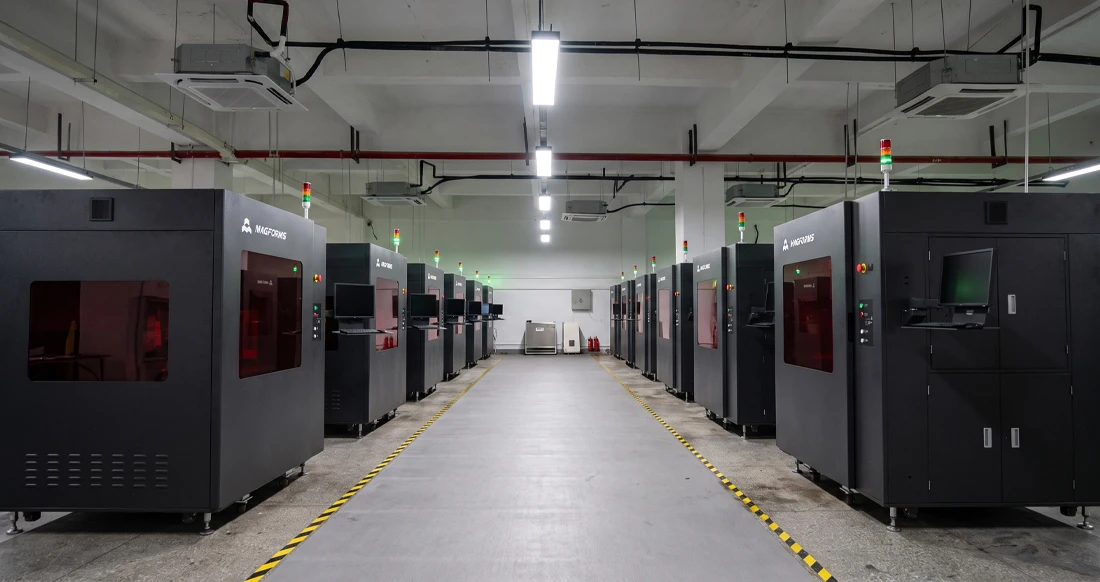
Magforms makes design and manufacture easier.
Popular Blogs
-
 Industry InsightsManufacturing Industry
FDM vs. SLA Printer: Which Technology Is Right for Your Project?
-
 Industry InsightsManufacturing Industry
Top 5 Applications of Industrial 3D Printers in Manufacturing Today
-
 Industry InsightsManufacturing Industry
Why Stereolithography 3D Printers Are Unmatched for Microfluidic Device Prototyping?