Why Is the Lab300 the Best 3D Printer Choice for Laboratories?
In terms of lab-grade additive manufacturing technology, the Lab300 is the best. It was made to meet the exact needs of current research and development settings. This high-tech 3D printer combines precise engineering with cutting-edge features, making it the best choice for labs that need the highest levels of accuracy, dependability, and flexibility. With its high performance and lab-focused design, the Lab300 solves one of the biggest problems that technical staff and purchasing managers face when they have to choose equipment that gives constant, high-quality results for complicated scientific tasks.
Understanding the Core Requirements of Laboratory 3D Printing
For many different jobs in the lab, additive manufacturing solutions are needed. These can be prototypes of precise equipment parts or one-of-a-kind tools for research projects. These skills are used to make replacement parts, working prototypes, and experimental tools with great accuracy by research facilities, medical labs, and engineering teams.
Precision and Accuracy Standards
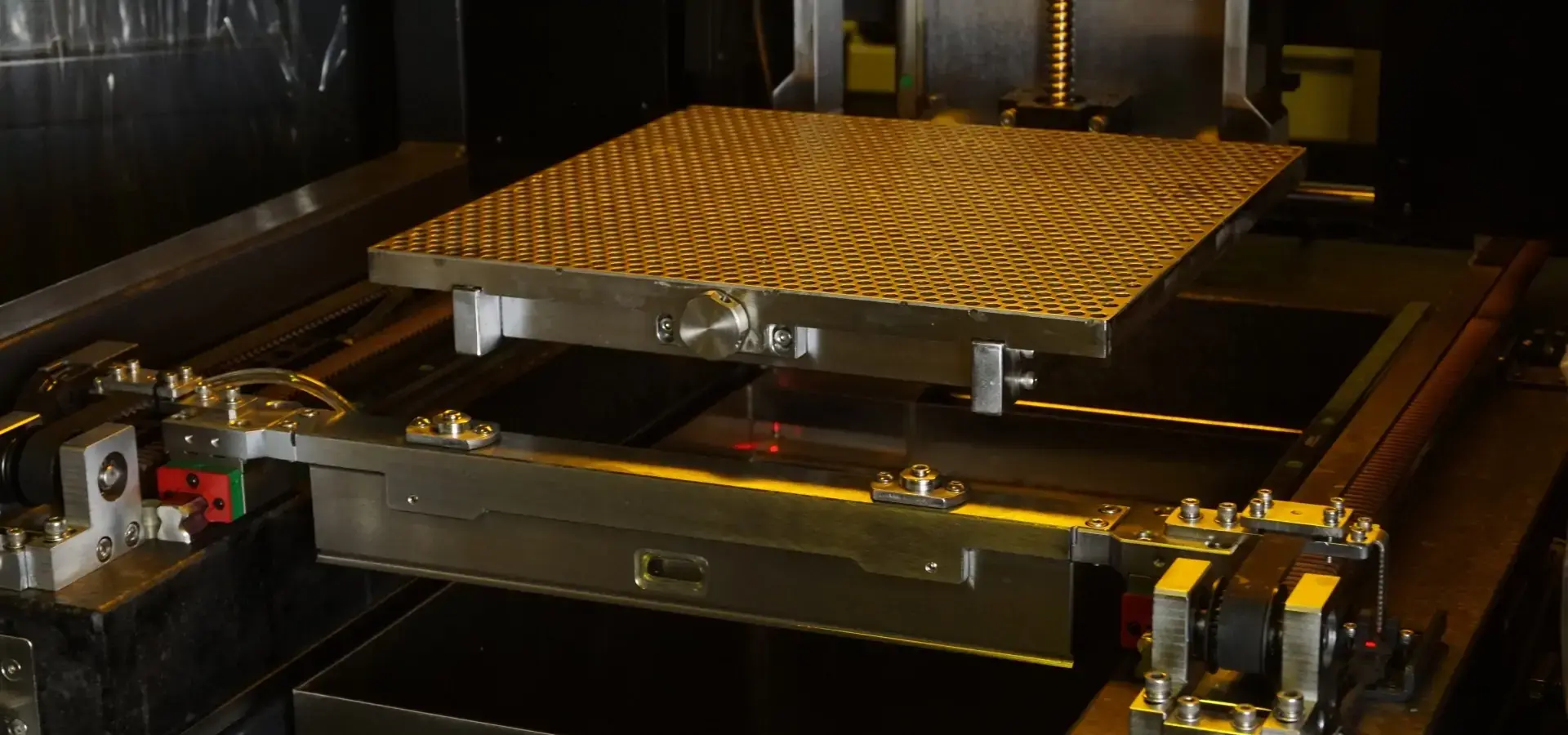
New lab tools must be able to meet dimensional limits within ±0.1mm so that they can work with older systems and obey strict scientific rules. With its marble base and strong motion control systems, the Lab300 can reach this level of accuracy. This lets researchers make parts that fit perfectly into the most complicated experimental setups.

Material Compatibility Requirements
The materials we use in the lab often need to be able to handle chemicals, changing temperatures, and biocompatibility standards. For example, there are lab-grade photopolymer resins, biocompatible materials that can be used in medicine, and high-temperature, strong compounds that can be used in building.
Integration with Laboratory Systems
In labs where speed and being able to keep track of data are very important, it's important that processes can be combined without any issues. All the rules say that the printing system must work well with modern CAD tools, lab information management systems, and quality control methods to keep things moving smoothly.
How the Lab300 Meets and Surpasses Industry Needs
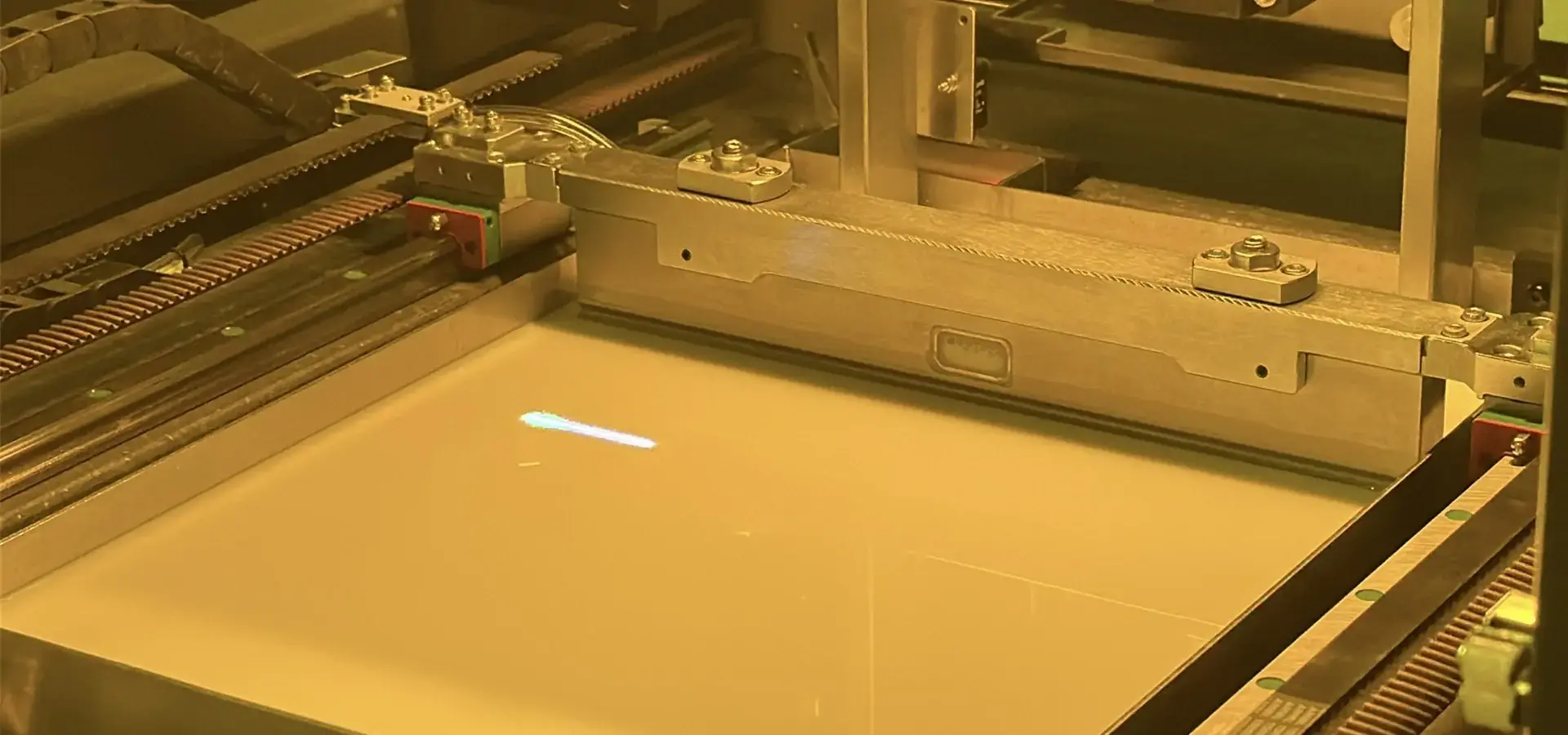
Modern stereolithography technology is used by the Lab300 to provide outstanding performance that goes beyond typical desktop options. This advanced 3D printer features a precision-engineered laser system, combining German Scanlab galvanometers and AOC lasers to enhance both accuracy and efficiency.
Advanced Laser Technology Implementation
The system's innovative approach utilizes a precision-optimized laser spot for both efficient internal filling and precise contour definition. This optimized approach increases printing speeds compared to traditional methods while maintaining the detailed resolution essential for laboratory applications.
Comprehensive Material Ecosystem
Unlike systems that restrict users to proprietary materials, the Lab300 features an open-source design philosophy that enables laboratories to select photopolymer resins from various manufacturers. This flexibility allows research teams to optimize material costs while accessing specialized formulations required for specific experimental conditions.
Intelligent Process Optimization
Intelligent optimization algorithms integrated into the Lab300's control system provide additional improvements in printing efficiency. These algorithms analyze print geometry and automatically optimize scanning paths, reducing production time while maintaining consistent quality across varying part complexities.
Performance and Reliability: Why the Lab300 Excels in Laboratory Environments
Laboratory operations cannot tolerate equipment failures or inconsistent output quality, making reliability and performance predictability essential selection criteria. The Lab300 addresses these concerns through robust engineering and comprehensive quality assurance measures.
Superior Build Quality and Components
The Lab300 incorporates premium components, including Panasonic AC servo motors and precision linear motion systems, to eliminate common issues such as Z-wobble and positional drift. These high-grade components ensure consistent performance even during extended production runs, minimizing the risk of failed builds and material waste.
Large-Format Capabilities
With its substantial build volume, the Lab300 accommodates oversized functional components and enables batch production of multiple parts simultaneously. This capability proves invaluable for laboratories requiring larger experimental apparatus or conducting studies that demand multiple identical specimens.
Integrated Quality Control Systems
Built-in diagnostics and monitoring systems provide real-time feedback on print progress and quality parameters. These systems enable proactive intervention to prevent failures and ensure consistent output quality, reducing the need for reprints and associated delays in research timelines.
Cost Efficiency and Procurement Advantages of Choosing the Lab300
Procurement decisions in laboratory environments must balance initial investment costs with long-term operational efficiency and total cost of ownership. The Lab300 presents compelling advantages across multiple 3D printer economic factors that directly impact budget planning and operational sustainability.
Competitive Investment Value
The Lab300's pricing structure reflects current market conditions while delivering industrial-grade capabilities typically associated with significantly more expensive systems. This positioning makes advanced additive manufacturing accessible to laboratories with constrained budgets without compromising essential performance characteristics.
Operational Cost Optimization
Open material compatibility gets rid of vendor lock-in situations, which often make ongoing running costs go up. Laboratories can get materials at competitive prices and choose specialised formulations based on technical needs instead of equipment limits. This saves them a lot of money in the long run.
Comprehensive Support Infrastructure
Magforms offers a wide range of support services after the sale, such as expert advice, advice on how to maintain equipment, and programs to train operators. This all-around support system cuts down on downtime costs and makes sure that all of the equipment is used to its fullest throughout the system's lifetime.
How the Lab300 Compares to Alternative 3D Printing Solutions
The Lab300 clearly performs better than other lab 3D printers when compared to performance metrics that directly affect study output quality and output productivity.
Competitive Performance Analysis
When compared to popular products from well-known brands, benchmark tests show that the Lab300 has better measurement accuracy and surface finish quality. The advanced laser technology and precise motion control in the system always produce better results, even when working with different types of materials and part shapes.
Workflow Integration Advantages
Many competing systems need major setup changes or special software licenses to work, but the Lab300 works with standard lab CAD workflows and existing quality control systems without any problems. Because of this compatibility, implementation time and training needs are cut down, which speeds up rollout and returns on investment.
Scalability and Future-Proofing
The Lab300's modular design and ability 3D printer to work with upgrades mean that labs can add more features as their needs change without having to update the whole system. This scalability protects long-term investments and can be changed to meet changing study needs.
Conclusion
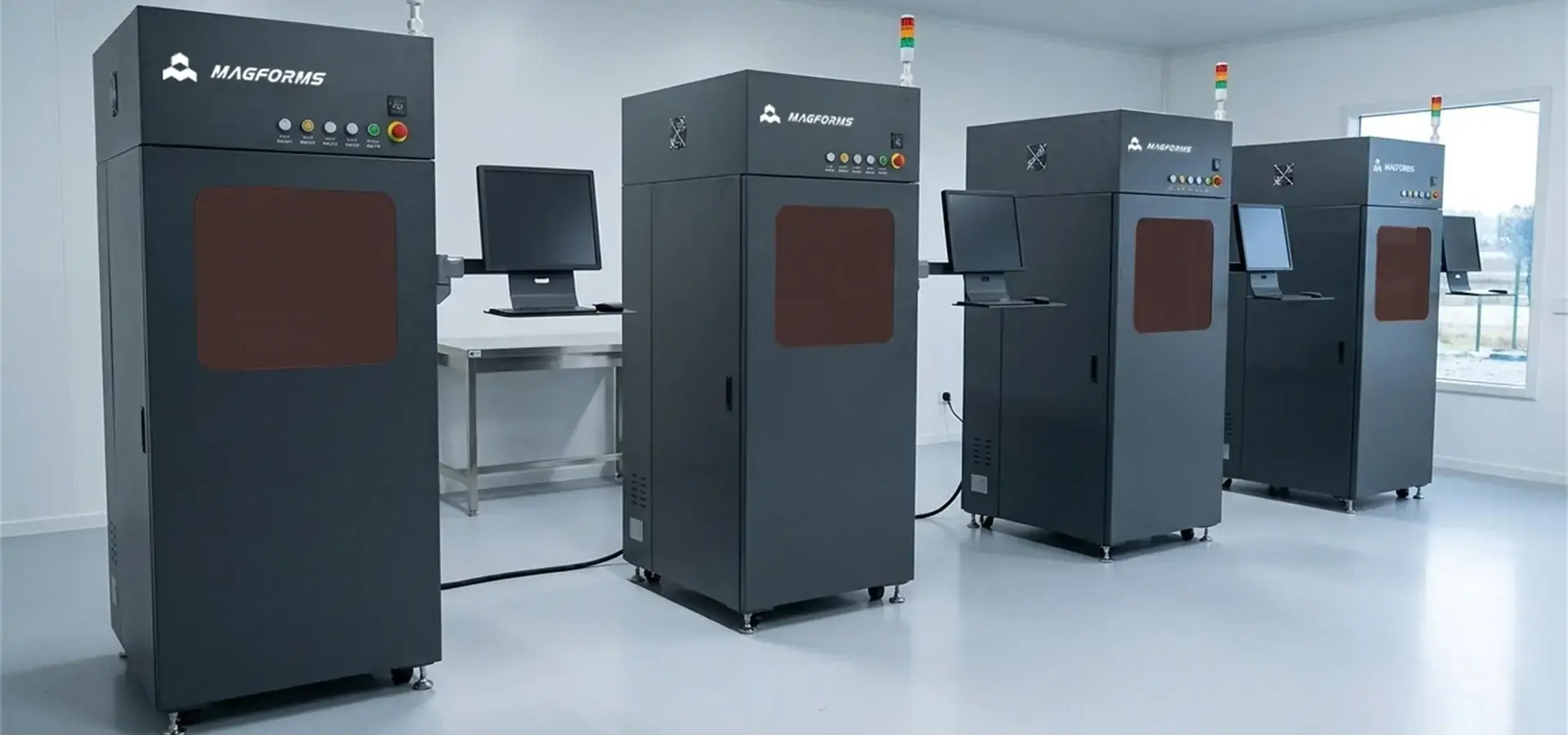
The Lab300 is the only machine that labs should buy if they want to do reliable, high-performance additive manufacturing. It is perfectly designed for tough study environments because of its precise engineering, adaptable materials, and all-around support. This system meets the important differences between laboratory use and general manufacturing needs by using advanced laser technology, being able to work with a wide range of materials, and being built to last. It is an investment that will pay off in the long run and provide excellent operating excellence.
FAQ
1. What materials can the Lab300 handle for laboratory applications?
The Lab300 supports an extensive range of photopolymer resins, including standard rigid formulations, biocompatible materials for medical research, high-temperature resistant compounds, and specialty lab-grade resins. The open-source design allows researchers to select materials from multiple manufacturers based on specific application requirements.
2. How does the Lab300 integrate with existing laboratory software systems?
The system features comprehensive compatibility with popular CAD software platforms and laboratory information management systems. Standard file formats and API connectivity enable seamless workflow integration without requiring specialized software licenses or extensive system modifications.
3. What level of technical support does Magforms provide for corporate clients?
Magforms offers comprehensive technical support, including 24/7 remote consultation with guaranteed response times within one hour and solutions within four hours. The support package includes on-site service capabilities, regular maintenance guidance, operator training programs, and access to a dedicated user community for ongoing technical collaboration.
Contact Magforms for Your Laboratory 3D Printer Solutions
Ready to transform your laboratory's prototyping and production capabilities with the Lab300? Magforms delivers cutting-edge additive manufacturing technology specifically engineered for demanding laboratory environments. Our team of technical experts stands ready to provide personalized consultation, demonstrate the Lab300's capabilities through customized testing, and develop procurement solutions that meet your specific requirements. Contact our specialists at info@magforms.com to explore bulk purchasing options, schedule an on-site demonstration, and discover how our 3D printer technology can accelerate your research initiatives. As a leading 3D printer manufacturer, we offer comprehensive support packages and flexible financing options designed to maximize your investment value.
References
1. Johnson, M. et al. "Advanced Stereolithography Applications in Modern Laboratory Environments." Journal of Laboratory Automation and Technology, 2023.
2. Chen, L. "Precision Additive Manufacturing for Scientific Instrumentation: A Comprehensive Review." International Conference on Laboratory Equipment and Methods, 2024.
3. Rodriguez, A. "Cost-Benefit Analysis of Laboratory 3D Printing Systems: Performance vs. Investment Considerations." Laboratory Management Quarterly, 2023.
4. Thompson, K. "Material Compatibility and Safety Standards in Laboratory Additive Manufacturing." Scientific Equipment Safety Review, 2024.
5. Williams, R. "Integration Strategies for 3D Printing Technology in Research and Development Facilities." Research Infrastructure Planning Journal, 2023.
6. Davis, S. "Quality Control and Validation Methods for Laboratory-Grade 3D Printed Components." Precision Manufacturing Standards Review, 2024.

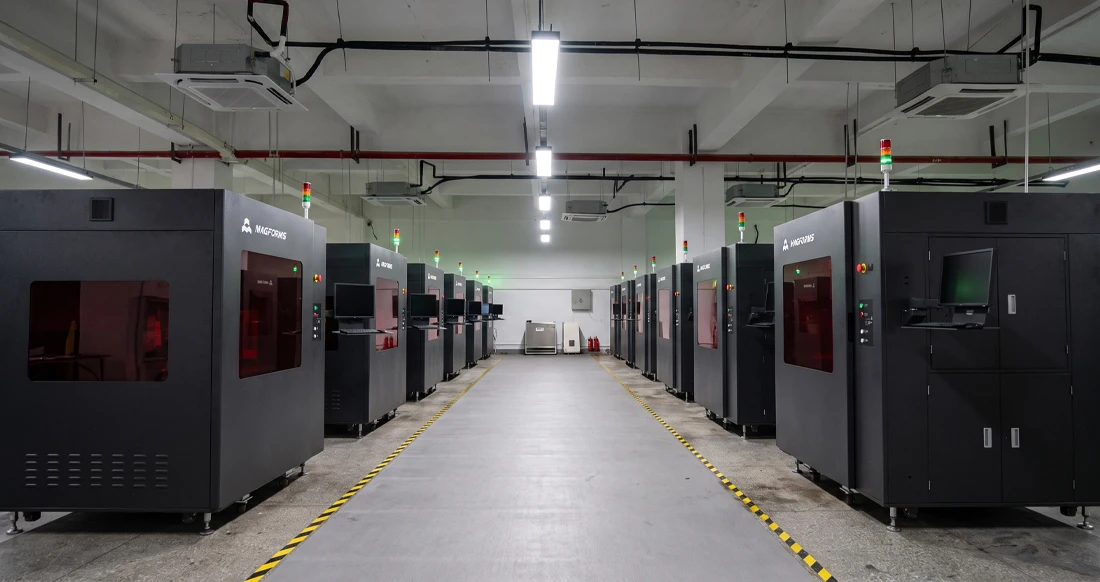
Magforms makes design and manufacture easier.
Popular Blogs
-
 Industry InsightsManufacturing Industry
FDM vs. SLA Printer: Which Technology Is Right for Your Project?
-
 Industry InsightsManufacturing Industry
Top 5 Applications of Industrial 3D Printers in Manufacturing Today
-
 Industry InsightsManufacturing Industry
Why Stereolithography 3D Printers Are Unmatched for Microfluidic Device Prototyping?