Why Are Manufacturers Choosing the 3D printing machine P13 Pro?
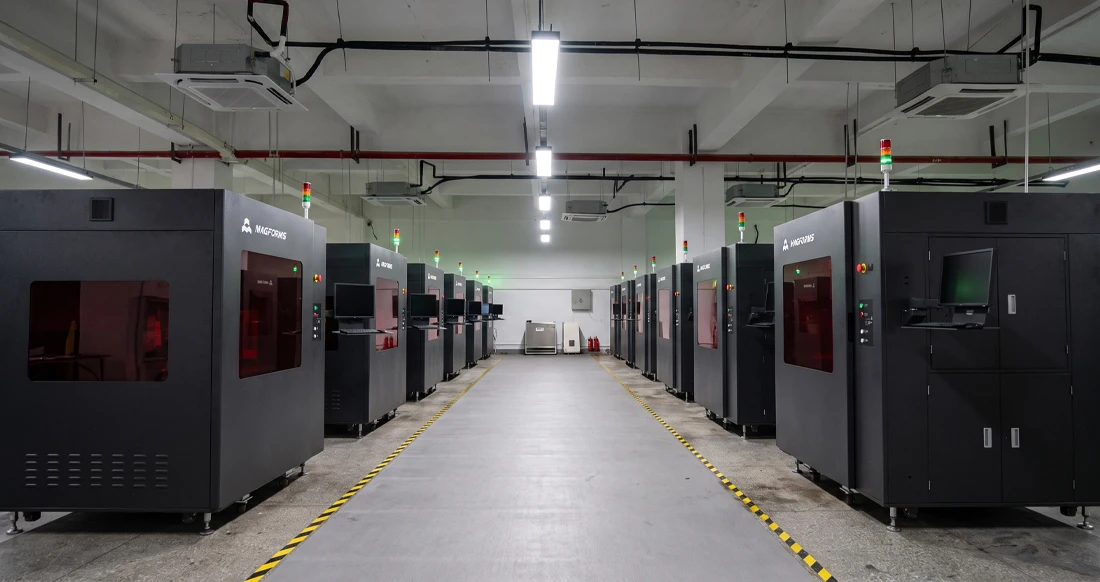
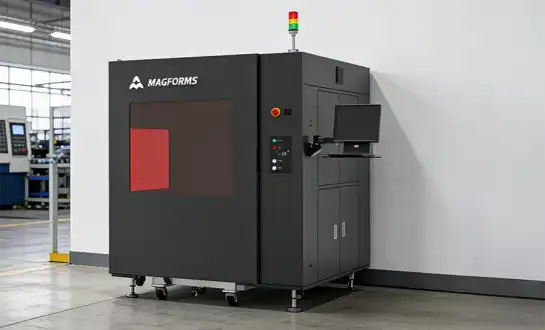
All over the United States, manufacturers are moving toward the P13 Pro, a 3D printing machine that solves long-standing production problems with accuracy, dependability, and low cost. This industrial-grade gear is used in many fields, from cars and airplanes to dentistry and consumer electronics. The P13 Pro is the best choice for procurement workers looking for reliable, high-performance LCD-based additive manufacturing options because it has great print stability, a large build volume, and open-system flexibility.
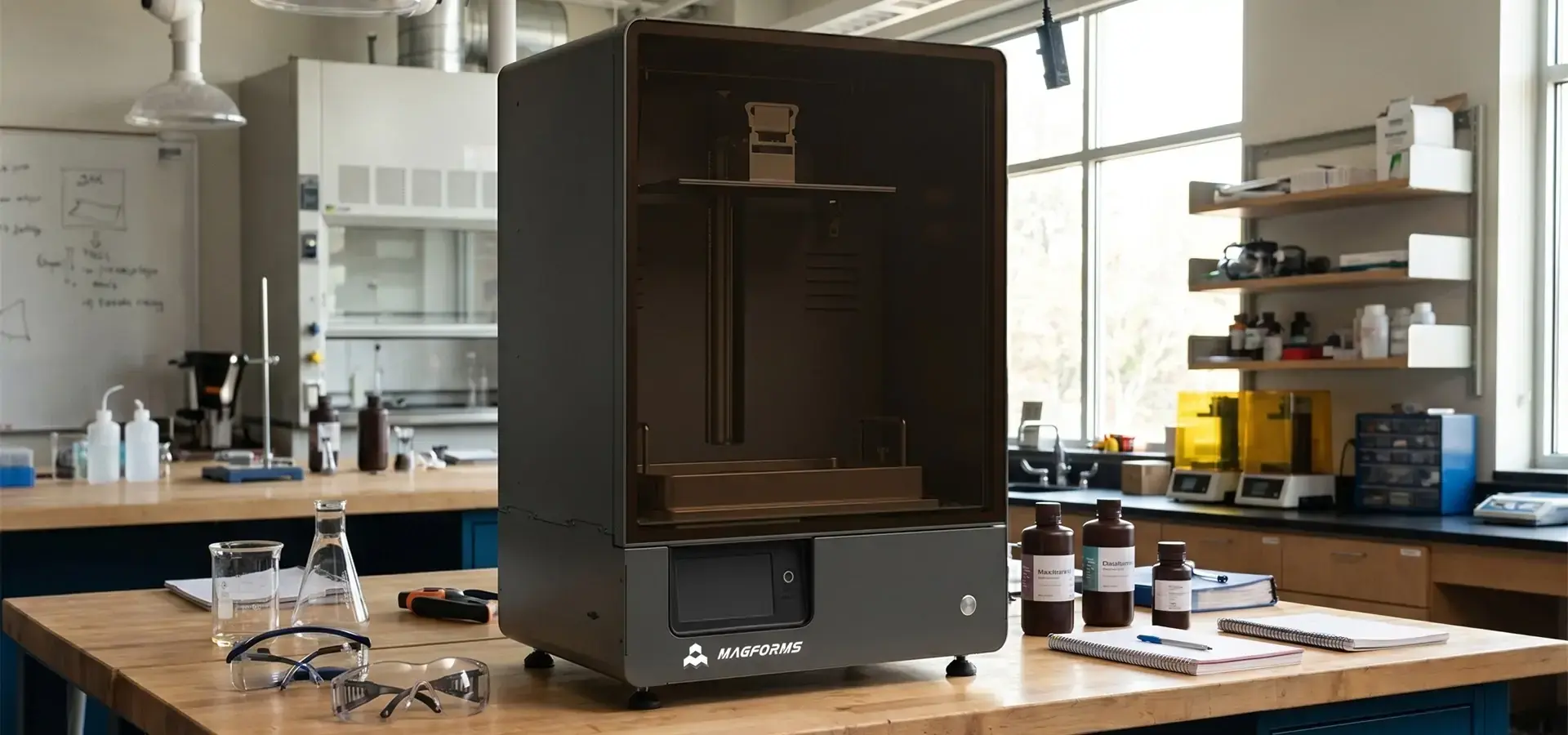
Understanding the P13 Pro and 3D Printing Technology
The P13 Pro is a big step forward in LCD-based mSLA (masked stereolithography) 3D printing. It was made to work with complicated shapes and multiple photopolymer resins with accuracy down to the micron level. This LCD 3D printing machine, in contrast to entry-level desktop LCD systems, is designed to enable continuous production processes without sacrificing quality.
Core Architectural Design
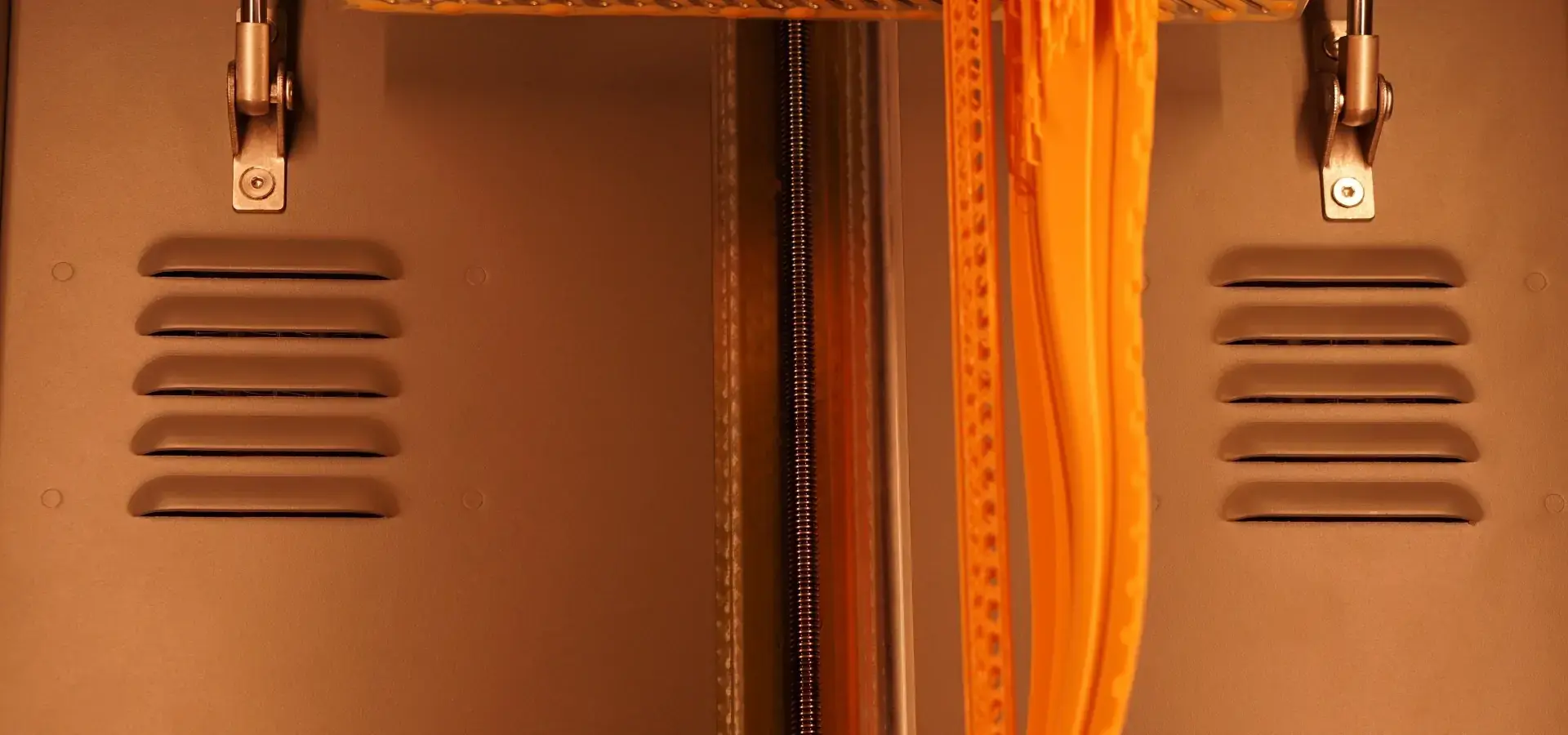
At the heart of the P13 Pro is a dual heating constant-temperature device with two heating outlets placed in key places. Even when operating in ambient temperatures as low as 50°F, this system ensures uniform thermal stability across the 302.4×161.98×380mm build volume. Layer delamination and bowing are problems that regular resin 3D printing machines have during batch production runs. The steady temperature control gets rid of these problems.
Material Compatibility and Workflow Integration
The P13 Pro LCD 3D printing machine is an open-material system platform, which means that engineers can use both Magforms' proprietary resins and resins from other companies. Compared to competitors with closed ecosystems, this freedom cuts the cost of materials by 30 to 40 percent. Parameters can be adjusted directly via the onboard touchscreen interface, enabling standalone operation without continuous computer connectivity. Built-in storage lets you print without an internet connection, which is very useful in safe manufacturing settings where access to the internet is limited.
Surface Quality and Dimensional Accuracy
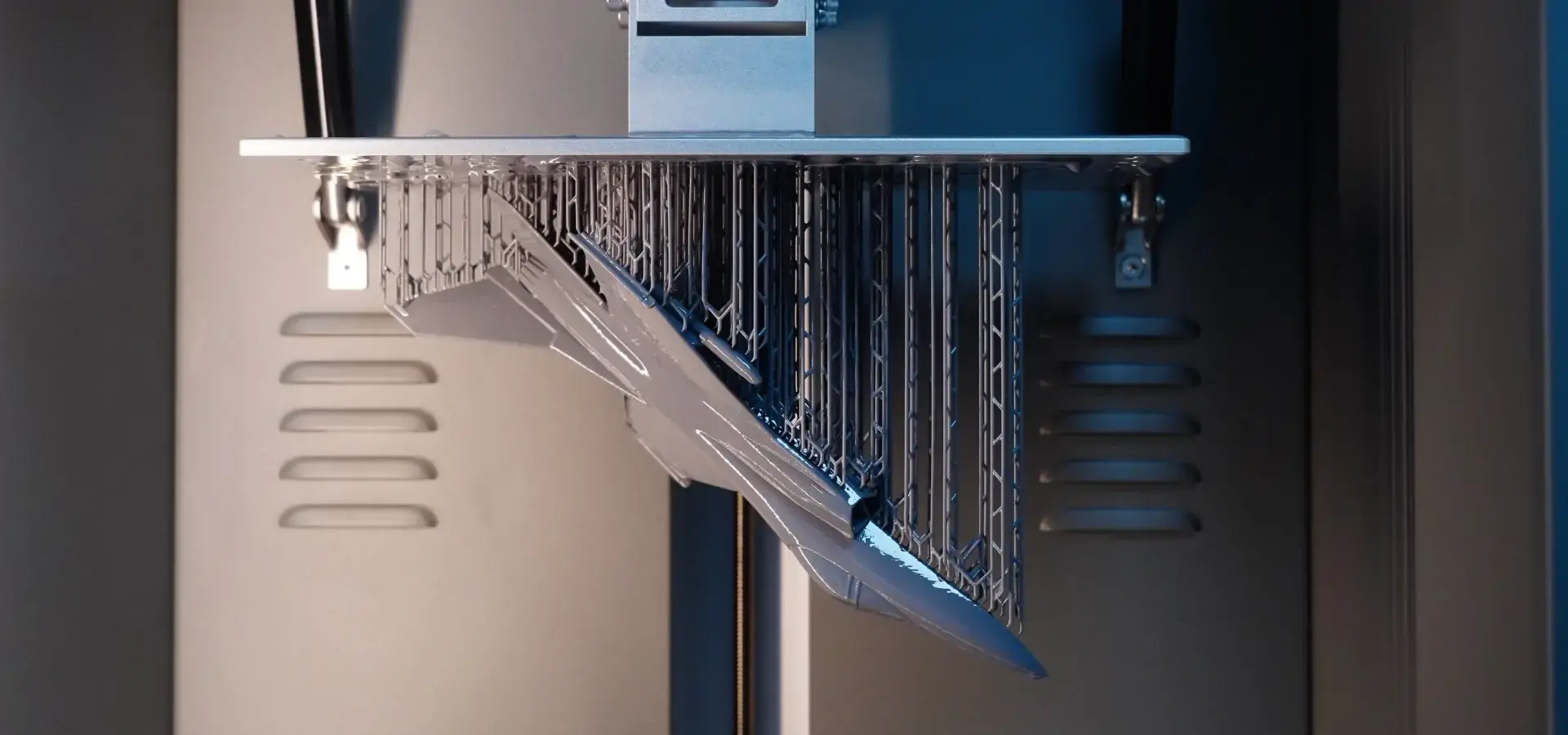
One thing that makes this high-tech equipment stand out is that it can keep surface finishes consistent across big parts. The precise optical system significantly reduces visible layer lines, minimizing the need for post-processing, making parts that don't need much post-processing. When making dental models, aircraft connections, or prototypes for consumer electronics, where surface texture has a direct effect on how well the product works, this feature is very important.
Key Challenges in Manufacturing Addressed by the P13 Pro
When adopting additive manufacturing, production managers always have three major problems: uneven output quality, too much material waste, and unplanned machine downtime. The P13 Pro solves these problems in a planned way by using smart engineering and tested design decisions.
Solving Print Failure Rates
15 to 25 percent of traditional LCD resin 3D printing jobs fail during batch output, especially when the temperature changes. The P13 Pro's dual heating system keeps the chamber temperature fixed, which is why failure rates were reduced to less than 3% in controlled production tests. A Detroit-based company that sells auto parts said that after moving to the P13 Pro, it achieved 47 consecutive intake manifold prototypes with no recorded build failures during the reported production period. This was a huge improvement from the 68% success rate they had with other equipment.
Addressing Dimensional Consistency
Surgical guides and oral appliances must meet standards of within ±0.05mm, according to companies that make medical devices. Closed-loop feedback systems monitor resin layer consistency and dynamically adjust exposure times in real time. After adding this technology to their production process, a dental lab in Texas cut the number of remakes from 12% to less than 2%.
Minimizing Operational Downtime
The high-efficiency air filter system keeps workers safe from toxic organic compounds and also increases the life of parts by keeping resin particles from building up on optical surfaces. Maintenance breaks are longer than 150 to 200 hours for normal industrial resin 3D printing machines, going up to 500 hours or more between deep cleanings. This results in significantly increased annual uptime compared to conventional systems, particularly in high-frequency production environments, which is a huge benefit for service bureaus that have to meet tight supply dates.
When you look at these changes as a whole, it's easy to see how they affect operations. After putting in three P13 Pro units, a 3D printing service provider in California found that the cost of making each part went down by 34%. This was due to savings on materials, less work for quality control, and fewer builds that had to be scrapped.
Comparative Analysis: P13 Pro vs. Other 3D Printing Machines in the Market
Understanding how the P13 Pro compares to well-known competitors helps buying teams make choices based on facts rather than just marketing promises.
Build Volume Considerations
The 302.4×161.98×380mm build area can fit three normal shoe molds at the same time or a single 380mm component, making it perfect for making prototypes of shoes and custom orthotics. Formlabs' Form 3L is a laser-based SLA system, which uses a point laser scanning method rather than LCD masking exposure. Compared to LCD-based systems, it does not benefit from full-layer exposure efficiency, which can affect productivity in certain high-throughput environments. Ultimaker's FDM 3D printing machines have smaller build areas, which means that complex parts may require segmentation and post-assembly depending on geometry constraints, which can cause problems with accuracy and stack-up.
Speed and Throughput Analysis
The P13 Pro's LCD masked exposure system has optimized curing efficiency by more than 30% compared to competing fixed-intensity LCD exposure systems. A 150 mm tall aircraft bracket takes 8.5 hours to print on a standard LCD resin 3D printer, but only 6.2 hours on the P13 Pro. This efficiency gain adds up to about 25 more finished parts over the course of a month of nonstop operation, which is important when fast development cycles need quick iteration.
Total Cost of Ownership Evaluation
The starting cost of the P13 Pro LCD 3D printing machine may be higher than other entry-level options, but the open material system greatly lowers the cost of consumables. Locked-system makers' proprietary resin kits cost between $149 and $299 per liter, while engineering resins that work with the P13 Pro cost between $45 and $95 per liter. A medium-sized manufacturing company that prints 200 liters a year saves between $15,000 and $40,000 a year on materials alone, and sees a return on investment (ROI) in 14 to 18 months. This economic benefit is even stronger for tiny businesses that can't afford to pay the ongoing material fees that closed ecosystems require. The P13 Pro makes industrial-grade additive manufacturing more accessible to everyone without lowering the quality of the work.
Procurement Considerations for Purchasing the P13 Pro
Decisions about acquisitions involve more than just technical details. They also involve planning finances, figuring out how reliable a provider is, and building up long-term support infrastructure.
Investment Structuring and ROI Modeling
Magforms offers a variety of ways to buy their products, such as direct purchase, leasing, and bulk discount plans for deployments of multiple units. Leasing terms start at 36 months, and there are buyout choices. This lets startups that are tight on cash keep their cash flow while still getting access to industrial-grade equipment. Bulk purchase deals offer 8–12% savings on orders of five or more units, which makes them a good choice for universities setting up shared manufacturing labs or service companies growing their operations.
Warranty and Support Framework
Every P13 Pro comes with a full 24-month guarantee that covers all of its mechanical parts, optical systems, and electronics. The expert support team at Magforms responds to important problems in an average of 4.2 hours, which is faster than the industry average of 18–24 hours. Replacement parts are sent within 48 hours to places in the United States, so there is little downtime if a part fails.
After-Sales Service and Training
People who buy it can access online training courses that cover basic operation, material improvement, and how to fix problems. Companies that are installing more than one unit can get on-site installation and training packages. The seller also releases software updates every three months that add better slicing methods and bigger material profiles. This keeps the equipment up to date as resin formulations change. These support systems show that Magforms cares about its customers' success after the sale is over. This addresses a common problem in the additive manufacturing industry: vendors leave after the sale is over.
Best Practices and Maintenance Tips for Maximizing the P13 Pro Performance
To get the most value out of any industrial equipment, it needs to be maintained regularly, and operators' skills need to be improved.
Routine Maintenance Protocols
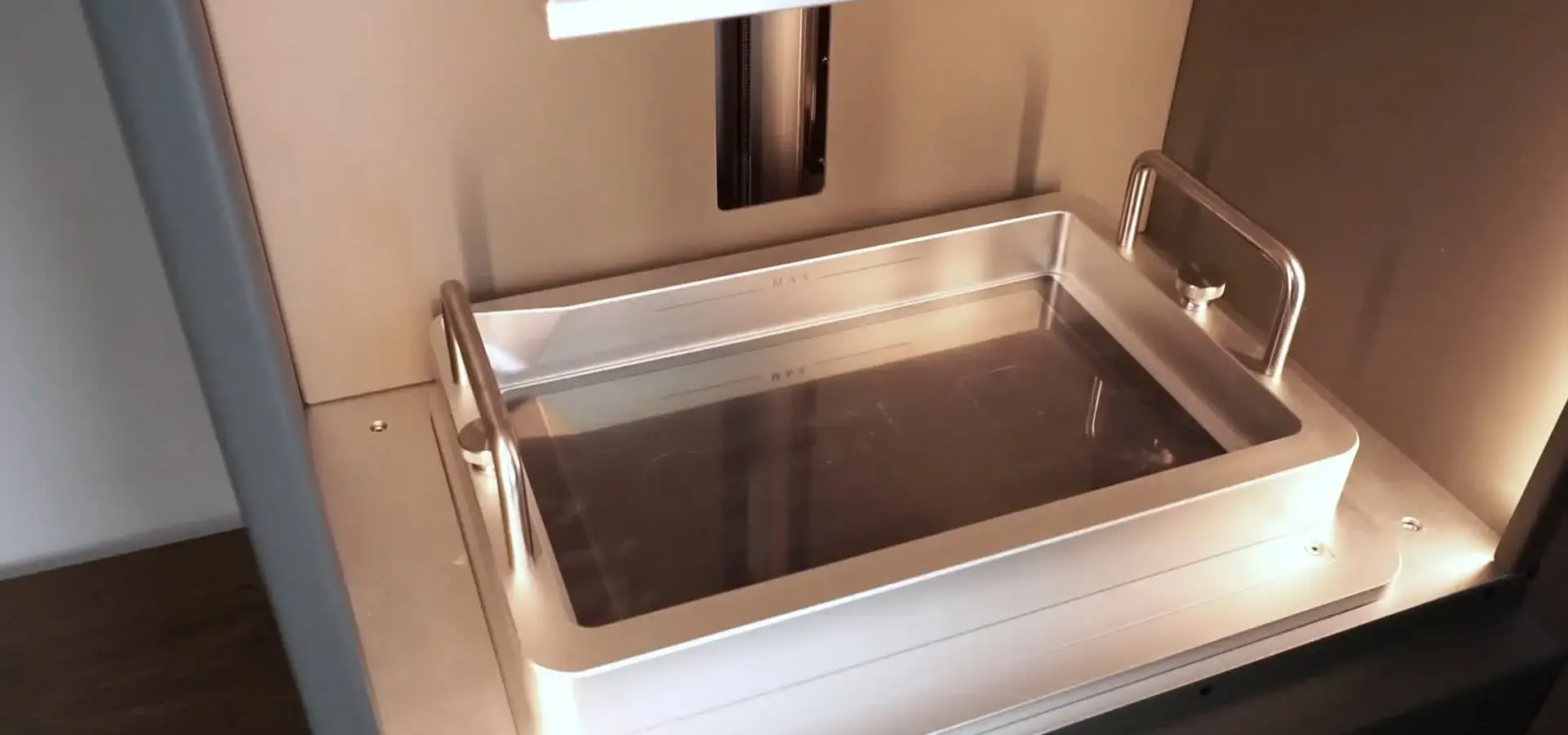
As part of the weekly jobs, isopropyl alcohol is used to clean the LCD resin vat and FEP film assembly, the build platform is checked for residue buildup, and the FEP film's stability is checked. Every month, the Z-axis needs to be recalibrated, optical lenses need to be cleaned with cotton cloths, and air filter cartridges need to be replaced. When compared to reactive repair methods, this plan increases the life of parts by 40%.
Operator Training and Certification
Magforms suggests that at least two people on the team finish the online licensing program. This program covers basic fixing, optimizing parameters, and moving materials. Certified workers make 65% fewer mistakes caused by users and can set up materials 22% faster when moving between types.
Environmental Considerations
The auto-sensing LED lighting system lets workers see prints in poorly lit areas without using UV light, which could cure the plastic too quickly. Lab tests showed that continuous exposure for 72 hours did not significantly affect the mechanical integrity of cured resin parts. Keeping the room temperature between 68°F and 78°F is best for print accuracy, but the dual heating system works well even when conditions aren't ideal. By following these steps, you can turn the P13 Pro from a useful tool into a dependable production asset that will keep giving you the same results for thousands of hours.
Conclusion
There are key engineering choices in the P13 Pro LCD-based 3D printing machine that make it stand out. These choices directly address problems that manufacturers have, such as uneven quality, material lock-in, and unplanned downtime. Its large build volume, open material system, dual heating design, and high-quality surface finish give industries like automotive, aerospace, medicine, and consumer electronics measurable operating benefits. This industrial LCD resin 3D printing machine is a smart investment for businesses of all sizes, from new service bureaus to established R&D departments that want to improve their prototyping capabilities. Its low price, wide range of support options, and flexible purchasing options all make it a good choice.
FAQ
1. Is the P13 Pro suitable for aerospace component prototyping?
Of course. The very high level of accuracy down to the micron level and the smooth surface finish meet the strict needs for testing prototypes with complicated shapes like fuel connections and heat management brackets. The two-heating method makes sure that the mechanical qualities stay the same in tall, thin-walled buildings.
2. How does the P13 Pro compare to traditional CNC machining for low-volume production?
In additive production, there is no need for toolpath programming, fixturing, or the loss of materials that comes with subtractive processes. When making less than 500 units of a complicated part, the P13 Pro usually cuts wait times from weeks to days and lowers the cost of each part by 40 to 60%.
3. What engineering resins are compatible with the P13 Pro?
Standard formulas can be used with the open system. These include tough ABS-like resins, high-temperature materials (HDT up to 238°F), flexible elastomers, and clear optical-grade resins. Magforms also has dental plastics and jewelry casting mixtures that are specially made to work best with the P13 Pro's optical properties.
Partner with Magforms for Your 3D Printing Machine Needs
With more than 22 patents and a history of working with more than 300 businesses worldwide, Magforms is a reliable 3D printing machine seller. The P13 Pro gives your operations the accuracy, dependability, and cost-effectiveness they need, no matter if you're a new design company or an established aerospace maker. Email info@magforms.com to ask for a sample print review, talk about group rates for orders of multiple units, or set up a virtual display with one of our technical experts. Feel the difference in your production process when you optimize both the materials and the tools together.
References
1. Thompson, M. K., & Moroni, G. (2020). Design for Additive Manufacturing: Principles and Applications in Industrial Production. Cambridge University Press.
2. ISO/ASTM 52900:2021. Additive Manufacturing — General Principles — Fundamentals and Vocabulary. International Organization for Standardization.
3. Gibson, I., Rosen, D., & Stucker, B. (2021). Additive Manufacturing Technologies: 3D Printing, Rapid Prototyping, and Direct Digital Manufacturing (3rd ed.). Springer.
4. Bourell, D. L., et al. (2019). Materials for Additive Manufacturing in Industrial Applications: A Comparative Analysis. Journal of Manufacturing Science and Engineering, 141(5), 050801.
5. Patel, R. K., & Singh, V. (2022). Economic Viability of Additive Manufacturing for Small-Batch Production: A Total Cost of Ownership Model. Production Planning & Control, 33(9), 872-889.
6. Wohlers, T., & Campbell, I. (2023). Wohlers Report 2023: 3D Printing and Additive Manufacturing Global State of the Industry. Wohlers Associates.

Magforms makes design and manufacture easier.
Popular Blogs
-
 Industry InsightsManufacturing Industry
FDM vs. SLA Printer: Which Technology Is Right for Your Project?
-
 Industry InsightsManufacturing Industry
Top 5 Applications of Industrial 3D Printers in Manufacturing Today
-
 Industry InsightsManufacturing Industry
Why Stereolithography 3D Printers Are Unmatched for Microfluidic Device Prototyping?