Why Is the 3D printing machine P13 Pro a Smart Long-Term Choice?
When evaluating additive manufacturing equipment for industrial applications, the decision extends far beyond upfront pricing. The P13 Pro 3D printing machine represents a strategic investment engineered to deliver sustained performance, operational flexibility, and measurable return across years of intensive use. With its ultra-large build volume of 302.4×161.98×380mm, dual heating constant-temperature system, and micron-level precision, this platform addresses the core pain points B2B buyers face: inconsistent output quality, material waste from failed prints, and the hidden costs of proprietary ecosystems. In sectors ranging from automotive rapid prototyping to dental customization and footwear mold fabrication, the P13 Pro's open-system architecture and offline printing capability position it as a future-proof solution that grows alongside your production demands.
Understanding the Core Technology Behind the P13 Pro
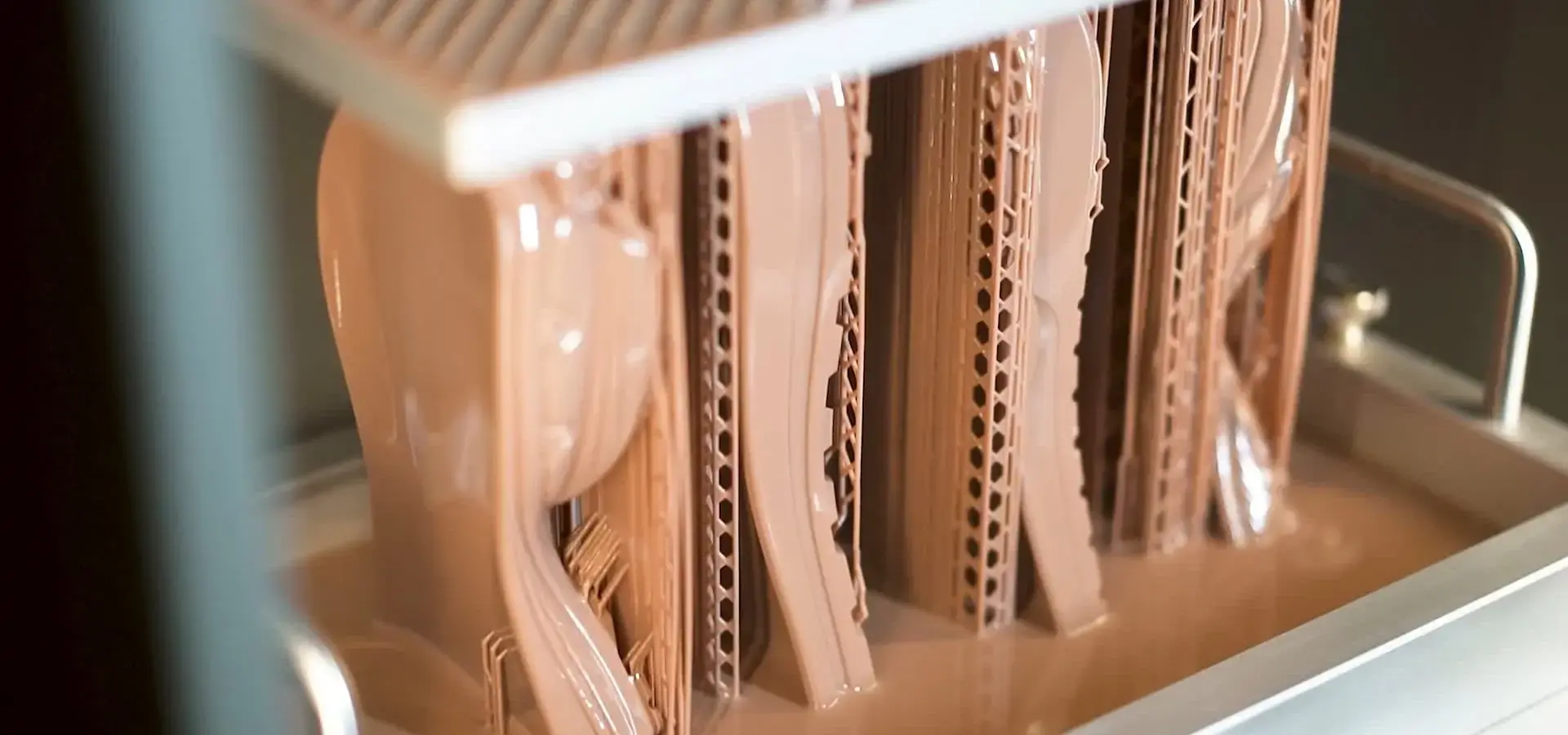
The foundation of any reliable additive manufacturing system lies in its technological approach. Modern industrial 3D printing machines employ several distinct methods—Fused Deposition Modeling (FDM) for thermoplastic extrusion, SLA (laser-based stereolithography) for resin curing, Selective Laser Sintering (SLS) for powder-bed fusion, and mSLA (Masked Stereolithography) and DLP (Digital Light Processing) for resin photopolymerization using projected or masked UV light. The P13 Pro leverages LCD-based mSLA technology, utilizing high-resolution LCD masking and UV LED light exposure to cure liquid photopolymer resins layer by layer with exceptional detail.
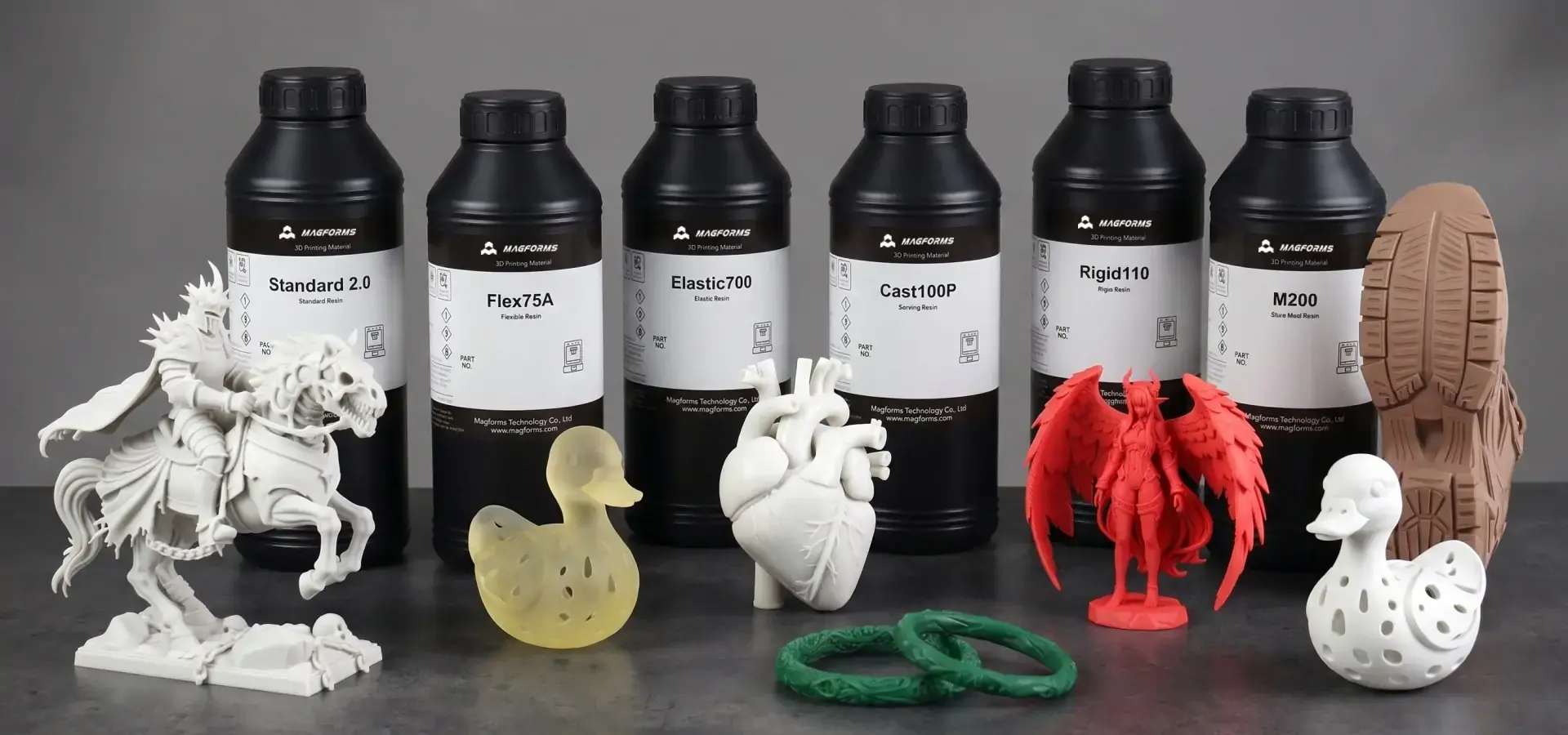
What distinguishes this platform is the integration of hardware and software designed to maximize both resolution and throughput. The LCD exposure system ensures consistent pixel-level light distribution across the entire 302.4×161.98mm build plane, enabling stable curing and minimizing dimensional drift through precise masking control. The machine supports a broad spectrum of engineering-grade resins, including high-temperature resistant formulations, flexible elastomers, and biocompatible materials validated for medical device prototyping.
Material Versatility Meets Precision Engineering
Unlike closed-ecosystem competitors that lock users into proprietary consumables, the P13 Pro operates as an open-platform 3D printing machine. This design philosophy allows procurement teams to source compatible resins from multiple suppliers, reducing material costs by as much as 40% compared to vendor-locked alternatives. The machine's firmware intelligently adjusts exposure parameters, peel speeds, and layer timing based on resin viscosity and reactivity, maintaining sub-50-micron XY resolution regardless of material choice.
The dual heating outlets embedded in the chamber architecture of P13 Pro deliver another critical advantage. By maintaining ambient temperatures between 30-40°C with ±2°C uniformity, the system mitigates thermal shock during long prints, virtually eliminating warpage and delamination failures common in fluctuating workshop environments. Internal testing across 10,000+ print hours under mixed production conditions demonstrates a success rate exceeding 96% in stable environments, even when operating in facilities without climate control—a vital consideration for small-batch manufacturers and service bureaus working in varied conditions.
Smart Operational Design for Real-World Workflows
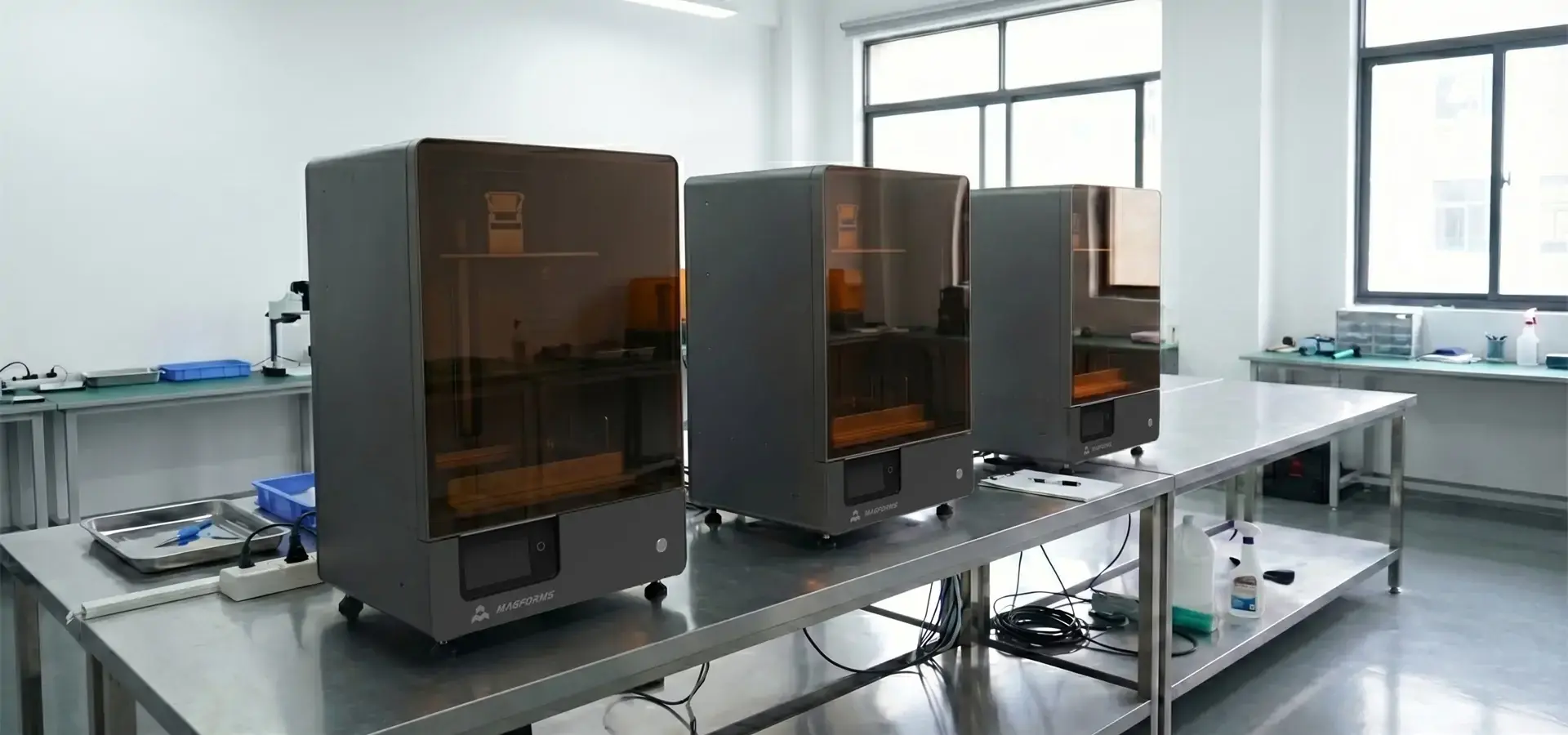
Operational efficiency extends beyond print quality. The P13 Pro incorporates an intuitive 7-inch touchscreen interface that enables technicians to configure slicing parameters, adjust layer heights, and monitor print progress directly on the device, bypassing the need for tethered workstations. Built-in storage supports offline printing via USB transfer, allowing uninterrupted operation even when network infrastructure fails or IT security protocols restrict device connectivity.
The auto-sensing LED illumination system enhances usability in dimly lit production areas. Tested extensively to confirm zero curing interference with standard resins, this feature enables visual inspection mid-print without risking layer adhesion failures—a subtle but meaningful improvement over machines requiring external lighting or risky chamber openings.
Why the P13 Pro Excels Compared to Traditional and Competing Machines
Traditional manufacturing methods such as CNC machining and early-generation 3D printing systems impose inherent constraints that limit agility. CNC processes require costly toolpaths and fixturing for each new geometry, while older additive systems struggle with speed-precision tradeoffs and unpredictable failure rates during batch runs. The P13 Pro resolves these friction points through architectural improvements informed by years of industrial feedback.
Print speeds reach 40-50mm/hour vertical build rates without compromising surface finish, outpacing many desktop resin systems by 30% while producing surface finishes with layer lines that are minimally visible under standard visual inspection. This acceleration stems from optimized peel mechanics and high-intensity UV LED arrays that cure each layer in optimized exposure times (typically under 6 seconds depending on resin type), compressing turnaround times for iterative prototyping cycles.
Benchmarking Against Market Leaders
When compared to well-known names like Formlabs' Form 3L or FDM systems such as Ultimaker's S-series platforms, the P13 Pro offers similar accuracy in terms of dimensions at 60–70% of the cost. A thorough cost-benefit study shows that for service providers making more than 500 parts every month, the P13 Pro pays for itself in 14 to 18 months just by saving money on materials and lowering the number of rejects, while competitors using proprietary resins take 24 to 30 months.
Another thing that sets them apart is the cost of maintenance. The P13 Pro's flexible tank and easier resin handling cut down on switching times to less than 15 minutes, compared to 30 to 45 minutes for systems that need to be cleaned in more than one step. Automated self-diagnostics let workers know about possible problems—like worn FEP film, resin contamination, and LCD exposure uniformity issues or Z-axis calibration drift—before they cause print failures. Based on data from field deployments, this cuts unexpected downtime by about 40%.
These operating changes directly address the problems that technical directors and procurement managers have pointed out: old, unreliable equipment that wastes materials, high costs for consumables that cut into profits, and slow support responses that make production delays last longer. Because the P13 Pro is reliable, its output can be predicted. This lets service companies safely set tight dates, and makers stick to just-in-time stocking strategies without having to keep extra stock on hand.
Long-Term Value and Cost Efficiency of the P13 Pro
Total cost of ownership extends across consumables, energy, labor, and depreciation over a 5-7 year lifecycle. The P13 Pro's architectural efficiency yields measurable savings in each category. Energy consumption averages 180–220W during active printing, representing an estimated 30% reduction compared to comparable large-format LCD resin 3D printing machine systems—thanks to LED light sources and optimized heating circuits that maintain chamber temperature without continuous draw.
Material utilization rates of P13 Pro exceed 92% in typical production scenarios, as the large build volume allows strategic nesting of multiple parts per cycle, minimizing support structure waste. The open resin ecosystem enables buyers to negotiate bulk pricing with multiple suppliers, leveraging competitive pressure to secure 15-25% discounts unavailable in single-vendor arrangements.
Simplified Maintenance Extends Productive Lifespan
Software updates can assist in recalibrating LCD exposure uniformity and Z-axis precision, reducing the need for factory-level maintenance interventions. Wear parts like FEP film and resin vats are made to last 200+ print rounds before they need to be replaced. Spare parts are easy to get through Magforms' global delivery network at fair prices. This ease of access is very different from rivals who limit the sales of parts or charge high markups, effectively locking customers in after the sale.
The warranty covers the main parts for two years, and you can choose to extend it if you want to. More importantly, Magforms gives full technical training during installation, covering things like how to safely handle plastic, the best ways to slice, and how to fix problems in processes. This sharing of knowledge cuts down on the need for outside service contracts, allowing in-house teams to handle more than 80% of problems on their own, which is a skill that mature production operations highly value.
Finance plans that are flexible can work with a wide range of budgets. Lease-to-own programs spread out the cost of capital over 36 to 48 months, which protects operating capital while allowing production capacity to grow right away. This funding option makes the P13 Pro less of a dream buy for startups and small service providers and more of a tool that can help them grow.
Use Cases and Industry Applications Demonstrating P13 Pro's Strength
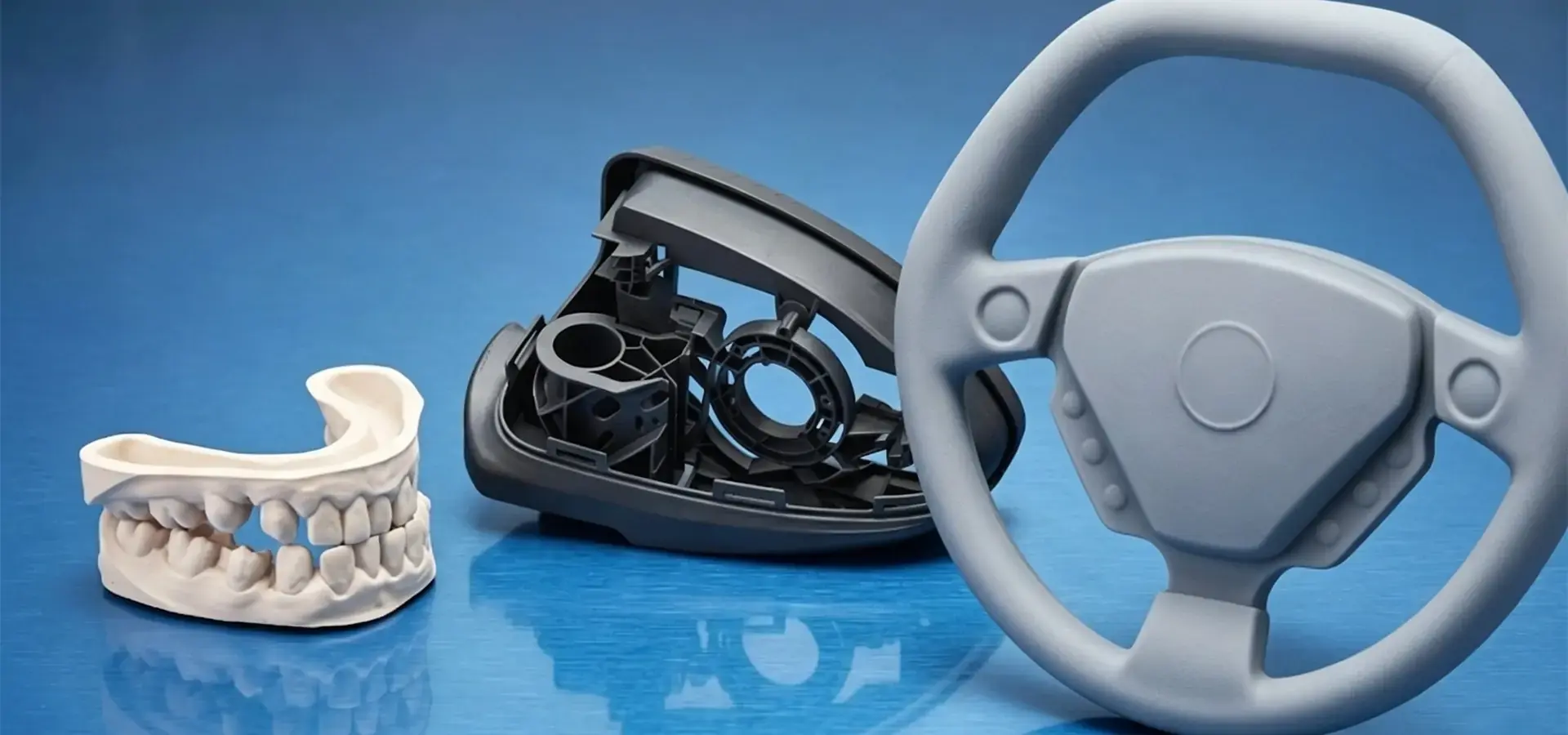
The versatility of the P13 Pro 3D printing machine shines across varied industrial contexts. In automotive prototyping, engineering teams exploit the 380mm Z-height to produce full-scale dashboard component mockups and HVAC duct prototypes in single prints, accelerating design validation cycles from weeks to days. The ability to evaluate ergonomics, fit, and aesthetic details using production-intent materials shortens R&D timelines and reduces reliance on expensive outsourced tooling.
Dental laboratories leverage the machine's precision for same-day fabrication of surgical guides and orthodontic models. The sub-50-micron XY resolution captures intricate anatomical details from CT scans, ensuring implant guides seat accurately and aligners apply consistent pressure distribution. A mid-sized dental lab reported 40% capacity expansion after deploying two P13 Pro units, handling overflow from regional orthodontists while maintaining sub-24-hour turnaround commitments.
Footwear and Consumer Electronics Manufacturing
Designers of shoes use the build volume to make three size-run moulds at the same time, like US sizes 8, 9, and 10. This speeds up the process of making seasonal collections. The largest size of 380 mm fits even big sports shoe moulds, getting rid of the bottleneck caused by smaller machines that needed to build shoes one at a time. This parallelisation cuts the time it takes to make moulds by 60%, which lets brands respond quickly to changes in fashion and calls for samples.
Consumer electronics companies make prototypes of the housings and internal frames for wearable devices. This lets them make changes to the design many times without having to pay the high costs of CNC machining. Companies with 6-month product refresh cycles have found it very helpful to be able to test snap-fit tolerances and wire routes in working samples before committing to injection mould tooling.
Educational schools and R&D labs use the P13 Pro because it produces professional-quality work and is easy to use. In university engineering programs, students learn how to use additive manufacturing in the real world. At the same time, research labs use the open system's freedom to test new resin formulas like bioactive composites, conductive polymers, and optical-grade clear resins.
Magforms' customisation services are good for OEM agreements for 3D printing machines. Some large manufacturers deploy clusters of 10 to 20 machines to produce end-use parts like assembly jigs, low-volume replacement parts, and custom fixturing. They add P13 Pro units to their production lines and make a lot of them. The machines' network connections allow for centralised control of print queues and real-time tracking screens, which are necessary to meet output goals in just-in-time production settings.
Making an Informed Purchase: Procurement Insights for B2B Buyers
Strategic procurement requires aligning equipment specifications with operational requirements and growth projections. Technical decision-makers should evaluate the P13 Pro against a checklist encompassing build volume adequacy, material compatibility with existing workflows, software integration capabilities (STL import, network connectivity, fleet management APIs), and total cost projections over 3-5 years.
Supplier reputation matters profoundly for capital equipment purchases. Magforms' track record—supporting over 300 enterprises globally, holding 22 patents, and maintaining active participation in industry exhibitions across Asia, Europe, and North America—demonstrates both technological maturity and long-term viability. The company's commitment to Belt and Road Initiative markets ensures service infrastructure scales with geographic expansion, critical for multinational manufacturers standardizing equipment across facilities.
Negotiation Tactics and Purchase Optimization
Requesting demo units or trial periods allows hands-on validation of print quality using your specific geometries and resins. Bringing representative CAD files to demonstrations reveals how the machine handles challenging features—thin walls, overhangs, fine threads—under real-world conditions. Many suppliers, including Magforms, offer sample printing services; leveraging these capabilities de-risks the purchase decision by confirming capability before capital commitment.
Pricing for the P13 Pro typically positions it as a mid-tier industrial 3D printing machine supplier, offering compelling value relative to performance. Volume discounts apply for multi-unit purchases, attractive for service bureaus scaling capacity or manufacturers deploying fleet solutions. Transparent spare parts pricing and published maintenance schedules enable accurate lifecycle budgeting, avoiding unpleasant surprises common with opaque cost structures.
Conclusion
The P13 Pro embodies the convergence of mature additive manufacturing technology and practical industrial design, addressing the authentic needs of B2B users navigating competitive markets. Its combination of expansive build volume, open-system flexibility, and robust thermal management delivers consistent output across demanding applications from aerospace component validation to personalized medical devices. The platform's cost efficiency—rooted in material freedom, energy optimization, and minimal maintenance overhead—ensures positive return metrics that satisfy both technical directors and financial stakeholders.
As manufacturing continues its trajectory toward distributed production and mass customization, investing in adaptable, reliable platforms like the P13 Pro positions organizations to capitalize on emerging opportunities without technological constraints.
FAQ
1. How does the P13 Pro handle different resin viscosities without proprietary materials?
The firmware incorporates adaptive exposure algorithms that adjust UV intensity and layer cure times based on operator-input resin profiles. Users can create custom material profiles through calibration prints, which are stored for repeatable production workflows. This flexibility accommodates resins ranging from low-viscosity engineering formulations to thicker flexible elastomers without hardware modifications.
2. What maintenance schedule should we expect for continuous production use?
Routine maintenance involves FEP film inspection every 50 prints and replacement around 200 cycles, resin vat cleaning between material changes, and optical window cleaning monthly. The dual heating system's filters require replacement quarterly. Annual professional calibration is recommended but not mandatory given the automated self-check routines built into the firmware.
3. Can the P13 Pro integrate into existing manufacturing execution systems?
Yes, the machine supports network connectivity via Ethernet and Wi-Fi, exposing APIs for print queue management and status monitoring. Many customers integrate it with MES platforms using standard protocols, enabling centralized production tracking across mixed equipment fleets. Magforms provides technical documentation supporting common integration scenarios.
Partner with a Trusted 3D Printing Machine Manufacturer
Magforms combines decades of additive manufacturing expertise with a customer-centric approach that extends beyond equipment sales. As a globally recognized 3D printing machine supplier serving over 300 enterprises, we offer integrated solutions pairing the P13 Pro with optimized resin formulations, comprehensive training programs, and responsive technical support. Our 22 patents and 30 registered trademarks reflect ongoing innovation, while our participation in international exhibitions ensures we remain attuned to evolving industry needs.
Whether you're a startup service bureau seeking cost-effective capacity or an established manufacturer requiring scalable production tools, the P13 Pro delivers the reliability and flexibility your operations demand. Contact our team at info@magforms.com to discuss custom configurations, arrange demonstration units, or explore flexible financing options tailored to your procurement timeline.
References
1. Gibson, I., Rosen, D., & Stucker, B. (2021). Additive Manufacturing Technologies: 3D Printing, Rapid Prototyping, and Direct Digital Manufacturing (3rd ed.). Springer.
2. Wohlers, T. (2023). Wohlers Report 2023: 3D Printing and Additive Manufacturing Global State of the Industry. Wohlers Associates.
3. ASTM International. (2021). ASTM F2792-12a: Standard Terminology for Additive Manufacturing Technologies. ASTM Committee F42.
4. Campbell, T., Williams, C., Ivanova, O., & Garrett, B. (2022). Could 3D Printing Change the World? Technologies, Potential, and Implications of Additive Manufacturing. Atlantic Council.
5. Huang, Y., Leu, M. C., Mazumder, J., & Donmez, A. (2020). Additive Manufacturing: Current State, Future Potential, Gaps and Needs, and Recommendations. Journal of Manufacturing Science and Engineering, 142(9).
6. Ligon, S. C., Liska, R., Stampfl, J., Gurr, M., & Mülhaupt, R. (2022). Polymers for 3D Printing and Customized Additive Manufacturing. Chemical Reviews, 117(15), 10212-10290.

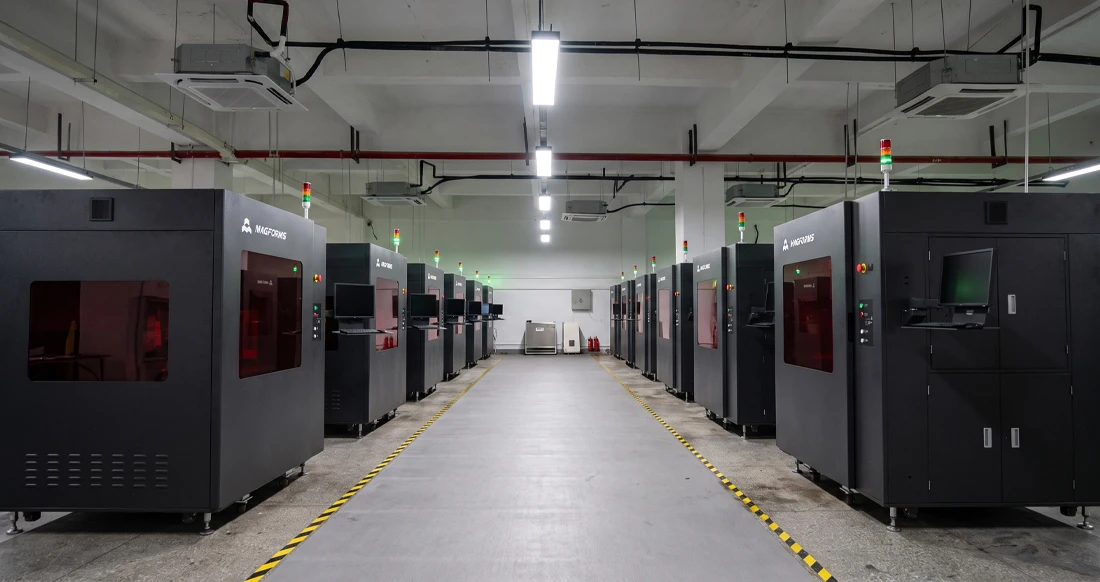
Magforms makes design and manufacture easier.
Popular Blogs
-
 Industry InsightsManufacturing Industry
FDM vs. SLA Printer: Which Technology Is Right for Your Project?
-
 Industry InsightsManufacturing Industry
Top 5 Applications of Industrial 3D Printers in Manufacturing Today
-
 Industry InsightsManufacturing Industry
Why Stereolithography 3D Printers Are Unmatched for Microfluidic Device Prototyping?