Can an Industrial SLA 3D Printer Produce Injection-Molding-Quality Parts?
Modern stereolithography systems have evolved far beyond traditional prototyping applications. An Industrial SLA 3D Printer can produce parts that closely match injection-molded components in dimensional accuracy and surface quality, while providing engineering-level mechanical performance for functional testing, tooling validation, and low-volume production. With optimized calibration, industrial SLA systems can achieve tolerances around ±0.1 mm on appropriately sized parts, while variable laser spot technology enables the reproduction of fine features down to approximately 0.15 mm. The critical differentiators lie in material selection, post-processing discipline, and equipment precision—factors where enterprise-grade SLA systems shine.
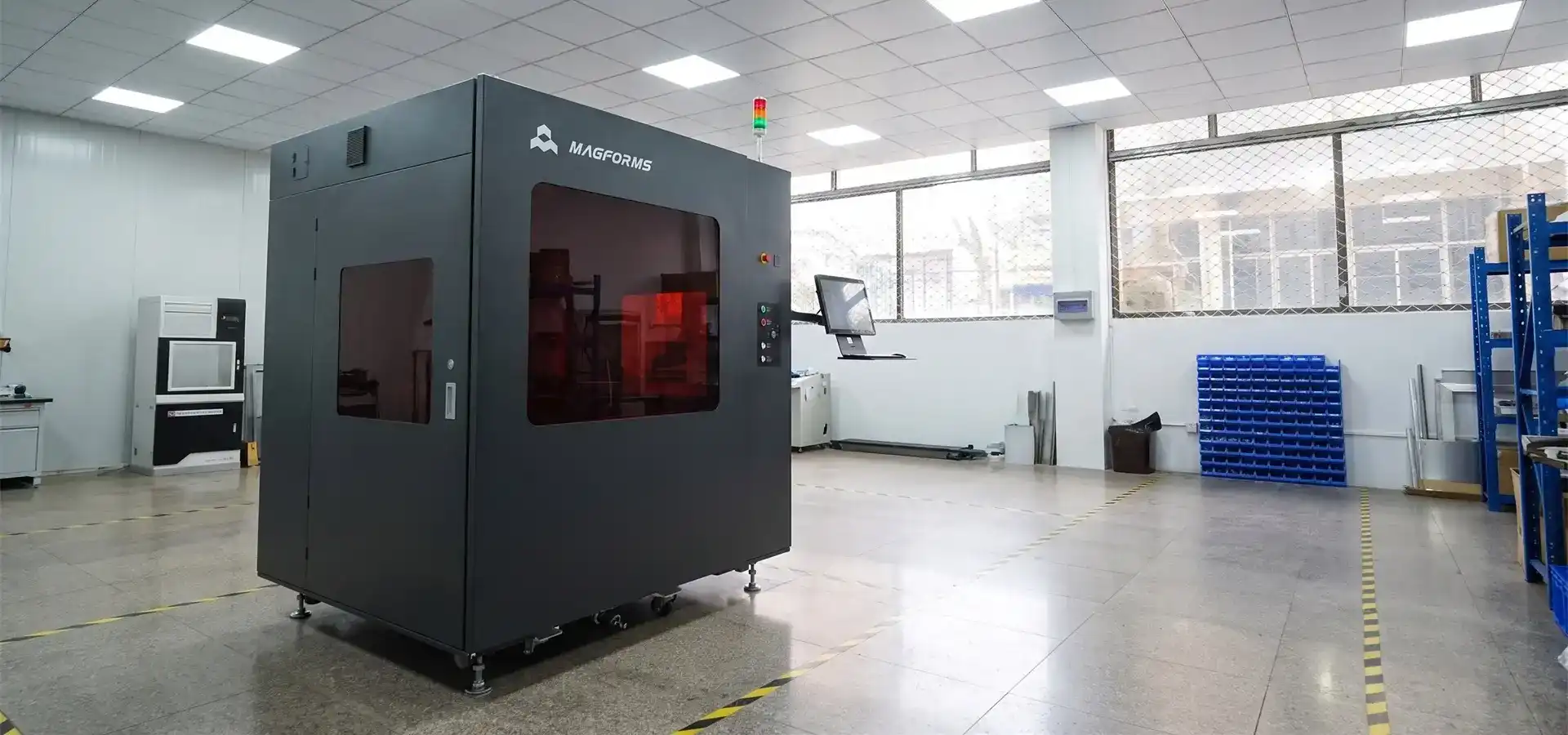
Understanding Industrial SLA 3D Printing and Injection Molding
What Makes Stereolithography Technology Different?
Stereolithography is a type of additive manufacturing in which a very precise laser cures a liquid photopolymer resin layer by layer. SLA generally produces smoother surfaces and finer feature details than Fused Deposition Modeling (FDM), which melts and deposits thermoplastic filament layer by layer. Industrial laser-based SLA systems commonly use 355 nm UV lasers to selectively cure liquid photopolymer resin layer by layer.
Stereolithography is capable of producing parts with relatively consistent mechanical properties across different directions when proper printing parameters and post-curing processes are applied. The layer lines on SLA parts are often minimized due to fine layer thickness and smooth resin curing characteristics, especially after proper post-processing, SLA parts can achieve very smooth surfaces suitable for appearance models, tooling patterns, and functional prototypes. This level of detail makes stereolithography especially useful for tasks that need to be clear and accurate in terms of size and shape.
👉 Learn more about how SLA 3D printing technology works and why laser-based stereolithography is used for industrial applications.
How Injection Molding Sets Quality Benchmarks
For making a lot of plastic parts, injection molding is still the best method. Under high pressure, the process forces molten thermoplastic into precisely machined molds. This process produces highly repeatable parts with tight tolerances and strong mechanical properties. Depending on the polymer and application, injection-molded thermoplastic parts often provide tensile strengths above 50 MPa and excellent repeatability for high-volume manufacturing.
The cost of the up-front spending is the trade-off. Because tooling costs can range from $5,000 to over $100,000 depending on how complicated the part is, injection molding becomes more economically attractive when production volumes reach several thousand units or more. Lead times for making tools can be weeks or months, which makes it hard to make changes to products quickly and make them to order.
Can Industrial SLA 3D Printers Match Injection-Mold-Grade Part Requirements?
Dimensional Accuracy and Surface Quality Comparison
Modern stereolithography systems can now make 3D models with such high accuracy that they challenge traditional ideas about how things are made. With German Scanlab galvanometer scanning and high-precision servo motor positioning systems, modern industrial SLA printers provide stable laser control and repeatable production performance, enabling consistent part production for demanding prototype and tooling applications. For industrial SLA systems such as the SL800 Industrial SLA 3D Printer, dimensional accuracy can reach approximately ±0.15 mm for parts under 100 mm and ±0.15% of length for larger components. These tolerances are good enough for most engineering uses.
Another place where stereolithography really shines in the Industrial SLA 3D Printer is in the quality of the surface finish. The stair-step effect between layers is kept to a minimum by using variable laser spot technology and grayscale processing algorithms together. Smaller spots (0.1 to 0.2 mm) accurately follow outlines, while bigger spots (0.5 to 0.6 mm) quickly fill in empty spaces. This dynamic method makes parts whose side walls can achieve smooth surface finishes that significantly reduce post-processing requirements and can approach injection-molded appearance quality after finishing.
The key is in the accuracy of the optics. When an AOC laser combined with a high-performance galvanometer system helps maintain stable laser positioning and consistent part quality across the build platform, the laser spot stays round across the whole build area. This helps reduce optical distortion across large build areas and improves dimensional consistency throughout the printing platform. Controlling the temperature also keeps the viscosity of the resin stable during printing, which stops it from warping and losing its shape.
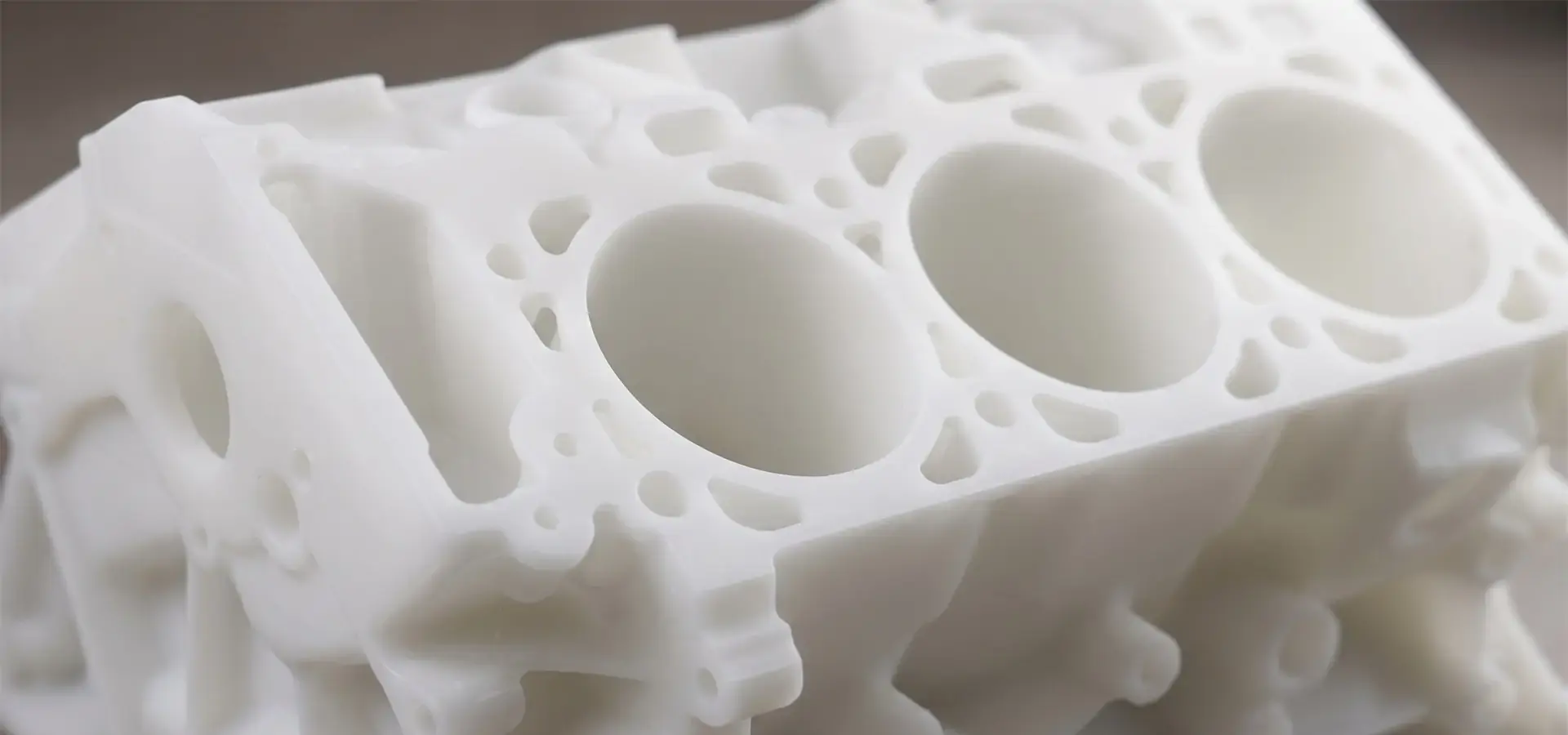
Material Performance Against Injection Molding Polymers
Now there are engineering-grade photopolymer formulations that can provide mechanical properties comparable to selected thermoplastics. for specific prototyping and functional testing applications. Certain engineering resins can achieve tensile strengths in the range of 60–70 MPa depending on formulation and curing conditions. High-temperature resins can withstand temperatures above 100°C, making them suitable for selected functional testing applications in automotive environments.
Professional stereolithography technology that works with a wide range of materials greatly increases the number of options available. Manufacturers can test specialized formulations, such as clear resins for optical parts, bendable resins for gaskets and seals, and biocompatible resins approved for specific medical applications, such as surgical guides, when processed according to manufacturer requirements. Open material compatibility helps reduce dependency on a single supplier and provides greater flexibility in selecting application-specific resins.
Post-processing methods fill in the gaps between the qualities of photopolymers and thermoplastics. Cross-linking density is increased by UV post-curing in controlled chambers. This pushes materials to their full mechanical specifications. After professional finishing processes, SLA parts can achieve appearance qualities comparable to injection-molded prototypes. Surface processes like vapor smoothing, covering, or painting can make them look better and protect them from the environment.
Benefits and Limitations of Using Industrial SLA for Injection-Mold-Grade Parts
Strategic Advantages for Manufacturing Workflows
Stereolithography changes the costs of making small batches and unique items. Getting rid of the costs of tools makes it easier to make tens or hundreds of specialized parts. When an aircraft supplier makes samples of pilot interfaces or a dental lab prints custom orthodontic aligners, the company gets a quick return on investment (ROI) without having to wait months for mold production. Lead times go from weeks to days, which speeds up the process of validating designs and responding to market needs.
Additive processes make it easy to make complex shapes that are hard or impossible to make any other way. Internal channels, undercuts, lattice structures, and organic shapes can be made straight from CAD to physical reality, without having to be put together or machined on multiple axes. When an automobile engineer is making a conformal cooling channel for an injection mold, SLA-printed tooling pieces can be used to make sure the design is correct before the metal is fabricated.
Mass customization strategies can also be used with this technology. Medical device makers make surgical guides that are unique to each patient by directly processing CT scan data into custom shapes. Consumer electronics companies test the ergonomics and fit of multiple design variations at the same time without having to buy new tools. This adaptability gives you an edge in markets that need personalization and new ideas quickly.
Current Constraints and Practical Considerations
The long-term longevity of materials in harsh environments is still an area that needs to be improved. Short-term mechanical qualities of industrial resins are very good, but photopolymers are more easily broken down by UV light and chemicals than thermoplastics. Protective coatings or careful material choice, confirmed by rapid aging tests, are needed for parts that will be used outside or in harsh chemical conditions.
Another thing to think about is production rate. An Industrial SLA 3D Printer needs several hours to make a 200 mm tall part with 0.1 mm layers, but an injection molding cycle only takes seconds. When making more than a few thousand identical parts, injection molding still has the best cost-per-unit ratio. Stereolithography works best in the area between two extremes: making prototypes, making parts while tools are being made, and making low-volume, specialized parts all the time.
Planning carefully is needed for scalability. A stereolithography machine can make hundreds of unique parts every month, but to make a million injection molds every year, a lot of money needs to be spent on new equipment and work needs to be streamlined. Companies that want to increase SLA production use strategies like part nesting, parallel machine operation, and automated post-processing to get the most work done while keeping quality standards high.
Industrial SLA 3D Printing Applications Producing Injection-Mold-Grade Parts
Aerospace and Automotive Sector Implementations
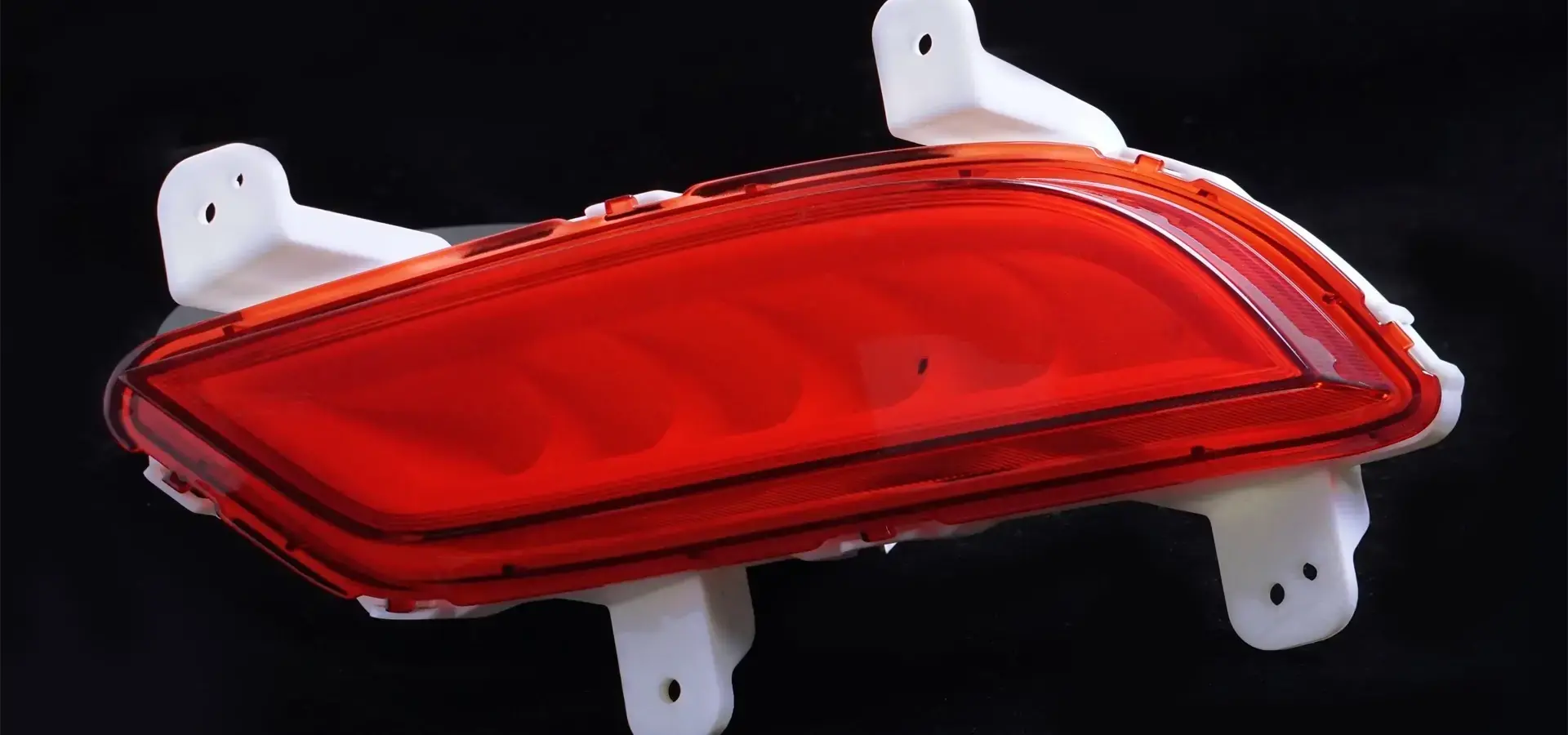
Aerospace companies use stereolithography to make complicated parts for ducting, cockpits, and tooling fixtures that can't be made any other way. Aerospace manufacturers can use SLA to produce customized cabin components, tooling fixtures, and validation models without the long lead times associated with traditional tooling. These panels have a Class A surface finish and are made of flame-resistant materials, and they don't have to go through the time and cost of making injection mold tools. After completing required validation processes, SLA-produced components made with certified materials can support aerospace development and tooling applications.
Applications in the automotive field range from early design validation to making production tools. Before committing to metal casting patterns, engineers print intake manifold samples to make sure that airflow models are correct. Customization shops make one-of-a-kind interior trim pieces for high-end cars, since injection molding can't be used for production volumes of 50 to 200 units. Dimensional accuracy (approximately ±0.15% of length for larger parts) makes sure that they fit correctly with other parts, and the surface quality lets you paint and finish them the same way you would with production parts.
Medical and Dental Industry Success Stories
Instead of just using stereolithography for prototypes, dental labs now use it as a way to make things. Direct printing of orthodontic aligners, surgical guides, and denture bases is possible with biocompatible resins that have been approved for long-term use in the mouth. The accurate measurements (±0.1 mm on important parts) make sure that the parts fit and work properly, and the smooth surface finish cuts down on the work that needs to be done afterward. Many dental service providers use industrial stereolithography systems to produce hundreds of customized appliances every month depending on workflow requirements.
The accuracy and flexibility of the technology are also useful for making medical devices. Orthopedic manufacturers print surgical guides that are specific to each patient and snap onto the bone anatomy. This makes surgery more accurate and faster. Certain high-temperature medical-grade resins are designed to withstand sterilization processes when validated according to application requirements. Before expensive titanium machining, prototype implant parts are put through mechanical testing to make sure the designs are correct. This cuts the time it takes to develop new products from months to weeks.
👉 Explore real-world Industrial SLA 3D Printer applications in automotive, medical, and manufacturing industries.
How to Choose and Maintain an Industrial SLA 3D Printer for High Precision Production
Critical Selection Criteria for Procurement Teams
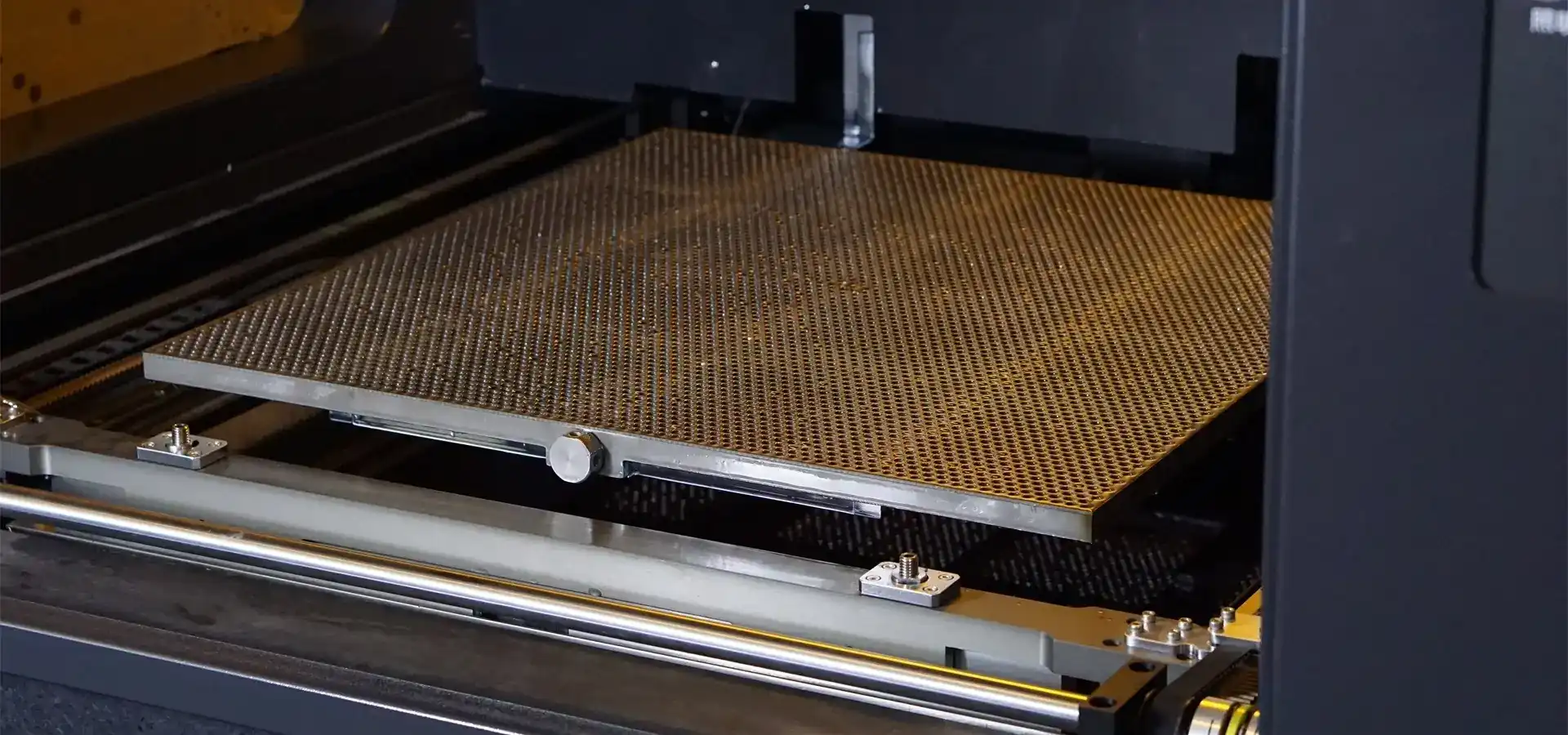
When you're evaluating stereolithography equipment, you have to pay close attention to the details that affect the quality of the parts and how well the machine works. Resolution limits are set by laser power and spot size. Systems with variable spot technology offer both speed (large spots for filling in) and detail (micro-spots for contours). Industrial SLA systems commonly use high-speed scanning systems optimized for balancing accuracy and production efficiency. Different applications have different build volume needs. For dental and jewelry work, small platforms work best, but for car and aerospace parts, machines with 600 mm x 600 mm or bigger build areas are needed. The specifications for platform flatness are very important. Depending on the size of the machine, mesh plate tolerances should not be more than 0.2 to 0.5 mm. This will keep the plates from warping during large-area builds. Premium machines have marble platforms and materials that don't expand or contract a lot so that the surface stays flat when the temperature changes. Material compatibility should be looked into in great detail. Systems with an open design that can use third-party resins give you more cost options and use cases. Proprietary material environments limit the suppliers that can be used and raise the costs of running equipment over its lifetime. Support for standard 355 nm resins makes sure that the widest range of industrial materials can be used as new formulas come out.
Here are the main benefits that modern equipment should offer:
Component Quality and Reliability: Professional systems use well-known, high-quality parts instead of cheaper options. AOC lasers' stable output meets the needs of industrial production 24 hours a day, seven days a week. German Scanlab galvanometers make sure that the reading is accurate over thousands of hours of use. The positioning accuracy of Panasonic servo motors is measured in microns, not tenths of millimeters. This way of choosing parts directly leads to fewer failures and more stable part quality.
Structural Stability for Long-Term Operation: The design of the machine changes the accuracy of measurements during long builds. Even when the temperature outside changes, equipment with 2 mm-thick metal casings, optimized internal layouts, and low-expansion marble bases stays calibrated. With Taiwan HIWIN linear guides and lead screws, the Z-axis can move steadily during tall prints, and positioning mistakes don't add up to make part defects.
User-Centric Design Elements: Well-thought-out engineering makes work go more quickly. Supported platform designs with adjustable rods let printed parts drain back into the vat any extra resin, which cuts down on waste and makes post-processing easier. Covers made of optical glass keep dust from getting on sensitive laser parts and protect people from UV light. Mobile devices with clean software platforms that work easily allow for quick operations that don't get held up.
These design ideas work together to fix common problems that come up in stereolithography. Precision that stays the same cuts down on scrap and wasted materials. Broad material compatibility keeps you from being locked into one vendor and lets you save money. Reliable parts reduce the number of problems that stop production. The cumulative effect makes manufacturing much more efficient and helps figures out the return on investment much more accurately.
Maintenance Practices and Supplier Partnerships
To keep performance up, you need to follow strict maintenance procedures. Filtration of resin every day gets rid of partly finished particles that cause print flaws. Laser power transfer is kept up by cleaning the optical path once a week. Using precision test objects to check the calibration once a month finds drift before it affects production parts. Temperature control systems need to be checked on a regular basis to make sure that the viscosity of the resin stays within the acceptable range as the seasons change.
The quality of after-sales help often has a bigger impact on long-term happiness than the initial specs of the tools. Professional suppliers keep technical teams that can solve problems within 24 hours, which keeps production from being held up for too long and costs too much. Comprehensive training programs make sure that operators know how to properly handle materials, generate support, and fix problems. As technology improves, software patches that fix bugs and add new features keep equipment's value.
Instead of just looking at the purchase price, procurement strategies should look at the total cost of ownership. Superior component quality and full support may lead to higher prices for equipment, but lower per-part costs are achieved through less downtime, longer service life, and higher yield rates. When compared to untested alternatives, partnerships with well-known Industrial SLA 3D Printer manufacturers that offer documented installation bases and industry certifications lower risk.
Conclusion
Stereolithography has moved beyond being a modeling tool and is now an industrial system that can make things. When you use an Industrial SLA 3D Printer equipped with precision components, advanced materials, and intelligent processing, you can produce parts with excellent dimensional accuracy, smooth surface quality, and engineering-level mechanical performance comparable to selected injection-molded applications. Injection molding is still more cost-effective for high-volume production, but stereolithography is better for small-batch, custom, and geometrically complex segments that are becoming more important to modern manufacturing strategies. For successful deployment in aerospace, automobile, medical, and consumer electronics uses, choose tools with proven component quality, open material compatibility, and a strong support infrastructure.
FAQ
1. Can stereolithography achieve injection molding dimensional tolerances?
Modern stereolithography methods can make parts with accuracy of ±0.1 mm for pieces smaller than 100 mm and ±0.1% of length for longer pieces. This performance is good enough for most engineering tasks that need to check fit, form, and function, and it also lets useful parts be made directly. These specifications can be achieved consistently when proper calibration, resin control, and post-processing procedures are maintained.
2. Do SLA parts withstand functional testing requirements?
When made with the right engineering resins and properly cured afterward, stereolithography parts have mechanical properties that are similar to many thermoplastics. Application-specific engineering resins can support functional testing requirements when their mechanical, thermal, and regulatory properties match the intended use. Material datasheets and application testing show that the product is suitable for a certain purpose.
3. What determines cost-effectiveness between SLA and injection molding?
Run-time, part complexity, and output volume all affect the break-even study. Stereolithography gets rid of the need for expensive tools, but it costs more per unit for materials and machine time. Injection molding needs a big investment up front, but when you buy a lot of it, the cost per unit is low. Stereolithography is usually better for parts that need to be made in smaller quantities, while investing in injection molding tools is better for larger quantities.
Partner with a Trusted Industrial SLA 3D Printer Manufacturer
Magforms brings together materials expertise and precision equipment engineering to solve your most demanding manufacturing challenges. Our Industrial SLA 3D Printer systems incorporate AOC lasers, German Scanlab galvanometers, and Panasonic servo motors for reliability your production schedules demand. With open material compatibility supporting most 355 nm resins, you control costs while accessing specialized formulations as applications evolve. Our professional after-sales team responds within 24 hours, keeping your operations running smoothly. Backed by 22 patents and serving over 300 enterprises across dozens of countries, we understand the precision, stability, and support manufacturing professionals require. Contact our team at info@magforms.com to discuss how our Industrial SLA 3D Printer supplier solutions can accelerate your product development and production capabilities.
References
1. Gibson, I., Rosen, D., & Stucker, B. (2021). Additive Manufacturing Technologies: 3D Printing, Rapid Prototyping, and Direct Digital Manufacturing. Springer International Publishing.
2. Jacobs, P. F. (1992). Rapid Prototyping & Manufacturing: Fundamentals of Stereolithography. Society of Manufacturing Engineers.
3. Ligon, S. C., et al. (2017). "Polymers for 3D Printing and Customized Additive Manufacturing." Chemical Reviews, 117(15), 10212-10290.
4. Manapat, J. Z., et al. (2017). "High-Performance Polymers for 3D Printing Applications." Progress in Polymer Science, 71, 82-111.
5. Stansbury, J. W., & Idacavage, M. J. (2016). "3D Printing with Polymers: Challenges among Expanding Options and Opportunities." Dental Materials, 32(1), 54-64.
6. Zhang, J., et al. (2019). "A Review of Stereolithography: Processes, Materials, and Applications in Tissue Engineering." Bioactive Materials, 4(1), 101-115.

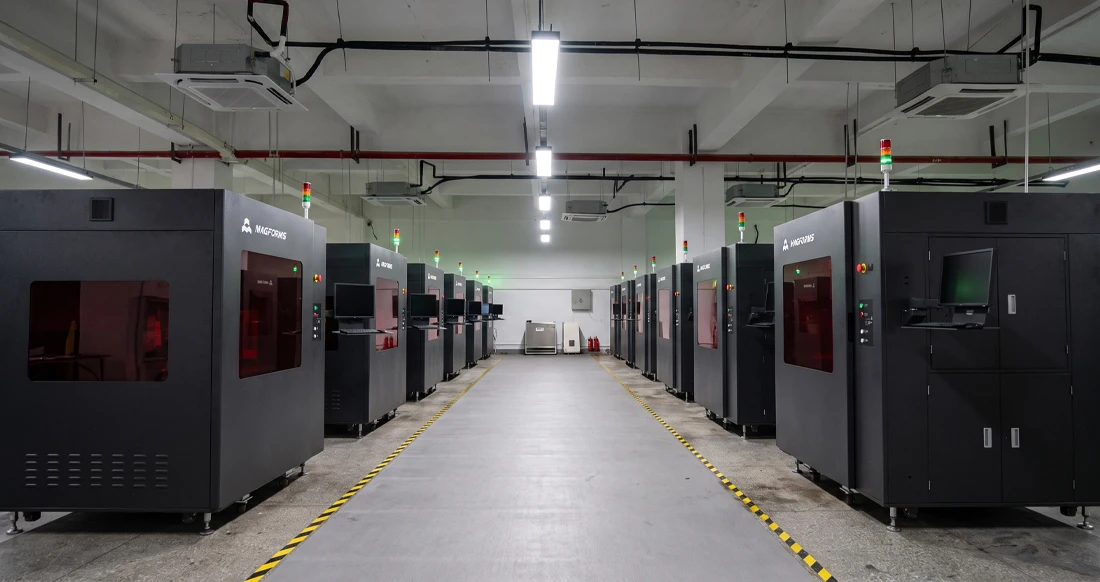
Magforms makes design and manufacture easier.
Popular Blogs
-
 Industry InsightsManufacturing Industry
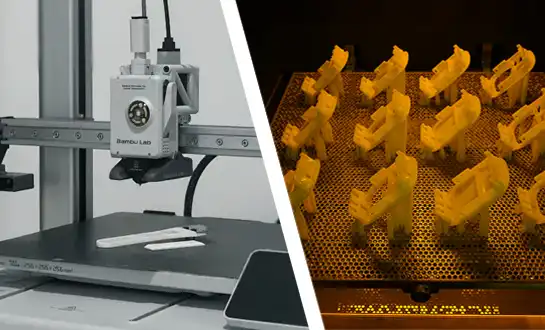
FDM vs. SLA Printer: Which Technology Is Right for Your Project?
-
 Industry InsightsManufacturing Industry
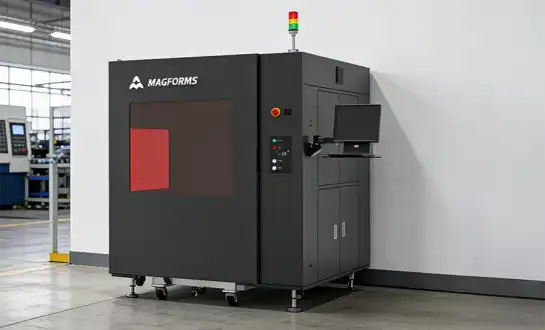
Top 5 Applications of Industrial 3D Printers in Manufacturing Today
-
 Industry InsightsManufacturing Industry
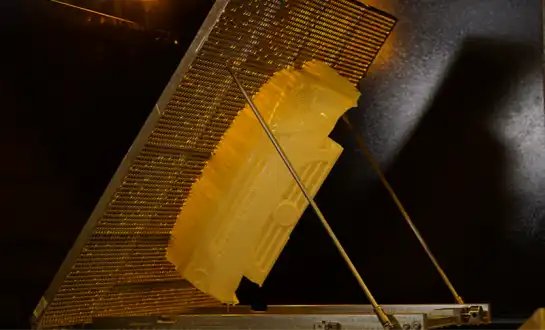
Why Stereolithography 3D Printers Are Unmatched for Microfluidic Device Prototyping?