Common 3D Printer Problems and How to Fix Them
3D printer technology has revolutionized manufacturing across industries, enabling rapid prototyping and custom production. However, operators frequently encounter various issues that can disrupt workflow and compromise print quality. Understanding these common problems and their solutions is essential for maintaining optimal printing performance. Whether dealing with layer adhesion failures, dimensional inaccuracies, or mechanical malfunctions, systematic troubleshooting approaches can restore functionality and prevent costly downtime in professional environments.
Introduction
Additive fabricating has 3D printers as a foundation innovation for advanced businesses, changing how companies approach product development and generation. For obtainment supervisors, engineers, and unique hardware producers, mastering the investigation of common printing issues speaks to a basic competency for keeping up operational productivity and item quality guidelines. The complexity of these frameworks implies that issues can emerge from numerous sources, extending from equipment glitches to program setup errors.
This comprehensive document addresses the most predominant challenges experienced in proficient printing situations, whereas giving down to earth arrangements that minimize generation intrusions. Past a quick investigation, we investigate key considerations for gear acquisition, emphasizing how selecting the right innovation and provider can altogether diminish upkeep requirements and operational costs. Understanding these variables empowers decision-makers to maximize their return on venture while building vigorous manufacturing capabilities that support long-term commerce objectives.

Understanding Common 3D Printer Problems
Professional added substance fabricating situations confront various challenges that can affect efficiency and quality results. Print quality absconds speak to the most obvious category of issues, showing as layer partition, surface harshness, dimensional mistakes, and back structure disappointments. These issues frequently stem from disgraceful calibration settings, natural variables, or fabric contradiction issues that require efficient conclusion and correction.
Print Quality Defects and Their Origins
Layer attachment issues often as possible happen when printing parameters fall flat to coordinate fabric details or natural conditions. Twisting and splitting ordinarily result from warm stretch amid the cooling process, whereas hanging and overflowing demonstrate temperature or withdrawal setting misalignments. Surface wrap-up issues frequently trace back to mechanical vibrations, worn components, or lacking bolster structures during the printing process.
Mechanical and Hardware Failures
Equipment-related issues encompass a wide range of mechanical issues, counting spout blockages, belt wear, engine glitches, and sensor disappointments. Extruder jams commonly result from sullied fiber, inaccurate temperature settings, or collected flotsam and jetsam inside the hot conclusion get together. Bed leveling abnormalities can cause first-layer attachment issues, driving to total print disappointments and fabric waste.
Software and Connectivity Issues
Digital workflow intrusions can altogether affect generation plans, especially in high-volume situations. Firmware compatibility issues, cutting computer program blunders, and communication disappointments between computers and printers cause eccentric delays. Arranging network issues in dispersed manufacturing situations can anticipate further checking and control capabilities basic for productive operations management.
Environmental components play a significant part in print consistency and quality. Temperature changes, stickiness varieties, and circulation designs directly impact fabric behavior during the printing process. Clean aggregation on optical components and mechanical assemblies can steadily corrupt framework execution, requiring standard support consideration to anticipate more genuine malfunctions.
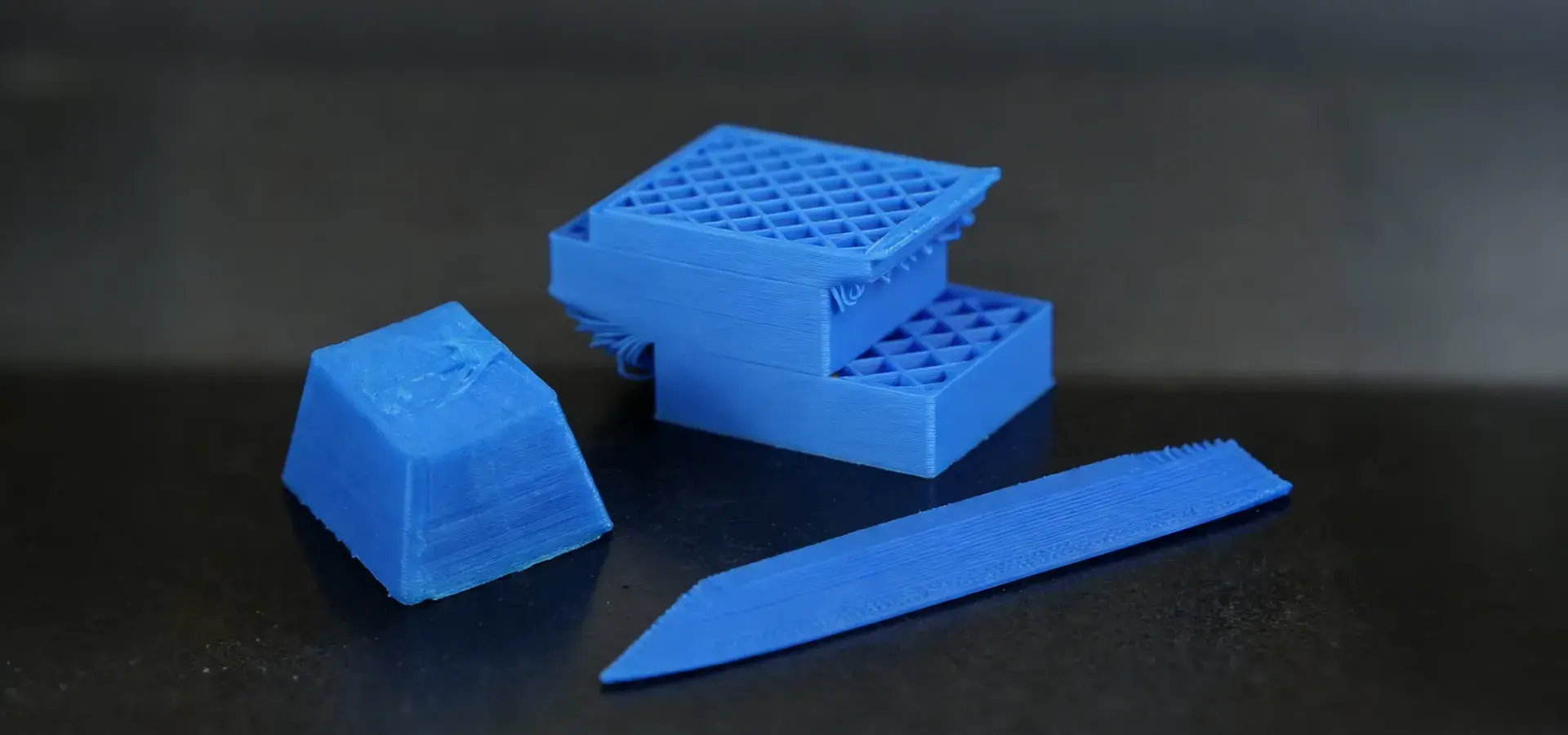
Troubleshooting and Fixing 3D Printer Issues – A Systematic Approach
Effective problem resolution requires a methodical approach that combines symptom analysis with systematic verification of critical system parameters. Professional troubleshooting begins with careful observation of error codes, print defects, and operational anomalies that provide clues about underlying causes. Documentation of these symptoms enables pattern recognition and helps identify recurring issues that may indicate deeper systemic problems.
Diagnostic Methodology and Error Analysis
The introductory demonstrative stage includes collecting comprehensive data on the printing environment, fabric details, and later framework changes. Blunder logs and print history information give important bits of knowledge into when issues to begin with showed up and their potential relationship with particular operations or natural conditions. This orderly approach anticipates arbitrary investigative endeavors that can squander time and possibly create extra complications.
Mechanical Problem Resolution
Nozzle 3D printer is one of the most common mechanical issues in proficient printing situations. Cold pulls or nuclear pulls can expel sullied fabric from the hot conclusion, whereas more serious blockages may require dismantling and cleaning with specialized instruments. Customary upkeep of extruder components, including adapt cleaning and pressure alteration, anticipates numerous supporting issues, some time recently they affect generation schedules.
Calibration blunders influencing bed leveling and hub arrangement require exact alteration utilizing dial pointers and estimation devices. Cutting-edge frameworks join programmed bed leveling features, but manual confirmation remains basic for accomplishing ideal first-layer attachment. Stepper engine issues regularly show as layer moving or dimensional mistakes, requiring belt pressure checks and engine current alterations to reestablish legitimate operation.
Software and Configuration Solutions
Firmware upgrades address numerous compatibility issues and execution advancements, but they require cautious planning to avoid disturbing steady production situations. Cutting parameter optimization includes altering print speeds, temperatures, and back settings to coordinate particular fabric characteristics and geometric necessities. Organizing an investigation may include checking cable associations, switch arrangements, and firewall settings that might interfere with printer communication.
Regular reinforcement methods for printer arrangements and fruitful print profiles anticipate loss of optimized settings amid framework overhauls or equipment substitutions. Form control for cutting program and firmware guarantees reproducibility and encourages rollback methods when unused overhauls cause startling issues. These have become progressively vital as generation volumes and complexity increase.
Preventive Maintenance and Safety Practices to Maximize Uptime
Proactive maintenance strategies significantly reduce unexpected failures while extending equipment lifespan and maintaining consistent print quality. Regular inspection schedules should encompass both mechanical components and software systems, addressing wear patterns before they impact production capabilities. Comprehensive maintenance protocols protect substantial equipment investments while ensuring workplace safety standards in industrial environments.
Essential Maintenance Procedures
Daily upkeep schedules incorporate visual assessments of basic components, spout cleaning methods, and bed surface planning. Week by week errands envelop grease of moving parts, belt pressure confirmation, and cleaning of optical components in resin-based frameworks. Month-to-month strategies ought to incorporate more profound mechanical reviews, firmware overhaul audits, and calibration confirmation utilizing exactness estimation tools.
Proper fabric handling with conventions anticipates defilement issues that can cause print disappointments and gear harm. Capacity conditions for fibers and tars must keep up suitable temperature and humidity levels, whereas taking care of methods ought to minimize exposure to contaminants. Fabric turn frameworks guarantee reliable quality whereas anticipating debasement from extended operating periods.
Safety Considerations and Risk Management
Resin printing frameworks require specialized security conventions due to the poisonous nature of uncured photopolymers. Satisfactory ventilation frameworks, individual defensive hardware, and appropriate transfer strategies secure administrators whereas keeping up natural compliance. Crisis reaction methods ought to address chemical spills, hardware fires, and ventilation system failures that may create dangerous conditions.
Equipment-specific security measures incorporate legitimate establishing strategies, crisis shutdown instruments, and temperature checking frameworks that avoid overheating conditions. Normal security training guarantees all administrators get the legitimate strategies for fabric dealing with, hardware operation, and crisis reaction circumstances. These homes ended up especially basic in situations where numerous administrators share hardware resources.
Comparing 3D Printer Technologies to Minimize Common Failures

Technology selection directly influences maintenance requirements, operational reliability, and the types of problems operators are likely to encounter. Understanding the strengths and vulnerabilities of different printing methods enables informed procurement decisions that align with specific operational requirements and risk tolerance levels. Each technology presents unique advantages and challenges that must be evaluated within the context of intended applications and operational constraints.
Fused Deposition Modeling Characteristics
FDM frameworks offer straightforwardness and fabric flexibility but are vulnerable to particular failure modes, including spool clogging, bed attachment issues, and warm administration issues. These frameworks regularly require more visit spout support and calibration consideration, especially when exchanging between diverse materials. In any case, their mechanical straightforwardness makes field repairs more doable, lessening downtime in inaccessible areas or conveyed manufacturing environments.
The open engineering of numerous FDM frameworks gives adaptability in fabric determination and provider connections, lessening long-term operational costs. In any case, this adaptability can present compatibility issues when blending components from diverse producers. Professional-grade FDM frameworks address numerous of these concerns through advanced component quality and coordinated fabric administration systems.
Stereolithography Advantages and Considerations
SLA innovation conveys prevalent surface wrap-up and dimensional exactness, while presenting distinctive support requirements centered on optical frameworks and gum administration. These frameworks are less inclined to mechanical disappointments but require more modern natural controls and security methods. The accuracy of SLA frameworks makes them perfect for applications requiring fine, subtle elements and smooth surface finishes.
Magforms' progressed SLA frameworks consolidate German Scanlab galvanometers and AOC lasers, conveying remarkable exactness and unwavering quality for demanding mechanical applications. Our variable spot-size laser innovation increments printing speed by 30-50% compared to ordinary strategies, while keeping up micron-level exactness. The integration of profound learning calculations advances improves productivity, giving a 20% change in printing speed through optimized checking paths.
Material Compatibility and Operational Flexibility
Equipment compatibility with a 3D printer essentially impacts long-term operational costs and supply chain adaptability. Restrictive fabric necessities can create merchant lock-in circumstances that increase costs and constrain operational flexibility. Open-source plans permit clients to select materials based on execution necessities and taken a toll contemplations or maybe than producer restrictions.
Magforms addresses this challenge through our open-source plan reasoning, empowering clients to utilize photopolymer gums from different providers. This approach breaks conventional restrictions, whereas our coordinates fabric and hardware optimization guarantees steady execution over diverse fabric alternatives. Our comprehensive fabric testing and compatibility confirmation forms back client fabric determination choices while keeping up quality standards.
Magforms: Advanced Industrial 3D Printing Solutions
Professional manufacturing environments demand reliable, high-performance additive manufacturing systems that minimize downtime while delivering consistent quality results. Our company has established a strong reputation in global markets through innovative technology development and comprehensive customer support services. With over 22 patents and 30 registered trademarks, we provide cutting-edge solutions that address the most challenging requirements in industrial printing applications.
High-Performance Hardware and Technology Innovation
Our industrial-grade SLA systems incorporate premium components from internationally recognized suppliers, including German Scanlab galvanometers, AOC lasers, and Panasonic AC servo motors. These components ensure exceptional performance and long-term reliability in demanding production environments. The Helios-P800 model features a stable marble base construction, achieving printing accuracy of ±0.1 mm for parts up to 100 mm in length, delivering near industrial-grade stability for precision applications.
Variable spot-size laser technology represents a significant advancement in printing efficiency and quality. Our systems utilize large 0.5-0.6 mm laser spots for rapid internal filling while employing fine 0.18-0.2 mm spots for precise contour definition and detail reproduction. This intelligent approach overcomes traditional limitations between speed and precision, enabling 30-50% faster printing compared to conventional methods without sacrificing quality standards.

Comprehensive Support and Global Presence
Our technical support team provides 24/7 remote consultation with guaranteed response times of one hour and solution delivery within four hours for most issues. Complex problems receive immediate attention through rapid on-site engineer deployment, minimizing production disruptions. Regular technical training programs and equipment maintenance guidance help customers optimize their operations while building internal technical capabilities.
Global market presence spans dozens of countries with over 300 enterprise customers across multiple industries. Active participation in international exhibitions and professional workshops demonstrates our commitment to technology advancement and market development. These relationships provide valuable feedback for continuous product improvement while supporting global expansion objectives.
Conclusion
Successful management of 3D printer operations requires a comprehensive understanding of common problems, systematic troubleshooting approaches, and strategic equipment selection decisions. Professional environments benefit significantly from proactive maintenance programs, proper operator training, and reliable supplier relationships that provide ongoing technical support. Technology advancement continues to address traditional limitations while introducing new capabilities that expand application possibilities across diverse industries.
The integration of advanced materials, improved hardware components, and intelligent software systems creates opportunities for enhanced productivity and quality outcomes. However, realizing these benefits requires careful attention to operational procedures, maintenance protocols, and safety practices that protect both equipment investments and personnel. Strategic procurement decisions that emphasize long-term reliability and supplier support capabilities ultimately determine operational success in competitive manufacturing environments.
FAQ
What are the most common causes of print quality defects in industrial environments?
Print quality issues typically stem from calibration problems, environmental factors, or material compatibility concerns. Temperature fluctuations, humidity variations, and mechanical wear can significantly impact dimensional accuracy and surface finish quality. Proper environmental controls, regular calibration verification, and systematic material testing protocols prevent most quality-related problems in professional applications.
How often should preventive maintenance be performed on industrial printing systems?
Maintenance frequency depends on usage intensity, environmental conditions, and specific technology requirements. Daily visual inspections and basic cleaning procedures should be standard practice, while weekly lubrication and monthly calibration verification maintain optimal performance. High-volume operations may require more frequent attention to mechanical components and optical systems.
Which printing technology offers the best reliability for continuous production environments?
Technology selection depends on specific application requirements, material needs, and operational constraints. SLA systems generally provide superior precision and surface quality but require more sophisticated environmental controls. FDM technology offers material versatility and simpler maintenance requirements. Professional evaluation of application requirements guides optimal technology selection decisions.
How can material compatibility issues be minimized during equipment procurement?
Open-source equipment designs provide maximum flexibility in material selection while reducing long-term operational costs. Proprietary systems may limit supplier options and increase material expenses. Comprehensive compatibility testing and supplier evaluation ensure reliable material supply chains while maintaining quality standards across different material options.
Partner with Magforms for Reliable Industrial 3D Printing Solutions
Manufacturing excellence requires dependable equipment partnerships that provide ongoing technical support and innovative solutions. Magforms stands as a trusted 3D printer manufacturer delivering cutting-edge SLA systems designed for demanding industrial applications. Our integrated approach, combining advanced materials and optimized equipment, ensures consistent performance while reducing operational complexities that impact productivity.
Our global customer base of over 300 enterprises across automotive, aerospace, medical, and electronics industries demonstrates proven capabilities in diverse manufacturing environments. Professional procurement teams benefit from our comprehensive support services, including 24/7 technical consultation, rapid response maintenance, and customized configuration options. Contact our experts at info@magforms.com to discuss your specific requirements and explore how our industrial 3D printer solutions can enhance your manufacturing capabilities.
References
1. Gibson, Ian, et al. "Additive Manufacturing Technologies: 3D Printing, Rapid Prototyping, and Direct Digital Manufacturing." Springer Science & Business Media, 2021.
2. Redwood, Ben, et al. "The 3D Printing Handbook: Technologies, Design and Applications." 3D Hubs B.V., 2022.
3. Wohlers, Terry, et al. "Wohlers Report 2023: 3D Printing and Additive Manufacturing Global State of the Industry." Wohlers Associates, 2023.
4. Kellens, Karel, et al. "Environmental Impact Assessment of Additive Manufacturing Processes." CIRP Annals - Manufacturing Technology, Volume 68, 2019.
5. Thompson, Mary Kathryn, et al. "Design for Additive Manufacturing: Trends, Opportunities, Considerations, and Constraints." CIRP Annals - Manufacturing Technology, Volume 65, 2018.
6. Ngo, Tuan D., et al. "Additive Manufacturing (3D Printing): A Review of Materials, Methods, Applications and Challenges." Composites Part B: Engineering, Volume 143, 2020.

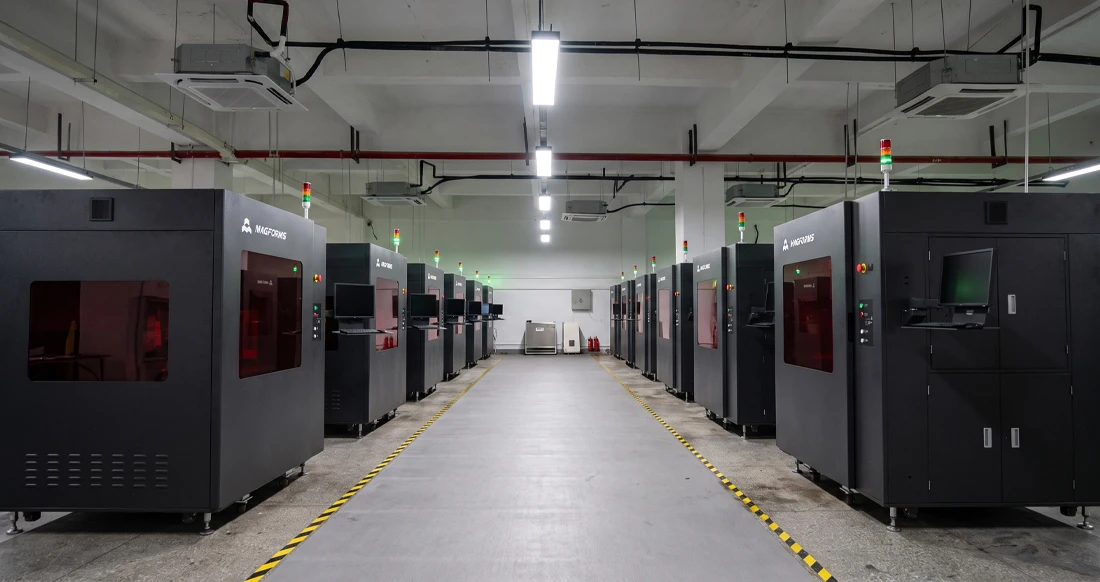
Magforms makes design and manufacture easier.
Popular Blogs
-
 Industry InsightsManufacturing Industry
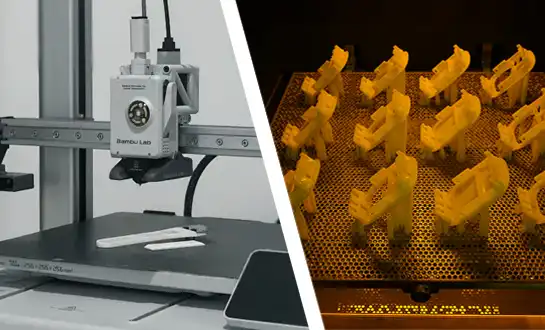
FDM vs. SLA Printer: Which Technology Is Right for Your Project?
-
 Industry InsightsManufacturing Industry
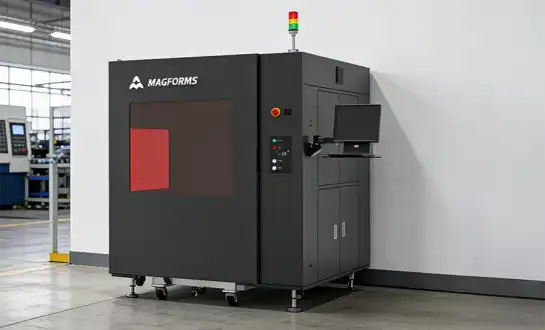
Top 5 Applications of Industrial 3D Printers in Manufacturing Today
-
 Industry InsightsManufacturing Industry
Why Stereolithography 3D Printers Are Unmatched for Microfluidic Device Prototyping?