Resin Printer Settings Demystified: Layer Height, Exposure Time, and More
Resin printer technology has revolutionized manufacturing across industries, from automotive prototyping to medical device production. Understanding critical settings like layer height, exposure time, and environmental controls directly impacts print quality, production efficiency, and material costs. For industrial buyers and engineering teams, mastering these parameters ensures optimal performance while maximizing return on investment. Whether you're running LCD, DLP, or SLA systems, proper calibration transforms complex technical specifications into reliable manufacturing solutions that meet stringent quality standards.
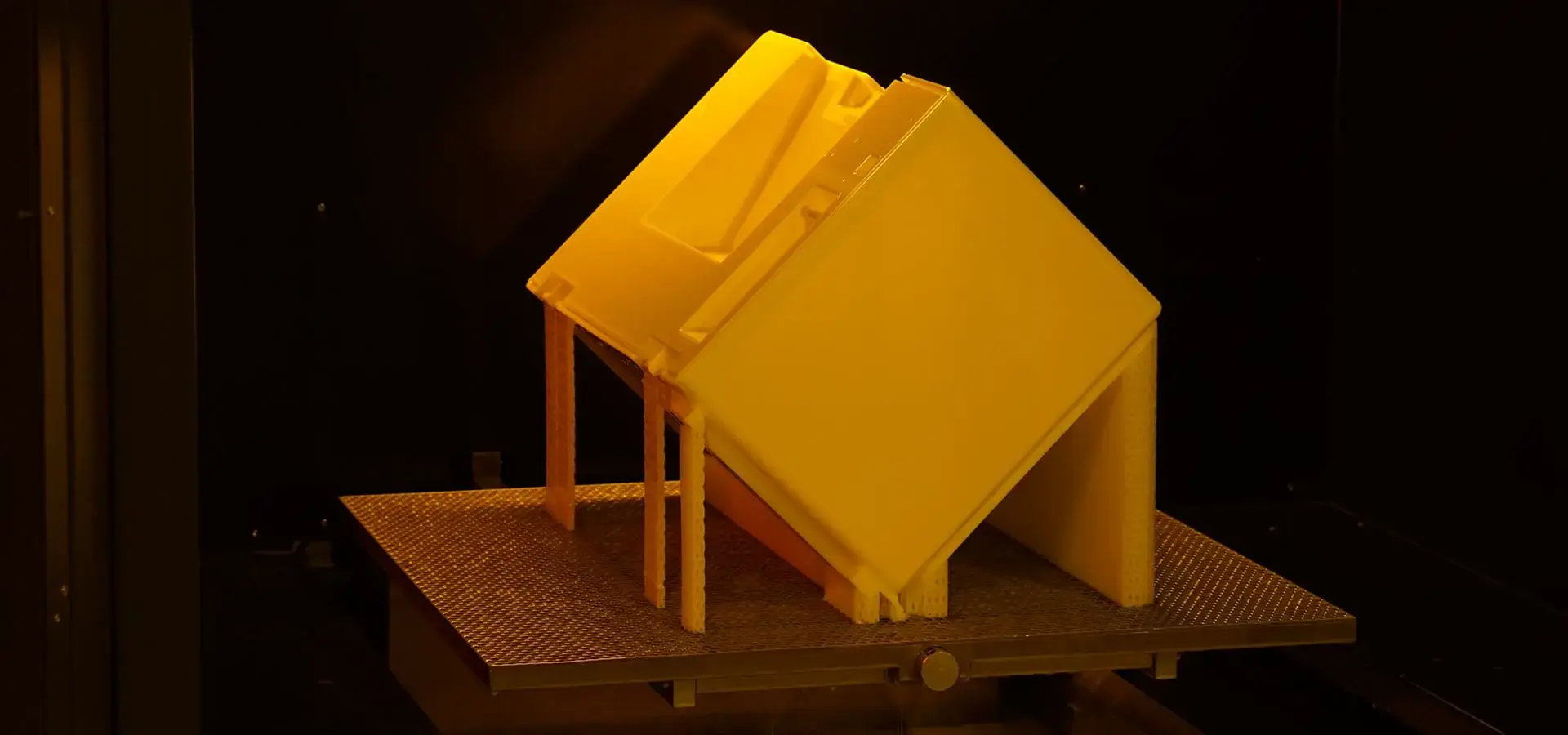
Understanding Resin Printer Settings: A Comprehensive Overview
Photopolymer 3D printing depends on exact parameter control to accomplish steady comes about over differing applications. The principal settings—layer thickness, presentation length, print speed, and natural conditions—work synergistically to decide the final portion quality and production throughput.
Core Parameter Relationships
Resin printer influences both surface wrap-up and construction time. More slender layers make smoother surfaces perfect for dental models or accuracy components, whereas thicker layers quicken generation for useful models. Presentation time controls gum curing profundity, straightforwardly affecting mechanical properties and dimensional precision. Print speed impacts layer grip and, in general, soundness, especially pivotal for clump generation scenarios.
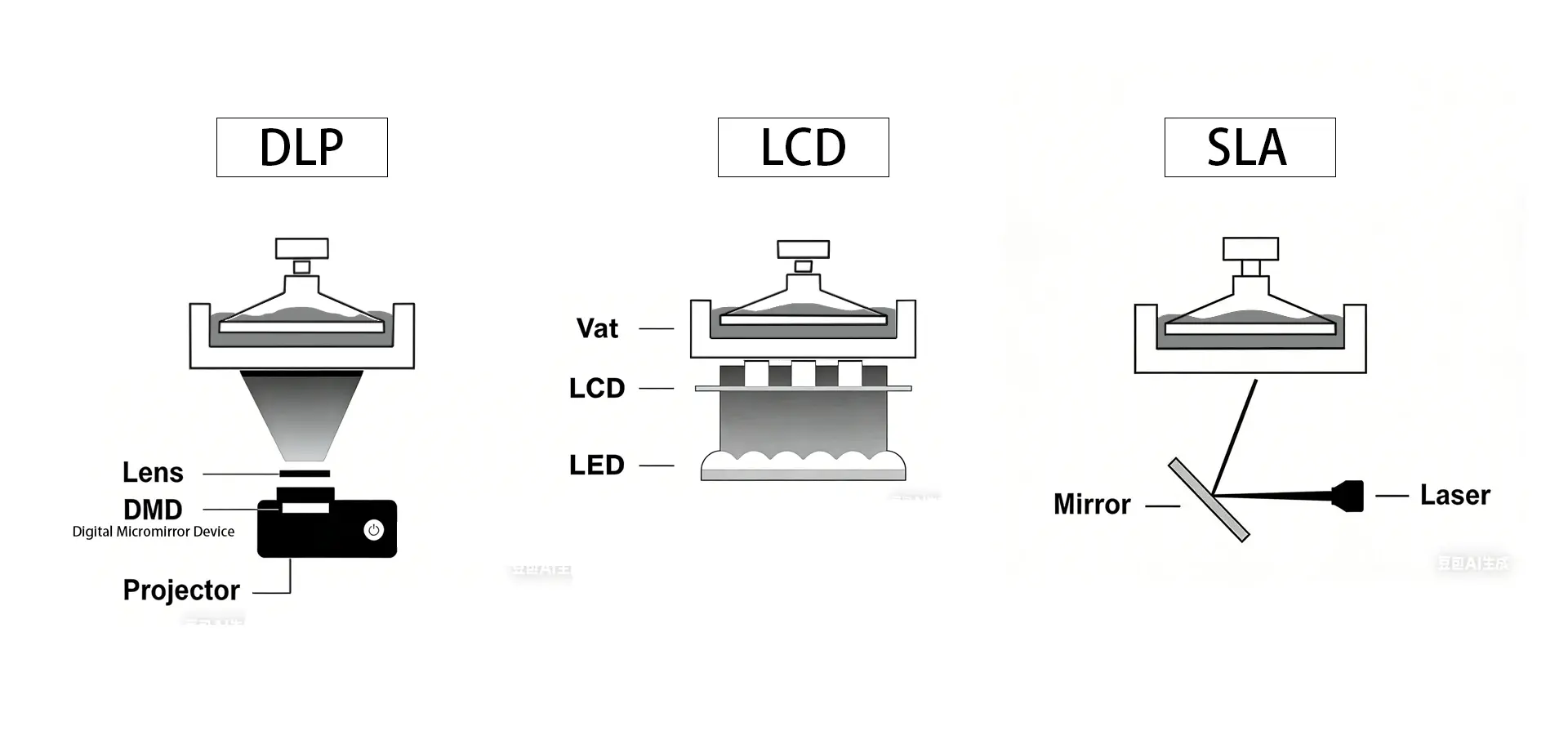
Technology Comparison: LCD vs. DLP vs. SLA
Different gum printing advances require particular parameter approaches. LCD printers offer uniform introduction over the whole construction stage, making them suitable for batch production of small components. DLP frameworks give predominant edge sharpness through anticipated light designs, perfect for complex geometries. SLA innovation conveys remarkable surface quality through laser-based curing, ideal for high-precision applications in aviation and therapeutic sectors.
Understanding these mechanical subtleties makes a difference when acquisition groups select suitable hardware for particular mechanical applications, while optimizing operational parameters for maximum efficiency.
Layer Height Optimization: Balancing Detail and Production Speed
Layer height selection represents a critical trade-off between surface quality and production efficiency. This parameter significantly impacts both the visual appearance and the mechanical properties of finished parts.
Industry-Specific Layer Height Guidelines
For car interior components and buyer gadgets, 0.05-0.1mm layer statures give fabulous surface wrap up, while keeping up sensible print speeds. Aviation applications requiring ultra-precision frequently utilize 0.025-0.05mm layers to capture fine points of interest and guarantee dimensional exactness. Restorative applications, especially dental models and surgical guides, benefit from 0.025-0.075mm layers to replicate anatomical points of interest accurately.
Troubleshooting Layer Adhesion Issues
Poor layer attachment regularly stems from off-base introduction settings or insufficient construct plate arrangement. Expanding the foot layer introduction time by 20-30% ordinarily settles first-layer attachment issues. Natural variables like temperature fluctuations can cause delamination, especially in generation situations. Keeping up steady surrounding conditions between 20-25°C guarantees a steady layer holding all through extended print runs.
Production supervisors executing batch printing conventions ought to set up layer height measures based on portion complexity and quality requirements. This standardization diminishes setup time and minimizes fabric squander whereas guaranteeing reproducible results over manufacturing cycles.
Mastering Exposure Time: Ensuring Precise Curing and Strength
Exposure duration controls photopolymer crosslinking density, directly affecting mechanical strength, dimensional accuracy, and surface quality. Proper calibration prevents both undercuring and overcuring, which can compromise part integrity.
Exposure Calibration for Different Resin Types
Standard tars ordinarily require 8-15 seconds of introduction time per layer, depending on pigmentation and definition. Building tars with higher crosslinking thickness require amplified introduction times of 12-20 seconds to accomplish full remedy. Adaptable tars request cautious balance—insufficient presentation makes powerless parts, whereas over the top presentation diminishes adaptability and increments brittleness.
Advanced Exposure Techniques
Variable introduction methodologies, Resin printer portion locales at the same time. Utilizing longer presentation for strong areas guarantees basic astuteness, whereas diminishing presentation for fine highlights anticipates overcuring and detail loss. This approach especially benefits complex geometries with shifting divider thicknesses, common in car and aviation components.
Temperature-compensated introduction alterations account for regular variations and environmental changes. Actualizing 5-10% introduction increments during cooler months keeps up steady curing quality year-round. Mechanical offices with climate control can keep up more tightly presentation resistances, improving batch-to-batch consistency.
Additional Critical Resin Printer Settings to Maximize Print Quality
Beyond basic layer and exposure parameters, several additional settings significantly influence production outcomes and operational efficiency.
Print Speed and Motion Control
Print speed influences layer consistency and mechanical properties. Slower peel speeds decrease stretch on fragile highlights, while guaranteeing total layer partition. For expansive range printing, actualizing graduated speed profiles—slower beginning speeds expanding gradually—prevents print disappointments while optimizing cycle times.
Build Platform Optimization
Proper construct plate leveling guarantees steady first-layer attachment over the whole print region. Progressed frameworks with multiple-point leveling give predominant consistency for expansive range applications. Normal calibration plans avoid slow float that can compromise print quality over expanded generation runs.
Environmental Control Systems
Temperature steadiness inside ±2°C avoids gum thickness variations that influence stream characteristics and curing behavior. Mugginess control underneath 60% avoids dampness retention that can interfere with photopolymer chemistry. Generation offices executing natural checking frameworks report a 15-20% lessening in print disappointments and improved dimensional consistency.
These comprehensive parameter controls empower mechanical clients to accomplish dependable, repeatable outcomes fundamental for volume generation and quality certification processes.
Practical Implementation: Case Studies and Best Practices for B2B Procurement
Real-world implementation demonstrates how optimized settings directly impact production efficiency and cost control across different industrial sectors.
High-Volume Manufacturing Case Study
A car provider creating custom interior components confronted consistency challenges with conventional printing parameters. By executing graduated layer heights—0.05mm for obvious surfaces and 0.1mm for inside structures—they accomplished 40% quicker generation while keeping up surface quality benchmarks. Standardized presentation profiles diminished setup time by 60% over diverse gum types.
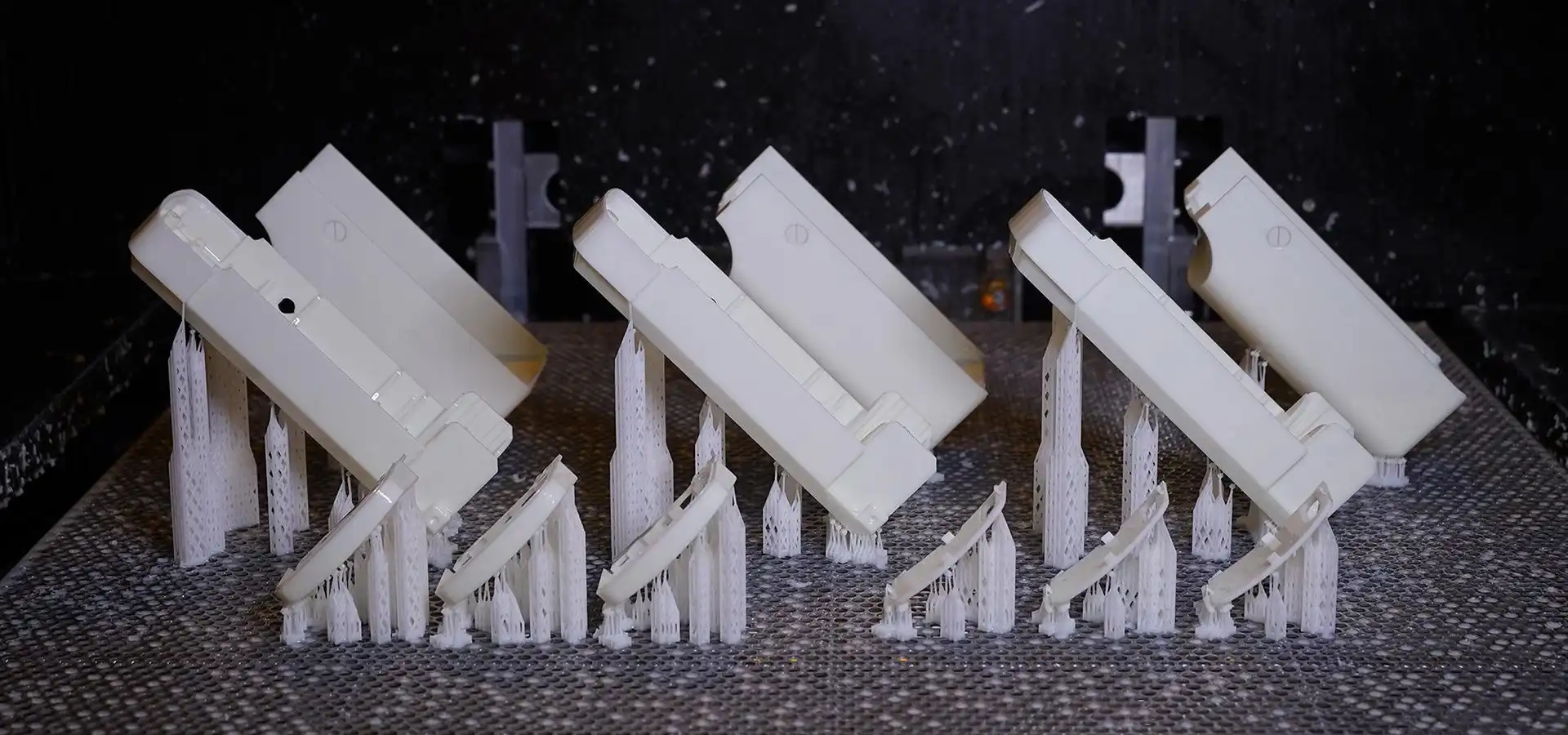
Best Practices Implementation Checklist
Successful usage of the resin printer approach to parameter optimization. Here are the fundamental steps generation groups ought to follow:
- Material characterization: Testing modern tar clumps with standardized introduction lattices guarantees steady execution over distinctive part numbers and suppliers.
- Equipment calibration: Week after week, construct plate leveling and month-to-month presentation consistency checks keep up ideal printing conditions.
- Environmental observing: Nonstop temperature and stickiness logging avoids quality issues caused by natural variations.
- Documentation conventions: Recording effective parameter sets for particular applications empowers fast setup and decreases administrator variability.
These homes altogether decrease fabric waste and generation delays, whereas moving forward generally fabricates high-quality. Groups executing comprehensive parameter administration report 25-35% advancement in first-pass abdicate rates.
Magforms: Advanced Resin Printing Solutions for Industrial Excellence
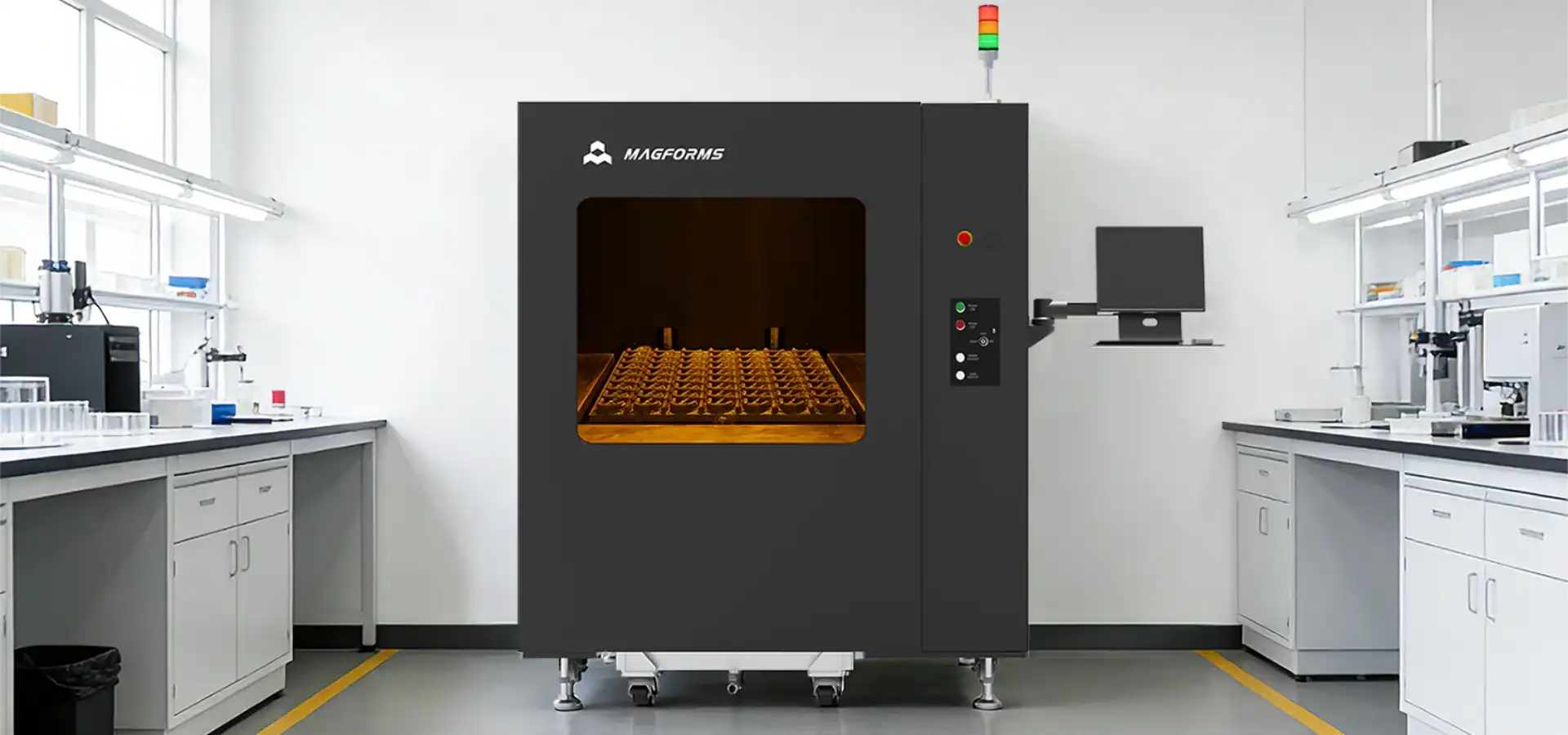
Magforms specializes in delivering high-precision SLA printing systems designed specifically for demanding industrial applications. Our comprehensive approach combines advanced hardware engineering with optimized material formulations to solve common production challenges.
Revolutionary Technology Integration
Our systems feature variable spot-size laser technology that delivers 30-50% faster printing compared to conventional methods. The intelligent laser control utilizes 0.5-0.6mm spots for rapid internal filling while employing 0.18-0.2mm precision spots for detailed surface features. This dual-spot approach eliminates the traditional trade-off between speed and precision that limits many production environments.
Deep learning algorithms further enhance efficiency by optimizing scan patterns in real-time, achieving an additional 20% speed improvement. These technological advances enable industrial clients to meet aggressive production schedules without compromising quality standards.
Industrial-Grade Reliability and Precision
Built with German Scanlab galvanometers, AOC lasers, and Panasonic servo motors, our systems deliver consistent performance in demanding production environments. The SL800 model features a marble base construction that achieves ±0.1mm accuracy for parts up to 100mm, providing near-industrial manufacturing precision for critical applications.
Our open-source design philosophy enables material flexibility, supporting various photopolymer formulations from multiple suppliers. This compatibility reduces operational costs while providing procurement teams with strategic sourcing options that many proprietary systems cannot offer.
Comprehensive Support Infrastructure
With 22 patents and 30 registered trademarks supporting continuous innovation, Magforms maintains technological leadership in industrial resin printing. Our global presence spans dozens of countries, serving over 300 enterprises across automotive, aerospace, medical, and consumer electronics sectors.
Our technical support team provides 24/7 remote consultation with guaranteed response within one hour and solutions within four hours. For complex issues, on-site engineering support ensures minimal production disruption. Regular training programs and maintenance guidance help teams optimize operations while maximizing equipment utilization.
Conclusion
Mastering Resin printer parameters requires understanding the intricate relationships between layer height, exposure time, and environmental factors. Proper optimization directly impacts production efficiency, part quality, and operational costs across diverse industrial applications. From automotive prototyping to medical device manufacturing, systematic parameter control enables consistent results that meet stringent quality standards. Successful implementation combines technical expertise with robust equipment platforms designed for demanding production environments, creating sustainable competitive advantages through superior manufacturing capabilities.
FAQ
What layer height should I use for different applications?
Automotive and consumer electronics typically benefit from 0.05-0.1mm layers, balancing surface quality with production speed. Medical and dental applications requiring fine detail reproduction work best with 0.025-0.075mm layers. Aerospace components demanding ultra-precision often utilize 0.025-0.05mm layers despite longer print times.
How do I determine the proper exposure time for new resin types?
Start with manufacturer recommendations and create test matrices varying exposure by 20% increments. Evaluate cured samples for dimensional accuracy and mechanical properties. Properly cured parts show complete detail reproduction without brittleness or dimensional distortion. Document successful parameters for consistent replication.
What environmental conditions optimize resin printing quality?
Maintain temperature stability between 20-25°C with variations under ±2°C to prevent viscosity fluctuations. Keep humidity below 60% to prevent moisture interference with photopolymer chemistry. Stable conditions improve layer adhesion and reduce print failures significantly.
How can I troubleshoot inconsistent print quality?
Check build plate leveling first, as uneven surfaces cause adhesion problems. Verify exposure uniformity across the print area using calibration patterns. Monitor environmental conditions for temperature or humidity variations. Review resin age and storage conditions, as degraded materials affect curing behavior.
Partner with Magforms for Superior Resin Printing Solutions
Magforms delivers cutting-edge SLA technology specifically engineered for industrial applications requiring exceptional precision and reliability. Our integrated materials and equipment approach eliminates compatibility issues while providing significant cost advantages over proprietary systems. As a leading resin printer manufacturer, we combine German precision components with innovative laser technology to achieve industry-leading performance metrics. Contact our engineering team at info@magforms.com to discuss your specific requirements and discover how our comprehensive printing solutions can transform your production capabilities.
References
1. "Advanced Photopolymer 3D Printing: Process Optimization for Industrial Applications" - Journal of Manufacturing Science and Engineering, Vol. 145, No. 3
2. "Comparative Analysis of SLA, DLP, and LCD Technologies in Precision Manufacturing" - Additive Manufacturing International, 2023 Annual Review
3. "Layer Height Optimization Strategies for High-Volume Resin 3D Printing" - Industrial 3D Printing Quarterly, Issue 4, 2023
4. "Exposure Parameter Calibration for Engineering Photopolymers" - Materials Processing Technology Letters, Vol. 78, No. 2
5. "Environmental Control Systems for Consistent Resin 3D Printing Quality" - Manufacturing Technology Today, September 2023 Edition
6. "Cost-Benefit Analysis of Industrial Resin 3D Printing Parameter Optimization" - Production Engineering Economics Review, Q3 2023 Issue

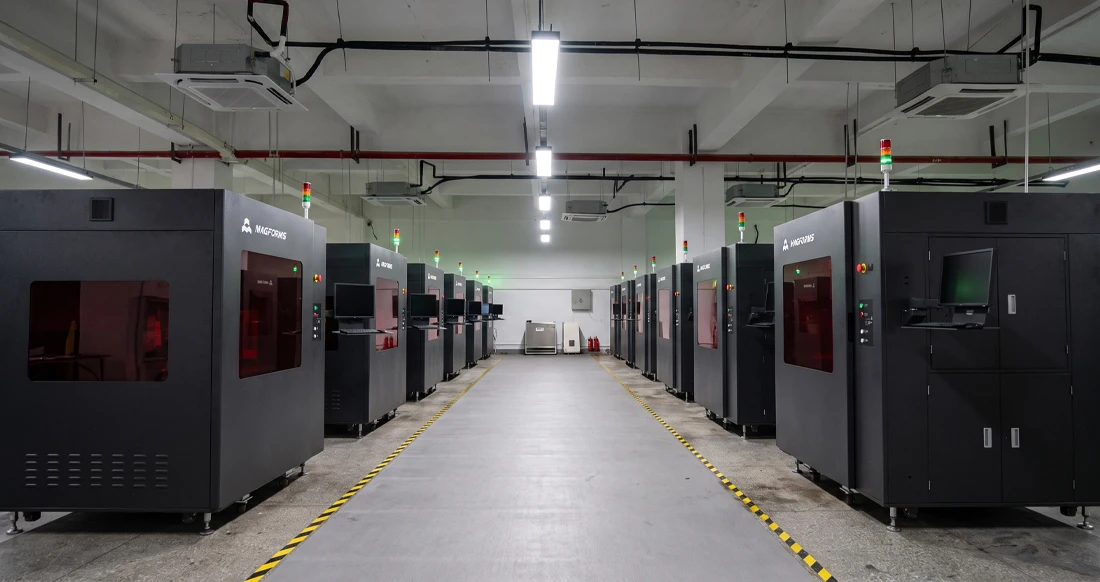
Magforms makes design and manufacture easier.
Popular Blogs
-
 Industry InsightsManufacturing Industry
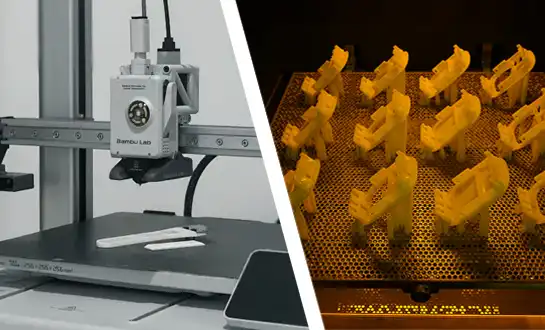
FDM vs. SLA Printer: Which Technology Is Right for Your Project?
-
 Industry InsightsManufacturing Industry
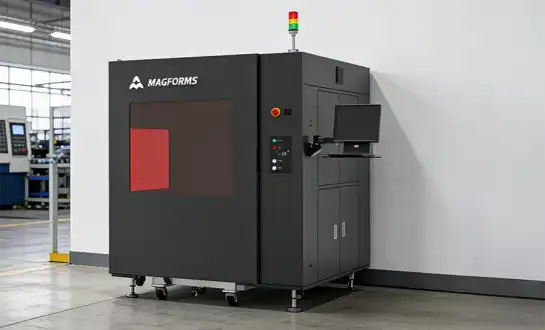
Top 5 Applications of Industrial 3D Printers in Manufacturing Today
-
 Industry InsightsManufacturing Industry
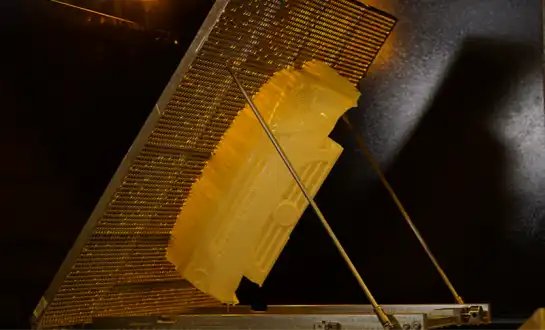
Why Stereolithography 3D Printers Are Unmatched for Microfluidic Device Prototyping?