How Can Industrial SLA 3D Printers Optimize Complex Part Production?
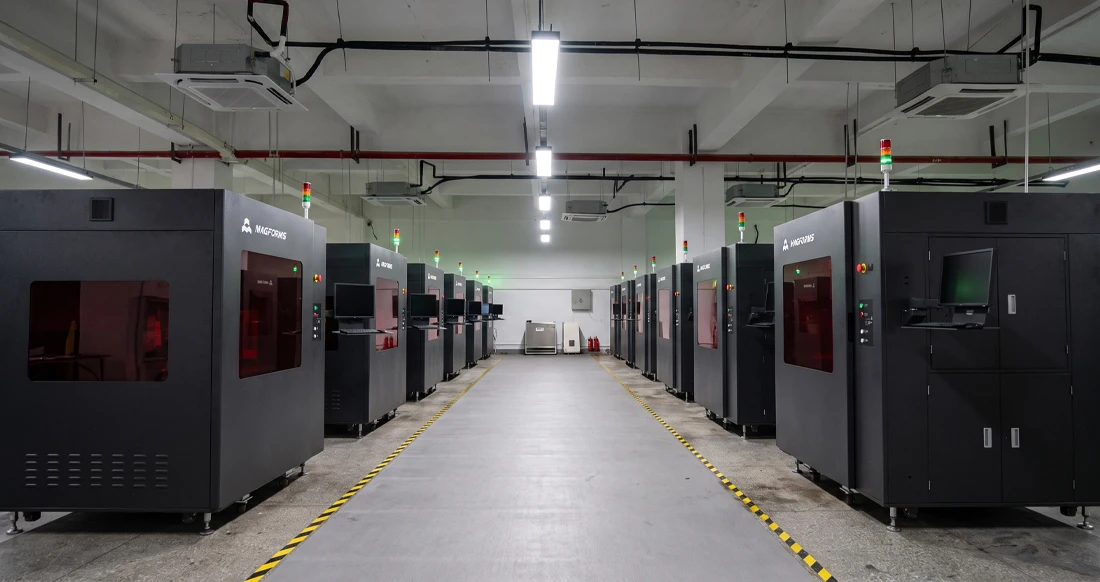
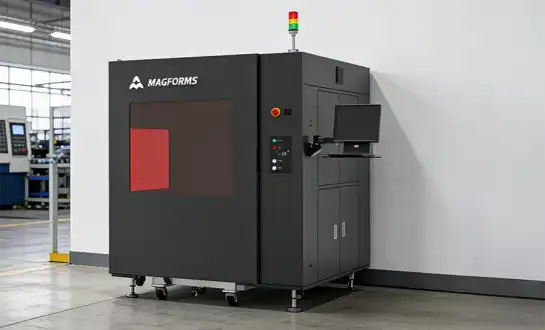
There is more and more pressure on manufacturing workers in the aerospace, medical, automobile, and consumer electronics industries to deliver complex parts faster without lowering the standard. Stereolithography technology in an industrial SLA 3D printer fixes photopolymer materials layer by layer with precise lasers, which takes this problem head-on. This method of additive manufacturing gets rid of the limitations of traditional tooling, speeds up development cycles, and enables the production of highly detailed parts with feature resolutions in the micron range and dimensional accuracies suitable for engineering applications. By combining advanced scanning systems with material science, these printers can turn digital designs into working samples and parts that are ready for production in hours instead of weeks. This completely changes how makers build complex parts.
Understanding Industrial SLA 3D Printing Technology
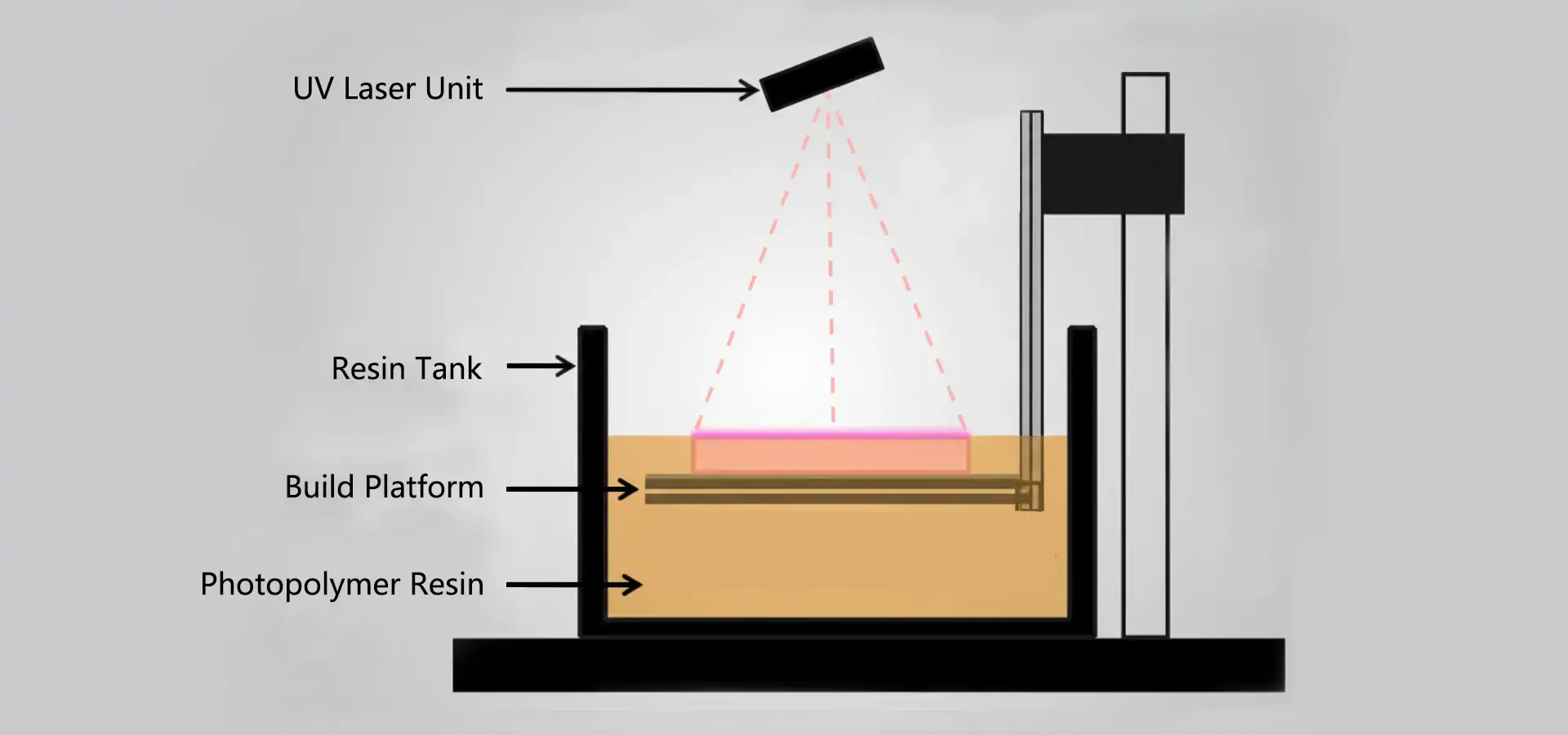
At its core, stereolithography technology works by carefully curing liquid material into solid cross-sections using UV lasers. This is a chemical process. Industrial-grade systems typically use 355nm UV solid-state lasers combined with galvanometer scanning systems. Depending on the machine architecture, laser spot sizes generally range from approximately 0.08 mm to 0.30 mm, while some advanced variable-spot systems can dynamically enlarge the beam for higher scanning efficiency in non-critical areas. This level of accuracy makes it possible to copy small features that would be impossible to machine normally, like threaded inserts, undercuts, and lattice structures.
Core Components Driving Performance
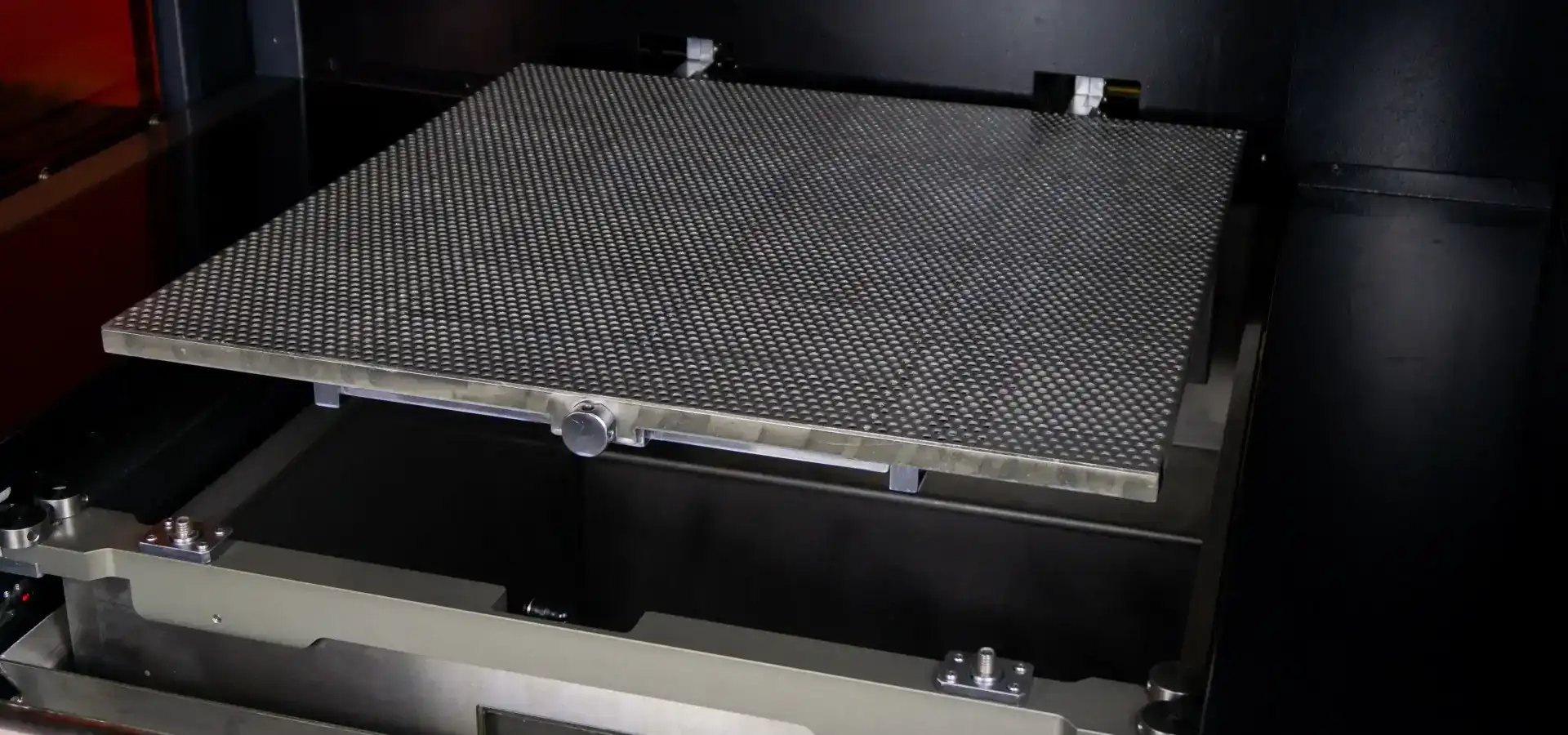
These printers are built around frames made of strengthened steel or granite that keep the printer from shaking during the printing process. Advanced closed-loop control systems help maintain dimensional accuracy across large build volumes, with achievable tolerances depending on part geometry, size, material, and process parameters. Dynamic focusing lenses change the laser's strength in real time to account for changes in resin thickness and keep layers adhering evenly during long print jobs. Normal resins and engineering-grade formulas can work with each other. ABS-like materials make useful samples resistant to impact, and clear versions let you test their optical properties. High-temperature materials that can withstand temperatures above 100°C are good for use under the hood of an automobile, and flexible formulations can be used to make parts that are like elastic ones. Because it can work with a lot of different materials, the technology can be used as a link between testing and small-scale production.
Advantages Over Alternative Technologies
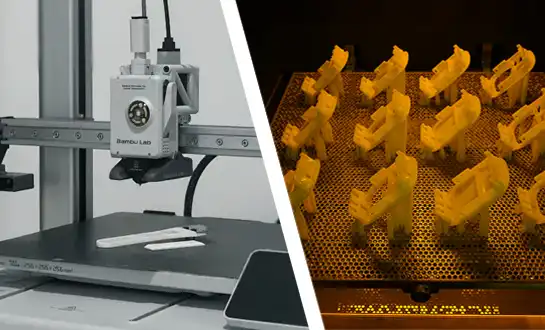
When compared to Selective Laser Sintering (SLS), an industrial SLA 3D printer typically produces smoother surfaces than SLS, with as-printed surface roughness commonly ranging from approximately Ra 2–10 μm depending on material, layer thickness, and part orientation. This means that less work needs to be done after the printing is done. SLA parts generally exhibit more uniform mechanical properties than FDM parts, although some degree of anisotropy may still exist depending on material and build orientation, while Fused Deposition Modeling (FDM) remains highly effective for many engineering thermoplastics, although visible layer lines and anisotropic mechanical properties may require additional design considerations compared with SLA. Digital Light Processing (DLP) operates through a similar photopolymerization process. While many DLP systems are optimized for smaller, high-resolution builds, large-format industrial DLP platforms are also available for specific applications. This is why SLA is often preferred for producing large, high-detail prototype components, tooling masters, and complex ducting, where surface quality and fine feature fidelity are critical.
Key Challenges in Complex Part Production and How Industrial SLA Solves Them
When making complex shapes, traditional manufacturing processes have a lot of problems. For undercut features, CNC cutting needs more than one setup, which raises work costs and creates the risk of tolerance stack-up. Tooling for injection casting is usually between $20,000 and $100,000 per mold, which means that low-volume runs can't be done on a budget. Lead times of 12 to 16 weeks make it harder to get into new markets and make changes to designs.
These problems are solved by stereolithography technology, which builds parts straight from CAD files without the need for tools. Using this method, a company that makes medical devices cut the time it takes to make surgery guides from six weeks to 48 hours, which lets them be customized for each patient. By investing in casting patterns for turbine parts, an aerospace supplier saved $80,000 on machining costs while getting the same level of accuracy as machined masters.
The ability to consolidate assemblies presents another advantage. A company that makes consumer goods changed a prototype for headphones that needed 14 injection-molded parts into one printed part. This consolidation cut the time it took to put things together by 70% and got rid of places where things could go wrong at joints. This kind of design freedom lets engineers focus on performance rather than manufacturing limits.
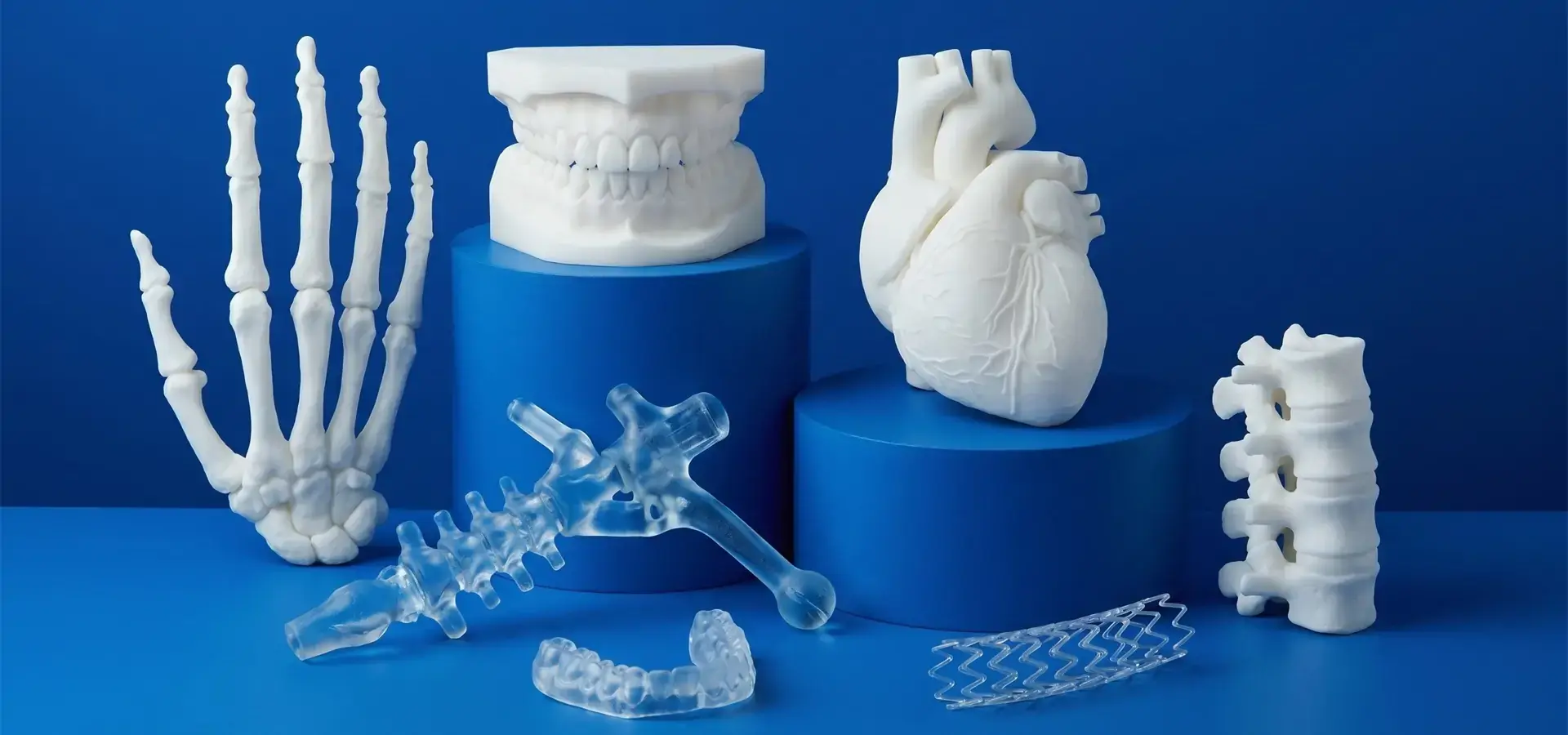
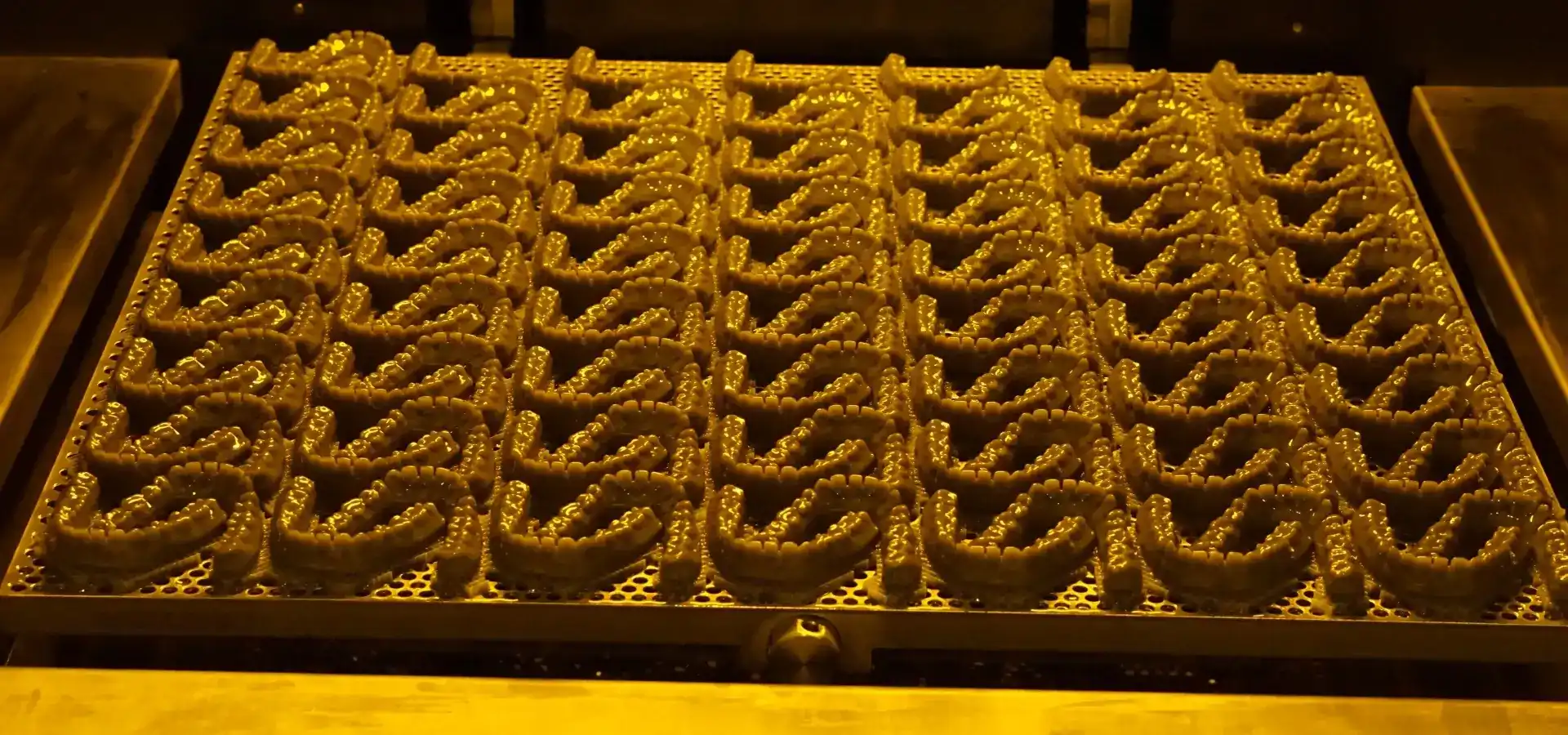
Teams working on cars use these tools to quickly test their designs. A European company makes full-size dashboard mockups in one night and tests their ergonomics before committing to making production tools. Every week, dental labs print thousands of orthodontic models, and each aligner base is made to fit the scans of a different patient. Cultural product makers make exact copies of museum items down to the millimeter level, keeping historical details for teaching purposes.
Performance Optimization of Industrial SLA 3D Printers for Complex Parts
Planning the process strategically is needed to get the best output and quality. Print direction has a big effect on both build time and surface quality. Putting the print vertically reduces the number of layers but increases the amount of support material needed, while putting it at an angle balances both factors. Simulation software figures out how the plastic will drain and where the stress points are before printing, so the job doesn't fail in the middle.
Speed and Precision Balance
The variable spot-size laser technology on an industrial SLA 3D printer is a huge step forward in terms of efficiency. Large spot sizes (0.80mm) quickly fill solid areas, while small spots (0.08mm) follow complex shapes. When compared to fixed-spot systems, this mode scanning can significantly improve build efficiency compared with fixed-spot scanning strategies while maintaining feature quality in critical areas without losing edge sharpness. AI-optimized path planning cuts down on unnecessary laser moves even more, which is especially helpful when making lots of the same part.
Changing the layer thickness is another way to improve performance. Standard layers of 0.10mm work well for most uses, but 0.05mm layers can resolve small text or micro-features. On the other hand, raising it to 0.15mm for areas that aren't important cuts build time by the same amount. Changing the height of a layer during a job based on its shape automatically makes this decision, making sure that the best resolution is used where it's needed.
Even though the "green state" parts look solid, post-curing is still necessary. Using UV ovens with controlled temperature changes can substantially improve mechanical performance and thermal stability by fully curing the resin, with the degree of improvement depending on resin chemistry. Wash stations that use isopropyl alcohol or automatic cleaning systems get rid of holes with uncured resin. This stops the resin from sticking and changing shape. When these steps of post-processing are added to ongoing processes, printers that work alone become production cells.
Maintenance for Sustained Performance
Over thousands of hours of use, routine testing keeps things accurate. Radiometers are used to check the laser's power and make sure that the energy density stays the same. Checks of the mirror's orientation stop the beam from drifting. Resin management practices, such as tracking viscosity and filtering, make materials last longer and produce less trash. Facilities that implement preventive maintenance programs often achieve significantly higher process consistency and reduced print failure rates.
Comparing Industrial SLA Printers With Other Industrial 3D Printing Technologies
To choose the right additive technology, you need to know the choices that apply to your unique needs. SLS is great for making useful parts that don't need any support structures, but handling powder makes things more complicated. FDM saves money on materials, but the surface quality that aesthetic samples need isn't possible with it. PolyJet has the same precision as stereolithography, but it uses unique materials that cost more.
The finish on the surface is very important. As-printed, an industrial SLA 3D printer can get Ra values below 1 µm, which is good enough for many look models that don't need to be painted. Because the powder wasn't fused, SLS parts have a granular appearance that needs to be smoothed with bead blasting or vaporization. This finish benefit lowers post-processing costs, which is an important thing to think about when figuring out the total cost of ownership.
In order to solve a common problem, Magforms provides open-material solutions instead of private cartridges. After proof testing, our printers can use resins from other companies. This gives buying teams more options for controlling costs. Without being locked into one seller, you can get specialized formulations for tooth biocompatibility or heat protection. This method is different from closed ecosystems, where the cost of materials drives up running costs.
Stereolithography is better for making master models for vacuum casting or investment casting because the shapes stay the same over time. Parts keep their standards even after multiple molding processes, but SLS parts may creep after being stressed for a long time. Medical implant makers depend on this stability for surgery guides that need to be aligned to within millimeters during treatments.
Procurement Considerations for Industrial SLA 3D Printers
Consumables, work, and support for an industrial SLA 3D printer are all part of the total cost of ownership, which includes the buying price. The amount of resin needed depends on the mass of the part. Resin consumption depends on part geometry and resin density, with most photopolymers having densities close to 1.0–1.2 kg/L, while lattice patterns use 60% less. Over the course of five years, the costs of the build platform, new vats, and laser repair often add up to the cost of the initial equipment purchase.
Startups and service bureaus that need to manage their cash flow, such as leasing deals. Monthly payments keep money available for marketing and stocking materials, and repair packages that come with lease terms lower the risk of downtime. Established businesses can benefit from bulk buying rates. For example, if they order 20 units, they might get a 15% price cut and longer guarantee coverage.
How quickly technical help responds has a direct effect on the continuation of production. Magforms has regional service centers all over North America and Europe. Within 48 hours, we can send help to your location. Before a customer commits to a production run, our expert team helps them choose the right material and tests it in different applications to make sure the print settings are correct. On the other hand, some wholesalers only offer simple troubleshooting via email, leaving more complicated problems unfixed for weeks at a time.
Warranty terms should be carefully read. There's a big financial difference between basic structural warranties and comprehensive coverage that includes laser repair, which costs $15,000. Our three-day workshops cover advanced support generation and glue chemistry, which cuts down on the waste of trial-and-error during the early adoption phases. Training programs help operators become more skilled faster.
Vertically combined material-equipment improvement is what makes Magforms stand out. Our own materials are calibrated on printer models that are similar to them. This gets rid of the compatibility problems that come up with sets that use more than one printer brand. This synergy raises the rate of successful first prints to 97%, which is higher than the average of about 85% in the industry. For buying teams that are looking at providers, these kinds of performance measures mean stable delivery times and regular business costs.
Conclusion
By combining design freedom with industrial accuracy, an industrial SLA 3D printer fundamentally alters the production of complex parts. The technology's ability to make complex shapes without spending a lot of money on tools speeds up the innovation process in consumer, medical, military, and automobile industries. By using variable laser scanning, smart workflow design, and built-in post-processing to improve performance, these systems are turned from simple development tools into production assets. To get the most long-term value, procurement choices need to take into account total ownership costs, supplier support infrastructure, and the openness of the material environment.
FAQ
1. How does dimensional accuracy compare to CNC machining?
CNC machines can hold limits of ±0.02mm, but stereolithography systems can reach ±0.1mm accuracy, which is good enough for most fit-form-function tests. When CNC fails, the additive method does really well—internal holes, organic curves, and undercuts don't add any extra work or cost.
2. What lifespan can I expect from solid-state lasers?
Industrial SLA 3D printers are equipped with high-quality solid-state UV laser systems, typically designed for long operational lifespans exceeding 10,000 hours when properly maintained. Power adjustment on a regular basis keeps the energy level the same as the parts' age. Magforms printers have laser tracking that lets workers know when output falls below ideal levels. This stops quality from slowly getting worse over time.
3. Can printed parts withstand outdoor environments?
Standard plastics break down when exposed to UV light for a long time. But UV-stabilized materials and protective coatings can improve outdoor durability, although long-term environmental performance should always be validated through accelerated aging tests. For uses that will be in the sun for a long time, we suggest ASTM G154 aging tests to make sure the material will work before it is put into use in the field.
4. Why is post-curing mandatory?
When parts come out of the printer, they are still partially polymerized and in a "green state." After post-curing with UV light, cross-linking is completed, which significantly improves strength and stabilizes thermal properties. Skipping this step makes the parts weak, so they break quickly when they're loaded.
Partner With Magforms for Your Industrial SLA 3D Printer Needs
Magforms brings 22 patents and relationships with more than 300 businesses around the world to every job. Our network of industrial SLA 3D printer suppliers includes companies in North America, Europe, and Asia. These suppliers are backed by regional expert teams that know how to meet the needs of each application. Our fully integrated material-equipment environment takes the guessing out of compatibility, and our optimized resin formulas make print speeds 30% faster. Our experts come up with solutions that fit your production rate, material needs, and budget, whether you're expanding a service center or starting to do prototyping in-house. Email our procurement experts at info@magforms.com to talk about custom setups, set up reviews of sample parts, or look into your financial options. With quick help and tried-and-true technology, we turn additive manufacturing from a lack of skills into a competitive edge.
References
1. Gibson, I., Rosen, D., & Stucker, B. (2021). Additive Manufacturing Technologies: 3D Printing, Rapid Prototyping, and Direct Digital Manufacturing (3rd ed.). Springer.
2. Jacobs, P. F. (2019). Stereolithography and Other RP&M Technologies: From Rapid Prototyping to Rapid Tooling. Society of Manufacturing Engineers.
3. Chua, C. K., & Leong, K. F. (2020). 3D Printing and Additive Manufacturing: Principles and Applications (5th ed.). World Scientific Publishing.
4. Ligon, S. C., Liska, R., Stampfl, J., Gurr, M., & Mülhaupt, R. (2017). Polymers for 3D Printing and Customized Additive Manufacturing. Chemical Reviews, 117(15), 10212-10290.
5. Vaezi, M., Seitz, H., & Yang, S. (2018). A Review on 3D Micro-Additive Manufacturing Technologies. International Journal of Advanced Manufacturing Technology, 95, 1281-1304.
6. Ngo, T. D., Kashani, A., Imbalzano, G., Nguyen, K. T., & Hui, D. (2018). Additive Manufacturing (3D Printing): A Review of Materials, Methods, Applications and Challenges. Composites Part B: Engineering, 143, 172-196.

Magforms makes design and manufacture easier.
Popular Blogs
-
 Industry InsightsManufacturing Industry
FDM vs. SLA Printer: Which Technology Is Right for Your Project?
-
 Industry InsightsManufacturing Industry
Top 5 Applications of Industrial 3D Printers in Manufacturing Today
-
 Industry InsightsManufacturing Industry
Why Stereolithography 3D Printers Are Unmatched for Microfluidic Device Prototyping?