What Determines Repeatability in an Industrial SLA 3D Printer?
Repeatability in an Industrial SLA 3D Printer fundamentally depends on the harmonious interaction between laser stability, mechanical precision, resin consistency, and environmental control. It reflects dimensional consistency, process stability, and part quality reliability, which are essential for industrial prototyping and low-volume manufacturing.
Understanding Repeatability in Industrial SLA 3D Printing
Repeatability is one of the most important performance factors in industrial additive manufacturing, especially for vat photopolymerization technologies such as SLA. It's one of the key factors that differentiates professional stereolithography systems from entry-level resin printing solutions. When we talk about SLA printing consistency, we're talking about how well the system can make the same part shape with little change in size from one batch to the next. Understanding the fundamentals of SLA 3D printing technology helps engineers evaluate how photopolymerization processes influence accuracy and repeatability.
A system can be highly repeatable while still having a consistent deviation from the target dimension. A printer could make parts that are slightly different from the original design, but they would still be very repeatable as long as those differences didn't change between production runs. This difference is very important for purchasing managers who are looking at tools for high-quality prototyping, tooling, and low-volume production applications.
Why Repeatability Matters for Your Production
Predictability is needed in industrial settings. Automotive prototyping teams need to know for sure that twenty prototype dashboard parts will all fit together the same way. Dental labs need every model of an aligner to fit exact specs and not need to be recalibrated for each customer. Manufacturers of aerospace parts can't stand it when small batches of connectors change sizes.
When repeatability is high, there is less waste, quality checks take less time, and people are more confident in using printed parts for practical tests. When your 3D printer gives you reliable results, you don't have to test-print, change, and reprint, which is a costly cycle that many production settings with lower-quality systems have to go through.
Key Performance Indicators
Repeatability performance is based on a number of factors that can be measured. In industrial SLA applications, repeatability is usually evaluated through standardized test parts and dimensional measurements. Depending on the machine design, resin formulation, and testing conditions, manufacturers may specify tolerances such as ±0.1 mm for smaller parts or percentage-based tolerances for larger components. The overall repeatability assessment typically considers dimensional variation, feature reproduction capability, process stability, and consistency across repeated builds.
As the technology has grown, it has allowed top manufacturers to reach amazing levels of consistency. Precision servo systems, such as Panasonic motion components used in industrial equipment, provide high-resolution positioning control that supports stable Z-axis movement and repeatable printing performance.
Core Components Affecting Repeatability in Industrial SLA 3D Printers
Industrial SLA 3D Printer systems are built in a way that shows why some machines are better at repeatability metrics than others. When buying teams compare different pieces of equipment, knowing about these sections helps them make smart choices. Comparing different Industrial SLA 3D Printer systems helps manufacturers select equipment that matches their production requirements.
Laser System and Optical Path
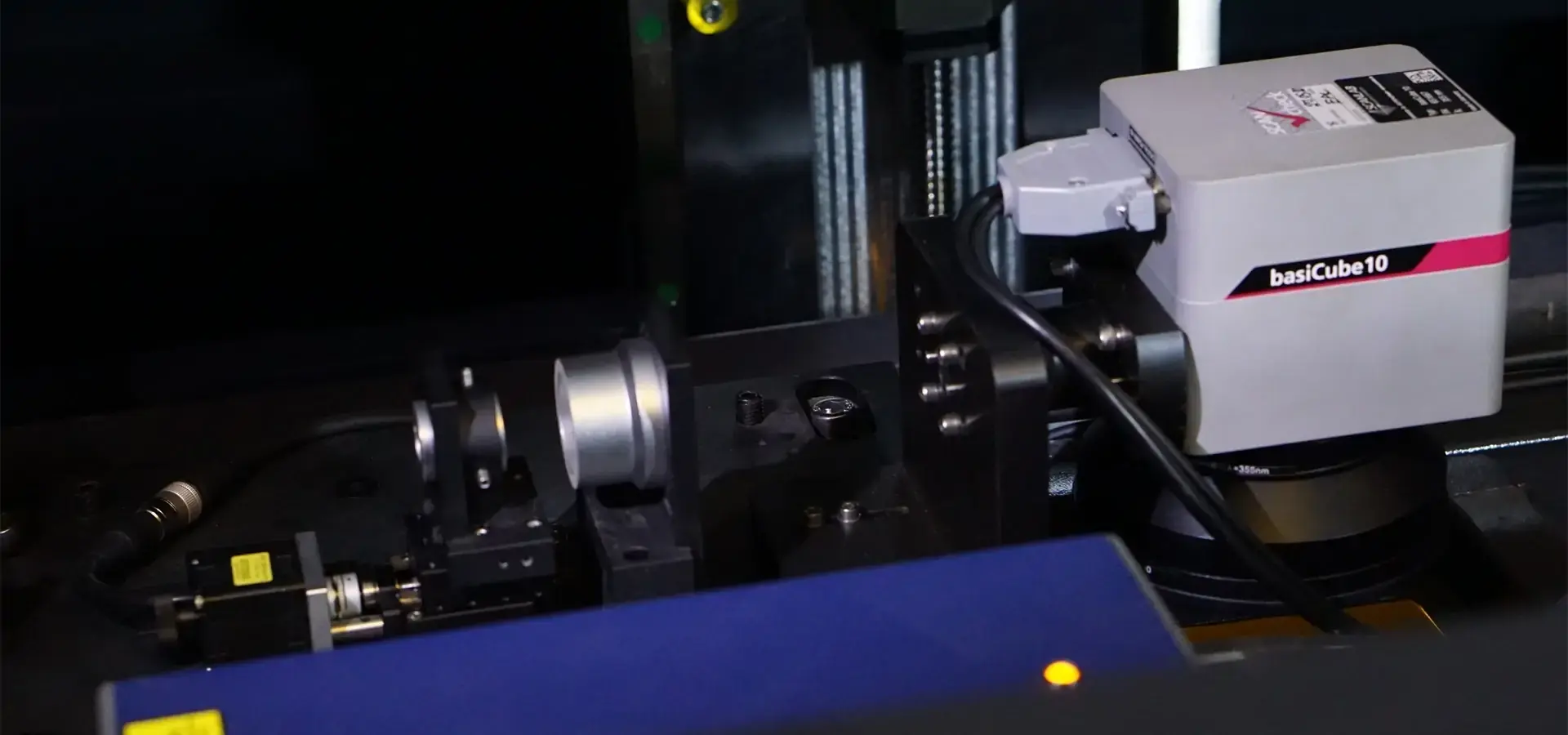
A stable laser source is at the heart of every high-performance system. Solid-state lasers, like those made by AOC, are used in high-end equipment. These lasers keep putting out the same amount of power over long periods of time, so they can be used around the clock for commercial production. The laser's wavelength (usually 355 nm) needs to stay stable because even small changes can affect how the photopolymer cures, which can cause differences in size.
The visual path that the laser energy follows to reach the photopolymer resin surface is also very important. Scanlab galvanometer systems provide precise laser beam positioning and dynamic control, helping maintain consistent scanning accuracy throughout large build areas. Together with focusing lenses, these galvanometer systems keep the beam profile round across the whole build platform. This stops the elliptical distortion that happens at the platform edges with less-than-stellar optical systems.
Some large-format Industrial SLA 3D Printer systems use advanced optical control technologies such as dynamic focusing to maintain consistent laser energy distribution across larger build volumes. This advanced method keeps the energy level constant throughout the build volume, so the curing behavior remains consistent regardless of where the part is positioned on the build platform.
Mechanical Platform Stability
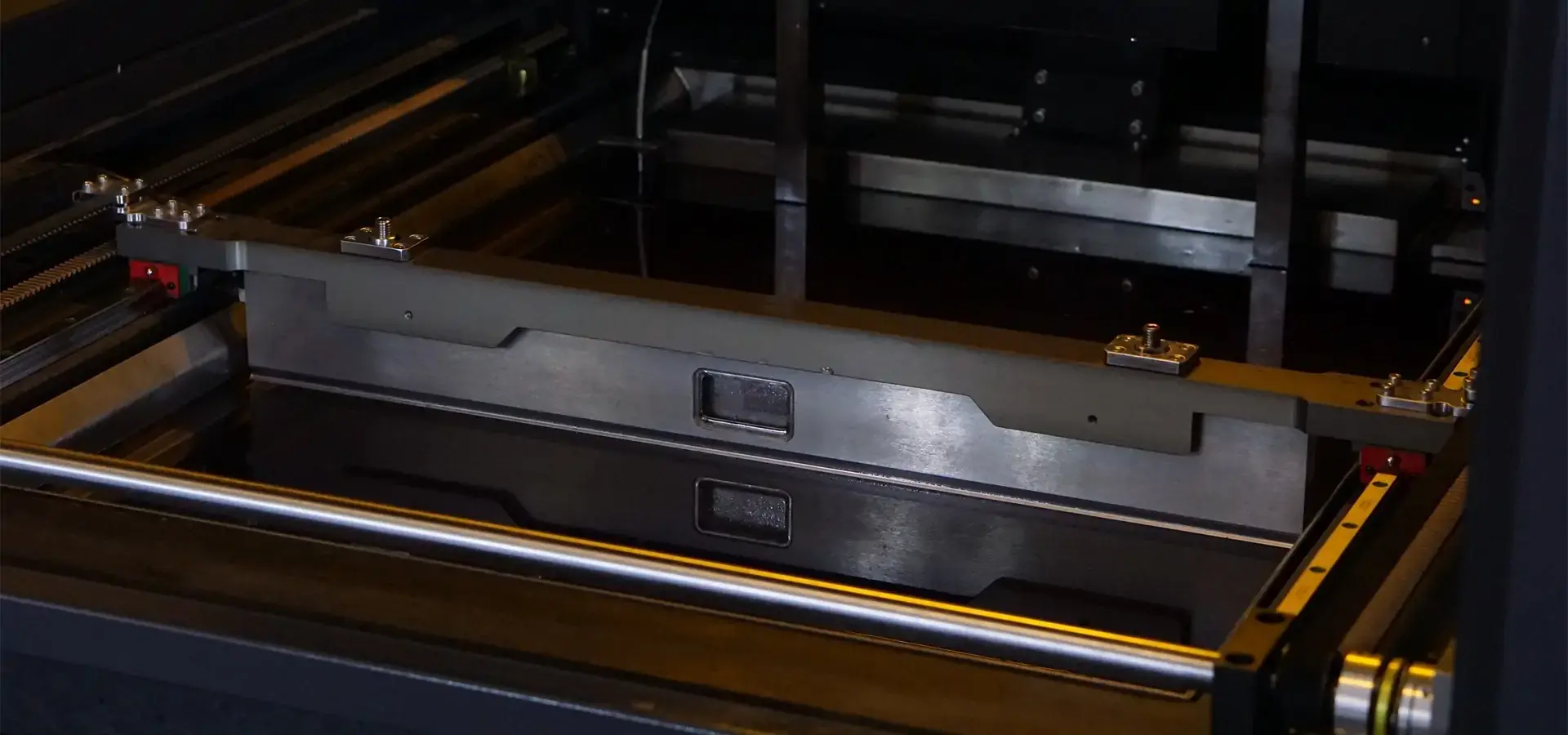
The mechanics of the platform have a direct effect on how well layers register with each other. Some high-end industrial SLA systems use low-expansion structural materials or reinforced machine bases to improve mechanical stability and reduce deformation during long production cycles. To make sure the right layer thickness, the platform's vertical placement mechanism—which usually uses precise lead screws from companies like Taiwan's HIWIN—has to be accurate to the micrometer level.
Platform flatness and mechanical alignment are carefully controlled in industrial SLA systems because small variations can accumulate over hundreds of layers and affect final part dimensions. By paying close attention to the geometry of the platform, localized changes in thickness are avoided that would add up over hundreds of layers and change the final part's dimensions.
The recoater mechanism has to meet the same high standards. The recoating system must maintain consistent resin distribution and layer thickness. Depending on the machine design, this may involve recoater blades, rollers, or other resin management mechanisms. High-end systems can place recoater parts on marble bases with an accuracy of better than 0.02 mm. This makes sure that the resin is spread out evenly so that there are no differences in thickness between layers.
Resin Vat Design and Material Control
A big part of reliability that is often overlooked is the resin vat and material management system. The design of the vat must allow even flow of the resin while stopping air bubbles from forming and keeping the material at a constant temperature. Temperature changes can change the viscosity of resin, which has an impact on how the material flows over newly cured layers and how the laser energy is distributed during polymerization.
Advanced systems may include resin temperature monitoring and control to maintain stable viscosity and improve curing consistency. This stops changes in viscosity that would cause changes in dimensions. This feature is especially useful in places that don't have climate-controlled production areas because changes in the air temperature could affect the consistency of the prints.
There are more things to think about when it comes to material compatibility than just chemical compatibility. Open-platform Industrial SLA 3D Printer systems may support different 355 nm photopolymer materials, but optimal repeatability requires matching resin chemistry with laser parameters and scanning strategies. Manufacturers who have experience with both plastics and printers have a unique edge when it comes to improving this important interaction.
Software and Calibration Systems
Control software is what makes every precise physical action possible. Modern SLA systems use software with correction methods that take into account things like material shrinkage, thermal effects, and mistakes in mechanical placement. These programs keep changing the laser power, scanning speed, and layer time so that the curing conditions stay the same.
Advanced software platforms can optimize scanning strategies, exposure parameters, and compensation algorithms based on validated process data to improve production consistency. Compared to static scanning strategies, this smart method can lead to speed gains of up to 20% over time.
The control software has built-in calibration processes that make sure the mechanical and visual systems stay in specification over time. Automated calibration cycles check the levelness of the platform, the output of the laser, the accuracy of the galvanometer, and the alignment of the optical path on a regular basis. Any problems are flagged before they affect the quality of the part.
Comparing Industrial SLA with Other 3D Printing Technologies Regarding Repeatability
Figuring out how stereolithography stacks up against other types of additive manufacturing helps put consistency performance in the bigger picture of technology.
SLA Versus FDM Technology
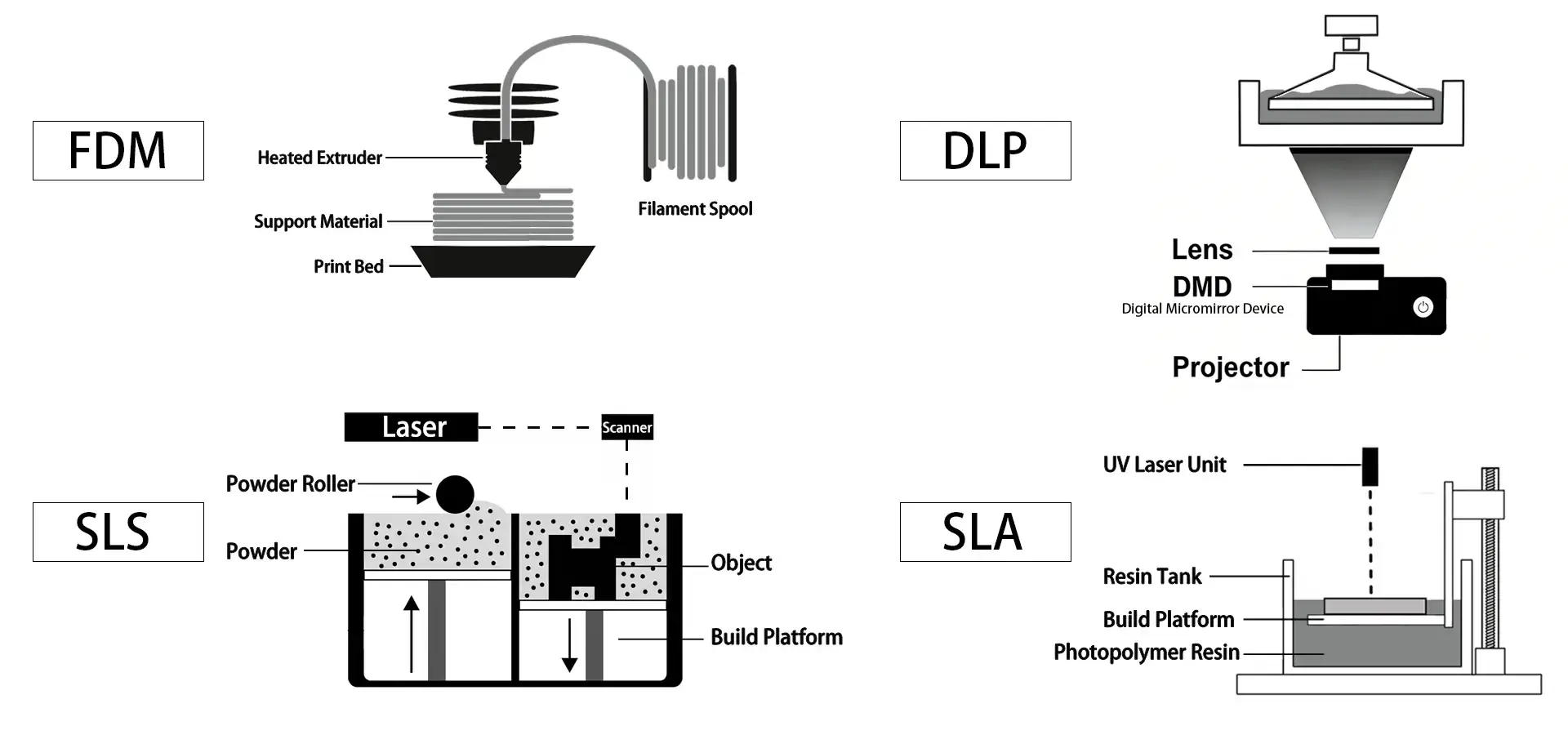
Fused Deposition Modeling depends on thermoplastic being pushed through heated nozzles, which adds a lot of variables that make it hard to repeat. Dimensional results are affected by changes in the filament's diameter, wear on the nozzle, changes in the extruder's temperature, and the environment. As molten material is deposited layer by layer, it creates internal stresses that cause parts to warp, especially larger ones.
The photopolymerization process used in stereolithography reduces several variables associated with extrusion-based manufacturing, although resin shrinkage, curing conditions, and post-processing factors still need to be carefully controlled. The consistency of the resin material stays the same throughout production runs, and the part won't be distorted by mechanical forces when it's cured without touching it. The quality of the surface finish is much better than what FDM can do. For example, High-quality Industrial SLA 3D Printer systems can achieve excellent surface finishes, often requiring significantly less post-processing compared with extrusion-based technologies.
SLA Versus DLP Systems
Digital Light Processing uses the same photopolymerization idea as SLA, but instead of laser scanning, it uses projection-based curing. DLP can achieve faster layer exposure because it projects an entire layer pattern simultaneously, but it's hard to use again and again because projector lamps break down and pixels can only show so much detail.
Laser-based systems use exact galvanometer control to keep the energy density the same across the build platform. DLP systems rely on projected light patterns, and their consistency depends heavily on optical calibration, light uniformity, and pixel resolution across the build area. This feature can cause problems with the consistency of the dimensions, especially in bigger build areas where it gets harder to keep the light distribution even.
SLA Versus SLS Technology
Selective Laser Sintering of powder materials makes strong parts that are the same all over and doesn't need a support structure, which can be very helpful in some situations. Powder bed fusion, on the other hand, adds complexity by requiring careful control of powder flow, heat, and geometry during the build process and afterward to remove powder from complex shapes.
SLA systems benefit from controlled liquid photopolymer materials, where resin formulation, temperature stability, and process parameters contribute to consistent curing performance. SLA and SLS manage different process variables. SLA focuses on resin chemistry and optical curing control, while SLS requires precise management of powder characteristics and thermal conditions. SLA is also better for surface finish because it needs less post-processing to make smooth surfaces that can be used right away or with little finishing.
Best Practices and Maintenance Tips to Enhance Repeatability
To keep working at its best over its entire life, even the most complex machinery needs to be properly maintained and operated in a disciplined way.
Establishing Calibration Protocols
Systematic calibration plans are what make continuous accuracy possible. Platform leveling checks should be done once a week on systems that get a lot of use to make sure the build surface stays straight along the laser line within certain limits. Laser power tests show that the output is stable; Significant deviations from the manufacturer's recommended laser output range should trigger calibration checks.
Optical path alignment checks stop beam distortion that lowers the accuracy of measurements. These steps make sure that the laser spot stays in a circle shape with the same diameter across the whole build platform. By calibrating the galvanometer on a regular basis, you can make sure that the scanning accuracy stays within the acceptable range. This stops the position from slowly moving over thousands of hours of use.
Preventive Maintenance Strategies
Even in systems that are well taken care of, parts will wear out over time. Recoater blades need to be checked and replaced every so often to keep the edges from getting damaged, which would cause the resin to spread unevenly. Even with safety measures, the resin residue or contamination on optical windows that cover laser parts needs to be cleaned on a regular basis with the right chemicals and lint-free materials.
The plastic vat itself is a part that needs to be replaced. Polydimethylsiloxane (PDMS) films that make it easier to release parts gradually become cloudy after being exposed to laser light, making them less clear and causing curing problems. Problems with repeatability caused by degradation can be avoided by keeping an eye on the state of the vat and changing films as directed by the maker.
Linear guide systems and lead screws work better when they are oiled on a regular basis, as suggested by the equipment manufacturer. Premium parts like HIWIN guides have longer service intervals and are more resistant to wear, but they only work as long as they're properly maintained, which also keeps the positioning accurate.
Environmental Control Considerations
Surprisingly, the environment has an effect on the results of printing. Temperature changes can change the stickiness and hardening properties of resin, and changes in humidity can change the way some photopolymer formulations work. Facilities that don't have climate control should look for tools with strong built-in temperature management systems that keep resin conditions stable even when the weather changes outside.
Particulate matter and dust pollution are very bad for optical components and resin clarity. Keeping production areas clean and following the right steps for handling resin stops the introduction of foreign materials that could lead to print errors and uneven dimensions.
Material Management Protocols
How resin is stored and handled has a big effect on repeatability. Photopolymer materials can gradually change when exposed to prolonged UV radiation or unsuitable storage conditions. Material-related quality changes can be avoided by following the manufacturer's instructions for storage temperature, container sealing, and shelf life.
Many operators don't realize how important it is to mix protocols. Before they can be used, colored or filled resins need to be mixed well so that the colorants or functional fillers are spread out evenly. When mixing isn't done right, concentration differences form, which causes noticeable banding and changes in the mechanical properties of finished parts.
Selecting the Right Industrial SLA 3D Printer for Consistent Repeatability
Buying things has long-lasting effects on how much can be made and how efficiently things run. To compare different pieces of equipment, you need to carefully look at their technical specs, the reputation of the manufacturer, and the overall cost over their entire useful life.
Critical Specification Evaluation
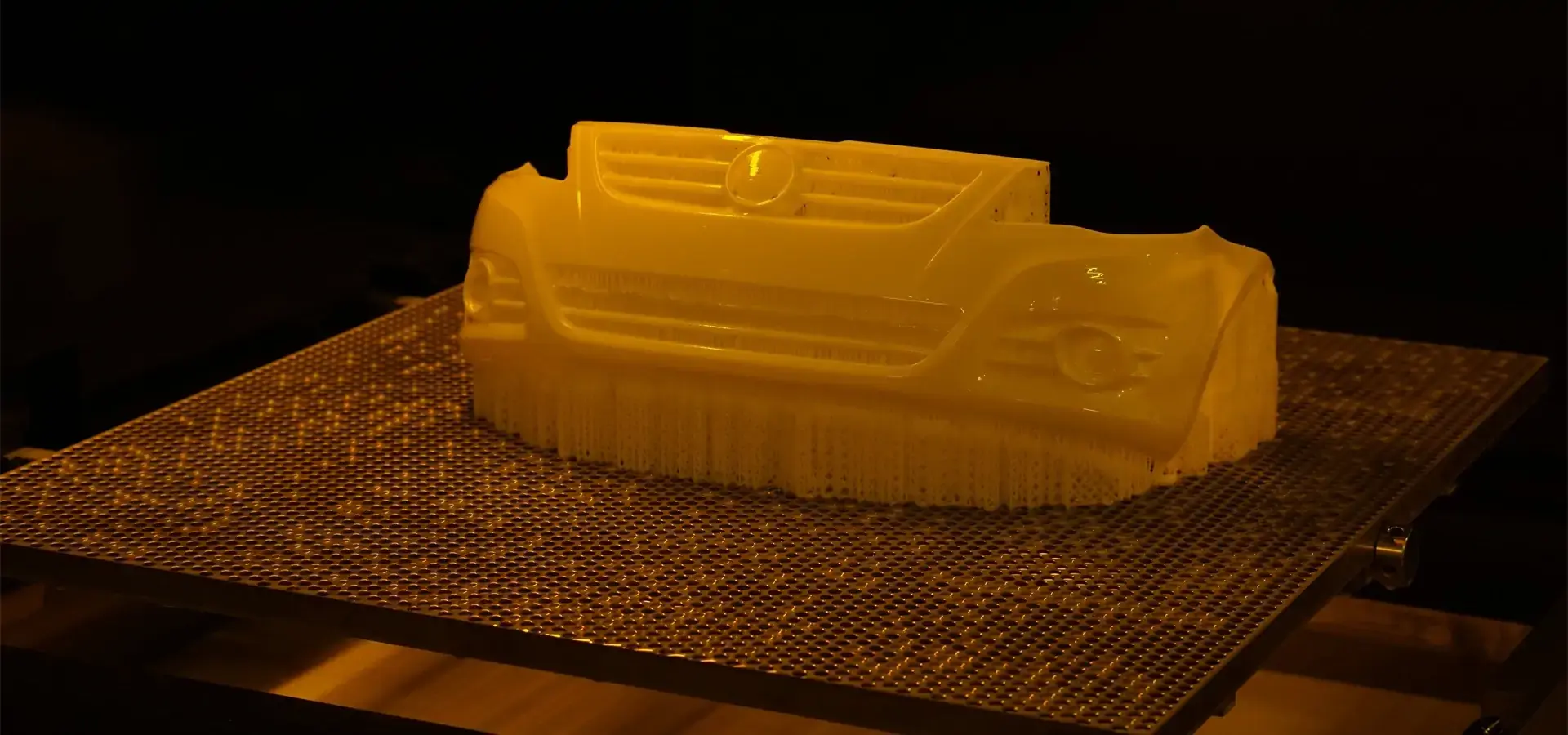
For manufacturers evaluating large-format stereolithography equipment, solutions such as the SL800 Industrial SLA 3D Printer demonstrate how laser stability, build volume, and mechanical design can work together to support consistent industrial production. Dimensional accuracy standards, such as ±0.1 mm for items less than 100 mm, set the bar for what is expected, but it's just as important to understand the test methods used to confirm these standards.
The amount of material that needs to be built must be a mix between what is needed now and what is expected to grow. Oversized equipment costs more to buy and run, and platforms that are too small make it harder to change how things are made. Scalability is possible as production numbers change thanks to modular equipment environments that offer different platform sizes.
Material compatibility is an important thing to think about when buying something. Closed systems that are locked to private plastics add to the cost of doing business and make it harder to improve the process. Open platforms that can handle standard 405 nm or 355 nm wavelength materials give you operational flexibility and let you save money by buying materials from different suppliers.
Manufacturer Assessment Criteria
Manufacturers' abilities have a direct effect on long-term repeatability maintenance, in addition to the equipment's specifications. Companies that sell both materials and equipment have a deeper understanding of how to integrate them. They have figured out how to make the interaction between resin formulations and printing parameters work best, which is what determines repeatability performance.
Infrastructure for after-sales support should be carefully looked at. Technical support teams that are quick to respond and can figure out problems within 24 hours keep production plans from being thrown off by long periods of downtime. Manufacturers who keep their service departments large show that they care about their customers' success after the initial equipment sales.
The learning curve for using new tools is sped up by training programs that help operators get better faster. Production teams can keep equipment running at its best throughout its lifetime by getting full training in operation, repair, and maintenance.
Magforms Advantage in Repeatability
Here are the main reasons why Magforms equipment is positioned for better repeatability performance:
Premium Component Integration: Magforms systems use well-known parts that were carefully chosen for their dependability and accuracy. The German Scanlab galvanometers provide accurate beam control that is necessary for consistent dimensions, and the AOC laser source provides stable output that supports production schedules that run 24 hours a day, seven days a week. Panasonic servo motors in the platform, recoater, and liquid level control systems make sure that the positioning is accurate to within micrometers, and that the tolerances stay tight even after thousands of print cycles.
Variable Spot Technology: The ability to change the size of a laser spot is a big step forward in technology. Spot sizes between 0.5 and 0.6 mm work well for scanning part infill areas, while 0.15 to 0.2 mm are better for scanning supports and contours. When compared to traditional fixed-spot systems, this smart method speeds up printing by 30–50% without sacrificing the accuracy in dimensions that determines repeatability.
Structural Stability: The mechanical design has 2 mm-thick metal enclosure walls and low-expansion marble platform feet that help maintain stability during long-duration printing operations. Taiwan's HIWIN makes high-quality linear guides and lead screws that last longer and work consistently on the high-Z axis. This keeps parts from getting damaged and positions from being off, which can affect consistency.
Thermal Management: Built-in temperature control systems keep the ideal viscosity of the resin at all times, no matter what the outside temperature is. This gets rid of a major cause of print variation. This feature is especially useful for places that don't have climate control because changes in temperature would cause dimensions to become less consistent otherwise.
Material Expertise: Magforms has optimized the relationship between resin formulations and laser scanning parameters by drawing on a wealth of experience in developing materials. This deep understanding of how everything works together keeps stress from building up during drying, which stops parts from deforming and improves the accuracy of their measurements across production runs.
These technical benefits combine to deliver measurably superior repeatability metrics, translating into reduced scrap rates, shortened production cycles, and increased confidence in using printed parts for tough jobs. The equipment reliability enables production teams to focus on design and application development rather than troubleshooting equipment inconsistencies.
Magforms continues to invest in technology development, intellectual property protection, and industrial application experience to support reliable additive manufacturing solutions. The company's export track record serving over 300 enterprises across dozens of countries demonstrates proven performance in diverse industrial applications and operating environments.
Conclusion
Repeatability in stereolithography systems powered by Industrial SLA 3D Printer technology comes from the combined performance of laser stability, mechanical precision, resin control, and software optimization. When buying equipment, choosing high-quality parts like stable laser sources, accurate galvanometers, and servo motors is important for making sure that production results are consistent. Controlling the environment, doing regular maintenance, and handling materials correctly all help to keep repeatability high throughout the lifecycle of an item. Knowing these basic technical terms helps engineering and procurement teams choose systems that are best for their needs, whether they are for rapid prototyping, which needs to be able to change designs quickly, or for production manufacturing, which needs consistency between batches. Investing in high-repeatability equipment pays off with less waste, shorter development cycles, and more confidence in the performance of printed parts in medical, automotive, aerospace, and consumer electronics settings.
FAQ
1. How often should I calibrate my stereolithography system?
How often calibration is done depends on how often the application is used and how important it is. Platform leveling checks are done once a week, and full calibration cycles which include laser power, galvanometer positioning, and optical path alignment, are helpful in high-volume production settings. In lower-volume businesses, basic checks might be done every two weeks or once a month. The key is to set up regular routines instead of only calibrating when there are problems with the quality. Modern systems that can diagnose themselves can quickly detect drifting conditions so that they can be fixed before repeatability drops to levels that aren't acceptable.
2. What causes sudden repeatability degradation?
Sudden loss of repeatability can be caused by several things. Most of the time, it's mechanical problems like a platform mounting that isn't tight enough, worn recoater blades, or dirty optical windows. Consistency can also be affected by problems with the resin itself, such as material breakdown, bad storage conditions, or contamination from outside substances. Changes in the environment, like changes in temperature or humidity, have an effect on both the qualities of materials and the way that equipment works. Root causes are usually found by looking at recent changes in operations, maintenance records, and environmental factors in a planned way. Keeping detailed print logs that record parameters and results makes it easier to find patterns when looking into issues with repeatability.
3. Can different resin formulations affect repeatability?
Of course. Resin chemistry has a big impact on how it cures, how much it shrinks, and how it reacts to heat, all of which affect the final dimensions. When you switch between types of resin without optimizing the parameters, you introduce variation. When engineering resins with high glass transition temperatures are shrunk, they shrink in different ways than normal materials, so the exposure settings and support strategies need to be changed. When working with transparent resins, you need to pay extra attention to how deep the laser can go and how light can be spread. Open-platform systems that can work with different types of materials give you options, but to get the best repeatability, you need to carefully build parameters for each resin mixture that is used in production.
Partner with Magforms for Superior Industrial SLA 3D Printer Solutions
Magforms stands ready to support your precision manufacturing requirements with Industrial SLA 3D Printer systems engineered for exceptional repeatability and reliability. Our integrated approach combining proprietary materials with precision equipment eliminates compatibility issues plaguing mixed-vendor solutions, delivering consistent dimensional accuracy and superior surface finish across production runs.
Our technical team brings extensive commissioning experience across diverse industrial applications, from aerospace component validation to dental model production. We understand the repeatability demands of quality-critical manufacturing and have designed our systems specifically to meet those requirements. With comprehensive after-sales support responding to inquiries within 24 hours and a global service network supporting over 300 enterprises, we ensure your production schedule remains uninterrupted.
Whether you're a startup service bureau requiring cost-effective entry into professional 3D printing or a large automotive R&D department needing large-format capability, Magforms offers equipment solutions scaled to your requirements. Contact our team at info@magforms.com to explore how our Industrial SLA 3D Printer supplier expertise can optimize your additive manufacturing operations. Request detailed specifications, sample parts, or arrange equipment demonstrations to experience the Magforms repeatability advantage firsthand.
References
1. Gibson, I., Rosen, D., & Stucker, B. (2021). Additive Manufacturing Technologies: 3D Printing, Rapid Prototyping, and Direct Digital Manufacturing (3rd ed.). Springer.
2. Jacobs, P. F. (1992). Rapid Prototyping & Manufacturing: Fundamentals of Stereolithography. Society of Manufacturing Engineers.
3. Ligon, S. C., Liska, R., Stampfl, J., Gurr, M., & Mülhaupt, R. (2017). Polymers for 3D Printing and Customized Additive Manufacturing. Chemical Reviews, 117(15), 10212-10290.
4. Quan, Z., Wu, A., Keefe, M., Qin, X., Yu, J., Suhr, J., Byun, J. H., Kim, B. S., & Chou, T. W. (2015). Additive Manufacturing of Multi-Directional Preforms for Composites: Opportunities and Challenges. Materials Today, 18(9), 503-512.
5. Melchels, F. P., Feijen, J., & Grijpma, D. W. (2010). A Review on Stereolithography and Its Applications in Biomedical Engineering. Biomaterials, 31(24), 6121-6130.
6. Stansbury, J. W., & Idacavage, M. J. (2016). 3D Printing with Polymers: Challenges among Expanding Options and Opportunities. Dental Materials, 32(1), 54-64.

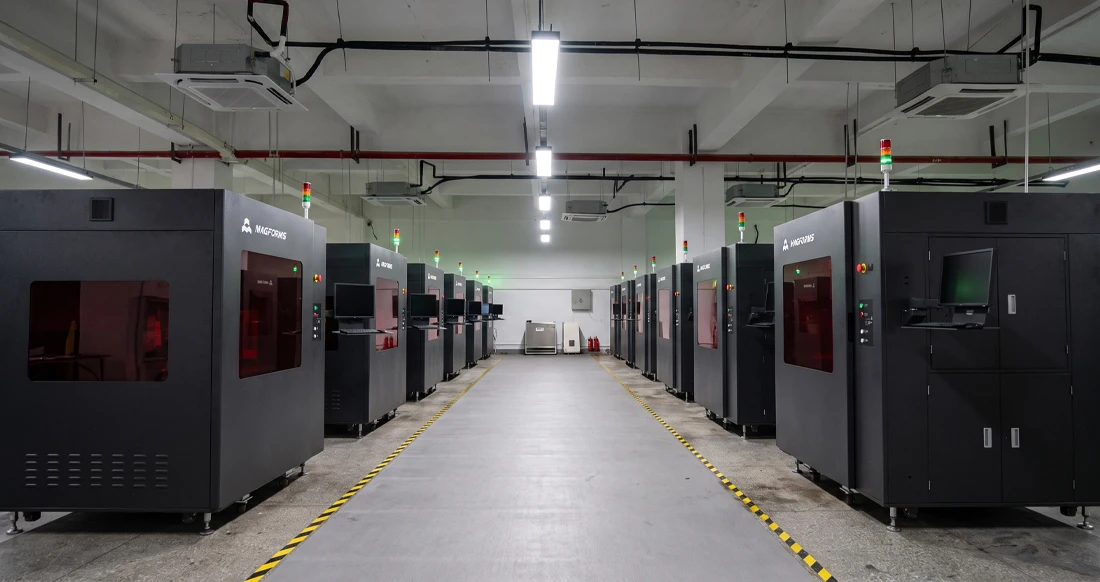
Magforms makes design and manufacture easier.
Popular Blogs
-
 Industry InsightsManufacturing Industry
FDM vs. SLA Printer: Which Technology Is Right for Your Project?
-
 Industry InsightsManufacturing Industry
Top 5 Applications of Industrial 3D Printers in Manufacturing Today
-
 Industry InsightsManufacturing Industry
Why Stereolithography 3D Printers Are Unmatched for Microfluidic Device Prototyping?