What Is Large-Scale 3D Printing and How Does It Work
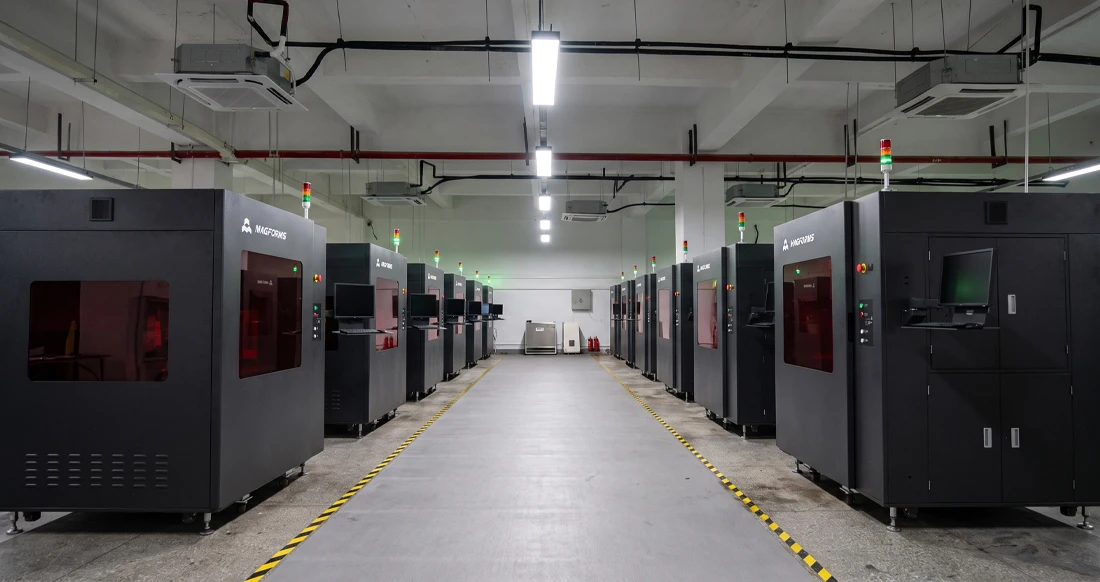
The cutting edge of industrial additive manufacturing is large-scale resin 3D printer technology, which uses vat photopolymerization methods to make precise parts with build volumes significantly larger than conventional desktop 3D printers. For complicated industry uses in the automobile, aircraft, medical, and consumer electronics sectors, these high-tech systems use UV light sources to cure liquid photopolymer resins layer by layer. This gives them a very smooth surface and accurate measurements.
Understanding Large-Scale Resin 3D Printing Technology
Large-scale resin 3D printing has changed the way factories make things by closing the gap between fast development and full-scale production. Vat photopolymerization technology is used in these high-tech systems, mostly through the SLA (laser-based stereolithography) as the dominant technology for industrial large-scale systems, while DLP and LCD-based systems rely on area exposure architectures and are typically used in smaller-format machines.
Core Technology Fundamentals
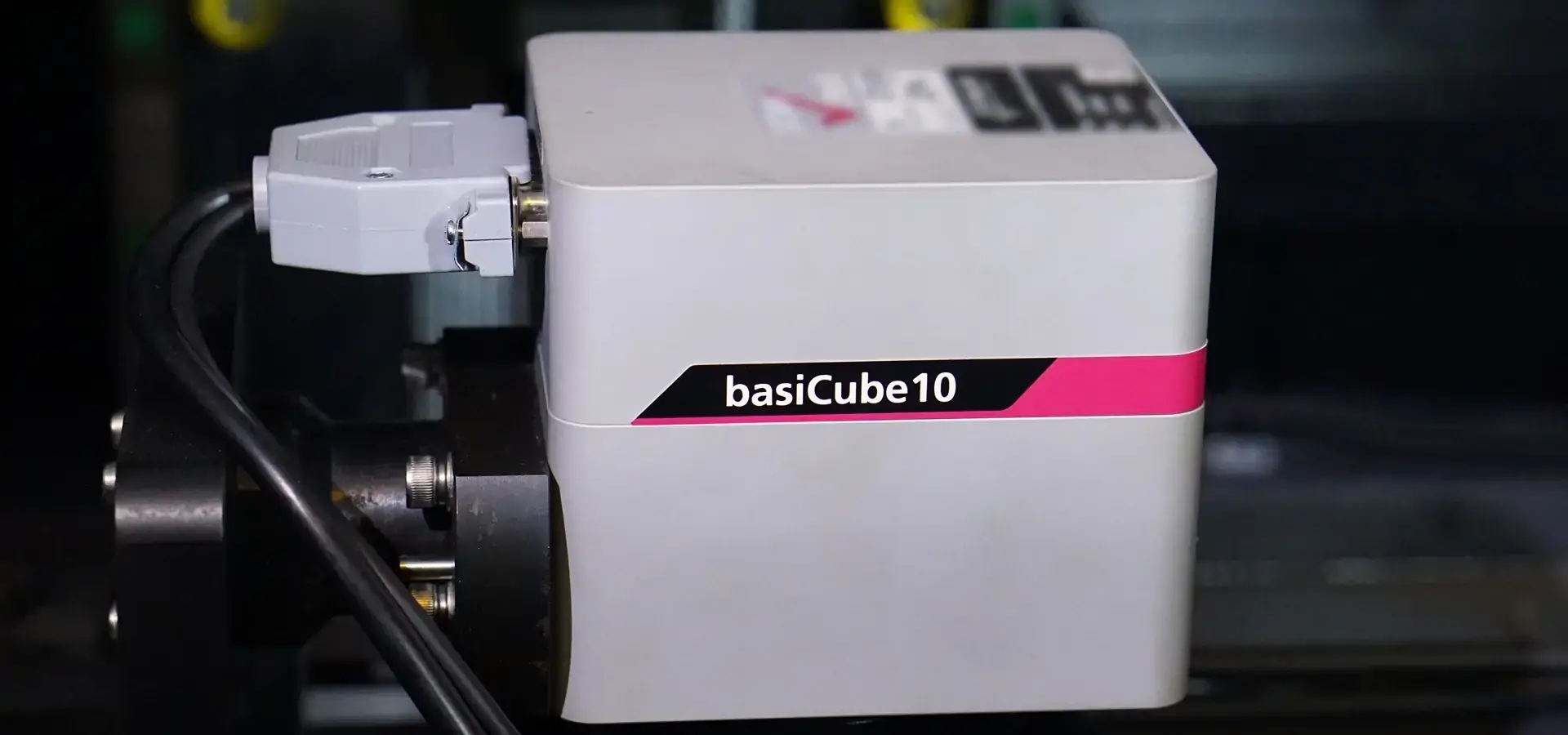
Large-format resin printing is based on its accurate optical systems and improved abilities to handle materials. Instead of using heated material like most FDM printers do, these machines use UV laser scanning systems to selectively cure liquid photopolymer resins. To start the process, a computer model is cut into very thin layers, typically ranging from 25 to 150 microns depending on application requirements and material properties. High-precision galvanometer systems (e.g., Scanlab) combined with industrial-grade UV laser sources are used in industrial SLA systems to ensure excellent beam quality and scanning accuracy. The galvanometer mirrors very precisely guide the laser beam across the resin surface, and complex control algorithms optimize scan strategies for accuracy, surface quality, and build efficiency.
Variable Spot-Size Technology
Modern large-scale resin printers use new, varying spot-size technology to get around the old trade-off between speed and accuracy. Different laser spot sizes are used for different printing steps in this new technology. Larger spots (0.5 to 0.6 mm) speed up the filling processes inside the material, while fine spots (0.18 to 0.2 mm) make sure that the shapes and details are printed precisely. The use of deep learning techniques makes printing even more efficient, allowing speeds to be up to 30–50% faster than with traditional methods. These systems adjust scanning parameters based on pre-processing and scan path optimization strategies to get the best quality and speed.
Key Benefits and Applications of Large-Scale Resin 3D Printing
Using large-format resin printing technology has huge benefits in many different types of industries. These benefits go beyond just being able to change sizes; they also include basic improvements in how well products are made with a large-scale resin 3D printer and how well they work.
Industrial Performance Advantages
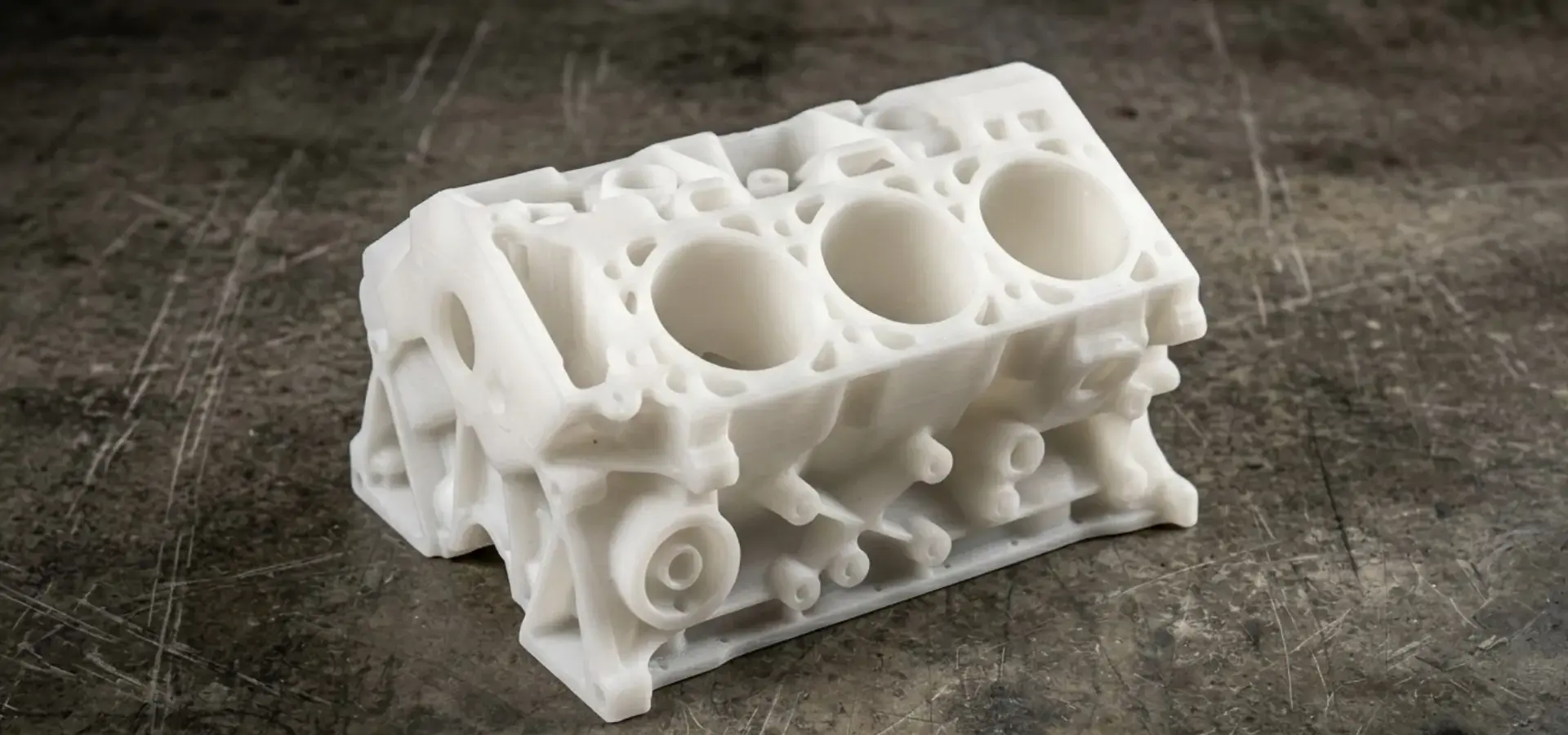
Large-scale resin 3D printer systems do away with the need for part separation, allowing makers to make large components as one solid structure. This feature keeps the structure's integrity and results in more uniform mechanical properties compared to many filament-based processes, although true isotropy still depends on material and process conditions that can't be obtained by putting together multi-part prints. Another important benefit is that these systems can achieve surface finishes approaching injection-molded quality with appropriate post-processing. With layer heights as low as 25 microns, complicated textures and shapes can be copied with minimal visible layer lines compared to most additive manufacturing methods. This makes post-processing much easier.
Sector-Specific Applications
Large-format resin printing is used in the car industry to make quick prototypes of panel parts, air intake manifolds, and custom interior parts. It is possible for engineers to test fit-and-function properties under heat stress conditions while keeping the structural integrity of parts that fit together perfectly. Small-batch production and prototype testing of complexly organized parts are what aerospace uses are all about. The technology is especially useful for making precise joints and parts with odd shapes that meet strict accuracy standards and give designers the freedom to make changes to designs quickly. These tools are used in the medical and dental fields to make unique prosthetics, surgical guides, and orthodontic devices. Biocompatible materials can be used to make products that are special to each patient. This allows for individual treatment plans that improve clinical results. Rapid iteration is useful for the shoe and consumer electronics industries. They use large-format printing to make shoe models, samples for wearable tech, and complicated lattice structures that improve performance while using less material.
Choosing the Right Large-Scale Resin 3D Printer: Comparison and Decision-Making
To choose the best large-format resin printing system, you need to carefully look at its technical specs, working needs, and overall cost of ownership. The decision-making process has to find a balance between the need for instant production and the need to be able to grow in the future.
Critical Evaluation Parameters
The most clear standard is the build volume, but buyers should also think about how size and resolution uniformity relate to each other. Advanced systems ensure consistent laser spot energy and calibrated scan field accuracy across the full build area. This ensures quality from edge to edge and stops big flat shapes from warping. In large-format uses, optical accuracy and consistency are very important. For print sizes over 600mm, industrial SLA systems rely on laser scanning optics, ensuring consistent XY precision (typically 25–85 microns) across large build areas. This optical stability makes sure that the quality of parts printed on the sides of the platform stays the same as parts printed in the middle.
Material Compatibility and Flexibility
Large-scale applications that work best use open material systems that support third-party resins that can work with a number of different resin formulas from different makers. This adaptability helps keep costs low while still giving users access to specialized materials for certain uses. When it comes to applications, engineering-grade resins give you a lot more choices. You can get high-temperature formulas (typically ranging from 120°C to over 200°C depending on specialized high-temperature formulations), tough ABS-like materials, and flexible rubber compounds. In order to handle high-viscosity resins, heated tanks or vats are often needed to keep the flow properties at their best.
System Integration Considerations
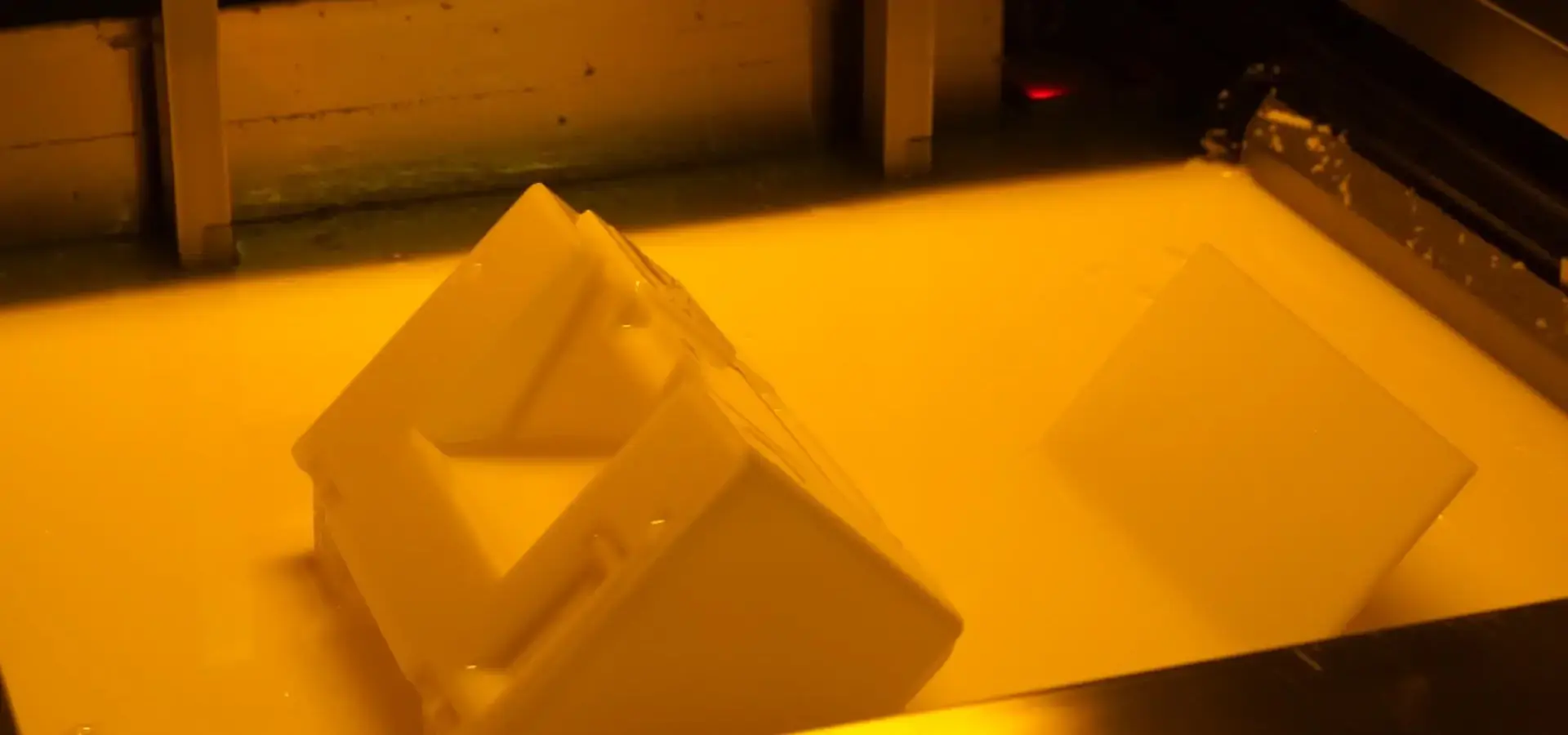
Modern large-scale resin 3D printer systems use advanced peel force control technologies to deal with large-scale resin 3D printer the strong forces that are created when big, solid cross-sections are separated from the vat film. Rigid vat structures with fixed optical bottom windows, combined with controlled mechanical Z-axis separation systems, are used to manage detachment forces during layer peeling and ensure stable interlayer adhesion. Dual linear rails and precision ball screws, which are part of industrial-grade linear motion systems, keep the Z-axis stable in these tough circumstances. Permanent leveling systems or precise human adjustment devices keep the alignment of the build plate within a few microns of error.
Maintenance, Troubleshooting, and Safety in Large-Scale Resin 3D Printing
For large-scale resin printing companies to make sure stable production quality and equipment longevity, they need to have good maintenance routines and safety procedures.
Routine Maintenance Best Practices
Cleaning and calibrating systems on a regular basis keeps them running at their best and avoids costly downtime. The resin vat and optical window interface require periodic inspection and maintenance based on wear conditions and resin chemistry. Maintenance for optical systems includes cleaning optical lenses, mirrors, and protective windows to ensure consistent laser energy transmission. UV laser sources should be monitored for output stability over time. Replacements should be planned based on real usage hours rather than calendar dates. Linear bearings and ball screws in the mechanical systems work better when they are oiled on a regular basis, and the Z-axis moves smoothly when the motion system is calibrated and maintained to ensure stable Z-axis movement. Regular checking and re-leveling of the build plate is needed to keep the first-layer bonding consistent.
Safety Protocols and Environmental Considerations
Because uncured photopolymers can be dangerous, there are strict rules that must be followed when dealing with resin. Wearing nitrile gloves, safety glasses, and making sure there is enough air flow around them saves them from skin touch and vapor exposure. Because of their stronger light sources, large-format devices make UV exposure safety even more important. Safety systems that are properly shielded and linked keep people from getting accidentally exposed during operation and maintenance. The rules for getting rid of waste must cover both liquid plastic waste and contaminated consumables and cleaning materials. Properly hardening leftover resin before throwing it away protects the environment and reduces the risks of handling it.
Procurement Guide: Where and How to Buy Large-Scale Resin 3D Printers
When buying large-format resin printing systems, you need to carefully think about the skills of the provider, the infrastructure for service, and the total cost of ownership, which includes more than just the price of the equipment itself.
Supplier Evaluation Criteria
Manufacturers that have been around for a while and have a track record of large-scale resin 3D printer success in industrial additive manufacturing are the best ones to start with. Companies with a lot of patents and foreign approvals show that they have the technical depth to support complicated commercial uses. Service infrastructure is especially important for large-format systems because they are so complicated and need to be very precise to work well. Suppliers who give technical help 24 hours a day, seven days a week, with quick response times and on-site service skills keep production running smoothly and make sure that technical problems are fixed quickly.
Financial and Logistics Considerations
Large-scale resin 3D printer systems usually have a price structure that includes a number of different parts, such as the base equipment, installation and setup, training for the user, and ongoing service agreements. Knowing about these cost factors helps you figure out the total cost of ownership correctly and make smart decisions. Financing choices, such as leasing agreements and discounts for buying in bulk, can help with managing cash flow when buying major equipment. A lot of suppliers let you choose how to pay, which lets you match the cost of tools with the plan for ramping up production. Because of their size and accuracy, these systems need extra care when they are being shipped and installed. Professional installation, careful handling, and environmental controls during travel all work together to make sure that equipment comes in perfect shape and starts working as expected right away.
Conclusion
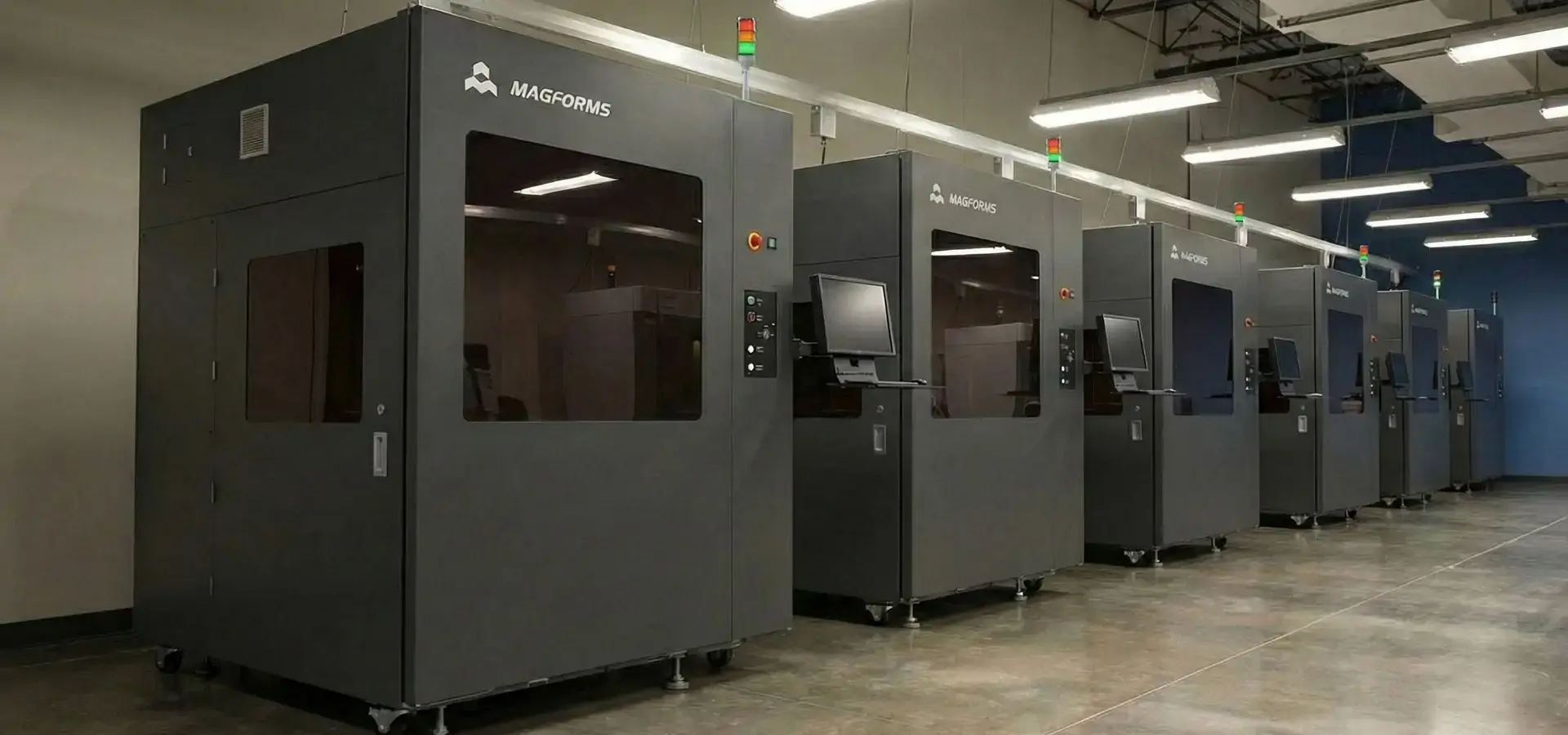
Large-scale resin 3D printing has grown into an important manufacturing skill that can be used for both fast development and production in many different industries. These systems are great for businesses that want to speed up product development while still keeping the highest quality standards because they have great surface quality, accurate dimensions, and scalable output. To get the most out of large-format resin printing, you need to carefully think about the technical requirements, operating needs, and supplier skills. This will help you get the best return on your investment and ensure reliable production for a long time.
FAQ
1. What materials work best with large-scale resin 3D printers?
A lot of different photopolymer materials can be printed on large-format resin printers. These include standard resins for development, engineering-grade tough resins for functional parts, high-temperature formulas for thermal testing, and flexible materials for elastomeric parts. The important thing is to choose systems that are open-source compatible and can use resins from different makers. This gives you cost options and a wide range of uses.
2. How long does it take to print large parts?
Because in SLA systems, build time depends on scan path complexity and layer thickness, although part height remains a primary factor, print time is primarily influenced by part height and scan path complexity rather than overall volume. No matter how big or small its shape is, a 200mm tall part usually takes 8 to 12 hours. The layer height setting (25–100 microns) has a big effect on the total time. For example, for smaller values, each layer needs to be exposed for longer.
3. What maintenance differences exist between resin and filament printers?
When compared to filament systems, resin printers need to be cleaned and their parts replaced more often. Depending on how it is used, the vat film Interface components require periodic inspection depending on system design. Optical components such as lasers and galvanometer systems have long service lifetimes but require periodic calibration and maintenance. However, resin systems usually need less mechanical upkeep than filament extruder systems because they have fewer moving parts.
4. How do I ensure consistent quality across large build areas?
For quality to be consistent, the light must be calibrated correctly, and the system must be maintained regularly. To keep the exposure level the same across the build platform, more advanced systems use light sources that are collimated and accurate optical assemblies. Regular testing processes and proper temperature control of the resin make sure that the curing properties are the same from edge to edge.
Transform Your Manufacturing with Magforms Large-Scale Resin 3D Printing Solutions
Magforms offers the best large-scale resin 3D printer technology on the market, which will change the way you make things. Our high-tech SLA systems have German Scanlab galvanometers and changeable spot-size laser technology. They can print with an accuracy of ±0.1mm. With more than 22 patents and years of experience working with more than 300 businesses around the world, we offer bundled solutions that combine the most reliable products and tools. Anytime, any day, our expert help team will get back to you within an hour and solve the problem within four hours. Get in touch with us at info@magforms.com to find out how our large-scale plastic 3D printer maker services can help you come up with new ideas faster and get them to market sooner.
References
1. Gibson, Ian, David Rosen, and Brent Stucker. "Additive Manufacturing Technologies: 3D Printing, Rapid Prototyping, and Direct Digital Manufacturing." 2nd Edition, Springer, 2015.
2. Chua, Chee Kai, and Kah Fai Leong. "3D Printing and Additive Manufacturing: Principles and Applications." 5th Edition, World Scientific Publishing, 2017.
3. Ngo, Tuan D., et al. "Additive Manufacturing: Current State, Future Potential, Gaps and Needs, and Recommendations." Journal of Manufacturing Science and Engineering, Vol. 140, No. 6, 2018.
4. The International ASTM. "Standard Terminology for Additive Manufacturing Technologies." 2012, ASTM F2792-12a, West Conshohocken, PA.
5. They are Terry T. Wohlers and Tim Caffrey. "Wohlers Report 2020: 3D Printing and Additive Manufacturing State of the Industry." Wohlers Associates, 2020.
6. In Manufacturing Letters, Volume 17, 2018, Groth, Cameron, et al. wrote an article called "Large-Scale Additive Manufacturing: Current State and Future Opportunities."

Magforms makes design and manufacture easier.
Popular Blogs
-
 Industry InsightsManufacturing Industry
FDM vs. SLA Printer: Which Technology Is Right for Your Project?
-
 Industry InsightsManufacturing Industry
Top 5 Applications of Industrial 3D Printers in Manufacturing Today
-
 Industry InsightsManufacturing Industry
Why Stereolithography 3D Printers Are Unmatched for Microfluidic Device Prototyping?